
What Are CNC Machining Materials?
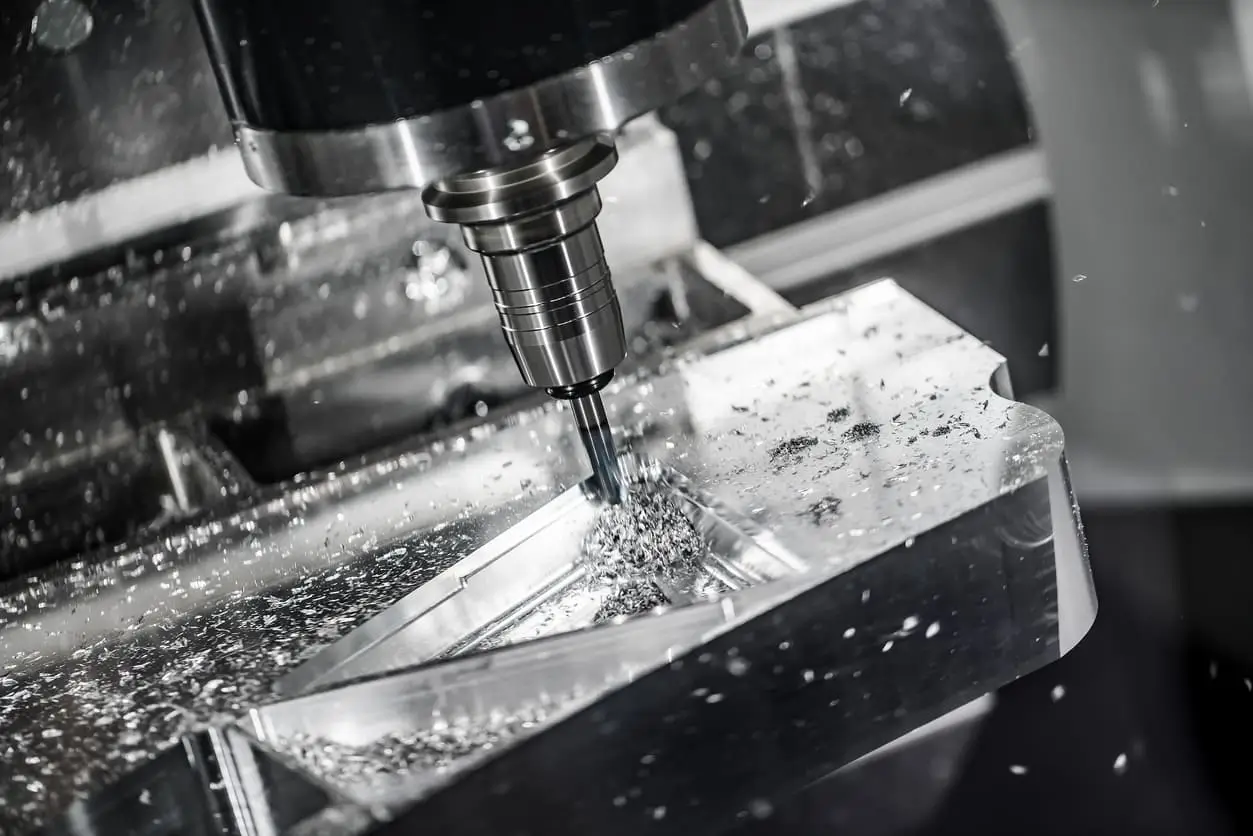
CNC machining materials refer to the metals and engineering materials used to manufacture precision parts through CNC milling, turning, and multi-axis machining processes. The choice of CNC machining material directly influences machining stability, cutting performance, surface finish quality, and the mechanical properties of the final component.
Different industries require different material characteristics. Aerospace components often require lightweight yet high-strength materials such as aluminum or titanium alloys. Industrial equipment may rely on carbon steel or alloy steel for structural durability. Understanding how material properties interact with CNC machining processes is essential for selecting the right material for each project.

Key Properties of CNC Machining Materials
Choosing the right metal requires an understanding of how material properties influence both machining performance and part performance in service. Several key physical and mechanical characteristics directly impact tool wear, cutting forces, surface quality, and production cost.
Hardness
Hardness defines a material’s resistance to permanent deformation or scratching. Harder materials generally increase tool wear and require more robust tooling and slower cutting speeds. Understanding hardness allows engineers to balance precision requirements with practical machining considerations.
Toughness
Toughness refers to a material’s ability to absorb energy before fracturing. Materials with high toughness are less likely to crack under dynamic loads or vibration during machining. This property is especially important in components subjected to impact or fluctuating operational forces.
Ductility
Ductility describes how much a material can deform without fracturing. Materials with good ductility can accommodate geometric complexity more easily during machining. Higher ductility often improves machinability, enabling smooth chip flow and minimizing burr formation.
Factors to Consider When Choosing CNC Machining Materials
Before selecting a metal for CNC machining, engineers should evaluate several practical factors that influence both manufacturability and final part performance.
Machinability
Machinability measures how easily a material is cut and shaped. Metals with high machinability require less cutting force, generate stable chips, and cause less tool wear. Alloys like aluminum and brass have high machinability, while harder metals like stainless steel and high-temperature alloys usually require specialized tooling.
Strength Requirements
The required mechanical strength of the part depends on its functional use. Metals with higher tensile and yield strength are selected for load-bearing or structural applications. Matching material strength to part function ensures reliability without unnecessary cost.
Surface Finish
Different metals respond differently to cutting and tooling, affecting the achievable surface finish. Some applications require smooth finishes for aesthetic or sealing purposes, while others may accept rougher surfaces. Surface requirements should influence material choice and tooling strategy.
Cost Considerations
Material cost and machining cost together determine overall part cost. High-performance metals may be more expensive to purchase and require longer machining time, increasing production expenses. Engineers must balance performance goals with budget constraints.
Common Metal CNC Machining Materials
Below are several metals frequently selected for CNC machining projects, each with distinct properties and application scenarios.
Aluminum CNC Machining Materials
Aluminum is one of the most widely used CNC machining materials due to its excellent machinability, lightweight properties, and corrosion resistance. Aluminum alloys such as 6061 and 7075 are commonly used for precision components in aerospace, electronics, and automotive applications.
Because aluminum is relatively soft compared to many structural metals, it allows high cutting speeds and long tool life during CNC milling and turning operations. Its good thermal conductivity also helps dissipate heat during machining, which improves surface finish quality and dimensional stability.
Stainless Steel CNC Machining Materials
Stainless steel is widely used when corrosion resistance and structural strength are required. Common CNC machining grades include 303, 304, and 316 stainless steel.
Although stainless steel provides excellent durability and chemical resistance, it is more difficult to machine than aluminum or brass. Its higher hardness and work-hardening behavior require lower cutting speeds and optimized tooling strategies during CNC machining. For specialized applications involving highly corrosive environments, engineers may also evaluate advanced stainless alloys such as 254 SMO and 654 SMO. A detailed material comparison can be found in this 254 SMO vs 654 SMO guide.
Brass CNC Machining Materials
Brass is known for its exceptional machinability and excellent surface finish quality. It produces minimal tool wear and allows high cutting speeds, making it one of the easiest CNC machining materials to process.
Brass components are widely used in electrical connectors, plumbing fittings, precision valves, and decorative hardware due to their corrosion resistance and attractive surface appearance.
Copper CNC Machining Materials
Copper offers excellent electrical conductivity and thermal conductivity, making it an important CNC machining material for electrical components, heat exchangers, and power systems.
However, pure copper is relatively soft and can generate long chips during machining, which requires careful chip control strategies during milling and turning operations.
Titanium CNC Machining Materials
Titanium is valued for its exceptional strength-to-weight ratio and outstanding corrosion resistance. It is commonly used in aerospace, medical implants, and high-performance engineering components.
Despite its excellent mechanical performance, titanium is considered a difficult CNC machining material because of its low thermal conductivity and high cutting forces. Specialized tooling and optimized cutting parameters are often required.
Carbon Steel CNC Machining Materials
Carbon steel is commonly used for structural and mechanical components that require strength and durability at a relatively low material cost. Low-carbon steels are easier to machine, while higher-carbon grades provide increased hardness and wear resistance.
These materials are widely used in machinery components, industrial equipment, and automotive parts.
Alloy Steel CNC Machining Materials
Alloy steels contain additional elements such as chromium, molybdenum, or nickel to improve strength, toughness, and wear resistance. These materials are often used for gears, shafts, and heavy-duty mechanical components.
Although alloy steels provide superior mechanical performance, they generally require lower cutting speeds and higher cutting forces during machining.
High-Temperature Alloy CNC Machining Materials
High-temperature alloys such as Inconel and Hastelloy are designed to maintain strength and stability under extreme temperatures and harsh environments. These materials are commonly used in aerospace engines, energy systems, and chemical processing equipment.
Due to their high hardness and heat resistance, these alloys are among the most challenging CNC machining materials and require advanced tooling strategies.
Additional Considerations When Selecting Metals for CNC Machining
Tolerance Requirements
Tight tolerance requirements can significantly influence material choice and machining strategy. Metals that hold tight tolerances without deformation often require lower cutting forces and specialized fixturing.
Post-Machining Processes
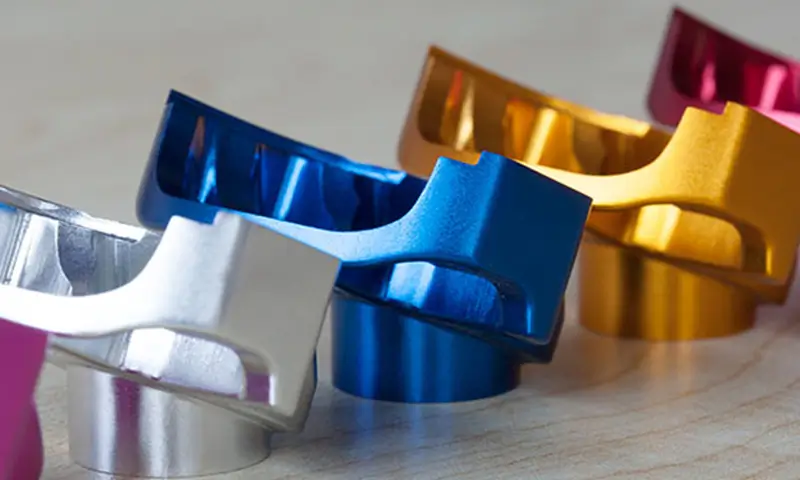
Certain metals may require additional processes such as heat treatment, anodizing, or plating for enhanced performance or surface characteristics. Material selection should consider these additional steps and their impact on cost and lead time.
Environmental Conditions
The operational environment of the finished part—such as exposure to moisture, chemicals, or high temperatures—must be considered. Metals like stainless steel and titanium perform well in aggressive environments, while others may require protective coatings.
How to Choose the Right CNC Machining Material for Your Project
Selecting the optimal CNC machining material involves evaluating mechanical properties, manufacturability, and application requirements. Critical factors include material strength, weight, corrosion resistance, and part complexity.
Partnering with a supplier that provides custom CNC machining services allows engineers to assess part geometry, functional requirements, and production volumes, ensuring efficient machining and consistent product quality.
Conclusion
Choosing the right CNC machining materials is a critical step in precision manufacturing. Different metals provide unique combinations of strength, machinability, corrosion resistance, and thermal performance.
By understanding material properties and machining behavior, engineers can select materials that balance performance, manufacturability, and production efficiency. Proper material selection ultimately improves part quality, reduces machining challenges, and ensures reliable performance in real-world applications.