Custom CNC Milling Services

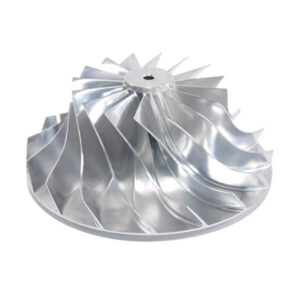
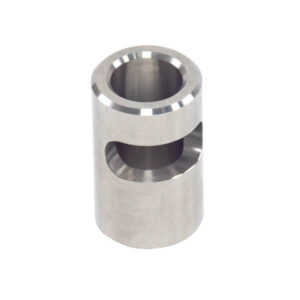
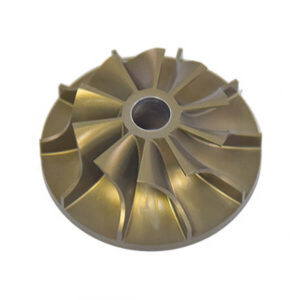
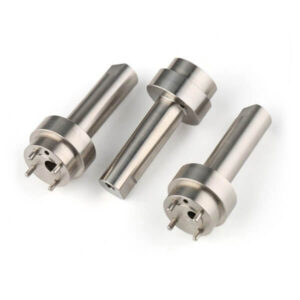
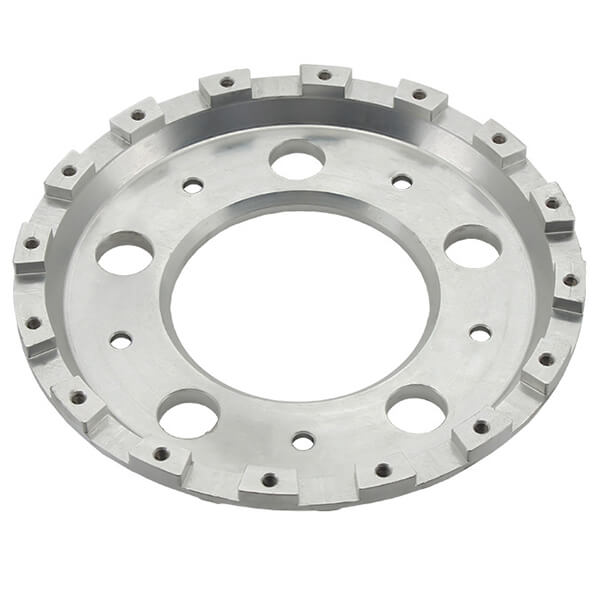
ZH Precision provides professional custom CNC milling services, producing high-precision milled parts with complex geometries and tight tolerances, delivering reliable results for a broad range of industries and applications.

Verify Certifications On Demand:ISO 9001:2015 | IATF 16949:2016

impeller2.webp

Get a Free DFM Quote

STP I SLDPRT I IPT I PRT I SAT FLES
All uploaded content is secure and confidential.

On-Demand CNC Milling Services

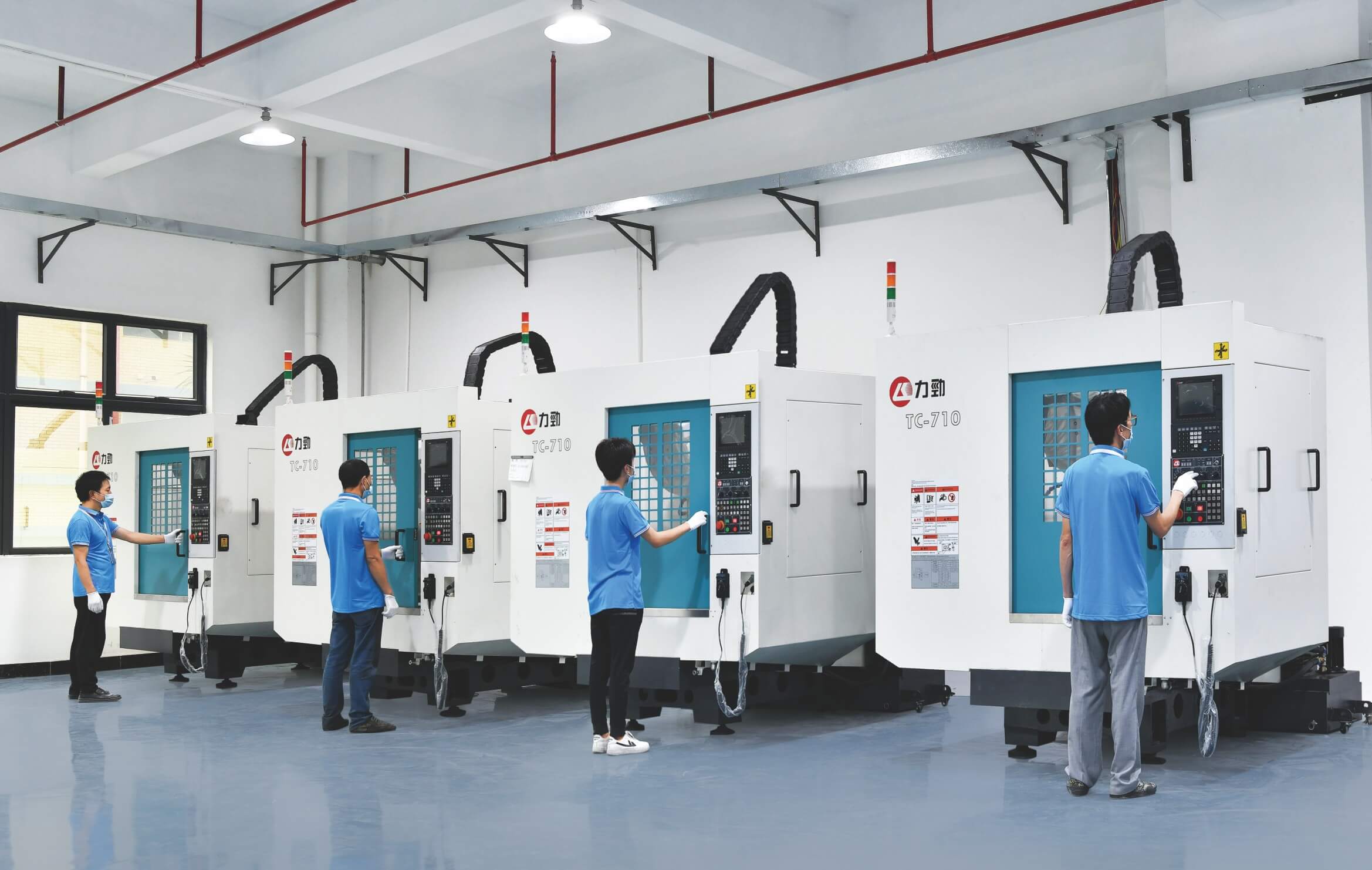
ZH Precision delivers flexible on-demand CNC milling services with no minimum order quantity. Leveraging advanced equipment and engineering expertise, we handle complex geometries and diverse materials with consistent accuracy. Our team reviews every design and provides practical suggestions to improve manufacturability and performance. With strict process control, every component meets your dimensional, structural, and functional requirements, ensuring reliable results for every CNC-milled part.

Custom CNC Milling Capabilities

We provide comprehensive CNC milling capabilities using 3-axis, 4-axis, 5-axis, and horizontal machining centers. Our setup supports complex geometries, contoured surfaces, and multi-face machining in a single setup, improving dimensional consistency and reducing secondary operations. Careful process planning ensures stable results for precision CNC milled components.

3-Axis CNC Milling - Image

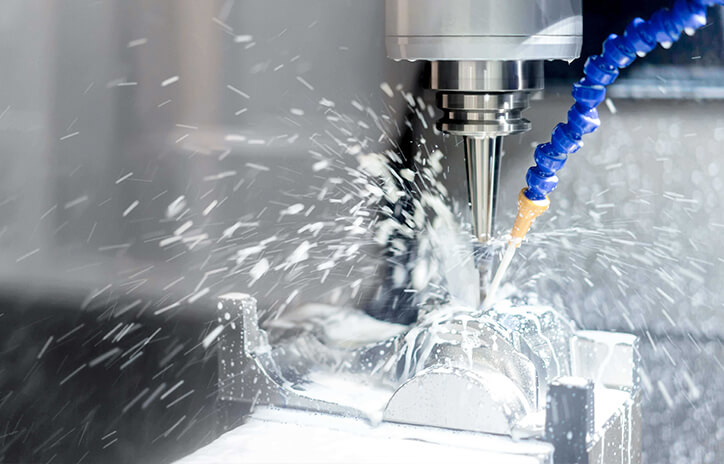
3-Axis CNC Milling Services

3-axis CNC milling is suitable for prismatic parts, flat surfaces, slots, and standard features. It provides high dimensional accuracy, efficient machining cycles, and cost-effective production for straightforward part designs.
4-Axis CNC Milling - Image

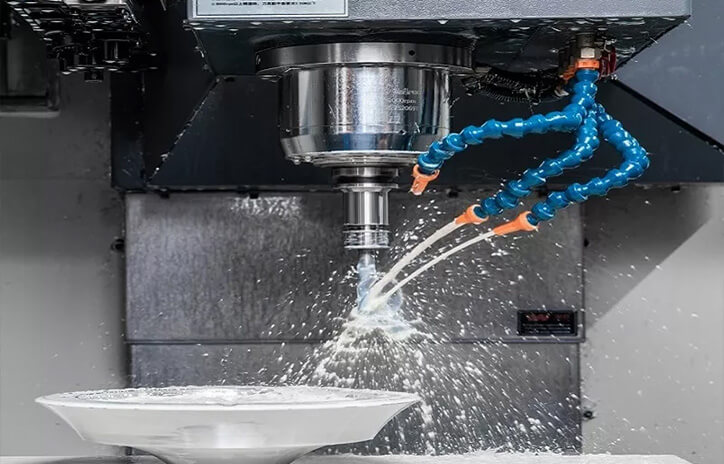
4-Axis CNC Milling Services

4-axis CNC milling enables machining on multiple faces with fewer setups. This process is ideal for parts requiring indexed features, side holes, or complex contours, improving accuracy while reducing setup time and handling.
5-Axis CNC Milling - Image

5-Axis CNC Milling Services

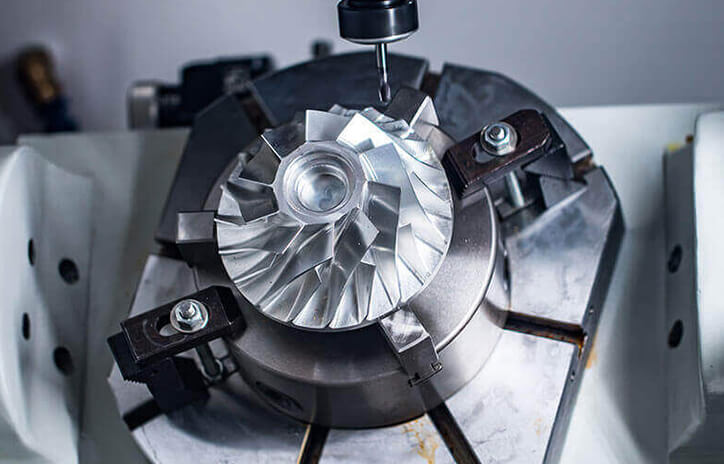
5-axis CNC milling supports complex geometries, angled features, and tight-tolerance surfaces. By machining from multiple directions in a single setup, it minimizes alignment errors and ensures precise execution of intricate designs.
Flexible CNC Milling Solutions

Our CNC Machining solutions support rapid validation and controlled production for projects that require speed, flexibility, and precision. This approach allows customers to move efficiently from design verification to stable small-batch manufacturing without changing suppliers.

🔩

Rapid Prototyping

Our rapid CNC Machining services help verify form, fit, and function within short lead times. Precision machining ensures accurate test results, supporting design validation and engineering refinement before production scaling.

Learn More
🛠️

Low-Volume Manufacturing

For low-volume CNC milling, we focus on process stability, tolerance control, and consistent part quality. This solution is ideal for pilot runs, bridge production, and customized components requiring repeatable performance.

Learn More

CNC Milling of Tolerances

We ensure machining accuracy by strictly following CNC milling tolerance standards. With consistent dimensional control and reliable measurement processes, we deliver precision parts that meet your design requirements. For metal components, we apply standard tolerances in accordance with ISO 2768-m to guarantee consistent and predictable results.

Specification 3-Axis 4-Axis 5-Axis
Maximum Part Size 1000 × 500 × 500 mm 1000 × 500 × 500 mm 4000 × 1500 × 600 mm
Minimum Part Size 5 × 5 × 5 mm 5 × 5 × 5 mm 5 × 5 × 5 mm
General Tolerances Within ±0.01–0.1 mm Within ±0.01–0.1 mm Within ±0.01–0.1 mm
Lead Time As fast as 3 days for simple parts 7 business days for most projects 7 business days for most projects
Global Shipping Delivery to North America and Europe in 3–10 days

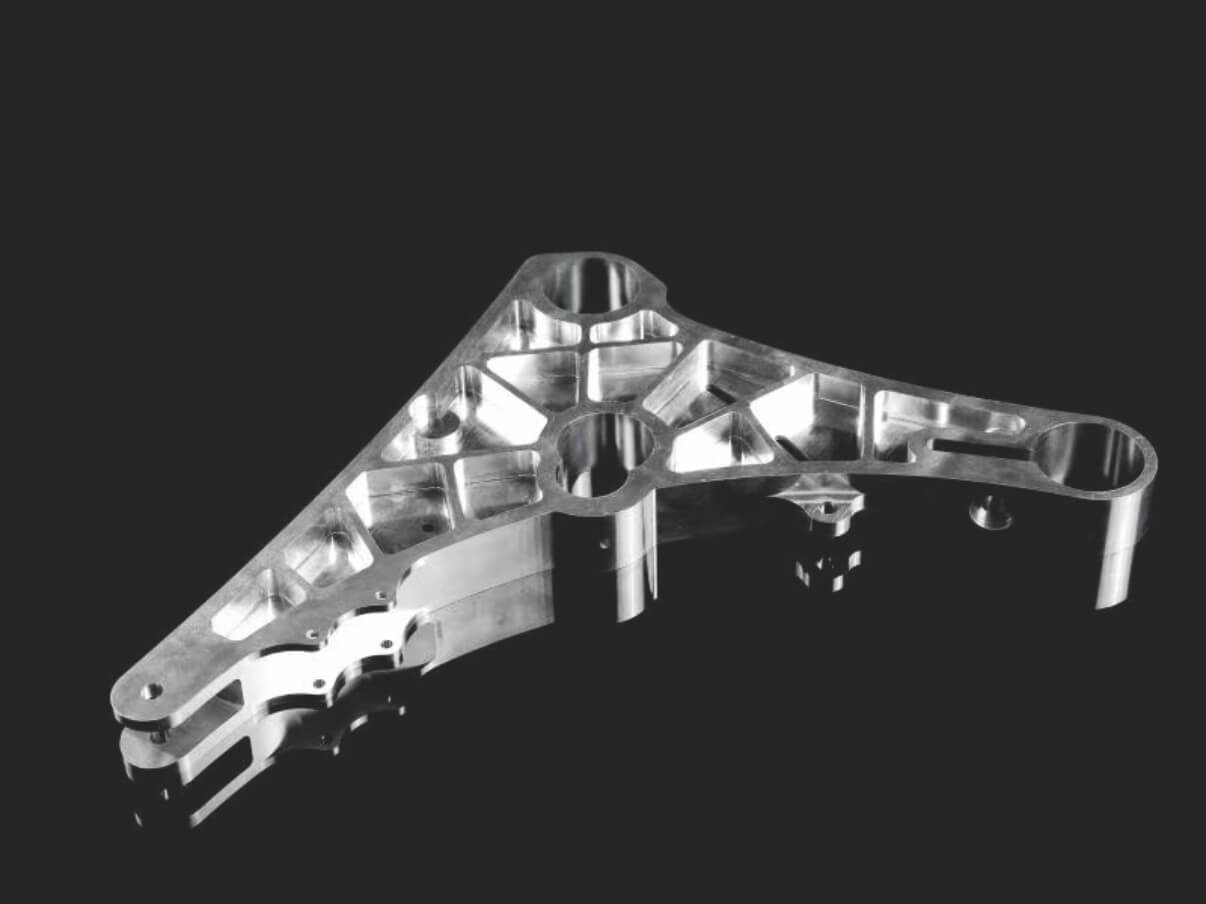
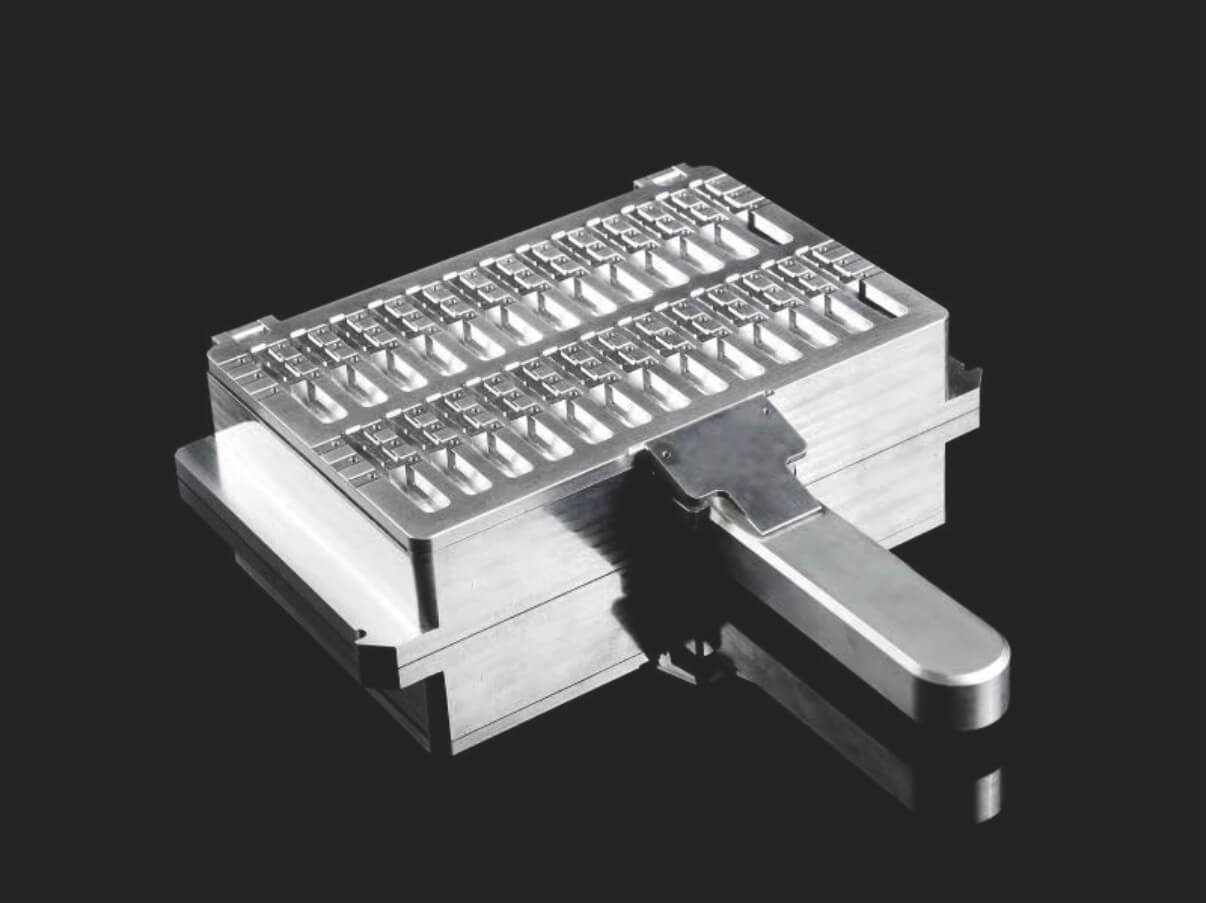
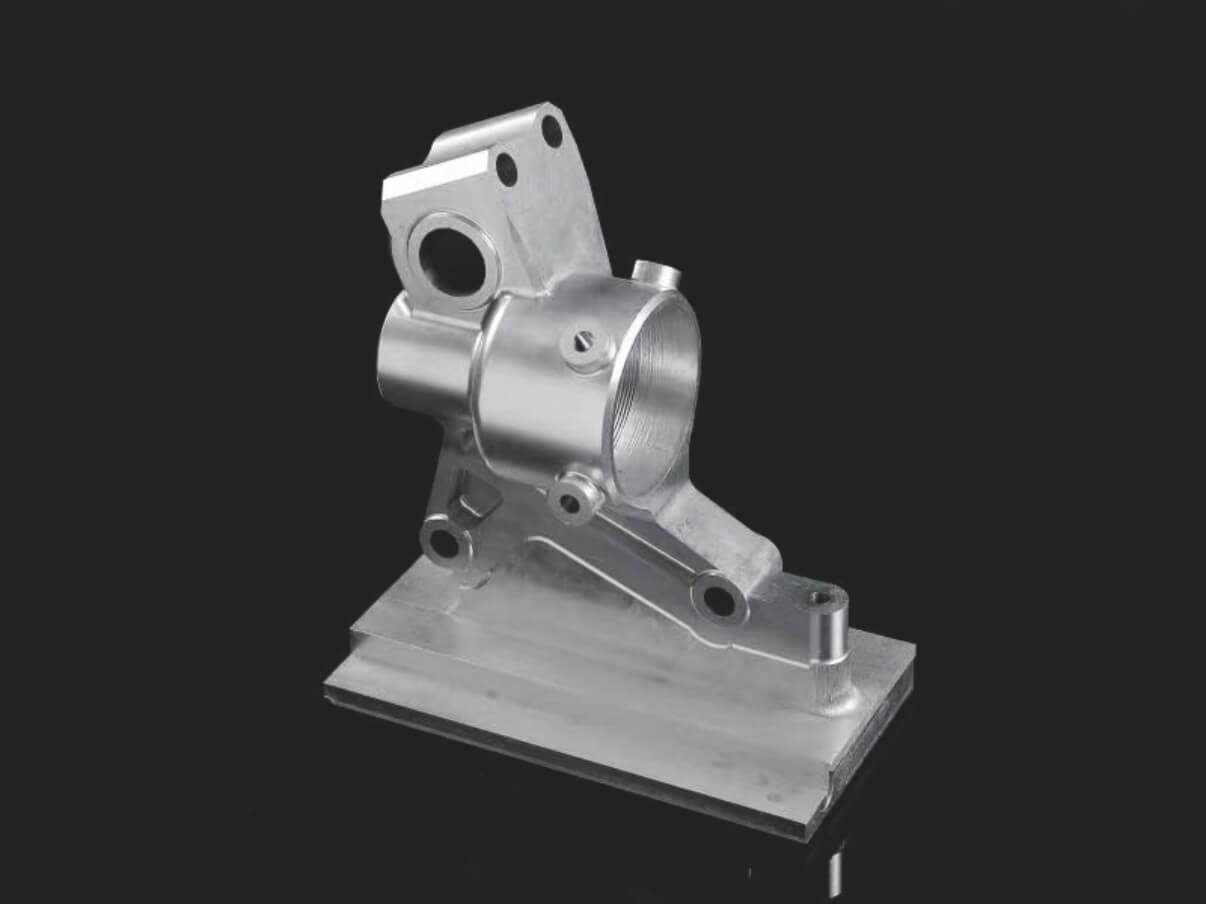
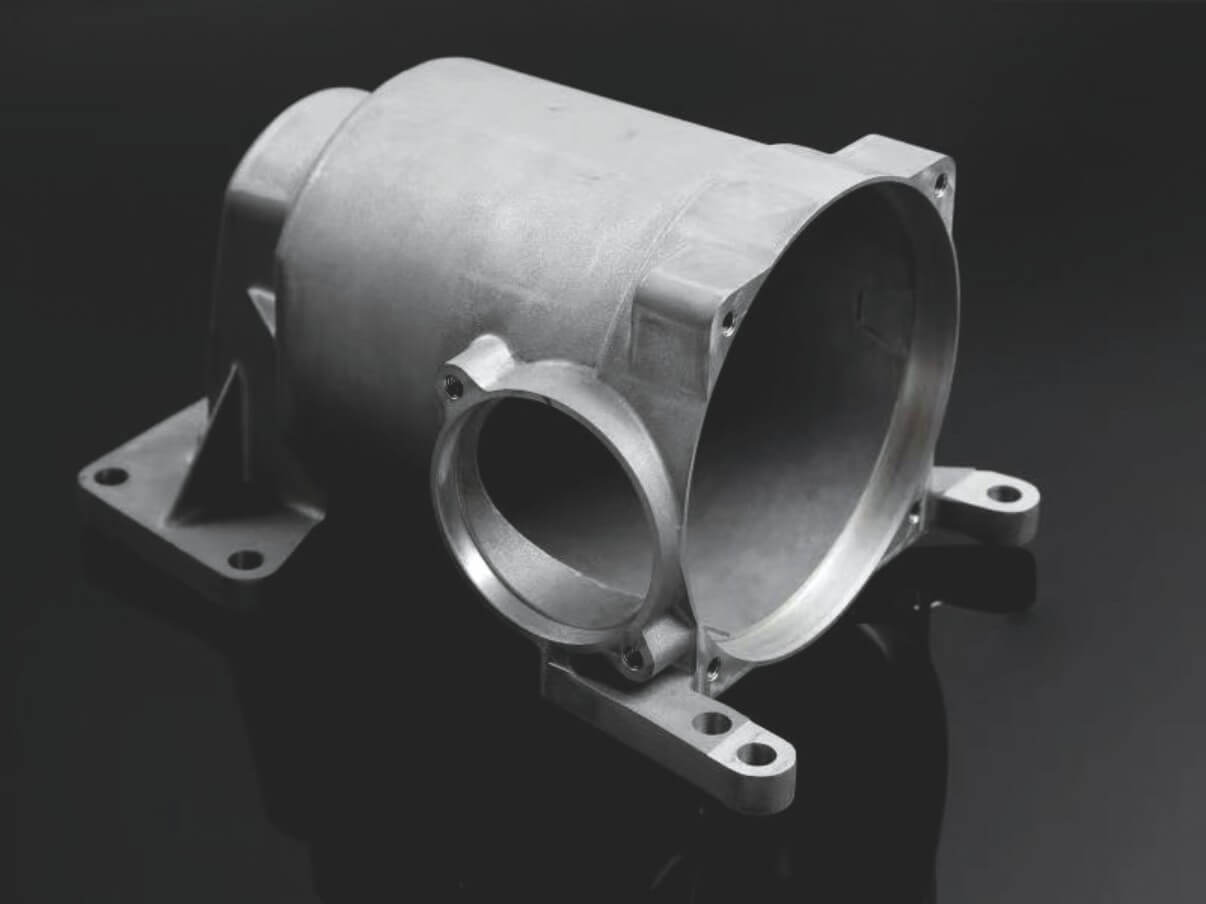
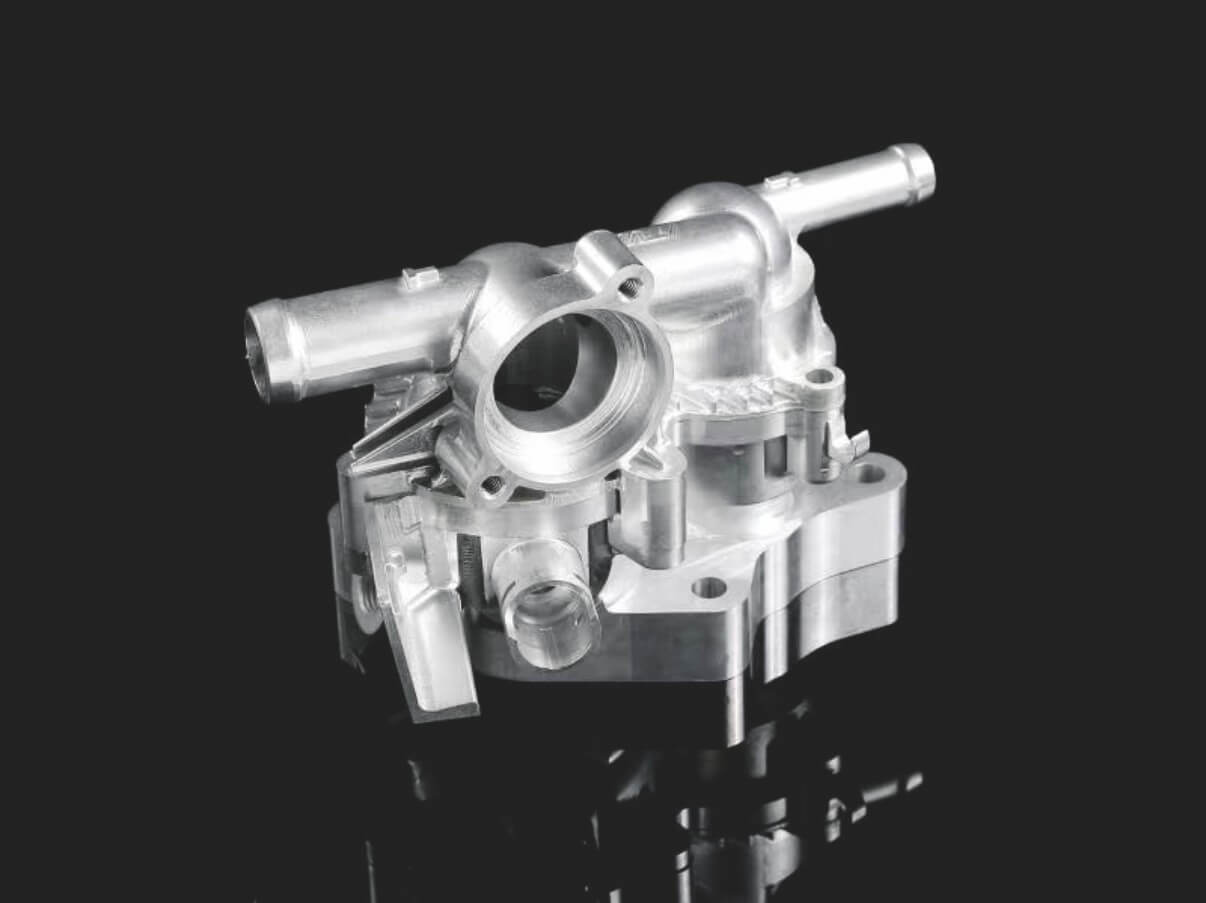
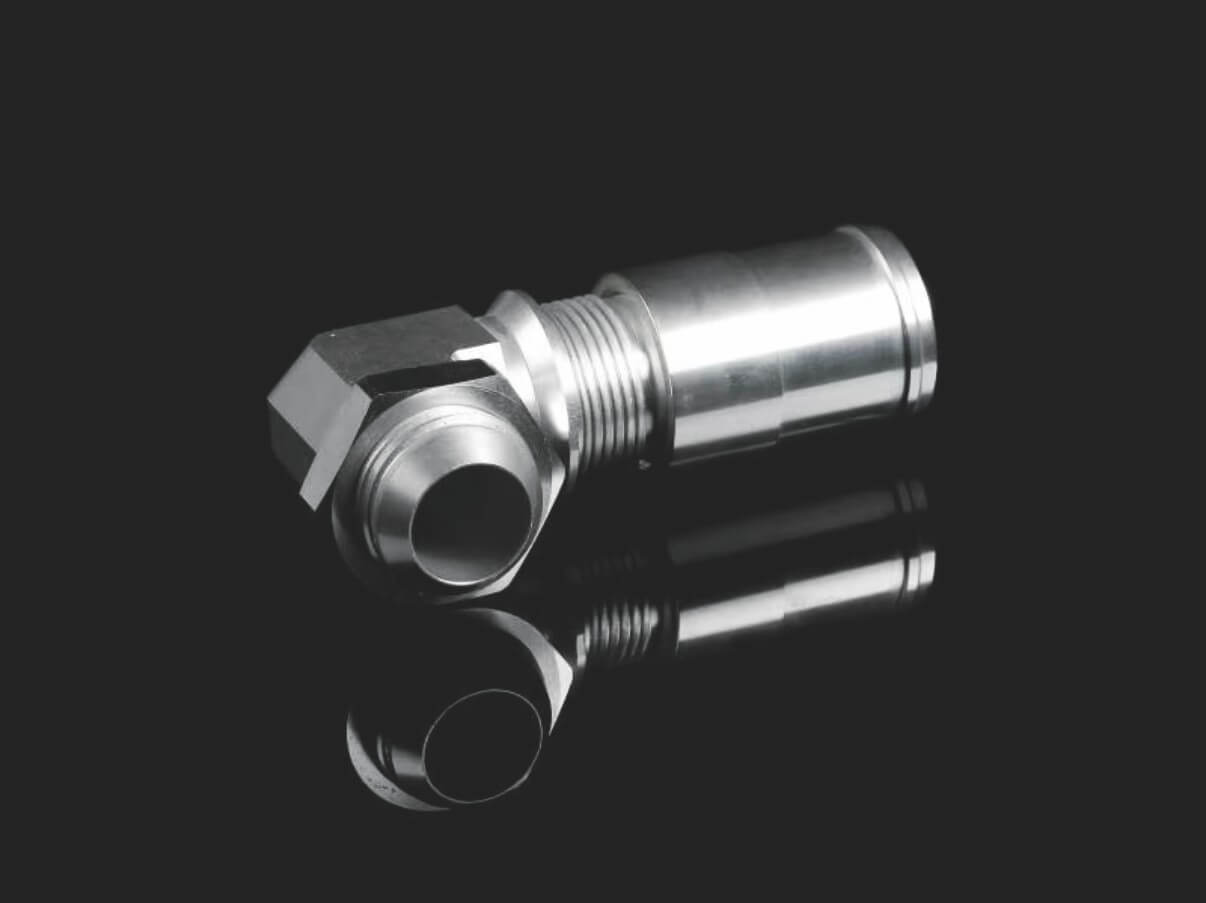
We Produce Typical CNC Machined Parts

CNC Milling Materials

We offer a wide range of CNC milling materials, including aluminum, stainless steel, mild steel, titanium, copper, and brass, with custom materials available on request. All materials undergo strict testing and full traceability. Our engineers will recommend the most suitable materials based on your project requirements. If you’re unsure which material to choose, please contact us.

CNC Turning Materials - Images
Aluminum Alloy
aluminium alloy

Aluminum alloys are lightweight, strong, and highly machinable, with excellent corrosion resistance and superior thermal and electrical conductivity. They are ideal for aerospace, automotive, electronics, medical devices, and consumer products.

stainless steel

Stainless steel alloys provide high tensile strength, excellent corrosion and temperature resistance, and good ductility. They are easy to weld, machine, and polish, making them ideal for aerospace, automotive, medical devices, and industrial applications.

copper-image

Copper provides excellent thermal and electrical conductivity, making it ideal for electrical components such as busbars and wire connectors. Its natural reddish-orange color and glossy finish also make it suitable for decorative and functional applications.

titanium alloy-image

Titanium is a lightweight metal with an excellent strength-to-weight ratio, low thermal expansion, and high corrosion resistance. Its biocompatibility and sterilizability make it ideal for aerospace, automotive, and medical applications.

Mild steel is a low-carbon alloy with good mechanical strength, high stiffness, and excellent machinability and weldability at low cost. It can be carburized to increase surface hardness, making it ideal for industrial, structural, and general manufacturing applications.

Superalloys offer exceptional high-temperature strength, excellent oxidation and hot corrosion resistance, and superior fatigue and fracture toughness. They are primarily used in aerospace and energy applications where extreme conditions demand reliable performance.

Brass provides excellent wear resistance, high strength and hardness, and strong chemical corrosion resistance. It is ideal for components such as valves, gears, and precision parts like watch movements.

Alloy steel provides high strength, excellent toughness, and superior wear and corrosion resistance. It performs reliably under extreme temperatures and can exhibit magnetic properties, making it ideal for industrial and structural applications.

CNC Milling with Optional Surface Finishing

We offer complete surface treatment services across 10+ precision processes, including anodizing, plating, coating, polishing, and passivation. All treatments follow strict industry standards with professional inspection and detailed reports, ensuring superior corrosion resistance, durability, and long-lasting performance.

After CNC Machining - Image

Electroplating

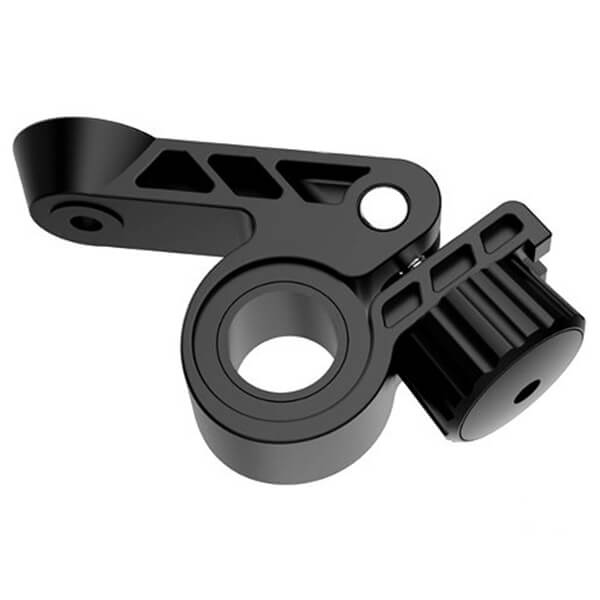
As machined finish leaves the surface straight from the CNC machine, providing a cost-effective option with tool marks.
Anodizing - Images

Anodizing

Enhances corrosion resistance and surface hardness while adding color for improved durability and appearance.
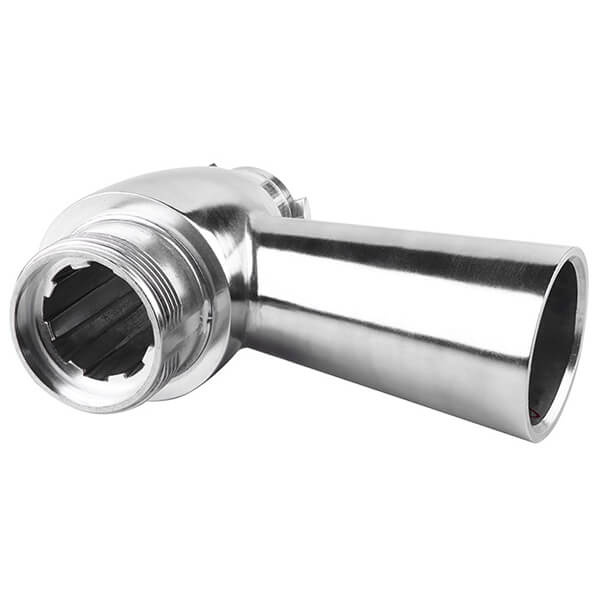
Polishing - Image

Polishing

Polishing achieves a high gloss finish, reducing surface roughness and enhancing the aesthetic appeal of metals.
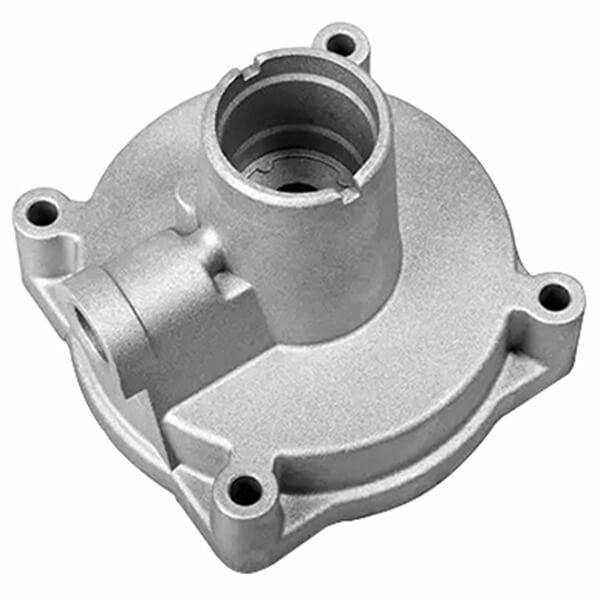
Sandblasting - Image

Sand Blasting

Sand blasting uses pressurized sand or other media to clean and texture the surface, creating a uniform, matte finish.
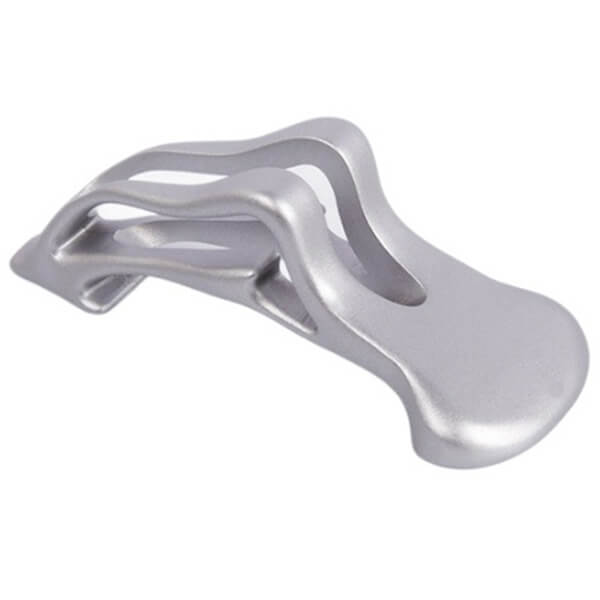
Tumbling - Image

Tumbling

Tumbling smooths and polishes small parts by friction and abrasion in a barrel, offering a consistent but slightly textured finish.
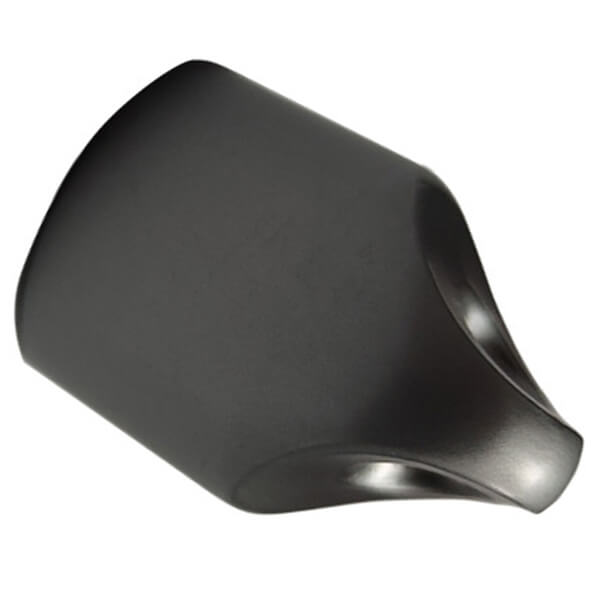
Electropolishing - Image

Electropolish

Electropolish is a chemical process that smooths and brightens surfaces while improving corrosion resistance.
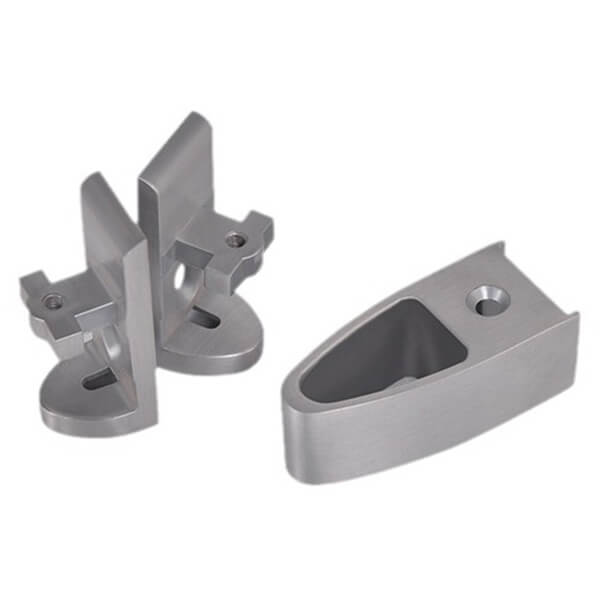
Alodine - Image

Alodine

Alodine coating provides corrosion protection and improves paint adhesion, mainly used on aluminum surfaces.
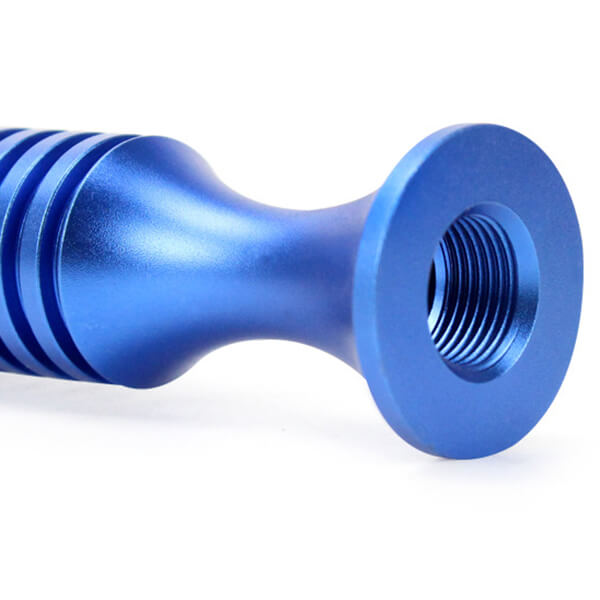
Electroplating - Image

Electroplating

Electroplating bonds a thin metal layer onto parts, improving wear resistance, corrosion resistance, and surface conductivity.

CNC Milling Quality Control

  1. Material Inspection: We carefully verify the materials used for your project, ensuring they meet the desired quality standards and match your specific requirements.

  2. Skilled Workforce: Our experienced and highly skilled machinists and engineers closely monitor every step of the machining process, ensuring each part meets the desired tolerances and specifications.

  3. In-Process Inspection: Throughout the manufacturing process, our quality control team conducts regular inspections and measurements to detect and address any deviations or errors promptly.

  4. Final Inspection: Once the parts are machined and finished, our quality control team performs a thorough final inspection, checking dimensions, surface finish, and other required specifications. This guarantees that each part meets your expectations before shipping.

Why Choose ZH Precision for CNC Milling

Choosing the right CNC milling manufacturer impacts cost control, production stability, and long-term reliability. ZH Precision focuses on controlled manufacturing, clear technical communication, and consistent execution to support predictable and repeatable CNC milling results.

Factory-Direct CNC Manufacturing

In-house CNC milling with direct production control, ensuring consistent quality and stable manufacturing execution.

Controlled CNC Process Expertise

Defined machining processes support tight tolerances, complex geometries, and repeatable production results.

Consistent Quality & Repeatability

Stable processes ensure reliable quality across repeated orders and long-term CNC milling programs.

Responsive Engineering Support

Fast DFM feedback and clear technical responses throughout quotation, machining, and production.

What is CNC Milling?

CNC milling is a precise manufacturing process. It involves removing material from a workpiece using rotating cutting tools. The process starts with a digital design, usually made using CAD software. Then, this design is converted into a CNC program that controls the movements of the milling machine.

The workpiece is securely fastened to the machine’s table, and the cutting tool, mounted on a spindle, rotates at high speeds. The machine follows the programmed path, making precise cuts to shape the material into the desired form. With high accuracy, CNC milling can create complex shapes and features, like slots, holes, and contours.

Three-axis milling moves the tool along the X, Y, and Z axes. Four-axis milling adds rotation around one axis, while five-axis milling allows rotation around two axes, allowing more intricate designs. This versatility makes CNC milling essential in several industries, from aerospace to medical devices.

Advantages of CNC Milling

High Precision: CNC milling machines can produce parts with very tight tolerances, ensuring high accuracy and consistency in every piece.

Complex Geometries: With the ability to move in multiple axes, CNC milling can create intricate and complex shapes that are difficult or impossible to achieve with manual machining.

Efficiency: Automated operation allows for continuous production, reducing lead times and increasing productivity. Multiple parts can be produced with minimal downtime.

Flexibility: CNC milling can work with a wide range of materials, including metals, plastics, and composites. This versatility makes it suitable for various applications.

Repeatability: Once a design is programmed, the machine can reproduce identical parts over and over, ensuring uniformity and reducing the risk of human error.

Cost-Effective: While the initial setup can be expensive, the efficiency and precision of CNC milling reduce overall production costs, especially for large quantities.

Safety: CNC machines operate with minimal human intervention, reducing the risk of accidents and enhancing workplace safety.

Applications of CNC Milling

Engine Components: Used in the manufacturing of engine blocks, cylinder heads, and pistons, ensuring high performance and durability in automotive and aerospace industries.

Gear Components: Essential for producing gears, splines, and shafts with tight tolerances, used in machinery and automotive applications.

Medical Implants: Creates precise and high-quality implants such as hip joints, dental implants, and surgical screws for the medical field.

Electronic Housings: Produces enclosures for electronic devices, ensuring proper fit and protection for circuit boards and components.

Custom Prototypes: Allows for the rapid development and testing of prototypes, helping designers refine their products before mass production.

Tooling and Dies: Essential for creating molds, dies, and cutting tools used in various manufacturing processes.

Complex Aerospace Parts: Used for producing turbine blades, brackets, and other intricate parts that require high precision and strength.

CNC Milling Services FAQ

This FAQ section answers common questions about materials, tolerances, surface finishes, and complex part capabilities, helping you understand our expertise and ensure reliable, on-time delivery of custom CNC milled parts.

A: Custom CNC milling produces precision-machined parts such as aluminum milled components, stainless steel CNC parts, brass or copper prototypes, and titanium machined parts. It is ideal for mechanical assemblies, electronic housings, industrial brackets, fixtures, and functional metal components where tight tolerances and repeatability are critical.

A: Material selection for CNC milling depends on mechanical strength, weight, corrosion resistance, and operating conditions. Aluminum alloys are commonly used for lightweight structural parts, while stainless steel and titanium are preferred for higher strength and durability. Our team can assist in evaluating material suitability based on part function and application requirements.

A: We implement strict quality control through 3D model verification, full-dimensional measurement, FMEA/PFMEA analysis, and in-process inspections to guarantee accuracy and consistency.

A: Dimensional accuracy is maintained through controlled machining parameters, in-process inspections, and full-dimensional verification after machining. Critical features are monitored to ensure consistency across batches and compliance with drawing requirements.

A: 5-axis CNC milling is recommended when parts require machining on multiple angled surfaces, deep cavities, or complex contours that cannot be completed efficiently in multiple setups. It helps reduce repositioning, improve feature alignment, and maintain tighter control over complex geometries.

Scroll to Top