

1. Key Factors That Determine CNC Prototyping Costs
1. Material Selection
Material choice is a primary factor in CNC prototyping costs. High-performance alloys are generally more expensive than common metals. Harder or more difficult-to-machine materials require specialized tooling and longer machining times, which increases costs. Selecting economical and widely available materials or standardizing materials across products can reduce waste, simplify procurement, and improve machining efficiency.
Typical Metal Material Costs (2025 Estimates):
| Material | Approx. Cost (USD/kg) | Common Grades / Models |
| Aluminum | 5–7$ | 6061, 7075 |
| Stainless Steel | 6–12$ | 304, 316 |
| Carbon Steel | 2–5$ | Q235, S45C |
| Titanium | 30–50$ | Ti-6Al-4V |
| Brass | 8–15$ | H62, H59 |
| Copper | 9–15$ | C1100, C1020 |
| Tool Steel | 10–20$ | D2, SKD11 |
| Inconel | 60–80$ | Inconel 625, Inconel 718 |
| Magnesium | 10–20$ | AZ31, AZ91 |
Because the metal machining market experiences daily price fluctuations, the listed ranges are for reference only.
2. Design Complexity
Complex designs or tight tolerances often increase costs. Advanced machining techniques, specialized tools, and longer processing times are typically required for intricate features. Simplifying the design, using standard components, or collaborating with design engineers for manufacturability can reduce costs while maintaining functionality and quality.
3. Machining Time
Longer machining times directly raise costs due to increased energy consumption, tool wear, and labor involvement. Efficient scheduling and machine utilization are key to minimizing machining time without compromising quality.
4. CNC Machine Type
The type of CNC machine used has a direct impact on prototyping costs. Different machines vary in machining efficiency, setup time, and overall operating expenses.
3-Axis CNC Milling: The most cost-effective option for simple parts. Suitable for designs that only require cutting along three planes. Setup and machining time are minimal, keeping costs low.
4-Axis CNC Milling: Offers an additional rotational axis, allowing more complex features to be machined in fewer setups. Ideal for medium-complexity parts, slightly higher cost than 3-axis.
5-Axis CNC Milling: Enables machining from multiple angles in a single setup, reducing assembly or repositioning time. Suitable for intricate or high-precision parts, but with higher machine and labor costs.
CNC Turning Lathe: Efficient for parts with rotational symmetry, such as shafts and cylinders. Costs depend on size, material, and complexity.
Horizontal CNC Turning (HMC): Used for larger or longer turning parts, offering higher rigidity and better surface finish. Slightly higher cost due to machine capability and setup.
CNC Milling + Turning Center (Turn-Mill): Combines milling and turning in a single setup, reducing multiple setups and improving accuracy for complex parts. Typically the most expensive option.
5. Surface Finishing and Final Inspection
After CNC machining, parts often require surface finishing to meet functional, aesthetic, and dimensional requirements. This can include deburring, polishing, anodizing, plating, painting, or heat treatment. Planning these finishing steps during the design stage helps streamline production and ensures the parts meet quality expectations.
Final inspection is equally important. Processes such as visual checks or CMM measurement verify that parts comply with specifications and tolerances. These post-machining steps can increase prototyping costs by 10–50% depending on material, complexity, and finishing type. Early planning of finishing and inspection requirements helps control costs and avoid unexpected expenses.
6. Volume and Batch Size
The cost of CNC prototyping is strongly influenced by production volume because setup, programming, and tooling expenses are largely fixed. How many parts you produce determines how these costs are distributed, directly affecting the per-unit price.
Low Volume (1–10 units): The unit cost is higher because setup, tooling, and fixturing expenses are distributed over only a small number of parts. This is typical for single prototypes or early design iterations, where machine preparation time and tooling consumption cannot be shared across larger quantities.
High Volume: Costs per part decrease as fixed setup expenses are spread across more units. Larger batches take advantage of economies of scale, making production more cost-effective.
7. Labor and Overhead
Skilled CNC operators are required for programming, setup, and operation. Complex parts require more time, increasing labor cost. Overhead costs, such as facility, utilities, quality control, and administration, also contribute to total expenses. Efficient management is essential to control costs and minimize waste.
8. Rush Orders and Lead Time
Standard CNC prototyping lead time is typically 5–7 days. If parts are required within 24–72 hours, manufacturers often charge a rush fee of 30%–100% or more. This premium accounts for priority scheduling, overtime labor, expedited tooling, and rapid material preparation. While rush production ensures faster delivery, it increases operational complexity and overall cost, making lead time a critical factor in estimating CNC prototyping expenses.
9. CNC Prototype Capabilities
The capabilities of a CNC prototyping operation significantly affect part quality, dimensional accuracy, and lead times. Advanced facilities with 3-axis, 4-axis, 5-axis, or multi-tasking CNC machines can efficiently produce complex geometries and maintain tight tolerances. Expertise in machine setup, tooling selection, and process planning helps minimize rework, scrap, and delays. High-precision machining ensures prototypes accurately reflect design intent, providing reliable references for engineering evaluation and downstream production planning.
2. Example CNC Prototyping Cost Breakdown
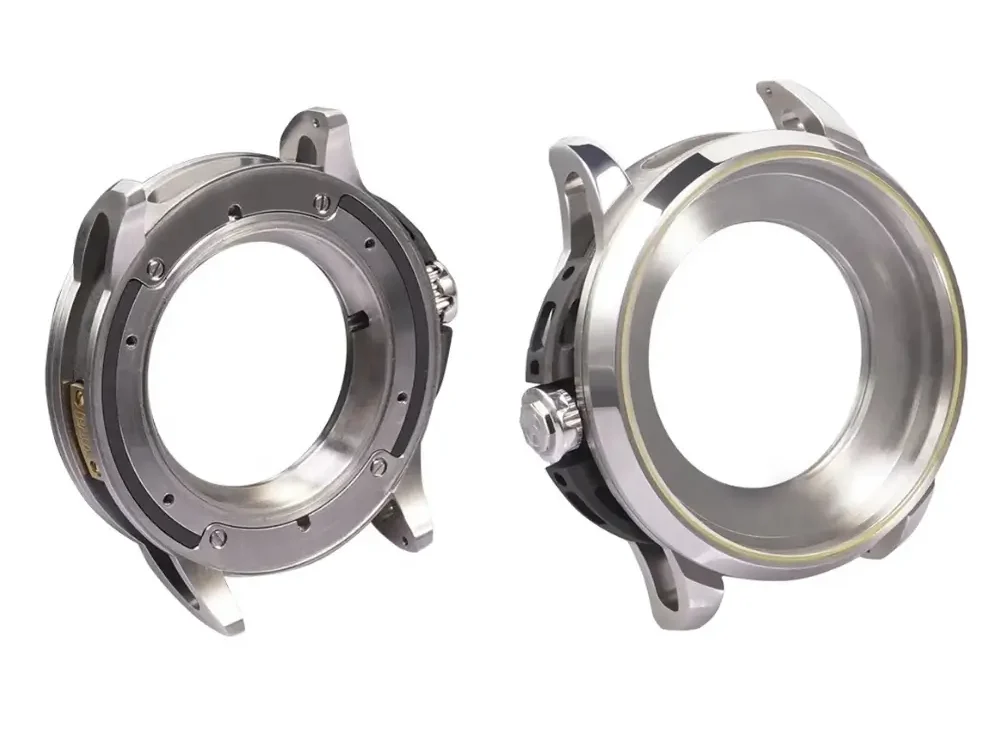
- Project: Custom Watch Case CNC Prototyping
- Material: Aluminum 6061-T6
- Quantity: 5 pcs
- Surface Treatment: Sandblasting + Black Anodizing
| Cost Item | Description | Unit Cost (USD) | Notes |
| Programming & Fixture Setup | CAM programming, fixture preparation | 114 (one-time) | Spread across 5 pcs |
| Material | Aluminum blank | 6.5 per piece | Includes machining allowance |
| CNC Machining Time | 3.5 hours × $36/hour | 126 per piece | 4-axis milling |
| Post-Processing | Sandblasting + Anodizing | 11 per piece | Surface finishing |
| Inspection | 2D/3D dimensional check | 29 (shared) | Allocated across 5 pcs |
| Tax & Management Fee (10%) | Applied to all above costs | 16 per piece | Calculated on unit cost |
| Packaging & Shipping | Standard packaging | 7 per piece | Fixed |
CNC Prototype Price: For 1–5 pcs, the estimated unit price is $180–185, with a total cost of approximately $905.
Low-Volume Production: For 20–50 pcs, the unit price drops to around $90–125 per part due to setup and programming costs being spread over more units.
High-Volume Production: For 100 pcs, the total cost is estimated at $7,000–10,000, with an average unit price of $70–100 per part, benefiting from bulk production efficiency.
Note: The costs shown are for reference only. Actual pricing may vary depending on part complexity, material selection, batch size, and specific project requirements. A detailed quote should be requested for each individual project.
3. Using DFM to Reduce CNC Prototyping Costs
Design for Manufacturability (DFM) is a critical strategy for controlling CNC prototyping costs and improving production efficiency. By considering manufacturing constraints and efficiency during the design stage, engineers can reduce complexity, save time, and minimize material waste. Effective DFM not only lowers machining costs but also improves part quality, reduces post-processing, and enables faster iterations.
Simplify Part Geometry: Minimize unnecessary features, sharp internal corners, and deep cavities to reduce machining complexity.
Optimize Tolerances: Apply tight tolerances only where necessary to avoid unnecessary costs without compromising functionality.
Minimize Setups and Fixturing: Design parts for fewer setups to reduce labor and machine time while minimizing alignment errors.
Material Selection: Choose materials that are easy to machine and readily available to reduce tool wear, machining time, and overall cost.
Tool Accessibility: Ensure all features are reachable with standard cutting tools, avoiding the need for special tooling or multiple orientations.
Part Standardization: Use repeatable features or standardized components across multiple parts to reduce programming and setup costs.
Plan for Post-Processing: Consider deburring, anodizing, painting, or other finishing operations during the design stage to minimize additional costs.
Select the Right Machining Process: Match the CNC machining method to part complexity—3-axis, 4-axis, 5-axis, or turn-mill machines—to ensure efficiency and cost-effectiveness.
Consult with Manufacturers: Engage CNC engineers early to identify potential manufacturing challenges and receive recommendations for cost-saving design modifications.
Consider Production Volume: Optimize design based on expected batch size, as single prototypes and small-batch runs may have significantly different cost structures.
4. Reducing CNC Prototyping Costs
Cost efficiency in CNC prototyping depends on machine capabilities, material selection, and process planning. Facilities with advanced 3-axis, 4-axis, 5-axis, and turn-mill machining can handle complex geometries and maintain tight tolerances more efficiently, reducing the risk of rework and scrap. Applying effective DFM practices, optimizing tool paths, and careful production planning helps minimize machining time and material waste. These strategies enable prototypes to meet design specifications reliably while supporting faster engineering evaluation and iterative product development.
5. Summary
By applying DFM principles, engineers and procurement teams can reduce CNC prototyping costs while maintaining high-quality, functional parts. Simplifying geometry, optimizing tolerances, selecting appropriate materials and machining processes, and collaborating closely with manufacturers are all effective strategies for controlling costs and avoiding surprises during production.