
For engineers and buyers, understanding these limitations is critical. In this article, we will break down the key challenges of anodizing die cast aluminum, explain why they occur, and explore practical solutions and alternative finishing options.
What Is Anodizing for Die Cast Aluminum?
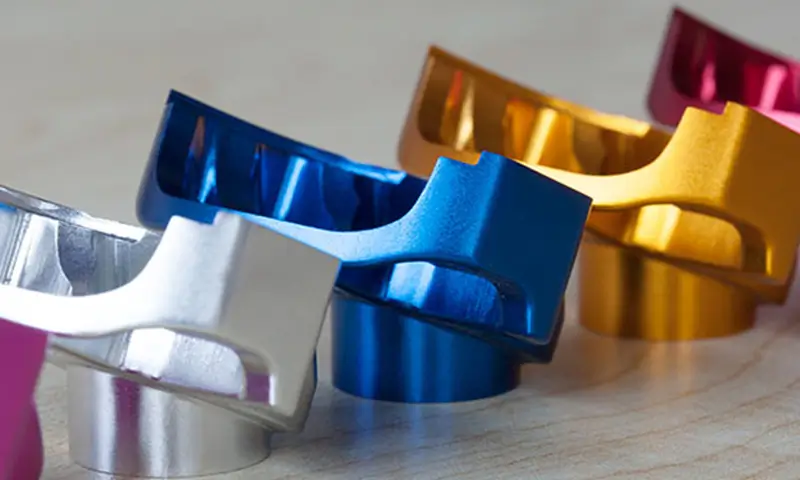
Anodizing is an electrochemical process that converts the aluminum surface into a durable, corrosion-resistant oxide layer. This layer can improve wear resistance, provide a uniform appearance, and serve as a base for dyes or coatings.
However, die cast aluminum behaves differently from machined or wrought aluminum during anodizing. The presence of high silicon content, gas porosity, and surface residues from the casting process can interfere with oxide formation, resulting in uneven or inconsistent finishes. Understanding these differences is key to addressing the challenges of anodizing die cast parts.
Why Die Cast Aluminum Is Difficult to Anodize
When it comes to finishing die cast aluminum, even experienced engineers know that anodizing is not always straightforward. Unlike machined aluminum, die cast parts have unique characteristics that can make achieving a consistent, high-quality anodized surface a challenge—especially for components where appearance and durability matter, such as electronics housings or automotive parts.
High Silicon Content
Common die casting alloys, like ADC12 or A380, have higher silicon levels than typical wrought aluminum. These silicon-rich areas resist the anodizing process, which can result in uneven color or patchy finishes—something engineers often encounter when specifying die cast parts for premium assemblies.
Porosity and Gas Entrapment
Die cast aluminum naturally contains tiny gas pockets and micro-porosity from the casting process. During anodizing, these voids can trap the electrolyte, leading to small pits or inconsistent coating thickness across the part’s surface.
Surface Contamination
Residues from mold release agents or surface oxidation can compromise the adhesion of the anodized layer. For critical applications—think telecom housings or precision enclosures—even minor flaking or peeling is unacceptable.
Non-Uniform Microstructure
The rapid cooling in die casting produces areas with different hardness and grain structures. This uneven microstructure can lead to inconsistent oxide growth, resulting in color variations or texture differences that are hard to correct later.
For buyers and engineers sourcing high-quality die cast components, understanding these limitations is crucial. At ZH Precision, we design our casting and finishing processes with these challenges in mind, ensuring parts that meet both functional and aesthetic requirements right out of the anodizing line.
Common Anodizing Defects in Die Cast Aluminum
Even with careful preparation, die cast aluminum parts can develop visible defects during anodizing. Understanding these common issues helps engineers and buyers make informed decisions when specifying finishes for critical components.
Uneven Color or Blotchy Appearance
High silicon areas and microstructural variations can cause anodized parts to display uneven shades. For electronics housings or automotive covers, this can be noticeable and may not meet design expectations.
Dark Spots and Staining
Porosity and trapped gases often lead to localized dark spots. These blemishes are particularly concerning for visible surfaces and decorative parts.
Pitting and Surface Voids
Tiny pits may appear where air pockets existed in the casting. Pitting compromises both appearance and the protective properties of the anodized layer.
Poor Coating Adhesion
Residues from mold release agents or oxidation can weaken the bond between aluminum and the anodized layer, causing peeling or flaking over time.
Over-Etching or “Burning”
Aggressive etching or inconsistent voltage during anodizing can over-process certain areas, leaving rough or dull patches on the surface.
By recognizing these defects early, engineers can adjust alloy selection, surface preparation, or finishing methods to improve outcomes. At ZH Precision, we work closely with clients to minimize these challenges, ensuring die cast parts meet both functional and visual quality standards.
Best Aluminum Alloys for Anodizing vs Die Casting Alloys
When specifying aluminum components, alloy selection plays a critical role in achieving a successful anodized finish. While wrought or CNC-machined alloys tend to anodize beautifully, die casting alloys present unique limitations that engineers need to understand.
Ideal Alloys for Anodizing
Aluminum grades like 6061 or 6063 are preferred for anodizing because of their low silicon content and uniform microstructure. These alloys produce consistent, vibrant finishes and strong oxide adhesion, making them ideal for visible, high-performance parts.
Common Die Casting Alloys
Die casting alloys such as A380, ADC12, or AlSi10Mg are designed for efficient production of complex geometries. However, their high silicon content and micro-porosity can make anodizing less predictable, often resulting in uneven color or localized defects.
Comparison at a Glance
| Property | CNC/Wrought Aluminum | Die Cast Aluminum |
| Silicon Content | Low | High |
| Surface Smoothness | Very smooth | Micro-porous |
| Anodizing Consistency | Excellent | Moderate to variable |
| Ideal Applications | Decorative & functional | Mostly functional |
Understanding these differences helps engineers and buyers make informed decisions. At ZH Precision, we guide clients on alloy selection and finishing strategies to ensure die cast parts meet both appearance and performance requirements.
How to Improve Anodizing Results on Die Cast Aluminum
While die cast aluminum presents unique challenges for anodizing, careful engineering and process control can significantly improve results. For clients seeking high-quality, visually consistent parts, understanding these strategies is key.
Material Selection Optimization
Choosing die casting alloys with lower silicon content or using specially formulated alloys can reduce uneven coloring and improve oxide formation. Collaboration with your supplier at the design stage ensures the material supports both functional and aesthetic requirements.
Surface Preparation Techniques
Thorough cleaning, degreasing, and controlled surface treatments like polishing or light blasting help remove residues and improve coating adhesion. Even small improvements in surface uniformity can dramatically reduce defects in the anodized layer.
Porosity Sealing and Impregnation
Vacuum impregnation or sealing processes fill surface porosity and micro-voids, minimizing pitting and improving overall surface consistency. This step is particularly important for parts exposed to harsh environments or where cosmetic appearance matters.
Controlled Etching and Anodizing Parameters
Adjusting etching time, temperature, and voltage based on the alloy and part geometry helps prevent over-etching or uneven oxide growth. Precision control during anodizing ensures a more uniform and durable finish.
Specialized Anodizing Processes
For high-performance applications, processes such as hard anodizing or chromic anodizing may offer better corrosion resistance and wear properties. Each process has trade-offs in color, thickness, and adhesion, so careful selection is essential.
At ZH Precision, we integrate these best practices into our die casting workflow, helping clients achieve anodized parts that meet both engineering standards and visual expectations.
Alternative Finishing Options for Die Cast Aluminum
When anodizing die cast aluminum proves challenging, there are several alternative finishes that can provide both durability and an attractive appearance. These options are especially relevant for high-performance enclosures, automotive components, and electronics housings.
Powder Coating
Powder coating offers a thick, uniform protective layer that adheres well to die cast surfaces. It provides excellent corrosion resistance and a wide range of colors, making it a practical alternative when consistent anodizing is difficult.
Painting
Liquid painting allows for custom colors and textures. With proper surface preparation, painted die cast parts can achieve a high-end look while maintaining protective performance.
Electroplating
Electroplating, such as nickel or chrome plating, delivers a hard, corrosion-resistant surface. This method is ideal for decorative or functional parts that require both a metallic finish and wear resistance.
Chemical Conversion Coatings
Processes like chromate conversion coating or zinc phosphate treatment can enhance corrosion resistance and improve adhesion for secondary coatings like paint or powder coating.
By exploring these alternatives, engineers and buyers can balance appearance, durability, and cost when anodizing is not the ideal solution. At ZH Precision, we guide clients in selecting the best finishing approach for their die cast components, ensuring parts meet both performance and aesthetic requirements.
When Should You Avoid Anodizing Die Cast Aluminum
Not every die cast aluminum part is suitable for anodizing. Certain designs, surface requirements, or functional conditions can make anodizing difficult or ineffective. Understanding when to consider alternative finishes helps engineers and buyers ensure parts meet both performance and aesthetic expectations.
High-Visibility Decorative Parts
Die cast aluminum can develop uneven color or blotchy finishes during anodizing. For parts where appearance is critical—like consumer electronics housings or premium automotive trim—alternative finishes such as powder coating or painting may provide a more consistent look.
Parts with High Porosity or Complex Geometries
Components with deep cavities, thin walls, or extensive porosity may experience pitting or adhesion problems. These geometries make uniform anodizing difficult and can compromise both appearance and corrosion resistance.
Critical Color Consistency Requirements
Applications requiring identical color across multiple parts or assemblies may struggle with die cast alloys. Even small variations in microstructure can cause noticeable differences in anodized finish.
Environments Requiring Maximum Corrosion Resistance
In highly corrosive environments, specialized coatings or plating may outperform anodizing. Hard anodizing, electroplating, or chemical conversion coatings can offer superior durability for harsh conditions.
Real-World Applications and Case Considerations
Die cast aluminum parts are used across a wide range of industries, from automotive and electronics to telecommunications and industrial equipment. Understanding how anodizing challenges manifest in real-world applications helps engineers and buyers make smarter finishing choices.
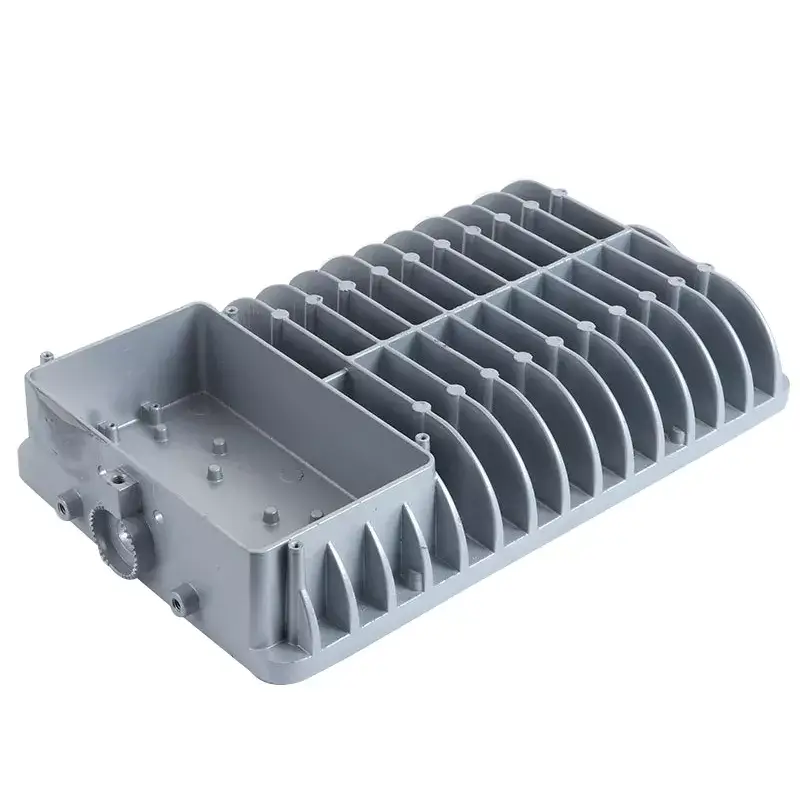
LED and Lighting Housings
Heat dissipation and corrosion resistance are critical. Defects such as dark spots or pitting can compromise thermal performance and longevity of the lighting unit.
Telecommunications Housings
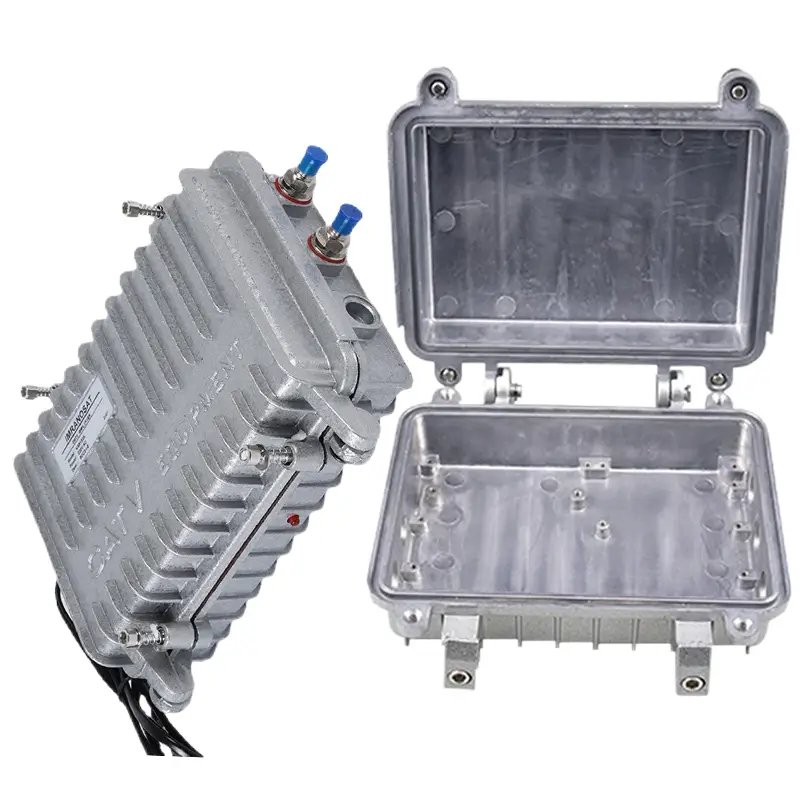
Enclosures for 5G equipment or RF modules require both corrosion resistance and precise surface finish. Uneven anodizing can impact aesthetics and sometimes even signal performance if coatings interfere with thermal management.
Conclusion: Is Anodizing Die Cast Aluminum Worth It?
Anodizing offers corrosion resistance, wear protection, and an attractive finish, but it is not always the best choice for die cast aluminum. High silicon content, porosity, and surface residues can lead to uneven color, pitting, and adhesion issues, especially for parts with critical aesthetic or functional requirements.
For high-visibility or precision components, alternative finishes like powder coating, painting, or plating may deliver more consistent results. However, for functional parts where appearance is secondary, anodizing can still provide adequate protection if proper alloy selection, surface preparation, and process control are applied.
At ZH Precision, we help engineers and buyers weigh the pros and cons of anodizing versus alternative finishes. By combining material expertise with precise manufacturing practices, we ensure die cast parts meet both performance and visual expectations—delivering quality components you can trust.