
Factors Affecting Die Casting Cost
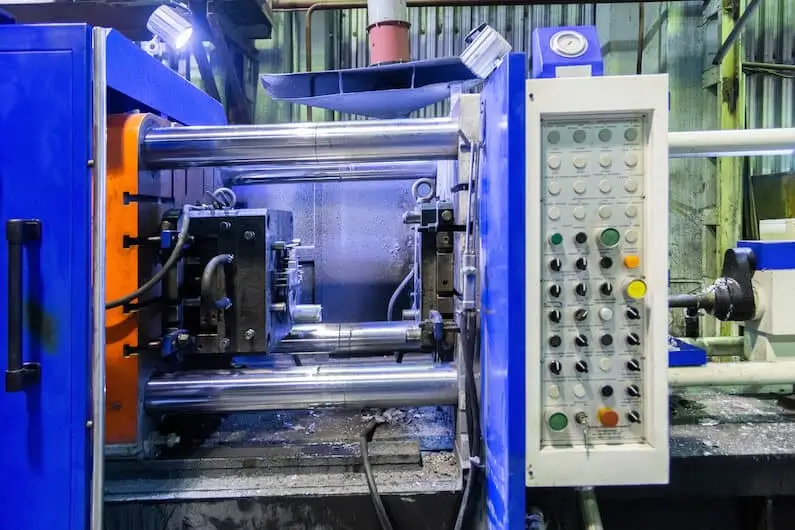
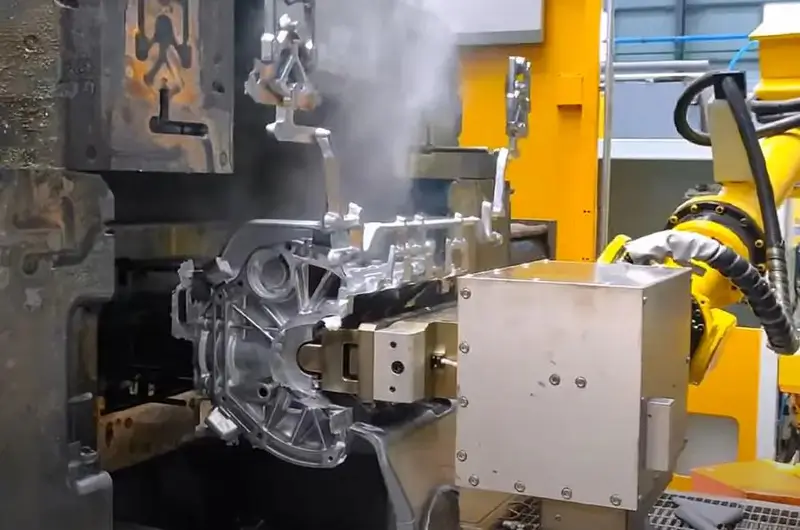
Die casting cost is primarily determined by four key drivers that interact throughout the production process: material selection, part complexity, production volume, and tooling considerations. Each factor affects both the upfront investment and the per-unit cost of a part.
Material Selection and Cost Implications
Material choice is a critical driver of die casting cost. Different alloys vary widely in price, availability, mechanical properties, and thermal characteristics. Material waste, recyclability, and post-processing requirements also affect the overall cost. Typically, die casting achieves a material utilization rate of 90–95%, but optimizing alloy selection and gate design can further reduce scrap and improve efficiency. Selecting the right material requires balancing cost-effectiveness with performance, considering factors such as part strength, thermal stability, and corrosion resistance.
Part Complexity and Design Considerations
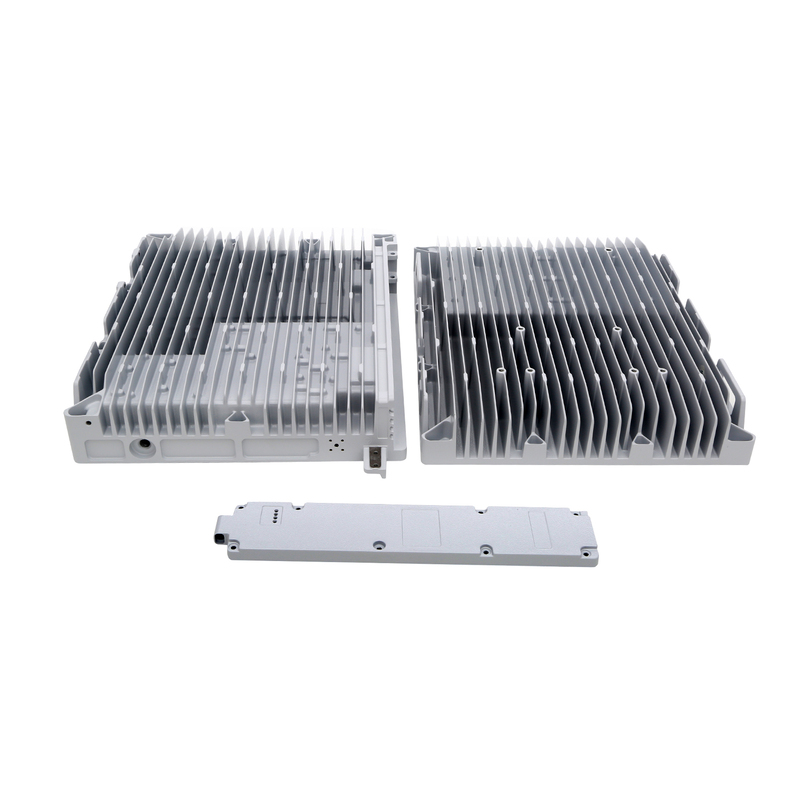
The geometry and features of a part directly influence die casting costs. Intricate shapes, thin walls, undercuts, and tight tolerances increase mold complexity and production difficulty, which raises both tooling and per-unit costs. Applying design for manufacturability (DFM) principles early in the design phase can simplify mold design, reduce secondary operations, and minimize material usage, ultimately lowering overall production cost while maintaining part quality.
Production Volume and Economies of Scale
Production quantity significantly impacts per-unit die casting costs. High-volume production spreads fixed costs—such as tooling and setup—across more units, reducing the unit cost. Conversely, low-volume runs may result in higher per-unit costs due to amortization of mold investment. Manufacturers can optimize production planning to balance volume, demand, and cost efficiency.
Tooling and Mold Cost Factors
Tooling and mold costs are among the largest upfront investments in die casting. Mold complexity, size, number of cavities, and material selection all influence cost. Additionally, mold lifespan and required maintenance should be considered for long-term cost-effectiveness. Investing in durable mold materials and robust design can reduce frequent repairs, minimize downtime, and lower the overall cost per part across the production lifecycle.
Die Casting Mold Cost Analysis
Mold costs are often the largest upfront expense in die casting projects. A high-quality mold minimizes unit costs, reduces scrap, and improves production consistency.
Mold Design
Mold design costs scale with part complexity. A simple flat mold might cost as little as $5,000, while a multi-slide or multi-cavity mold can exceed $100,000. Design fees, typically 2–3% of the total mold cost, cover parting line layout, slide mechanisms, and cooling channels.
Mold Material
Mold material choice affects durability and cost:
H13 Steel: High wear resistance and thermal stability, suitable for large-volume production. Life exceeds 100,000 cycles. Price: $50–$80/kg.
P20 Steel: Moderate wear resistance, ideal for medium-volume production. Life around 50,000 cycles. Price: $30–$50/kg.
Aluminum: Lightweight and low cost, suitable for prototypes or small batches. Life limited to 5,000–10,000 cycles. Price: $20–$30/kg.
Selecting the appropriate material depends on production volume and part complexity. High-volume projects benefit from H13 steel, while prototypes and short runs can use aluminum to save upfront investment.
Mold Manufacturing Techniques
Molds are commonly machined using CNC milling. For intricate features, wire EDM is often used. CNC milling costs around $40/hour and is suitable for roughing, while wire EDM exceeds $100/hour for precision work.
Heat Treatment and Assembly
Heat treatment increases steel hardness and wear resistance, extending mold life. Assembly and trial runs help identify design issues before full production. Although this adds initial cost, it reduces scrap, minimizes rework, and ensures consistent quality—critical for controlling overall expenses.
Die Cast Part Costs Analysis
Unit production cost includes materials, machine operation, secondary processing, inspection, and mold amortization.
Material Cost
Material cost depends on part weight, alloy type, and scrap rate. Aluminum, zinc, and magnesium each influence unit cost, cycle time, and mold wear differently. Optimizing material utilization, gating, and sprue design can reduce waste and lower unit costs.
Machine Cost
Machine cost covers die casting machine operation, electricity, and depreciation. Part complexity and wall thickness affect cycle times. Optimizing cooling systems, cycle parameters, and scheduling reduces per-unit machine costs.
Secondary Processing
Secondary processing includes deburring, shot blasting, CNC machining, plating, or painting. Choosing the right process ensures functionality and appearance while avoiding unnecessary operations that increase cost.
Inspection Cost
Inspection ensures dimensional accuracy, functionality, and reliability. High-reliability industries may require 100% inspection. Early detection of defects is more cost-effective than rework.
Tooling Amortization
Spreading mold costs across total production volume lowers unit cost for high-volume runs. Proper planning of batch size and mold lifespan is critical to controlling unit costs.
Die Casting Cost Optimization Strategies
Optimizing die casting cost is about balancing quality, efficiency, and material usage. By addressing design, materials, tooling, and production processes early, manufacturers can significantly reduce per-unit cost while maintaining high-quality standards.
Design for Manufacturability (DFM)
Simplifying part geometry, minimizing undercuts, and keeping wall thickness uniform can reduce mold complexity and machining time. Early DFM reviews allow engineers to optimize for cost without compromising part function.
Material Selection
Selecting the right alloy for the application and production volume can yield substantial savings. High-volume production often benefits from durable steel molds (H13), while prototypes or small batches can use aluminum molds to reduce upfront costs.
Tooling Efficiency
Using standardized mold bases, modular inserts, or reusing existing mold components can lower tooling cost and lead time. Efficient mold layout and proper maintenance also extend mold life and reduce repair expenses.
Process Optimization
Optimizing casting parameters, reducing cycle time, automating repetitive tasks, and minimizing scrap can improve production efficiency. Implementing lean manufacturing principles or advanced die-casting machines helps control both material and labor costs.
Conclusion
Understanding die casting costs is essential for engineers, sourcing managers, and production teams aiming to deliver high-quality parts on budget. By evaluating materials, mold design, part complexity, and production volume, manufacturers like ZH Precision help clients achieve cost-effective, reliable die casting solutions tailored to their requirements.
Implementing cost optimization strategies, collaborating early in design, and leveraging high-quality molds ensures predictable costs, minimal scrap, and superior part performance.
FAQ
A:Unit cost = Material + Machine + Labor + Mold amortization + Post-processing (if applicable).
A:Zinc alloys are durable and cost-efficient for high-volume runs; aluminum is cheaper for prototypes or low-volume production.
A:Complex molds increase design, machining, and trial iterations, raising per-unit cost significantly.
A:Spreads fixed tooling and setup costs over more parts and allows bulk material savings.
A:Optimize gating and overflow, improve cooling and cycle parameters, and conduct early trials and quality inspections.