
What is Low-Volume CNC Machining?
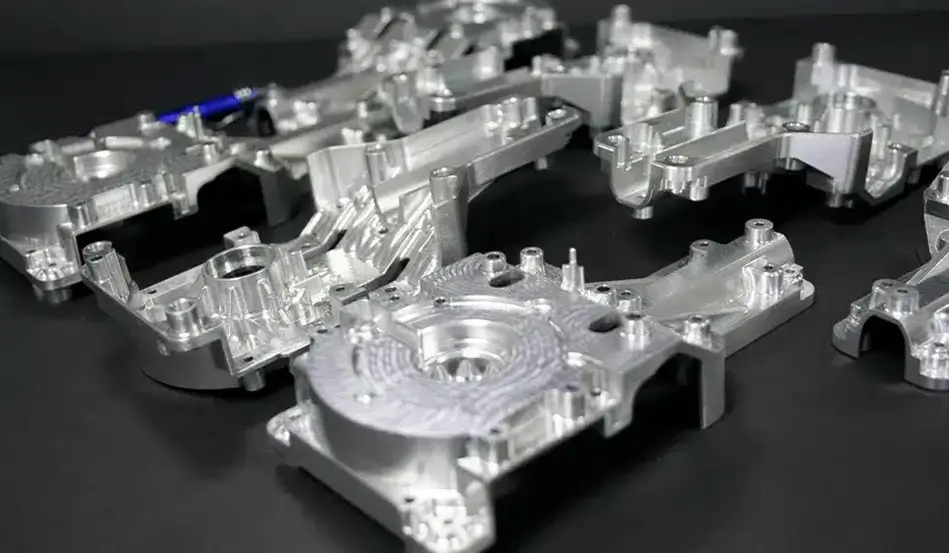
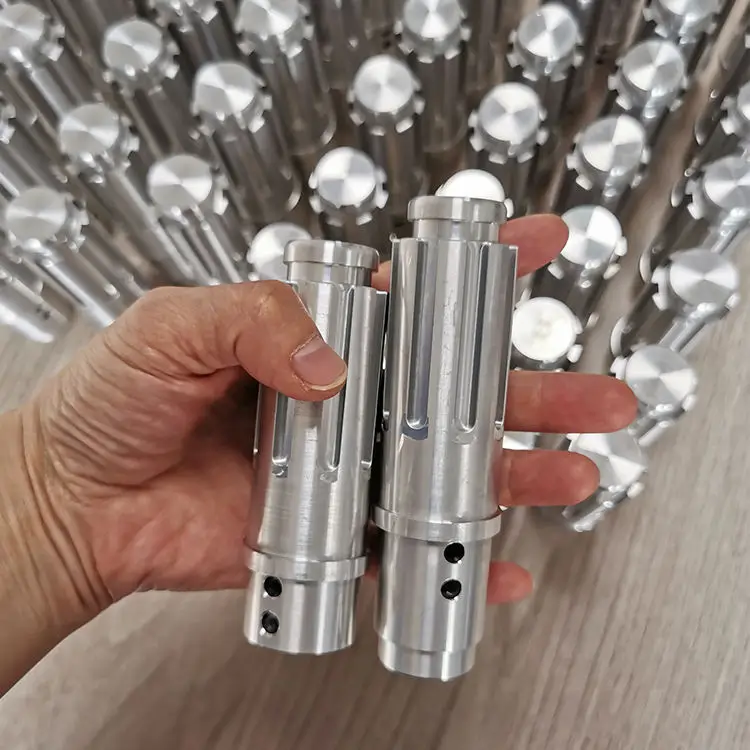
Low-volume CNC machining refers to producing 10–1,000 precision parts directly from solid materials using CNC milling, turning, and multi-axis machining. Unlike mass production, this method eliminates the need for expensive molds while maintaining industrial-grade quality and tight tolerances.
This approach provides high accuracy, material flexibility, and fast turnaround, making it ideal for companies seeking custom CNC prototypes or small-batch production. Low-volume CNC bridges the gap between concept validation and full-scale manufacturing, delivering functional parts that meet real-world performance requirements.
Advantages of Low-Volume CNC Machining
Low volume (or small batch) CNC machining is a strategic choice for many businesses, from startups to large enterprises conducting R&D. Here are the primary advantages it offers to product owners and manufacturers:
Cost-Effective for Short Production Runs
While the per-unit cost is typically lower in mass production, the initial investment in tooling and setup can reach tens of thousands of dollars. Low volume machining eliminates the need for expensive hard tooling. By using only a few CNC machines to produce parts, it significantly lowers the financial barrier to entry, making it an ideal, budget-friendly option for new product launches and small businesses.
High Precision and Consistency
Unlike other prototyping methods, CNC machining retains its high precision even in small batches. Since the process is controlled by computer programs, each part in the batch replicates the original design with tight tolerances. This is crucial for industries like aerospace or medical devices, where every component—even in low quantities—must pass strict inspection and meet exact specifications.
Faster Time to Market
Low volume production allows for an agile workflow. Manufacturers don’t have to wait for massive production runs to finish. Smaller batches can be produced quickly for market testing, beta launches, or trade shows. Feedback can be gathered and implemented in the next batch immediately, allowing businesses to evolve their product and penetrate the market much faster than waiting for mass production.
Greater Design and Manufacturing Flexibility
With smaller batches, design iterations are affordable. If an automotive company wants to test three different geometries for a bracket, they can run three separate small batches without the penalty of scrapping expensive hard tooling. It also gives manufacturers the chance to validate and fine-tune the machining process, optimizing the workflow before committing to high-volume production.
Reduced Inventory Risk (On-Demand Manufacturing)
Low volume machining aligns production with actual demand, reducing the need for demand forecasting. Instead of warehousing thousands of unsold units, businesses can produce parts just in time. This “on-demand” approach minimizes capital tied up in inventory and reduces the risk of obsolescence, allowing companies to adapt to market trends quickly without the burden of overstock.
Request a DFM Review and Quotation
Submit your drawings to receive a manufacturability review and a clear quotation. Our engineers help ensure your design is ready for efficient production.
Get QuoteWhen to Choose Low-Volume CNC Machining
Low-volume CNC machining is the optimal solution for companies requiring small batches of precision parts—whether for prototyping, market testing, or specialized production. Here are the most common scenarios where this approach delivers maximum value:
Prototyping & Design Validation
Bringing a new product to life requires more than just a visual model; it demands functional prototypes that perform under real-world conditions. Low-volume CNC machining allows engineers to test form, fit, and function using the exact materials intended for production. For instance, medical device companies often order small batches of surgical tools to conduct rigorous clinical trials—without the wait or expense of production tooling.
End-Use Parts for Specialized Industries
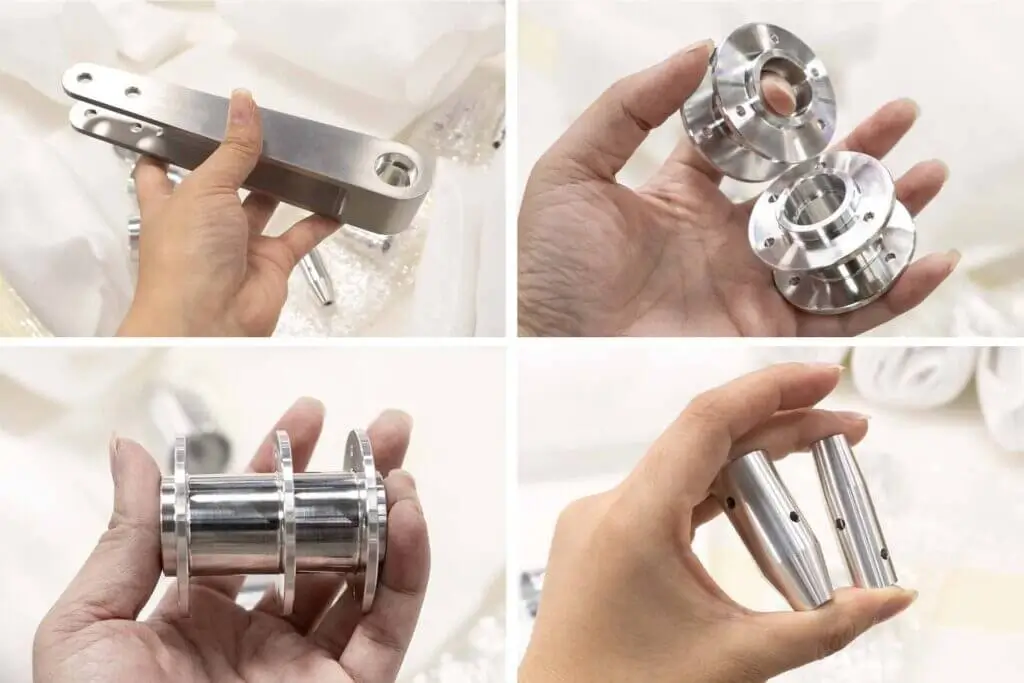
OEMs across aerospace, automotive, and industrial sectors frequently require limited runs of mission-critical components. Whether it’s a custom intake manifold for a racing prototype or a replacement bracket for obsolete machinery, low-volume CNC delivers parts that are fully functional and ready for installation—machined from solid metal with the strength and tolerances that additive manufacturing cannot match.
Startups & Market Testing
For startups and entrepreneurs, inventory is risk. Low-volume CNC machining enables a lean startup approach: produce just enough units to validate market demand, launch a crowdfunding campaign, or stock an initial sales channel—all without the burden of minimum order quantities (MOQs) or six-figure tooling investments. Producing 10–1,000 units allows companies to gauge market response and iterate designs with minimal financial exposure.
Bridging to Mass Production & Supply Chain Resilience
Low-volume CNC acts as a strategic buffer between prototyping and high-volume manufacturing. It allows companies to launch products, gauge sales, and then scale production incrementally—without committing to massive upfront inventory. This on-demand approach improves supply chain resilience, reduces inventory risk, and ensures that if demand spikes, the same CNC programs can transfer seamlessly to higher-volume production lines for consistent, scalable supply.
Tips for Reducing Low Volume CNC Costs
While low-volume CNC machining eliminates expensive tooling, the per-part cost remains higher than mass production. The key is to manage costs intelligently through design and process choices. The following practices can help you optimize your approach:
Optimize Design for Manufacturability (DFM)
To optimize design from a manufacturing perspective, the basic advice is to work with standard dimensions and geometries. For instance, avoid designing holes deeper than six times their diameter, as this complicates chip evacuation and may require specialized tooling. Eliminate any non-critical features or unnecessary complexities to make the machining process simpler and more cost-efficient.
Use Standard Tools and Fixtures
Avoid custom tooling and fixtures unless absolutely necessary. Standard tools are readily available, cost less, and require less setup time. They are also compatible with multiple machines, offering greater flexibility. For example, modular fixture systems and standard CNC cutters can handle most jobs effectively without the need for custom solutions.
Choose Cost-Effective Materials
Material selection should always be based on the application, but cost and machinability are critical factors in low-volume runs. Understanding different CNC machining materials helps engineers select options that balance strength, machinability, and production cost. Metals such as aluminum and brass are generally easier and faster to machine, while harder materials like stainless steel or titanium often require longer machining times and higher tooling wear. Selecting the wrong material can significantly increase machining time and overall production costs.
Limit Secondary Operations
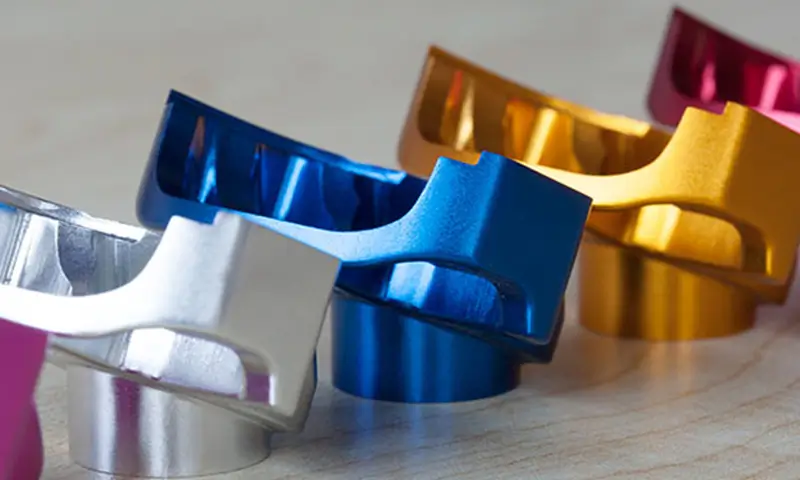
Secondary operations—such as polishing, anodizing, painting, or engraving—add time and expense. Many finishing processes also carry minimum batch charges that can be disproportionate for small quantities. Unless a secondary operation is essential for functionality or compliance, consider whether the standard machined finish is acceptable.
Machine Multiple Parts in a Single Setup
Multi-part machining means producing multiple components from the same machine setup. By populating the machine table with several workpieces, you spread the setup cost across more parts and reduce per-unit cycle time. For example, if you need multiple identical brackets, arrange them to be machined in one run rather than one at a time.
Batch Similar Parts Together
While low-volume machining allows for customization, costs are best optimized when producing a batch of similar parts. Dissimilar parts require separate setups, tools, and programs—each driving up individual costs. Planning your production runs to group similar parts together, even from different projects, can significantly reduce overall expenses.
Avoid Unnecessary Tight Tolerances
Tight tolerances are sometimes essential, but they are costly from a manufacturing perspective. Achieving precise tolerances may require slower machining speeds, specialized tools, and frequent quality inspections. Review your drawings to identify which dimensions truly need high precision and which can safely use standard tolerances.
Choosing a Low Volume CNC Machining Service Provider
Selecting the right partner for low-volume CNC machining requires a different approach than choosing a mass production supplier. With small batches, flexibility, expertise, and communication often matter more than raw capacity. Here are three essential factors to consider:
Technical Expertise and Equipment
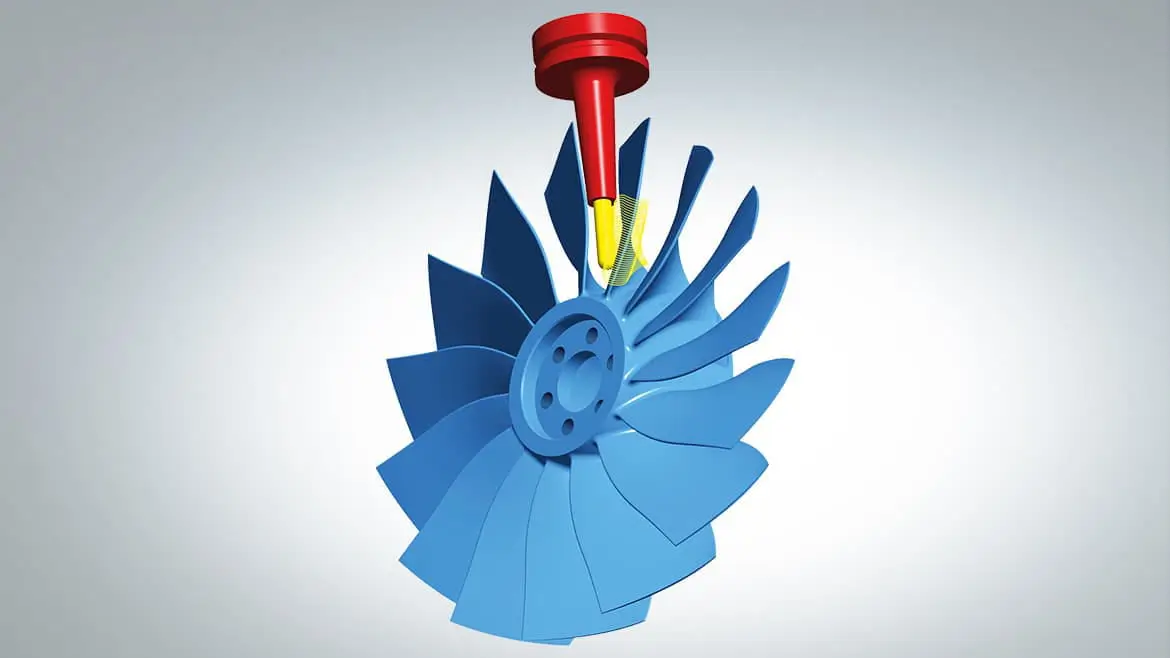
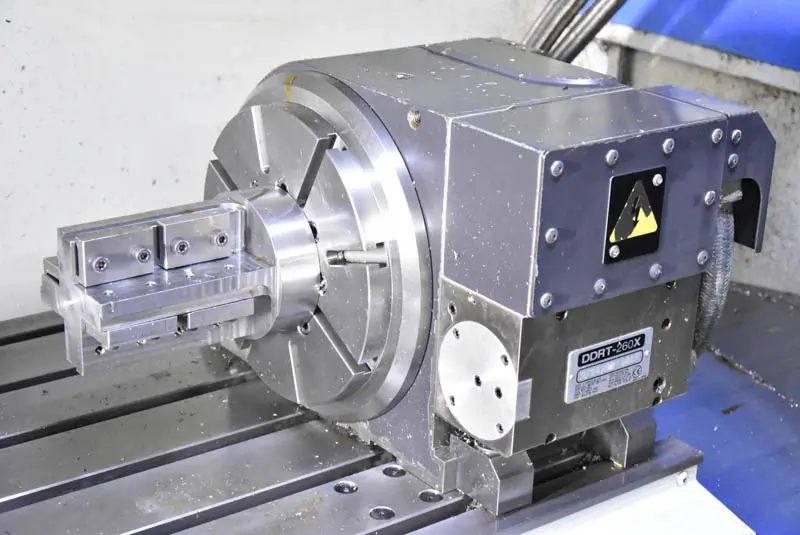
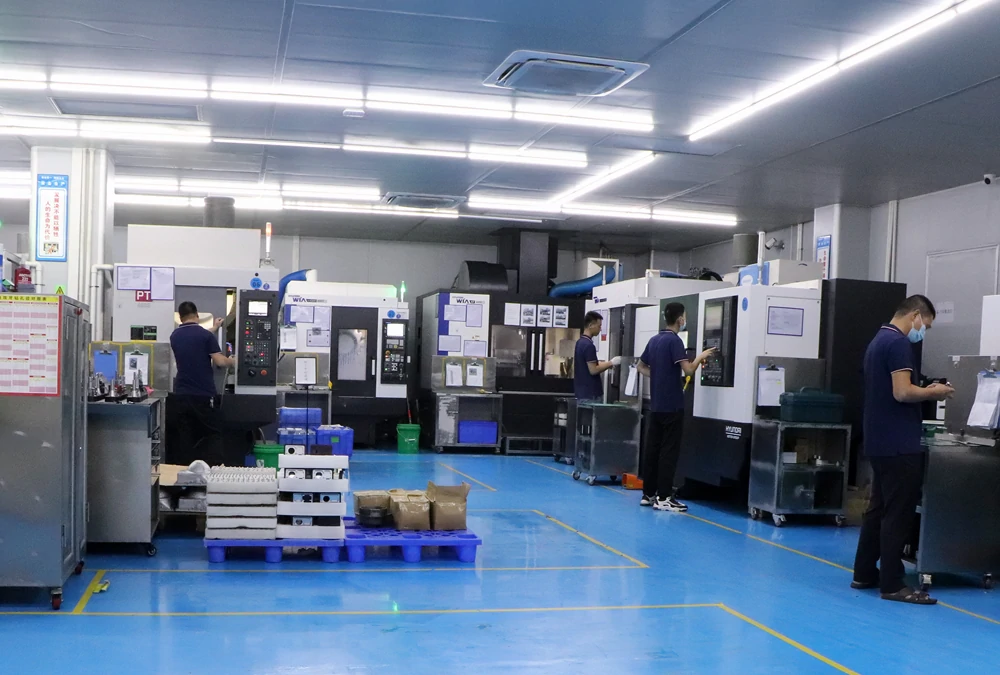
Not every CNC shop is well-suited for low-volume work. Look for a provider with experience in short-run production and the right equipment to match your needs. Multi-axis capabilities (3-axis, 4-axis, 5-axis) and familiarity with a range of materials—from aluminum and stainless steel to engineering plastics—are important indicators. A shop that regularly handles small batches will understand how to optimize setups, minimize changeover time, and maintain precision without the economies of scale that mass production relies on.
Design for Manufacturability (DFM) Support
Optimizing a design from a manufacturing perspective requires following practical design for CNC machining principles. Applying DFM for CNC machining helps engineers simplify part geometry, reduce machining time, and improve overall production efficiency. To learn more, refer to our CNC Machining DFM Design Guide. For example, avoid designing holes deeper than six times their diameter, as this complicates chip evacuation and may require specialized tooling. Eliminating non-critical features or unnecessary complexities can make the machining process simpler and more cost-efficient.
Transparent Pricing and Reliable Communication
Low-volume CNC pricing can be complex, with costs tied to setup, programming, materials, and machining time. A trustworthy provider offers clear, itemized quotes and explains what drives cost in your specific design. They should also be responsive and transparent about lead times, potential delays, and production timelines. Since low-volume projects often involve iterations or tight deadlines, good communication can mean the difference between a smooth process and costly misunderstandings.
Choose ZH Precision for CNC Machining Services
Looking for a reliable CNC machining partner? Whether you need low-volume prototypes or high-volume production runs, ZH Precision delivers precision-engineered metal components that meet your exact specifications. With over 80 CNC machines—including 3, 4, and 5-axis machining centers, CNC turning, and laser cutting—we have the capacity to handle projects of any scale.
We specialize in a wide range of metals, from aluminum and stainless steel to titanium and exotic alloys, with access to over 60 surface finishes. From prototypes to full production, our team delivers consistent precision, competitive pricing, and reliable turnaround. Send us your requirements today—let’s make it happen.

Conclusion
Low-volume CNC machining offers an efficient way to produce precision metal parts without the high tooling costs of mass production. It allows engineers to refine designs while giving procurement teams better cost control and supply chain flexibility. For projects that require reliable small-batch production, partnering with an experienced provider of low volume manufacturing services can help accelerate product development and reduce time to market.
Frequently Asked Questions
A:For most low-volume projects (10–500 parts), lead times range from 5–15 business days, depending on complexity and material availability. Simple parts in standard materials like aluminum can ship in under a week, while complex geometries or exotic materials may require additional time. We’ll provide a confirmed delivery date with your quote—and we stand by it.
A:Absolutely. Before production begins, our engineers review your design to identify potential cost savings, manufacturability improvements, or risk factors. We’ll flag features that may be difficult to machine, suggest tolerance adjustments that won’t affect function, and recommend material alternatives if they offer better value. This input is completely free and often reduces costs before you cut a single part.
A:Quality isn’t negotiable, even for short runs. Every part undergoes rigorous inspection throughout production. We use a combination of in-process checks, CMM (coordinate measuring machine) verification, and final dimensional inspections to ensure compliance with your specifications. For critical applications, we can provide full inspection reports or certifications upon request.
A:We understand that product development is iterative. If changes are needed, we work with you to assess the impact on cost and timeline. Minor adjustments during the same production run are often possible at minimal cost. For significant changes, we’ll help you implement them in the next batch without penalizing you for the iteration—that’s the advantage of low-volume flexibility.
A:Yes—and this is one of our core strengths. With over 80 CNC machines, we can seamlessly transition from low-volume prototypes to high-volume production as your demand grows. We store programs, fixture setups, and quality protocols for every job, ensuring that repeat orders are faster, easier, and cost-consistent with your initial run.