
What is CNC Machining?
CNC machining is a computer-controlled process that precisely cuts and shapes materials to produce highly accurate parts. It can achieve micron-level dimensional accuracy while handling complex geometries and contoured surfaces, ensuring consistent results across multiple batches. Compared to traditional manual machining, CNC offers significant advantages in efficiency, repeatability, and precision. This process works with a wide range of metals, including aluminum, stainless steel, titanium alloys, alloy steels, and brass, making it a reliable choice for rapid prototyping and small-batch production where quality and consistency are critical.
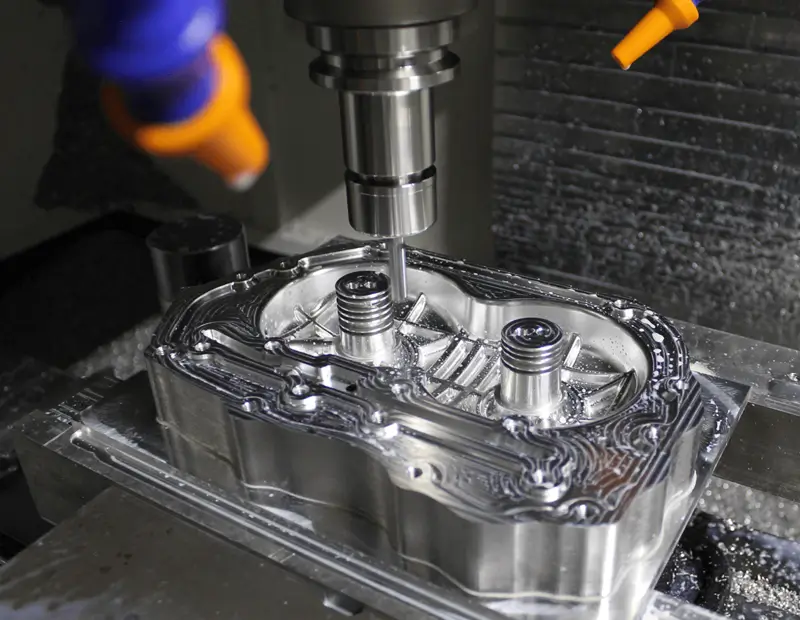
How CNC Machining Works
The core principle of CNC machining is converting digital designs into precise physical parts. The process typically begins with a 3D CAD model, which engineers create to define the geometry of the part. CAM software then generates toolpaths and converts them into machine-readable G-code. The CNC machine interprets this code, using servo motors and feedback systems to move cutting tools along multiple axes, while the machine structure provides stability. Spindle speed, feed rate, tool selection, and cutting strategy directly affect dimensional accuracy and surface finish. Multi-axis machines can complete complex parts in a single setup, reducing the need for multiple fixtures and improving efficiency while maintaining high-quality results.
CNC Machining Workflow
A clear and structured CNC machining workflow is essential for producing high-precision, consistent parts on time and within budget. From the initial design submission to the final inspection, each step ensures parts meet tight tolerances, maintain quality, and can be manufactured efficiently.
Step 1: Design Submission and Technical Requirements Review
The process begins when the customer submits part drawings or 3D CAD models. Engineers review the part’s function, material, quantity, tolerances, and required delivery schedule. This step ensures a clear understanding of the part specifications and identifies any immediate concerns before production planning begins.
Step 2: DFM Review and Process Planning
During the Design for Manufacturability (DFM) review, engineers evaluate the part from multiple angles to ensure it can be manufactured efficiently and accurately. This includes selecting the most suitable material, choosing appropriate machining strategies, verifying tool accessibility, planning fixture setups, and defining cutting sequences. Multi-face machining and complex fixture requirements are analyzed in advance to minimize errors, reduce setup time, and control production costs, while ensuring the part’s functionality is maintained.
Step 3: CAD Model and Engineering Drawing Preparation
High-precision 3D CAD models (STEP, IGES, X_T formats) and complete engineering drawings are prepared, with clearly annotated critical dimensions, tolerances, and thread specifications. Accurate CAD data is essential to generate reliable CAM programs and ensure consistent quality across all parts.
Step 4: CAM Programming and Toolpath Optimization
CAM software is used to select cutting tools, determine speeds and feed rates, and plan roughing, semi-finishing, and finishing operations. For multi-axis parts, simulations are performed to prevent collisions, optimize chip evacuation and cooling, and achieve superior surface finish and dimensional accuracy.
Step 5: Machine Setup and Machining Execution
The CNC machine is configured with the selected tooling and fixtures, such as vises, fixture plates, or 3-jaw chucks. Workpieces are precisely aligned and referenced. Machining is performed under real-time monitoring of spindle load, tool condition, and cutting temperature. A First Article Inspection (FAI) is conducted to verify critical dimensions and surface quality before full production begins.
Step 6: Deburring, Cleaning, and Surface Finishing
Once machining is complete, parts are deburred, cleaned, and surface-finished according to material and application requirements. Typical finishes include anodizing, sandblasting, passivation, or plating to enhance corrosion resistance and appearance.
Step 7: Final Inspection and Delivery
All parts undergo comprehensive inspection using coordinate measuring machines (CMM), contour and roughness gauges, and vision measurement systems. Detailed inspection reports confirm that all specifications are met. Finally, the parts are carefully packaged and shipped, ready for assembly or further processing.
Main Types of CNC Machines
Different CNC machines are designed to process different geometries, accuracy levels, and machining strategies. Choosing the correct machine type directly affects part quality, machining efficiency, and manufacturing consistency.
3-Axis CNC Milling Machines
3-axis milling is the most common CNC machining method. The cutting tool moves along the X, Y, and Z axes, making it ideal for flat surfaces, slots, pockets, and basic contours. It is widely used for brackets, housings, plates, and structural components. Complex geometries often require multiple setups due to limited tool approach angles.
4-Axis CNC Milling Machines
4-axis machines introduce a rotary axis, allowing the part to rotate during machining. This capability improves efficiency when producing cylindrical features, radial holes, and multi-side components. It reduces repositioning and improves dimensional consistency across features located around a part.
5-Axis CNC Milling Machines
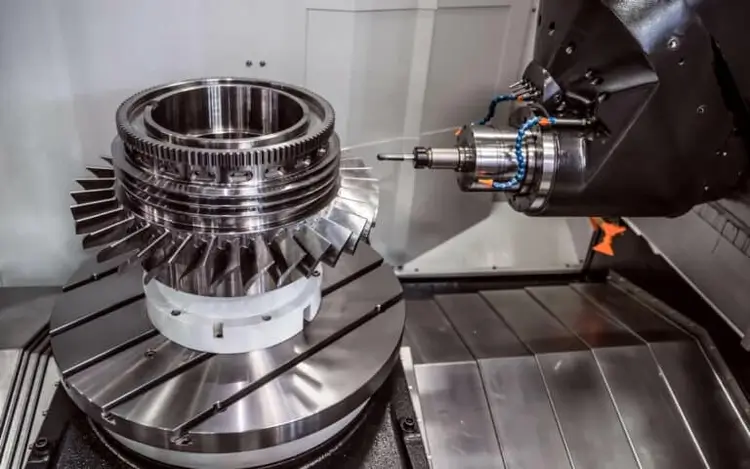
5-axis machining allows simultaneous movement along linear and rotational axes. This enables machining of highly complex surfaces in a single setup, significantly improving geometric accuracy and reducing cumulative errors. It is essential for aerospace components, molds, and advanced precision parts that require tight tolerances and superior surface finish.
CNC Turning Centers
Turning centers are used for rotational parts where the workpiece spins while the cutting tool removes material. They are ideal for shafts, bushings, threads, and cylindrical components. Many modern machines include live tooling, enabling milling, drilling, and tapping operations without removing the part, improving concentricity and efficiency.
Swiss-Type CNC Lathes
Swiss-type lathes specialize in small, slender, high-precision parts. The guide bushing supports the workpiece close to the cutting area, minimizing vibration and deflection. This machine type is widely used in medical, electronics, and micro-mechanical components requiring exceptional precision.
Mill-Turn CNC Centers
Mill-turn centers combine turning and milling capabilities in one machine. Complex parts can be fully machined in a single setup, integrating turning, milling, drilling, and tapping operations. This reduces handling, shortens cycle time, and improves overall dimensional accuracy.
Common Metals Used in CNC Machining
Material selection directly affects machinability, strength, corrosion resistance, and final part performance. Below are the most widely used metals in precision CNC machining.
Aluminum Alloys
Aluminum alloys are widely used in CNC machining due to their low density, high machinability, and good corrosion resistance. They allow high cutting speeds, reduced tool wear, and excellent surface finishing performance.
6061 Aluminum:A versatile general-purpose alloy with good strength, corrosion resistance, and weldability. It offers a balanced combination of mechanical performance and machinability, widely used for structural and precision mechanical parts.
7075 Aluminum:A high-strength aerospace-grade alloy with an excellent strength-to-weight ratio. It provides much higher strength than 6061 but with slightly lower corrosion resistance, making it suitable for high-load structural applications.
5083 Aluminum:Known for excellent corrosion resistance, especially in marine and harsh environments. It offers good strength and formability for components exposed to demanding conditions.
Stainless Steel
Stainless steel is valued for its strength, corrosion resistance, and durability. It is widely used in CNC machining for components that require structural integrity and environmental resistance.
303 Stainless Steel:Offers improved machinability among stainless grades. Suitable for precision parts where ease of machining and corrosion resistance are required.
304 Stainless Steel:A general-purpose stainless steel with good strength and corrosion resistance. Commonly used in mechanical and structural applications.
316 Stainless Steel:Provides enhanced resistance to chemicals and marine environments. Used for components exposed to harsh or corrosive conditions.
17-4PH Stainless Steel:A precipitation-hardening grade with high strength and good dimensional stability after heat treatment. Ideal for high-stress precision components.
Carbon Steel and Alloy Steel
Carbon and alloy steels are selected for their strength, toughness, and wear resistance. They are widely used in load-bearing and mechanical applications.
A36 Steel:A general structural steel with good strength and weldability. Often used for mechanical structures and support components.
1045 Steel:A medium-carbon steel offering higher strength and hardness than mild steel. Suitable for shafts and mechanical parts.
4140 Alloy Steel:A chromium-molybdenum alloy steel known for high strength, toughness, and wear resistance after heat treatment.
4340 Alloy Steel:A high-strength alloy steel with excellent fatigue resistance and toughness for heavily loaded components.
Copper and Brass
Copper alloys are used where electrical conductivity, thermal performance, or corrosion resistance are important.
C110 Copper:Offers excellent electrical and thermal conductivity. Suitable for electrical and heat transfer components.
C360 Brass:One of the easiest metals to machine, with good corrosion resistance and dimensional stability. Common for precision fittings and connectors.
Titanium Alloys
Titanium alloys are known for high strength, low density, and corrosion resistance, especially in demanding environments.
Ti-6Al-4V (Grade 5):The most widely used titanium alloy, offering a high strength-to-weight ratio and excellent corrosion resistance. Common in aerospace, medical, and high-performance engineering parts.
High-Temperature Alloys
High-temperature alloys maintain strength and stability under extreme heat and stress.
Inconel 625:A nickel-based alloy with strong resistance to heat, oxidation, and corrosion in extreme environments.
Inconel 718:Provides high strength and stability at elevated temperatures, used in demanding high-temperature applications.
CNC Machining Advantages
CNC machining offers several key benefits that make it the preferred method for high-precision custom metal parts.
High Accuracy and Repeatability:CNC machines follow programmed instructions with micron-level precision. This ensures consistent dimensions across single prototypes or large production runs, reducing the risk of variation and rework.
Efficient Material Use:Optimized cutting parameters and tooling minimize scrap and material waste. Controlled chip removal and precise machining improve overall efficiency and reduce raw material costs.
Complex Geometries and Tight Tolerances:Multi-axis CNC machines can handle intricate parts such as curved surfaces, deep cavities, or complex assemblies. Precision control allows for tight tolerances that are difficult or impossible to achieve with manual machining.
Wide Material Compatibility:CNC processes can handle a broad range of metals, from aluminum and brass to titanium and high-strength alloy steels. Tooling and parameter adjustments allow machining of both hard and soft materials while maintaining surface quality.
Flexible Production Volumes:CNC machining is suitable for single prototypes, small batch production, or larger runs. It allows for quick adjustments to design changes and rapid iteration, supporting efficient product development cycles.
Superior Surface Finish:With precise tool control, CNC machining can produce parts with excellent surface finishes, reducing the need for extensive post-processing.
Limitations of CNC Machining
Although CNC machining delivers high precision and versatility, several practical limitations should be considered:
Upfront Investment:CNC equipment, tooling, and fixturing require significant capital. For very low-volume or simple parts, these initial costs may make CNC less economical compared to simpler production methods.
Material Waste:Being a subtractive process, CNC machining inevitably generates chips and offcuts. For complex parts machined from solid billets, more material may be removed than in additive processes.
Design Constraints:Features such as deep cavities, ultra-thin walls, or hard-to-reach internal geometries can increase machining complexity, cost, and setup time. Effective DFM (Design for Manufacturability) is essential to minimize limitations and maximize CNC efficiency.
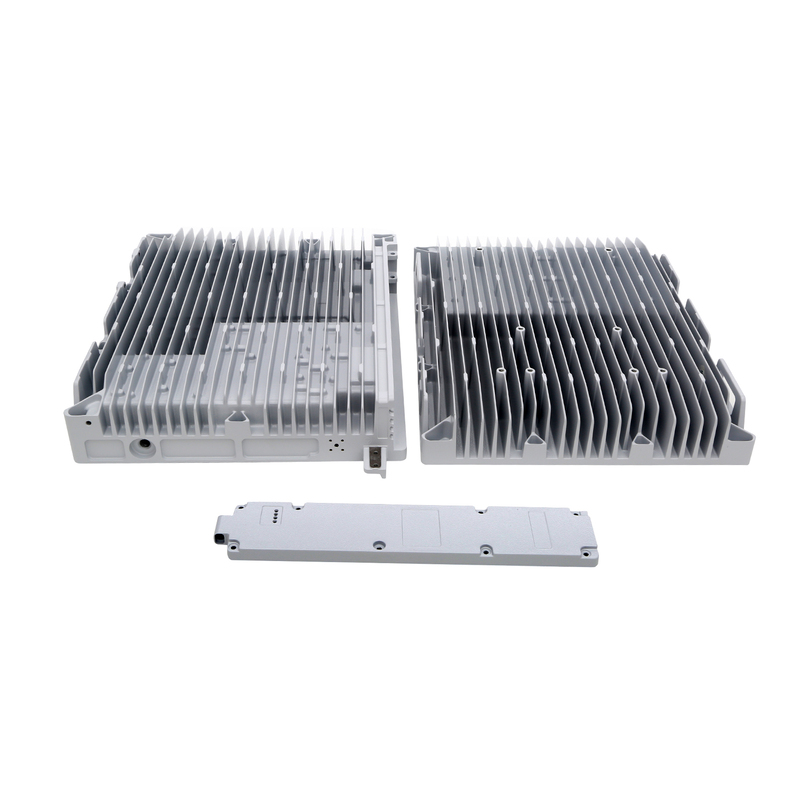
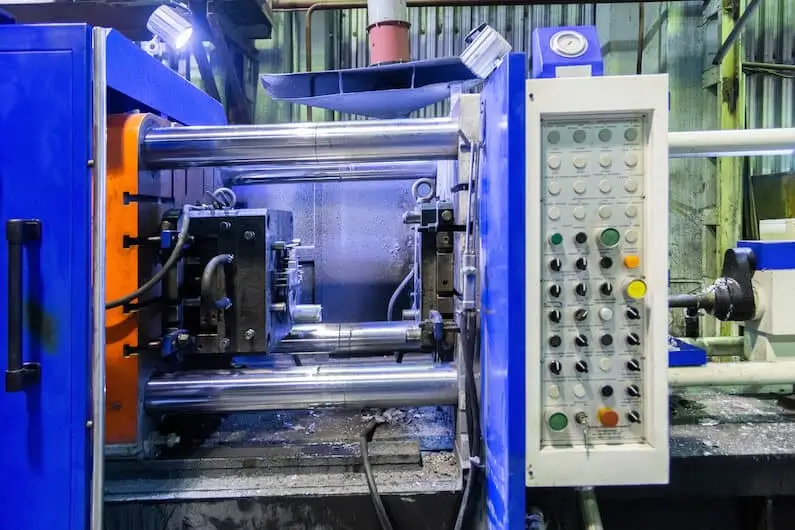
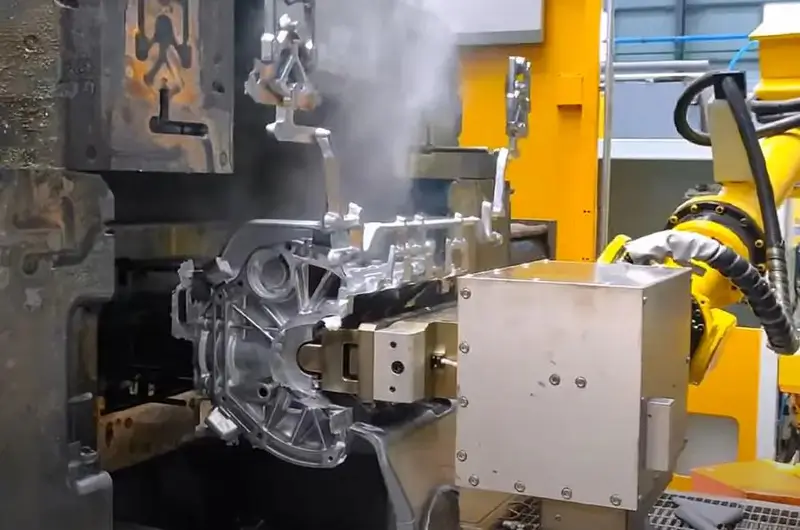
CNC Machining vs Die Casting
| Comparison | CNC Machining | Die Casting |
| Material Options | Aluminum, Titanium, Stainless Steel, Alloy Steel, Brass | Aluminum, Zinc, Magnesium (limited material choices) |
| Dimensional Accuracy | Micron-level high precision | Good precision, usually requires secondary operations |
| Surface Quality | High-quality finish, often ready to use | Surface may have mold marks or flash, requires deburring or polishing |
| Geometric Complexity | Internal features limited, multi-axis machining can handle complex surfaces | Can produce intricate mold cavities and thin-wall structures, but geometry is constrained by mold design |
| Production Speed | Efficient for small batches and rapid iteration | Mold preparation takes time, but large-volume production is extremely fast |
| Cost Structure | Higher per-piece cost for small batches, cost-effective for low to medium volumes | High mold cost, small batches are expensive, large-volume production is economical |
| Typical Applications | Functional prototypes, end-use parts, low-volume custom components | High-volume parts, complex mold cavities, thin-wall structures |
- CNC machining is best suited for functional prototypes, small-batch production, and high-precision parts.
- Die casting is ideal for large-volume manufacturing of parts with complex mold cavities or thin-wall structures.
Common Applications of CNC Machined Parts
Precision-machined parts are essential in industries where tight tolerances, reliability, and repeatability matter. From aerospace to medical devices, these components allow engineers to achieve complex geometries and consistent performance. They are suitable for both functional prototypes and final-use components, offering versatility across a wide range of applications.
Aerospace:Critical components such as brackets, housings, and turbine parts demand high-strength materials and exceptional dimensional accuracy.
Automotive:Engine parts, transmissions, and suspension elements require durable, consistent components to ensure optimal performance.
Medical Devices:Surgical instruments, implants, and diagnostic tools rely on precise dimensions and smooth finishes to meet strict regulatory standards.
Electronics and Robotics:Custom enclosures, mounting brackets, and connectors must maintain tight tolerances for reliable assembly and operation.
Industrial Machinery and Energy Equipment:Specialized parts for pumps, turbines, and industrial machinery need to meet demanding performance requirements and often involve complex geometries.
CNC Prototyping and Low-Volume Production:Rapid iteration of functional prototypes and low-volume manufacturing of specialized components benefits from high precision and repeatability.
How to Choose the Right CNC Machining Manufacturer
Technical Capabilities and Equipment
Verify that the manufacturer has the right machines, axis configurations, and tooling for your part geometry and material. Multi-axis machining centers, high-precision lathes, and advanced inspection equipment such as CMMs are key indicators of capability.
Quality Assurance Processes
Check for documented quality management systems and established inspection protocols. Certifications such as ISO 9001 for general quality management, IATF 16949 for automotive applications, or ISO 13485 for medical devices indicate a manufacturer’s commitment to consistent, high-precision production and reliable delivery.
Engineering Support and DFM Feedback
A strong partner offers Design for Manufacturability (DFM) reviews to optimize your parts for cost, efficiency, and accuracy before production begins. Early feedback can prevent costly revisions and improve overall project outcomes.
Communication and Project Management
Clear, responsive communication and effective project tracking ensure deadlines are met and issues are resolved quickly. Check how the manufacturer handles quoting, updates, and delivery transparency.
Prototype to Production Transition
Evaluate whether the manufacturer can smoothly scale from prototype to small or medium-volume production without sacrificing quality or requiring extensive retooling. This flexibility is vital for product development cycles.
Conclusion
CNC machining remains one of the most versatile and reliable methods for producing high-precision metal parts. From functional prototypes to low- to medium-volume production, it provides consistent accuracy, excellent surface finishes, and the flexibility to handle complex geometries. By understanding the workflow, machine types, material options, and limitations, engineers and procurement teams can make informed decisions that optimize both cost and performance.
FAQ
A:CNC machining can achieve tight tolerances, often within ±0.005 inches (±0.125 mm) for standard parts. With specialized equipment and careful setup, tolerances as tight as ±0.001 inches (±0.025 mm) are achievable for high-precision applications.
A:Single prototypes usually have higher per-unit costs due to setup and tooling. Small-batch production benefits from spreading setup costs over multiple parts, reducing the unit cost while maintaining consistent quality.
A:Typical quoting time is 24–72 hours, depending on part complexity and material. Lead times for production vary by volume, material, and machining complexity, but most low- to medium-volume parts can be delivered within 1–4 weeks.
A:Maximum dimensions depend on the specific CNC equipment. Standard machining centers can handle parts several feet in length and width, and weights from a few ounces up to several hundred pounds. Large or heavy components may require custom fixturing or specialized machinery.
A:Design for Manufacturability (DFM) can minimize machining time, reduce complex fixturing, and limit tool changes. Avoiding extremely thin walls, deep cavities, or overly intricate features can significantly lower production costs while maintaining quality.