
This guide provides a comprehensive overview of zinc die casting, explaining its key benefits, potential constraints, and typical applications. It also offers practical insights on selecting a reliable manufacturing partner, helping you achieve seamless integration from design to full-scale production.
1. Overview of Zinc Die Casting Principles
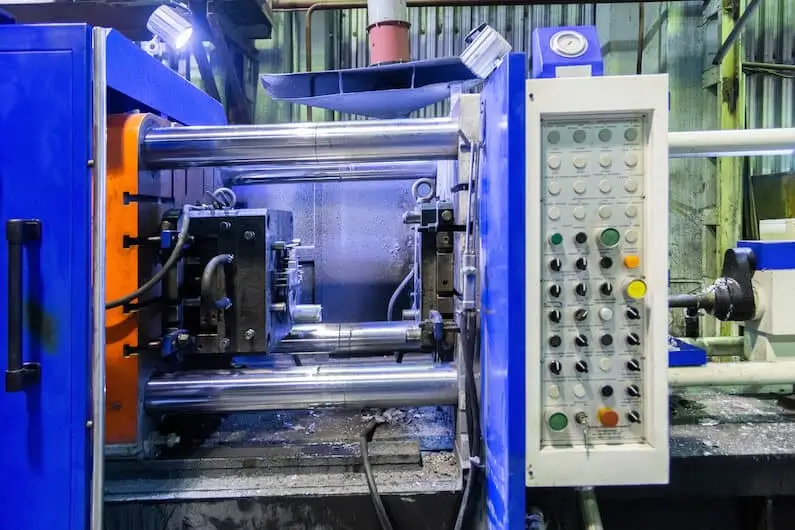
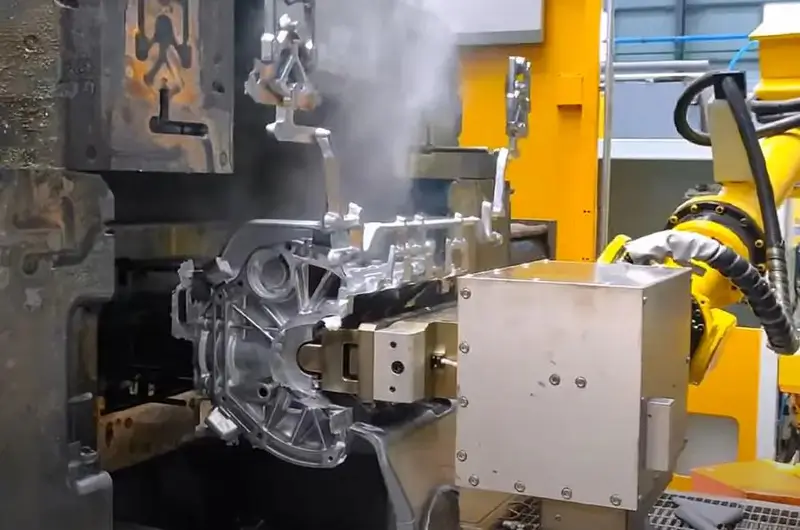
Precision zinc die casting involves injecting molten zinc alloys (such as Zamak series) into high-precision steel molds under high pressure, followed by rapid cooling to form near-net-shape components. This process enables the production of complex geometries, integrated ribs, bosses, threads, and other features in a single operation, significantly reducing the need for secondary machining and assembly. It is a key method for achieving high-efficiency, cost-effective batch production.
2. Material Properties of Zinc Alloys
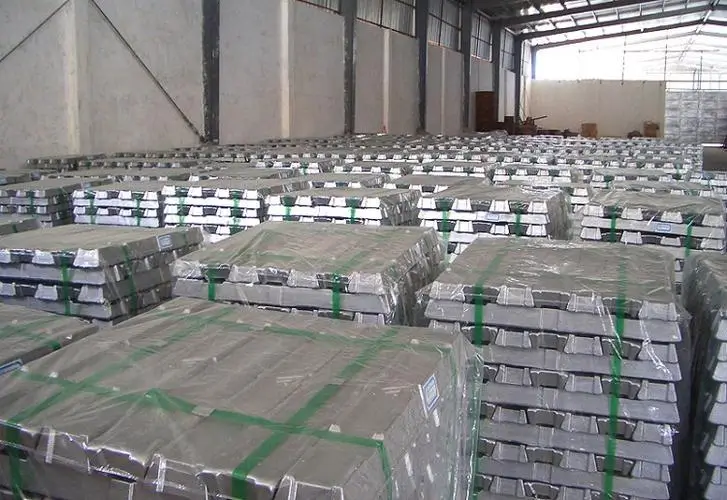
Common zinc alloys, such as Zamak 3 (most versatile), Zamak 5 (higher strength), and Zamak 7 (enhanced corrosion resistance), offer an excellent balance of strength, hardness, and corrosion resistance. With relatively low melting points (approximately 380–420°C) and excellent fluidity, these alloys can fully fill intricate molds, capturing fine details with precision. Additionally, zinc alloy surfaces are naturally suited for secondary finishing processes, including plating, painting, powder coating, and chemical coating, providing improved aesthetics as well as enhanced corrosion and wear resistance.
3. Why Choose Zinc Die Casting?
Zinc die casting is widely adopted for its ability to produce highly precise, durable, and complex components efficiently. Here are the main reasons manufacturers and engineers choose this process:
1. Integrated Design for Simplified Assembly
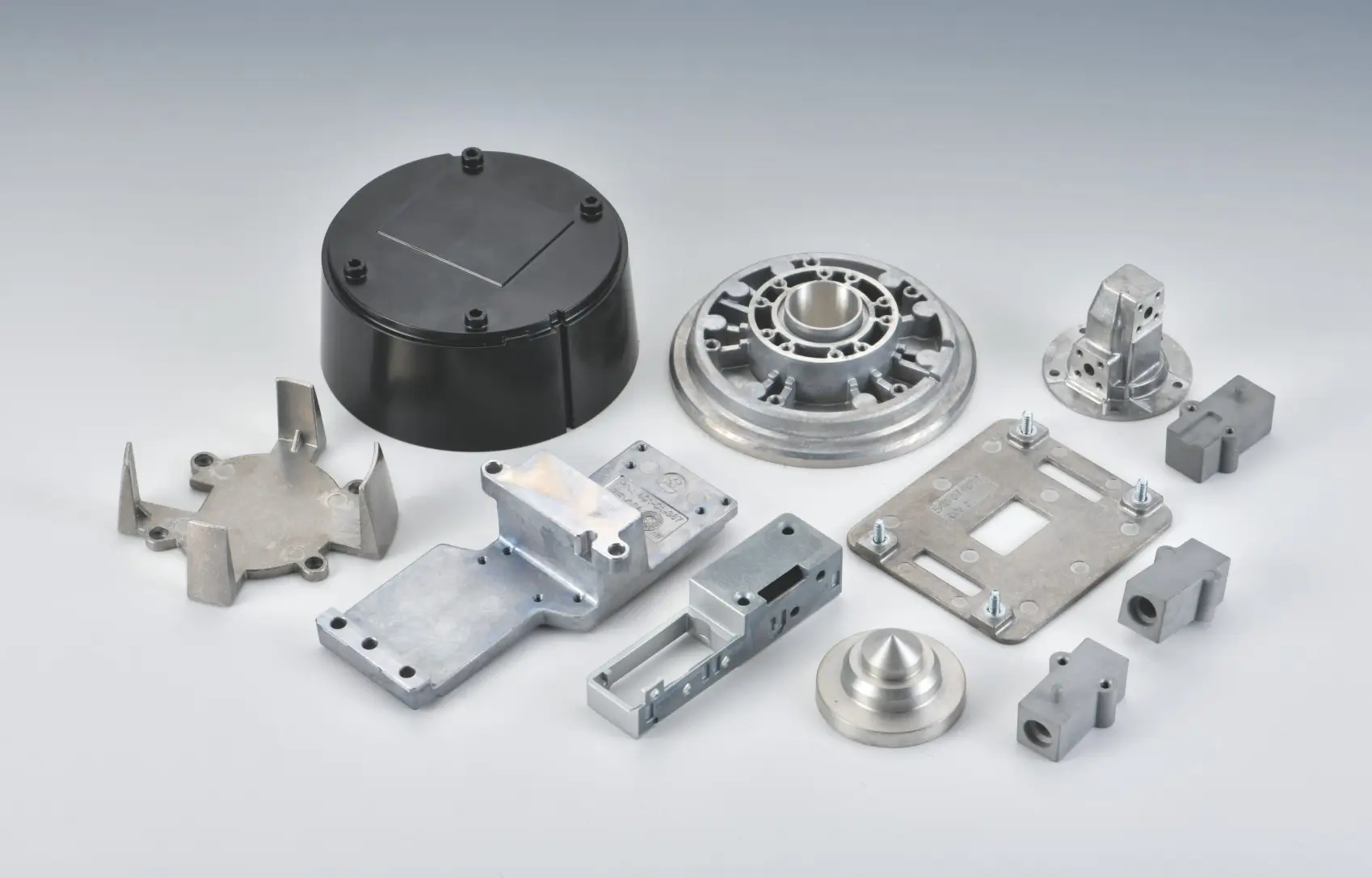
Zinc die cast parts can be produced as highly integrated single components, combining features that would traditionally require multiple assembled parts—such as brackets, clips, and threaded inserts. This integration reduces part count, assembly steps, and labor costs, while eliminating cumulative assembly errors, resulting in more reliable and consistent product structures.
2. Exceptional Dimensional Accuracy and Stability
The process reliably produces parts with tight tolerances (typically IT11–IT13), ensuring excellent dimensional consistency. This is critical for components requiring precise fits, such as electronic connectors, automotive locks, and precision instrument parts, guaranteeing smooth assembly and reliable performance.
3. Superior Surface Quality
As-cast zinc components feature smooth, uniform surfaces (typically Ra 0.8–1.6 μm) ready for a variety of decorative or functional surface treatments. This reduces the need for extensive pre-finishing like grinding or polishing, while providing enhanced aesthetics and added value to the final product.
4. High Mechanical Strength and Production Efficiency
Compared with engineering plastics, zinc alloys offer higher strength, hardness, and wear resistance. Compared with aluminum die casting, zinc provides better flow characteristics for thin walls and complex geometries. The die casting process itself is extremely efficient, with rapid cycle times (multiple parts per minute), making it ideal for medium- to high-volume production. As production scales, the per-unit cost decreases significantly, offering both performance and economic advantages.
Get Professional Metal Component Quote
ZH Precision delivers precise, high-quality metal components for prototypes and production runs. Request a quote today to discuss your project requirements and receive expert engineering support.
Get Quote4. Limitations of Zinc Die Casting
While zinc die casting offers exceptional precision and efficiency, it also has inherent limitations that should be considered during design and manufacturing planning. Understanding these constraints helps ensure component performance and cost-effectiveness.
1. Sensitivity to Porosity and Temperature Limits
Thick sections or highly intricate internal structures can develop microscopic porosity due to shrinkage during solidification. While this rarely affects general performance, it may be critical for components requiring extremely tight sealing or high dynamic load resistance. Optimizing mold design and process parameters can minimize these effects. Additionally, zinc alloys are not suitable for prolonged exposure above 120°C, limiting their use in high-temperature environments.
2. High Initial Mold Investment
Producing high-precision, heat-resistant steel molds requires specialized design and machining, representing a significant upfront cost. For very small prototypes or low-volume runs, alternatives such as CNC machining or 3D printing may be more economical. However, for medium- to high-volume production, this initial investment is quickly amortized, making zinc die casting highly cost-effective.
3. Challenges with Extreme Designs
Although zinc alloys flow well, designs with extremely thin walls (less than 0.5 mm) or very deep, fine internal features may face incomplete filling or stress concentration risks. Close collaboration with experienced engineers for Design for Manufacturability (DFM) review is essential to mitigate these challenges and ensure high-quality parts.
5. Applications of Zinc Die Casting Components
Thanks to its combination of precision, strength, and surface quality, zinc die casting plays a key role across multiple industries for critical components:
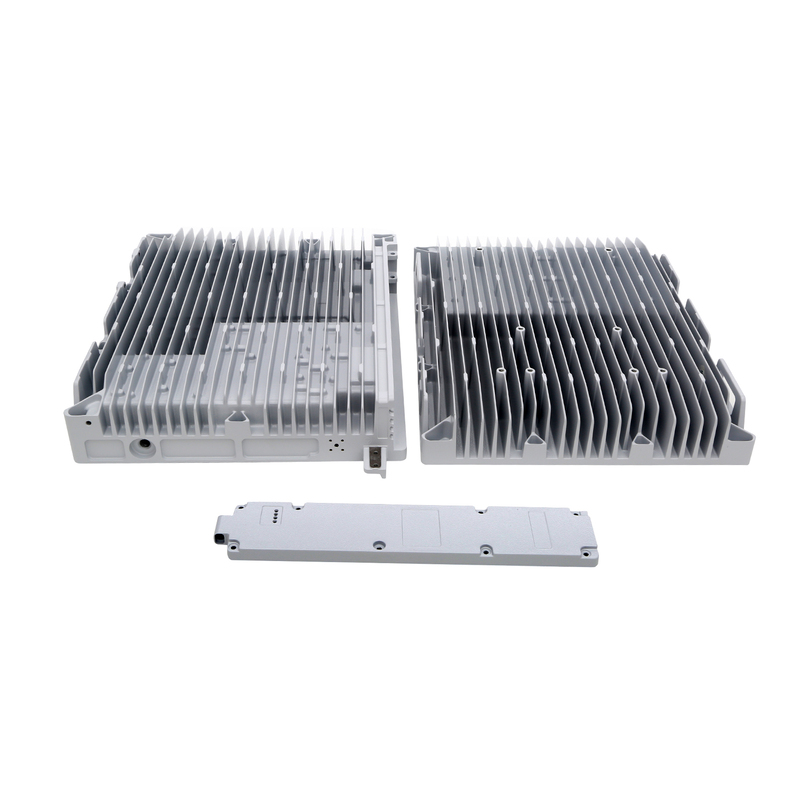
Electronics & Electrical: Components such as smartphone frames and brackets, fiber optic connector housings, heat sinks, electromagnetic shielding covers, and camera barrels. Zinc die casting provides the precision and electromagnetic shielding performance needed for these high-tech applications.
Automotive: Parts including door lock mechanisms, seatbelt buckles, oil pumps and transmission housings, interior handles and decorative trims, and sensor enclosures. Zinc alloys meet the demanding requirements for strength, dimensional accuracy, and surface aesthetics in automotive assemblies.
Consumer Goods & Industrial Hardware: High-end door locks and handles, faucet core components, toy gearboxes, professional tool housings, and valve components for pipelines. Zinc die casting ensures durability, tactile quality, and cost-effective production.
Precision Machinery: Components such as instrument frames, small gears in transmission systems, and precision structures in office equipment. The ability to produce complex, integrated geometries in a single casting simplifies assembly and enhances mechanical reliability.
6. When to Choose Zinc Die Casting
Zinc die casting is often the optimal solution in the following scenarios:
Medium-to-High Volume Production: For projects requiring thousands to millions of parts, the initial mold investment is offset by the extremely low per-unit cost, making zinc die casting far more cost-effective than CNC machining for large-scale production.
High Precision and Consistency Requirements: When parts need tight assembly tolerances and dimensional stability throughout the production run—such as precision connectors or automotive safety components—zinc die casting ensures repeatable accuracy.
Complex Designs with Integrated Functions: For designs that aim to reduce part count, simplify the BOM (Bill of Materials), and streamline assembly lines, zinc die casting allows multiple functions to be consolidated into a single, highly engineered component.
Critical Surface Finish: When surface aesthetics matter, such as chrome, nickel, or specialty coatings, zinc alloys provide an ideal base with smooth, uniform surfaces suitable for high-quality plating or finishing.
Light-to-Medium Load Components in Standard Environments: For parts operating under ambient conditions with light to moderate mechanical loads, zinc die casting offers superior strength compared to plastics, while remaining more cost-effective than high-strength aluminum alloys.
7. How to Choose a Reliable Manufacturer
1. Full-Chain Production Capability
Evaluate whether the manufacturer can provide end-to-end capabilities—from mold development, die casting, CNC machining, surface finishing, to final assembly and inspection. Such vertically integrated operations ensure consistent quality, predictable lead times, and efficient communication.
2. Engineering Support and Collaboration
A reliable partner should proactively offer Design for Manufacturability (DFM) analysis, providing optimization suggestions during the drawing stage. This helps reduce costs, mitigate risks, and improve the manufacturability of your products.
3. Quality Systems and Industry Experience
Certifications like ISO 9001 and IATF 16949 are the baseline. Equally important is proven experience in your specific industry, demonstrating the manufacturer’s ability to understand and address your sector-specific challenges effectively.
8. About ZH Precision
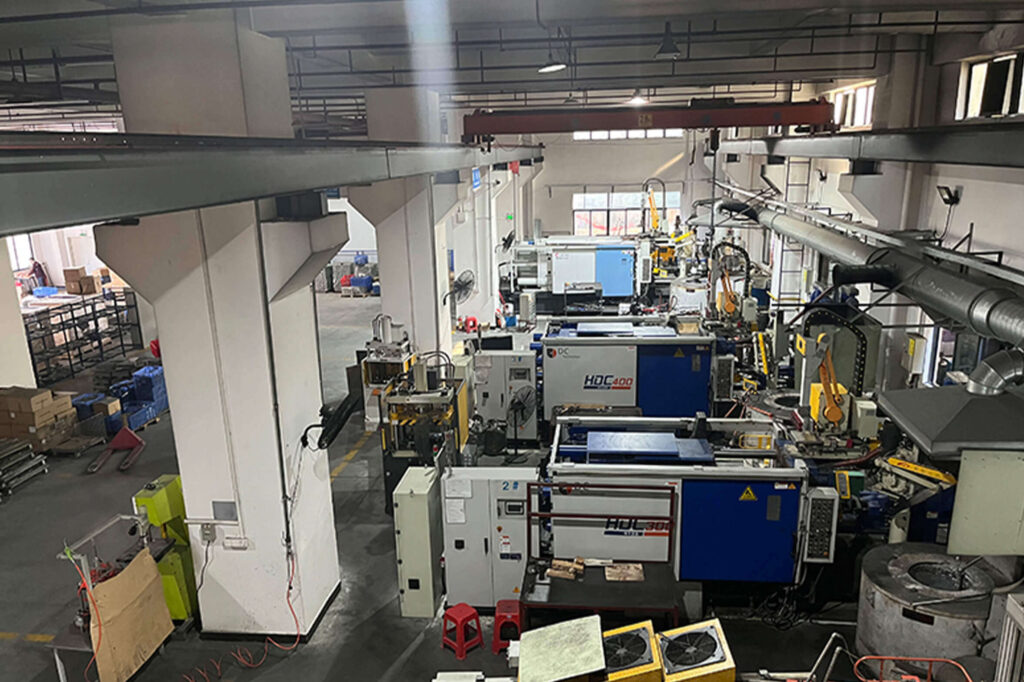
Founded in 2009, ZH Precision has over 15 years of experience in high-precision die casting. Equipped with cold- and hot-chamber machines ranging from 88 to 2000 tons, we deliver complex, high-quality components with efficiency and consistency.
Our services cover the full production chain: mold design, die casting, precision machining, post-processing, and surface finishing. Certified to ISO 9001 and IATF 16949, we ensure rigorous quality standards and reliability for industrial and automotive applications.
For new clients, our engineering team provides comprehensive DFM guidance and project support, helping optimize designs, reduce costs, and accelerate time-to-market.
9. Conclusion
This advanced manufacturing process offers an excellent balance of performance, precision, efficiency, and cost. For projects that fit its strengths, it can significantly enhance product value by reducing part count, simplifying the supply chain, and delivering high-precision, reliable components. With a thorough DFM evaluation at the design stage, you can ensure the most suitable process is selected, fully leveraging its capabilities to maximize product quality and competitiveness.