
1. What Is the Zinc Die Casting Process?
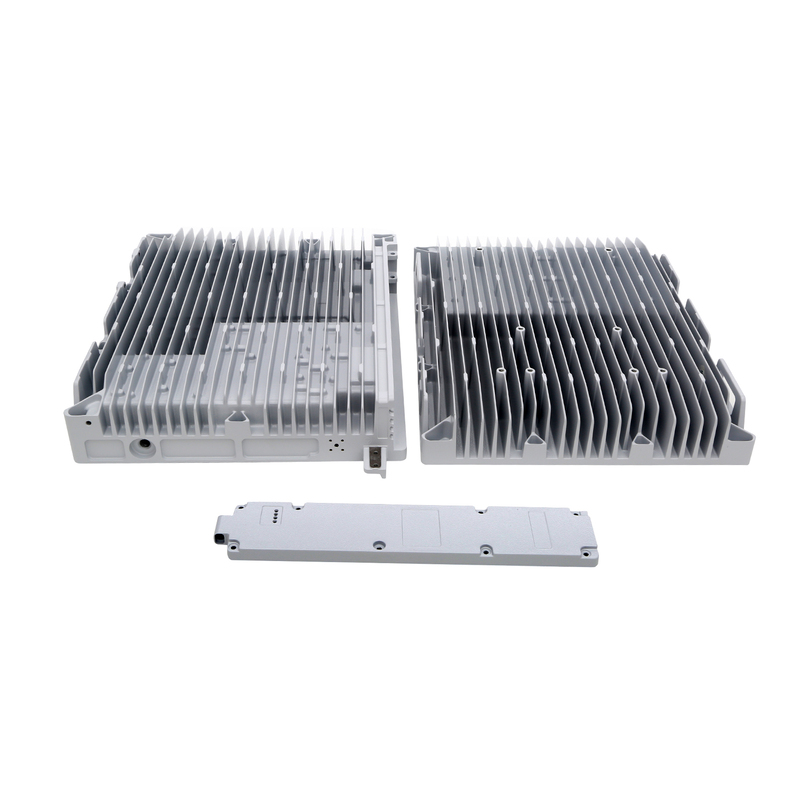
Zinc die casting is a high-precision method where molten zinc alloy is injected into a steel mold under pressure. The process covers part design, mold engineering, controlled injection, rapid solidification, and post-processing to ensure accurate dimensions, smooth surfaces, and consistent performance. It’s well-suited for medium- to high-volume production, including electrical connectors, automotive brackets, precision hardware, and consumer product housings.
2. Zinc Die Casting Process Steps
The zinc die casting process is composed of carefully coordinated steps that ensure each component meets strict requirements for functionality, durability, and aesthetics. Advanced simulations, process monitoring, and expert engineering help prevent defects and optimize part performance.
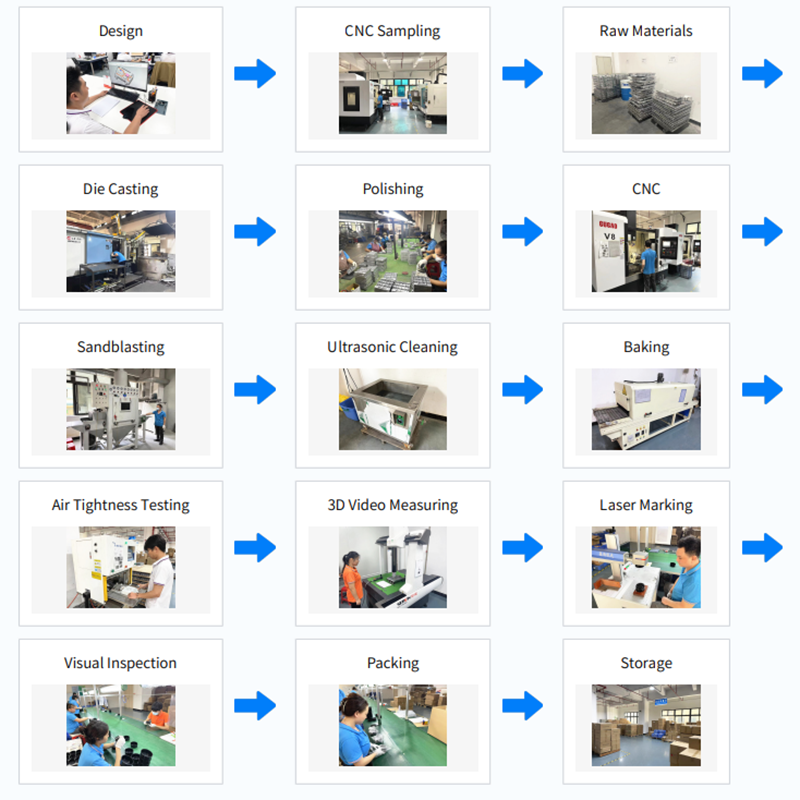
Step 1: Design and DFM Analysis
A successful zinc die-cast component begins with thorough engineering design. At ZH Precision, we conduct a Design for Manufacturability (DFM) review, analyzing wall thickness, draft angles, fillets, and rib placement. Features are optimized to ensure uniform metal flow, smooth mold ejection, and structural integrity. CAD/CAM tools and mold flow simulations predict potential defects, preparing parts for efficient high-volume production.
Step 2: Mold Design and Fabrication
Tooling is engineered to control part geometry, wall thickness uniformity, gating layout, cooling channels, venting, and ejection systems. Proper mold design ensures smooth metal flow, rapid heat extraction, and consistent ejection, minimizing distortion and defects. High-quality molds typically achieve 600,000–1,000,000 cycles, supporting large-volume production with consistent results.
Step 3: Melt Preparation & Temperature Control
Zinc alloys are heated to precise temperatures, usually 420–450 °C (788–842 °F). Accurate temperature control prevents oxidation, porosity, or reduced flowability. Degassing and fluxing remove impurities and trapped gases, ensuring a stable, defect-free melt capable of producing high-precision parts.
Step 4: Shot Charging & Injection
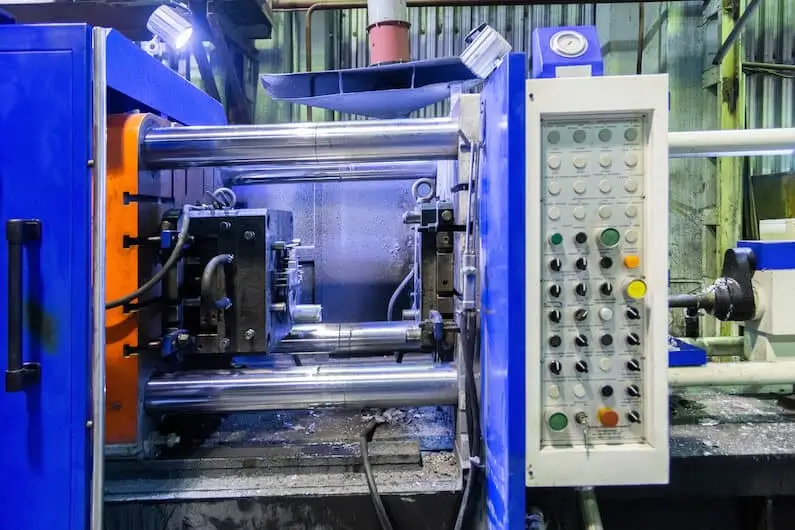
Molten zinc is injected into the die using hot-chamber or cold-chamber systems, depending on alloy composition. Hot-chamber machines allow rapid injection for high-volume production, while cold-chamber machines prevent corrosion in higher-aluminum zinc alloys. Controlled pressure and flow ensure thin walls, complex geometries, and fine details are accurately replicated.
Step 5: Cavity Filling & Rapid Solidification
The molten alloy fills the mold cavity at high speeds (1–3 m/s), replicating complex shapes and fine features. Rapid heat extraction promotes fast solidification, fine-grain microstructure, and dimensional stability. Venting or vacuum assistance minimizes trapped air, reducing porosity and ensuring internal integrity.
Step 6: Ejection & Die Cycling
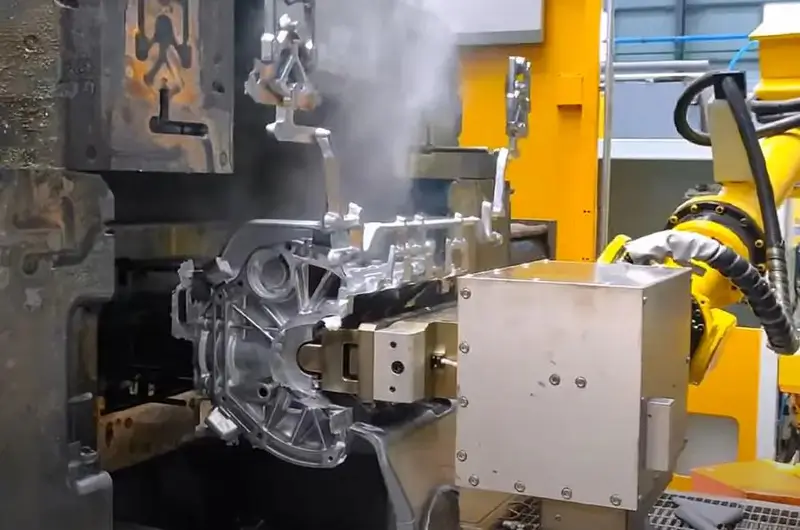
After solidification, ejector pins release the casting. Mold surfaces are cooled and lubricated to enable smooth ejection and prolong tool life. Typical cycle times range from 20–60 seconds, supporting efficient, repeatable production. Continuous monitoring ensures consistency across all runs.
Request a Quote for Custom Parts
Our team can assess your design and provide the most efficient solution, whether for CNC machining, die casting, sheet metal fabrication, or aluminum extrusion. Submit your part requirements today and receive a fast, tailored quote.
Get Quote3. Post-Processing
After zinc die-cast components are ejected from the mold, they enter a structured post-processing workflow designed to ensure dimensional accuracy, surface integrity, corrosion protection, and readiness for assembly or shipment. Every step is carefully managed to maintain consistency and performance, in line with ZH Precision’s manufacturing standards.
1. Cleaning and Deburring
The first step is cleaning and deburring. Excess material, including gates, runners, and flash, is carefully removed using trimming presses, CNC deburring systems, or manual hand tools. This process not only ensures smooth edges and precise dimensions but also prepares the part for subsequent finishing or machining operations. Proper deburring reduces the risk of stress concentrations and improves overall component quality.
2. Polishing and Surface Preparation
Next, parts undergo polishing and surface preparation. This process smooths minor surface imperfections and creates a uniform texture, which is ideal for subsequent coating or plating processes. Proper surface preparation ensures even adhesion of powder coating, painting, or electroplating, enhancing both the appearance and functional performance of the zinc die-cast components.
3. Secondary Machining
For components requiring tighter tolerances or additional functional features, secondary machining operations are performed. These may include drilling, tapping, milling, or CNC precision finishing to meet exact specifications. Secondary machining ensures that parts fit perfectly in assemblies, meet engineering requirements, and comply with customer drawings.
4. Surface Treatment
Depending on application requirements, zinc die cast parts can receive a wide range of surface treatments, including plating, polishing, powder coating, or painting, to enhance appearance, corrosion resistance, and wear performance.
5. Cleaning and Rust Prevention
After machining and surface treatment, parts undergo final cleaning and rust prevention. Any residual debris, oils, or contaminants are removed, and protective coatings or anti-corrosion agents are applied to maintain part integrity during storage or transport. This ensures every precision zinc die-cast part arrives in optimal condition.
6. Packaging and Labeling
The final step is careful packaging and labeling. Components are packaged to prevent damage during transit, and labels provide traceability, batch information, and part specifications. Proper packaging and clear identification facilitate inventory management, quality verification, and seamless integration into customer production lines.
4. Final Inspection & Quality Verification
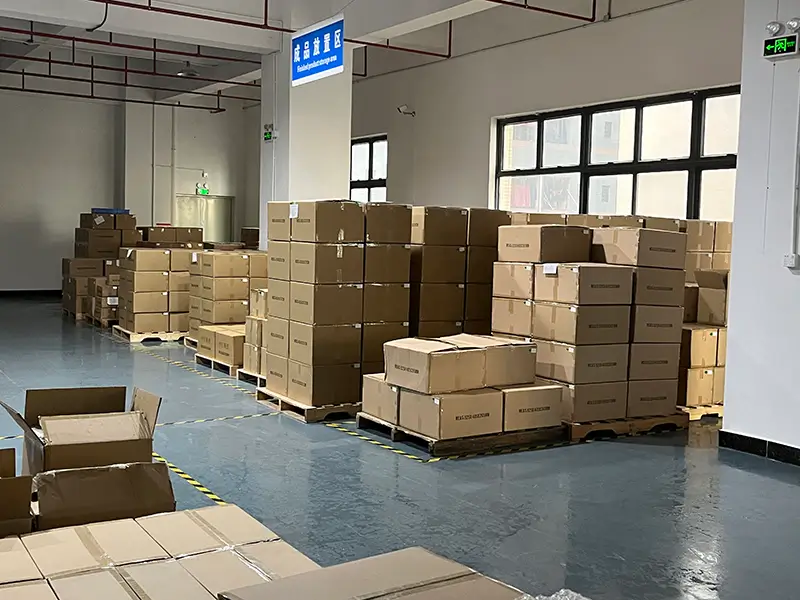
Each component undergoes visual inspection and precision measurement using tools such as CMMs. Critical parts may also be X-rayed or pressure-tested to verify internal integrity. Following ISO 9001:2015 and IATF 16949-certified quality protocols ensures all zinc die-cast components maintain strict standards for accuracy, consistency, and reliability.
5. Zinc Die Casting Alloys
Selecting the right zinc alloy is critical for achieving target mechanical strength, corrosion resistance, wear performance, and dimensional stability. At ZH Precision, we offer a full range of high-performance zinc alloys, each engineered for precision die casting.
1. Zamak 3 – Medium Strength, Excellent Corrosion Resistance
Zamak 3 offers medium strength with excellent corrosion resistance and high machinability. Its low melting point and superior molten flowability make it ideal for precision parts requiring tight tolerances and reliable secondary machining.
2. Zamak 5 – Balanced Strength and Durability
Zamak 5 provides medium-high strength, good corrosion resistance, and excellent machinability. It delivers well-balanced mechanical properties, ensuring consistent dimensional stability and long-term durability for a wide range of parts.
3. Zamak 7 – Good Fluidity and Dimensional Stability
Zamak 7 is a modified zinc alloy designed to improve casting fluidity and surface quality. Its strength is slightly lower than Zamak 2 and Zamak 5, but it offers better ductility, reduced internal stress, and reliable dimensional stability, making it suitable for thin-wall parts and complex geometries.
4. ZA-8 – Enhanced Strength and Wear Resistance
ZA-8 is a zinc-aluminum alloy with 8% aluminum content. It provides higher strength and improved wear resistance compared to standard Zamak alloys, making it a reliable choice for mechanical parts subject to moderate stress.
5. ACuZinc5 – Copper-Reinforced High Strength
ACuZinc5 is a copper-reinforced zinc alloy with high strength, good corrosion resistance, and enhanced fatigue resistance. Its copper content improves hardness and thermal stability, ideal for components that experience repeated stress or high-speed operation.
6. EZAC – Premium High-Strength Alloy
EZAC is a premium zinc alloy that combines high strength with excellent corrosion resistance. It maintains dimensional stability under moderate to heavy loads, making it suitable for precision components requiring tight tolerances in critical applications.
7. ZA-27 – Ultra-High Strength Zinc Alloy
ZA-27 is a zinc-aluminum alloy with 27% aluminum content. It offers ultra-high tensile strength, exceptional hardness, and excellent wear resistance, ensuring structural stability even under high-load or elevated-temperature conditions.
6. Why Zinc Die Casting Is Widely Used
Zinc die casting is favored for producing precise, durable components with complex geometries. Its alloys offer excellent dimensional stability, thin-wall capability, and smooth surface finishes, while a lower melting temperature extends mold life and ensures repeatable production. These benefits make zinc die casting ideal for automotive, electronics, hardware, and consumer applications.
Learn more about the Benefits of Zinc Die Casting in our detailed guide.
7. How ZH Precision Supports Your Zinc Die Casting Project
At ZH Precision, we help clients optimize every step of the zinc die casting process. From DFM analysis and mold feasibility studies to controlled casting, secondary machining, and surface finishing, we ensure your parts meet exact specifications with consistent quality and production readiness.
8. Conclusion
Zinc die casting delivers high-precision, durable components efficiently. Success depends on careful DFM, precision mold design, and controlled production—areas where ZH Precision provides expertise and reliable support for your custom zinc parts.
9. FAQ
A: Absolutely. ZH Precision supports low-volume runs and custom cnc prototypes, enabling design testing, rapid iteration, and market validation. Our team ensures that even small batches maintain the same precision and quality standards as high-volume production parts.
A:Yes. With proper coatings, zinc die-cast components resist corrosion, maintain electrical performance, and protect sensitive electronics even in humid or partially corrosive environments.
A:Common treatments include zinc or nickel plating, passivation, powder coating, and specialized anti-corrosion coatings. ZH Precision selects the optimal treatment based on the alloy and intended application.
A: Zinc die casting is ideal for small to medium-sized parts that require intricate shapes, fine details, and thin walls. Large parts are less common because bigger molds are harder to control, and the risk of defects like warping or porosity increases.