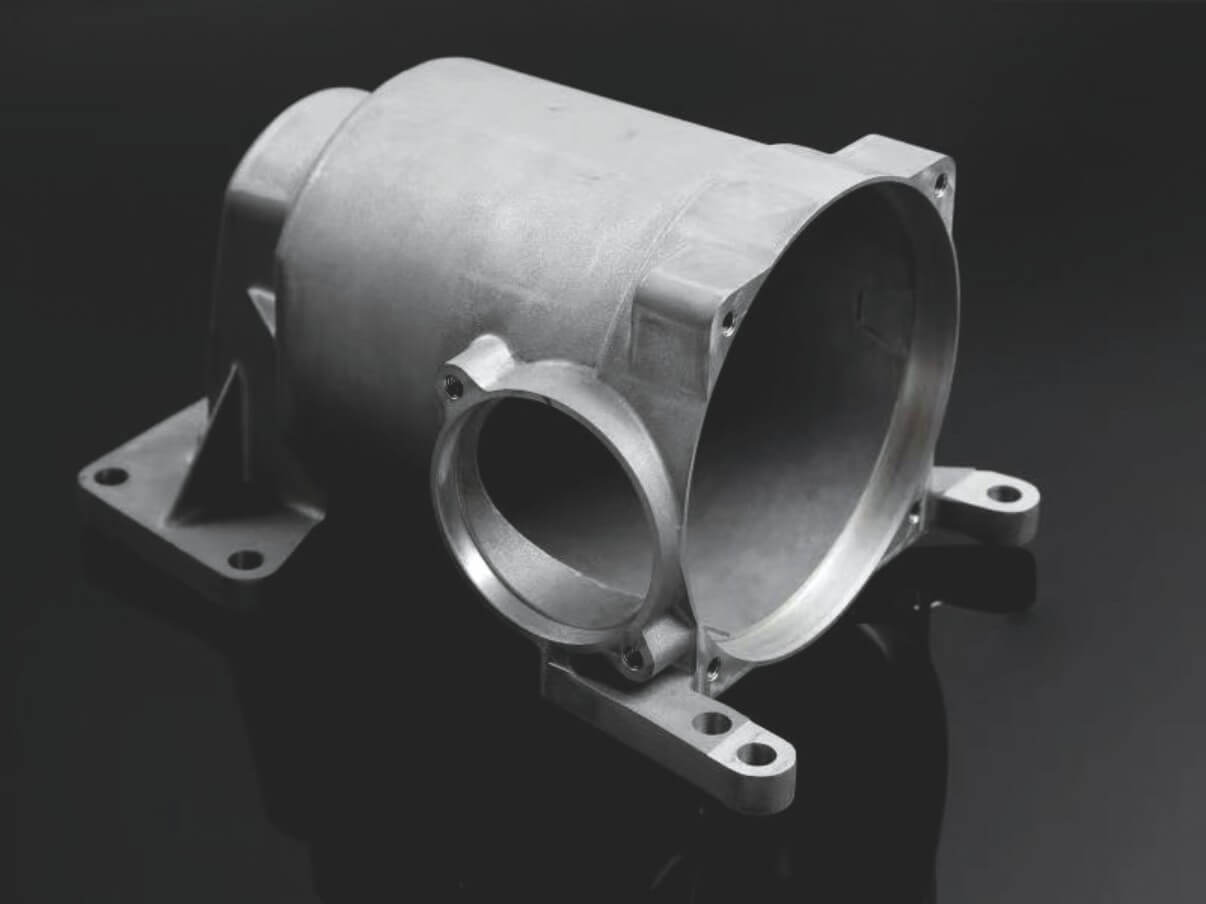
Custom 5-Axis CNC Machining Services

ZH Precision delivers high-precision custom 5-axis CNC machining for complex components, 100% pre-shipment inspection, and flexible manufacturing solutions — from rapid prototyping to full-scale production — all while optimizing costs and ensuring reliable performance.

Verify Certifications On Demand:ISO 9001:2015 | IATF 16949:2016

impeller2.webp

Get a Free DFM Quote

STP I SLDPRT I IPT I PRT I SAT FLES
All uploaded content is secure and confidential.

5-Axis CNC Machining with ZH Precision

For high-complexity or high-risk components, our engineering team provides end-to-end technical support covering DFM evaluation, material performance validation, machining strategy planning, and post-processing coordination. We ensure structural stability through controlled heat treatment and stress-relief processes, while precision inspection—such as CMM full-dimension measurement and CAD model comparison—verifies every critical feature. This engineering-driven workflow helps reduce production risks and ensures consistent performance from prototype to mass production.

If you’d like to learn more about our company, you can download our company brochure.

5-Axis CNC Machining Tolerances

We specialize in ultra-precision 5-axis CNC machining, delivering components with tight tolerances and exceptional dimensional stability. Our standard tolerances meet ISO 2768-m for metals, ensuring complex geometries and intricate features are machined with consistent accuracy. 

Title Description
Maximum Part Size 4000 × 1500 × 600 mm
Minimum Part Size 5 × 5 × 5 mm
General Tolerances Within ±0.01~0.1 mm
Lead Time Standard operations: 4–7 days; complex projects: up to 3 weeks
Global Shipping Delivery to North America and Europe in 3–10 days

5-Axis CNC Machining Parts Control

ZH Precision leverages 5-axis CNC machining to perform multi-face machining in a single setup, minimizing clamping errors and ensuring tight dimensional tolerances. Our process control focuses on surface contour, straightness, coaxiality, total runout, positional accuracy, and dynamic balancing. By carefully managing internal stresses, material hardness, and surface treatments, we ensure every part achieves consistent precision, mechanical performance, and readiness for demanding industrial, aerospace, automotive, and medical applications.

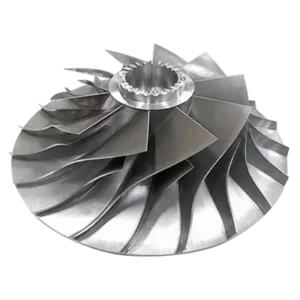
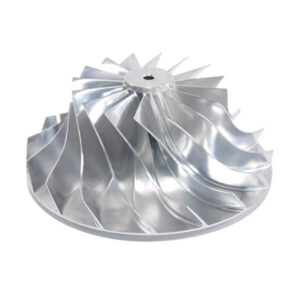
Aluminum Impeller 5-Axis Machining

Control Focus:

ZH Precision ensures tight control of outer contours, shaft centerline runout, and assembly fit, with high requirements for dynamic balancing and centrifugal forces. This guarantees bearing life, smooth operation, minimal noise, and optimal rotational performance.

Process Technology:

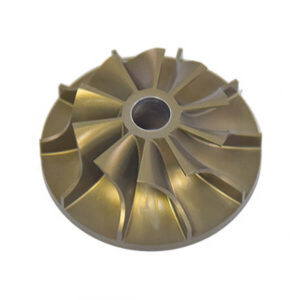
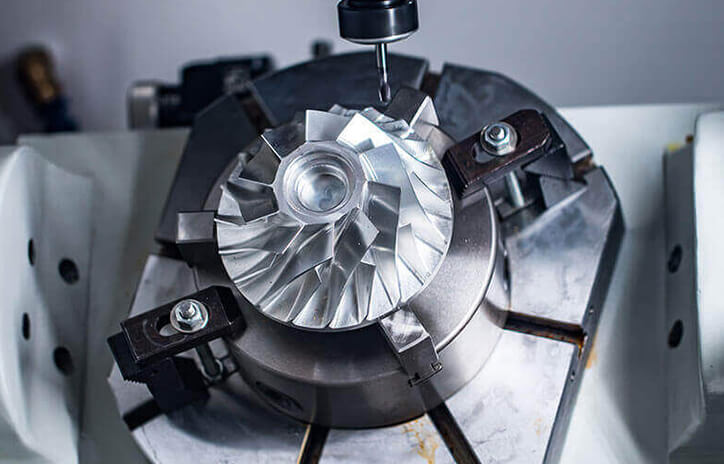
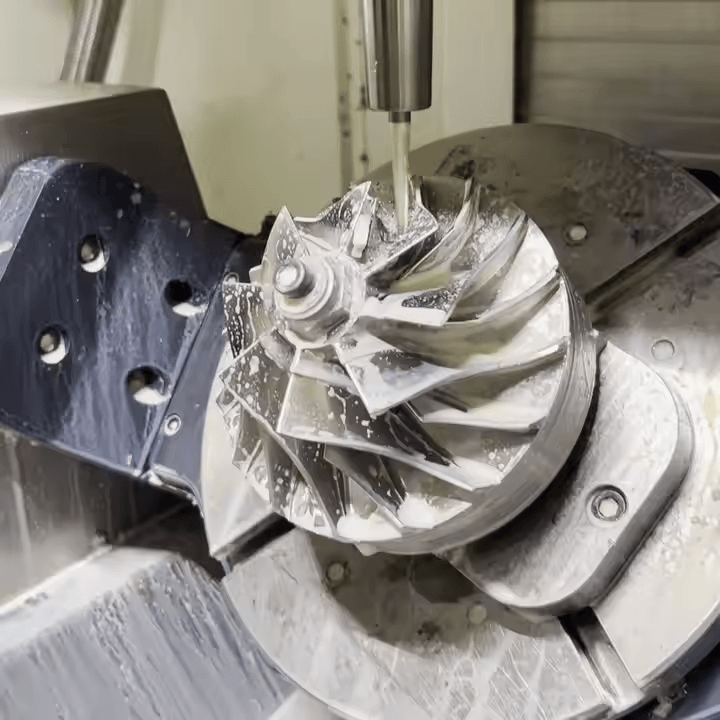
We combine CNC turning and 5-axis milling to produce high-precision aluminum impellers. Blanks are turned with finishing allowances, then 5-axis milled to achieve tight roundness and exact blade geometry. All machining uses a single coordinate system for the shaft and outer surfaces, ensuring consistent accuracy, minimal stress, and superior aerodynamic performance.

5-Axis CNC Milling - Image

High-Temperature Alloy Impeller 5-Axis CNC Machining

Control Focus:

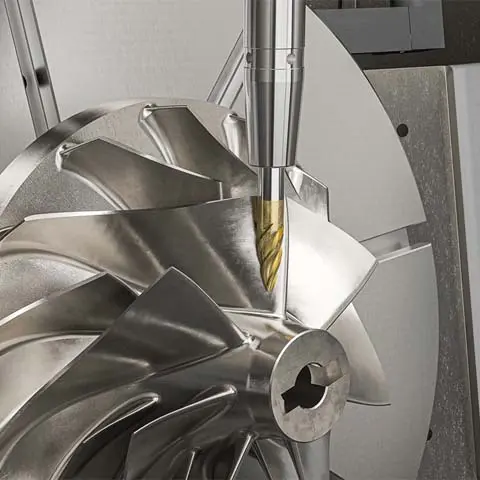
ZH Precision specializes in 5-axis CNC machining of high-temperature alloys such as Invar. These materials are tough, have low thermal conductivity, and are prone to hardening and deformation during cutting. We carefully control shaft runout, blade geometry, and critical dimensions, using ultra-durable coated tools and low-temperature cutting fluids to minimize heat and maintain precision. Electron beam welding, stress relief, and precision grinding further ensure structural integrity and reliable performance.

Process Technology:

Impellers are machined from CNC-turned blanks and finished with 5-axis milling. For larger production, casting blanks are recommended to optimize material usage, roughing efficiency, and tool life. This workflow ensures tight tolerances, smooth surfaces, and consistent quality for high-temperature alloy impellers used in aerospace, energy, and industrial applications.

5-Axis Milling - Image

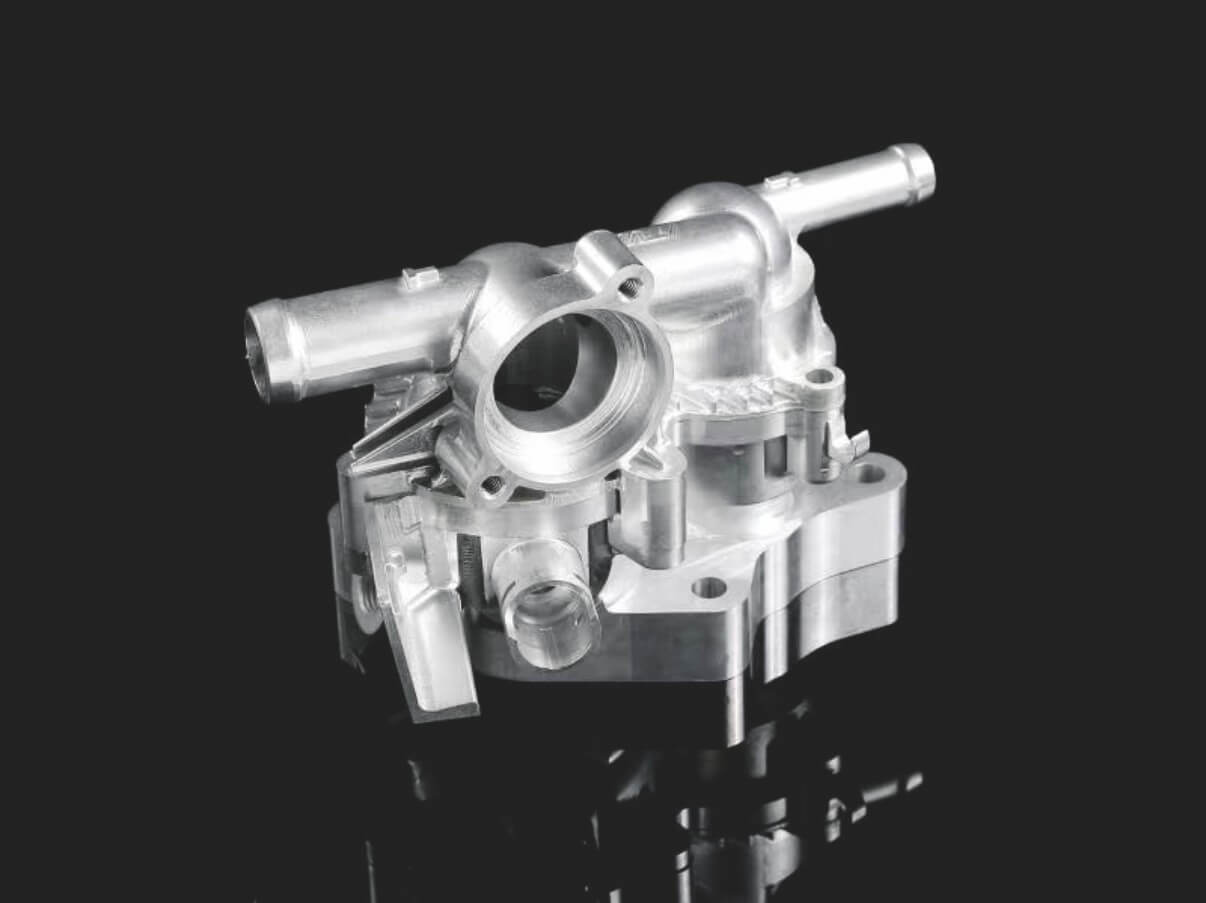
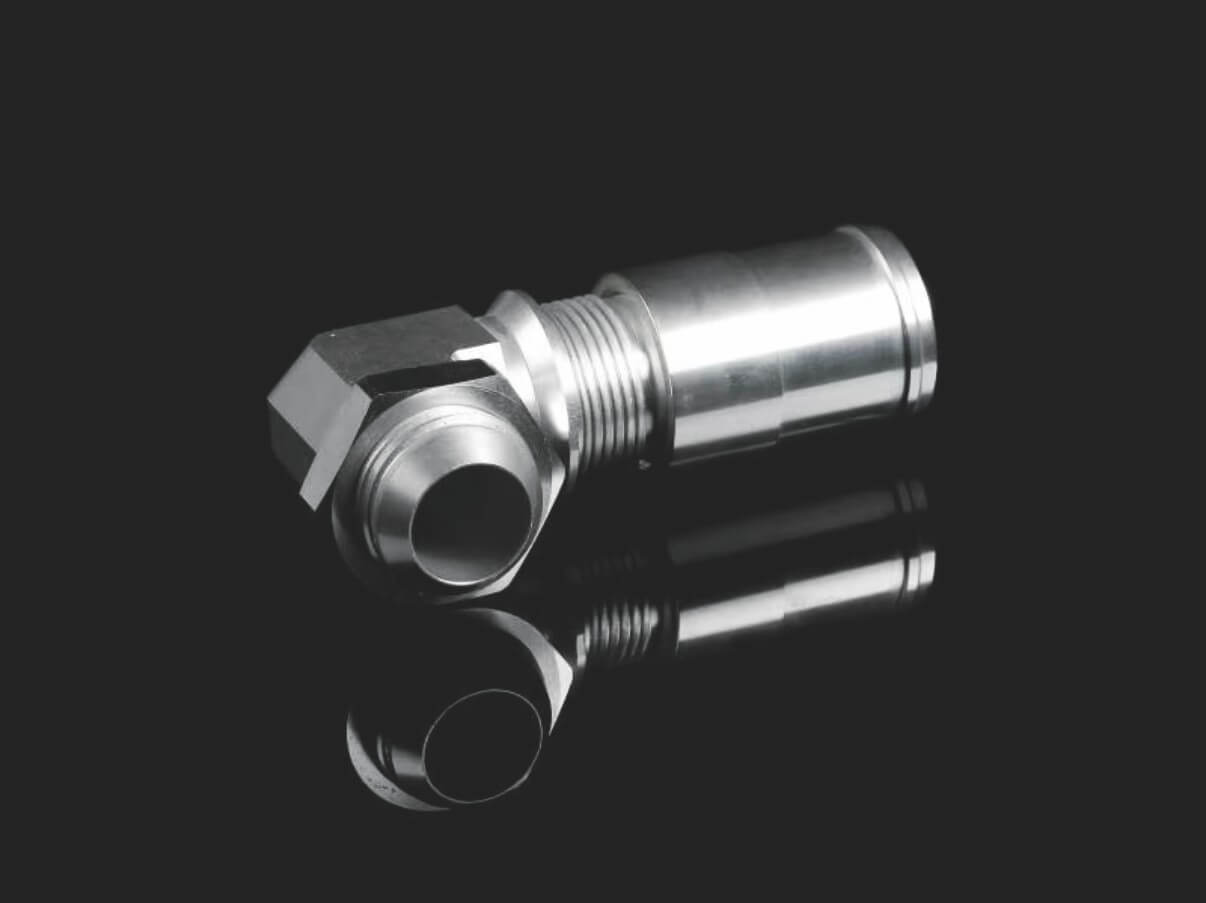
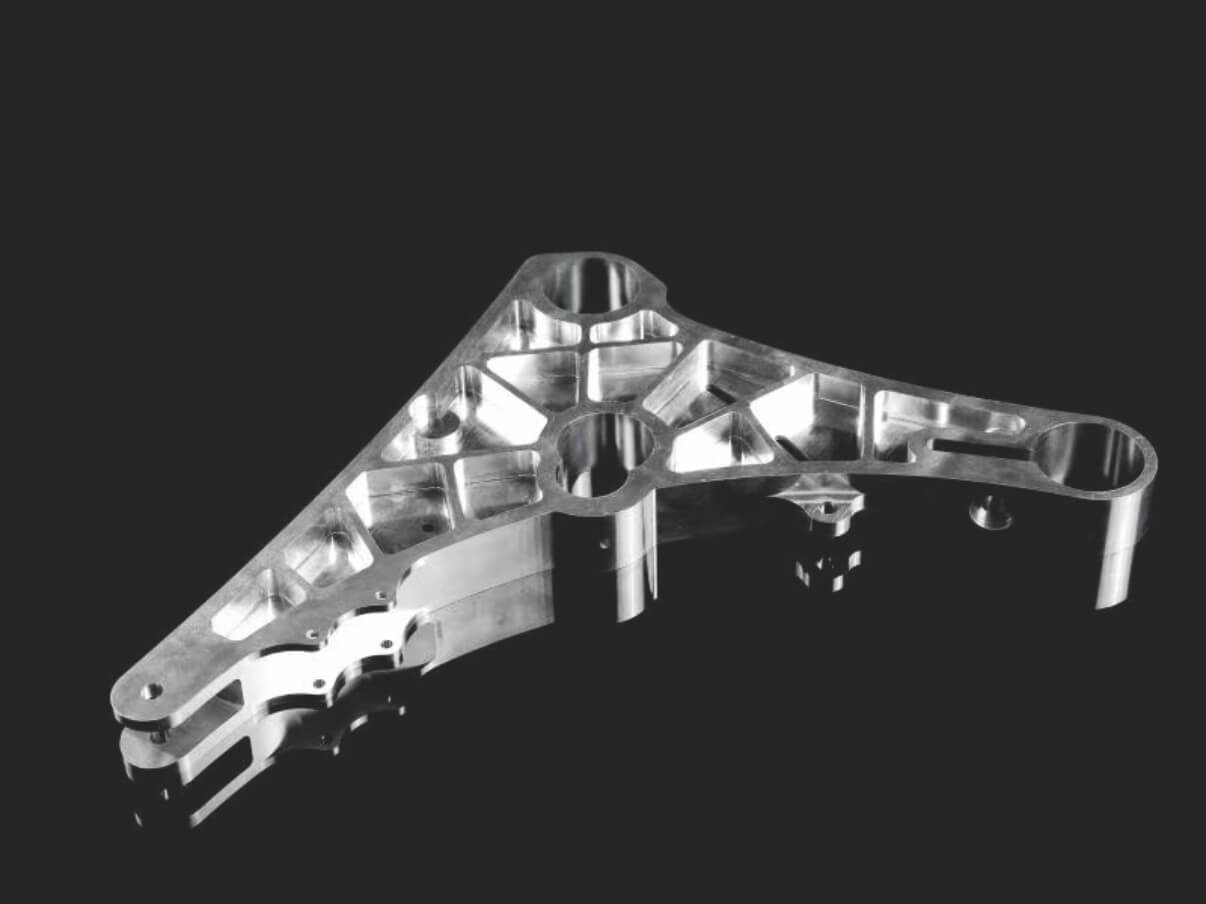
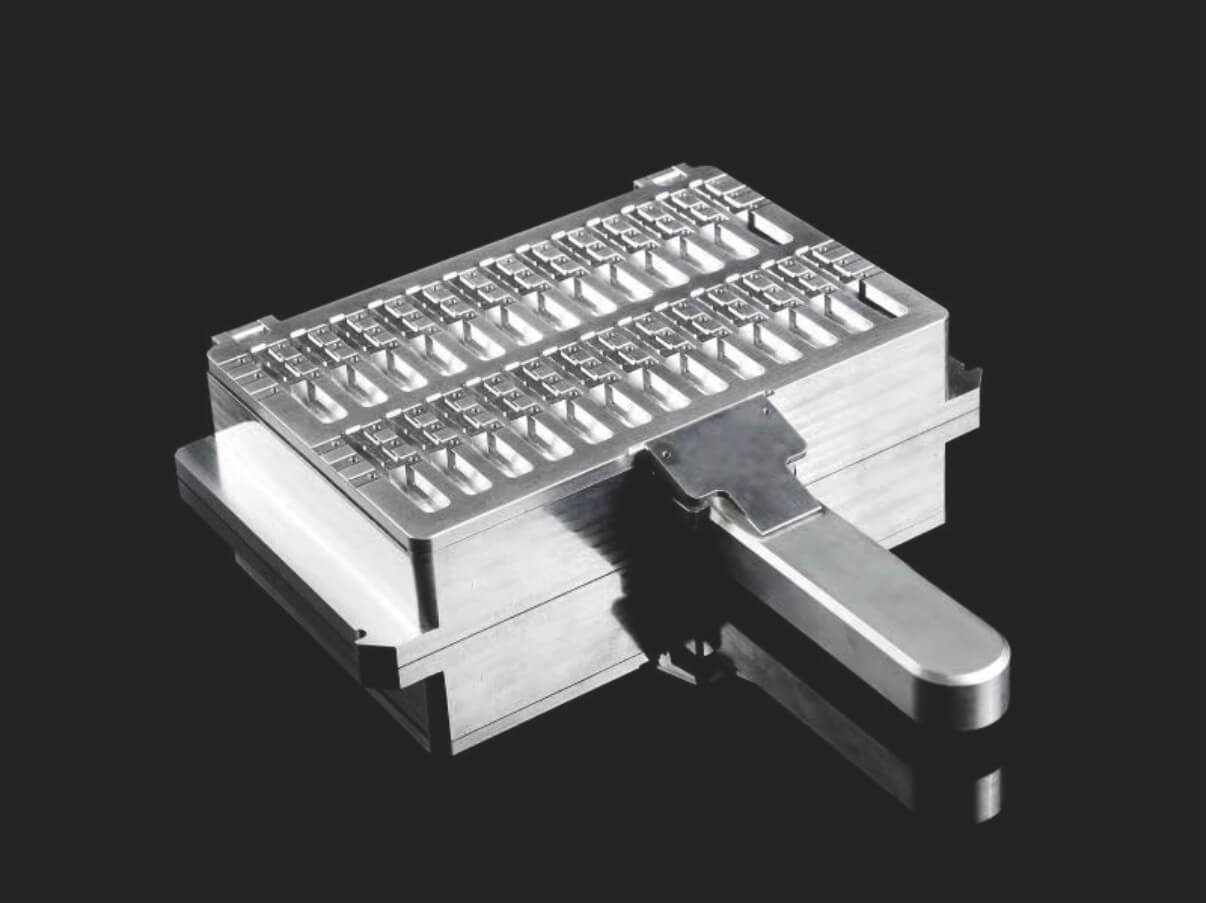
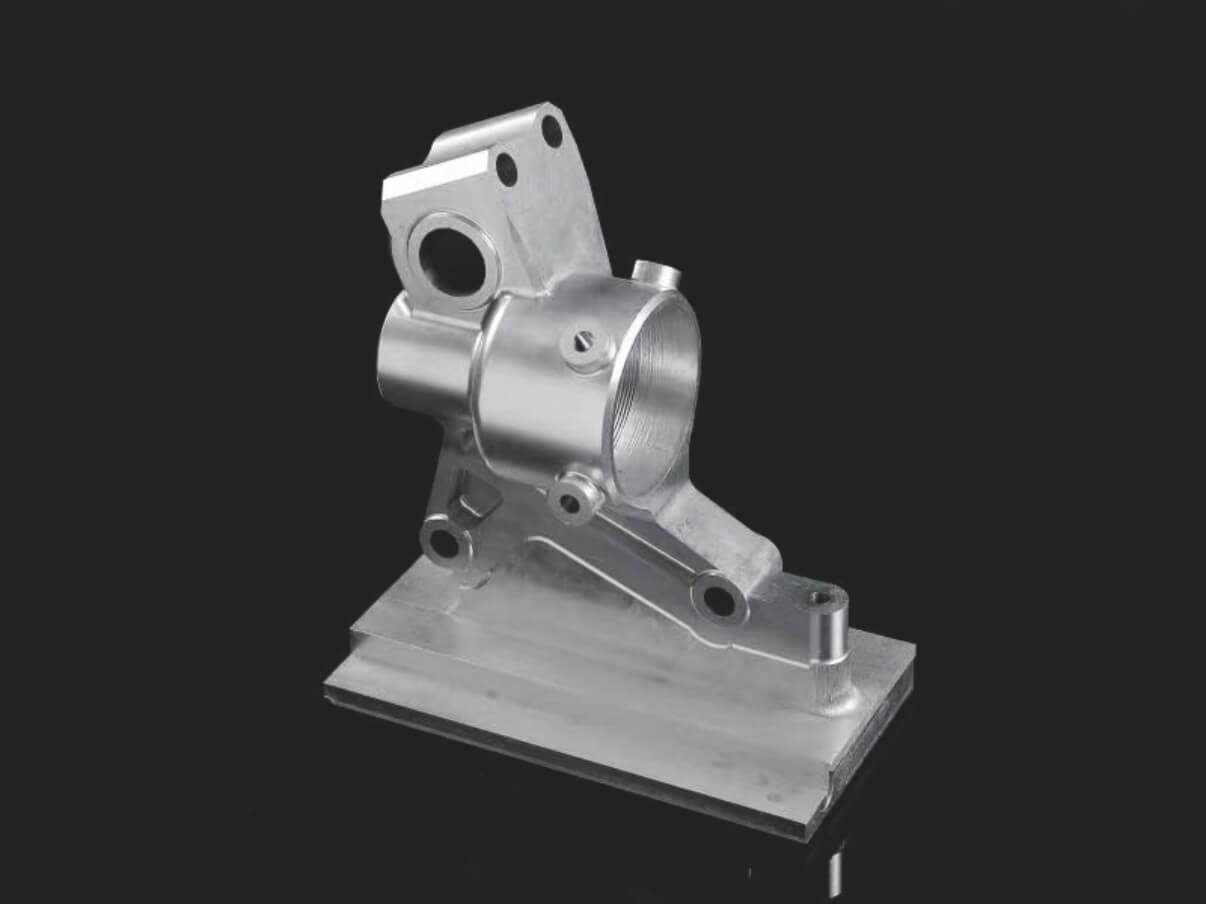
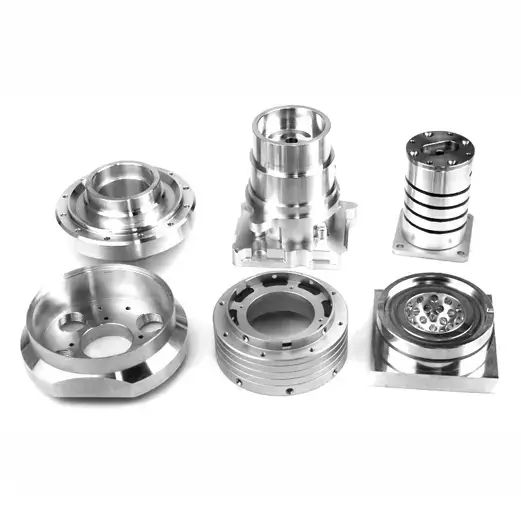
Custom 5-Axis CNC Machining Parts Gallery

5-Axis CNC Machining Materials

We offer a wide range of production-grade metals, including aluminum, copper, brass, bronze, steel, stainless steel, magnesium, and titanium. All materials undergo rigorous testing to ensure consistent quality. You can check our 5-axis CNC machining material list, and if you’re unsure which material is best for your project, feel free to contact us to discuss your specific requirements.

CNC Turning Materials - Images
Aluminum Alloy
aluminium alloy

Aluminum alloys are lightweight, strong, and highly machinable, with excellent corrosion resistance and superior thermal and electrical conductivity. They are ideal for aerospace, automotive, electronics, medical devices, and consumer products.

stainless steel

Stainless steel alloys provide high tensile strength, excellent corrosion and temperature resistance, and good ductility. They are easy to weld, machine, and polish, making them ideal for aerospace, automotive, medical devices, and industrial applications.

copper-image

Copper provides excellent thermal and electrical conductivity, making it ideal for electrical components such as busbars and wire connectors. Its natural reddish-orange color and glossy finish also make it suitable for decorative and functional applications.

titanium alloy-image

Titanium is a lightweight metal with an excellent strength-to-weight ratio, low thermal expansion, and high corrosion resistance. Its biocompatibility and sterilizability make it ideal for aerospace, automotive, and medical applications.

Mild steel is a low-carbon alloy with good mechanical strength, high stiffness, and excellent machinability and weldability at low cost. It can be carburized to increase surface hardness, making it ideal for industrial, structural, and general manufacturing applications.

Superalloys offer exceptional high-temperature strength, excellent oxidation and hot corrosion resistance, and superior fatigue and fracture toughness. They are primarily used in aerospace and energy applications where extreme conditions demand reliable performance.

Brass provides excellent wear resistance, high strength and hardness, and strong chemical corrosion resistance. It is ideal for components such as valves, gears, and precision parts like watch movements.

Alloy steel provides high strength, excellent toughness, and superior wear and corrosion resistance. It performs reliably under extreme temperatures and can exhibit magnetic properties, making it ideal for industrial and structural applications.

5-Axis CNC Machining Surface Treatment

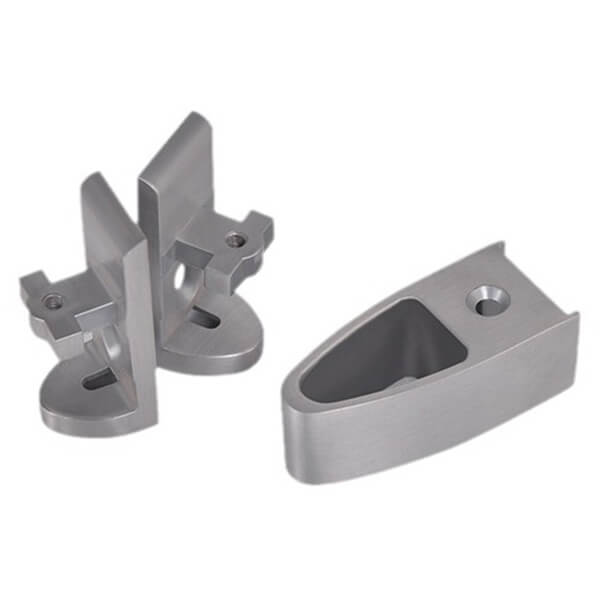
We offer complete surface finishing solutions for 5-axis CNC machined parts, including anodizing, electroplating, sandblasting, polishing, passivation, blackening, and QBQ protection. All processes are professionally tested for thickness, hardness, color, corrosion resistance, and adhesion, ensuring durable, high-quality parts with enhanced performance and appearance.

After CNC Machining - Image

Electroplating

As machined finish leaves the surface straight from the CNC machine, providing a cost-effective option with tool marks.
Anodizing - Images

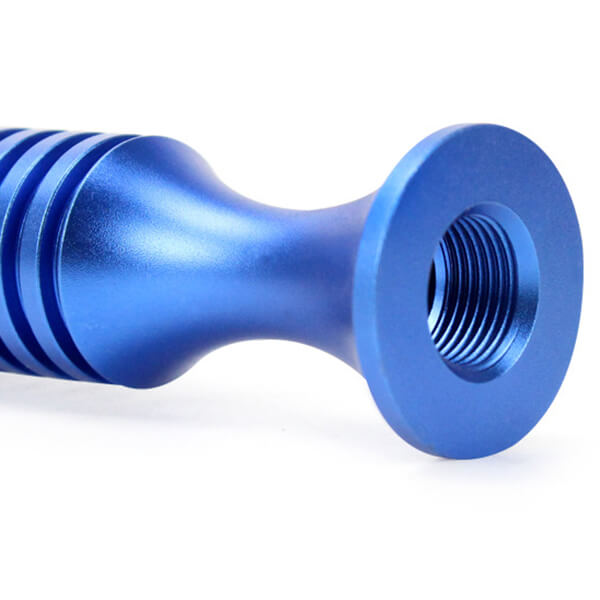
Anodizing

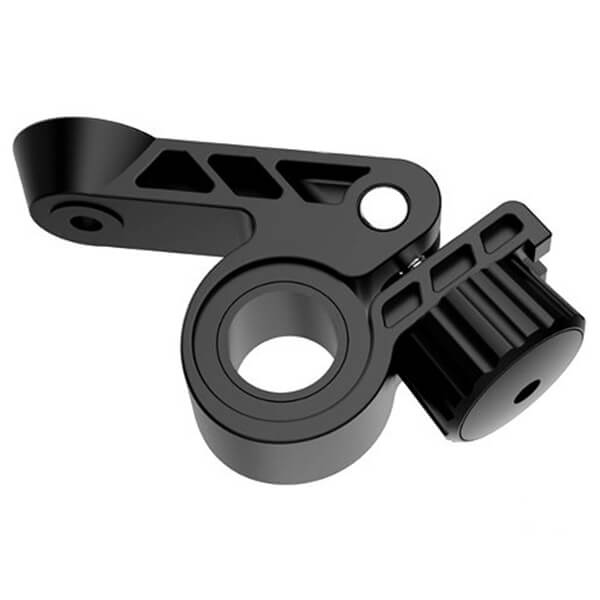
Enhances corrosion resistance and surface hardness while adding color for improved durability and appearance.
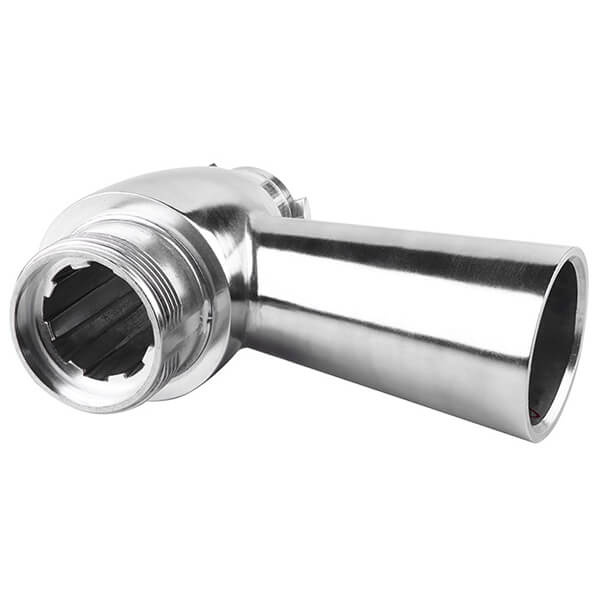
Polishing - Image

Polishing

Polishing achieves a high gloss finish, reducing surface roughness and enhancing the aesthetic appeal of metals.
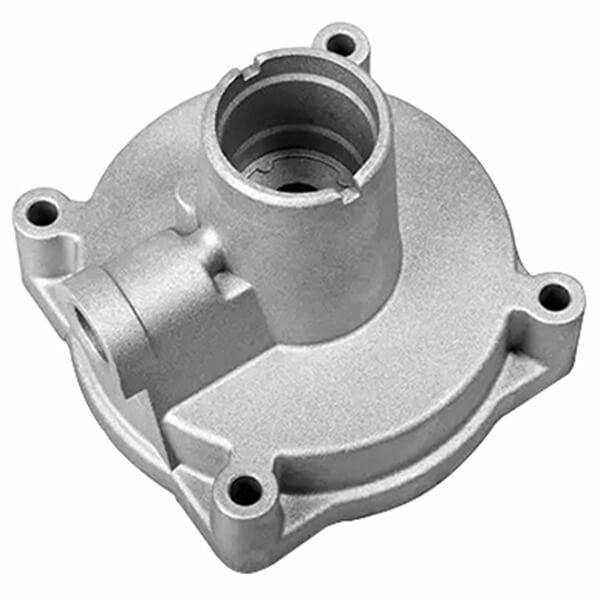
Sandblasting - Image

Sand Blasting

Sand blasting uses pressurized sand or other media to clean and texture the surface, creating a uniform, matte finish.
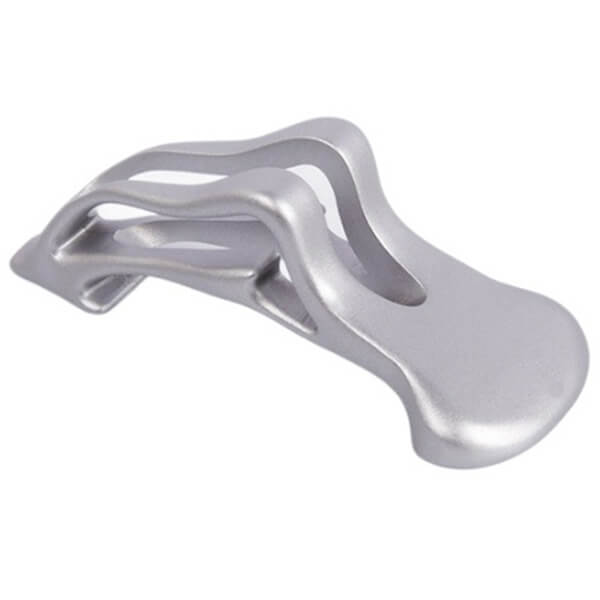
Tumbling - Image

Tumbling

Tumbling smooths and polishes small parts by friction and abrasion in a barrel, offering a consistent but slightly textured finish.
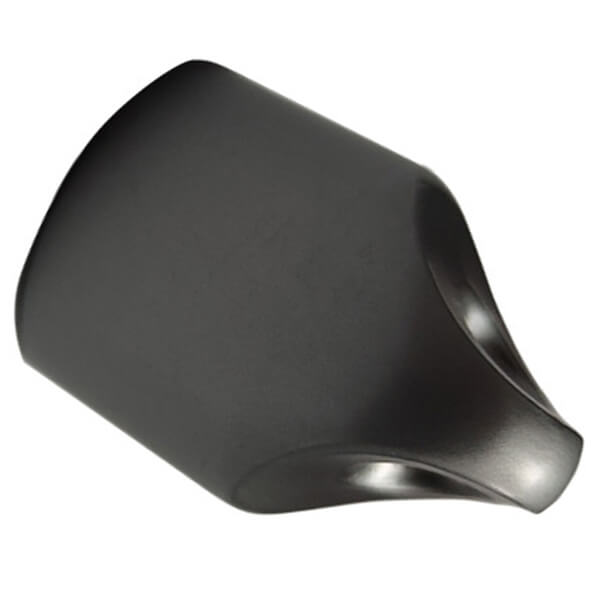
Electropolishing - Image

Electropolish

Electropolish is a chemical process that smooths and brightens surfaces while improving corrosion resistance.
Alodine - Image

Alodine

Alodine coating provides corrosion protection and improves paint adhesion, mainly used on aluminum surfaces.
Electroplating - Image

Electroplating

Electroplating bonds a thin metal layer onto parts, improving wear resistance, corrosion resistance, and surface conductivity.
What is 5-Axis CNC machining?

5-axis CNC machining combines three linear axes (X, Y, Z) with two rotary axes (A/B or C), allowing the tool or workpiece to move in five directions simultaneously. This advanced configuration enables the machining of complex geometries in a single setup, greatly improving accuracy and efficiency.

By continuously tilting and rotating the part, 5-axis machining minimizes repositioning errors and ensures optimal tool angles for smooth 3D surfaces — ideal for manufacturing impellers, turbine blades, medical implants, and aerospace components.
The result is superior surface finish (up to Ra 0.1 μm), tight tolerances, and shorter lead times, making it the preferred solution for multi-sided, precision-critical parts.

What is 5-Axis Machining - Image

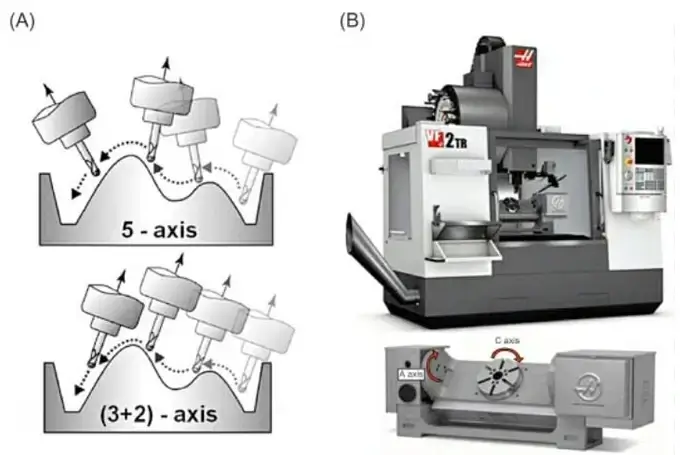
Difference Between Simultaneous 5-Axis and 3+2-Axis CNC Machining

Motion Principle:

  • 5-Axis Machining:

All five axes (X, Y, Z plus two rotary axes) move simultaneously and continuously, allowing real-time multi-directional toolpath control. The cutting tool can approach the workpiece from any orientation, making it ideal for machining complex free-form surfaces such as turbine blades, impellers, and medical implants.

  • 3+2-Axis Machining:

Also known as positional 5-axis machining, it uses three linear axes for cutting while the two rotary axes lock the workpiece at fixed angles (e.g., a 30° tilt) before machining begins. During cutting, the rotary axes remain stationary, providing excellent accuracy and rigidity for multi-face machining with fewer setups.

Differences Between Synchronized Five-Axis and 3+2-Axis CNC Machining - Image

Advantages of 5-Axis CNC Machining

1. Complex Geometries – Precisely machine intricate shapes and free-form surfaces from any angle, ideal for aerospace components, automotive parts, and medical implants, reducing multiple setups and simplifying production.

2. Enhanced Accuracy – Minimizes repositioning errors to achieve tight tolerances, ensuring dimensional stability for high-precision industrial, aerospace, and medical applications.

3. Superior Surface Finish – Optimized tool orientation maintains ideal cutting angles, delivering smooth finishes (Ra ≤0.8μm) and reducing secondary finishing for precision automotive, aerospace, and electronic components.

4. Optimized Tool Use – Shorter cutting tools minimize deflection and vibration, producing precise cuts and extending tool life, critical for high-performance metals like titanium, aluminum alloys, and superalloys.

5. Increased Productivity – Combines multiple machining operations into a single setup, reducing lead times and boosting throughput for low- to high-volume production across industrial, automotive, and medical sectors.

6. Material Efficiency – Advanced toolpaths and precise control reduce material waste, essential when working with high-value metals for aerospace, automotive, or energy industry parts.

Applications of 5-Axis CNC Machining

1. Automotive: Custom transmission gears, engine mounts, and intricate hub assemblies. 5-axis machining handles deep pockets and complex features with precision, ideal for both prototype validation and production runs.

2. Medical: Patient-specific implants such as hip joints, cranial plates, and surgical instruments. Achieve precise geometries, smooth surfaces, and biocompatible tolerances for demanding medical applications.

3. Die & Mold Making: Injection molds, stamping dies, and precision fixtures with complex contours and tight tolerances. Perfect for low-volume runs or full-scale production.

4. Marine: Propellers, hull fittings, and structural components designed for durability and accuracy in harsh marine environments.

5. Energy: Wind turbine hubs, solar panel frames, and other power generation components requiring high precision, structural integrity, and long-term reliability.

6. Aerospace: Turbine disks, compressor blades, and airframe structures. 5-axis CNC machining enables complex shapes, multi-sided operations, and consistent quality for high-performance aerospace parts.

5-Axis CNC Machining FAQ

This FAQ section answers common questions about our 5-axis CNC capabilities, materials, benefits, and quality control, helping you understand how we can meet your custom machining needs efficiently.

A: It moves the tool or workpiece along five axes (X, Y, Z + 2 rotary axes) to machine complex 3D parts in a single setup, reducing errors and improving accuracy and surface finish.

A: Aerospace, automotive, medical, energy, marine, and precision industrial equipment. Ideal for turbine blades, engine parts, medical implants, and complex molds.

A: Multi-sided machining in one setup, high precision, tight tolerances, superior surface finish, reduced setup time, and ability to handle intricate geometries.

A: Metals including aluminum, stainless steel, mild steel, titanium, copper, brass, and superalloys, with consistent quality and tight tolerances.

A: Full-dimensional inspections, 3D model verification, and strict tolerance checks. FMEA and PFMEA analysis guide the process to guarantee reliable, precise parts.

Scroll to Top