
Anodizing Services
Type II and Type III hard anodizing for custom aluminum parts, with clear and colored finish options. Coating thickness, sealing, and masking are specified to meet your corrosion protection, wear resistance, and assembly requirements.
- Type II & III Anodizing
- Clear & Color Options
- Controlled Coating Thickness
- Precision Masking
Verify Certifications On Demand:
ISO 9001:2015 | IATF 16949:2016
STP | STEP | SLDPRT | IPT | PRT | SAT
All uploaded content is secure and confidential.
Home » Surface Finishing » Anodizing Services
Anodizing Finish Features
Anodizing creates a protective oxide layer on aluminum parts. The finish can be specified for corrosion protection, surface hardness, color, and the requirements of functional surfaces.
Corrosion Protection
The anodic layer helps protect aluminum from corrosion, with sealing specified to suit the application.
Clear and Colored Finishes
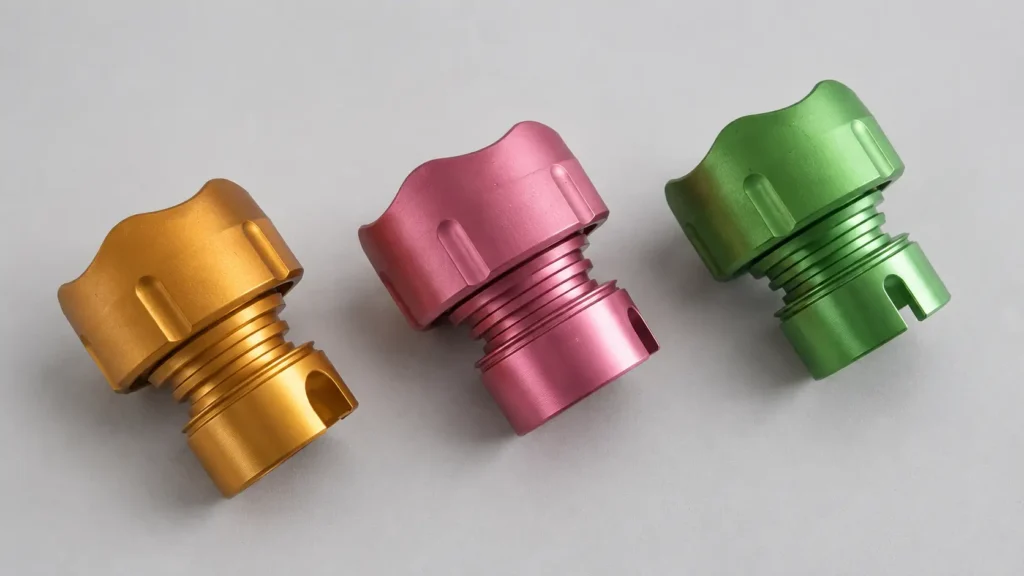
Clear, black, and other colors are available. Appearance varies with alloy, surface preparation, and process.
Increased Surface Hardness
Anodizing increases surface hardness, helping reduce wear on exposed aluminum surfaces.
Integral Surface Layer
The oxide layer forms from the aluminum substrate. Coating growth is considered for precision fits and threads.
Type II Anodizing Specifications
Type II sulfuric acid anodizing provides clear or colored finishes for aluminum parts. Coating thickness is typically 5–25 μm, with surface preparation and masking defined before processing. Parts are sealed unless otherwise specified.
| Parameter | Specification | Parameter | Specification |
|---|---|---|---|
| Process | Type II sulfuric acid anodizing | Typical Coating Thickness | 5–25 μm, as specified |
| Surface Texture Options | As-machined, bead-blasted, or brushed before anodizing | Color Options | Clear (undyed) or dyed to the specified color |
| Masking | Specified threads, precision bores, and contact surfaces | Sealing | Sealed unless otherwise specified |
Type III Hard Anodizing Specifications
Type III hard anodizing forms a thicker oxide layer on aluminum parts for demanding wear applications. Coating thickness, dimensional allowances, masking, and sealing are specified around the component’s functional requirements.
| Parameter | Specification | Parameter | Specification |
|---|---|---|---|
| Process | Type III hard anodizing | Typical Coating Thickness | 25–50 μm; other thicknesses on request |
| Appearance | Natural gray to dark gray, depending on alloy and thickness; black dye on request | Dimensional Control | Coating growth allowances for critical fits |
| Masking | Specified threads, precision bores, and contact surfaces | Sealing | Specified by application; generally unsealed when maximum wear resistance is required |
Color Options for Aluminum Anodizing
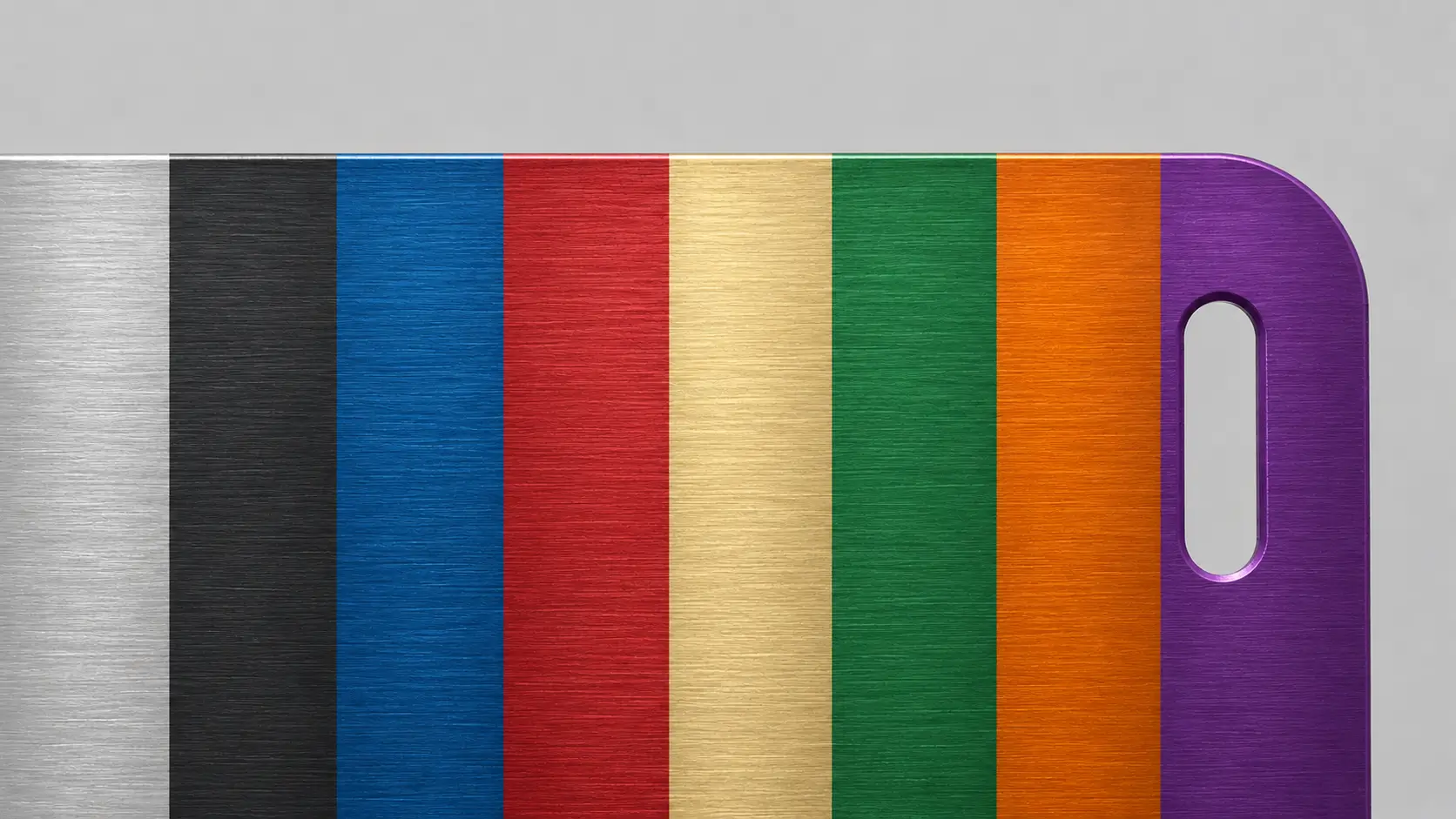
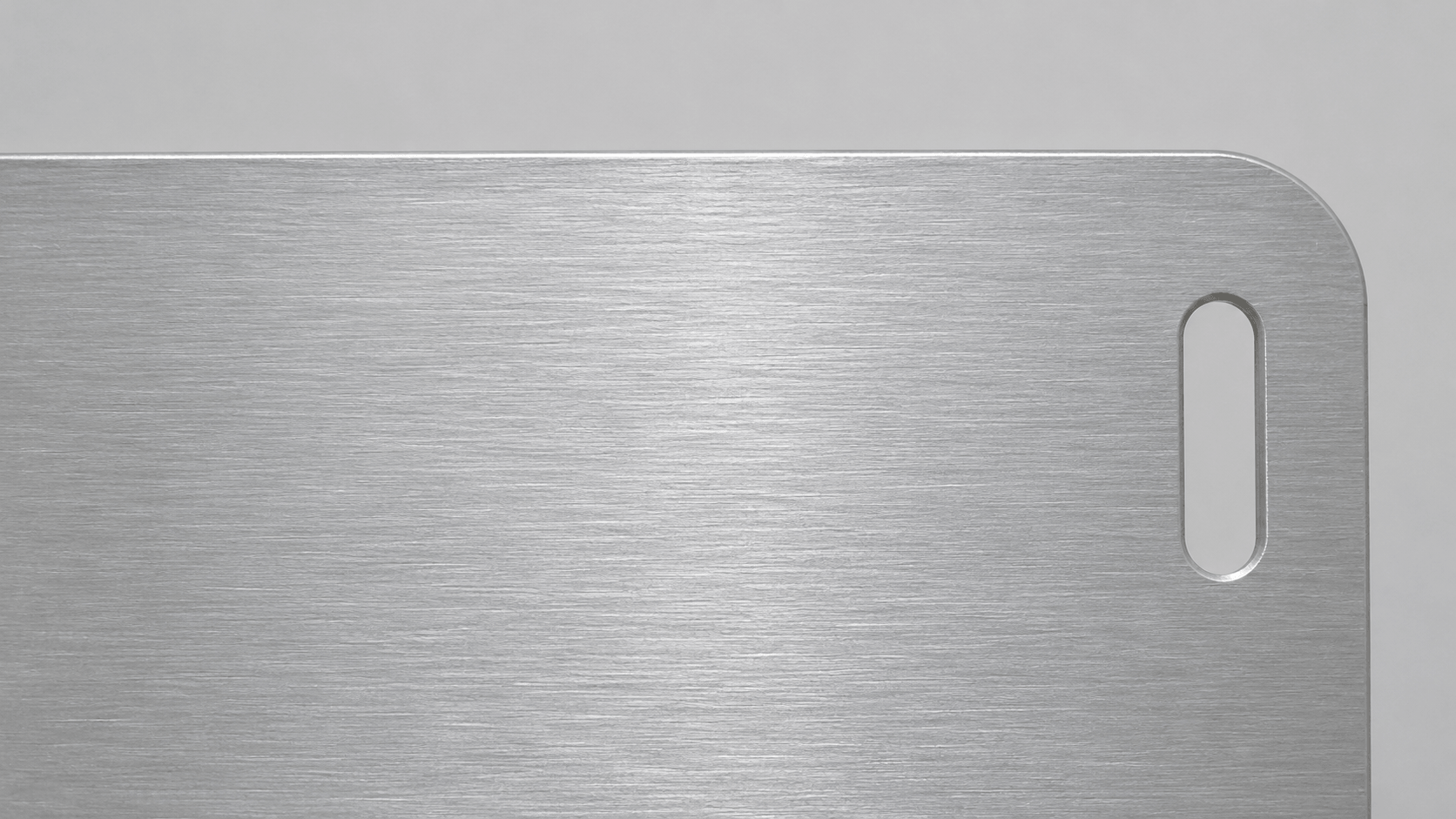
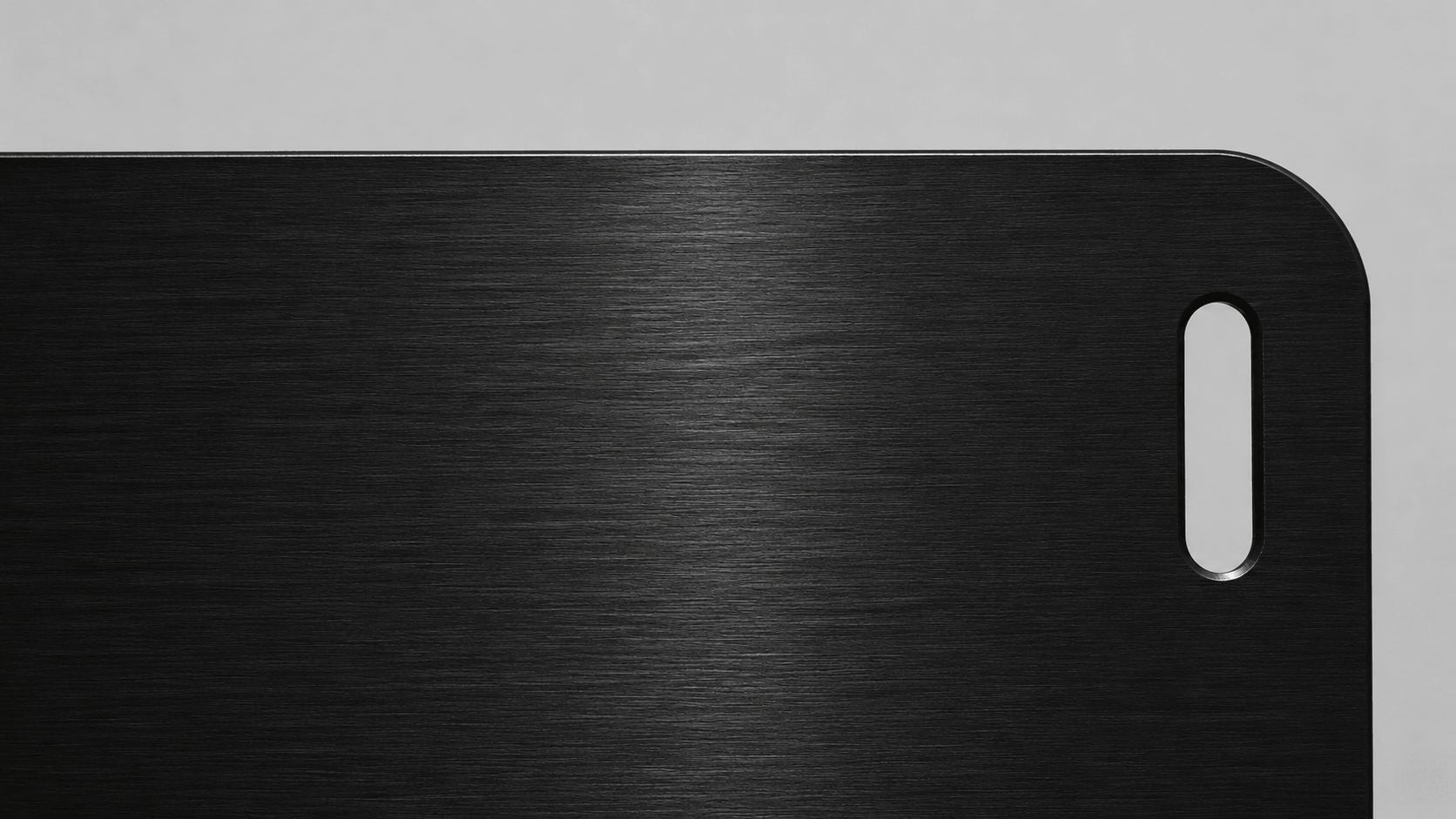
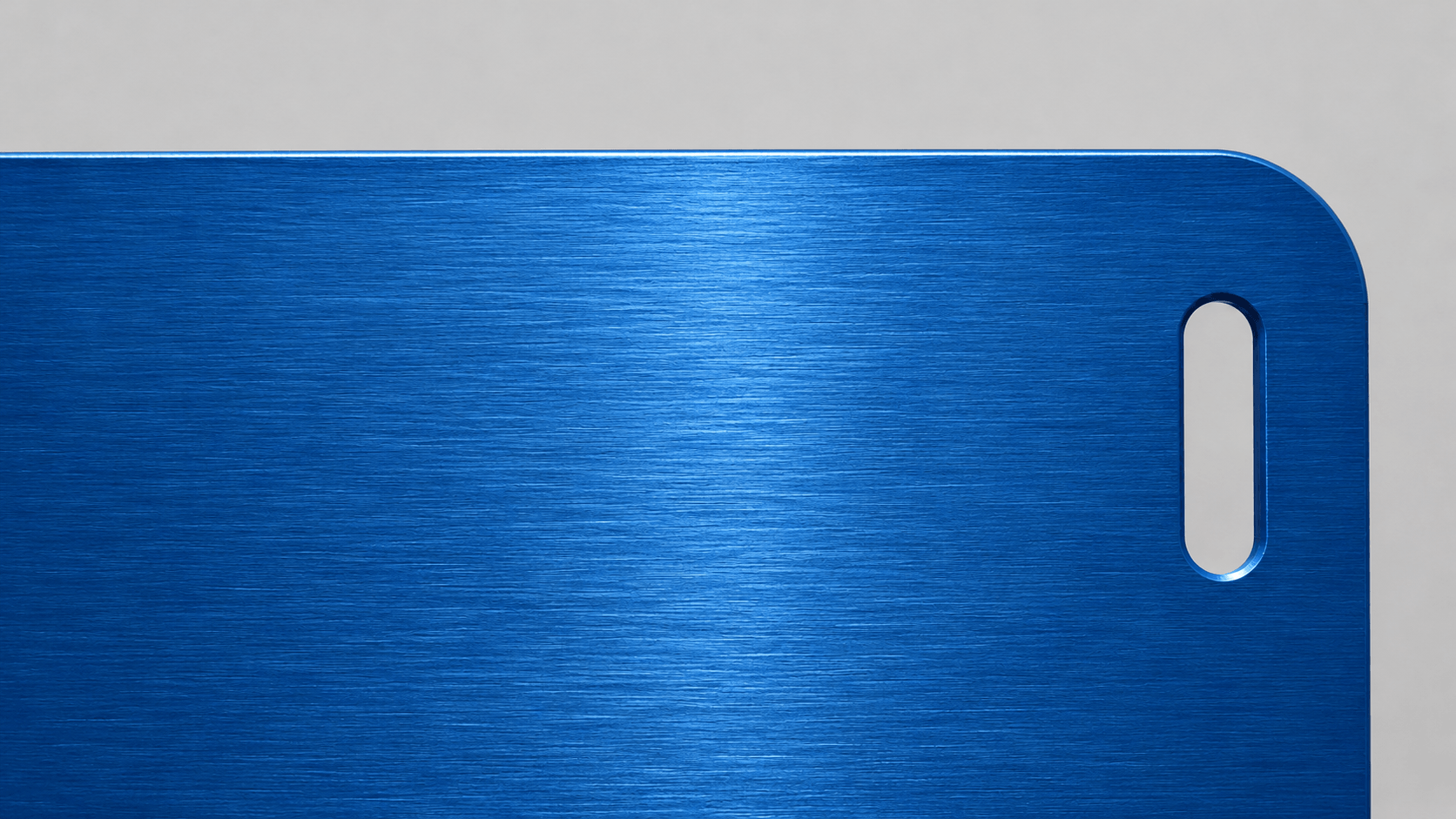
Choose from clear, black, blue, red, gold, green, orange, and purple anodized finishes. Final appearance varies with the aluminum alloy, surface texture, and coating thickness. Colors shown are for reference, with matching requirements confirmed against an approved physical sample.
Clear / Natural
Black
Blue
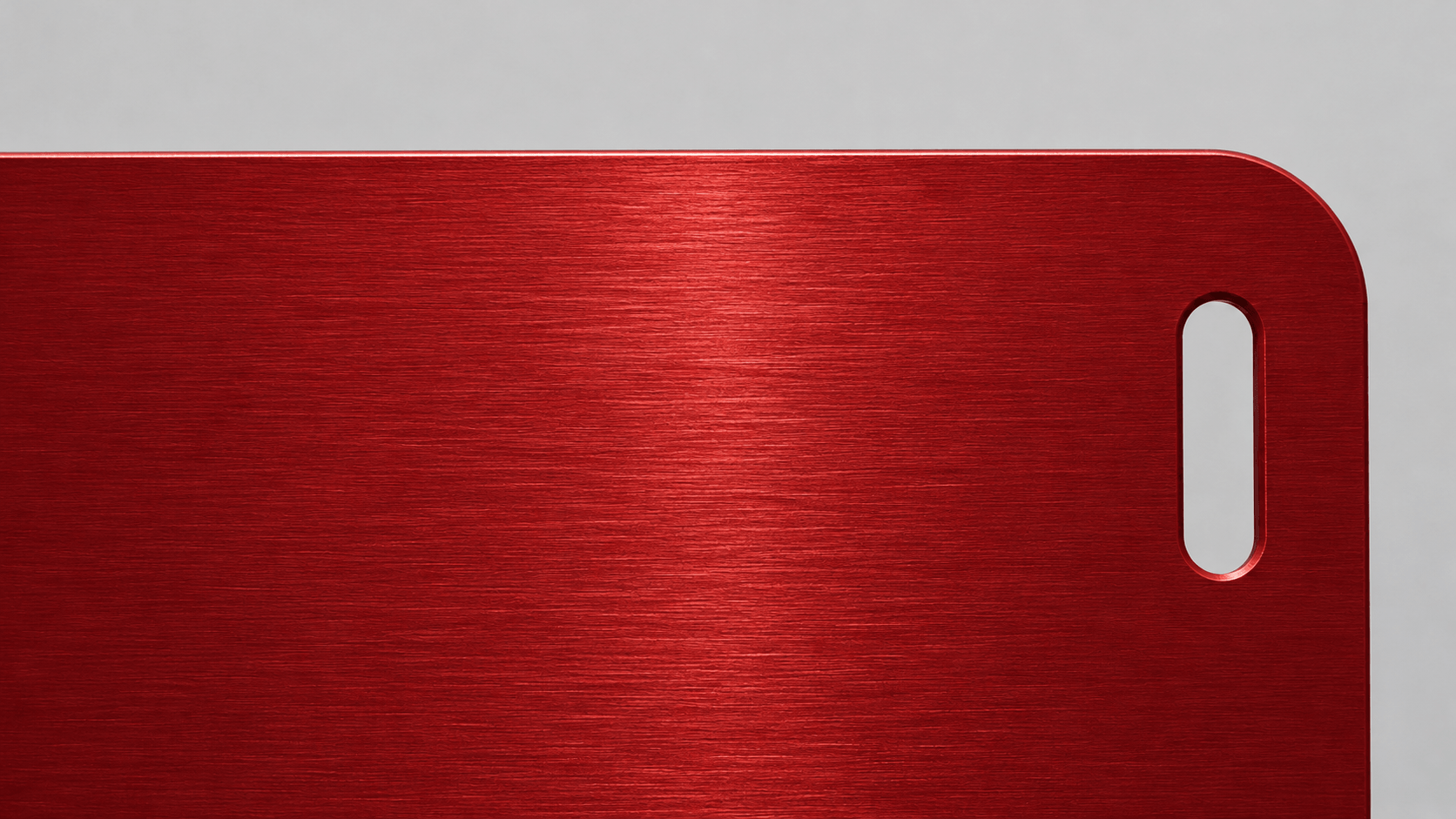
Red
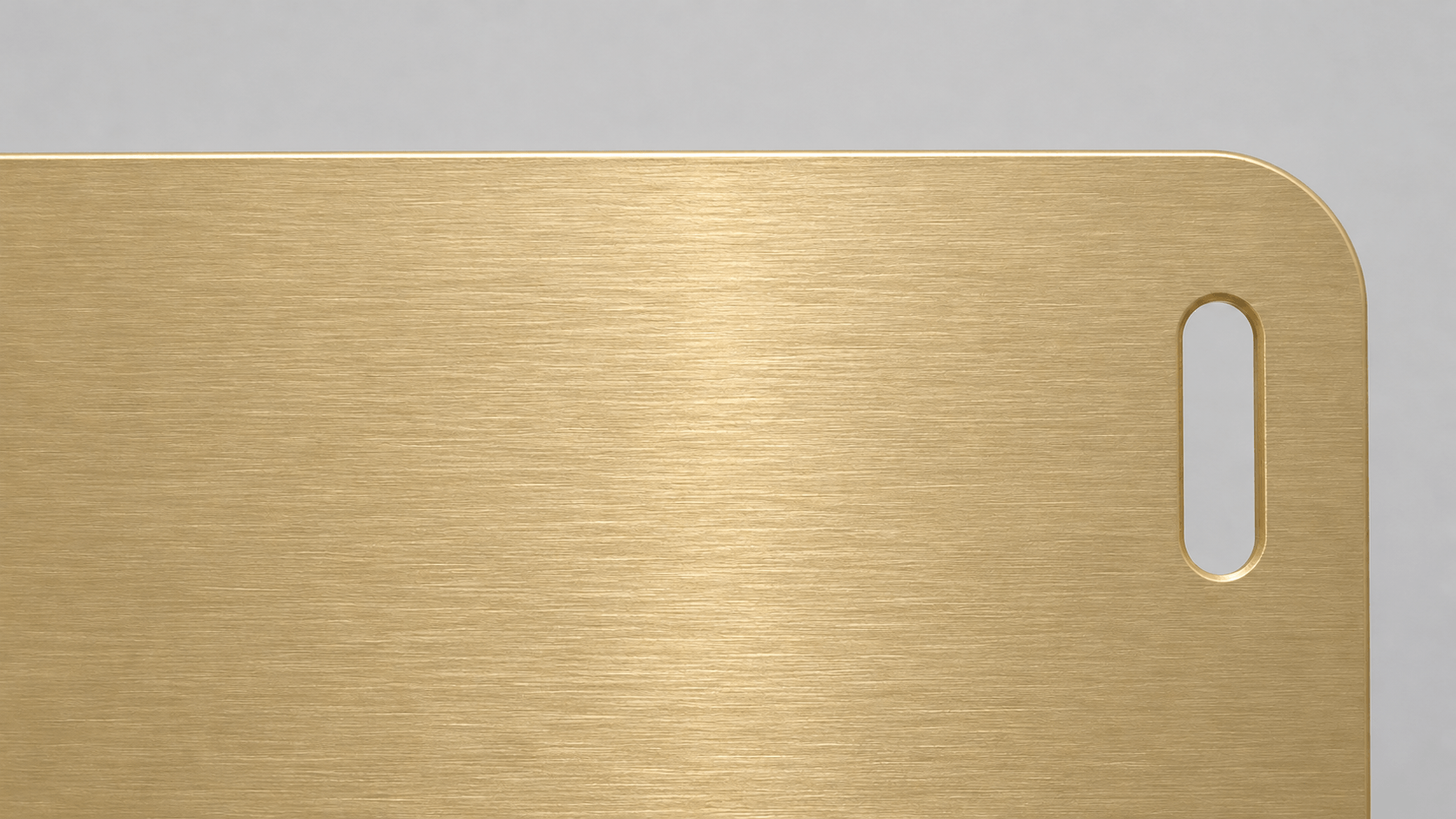
Gold
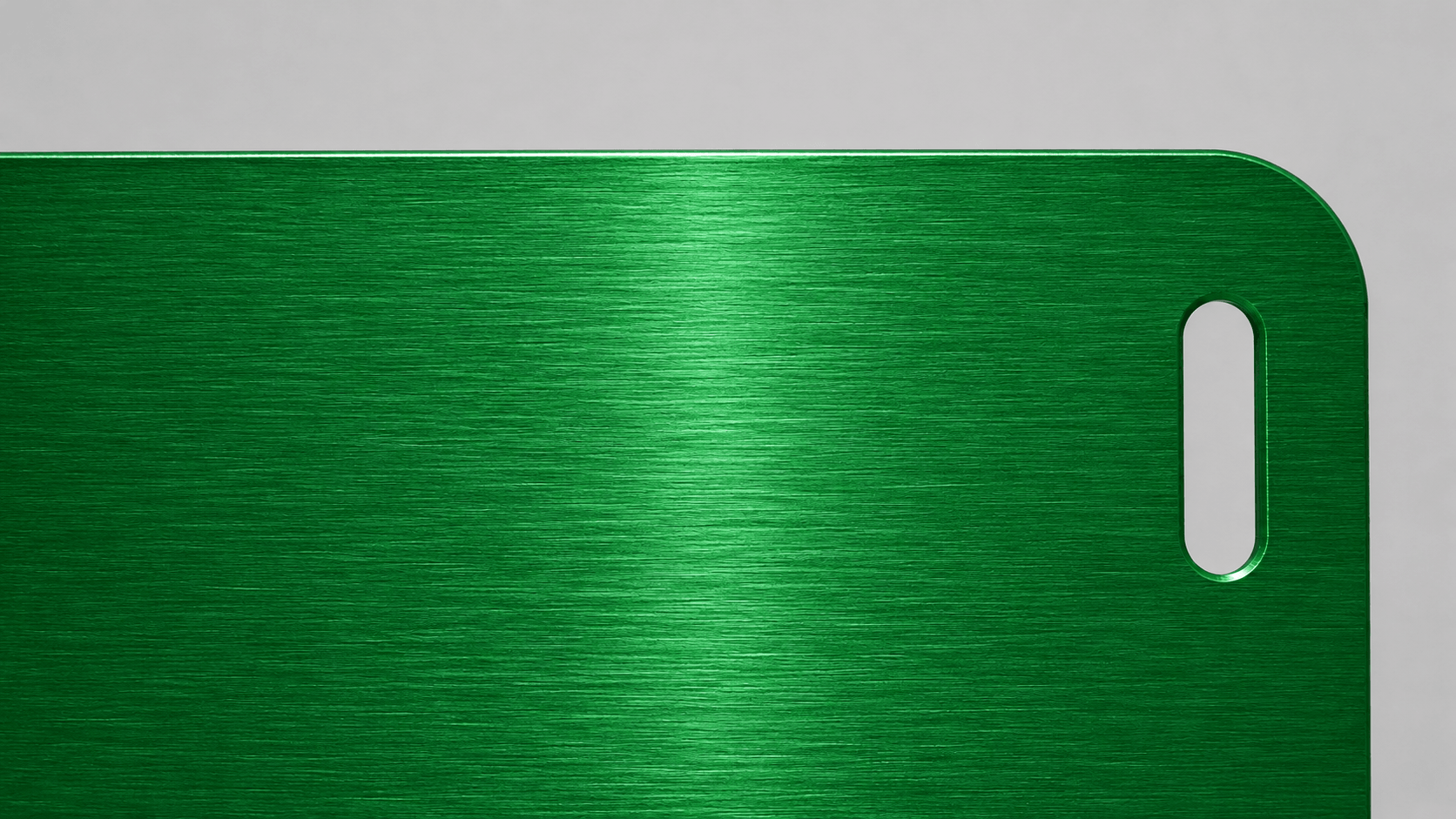
Green
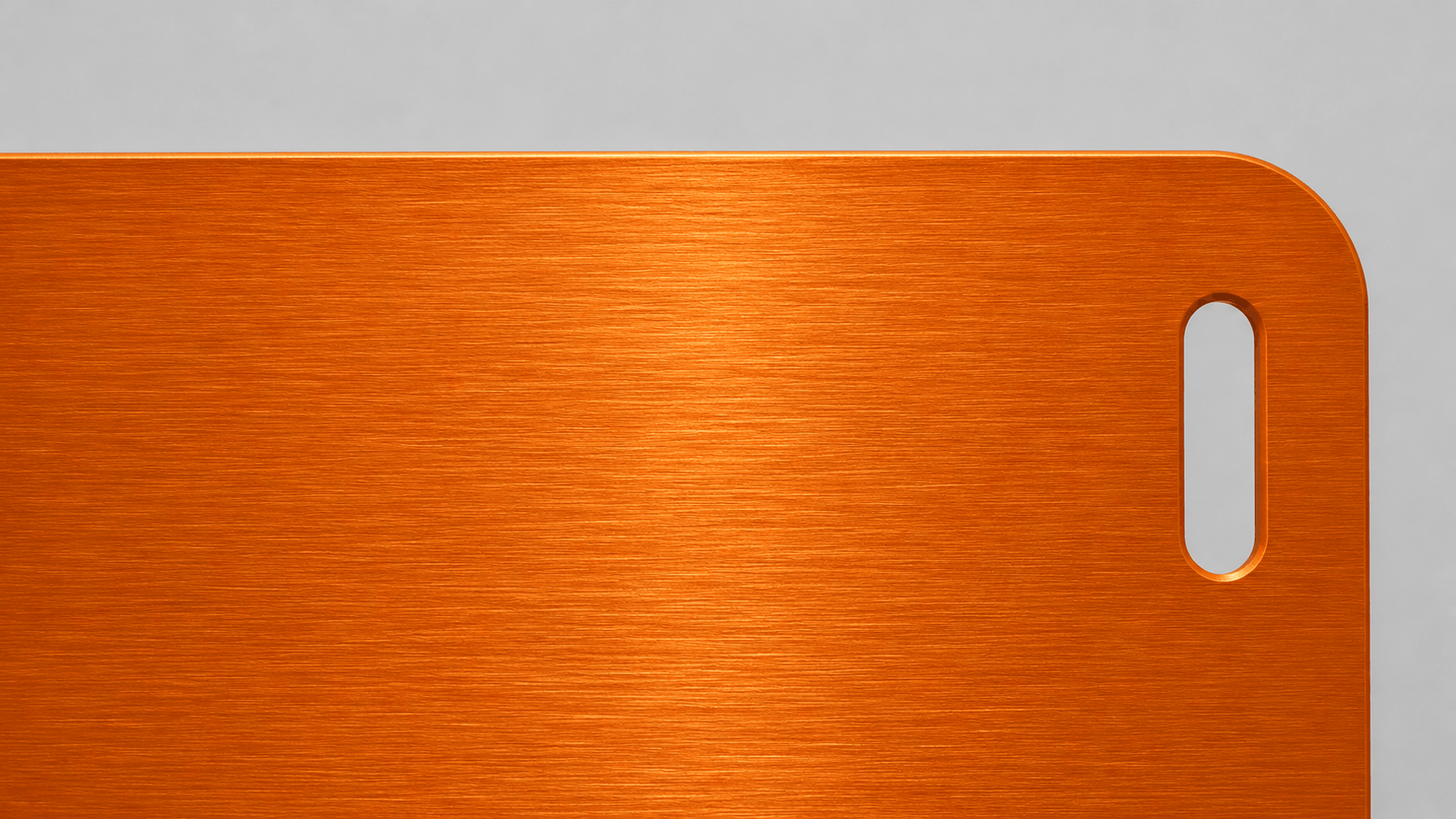
Orange
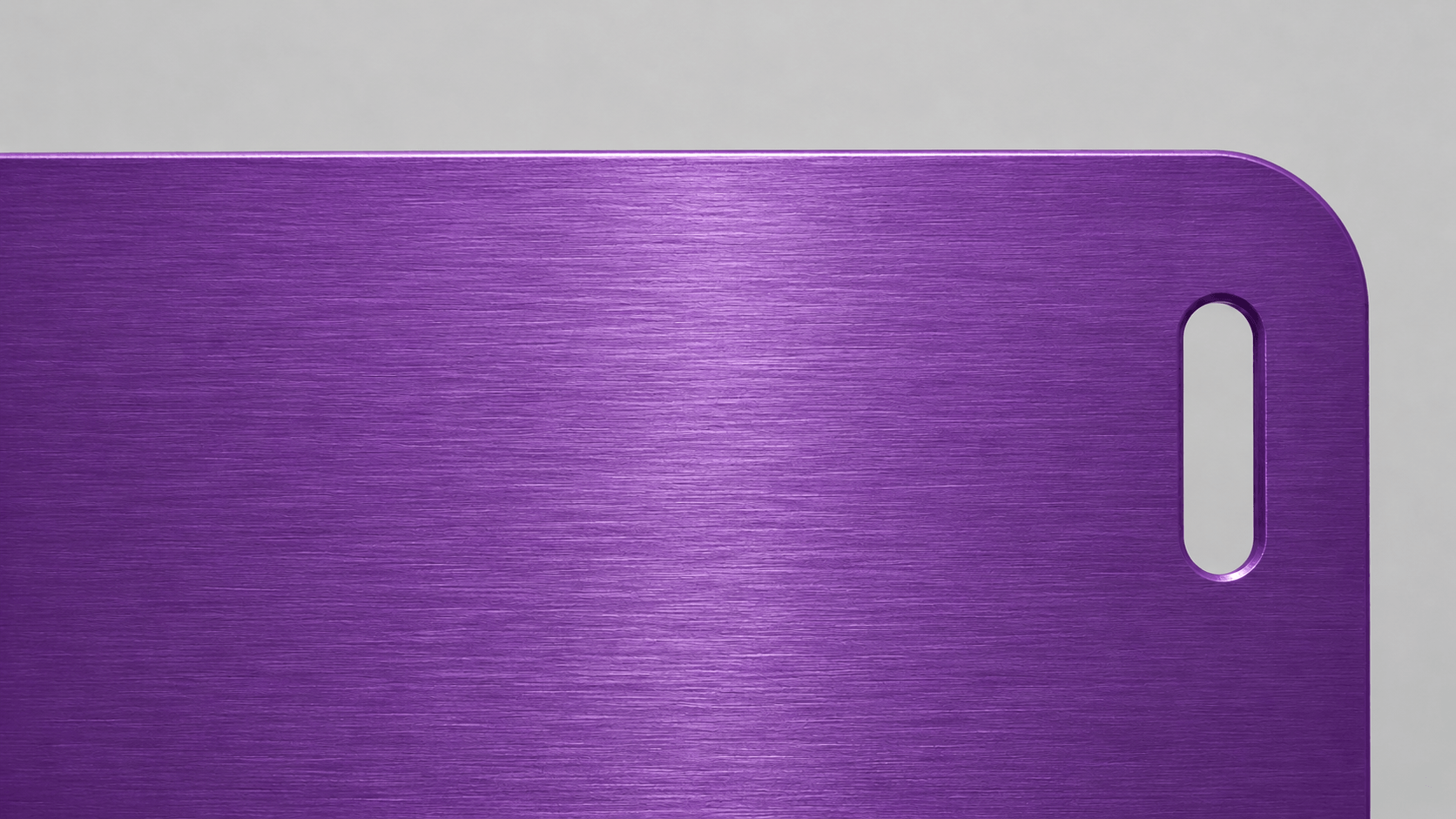
Purple
Anodizing Type II vs Type III
Type II is commonly selected for decorative colors and corrosion protection, while Type III hard anodizing suits components requiring greater wear resistance. The choice also affects coating thickness, appearance, and allowances for precision fits.
| Comparison | Type II Anodizing | Type III Hard Anodizing |
|---|---|---|
| Primary Purpose | Decorative appearance and corrosion protection | Wear and abrasion resistance |
| Typical Thickness | 5–25 μm | 25–50 μm |
| Color Options | Clear and a wide range of dyed colors | Natural shades and black are common |
| Appearance | Retains underlying surface texture | Often darker, with shade influenced by alloy and thickness |
| Precision Fits | Coating growth must be considered | Greater allowances may be needed for thicker coatings |
| Sealing | Normally sealed unless otherwise specified | Depends on application; often unsealed for maximum wear resistance |
| Typical Applications | Housings, panels, covers, and brackets | Sliding components, guides, bushings, and wear surfaces |
Aluminum Alloys for Anodizing
6061 and 6063 are common choices for anodized housings, brackets, frames, and enclosures. Both support clear and colored finishes, with the final texture influenced by machining, brushing, or bead blasting before anodizing.
5052 and 7075 can also be anodized, although the resulting shade may differ from 6061 or 6063. For assemblies requiring matching colors, using the same alloy and surface preparation helps improve consistency, with an approved sample defining the expected appearance.
What Is Aluminum Anodizing?
Aluminum anodizing is an electrochemical process that forms a protective aluminum oxide (Al₂O₃) layer on the surface of a part. The aluminum acts as the anode in an electrolyte bath, where an applied electric current builds the oxide layer.
The resulting layer increases surface hardness, provides electrical insulation, and improves corrosion resistance when properly sealed. It can remain undyed or be colored, while wear performance depends on the anodizing type and coating thickness.
Advantages of Aluminum Anodizing
1.Corrosion Protection: The oxide layer helps protect aluminum from environmental exposure, with proper sealing improving corrosion resistance.
2.Improved Wear Resistance: Anodizing increases surface hardness. Type III hard anodizing is particularly suited to sliding surfaces and components exposed to abrasion.
3.Decorative Finishes: Clear and dyed finishes provide a range of appearances while retaining the aluminum’s metallic character.
4.Integral Surface Layer: The anodic layer forms from the aluminum substrate, creating a firmly bonded finish that does not peel like an applied paint film.
5.Electrical Insulation: Aluminum oxide provides an electrically insulating surface. Areas requiring electrical continuity can be masked during processing.
Anodizing Design Considerations
1.Allow for Coating Growth: Anodizing changes finished dimensions. Allowances should be defined for bores, shafts, threads, and mating surfaces, particularly with thicker hard anodizing.
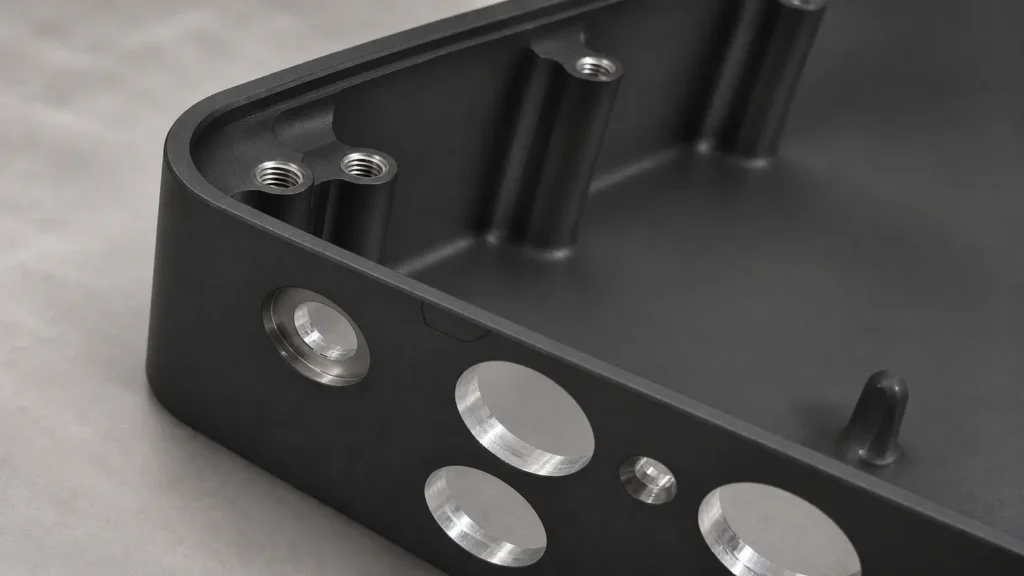
2.Identify Masked Areas: Mark surfaces that must remain untreated, including electrical contacts, precision fits, and selected threads. Define masking boundaries on the drawing.
3.Specify Surface Preparation: Anodizing does not hide scratches or machining marks. Specify bead blasting, brushing, or another preparation when a consistent cosmetic texture is required.
4.Define Color Expectations: Alloy, surface preparation, and coating thickness influence the final shade. Use an approved physical sample for parts requiring close color matching.
5.Consider Edges and Rack Marks: Remove burrs and avoid sharp edges where practical. Identify visible surfaces so necessary rack contact marks can be placed in less noticeable locations.
6.Match Sealing to Function: Specify sealing according to corrosion, wear, and assembly requirements. Hard-anodized sliding surfaces may require different sealing conditions from decorative parts.
Frequently Asked Questions
Anodizing follows the existing surface texture, so machining marks and scratches may remain visible. Bead blasting, brushing, or polishing should be specified before anodizing when a different appearance is required.
Parts should generally be anodized before assembly. Steel inserts, fasteners, and other incompatible components may need to be removed, while trapped solution in assembled joints can affect the finish.
The anodic layer is electrically insulating. Grounding points and other areas requiring electrical contact should be identified for masking before treatment.
An approved physical sample provides a reference, but alloy, surface preparation, and processing differences can affect the shade. Parts that must match should use consistent material and be processed together where practical.
Yes. Laser marking can produce contrasting text, logos, and identification marks, particularly on dyed surfaces. Marking locations and appearance should be specified with the order.
Provide the aluminum alloy, part quantity, anodizing type, coating thickness, color, and masking requirements. Include any cosmetic surface requirements or physical color samples that define acceptance.