
Custom CNC Milling Services
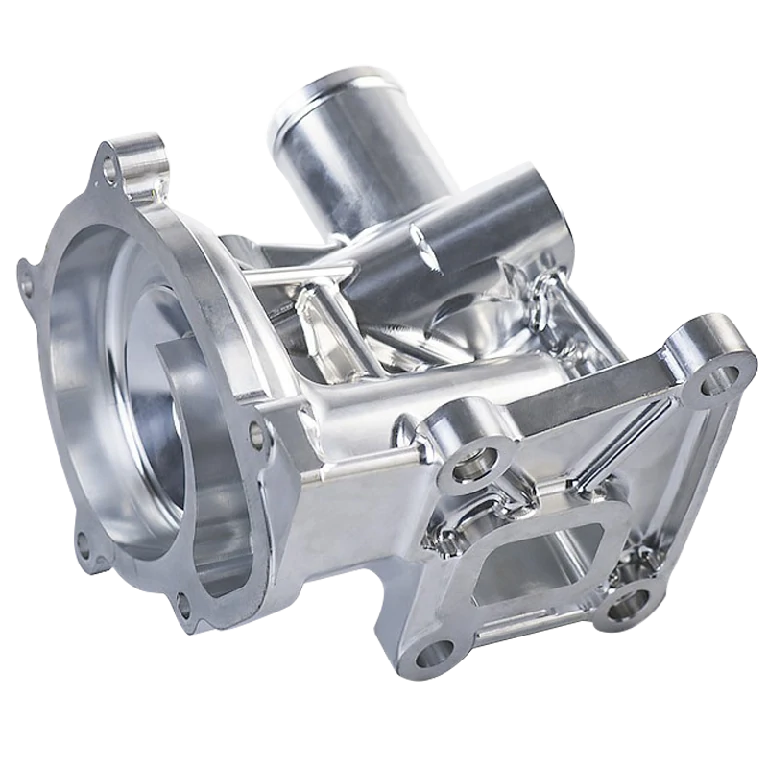
Custom CNC milling for prototypes and repeat production, with 3-, 4-, and 5-axis capabilities. Tight tolerance control and dimensional inspection support parts made to your drawings, with lead times as fast as 3–5 business days.
- 3-, 4- & 5-Axis CNC Milling
- Critical Tolerances Down to ±0.01 mm
- Lead Times as Fast as 3–5 Business Days
Quality Certifications
ISO 9001:2015 | IATF 16949:2016
STP | STEP | SLDPRT | IPT | PRT | SAT
All uploaded content is secure and confidential.
Trusted by companies like


3-, 4- & 5-Axis Milling for Custom Parts
3-axis, 4-axis, and 5-axis CNC milling support custom parts with multi-sided features, angled surfaces, deep pockets, and complex geometry. Fewer setups help maintain feature-to-feature accuracy, improve machining stability, and support consistent delivery from prototypes to repeat production.
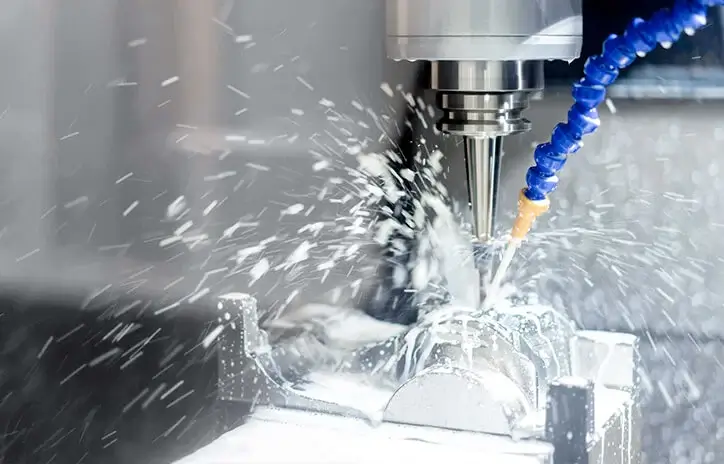
3-Axis CNC Machining
Ideal for simple to medium-complexity parts, 3-axis milling provides accurate and cost-effective machining for flat surfaces, pockets, slots, holes, and standard geometries.
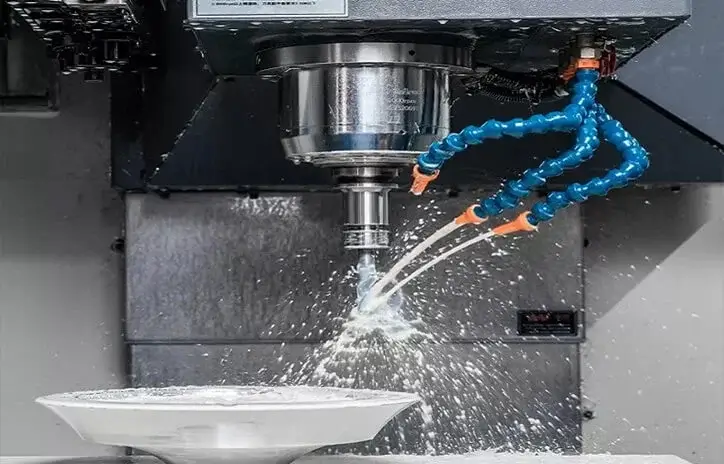
4-Axis CNC Machining
4-axis milling adds rotary positioning to machine multiple sides with fewer setups, improving feature access, positional accuracy, and production efficiency.
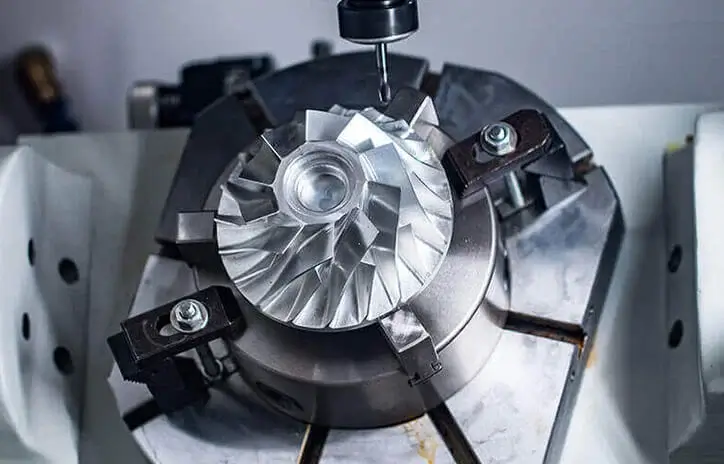
5-Axis CNC Machining
5-axis milling supports complex and angled features from multiple directions, reducing setups while maintaining tight tolerances and feature-to-feature accuracy.
CNC Milling for Prototyping & Low-Volume Production
CNC milling supports prototype development and low-volume production for custom parts that require controlled dimensions, functional features, and consistent machining quality. The same process can support design validation, pilot builds, and repeat orders as the project moves toward production.
CNC Prototyping Services
Produce functional prototypes for fit, assembly, dimensional, and performance validation before moving into production.
Explore CNC PrototypingLow-Volume CNC Production
Support small-batch and repeat orders with controlled machining, consistent inspection, and stable part quality.
Explore Low-Volume ProductionCNC Milling Tolerances
General CNC milling tolerances of ±0.05 mm can be supported for many machined features, with ISO 2768-m used as a general tolerance reference where applicable. Selected critical dimensions can be evaluated down to ±0.01 mm depending on part geometry, material, feature size, workholding, and inspection requirements.
| Specification | 3-Axis | 4-Axis | 5-Axis |
|---|---|---|---|
| Maximum Part Size | 1000 × 500 × 500 mm | 1000 × 500 × 500 mm | 650 × 650 × 450 mm |
| General Machining Tolerance | ±0.05 mm | ±0.05 mm | ±0.05 mm |
| Critical Features | Down to ±0.01 mm | Down to ±0.01 mm | Down to ±0.01 mm |
| General Tolerance Standard | ISO 2768-m | ISO 2768-m | ISO 2768-m |
| Lead Time | As fast as 3–5 business days | As fast as 3–5 business days | As fast as 3–5 business days |
Turn Your Design Into Precision CNC Milled Parts
Send your drawings and project requirements for a machining review, lead time, and transparent quotation.
CNC Milling Company in China
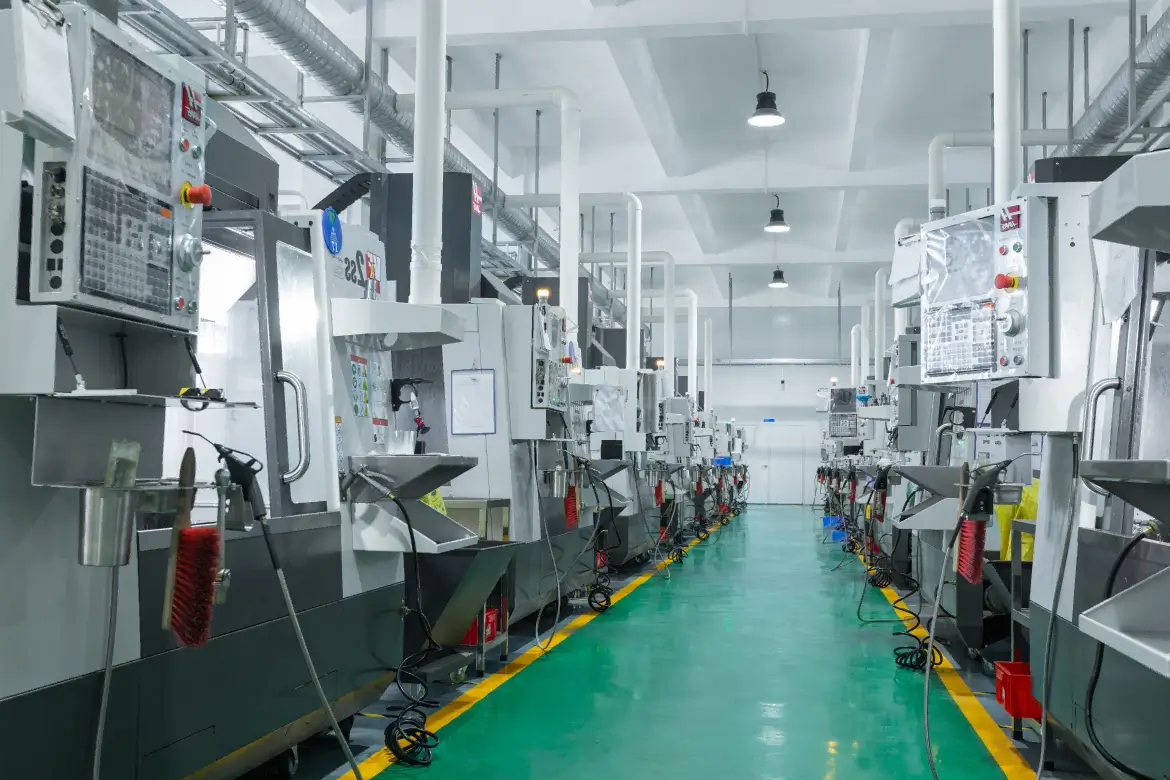
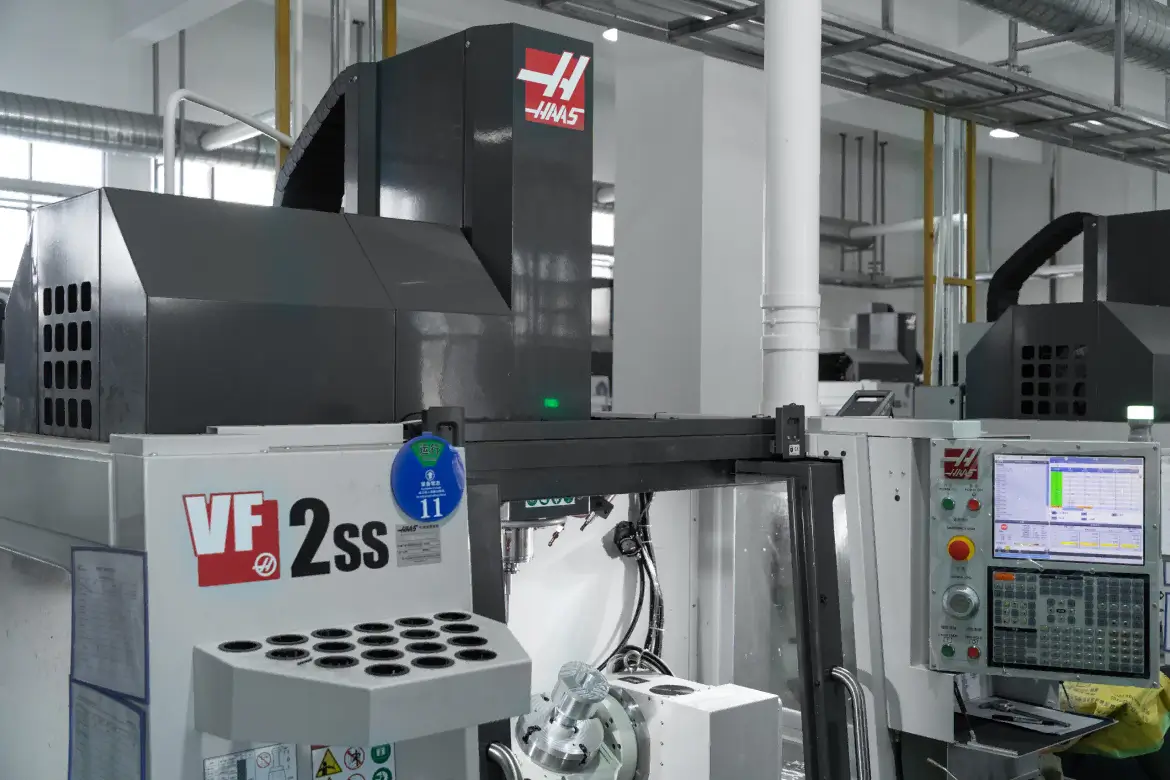
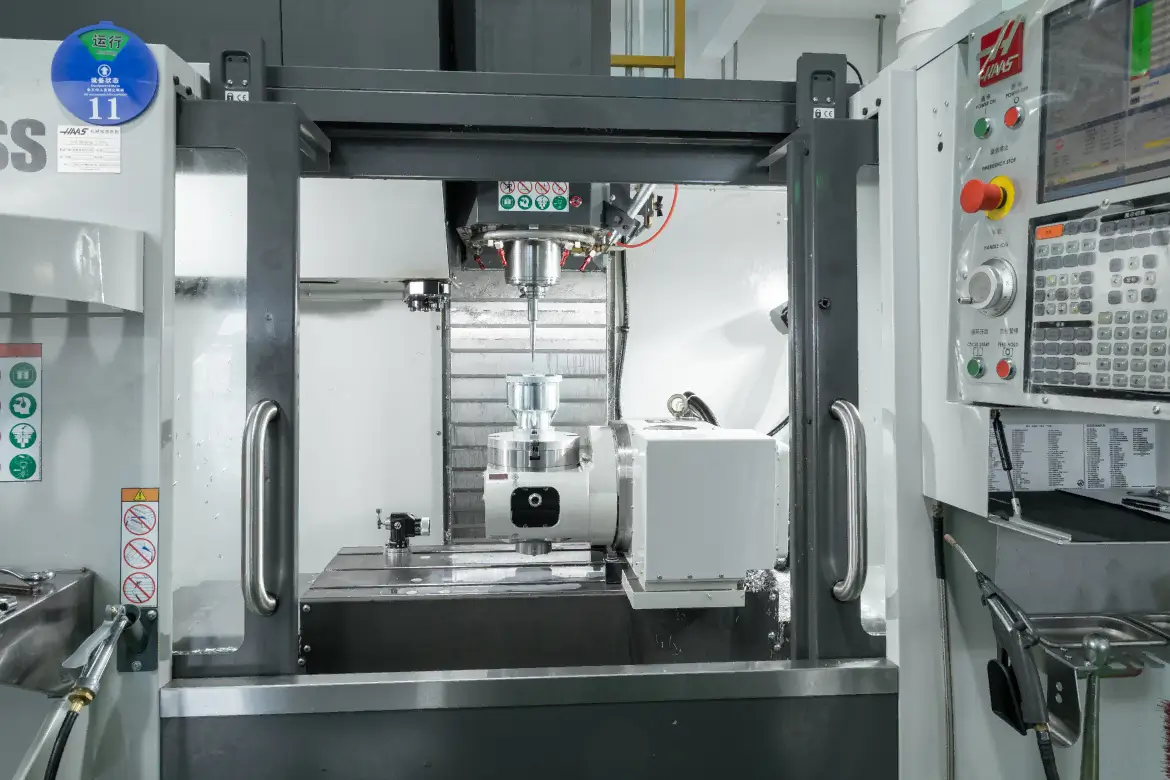
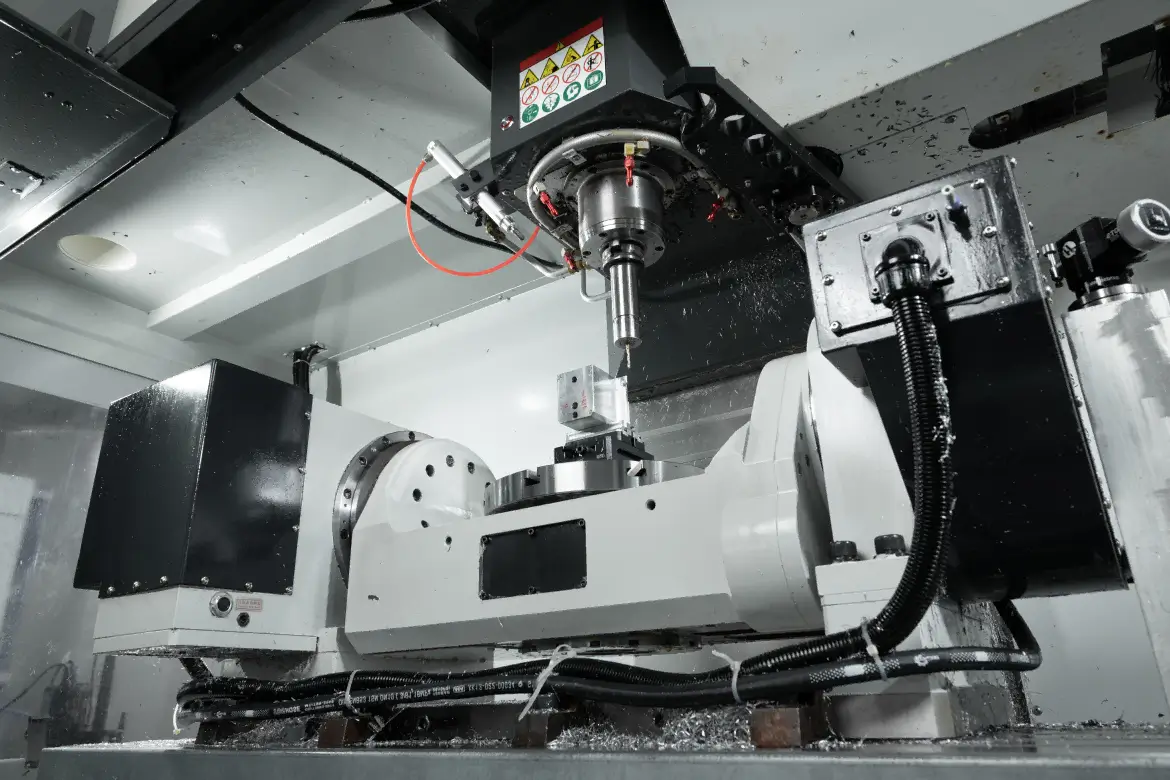
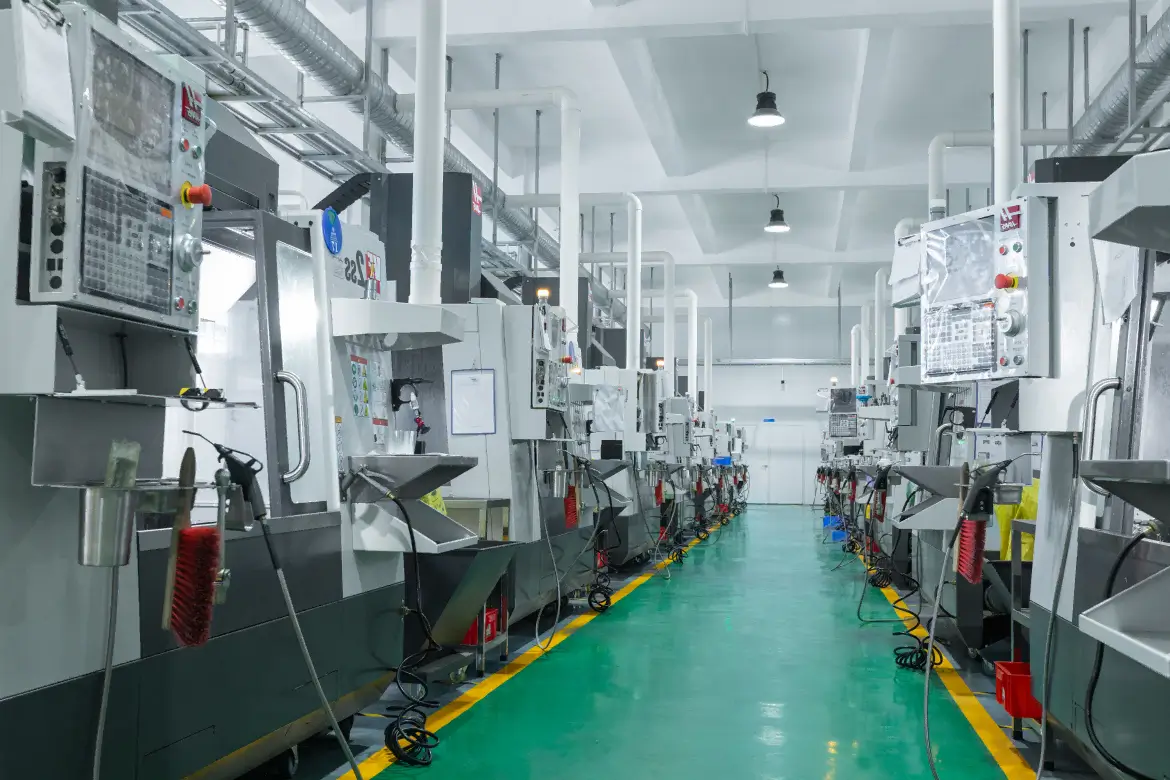
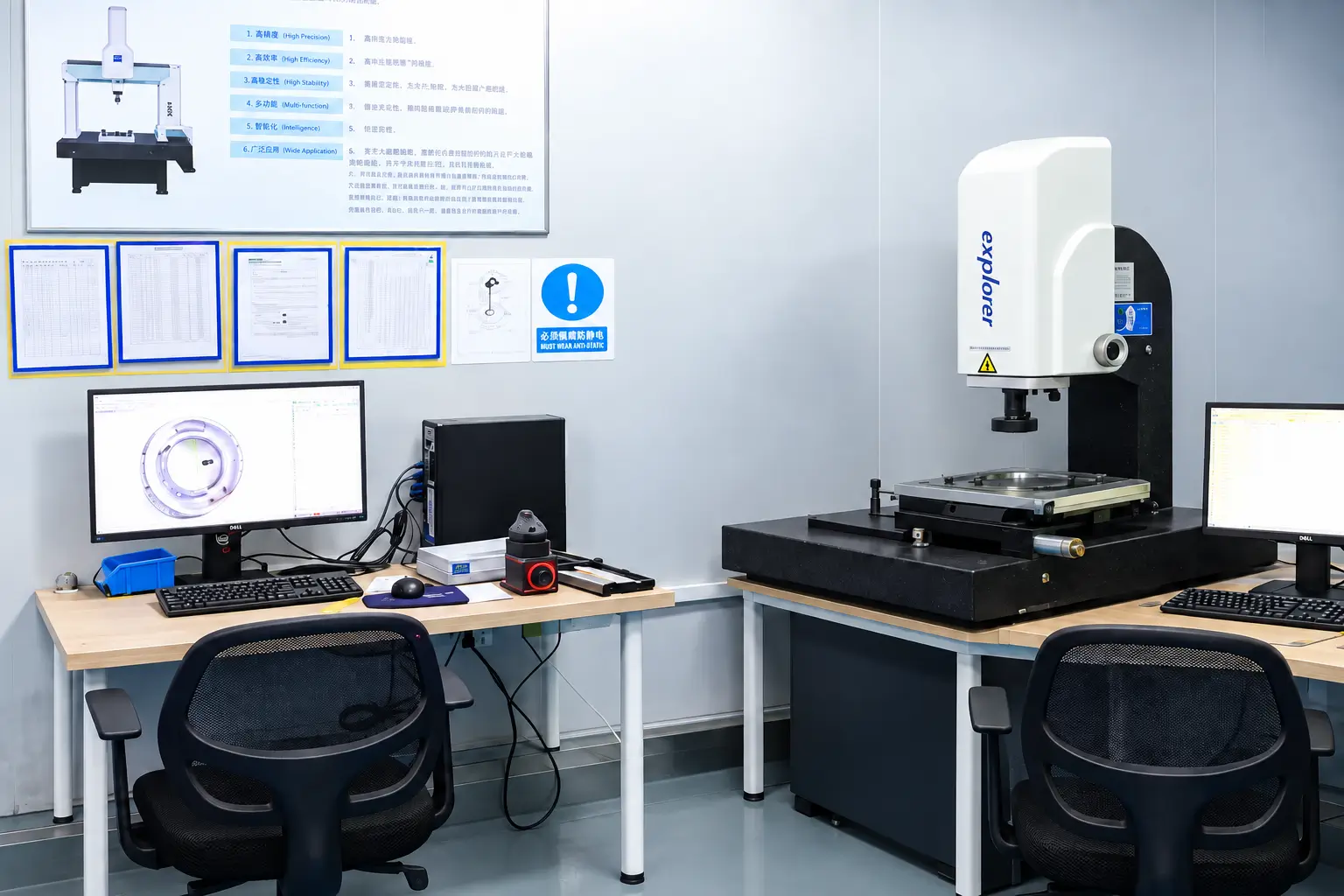
Our CNC machine shop in Dongguan has 30+ CNC machines, including 3-, 4-, and 5-axis machining centers. The equipment supports parts with pockets, holes, angled features, and machined surfaces on multiple sides. Production planning and in-process inspection help maintain consistent quality and reliable on-time delivery.
CNC Milling Materials for Custom Parts
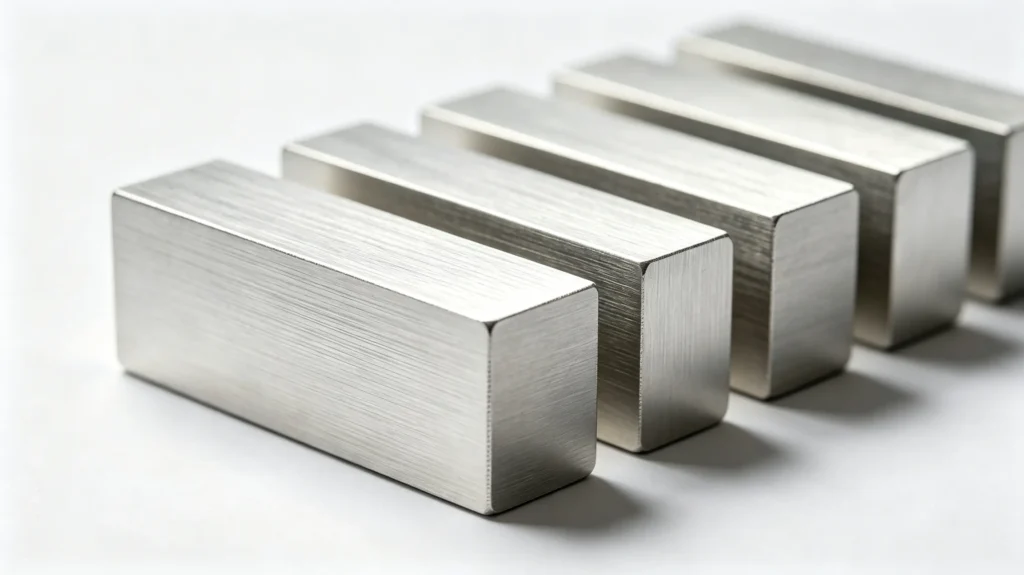
Aluminum
Lightweight, machinable, and naturally corrosion-resistant. Aluminum offers a useful balance of strength and low weight for CNC milled parts.
6061: Versatile for structural and general-purpose parts.
7075: High strength with low weight.
2024: High strength and fatigue resistance.
5052: Corrosion resistance and formability.
6063: Suitable for extruded profiles.
Stainless Steel
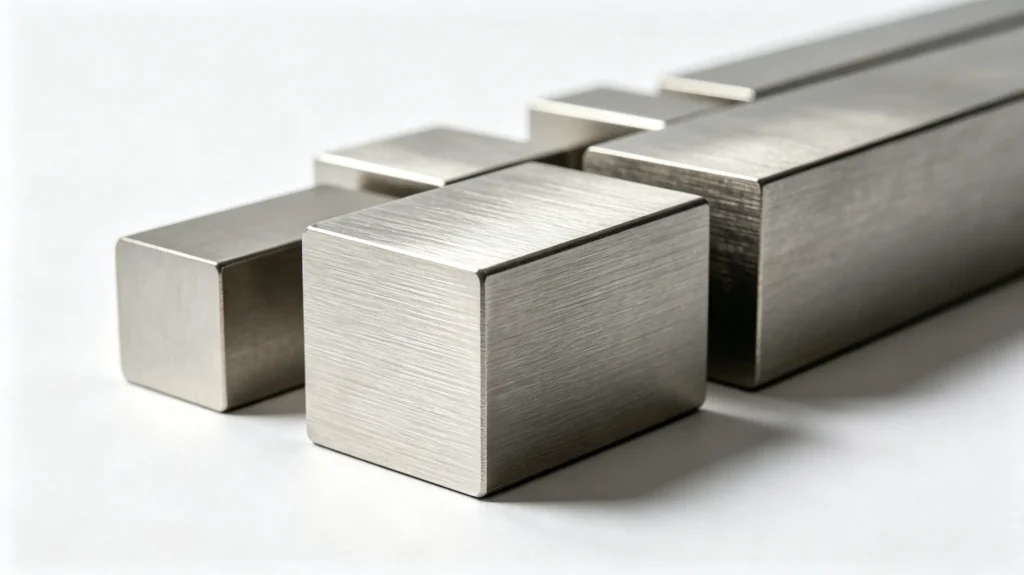
Stainless steel combines strength with corrosion resistance. Grades vary in how they respond to moisture, chemicals, and demanding operating conditions.
304: General-purpose corrosion resistance.
316: Improved resistance in chloride environments.
316L: Low-carbon version of 316.
17-4PH: High strength after appropriate heat treatment.
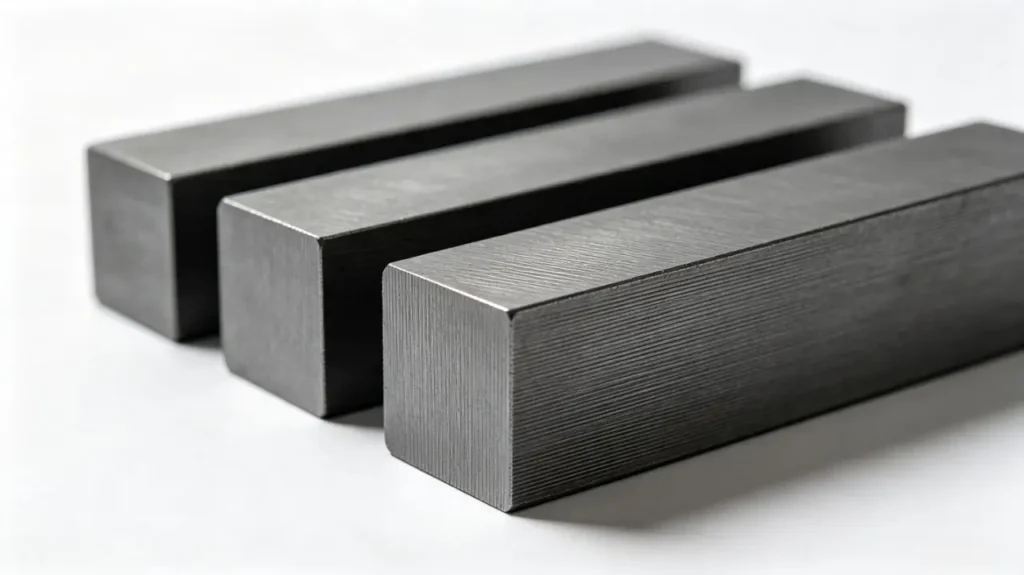
Steel Alloys
Carbon and alloy steels offer a broad range of strength, hardness, and wear properties. The specified grade and heat-treatment condition are especially important for parts with mechanical load requirements.
1018: General-purpose low-carbon steel.
1045: Higher strength and hardness than 1018.
4140: Alloy steel for higher-load applications.
Q235: General structural steel.
Brass
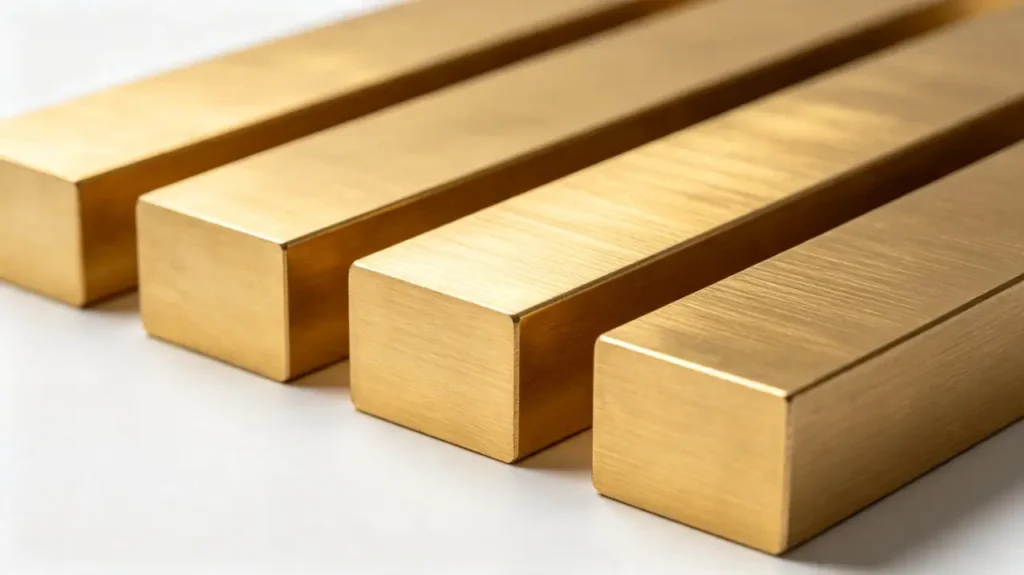
Brass offers good machinability, corrosion resistance, and electrical conductivity. Its properties vary with the copper and zinc content of the selected grade.
C360: Excellent machinability.
H59: Higher zinc content and good strength.
H62: Good balance of strength and formability.
Copper
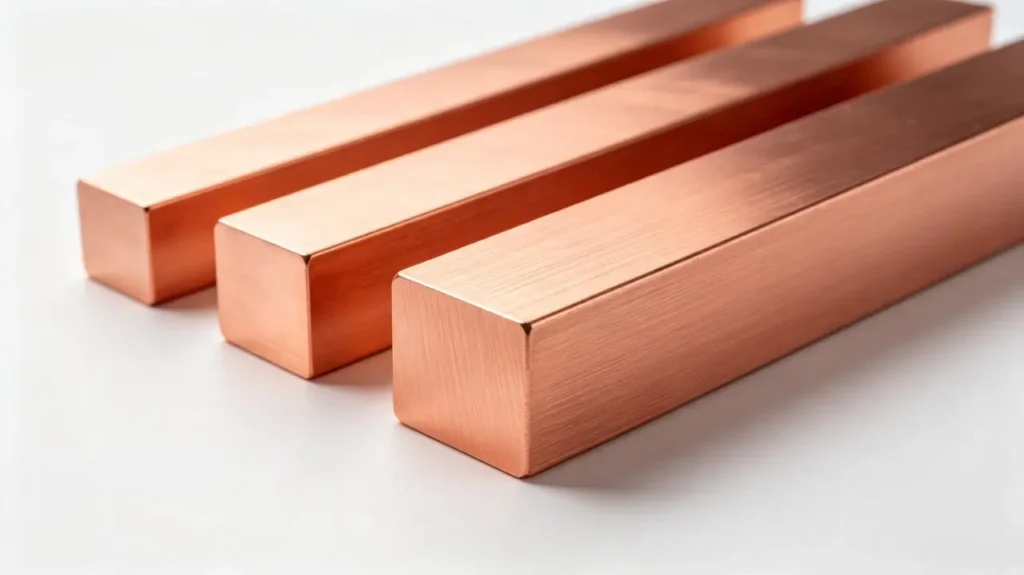
Copper is selected primarily for electrical and thermal conductivity. Grade selection depends on the conductivity level and material condition required by the application.
C101: Very high electrical conductivity.
C110: High conductivity for general electrical applications.
Titanium
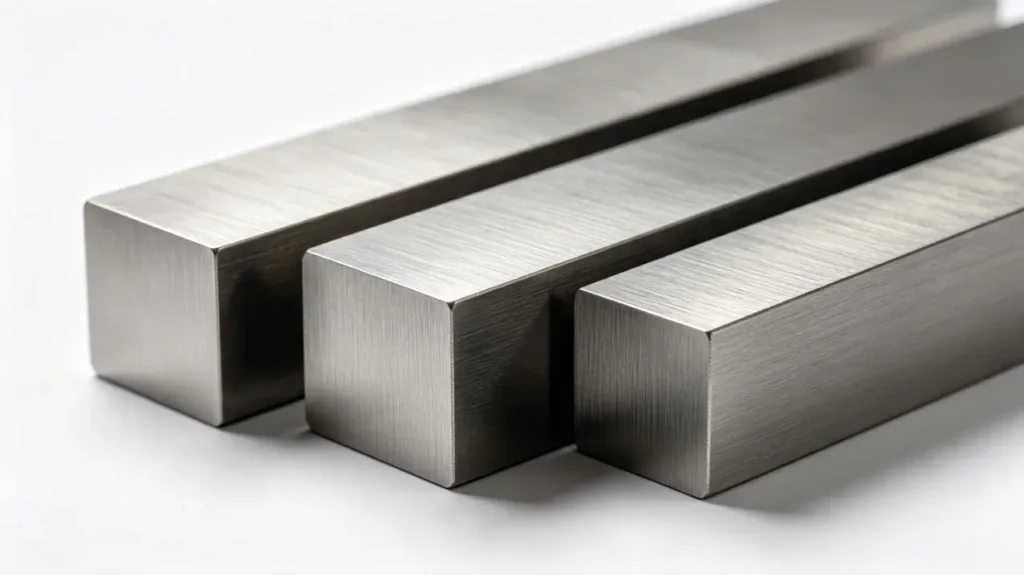
Titanium combines low weight, corrosion resistance, and a high strength-to-weight ratio. Commercially pure titanium and titanium alloys serve different mechanical requirements.
Grade 2: Good corrosion resistance and formability.
Grade 5: Higher strength for load-bearing parts.
Surface Finishes for CNC Milled Parts
Give CNC milled parts a consistent appearance and the surface protection their application requires. Polishing and bead blasting refine visible surfaces, while anodizing, plating, powder coating, and passivation provide material-specific options for corrosion and wear resistance.
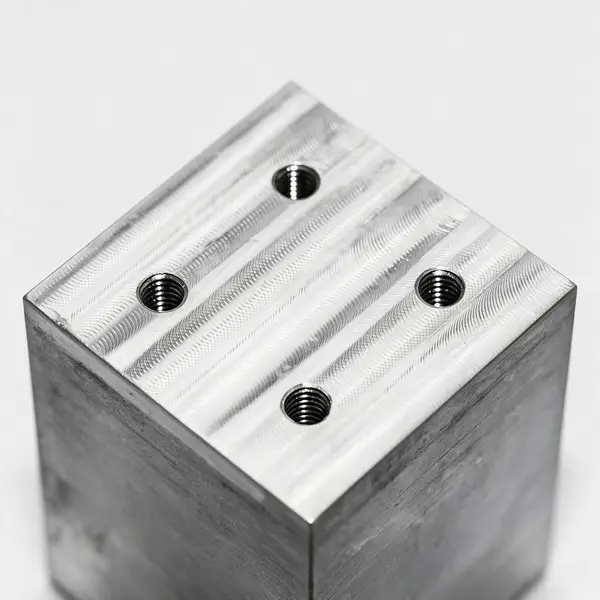
As-Machined
Burrs and sharp edges are removed after milling, leaving the machined surface ready for assembly or further finishing.
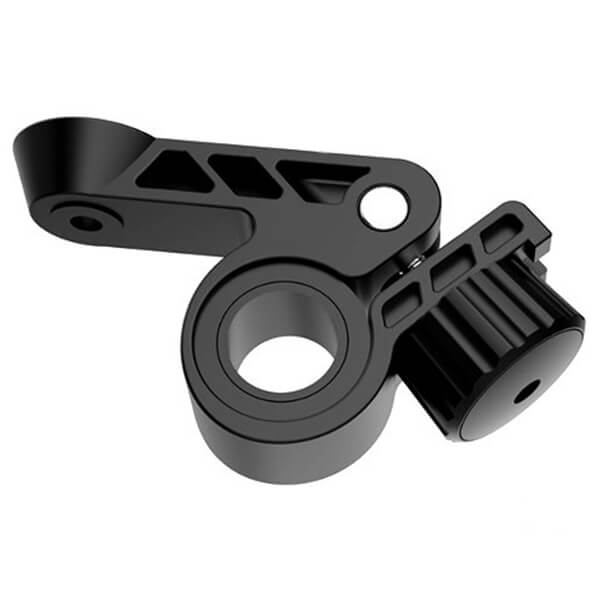
Anodizing
Forms a protective oxide layer on aluminum for improved corrosion resistance and consistent color.
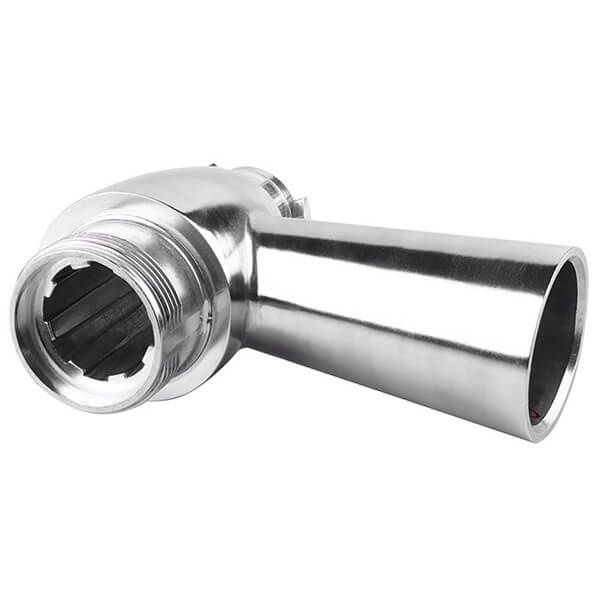
Polishing
Smooths the surface and reduces visible tool marks to achieve a cleaner, more reflective appearance.
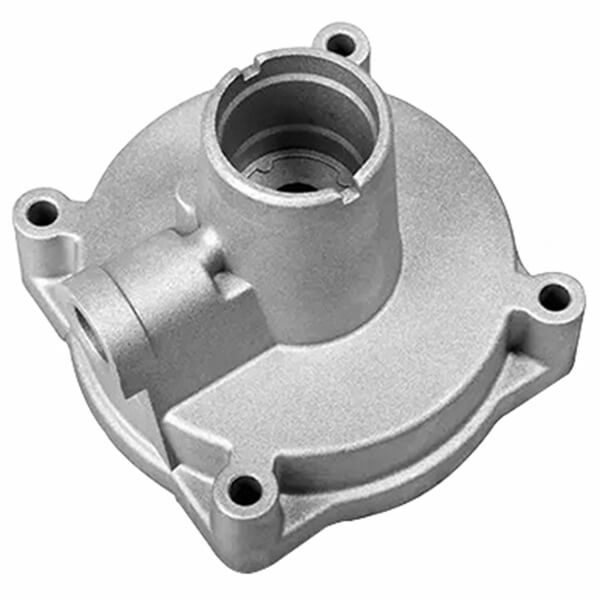
Bead Blasting
Produces an even matte texture and helps reduce the visibility of minor surface marks.
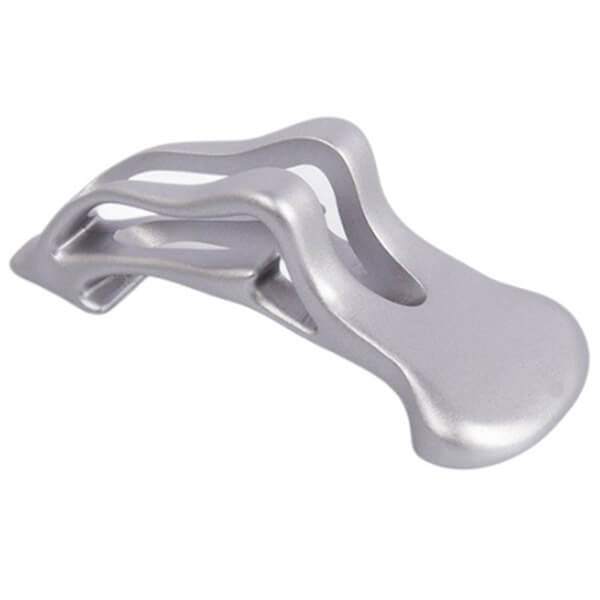
Tumbling
Removes light burrs and rounds sharp edges across batches of small machined parts.
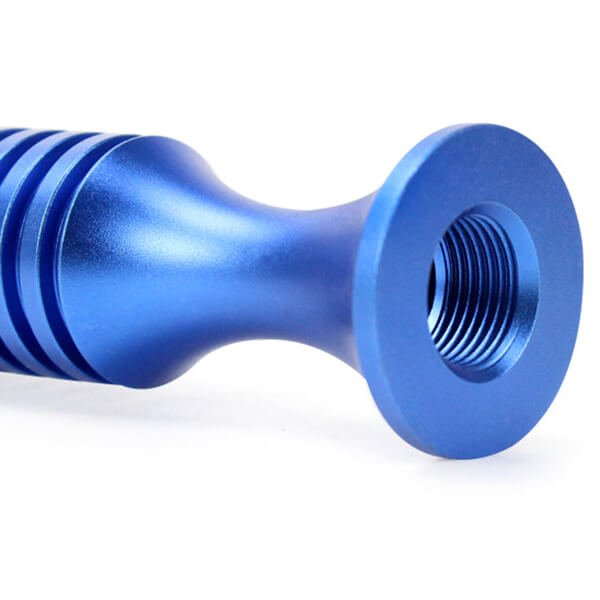
Electropolishing
Smooths stainless steel surfaces through an electrochemical process and reduces microscopic surface irregularities.
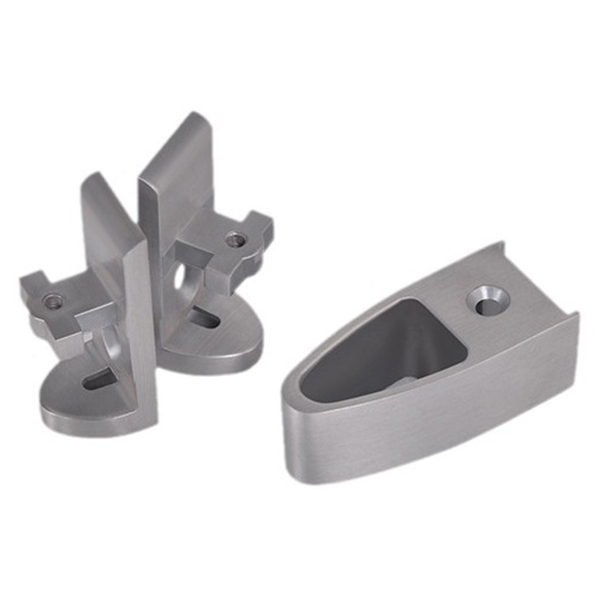
Alodine
Forms a thin conversion coating on aluminum for corrosion protection while maintaining electrical conductivity.
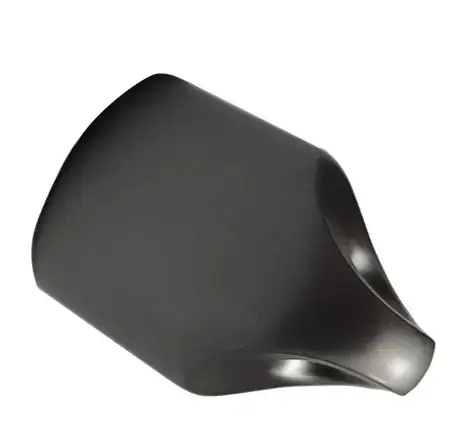
Electroplating
Applies a nickel, chrome, or zinc coating to meet appearance and surface protection requirements.
Design Guidelines for CNC Milling
Tool access, internal corner radii, wall thickness, holes, and tolerances all affect CNC milling. Reviewing these features early helps avoid unnecessary setups and makes critical dimensions easier to machine and inspect.
| Design Feature | Recommended Practice |
|---|---|
| Internal Corners | Add a radius so the cutting tool can reach the corner. |
| Deep Pockets | Allow tool access and avoid more depth than the part requires. |
| Thin Walls | Leave enough material to keep walls stable during machining. |
| Holes & Threads | Use standard sizes where they meet the part’s requirements. |
| Tight Tolerances | Apply them to functional features that need close dimensional control. |
| Multi-Face Features | Identify critical relationships between faces and holes so machining setups can be planned. |
Precision CNC Milling Quality Control
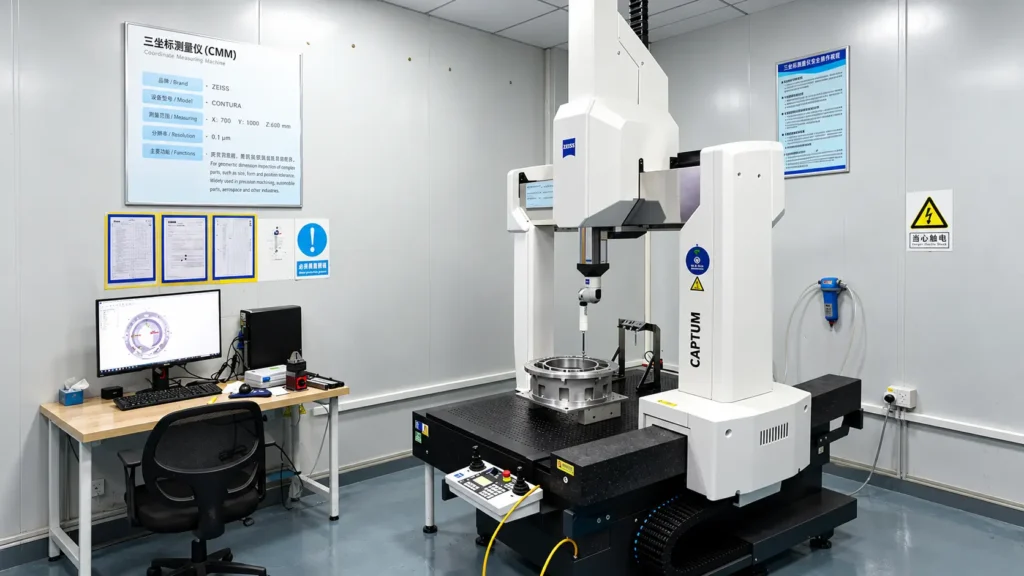
Incoming material is checked against the specified grade. First-article, in-process, and final inspections verify critical features against customer drawings, GD&T, and stated tolerances.
CMMs, height gauges, optical comparators, and pin or plug gauges are selected according to the features being measured. Final visual checks identify burrs, scratches, and surface defects. Inspection reports, material certificates, and FAI reports are available upon request.
From CAD to Finished CNC Milled Parts
A clear four-step process turns your CAD files into finished CNC milled parts through engineering review, controlled machining, inspection, and final delivery.
- 01
Drawing Review
Review CAD files, drawings, materials, tolerances, and critical features before machining begins.
- 02
Process Planning
Plan machining setups, tooling, workholding, and inspection methods around the part geometry and drawing requirements.
- 03
CNC Milling
Machine parts using 3-, 4-, or 5-axis processes, with critical dimensions checked during production.
- 04
Final Inspection
Verify specified dimensions, surface finish, and appearance before the parts are packaged for delivery.
Why Do Engineers Choose ZH Precision?
Selecting the right CNC machining provider is essential for cost efficiency, process consistency, and long-term reliability. At ZH Precision, precise CNC milling, strict process control, and clear technical communication ensure predictable, repeatable, and high-quality results for every project.
DFM Engineering
DFM review helps identify issues involving tool access, workholding, tolerances, and feature design before machining begins.
Flexible Production
Support for prototypes, low-volume orders, and repeat production allows machining plans to adapt as quantities and project requirements change.
One-Stop Service
CNC milling can be coordinated with surface finishing and inspection to deliver completed parts through a streamlined manufacturing workflow.
Frequently Asked Questions
Send your 3D CAD file and, where available, a drawing showing critical dimensions, threads, and inspection requirements. Include the material, quantity, and required delivery date so the quotation covers the complete project.
CNC milling can produce brackets, housings, plates, fixtures, and components with pockets, slots, holes, or features on multiple faces. The suitable machining approach depends on the part geometry and the features that need inspection.
Yes. Send your CAD files, drawings, quantity, and delivery destination for a quotation. ZH Precision manufactures the parts in Dongguan, China, and confirms the production and shipping schedule before the order proceeds.
Part geometry, material, quantity, tolerances, machining setups, and inspection requirements all affect cost. A part that needs several setups or extensive inspection can cost more than a simpler part of similar size.
Choose milling for parts with pockets, slots, flat surfaces, or features on multiple faces. Turning is generally suited to cylindrical features produced by rotating the workpiece; some parts need both processes. Read the detailed milling and turning comparison