Custom CNC Prototyping Services
CNC prototypes machined directly from your CAD files for fit, function, and design validation. Production-grade metals, CNC milling and turning, with support from one-off prototypes to low-volume production.
- Factory-Direct Pricing
- Free DFM Review
- 3–5 Day Delivery
Quality Certifications
ISO 9001:2015 | IATF 16949:2016

STP | STEP | SLDPRT | IPT | PRT | SAT
All uploaded files are secure and confidential.
Trusted by companies like


Engineering-Driven CNC Prototyping Capabilities
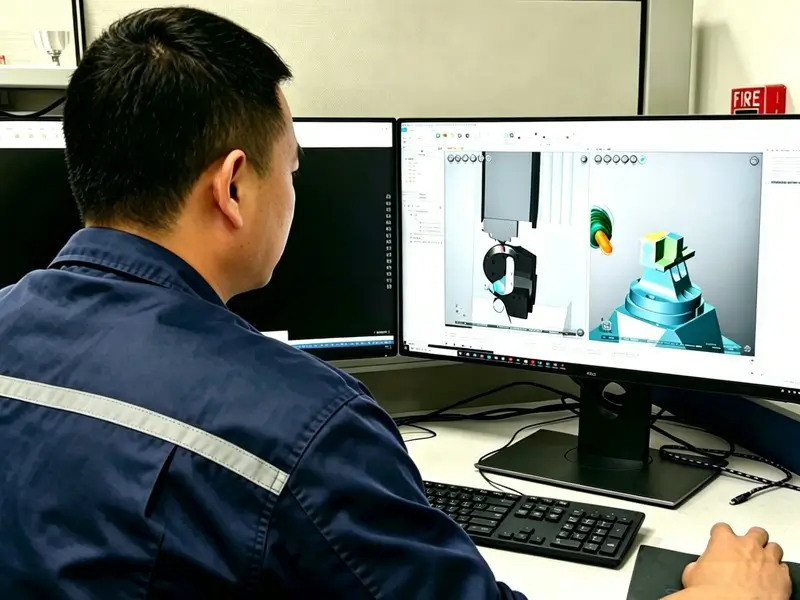
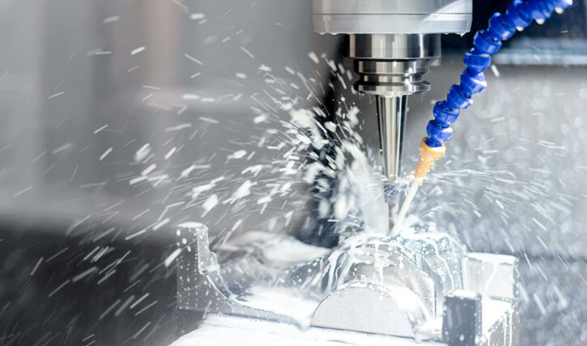
CNC machining produces functional prototypes directly from CAD data using production-grade materials. With 3-axis, 4-axis, 5-axis milling and CNC turning, we support prototype parts ranging from simple components to complex multi-sided geometries for fit, assembly, and performance testing.

CNC Milling Prototype Services
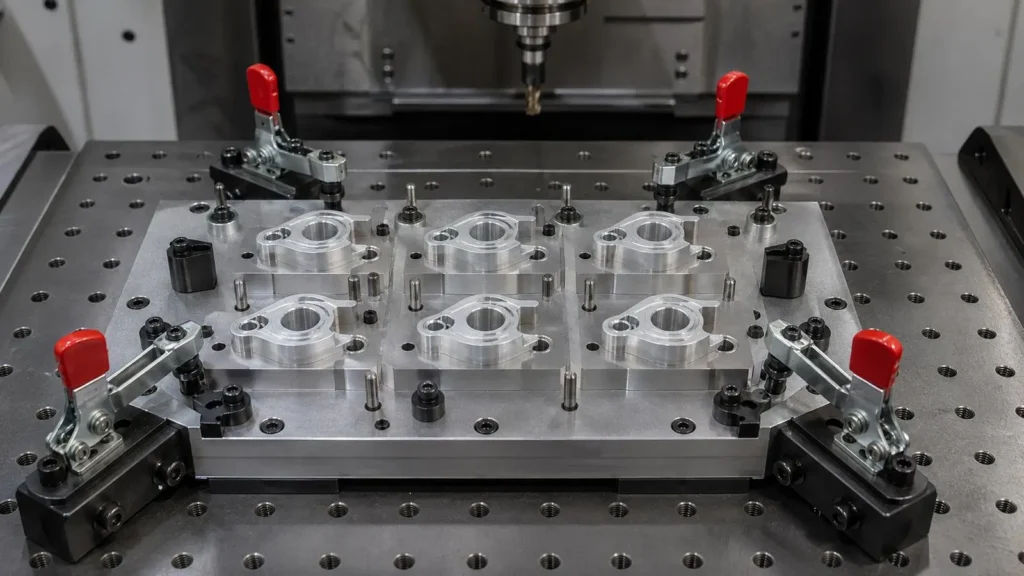
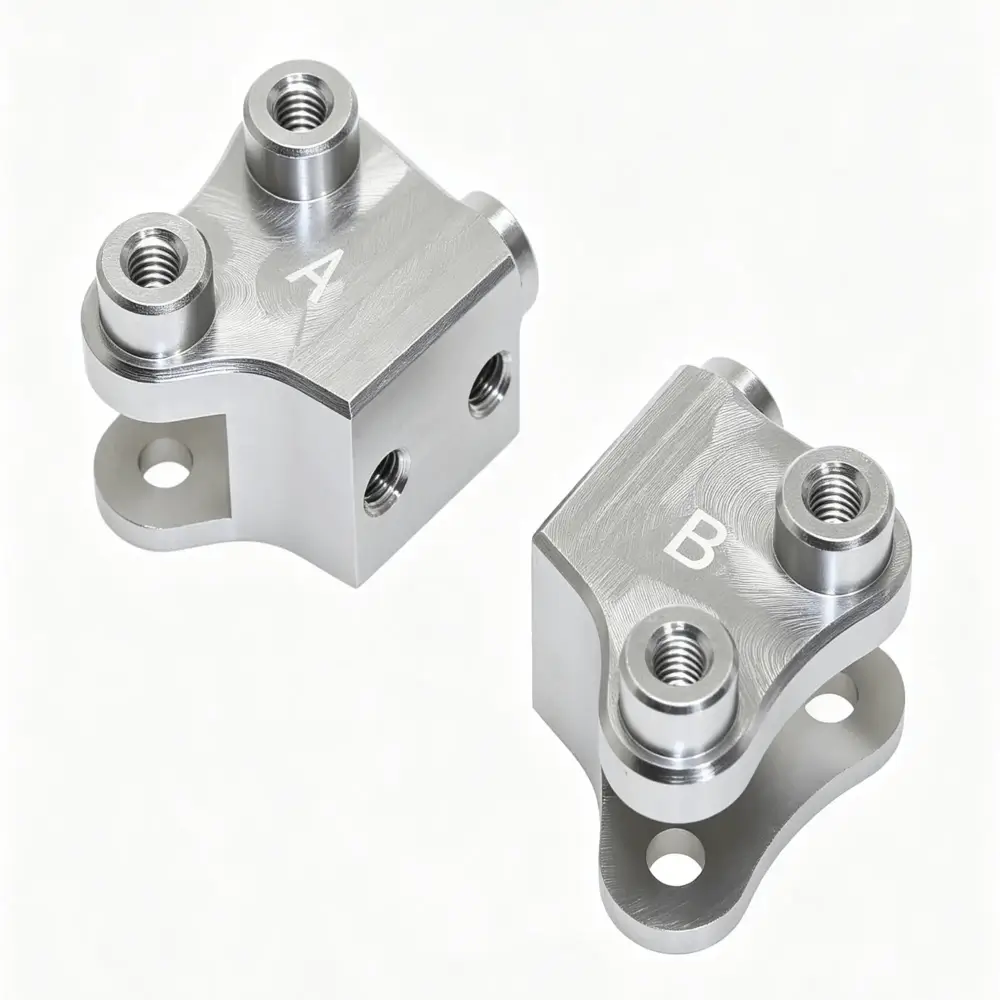
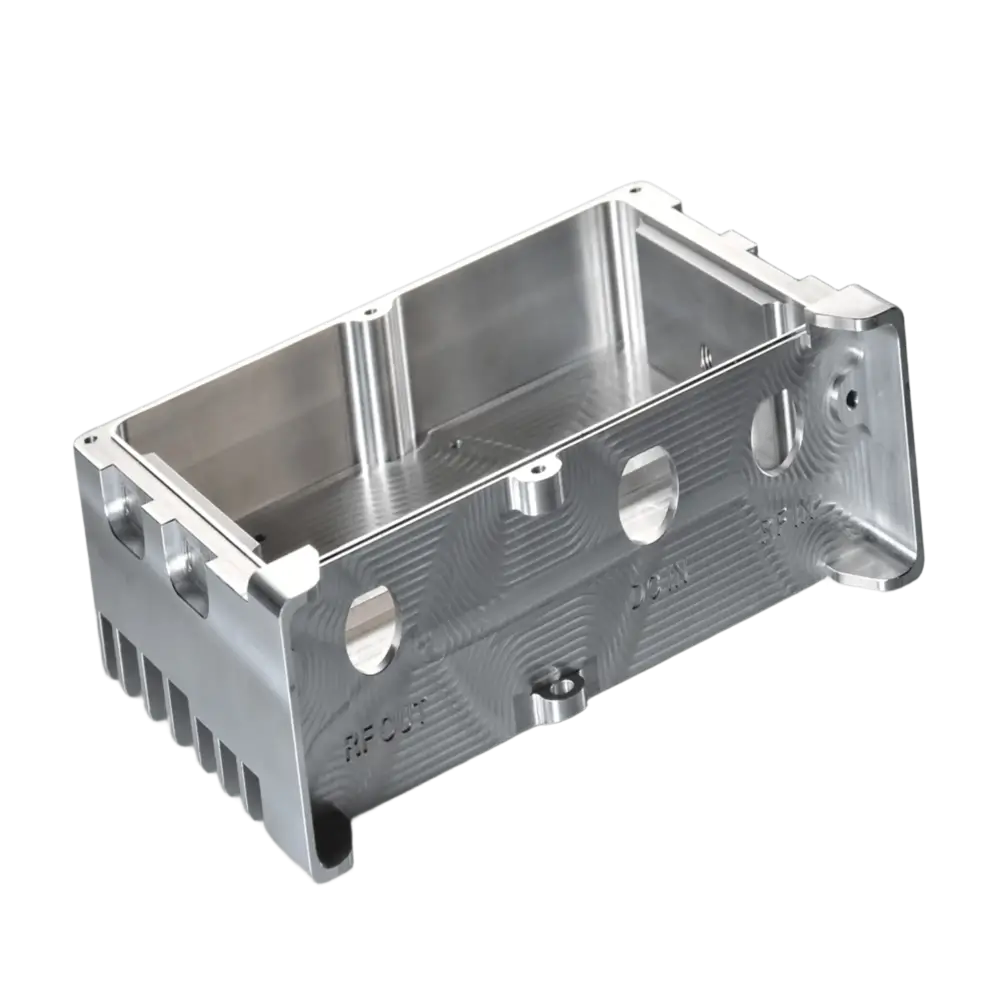
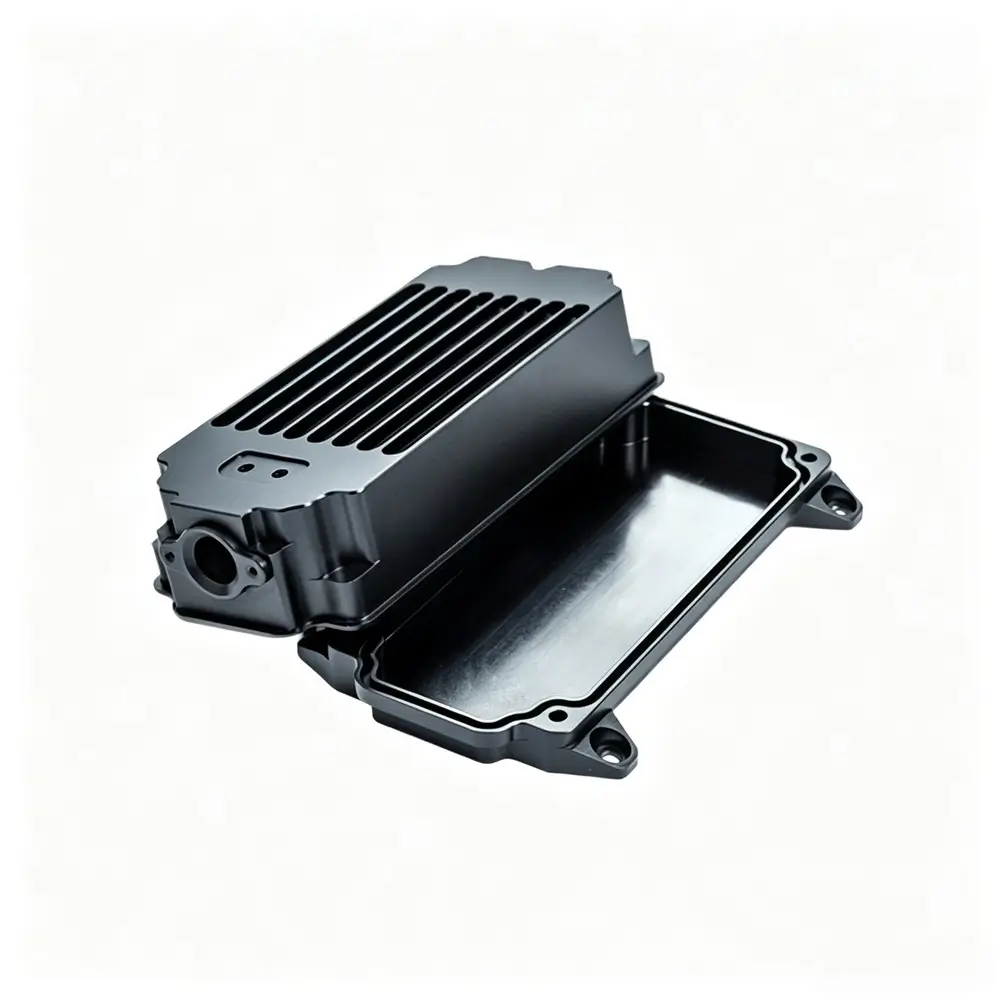
CNC milling is suited for prototype housings, brackets, plates, fixtures, and other parts with pockets, holes, contours, and complex surfaces. 3-axis, 4-axis, and 5-axis machining provide different levels of tool access depending on part geometry.
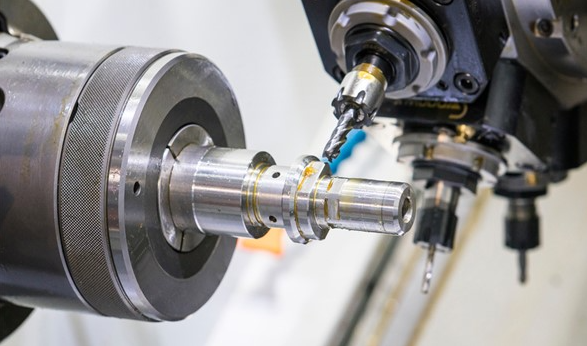
CNC Turning Prototype Services
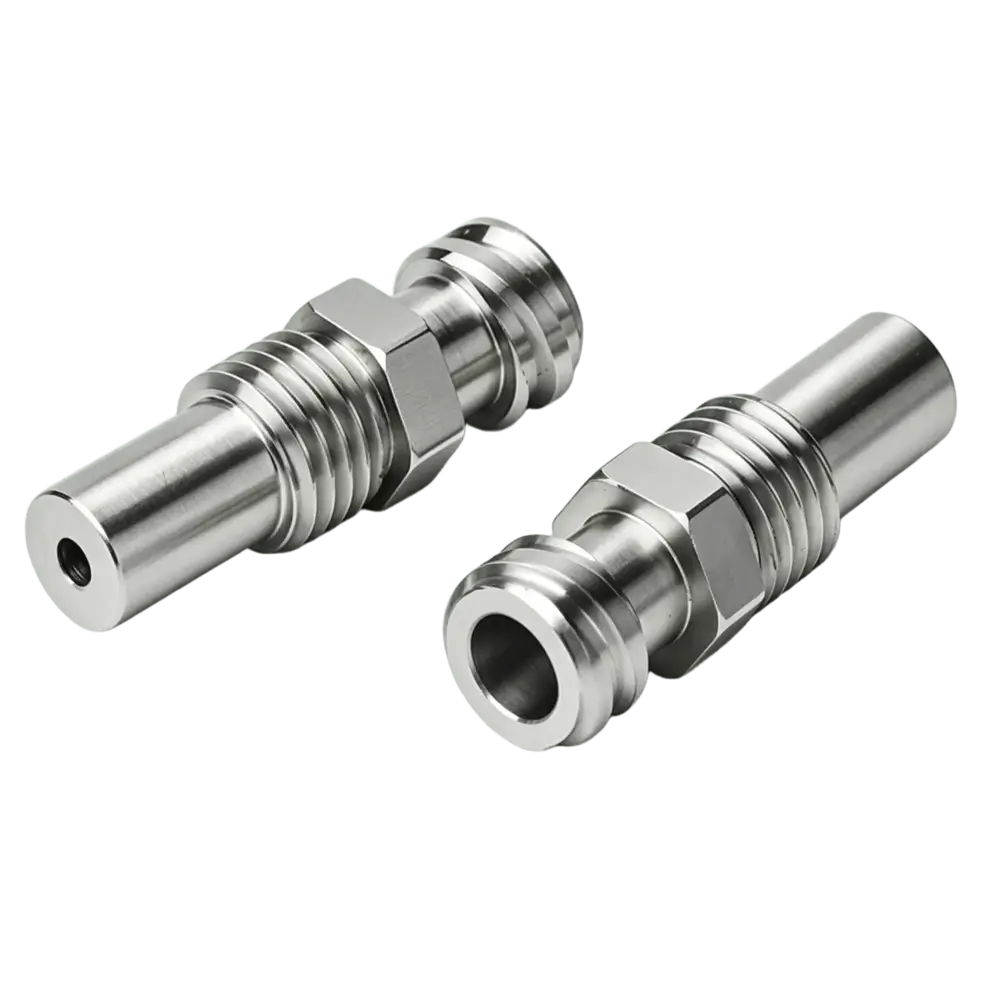
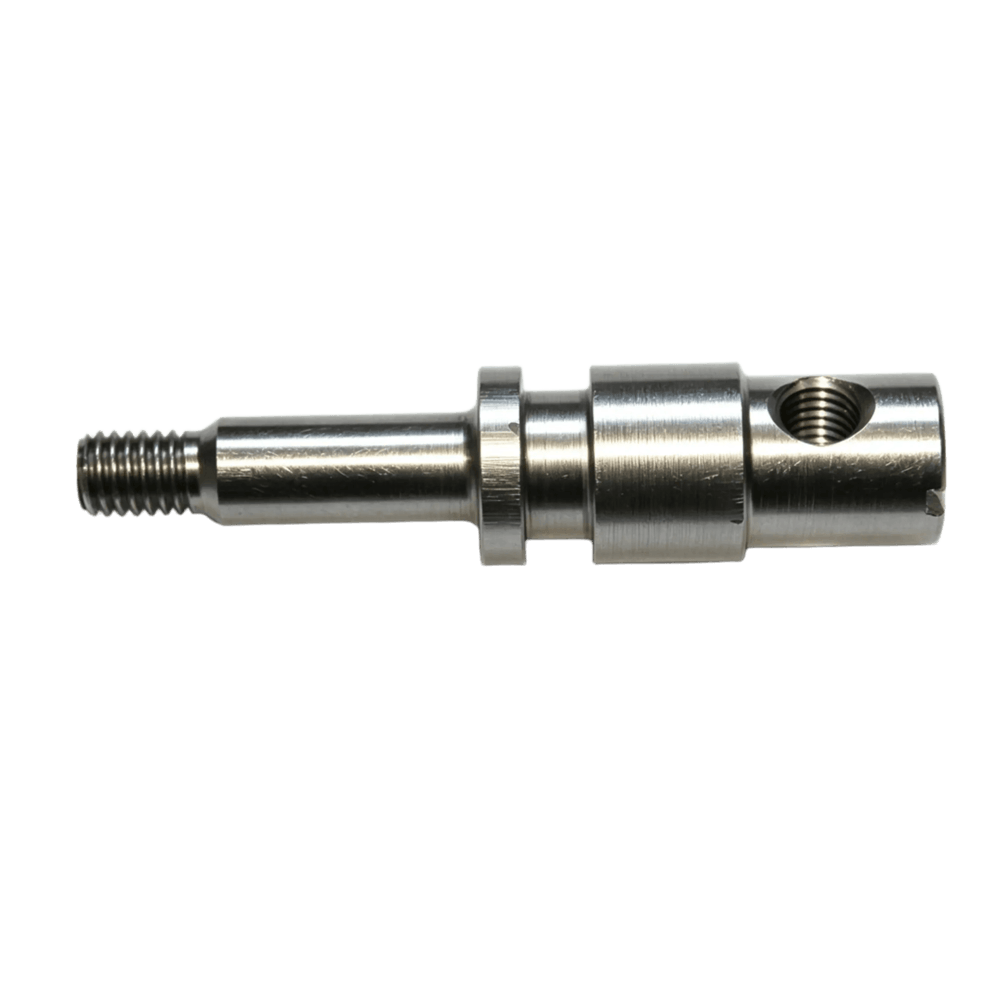
CNC turning supports prototype shafts, bushings, pins, connectors, and other rotational components. Diameters, bores, grooves, threads, and other turned features can be produced directly from customer drawings for fit and assembly evaluation.
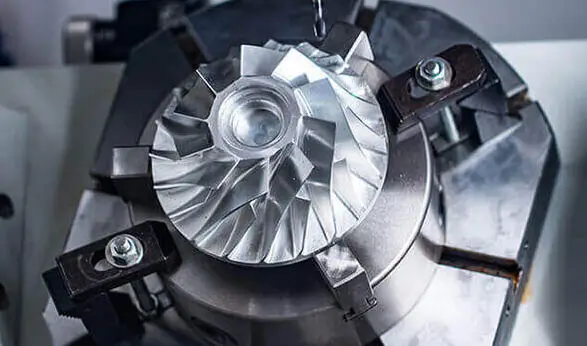
5-Axis CNC Prototyping Services
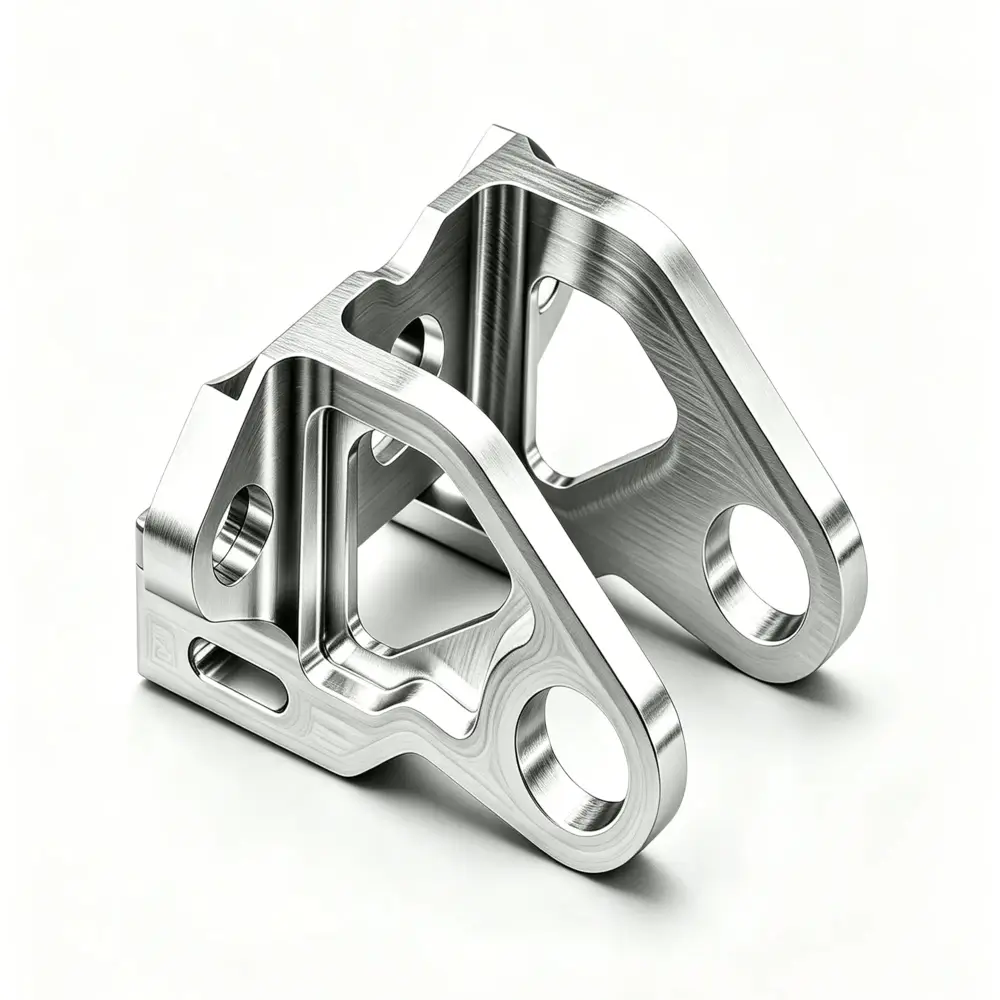
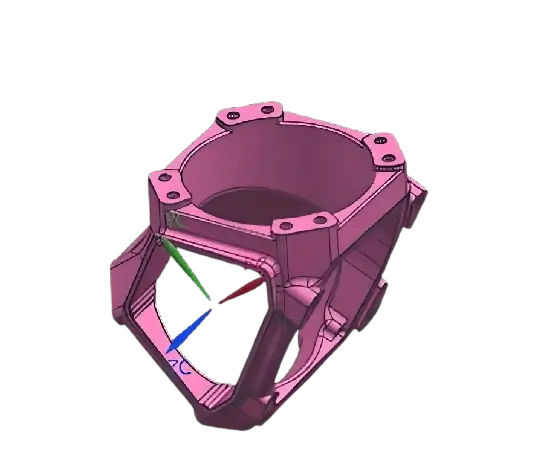
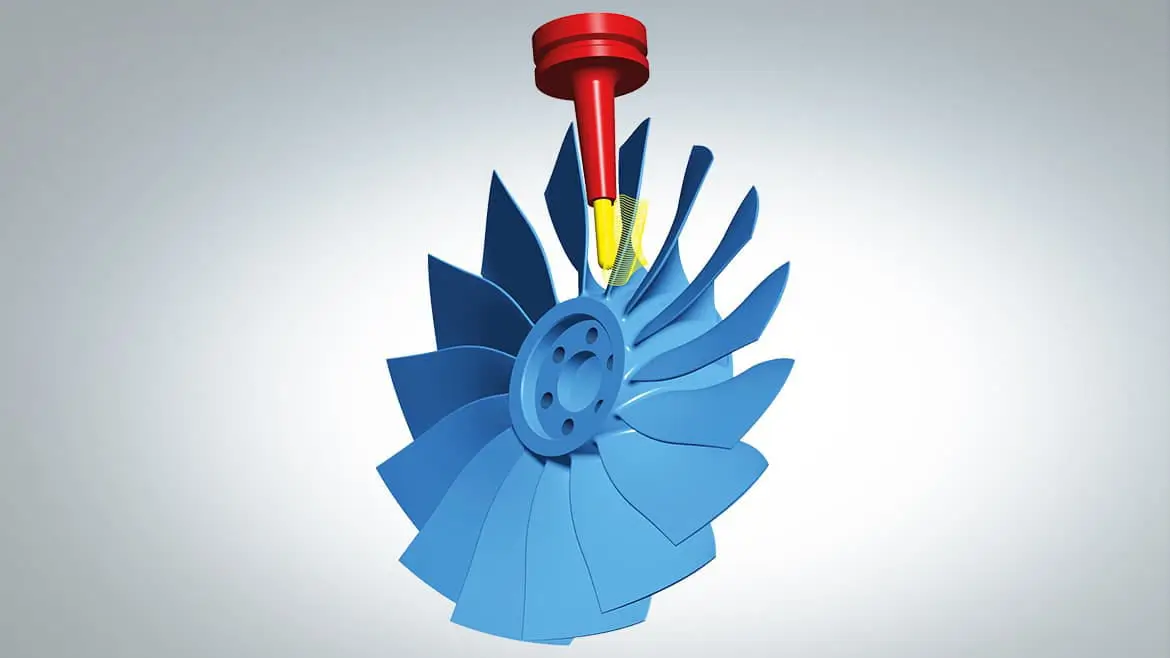
5-axis machining is suitable for prototypes with angled faces, deep cavities, compound surfaces, and features that require access from multiple directions. Fewer setups can also help maintain feature relationships on complex parts.
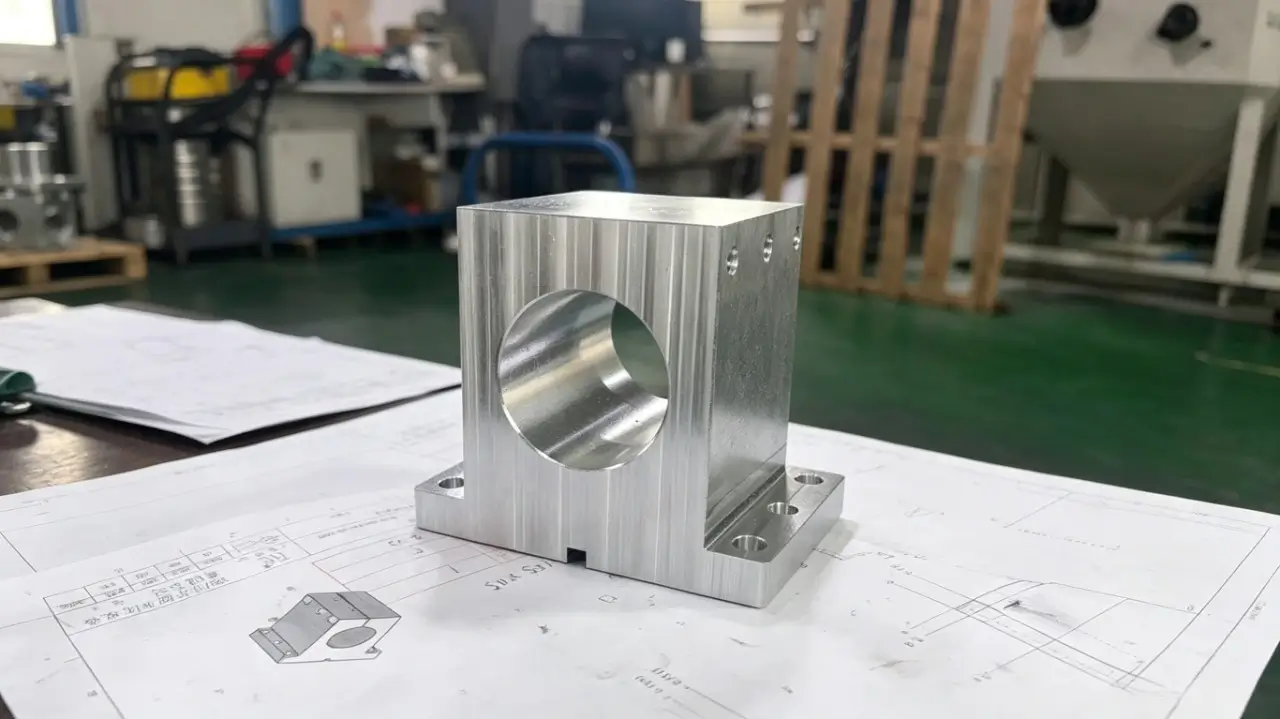
Prototype CNC Machining for Product Development
CNC prototyping supports product development from early design evaluation through functional testing and production preparation. Parts are machined directly from CAD data, allowing engineers to test real materials, verify critical features, and refine the design before committing to production.
Prototype Development
Early prototypes help turn CAD designs into physical parts for form, fit, and assembly checks. Using the intended material can also provide a more realistic understanding of how the part will behave in the final product.

Engineering Validation and Testing
Functional prototypes can be used to verify critical dimensions, mating features, mechanical performance, and assembly conditions. Issues found at this stage are easier to correct before larger quantities are produced.

Design Refinement
Test results can reveal where geometry, tolerances, wall thickness, hole locations, or other features need adjustment. Updated CAD data can then be machined again without dedicated tooling, making CNC prototyping suitable for multiple design iterations.

Production Transition
Once the design is validated, prototype results can be used to finalize tolerances, machining requirements, inspection methods, and production quantities. This helps reduce uncertainty when moving from prototype builds into low-volume or repeat production.

How To Get a Quote for CNC Machined Parts
Simply upload your CAD files to receive a free DFM assessment and formal quotation within 12 working hours. We deliver transparent quotes tailored to balance cost, quality and lead time for your custom CNC machined components.
CNC Prototype Manufacturer in China with Global Shipping
ZH Precision provides in-house CNC prototyping for custom metal parts using 3-axis, 4-axis, 5-axis milling and CNC turning. With more than 30 CNC machines, we support one-off prototypes, design iterations, and low-volume production for parts with different geometries, materials, and tolerance requirements.
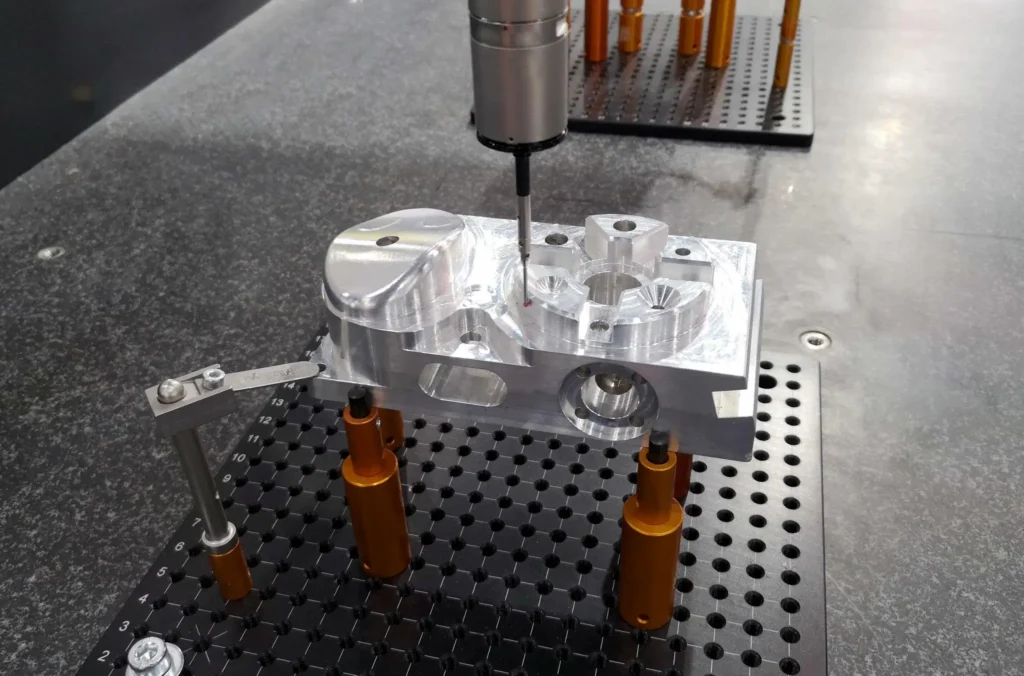
Our quality system is certified to ISO 9001:2015 and IATF 16949:2016. Prototype projects follow controlled machining, in-process inspection, and final dimensional verification before shipment.
We support engineering teams in Europe, North America, and other international markets. Typical CNC prototype lead time is 3–5 working days, depending on part complexity, material, quantity, tolerance requirements, and finishing needs. Global express shipping is available for completed parts.
Materials for CNC Prototypes
CNC prototypes can be machined from production-grade metals, allowing engineers to evaluate part performance using the same or similar material planned for final production. We support aluminum, stainless steel, carbon steel, brass, copper, titanium, and other engineering alloys, with material recommendations available when required.
🔍 Not sure which material to choose? Our engineers provide DFM feedback and material recommendations based on part function, machining requirements, and application conditions.
Typical lead times and relative costs are for general reference only. Actual lead time and pricing depend on part geometry, quantity, tolerances, material availability, surface finishing, and inspection requirements.
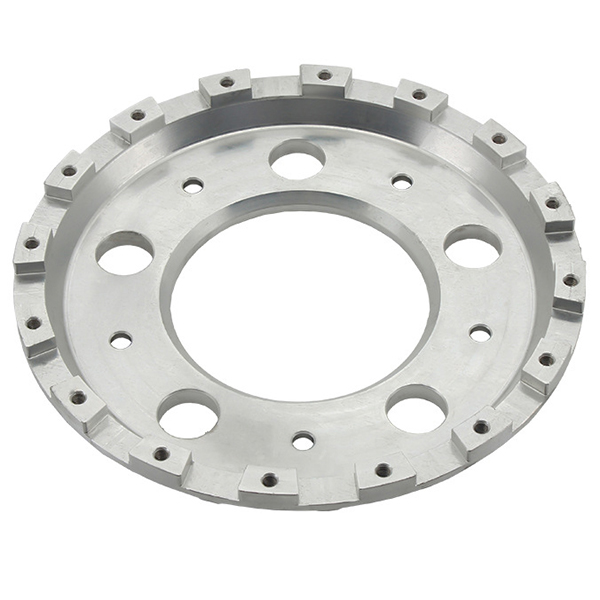
Surface Finishing for CNC Prototype Parts
Custom surface finishes are available for CNC prototypes, including deburring, anodizing, sandblasting and polishing. We control color difference strictly by visual inspection and color testing instruments, and provide production-matching surface treatments for reliable functional and appearance verification.

As Machined
Basic finishing with deburring and cleaning. Retains original machining textures and precise dimensions, ideal for pure functional prototype testing.
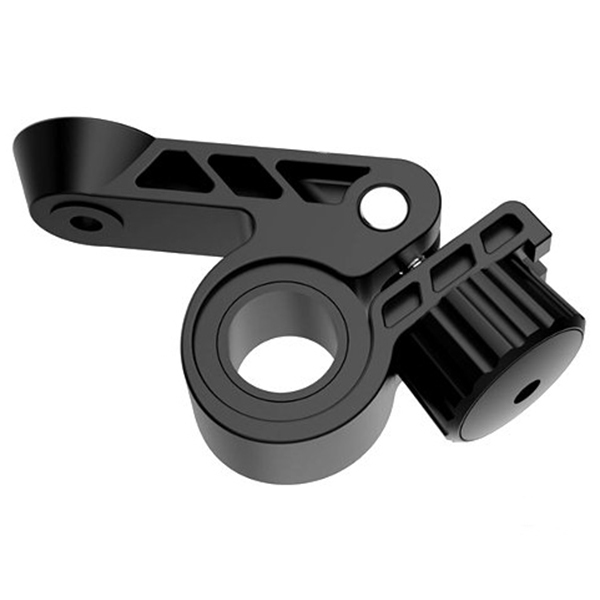
Anodizing
Premium aluminum coating in decorative and hard types. Offers stable colors, strong corrosion resistance and consistent surface quality for prototypes.
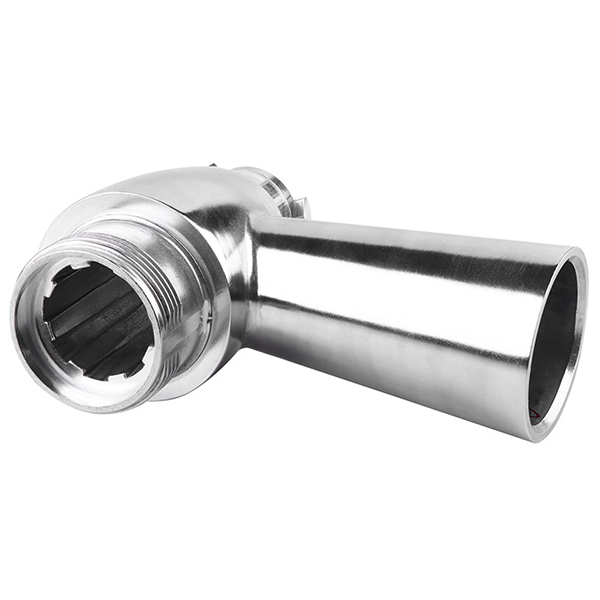
Polishing
Fine smoothing treatment to eliminate tool marks. Delivers uniform satin or mirror finishes for aesthetic display and presentation parts.
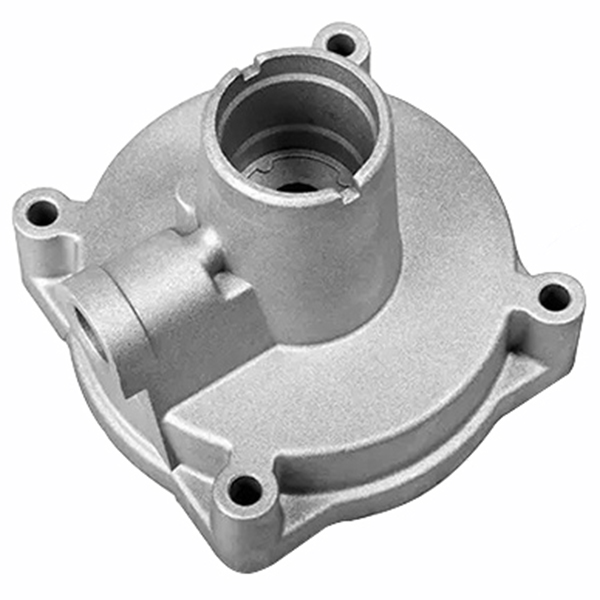
Sand Blasting
Uniform matte texturing that conceals minor machining flaws. Provides clean, even surfaces for standalone use or further coating processing.
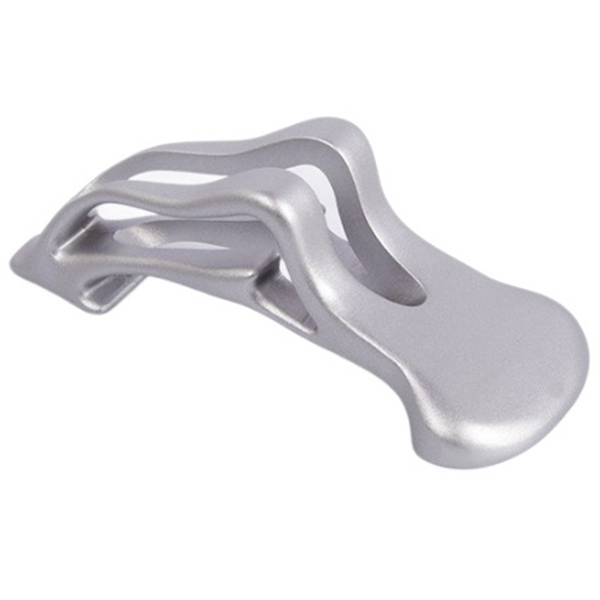
Tumbling
Batch barrel finishing for edge rounding and deburring. Creates smooth, consistent matte surfaces for small-batch prototype components.
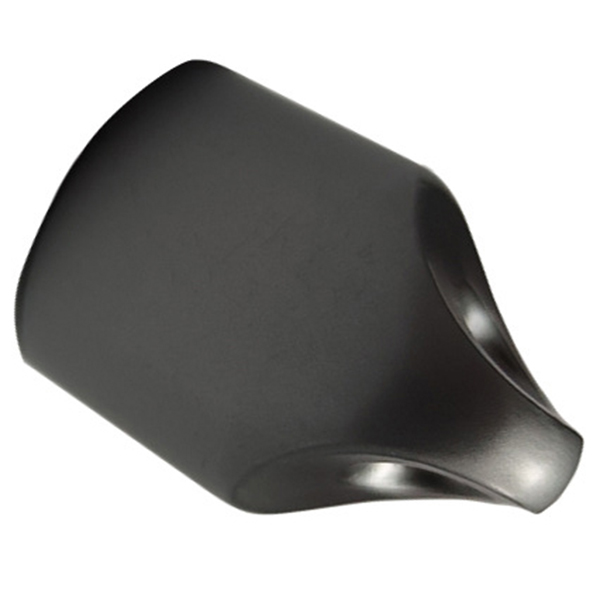
Electropolishing
Chemical brightening for stainless steel parts. Refines surface texture, improves luster and enhances corrosion resistance effectively.
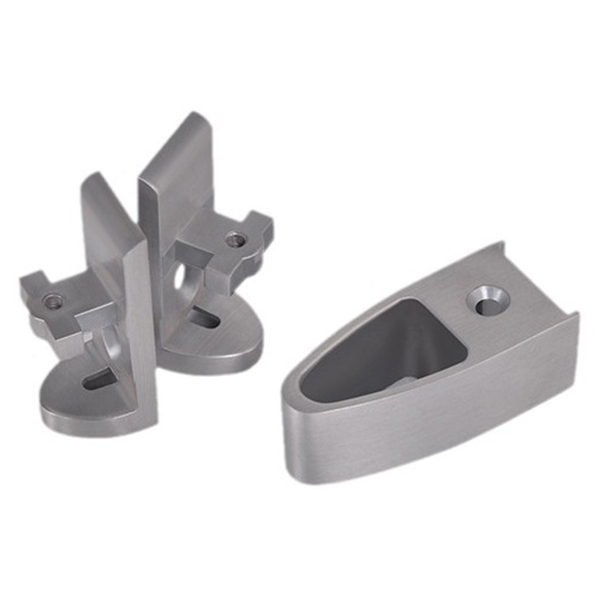
Alodine
Thin protective conversion coating for aluminum. Improves adhesion and anti-corrosion performance while preserving original surface tone.
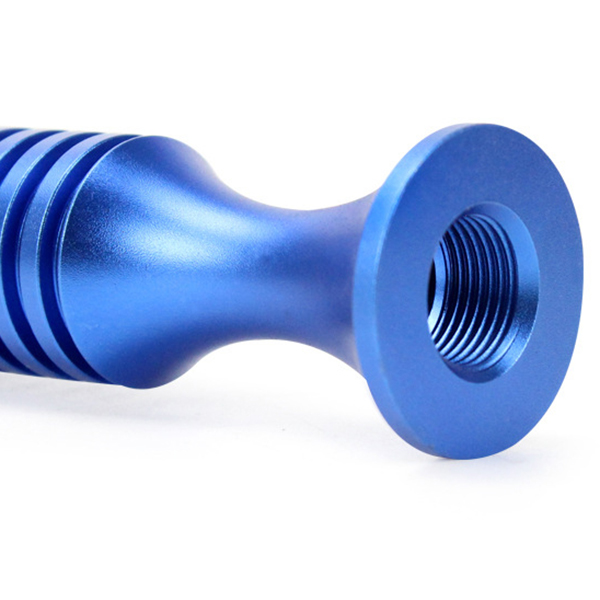
Electroplating
Functional metal plating such as nickel and chrome. Boosts surface hardness, wear resistance and cosmetic appearance of prototypes.
DFM Guidelines for CNC Prototyping
Follow our standardized DFM design principles to avoid unmanufacturable geometries, tool interference and dimensional deviations, so you can get precise, cost-effective CNC prototypes delivered with faster lead times.
| DFM Design Rule | Design Recommendation |
|---|---|
| Internal Corner Radii | Avoid sharp inner corners. Use standard tool radii for all pockets and slots for smooth machining. |
| Minimum Wall Thickness | Maintain min 1.0mm for aluminum parts and min 1.5mm for steel parts. |
| Dimensional Tolerances | Apply tight tolerances only to critical mating, sealing and locating features. |
| Deep Slots & Blind Holes | Keep a reasonable depth-to-width ratio and avoid overly narrow and deep cavities. |
| Undercut Features | Avoid enclosed undercuts and tool-blocked geometries that cannot be directly machined. |
| Setup & Fixturing | Optimize part geometry to minimize repeated re-clamping and re-positioning. |
| Surface Finishing Setup | Specify surface treatments based on your testing needs and final production standards. |
What is CNC Prototyping?
CNC prototyping refers to subtractive machining manufacturing that creates solid physical samples from solid metal blanks via computer-controlled cutting tools. Based on your CAD drawings, our multi-axis CNC mills and lathes precisely remove excess material to replicate parts with identical geometry, wall thickness and dimensional tolerances matching mass-produced components.
These machined prototypes are widely used for design validation, mechanical assembly testing, fit checking and pre-production performance verification. We provide finish options ranging from raw machined surfaces to production-matching anodizing, polishing and sandblasting, delivering samples that reflect the exact appearance and functional properties of finished mass parts.
Frequently Asked Questions
All prototyping strictly adheres to mass-production-oriented DFM standards. We eliminate non-transferable prototype-specific structures, optimize fixturing schemes and toolpath trajectories in advance. This ensures your finalized design can be seamlessly scaled to batch production without structural revision or process reconfiguration.
We implement GD&T-compliant hierarchical tolerance management for critical datums and mating features. Unified benchmark calibration and inter-component dimensional verification are conducted to suppress cumulative tolerance errors, guaranteeing precise fit and assembly consistency for matched prototype sets.
A mandatory full-cycle DFM feasibility audit is implemented for all projects prior to production. Our engineering team systematically identifies tool interference, un-fixturable geometries, unreasonable aspect ratios and other process risks, and provides formal optimized design proposals for confirmation to prevent machining rework and delivery delays.
We deliver standardized First Article Inspection (FAI) reports and complete dimensional inspection traceability documents. All files conform to ISO 9001 and IATF 16949 quality system specifications, fully meeting enterprise engineering verification, project auditing and formal document filing requirements.
For thin-walled, deep-cavity and high-aspect-ratio structural parts, we adopt customized stress-balanced machining processes and post-processing stress relief treatment. Strict dimensional stability testing is performed before delivery to eliminate residual stress-induced warping and dimensional drift, ensuring long-term structural stability of prototypes.