
Magnesium Die Casting Services
Custom magnesium die casting for lightweight housings, frames, and structural components. Services cover tooling development, high-pressure die casting, CNC machining, surface finishing, and dimensional inspection to your drawing requirements.
- Lightweight Magnesium Parts
- Custom Die Casting Solutions
- Integrated Manufacturing Support
Quality Certifications
ISO 9001:2015 | IATF 16949:2016
STP | STEP | SLDPRT | IPT | PRT | SAT
All uploaded files are secure and confidential.
Trusted by companies like


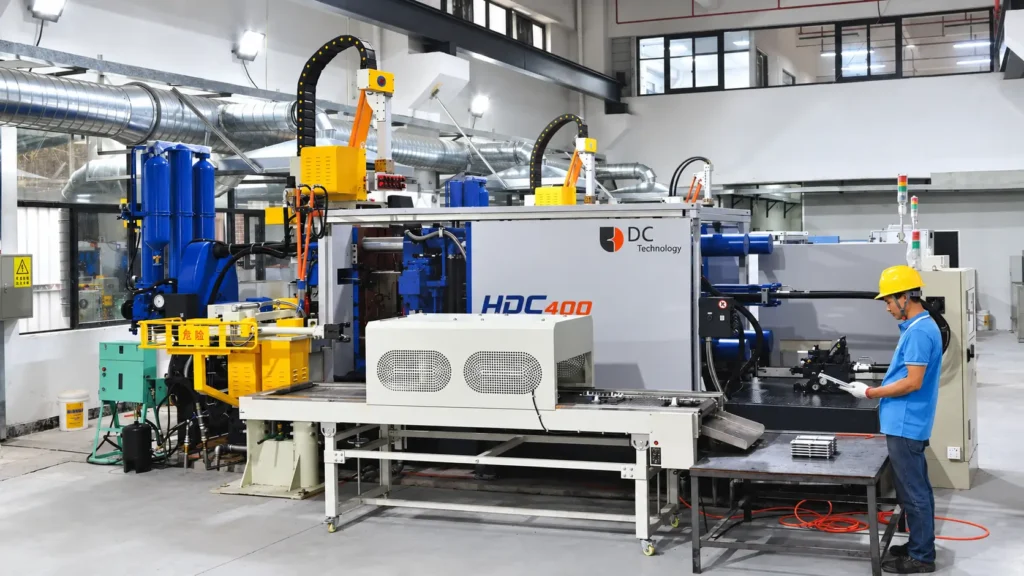
Magnesium Die Casting Manufacturer in China
Zhonghui Precision manufactures custom magnesium alloy parts at our dedicated die casting workshops in Dongguan, China. Equipped with LK and Haitian machines, our factory supports sample development, batch production, and ongoing high-volume orders.
We produce housings, covers, frames, and structural components with thin walls, reinforcing ribs, mounting bosses, and complex cavities. Our capabilities cover mold design and manufacturing, trial casting, and volume production, supported by secondary CNC machining, surface finishing, and dimensional inspection to deliver finished parts to your specifications.
Magnesium Die Casting Manufacturing Process
Every magnesium casting project starts with your drawing and the requirements that matter most to the finished part. Zhonghui Precision identifies casting constraints, critical machined features, and inspection points early, so you receive a clear manufacturing plan before tooling begins.
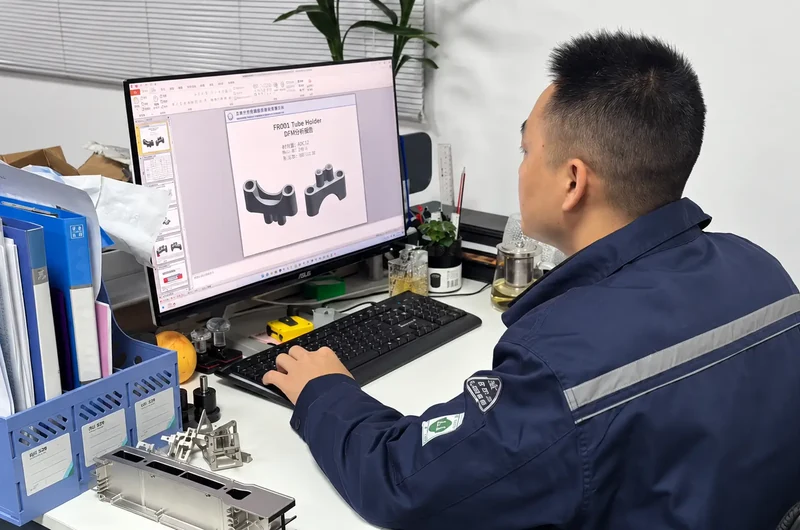
Part Design Review
Our engineers review drawings, wall thickness, draft angles, and critical dimensions. Features affecting casting or machining are identified before mold development.
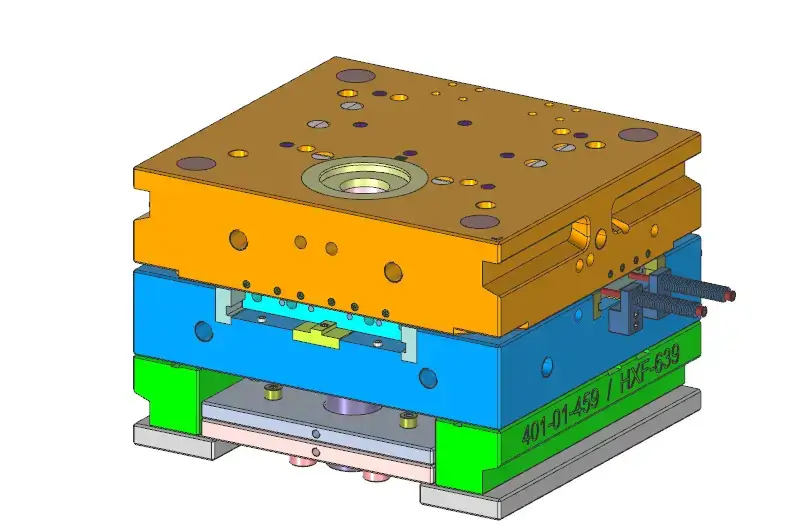
Mold Making
The steel die is designed and manufactured for the part geometry and casting requirements. Trial castings are checked, and the die is adjusted before production begins.
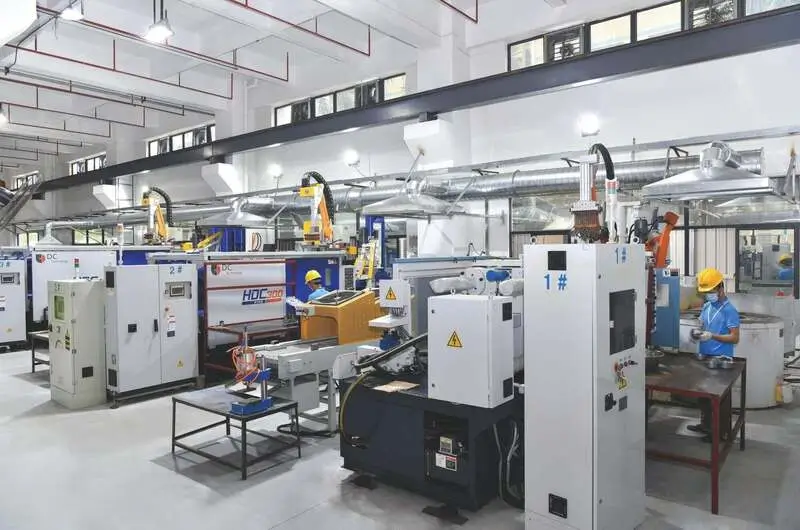
Cold-Chamber Die Casting
Molten magnesium alloy is poured into the shot sleeve and injected into the steel die under pressure. The metal solidifies in the die before the casting is ejected.
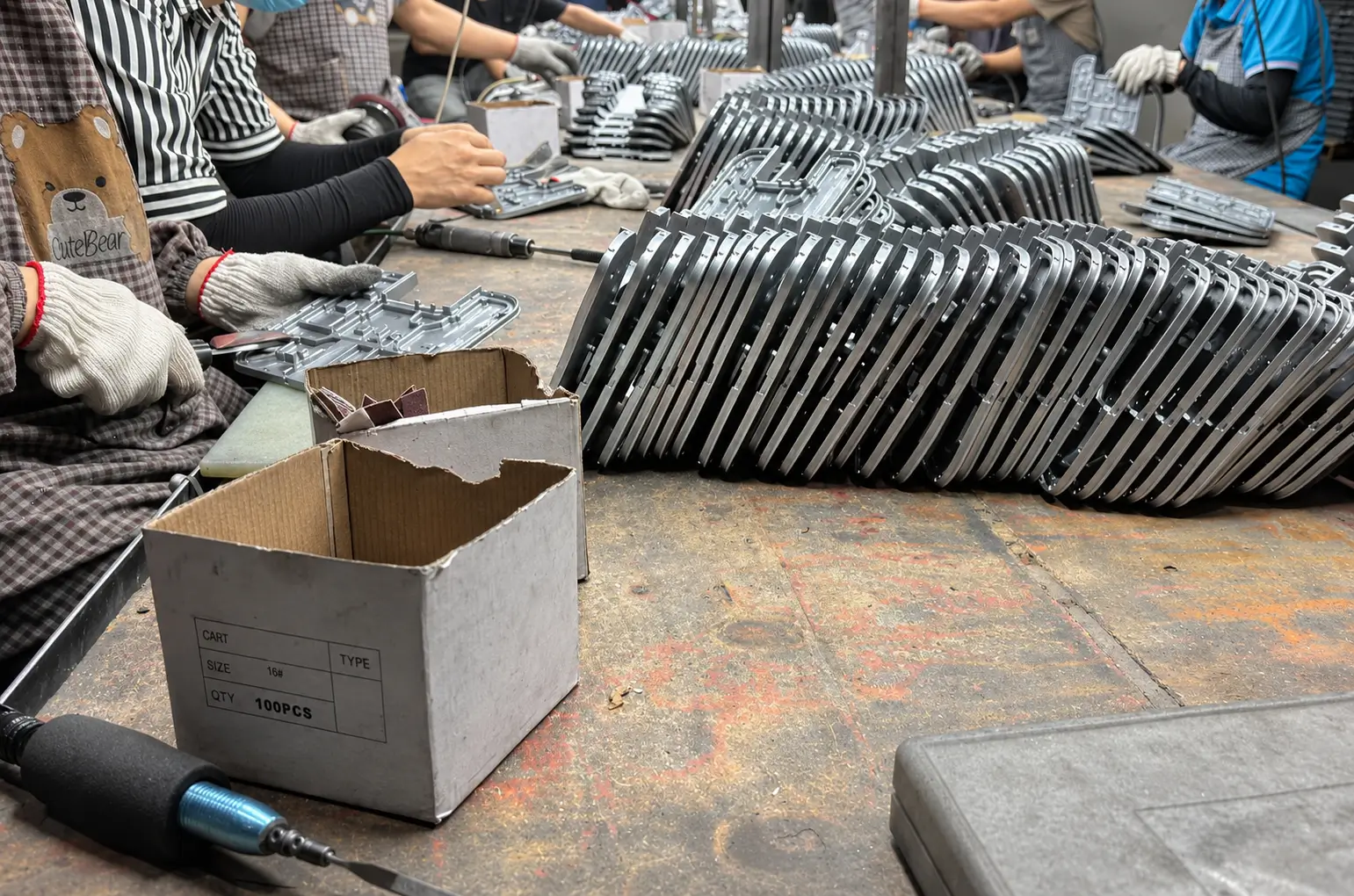
Trimming & Deburring
Gates and excess material are removed from each casting. Edges and parting lines are deburred, with local grinding performed where the drawing or surface requirements call for it.
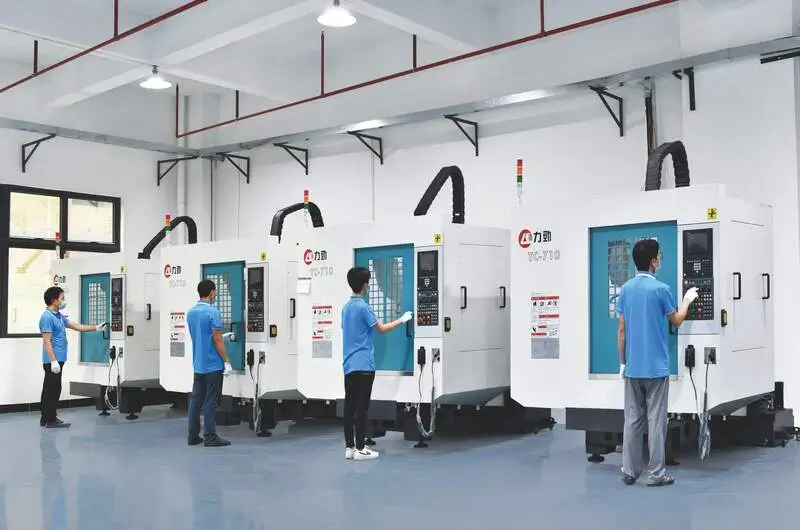
CNC Machining
Holes, mating surfaces, and other specified features are machined where tighter tolerances are required. The completed features are measured and checked against the part drawing.

Final Inspection
Finished parts are checked for dimensions, visible casting defects, and surface requirements. Inspection results are reviewed before shipment.
Get Your Custom Magnesium Die Casting Quote
Need reliable magnesium die casting for lightweight OEM parts? Send your design files today, and our specialist team will provide detailed manufacturing solutions and accurate pricing quickly.
Magnesium Die Casting Materials
We enforce rigid controls over aluminum alloy composition, batch uniformity and full material traceability for consistent casting performance. All selected aluminum alloys come complete with MTC material test certificates and inspection records to validate chemical makeup and mechanical properties.
AZ91D Magnesium Alloy
AZ91D is a widely used magnesium die casting alloy that balances strength, castability, and corrosion resistance. It suits lightweight parts with ribs, bosses, and integrated mounting features, particularly where dimensional stability and structural strength are more important than high ductility.
Key Features: Good mold filling and strength; suitable for complex lightweight components.
Typical Applications: Electronic housings, equipment covers, power tool housings, and mounting brackets.
AM60B Magnesium Alloy
AM60B combines strength, ductility, and toughness for magnesium die cast components subject to impact or mechanical loading. It is often selected for lightweight structural parts that need greater deformation capacity and energy absorption than AZ91D.
Key Features: Good elongation and energy absorption; suitable for lightweight structural parts.
Typical Applications: Seat frames, instrument panel structures, steering wheel frames, and automotive brackets.
AM50A Magnesium Alloy
AM50A is a magnesium-aluminum-manganese die casting alloy selected when ductility and toughness take priority over maximum strength. Its ability to accommodate deformation makes it an option for structural components with impact-related requirements, with performance evaluated against the part’s geometry and loading conditions.
Key Features: High elongation and impact resistance; lower strength than AZ91D.
Typical Applications: Automotive interior structures, steering wheel frames, seat components, and structural supports.
AE44 Magnesium Alloy
AE44 is a magnesium-aluminum-rare-earth die casting alloy developed for components operating at elevated temperatures under sustained loads. Compared with conventional AZ91D and AM-series alloys, it offers improved resistance to creep, helping limit time-dependent deformation in thermally demanding applications.
Key Features: Improved high-temperature strength and creep resistance.
Typical Applications: Powertrain housings, oil pans, engine brackets, and transmission-related components.
Magnesium Die Casting Tolerances
Custom magnesium die castings are produced to customer drawings and specified tolerances. Zhonghui Precision combines process control with magnesium casting experience to maintain dimensional accuracy and consistent quality across production batches.
| Description | Specification |
|---|---|
| Casting Standard | ISO 8062-3 |
| General Machining Tolerance | ISO 2768-m |
| Dimensional Tolerance | ±0.05 mm – ±0.10 mm |
| Machined Feature Tolerance | ±0.01 mm |
| Minimum Wall Thickness | 0.4 mm |
| Maximum Part Size | 500 × 350 × 100 mm |
| Prototype Lead Time | 3–5 working days |
| Mass Production Lead Time | 25–30 working days |
Surface Finishes for Magnesium Die Cast Parts
Various surface treatments are available for magnesium die cast parts, including conversion coating, anodizing, powder coating, painting, and plating to meet different protection and appearance requirements.
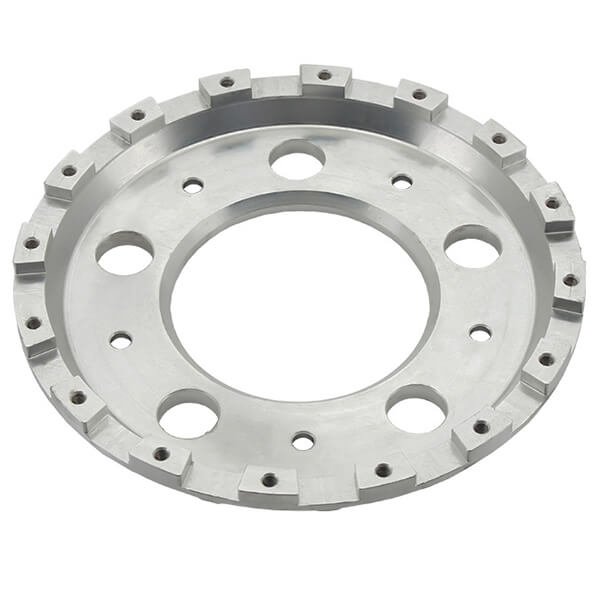
As Cast
Maintains the original die casting surface with natural texture and appearance.
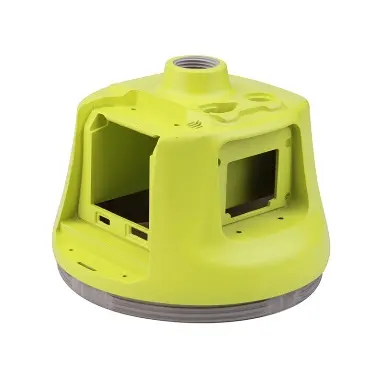
Oil Spray
Applies protective oil coating to improve corrosion resistance and surface protection.
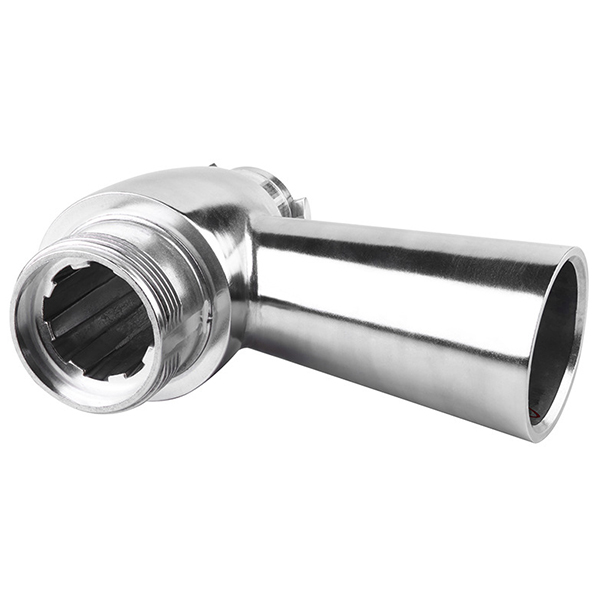
Polishing
Improves surface smoothness and enhances the appearance of magnesium die cast parts.
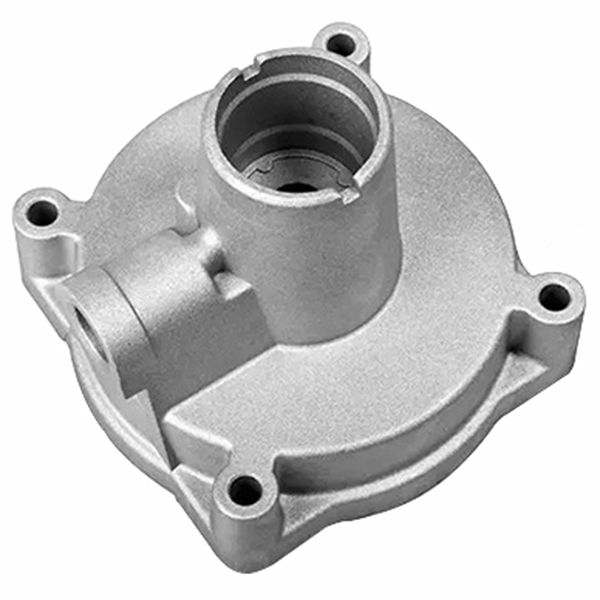
Sand Blasting
Creates uniform surface texture and improves coating adhesion and appearance quality.
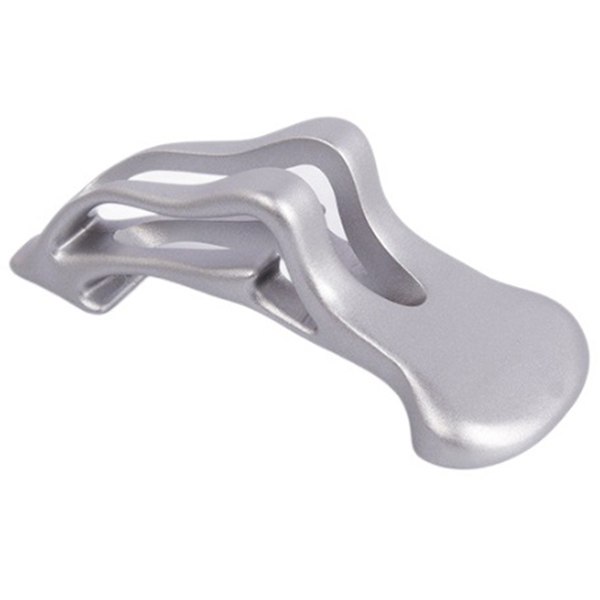
Tumbling
Removes sharp edges and improves surface consistency for finished components.
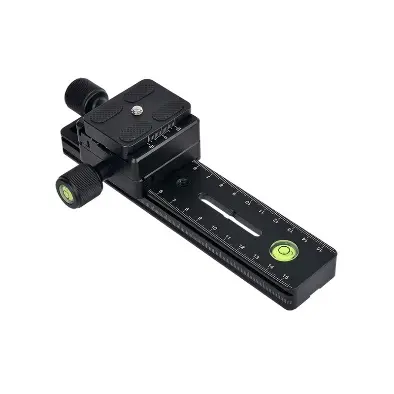
Laser Carving
Provides permanent markings for logos, serial numbers, and part identification.
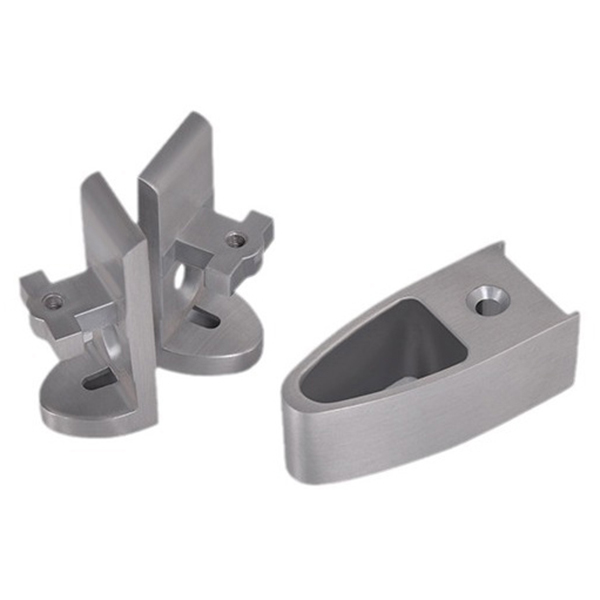
Alodine
Applies chemical conversion coating to improve corrosion resistance and surface protection.
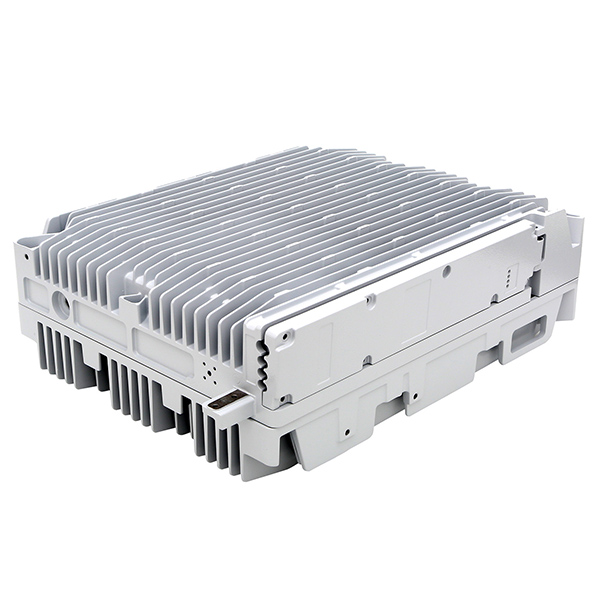
Powder Coating
Applies durable coatings to improve corrosion resistance and provide color options.
Why Choose Zhonghui Precision for Magnesium Die Casting?
Reliable service makes custom projects easier to manage. Zhonghui Precision responds to technical questions, accommodates drawing changes, and keeps customers informed about samples, production progress, and delivery schedules.
Lightweight Design
Our team reviews ribs, wall sections, and mounting features to identify practical weight-saving opportunities while accounting for stiffness and casting feasibility.
Finished-Part Supply
Die casting, trimming, CNC machining, and protective finishing are coordinated around your drawing, including precision interfaces and coating requirements.
Flexible Cooperation
Support includes early feasibility discussions, sample evaluation, and production planning, with drawing revisions and order schedules coordinated as your project develops.
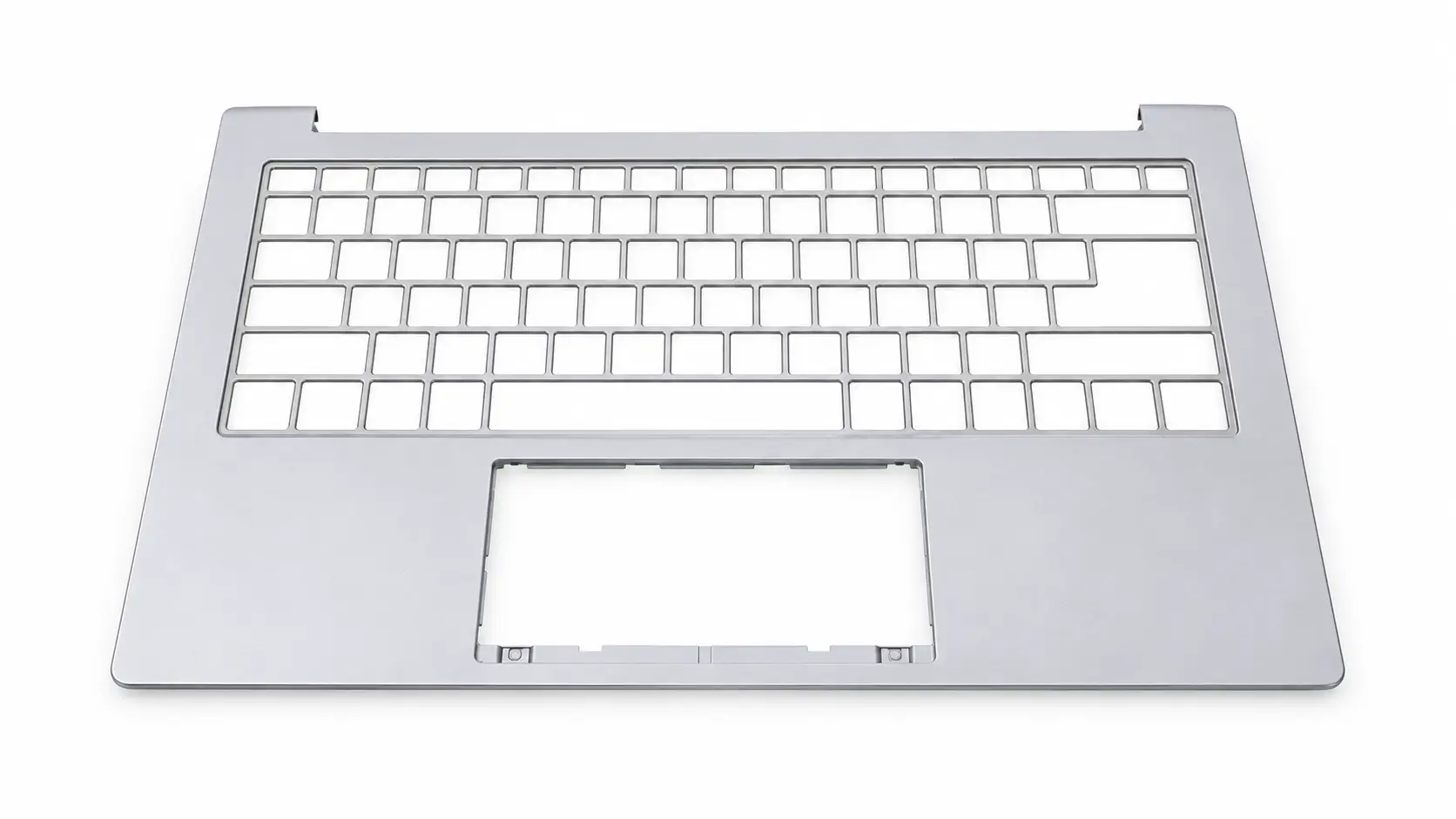
Magnesium Die Cast Laptop Palm Rest
Engineering Focus:
Built with AZ91D magnesium alloy for ultra-lightweight construction and high structural rigidity. This one-piece die casting replaces multi-part aluminum-plastic assemblies, reducing component complexity while maintaining reliable mechanical performance. Consistent 0.8 mm thin-wall geometry and CNC-machined critical features held to tight tolerances support stable high-volume assembly.
Manufacturing Process:
Produced through high-pressure magnesium die casting with sealed anti-oxidation melting control to minimize porosity and casting defects. The complete process includes trimming, CNC machining, sand blasting, conversion coating, and matte fingerprint-resistant painting, delivering durable magnesium structural components for notebook applications
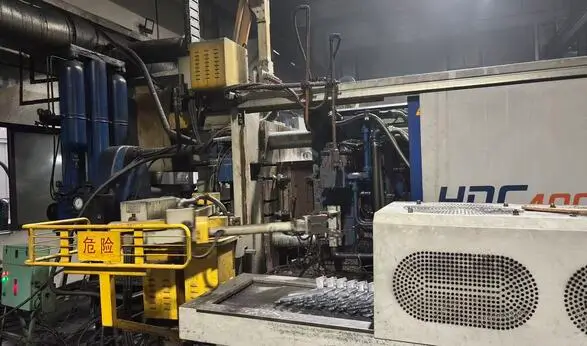
What is Magnesium Die Casting?
Magnesium die casting injects molten magnesium alloy into a reusable steel mold under high pressure. After cooling and solidification, the part is ejected and trimmed. Thin walls, reinforcing ribs, mounting bosses, and cavities can be formed in one casting, reducing separate components and assembly work.
Typical parts include laptop frames, equipment housings, automotive brackets, and power tool enclosures. Critical threads and mating surfaces can be CNC machined, with surface treatments applied for corrosion protection. Reusable molds and short casting cycles support repeatable, high-volume production.
Advantages of Magnesium Die Casting
Lightweight Components: Magnesium has a lower density than aluminum and zinc, making it suitable for lightweight housings, frames, and structural parts where reducing overall product weight is a priority.
Thin-Wall Structures: Magnesium die casting supports lightweight designs with relatively thin walls and integrated reinforcing ribs, helping reduce material weight while maintaining the required structural performance.
Complex Geometries: Magnesium alloys can be cast into complex shapes with integrated bosses, mounting points, ribs, and other functional features, reducing the need for separate parts and assembly operations.
Good Machinability: Magnesium alloys are relatively easy to machine, allowing CNC milling, drilling, and tapping to produce precision bores, threads, and mating surfaces after casting.
Electromagnetic Shielding: Magnesium’s electrical conductivity allows die cast enclosures to provide electromagnetic interference (EMI) shielding when enclosure design, joints, and electrical continuity are properly considered.
Magnesium Die Casting Applications
Automotive Parts: Instrument panel frames, steering wheel frames, seat structures, and selected transmission housings use magnesium alloys to reduce vehicle weight while maintaining structural functionality.
Consumer Electronics: Laptop housings, camera bodies, and handheld device frames benefit from magnesium’s low density, structural rigidity, and electromagnetic shielding properties.
Power Tool Housings: Cordless drill bodies, power tool enclosures, and equipment covers use magnesium die castings to reduce handling weight while providing rigid housing structures.
Industrial Equipment: Instrument enclosures, machinery covers, and portable equipment frames integrate mounting features and complex geometries into lightweight metal parts.
Telecommunication Equipment: Radio unit housings, RF equipment enclosures, and communication device frames use magnesium castings where lightweight construction, EMI shielding, and structural support are required.
Frequently Asked Questions
The cost of magnesium die casting depends on part size, weight, alloy selection, mold complexity, production volume, and secondary processing requirements. Tooling is usually a major initial investment, while CNC machining, surface finishing, and inspection contribute to the final part cost. Higher production volumes can help reduce the average tooling cost per part.
AZ91D, AM60B, AM50A, and AE44 are commonly used magnesium alloys for die casting. AZ91D offers a good balance of strength, castability, and corrosion resistance. AM60B and AM50A provide good ductility and impact performance, while AE44 is used in applications requiring improved elevated-temperature performance. The appropriate alloy depends on the mechanical and operating requirements of the part.
The achievable wall thickness depends on alloy fluidity, part geometry, flow distance, mold design, and casting conditions. Magnesium die casting can produce relatively thin-wall structures, but uniform wall thickness and appropriate transitions are important for stable metal filling and solidification. Thin sections should be evaluated during DFM review.
Magnesium alloys generally have a lower density than aluminum alloys, making them attractive for lightweight structural designs. However, strength depends on the specific alloy and mechanical properties being compared. Aluminum alloys may provide higher strength or stiffness in certain applications, while magnesium offers weight-saving advantages. Material selection should consider load requirements, operating temperature, and structural design.
When selecting a magnesium die casting manufacturer, evaluate its alloy experience, casting equipment, mold manufacturing capabilities, engineering support, and quality management system. Experience with magnesium-specific process requirements, CNC machining, and surface protection is also important. Reviewing similar part experience and inspection procedures can help assess whether a supplier is suitable for your project.
Magnesium die casting is used in automotive, aerospace, electronics, telecommunications, and industrial equipment applications. Typical products include transmission housings, steering system parts, electronic enclosures, camera housings, structural brackets, and lightweight equipment frames.
Cold-chamber die casting is commonly used for magnesium alloys because molten magnesium is typically transferred from a separate melting furnace into the injection chamber for each casting cycle. Hot-chamber systems are less common for conventional magnesium die casting and require specialized equipment and process considerations. The appropriate process depends on the alloy, equipment configuration, and production requirements.