
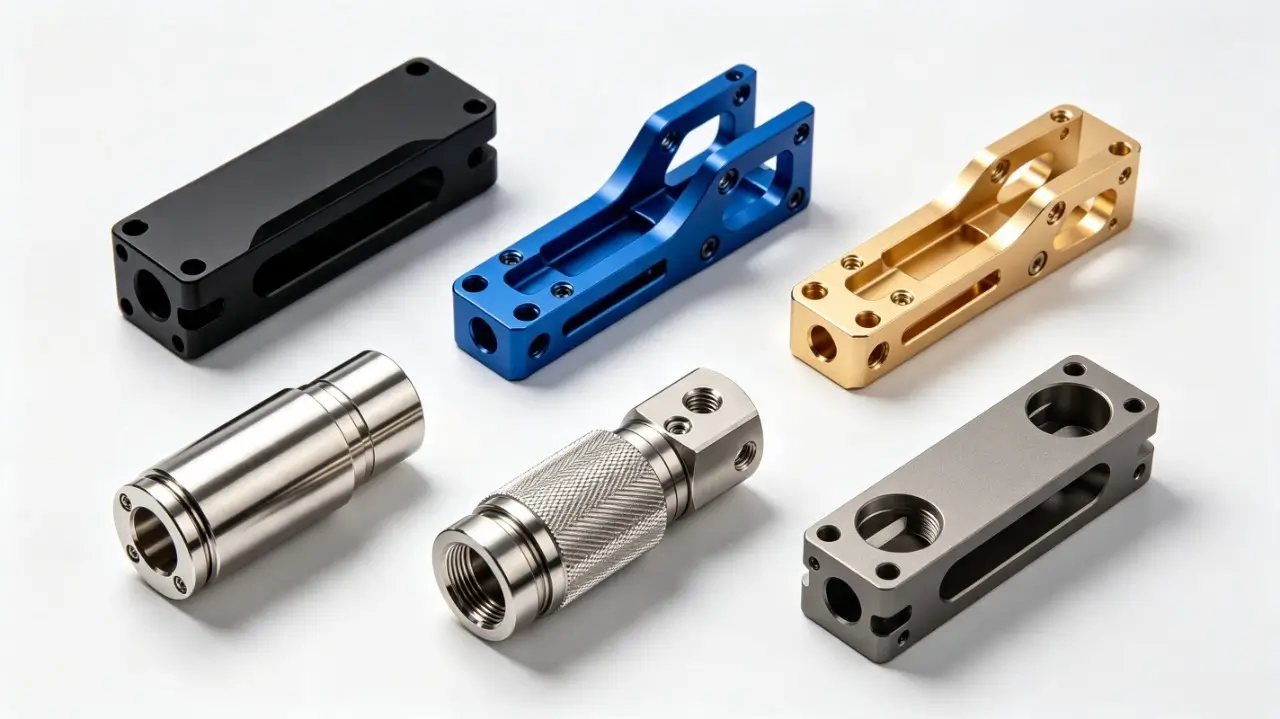
Machined Surfaces & Mechanical Finishing
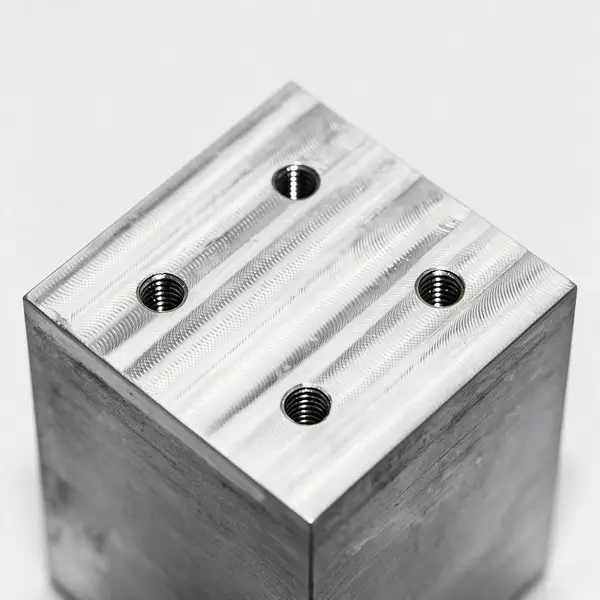
Retains visible cutting-tool marks without an additional coating. Surface roughness, deburring, and edge breaks follow the agreed drawing and delivery requirements.
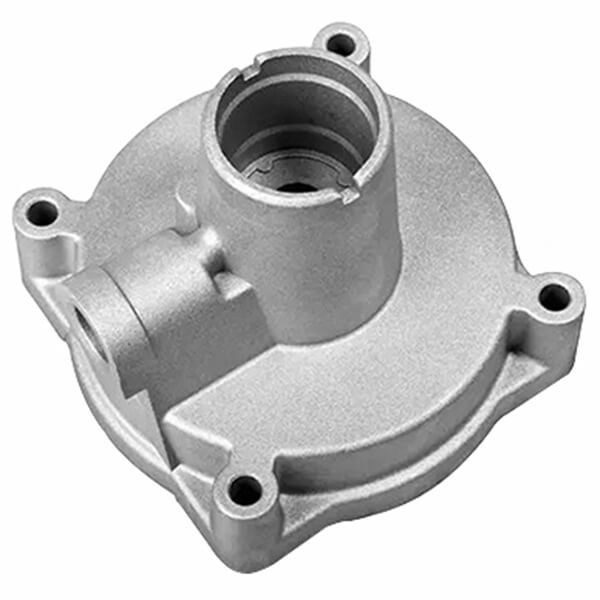
Creates a matte texture using selected abrasive media. Media type and size are matched to the required appearance or subsequent coating, with critical surfaces masked.
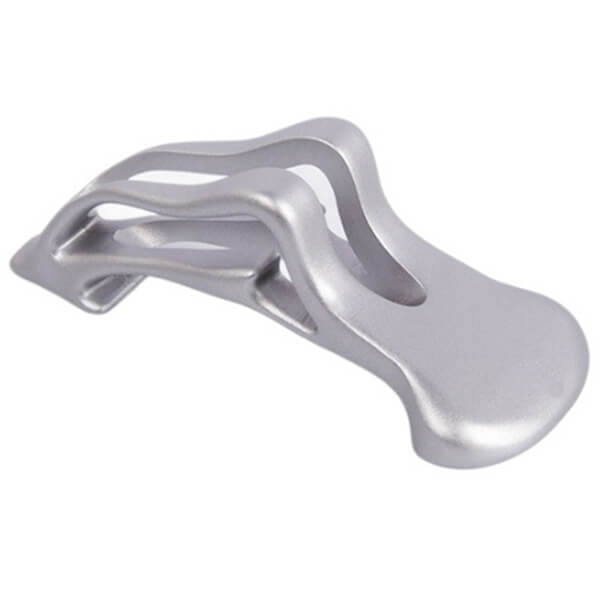 Tumbling
Batch finishing removes accessible burrs, rounds edges, and improves surface consistency. Media and cycle time are selected to protect critical dimensions.
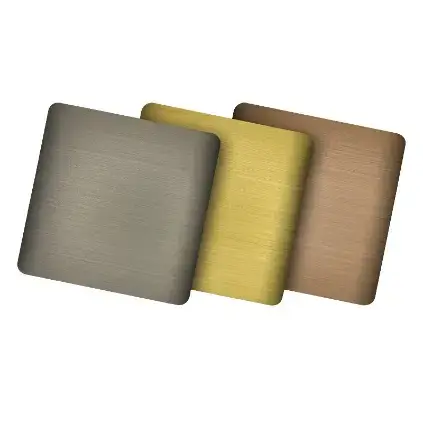 Brushing
Creates fine directional lines on accessible surfaces. Grain direction and appearance are agreed for exposed faces, with edges and mating features protected where required.
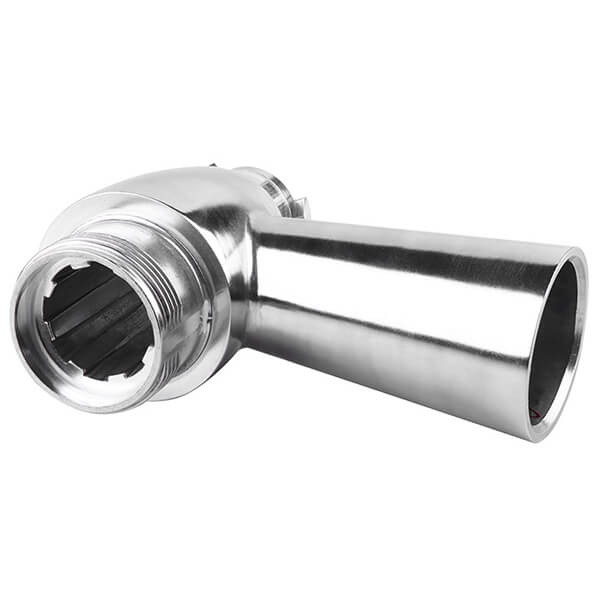
Reduces surface marks through mechanical finishing. The required roughness or appearance is specified, from a smooth satin finish to a polished reflective surface.
Protective Treatments & Coatings
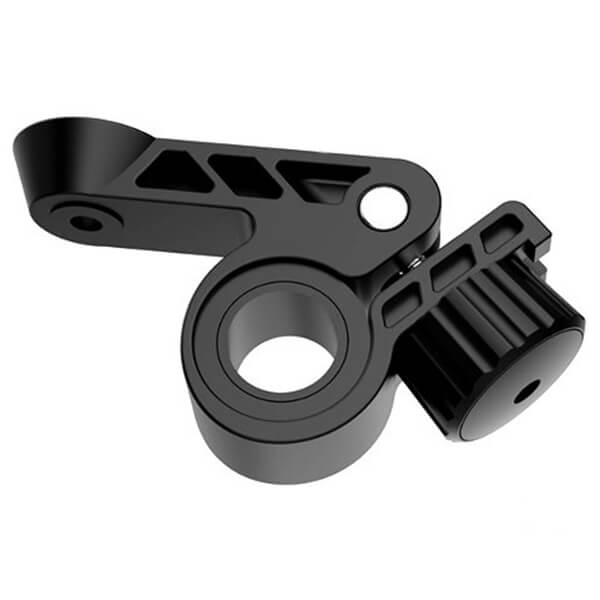
Forms an oxide layer on aluminum for corrosion protection and surface performance. Options include Type II and Type III hard anodizing, with color and sealing specified.
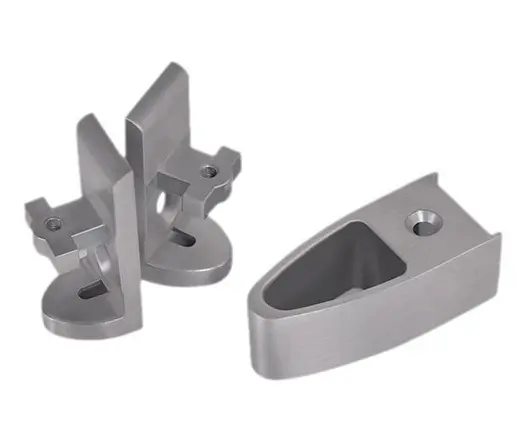 Chemical Conversion Coating
Improves corrosion resistance and paint adhesion on aluminum. Chemistry and treatment class follow the specification, including low-contact-resistance requirements where applicable.
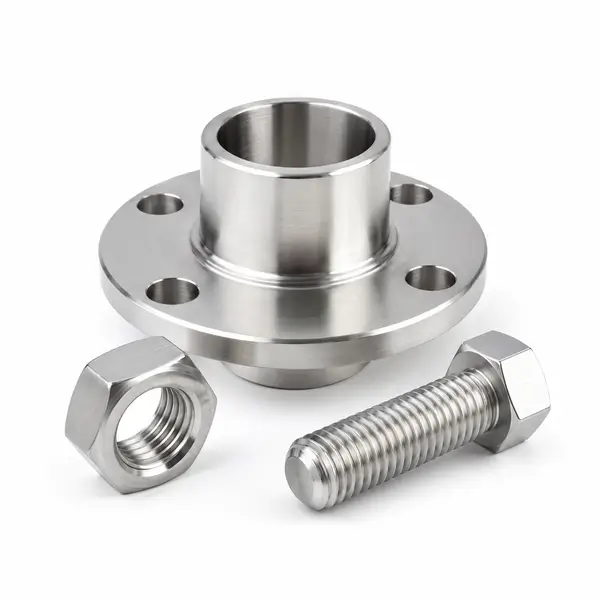 Passivation
Removes free iron from stainless steel surfaces to support corrosion resistance. Treatment and verification requirements follow the specified grade and application.
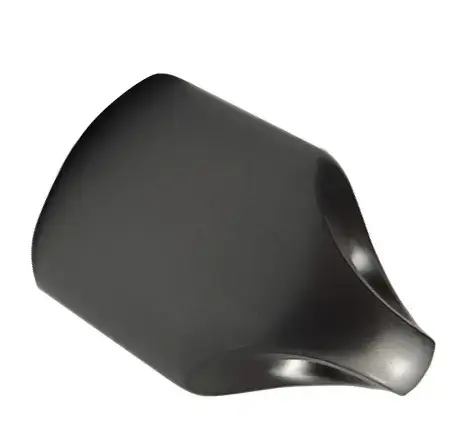 Electropolishing
Removes a controlled amount of surface material to reduce microscopic roughness and improve cleanability. Material removal is considered for precision fits and edges.
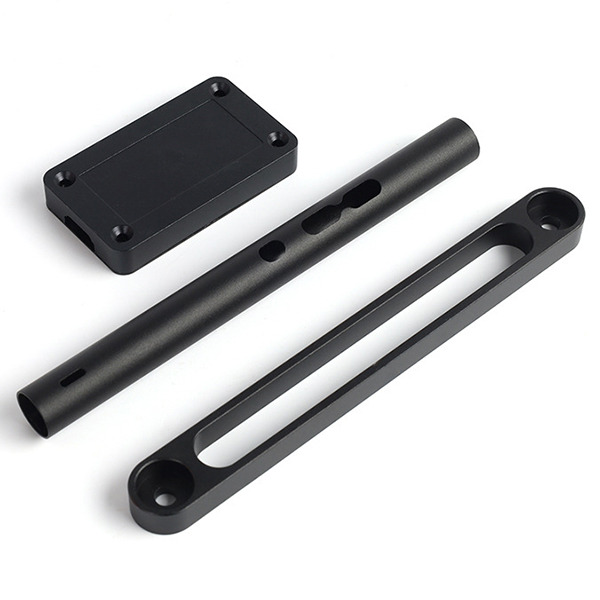 Black Oxide
Produces a black finish on steel with minimal dimensional change. Applied with a specified protective oil or sealant for corrosion protection.
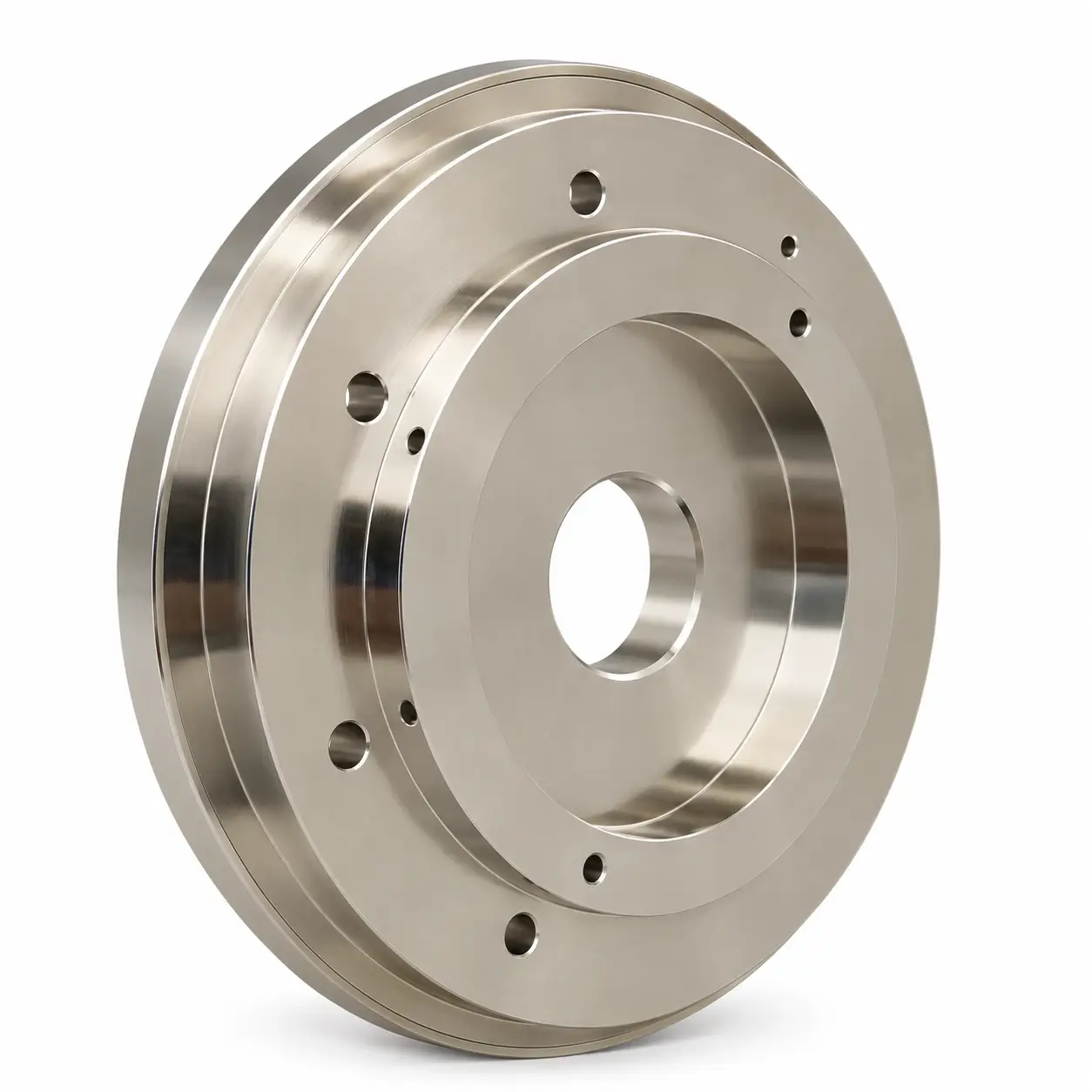 Electroless Nickel Plating
Deposits a nickel-phosphorus coating without an external electrical current. Coating thickness and phosphorus content are selected for corrosion and wear requirements.
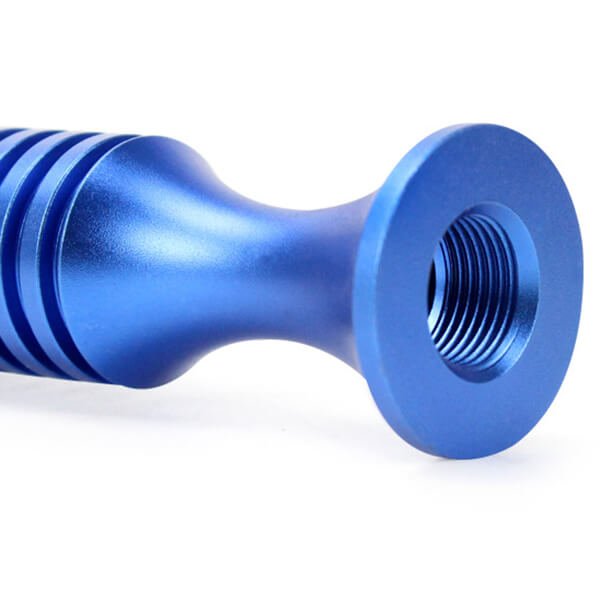 Nickel & Chrome Plating
Electroplated nickel or chromium provides decorative or functional surfaces. The coating system, thickness, and pretreatment are matched to the substrate and application.
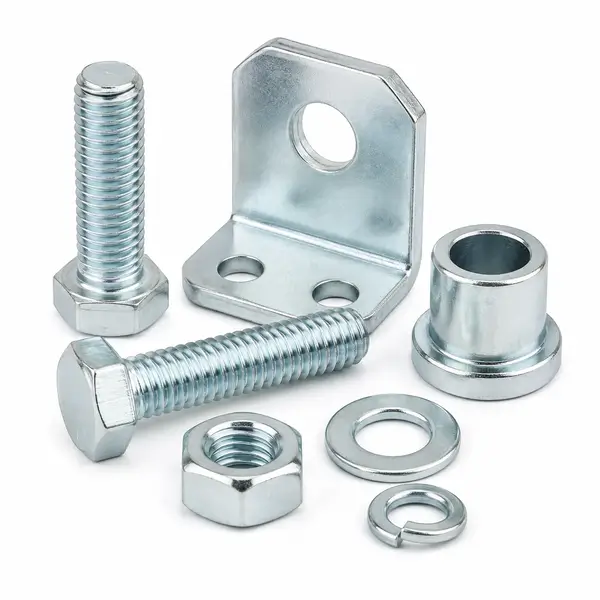 Zinc Plating
Provides a sacrificial zinc coating on steel for corrosion protection. Coating thickness, passivation, and any required hydrogen embrittlement relief follow the specification.
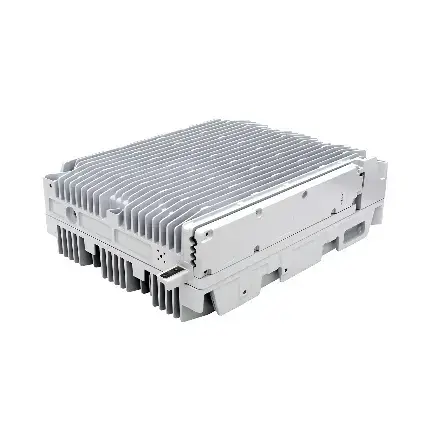
Applies a cured powder coating in specified colors, gloss levels, and textures. Pretreatment and powder selection suit the service environment, with precision interfaces masked.
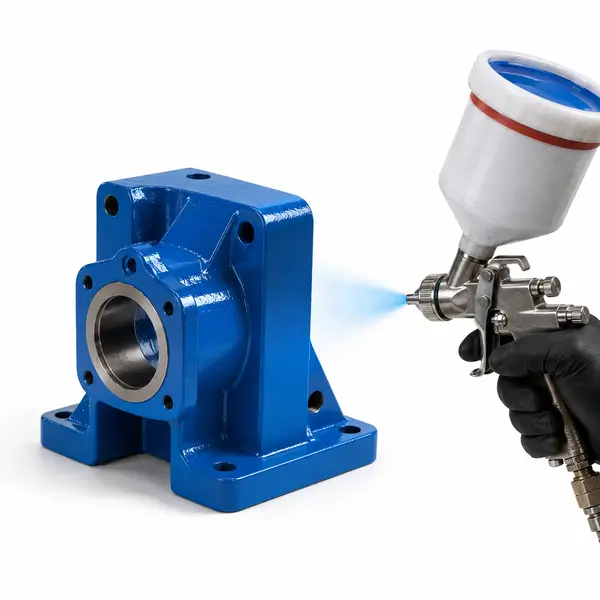 Wet Painting
Applies liquid primer and topcoat systems for color, appearance, and environmental protection. Film thickness, gloss, and masking are defined before application.
Part Marking & Temporary Protection
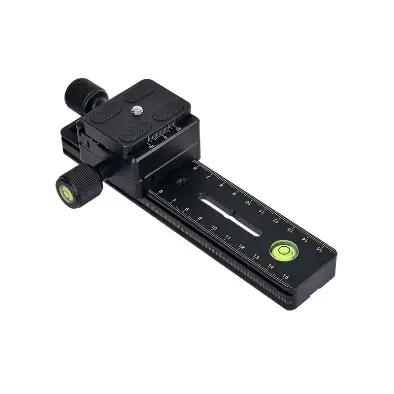 Laser Marking
Adds part numbers, serial numbers, logos, and identification codes. Marking method, position, and contrast are selected for the material and surface condition.
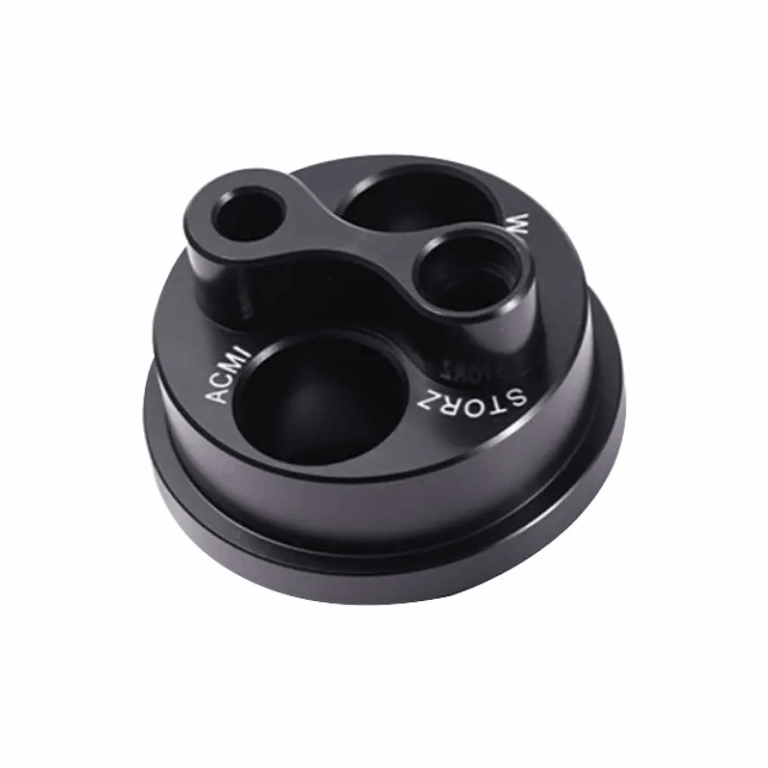 Pad Printing
Transfers ink graphics onto flat or curved component surfaces. Ink selection, surface preparation, and curing follow the required adhesion and durability.
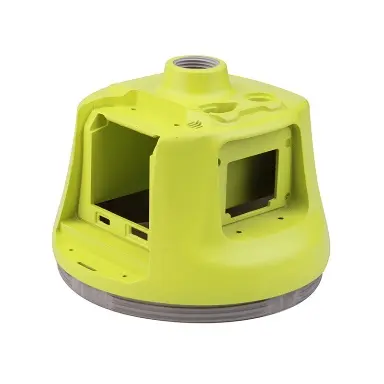 Rust Preventive Oil
Applies a removable protective oil film to reduce rust during storage and transportation. Oil type and packaging follow the required protection period and cleanliness requirements.