
Sand Blasting Services
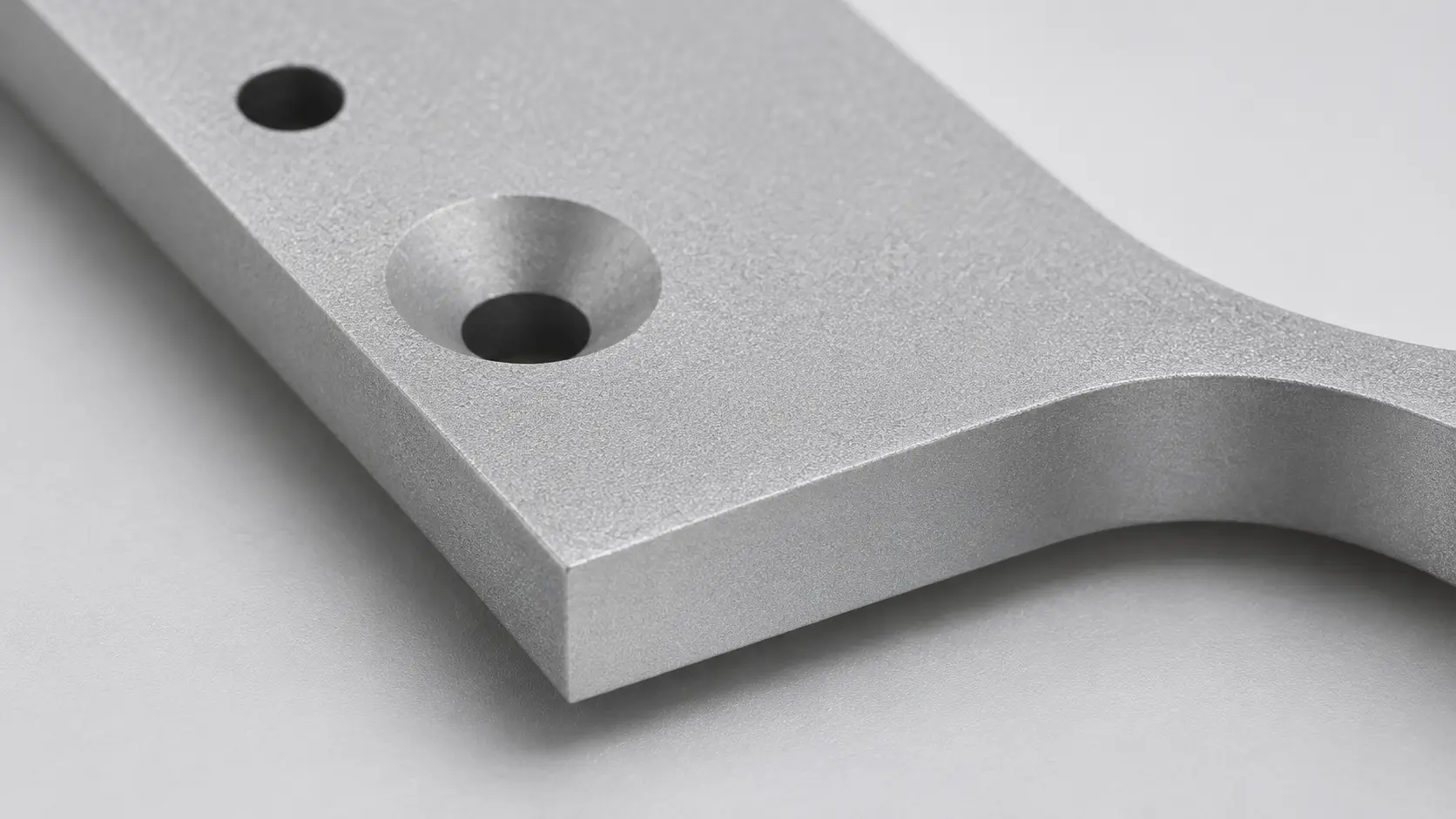
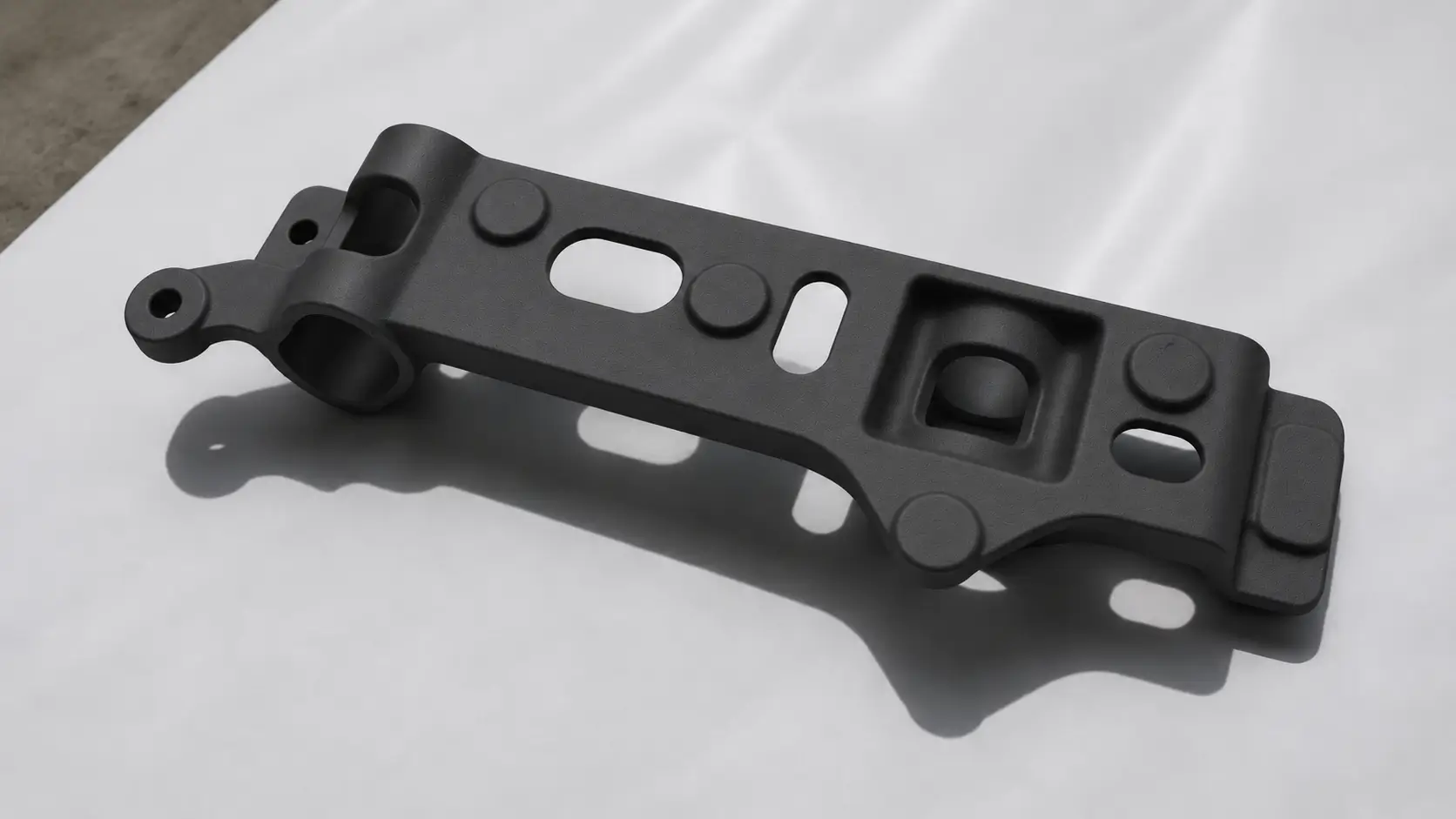
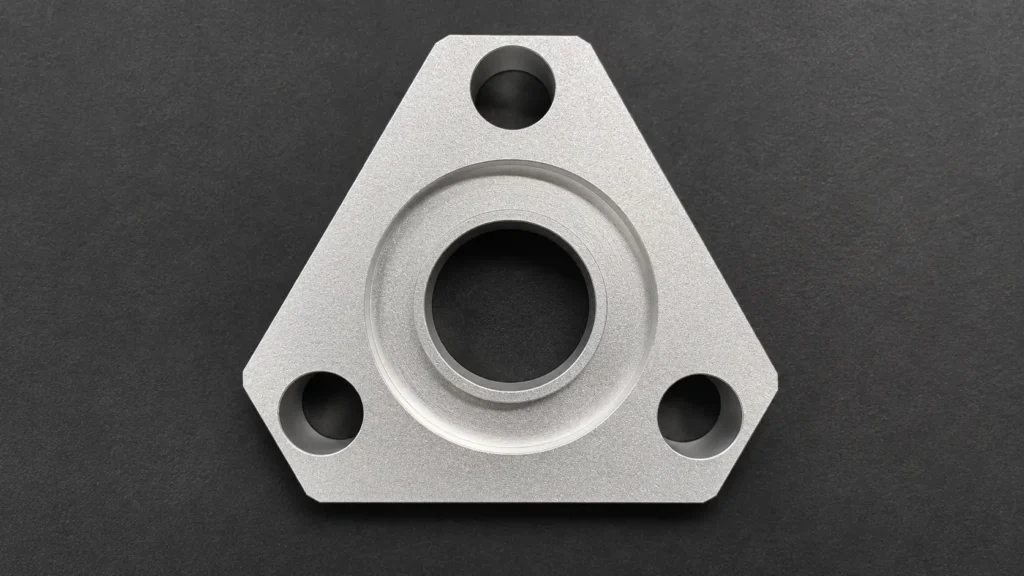
Sand blasting creates a uniform matte texture on metal parts using abrasive media. Media type, surface texture, and masking are selected to suit appearance requirements or prepare surfaces for subsequent coating.
- Uniform Matte Finish
- Reduced Surface Glare
- Custom Surface Texture
- Selective Masking
Verify Certifications On Demand:
ISO 9001:2015 | IATF 16949:2016
STP | STEP | SLDPRT | IPT | PRT | SAT
All uploaded content is secure and confidential.
Home » Surface Finishing » Sand Blasting Services
Sand Blasting Surface Features
Sand blasting gives metal parts a matte texture, reduces surface glare, and blends light machining marks. Media selection determines the resulting appearance and suitability for subsequent finishing.
Uniform Matte Texture
Creates an even, non-directional texture on exposed metal surfaces, with the finish defined by the selected media.
Reduced Surface Glare
Diffuses reflections from machined surfaces for a less reflective appearance on housings, covers, and panels.
Blended Machining Marks
Reduces the visibility of light tool marks. Deeper grooves and scratches may require additional preparation.
Preparation for Coating
Provides a surface texture suited to subsequent coating, with media and cleanliness matched to the finishing process.
Sand Blasting Specifications
Define the blasting media, required texture, and protected surfaces before processing. Cosmetic finishes can be agreed against a reference sample, while critical fits and threads are identified for masking.
| Parameter | Specification |
|---|---|
| Applicable Materials | Aluminum, stainless steel, steel, brass, and other metals, subject to review. |
| Blasting Media | Selected according to material, surface condition, and finishing requirements. |
| Surface Appearance | Matte texture, with coarseness determined by media and process settings. |
| Surface Roughness | Specified on the drawing where required; confirmed for the selected process. |
| Masking | Drawing-defined threads, precision bores, sealing faces, and mating surfaces. |
| Subsequent Finishing | Anodizing, painting, or powder coating, with preparation matched to the next process. |
Blasting Media Options
Blasting media influence the texture, material removal, and appearance of the finished surface. Selection depends on the metal, its initial condition, and whether blasting is the final finish or preparation for coating.
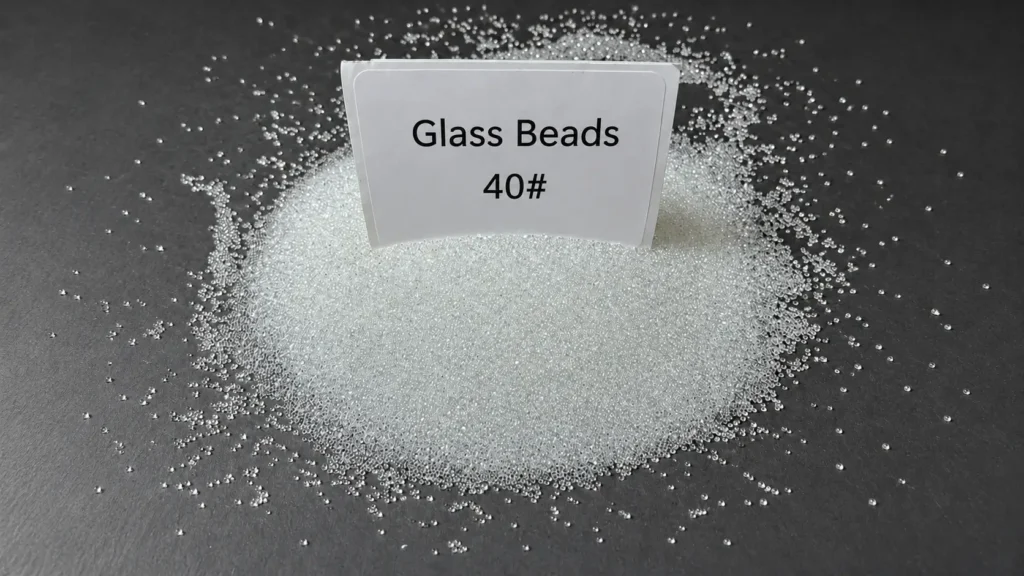
Glass Beads
Spherical glass beads produce a fine matte or satin texture. They are commonly selected for cosmetic metal parts and aluminum components that will be anodized.
Aluminum Oxide
Angular aluminum oxide provides a stronger cutting action for surface cleaning and roughening. It suits parts requiring a defined surface profile before painting or powder coating.
Ceramic Beads
Ceramic beads offer another option for producing a consistent satin texture. Media size and blasting conditions are selected around the required appearance and sensitivity of the part’s features.
Sand Blasting Before Anodizing and Coating
Sand blasting prepares metal surfaces for subsequent finishing. Media, surface texture, and cleaning requirements are selected to suit anodizing, painting, or powder coating.
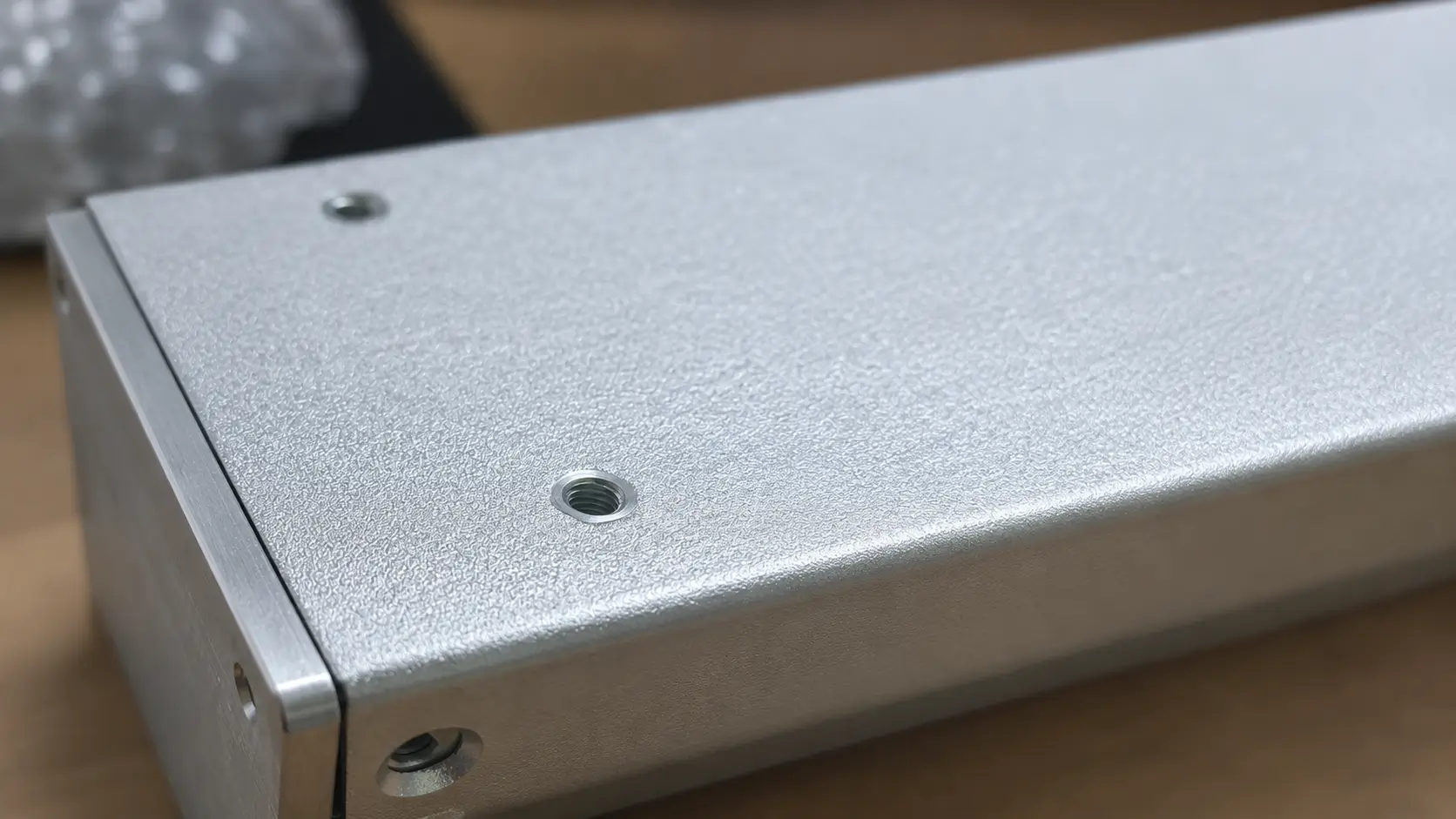
Sand Blasting Before Anodizing
Blasting gives aluminum parts a matte texture that remains visible after clear or colored anodizing. Consistent media and coverage help maintain a similar appearance across exposed surfaces.
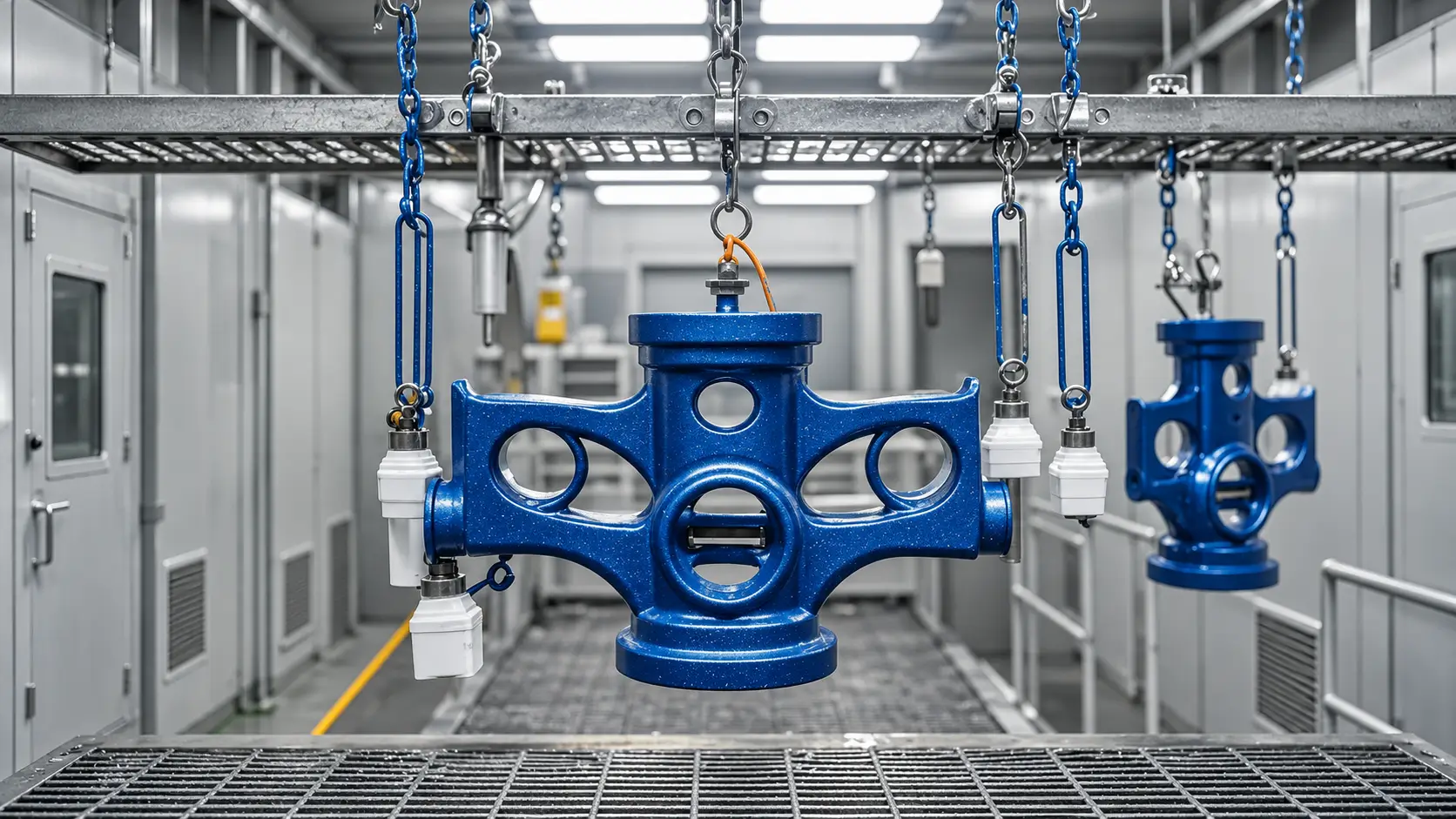
Sand Blasting Before Painting
Blasting removes surface oxides and creates a profile suited to the paint system. Cleaning and any specified chemical pretreatment follow before primer or paint application.
Sand Blasting Before Powder Coating
Blasting prepares the metal surface with a profile suited to powder coating. Residual media and dust are removed, followed by the required pretreatment before powder application.
What Is Sand Blasting?
Sand blasting is a mechanical surface treatment that uses compressed air to propel abrasive media against a part. The impacts clean or texture the surface, with the result depending on the media type, particle size, pressure, and exposure time.
For machined metal parts, blasting is used to create a matte appearance, blend light tool marks, or prepare surfaces for subsequent finishing. Media can include glass beads, aluminum oxide, and ceramic beads.
Advantages of Sand Blasting
1.Uniform Surface Texture: Creates a consistent matte or satin appearance across accessible surfaces, helping blend differences between machined areas.
2.Reduced Glare: Diffuses reflections from metal surfaces, making it suitable for visible housings, panels, and equipment components.
3.Surface Cleaning: Suitable abrasive media can remove rust, oxide scale, and existing coatings before further processing.
4.Preparation for Coatings: Creates a surface profile suited to the specified paint or powder coating system, supporting adhesion when combined with proper cleaning and pretreatment.
5.Blended Tool Marks: Reduces the visibility of light machining marks and minor surface imperfections, improving cosmetic consistency without adding a coating.
Sand Blasting Design Considerations
1.Protect Precision Features: Identify threads, bearing bores, sealing faces, and mating surfaces for masking. Blasting can change surface roughness and remove material, affecting critical fits.
2.Consider Thin Walls and Edges: Flag thin panels, narrow ribs, and sharp edges. Select blasting conditions that limit distortion and edge rounding.
3.Allow Access to Recessed Surfaces: Deep pockets and narrow channels can restrict nozzle access. Identify recessed surfaces requiring full coverage so their accessibility can be reviewed.
4.Define Surface Appearance: Specify cosmetic faces and agree on the required texture using a reference sample. Deep scratches and machining grooves may need preparation before blasting.
5.Plan for Media Removal: Provide cleaning access for blind holes and internal passages that may retain abrasive particles. Specify any cleanliness requirements before processing.
Frequently Asked Questions
Light tool marks can be reduced, but deep grooves and scratches may remain visible. Additional surface preparation may be needed to achieve an agreed cosmetic finish.
Sand blasting cleans or textures the surface but does not add a protective coating. Depending on the metal and environment, anodizing, painting, powder coating, or another treatment may still be required.
It can remove material and round edges. The effect depends on the media and blasting conditions, so precision bores, threads, and mating surfaces should be identified for protection.
Yes. Drawings should identify the areas to be treated, masking boundaries, and surfaces that must retain their machined finish. Access and masking feasibility are reviewed before processing.
Provide the material, surfaces to be treated, masking requirements, and any subsequent coating. Include the media specification if required, together with a physical reference sample for cosmetic texture.
A required Ra value should be reviewed against the material, initial surface condition, and selected media. Visual texture alone does not confirm roughness; measurement is needed when Ra forms part of the acceptance requirements.