
Custom Zinc Die Casting Services
Custom zinc die casting services for OEM manufacturers, delivering precision zinc alloy castings from tooling development to casting production, CNC machining, surface finishing, and final inspection.
- Factory-Direct Pricing
- Dedicated Engineering Support
- Reliable Lead Time
Quality Certifications
ISO 9001:2015 | IATF 16949:2016
STP I SLDPRT I IPT I PRT I SAT FLES
All uploaded content is secure and confidential.
Trusted by companies like


Zinc Die Casting Manufacturer in China
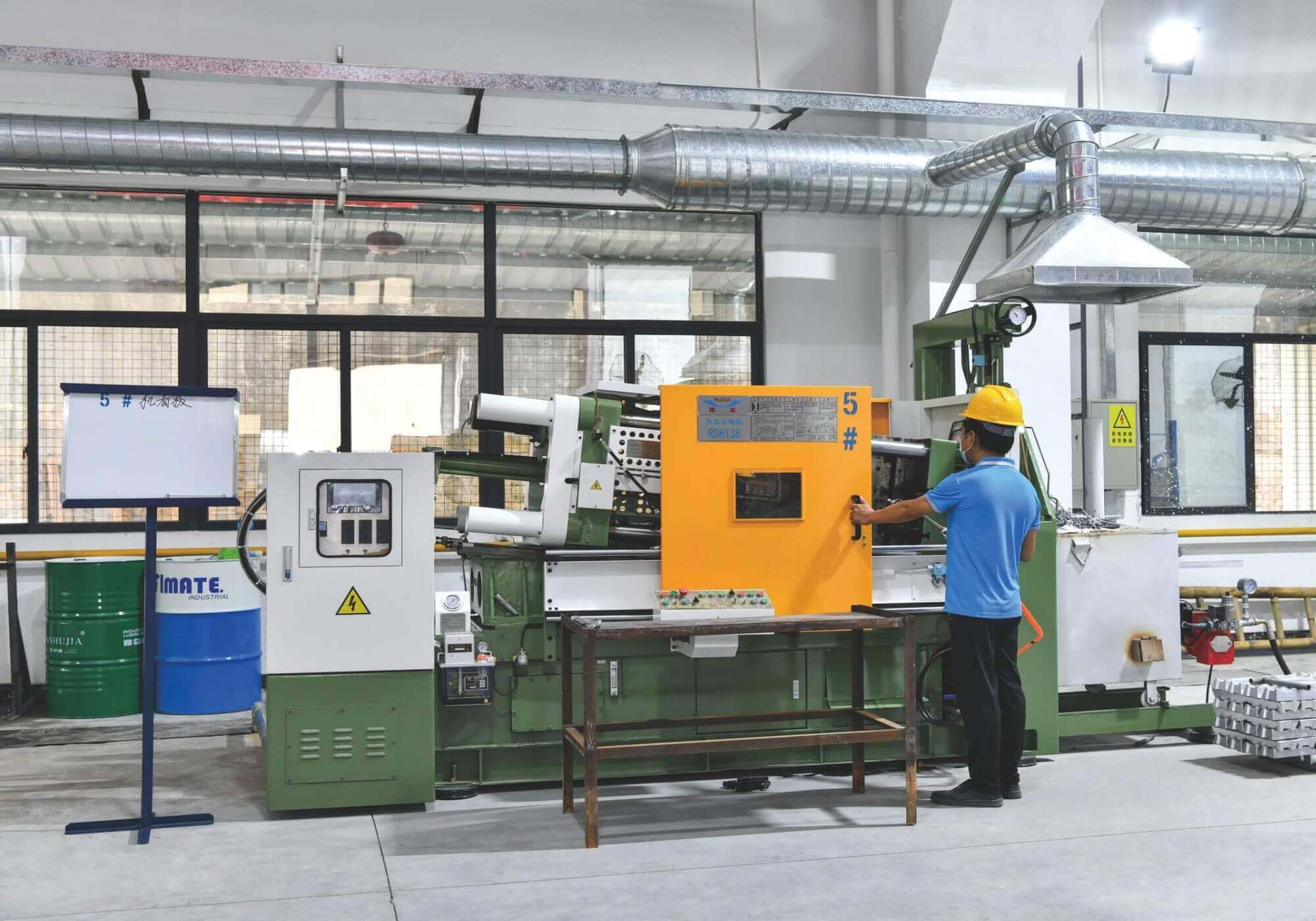
Based in Dongguan, China, Zhonghui Precision manufactures custom zinc alloy die cast parts for OEM customers worldwide. The facility is equipped with 88T–138T hot-chamber die casting machines for producing Zamak alloy parts with detailed geometries and consistent dimensions. Production and quality management are supported by ISO 9001:2015 and IATF 16949:2016 certified quality management systems.
Manufacturing capabilities cover tooling development, hot-chamber zinc die casting, secondary CNC machining, surface finishing, and dimensional inspection. Custom housings, brackets, covers, and connector parts are produced to customer drawings, with tooling and process planning tailored to part geometry, critical dimensions, and production volume.
From Drawing Review to Finished Zinc Die Cast Parts
Each stage of zinc die casting is planned around the part’s design and dimensional requirements. From drawing review and mold manufacturing to casting, trimming, and CNC machining, the process ends with final inspection before packaging.
Part Design Review
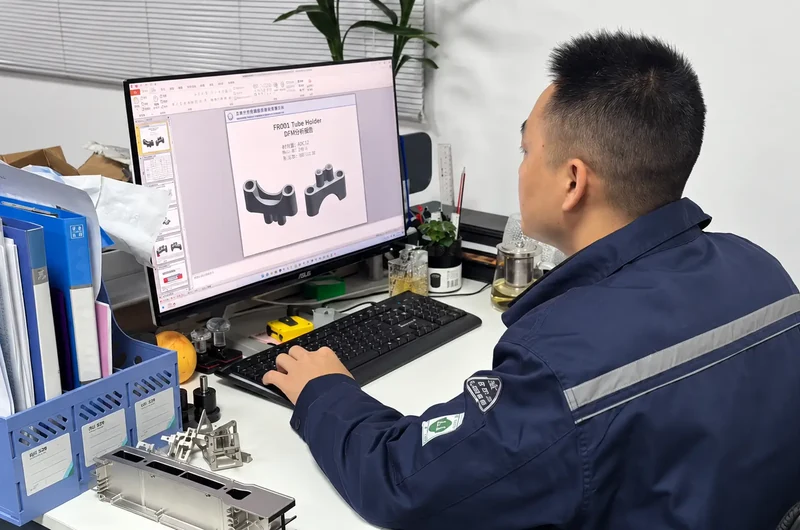
Customer drawings are reviewed for alloy selection, wall thickness, draft angles, and critical dimensions. Features requiring CNC machining are identified before tooling begins.
Mold Manufacturing
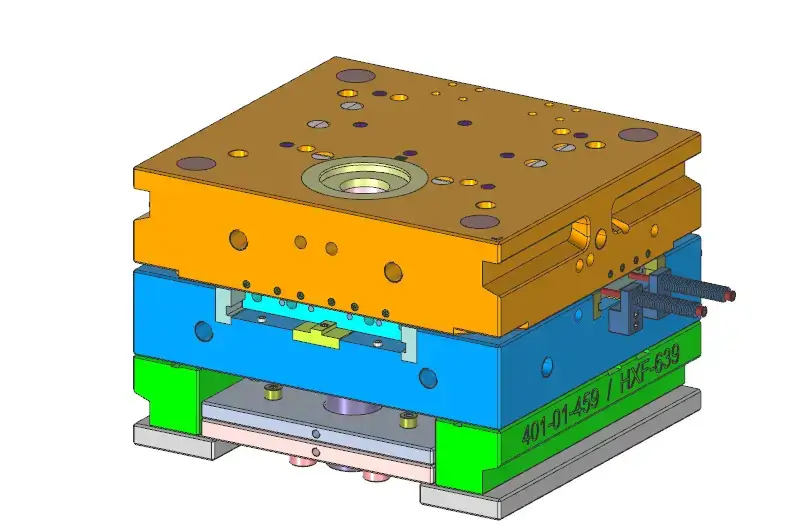
The steel die is designed and manufactured with the required gating, venting, cooling, and ejection features. Trial castings are checked, and the die is adjusted before production.
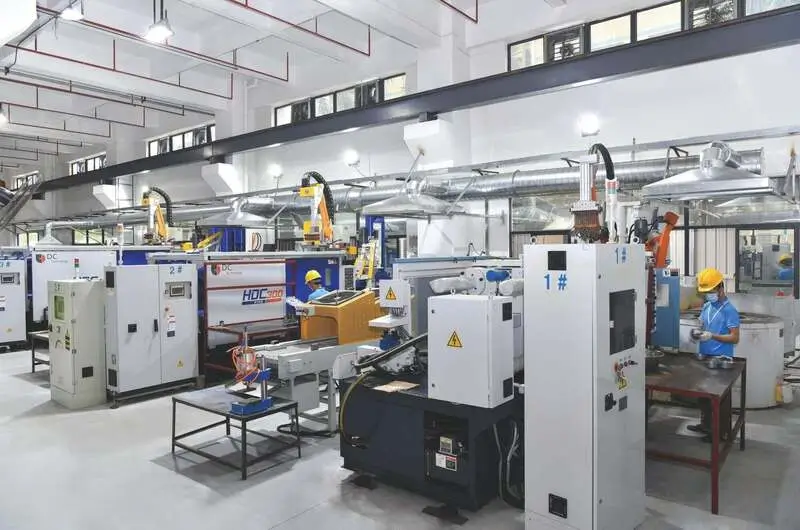
Hot Chamber Die Casting
Molten zinc alloy is injected into the closed steel die under pressure. The metal fills the cavity, solidifies, and is ejected before the next casting cycle begins.
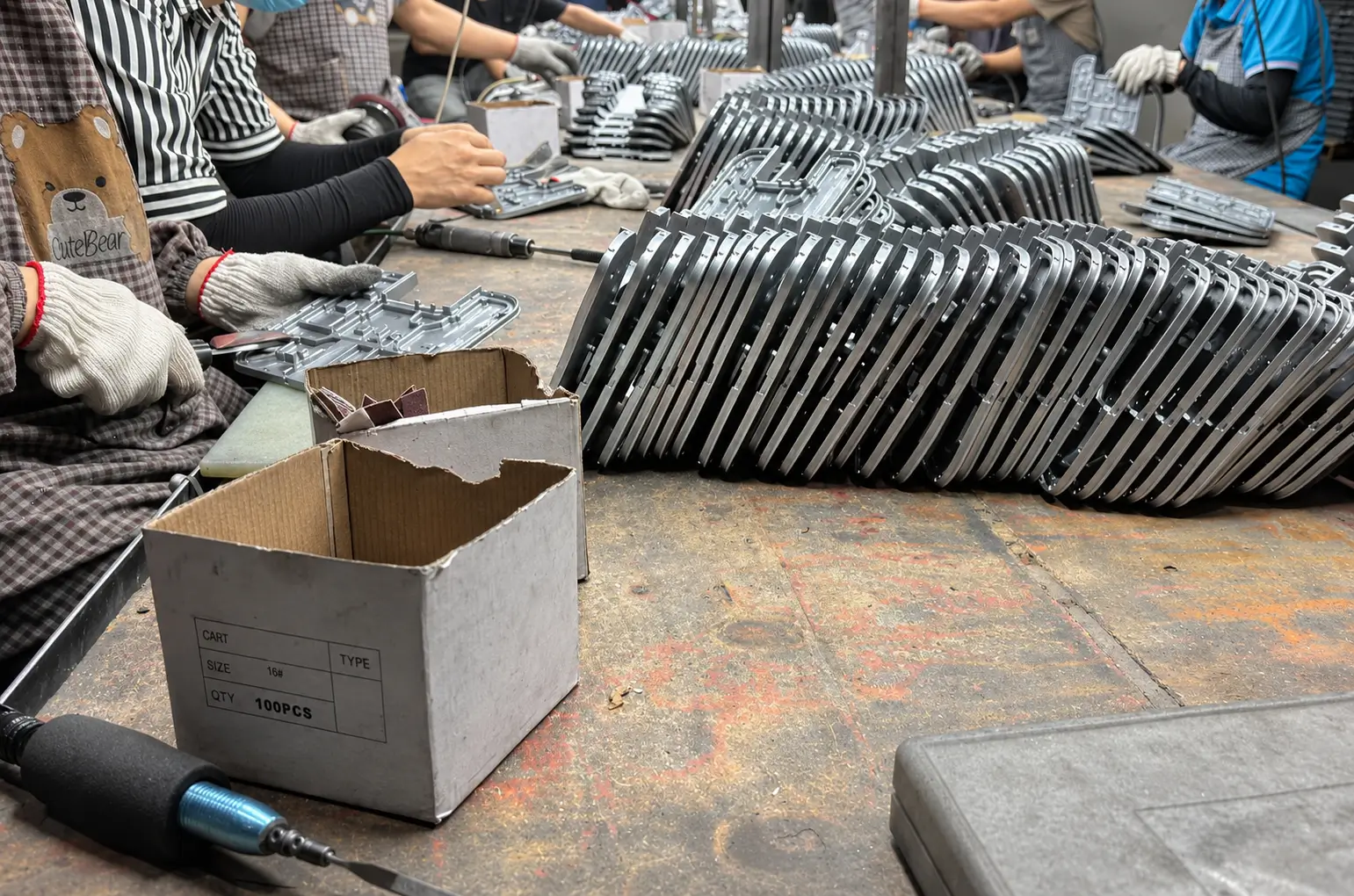
Trimming
Gates, overflows, and flash are removed from each casting after ejection. Edges are deburred, and the parts are prepared for any required secondary machining.
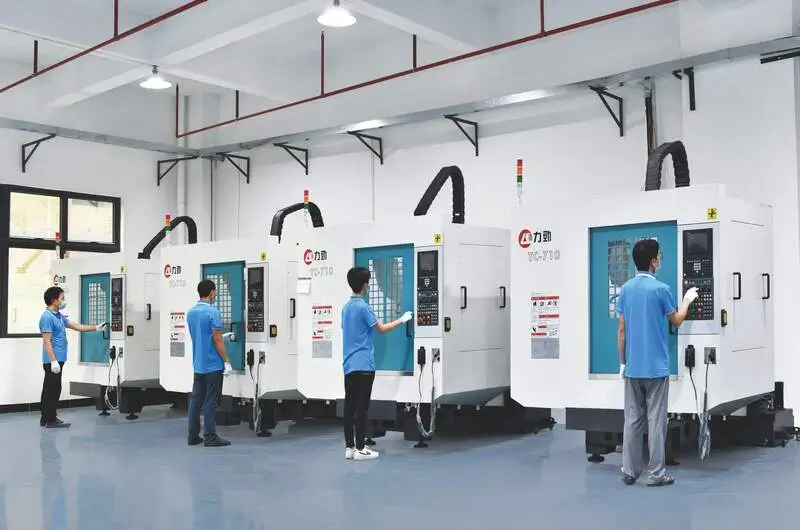
CNC Machining
Holes, threads, mating surfaces, and other critical features are machined to the drawing. Machined dimensions are checked before the parts move to final inspection.
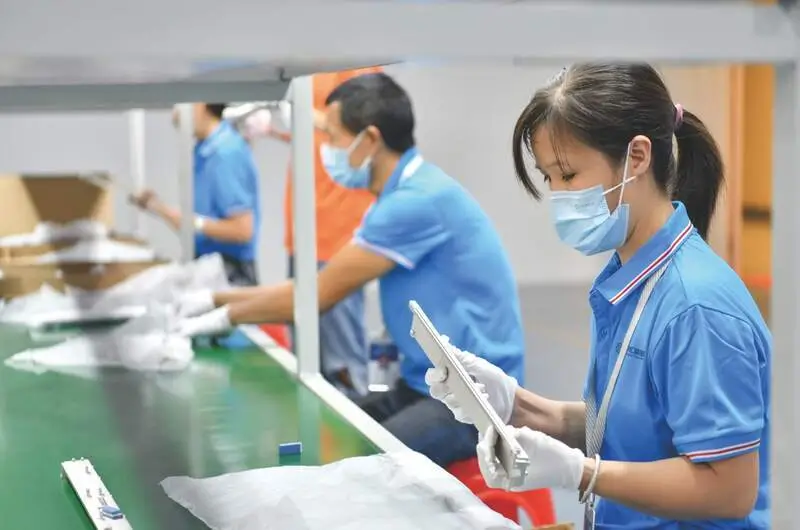
100% Final Inspection
Every finished part receives a visual inspection for surface and casting defects. Critical dimensions and other specified requirements are checked according to the inspection plan.
Custom Zinc Die Casting Parts We Manufacture
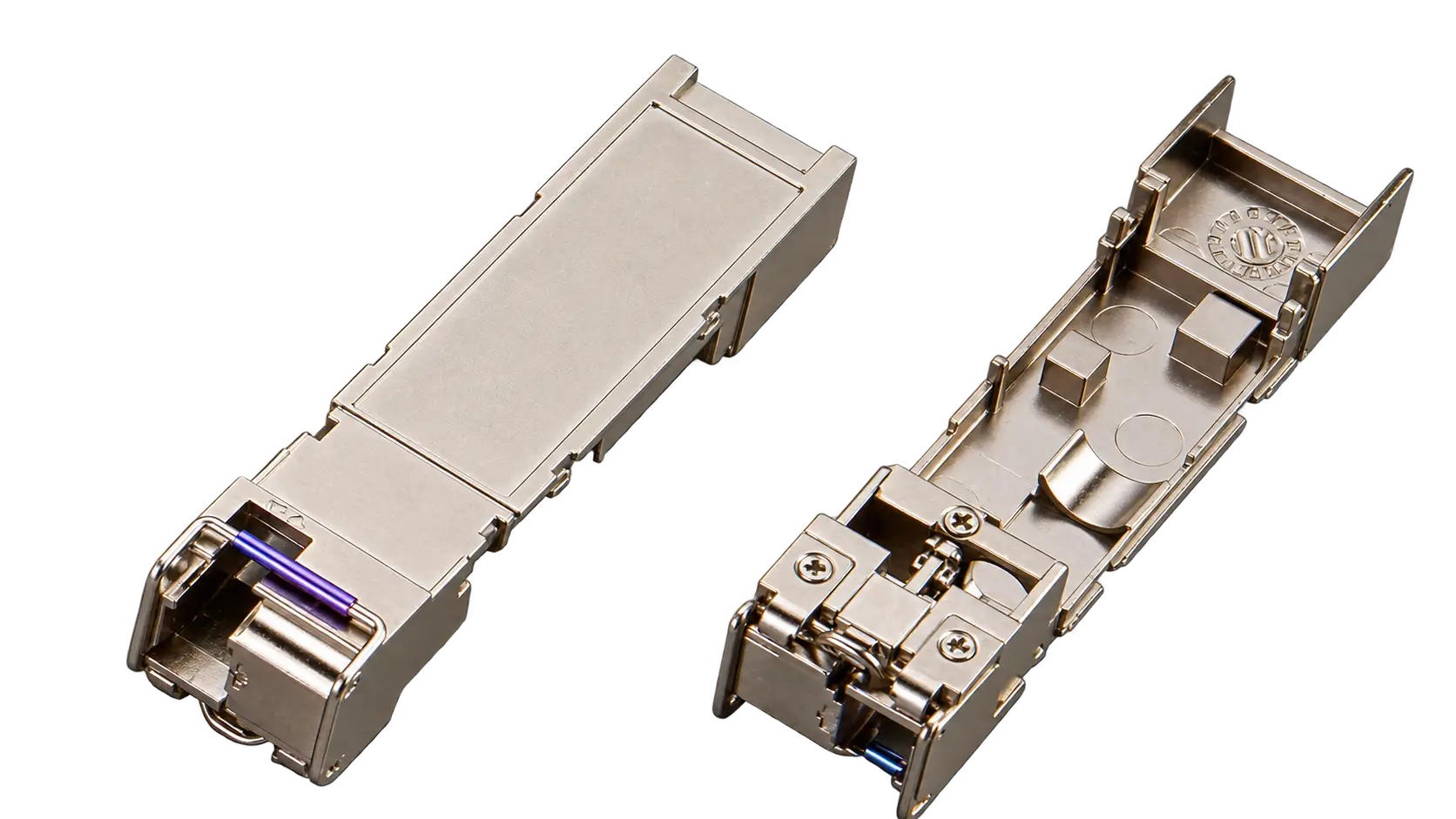
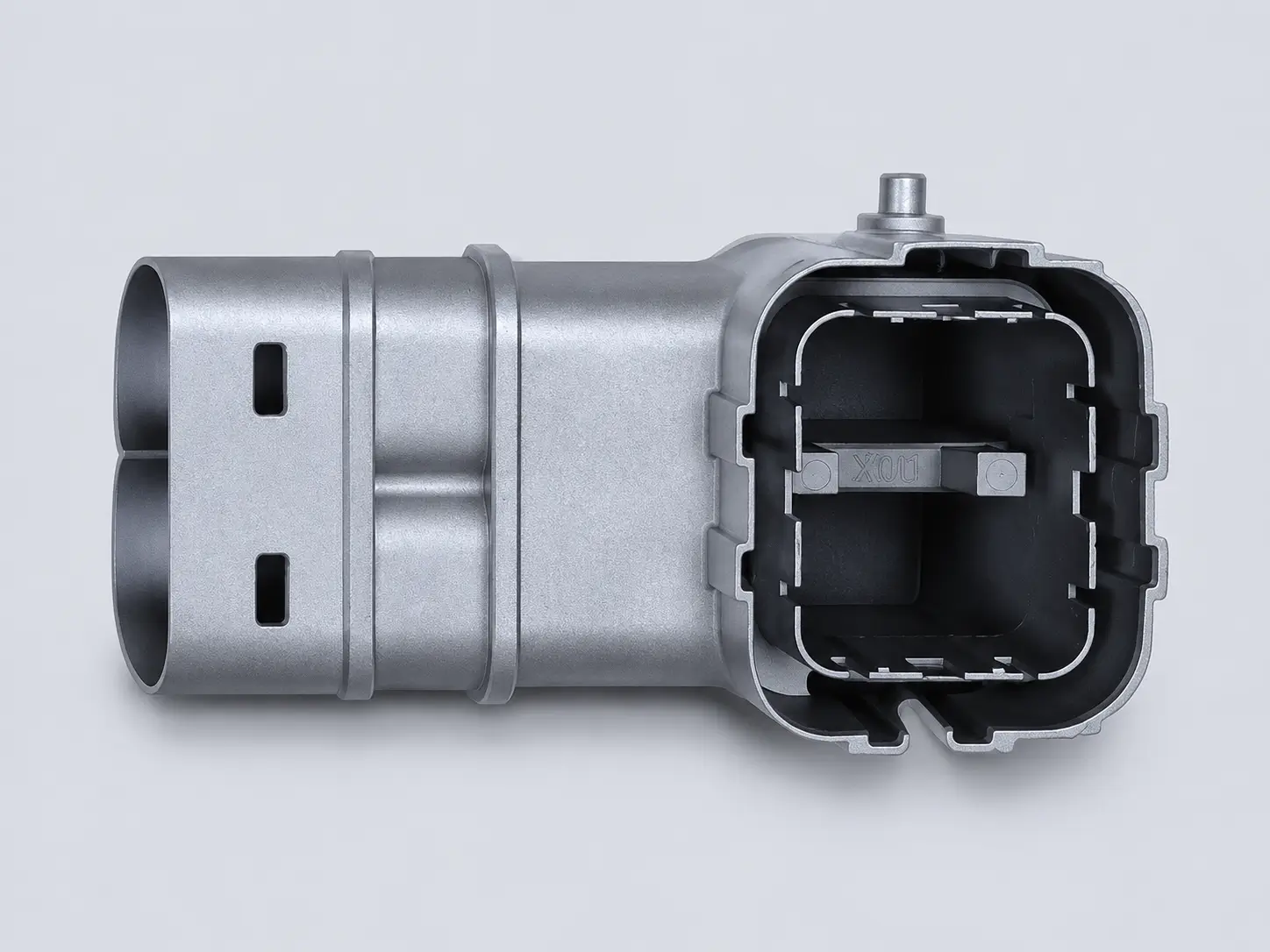
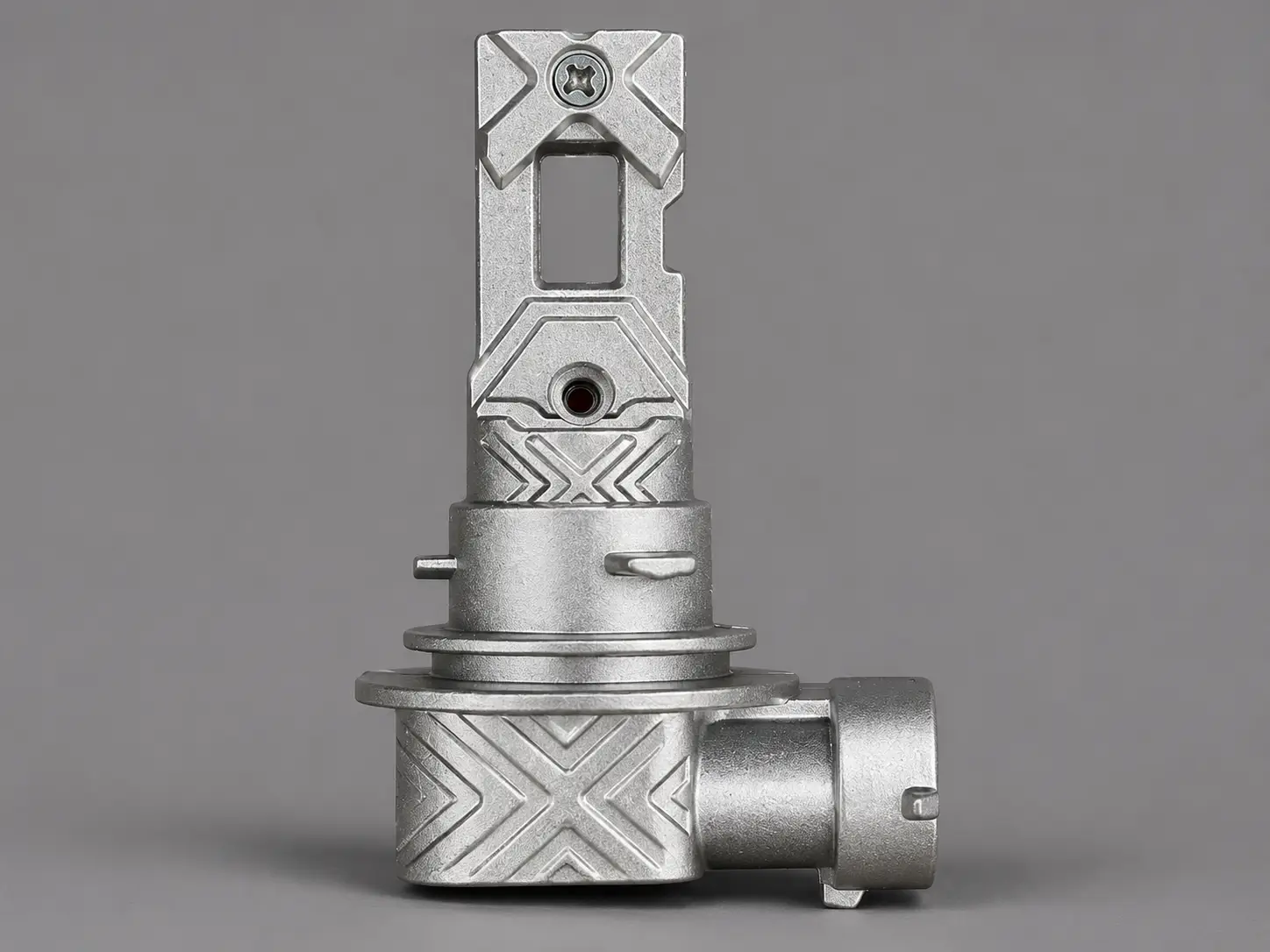
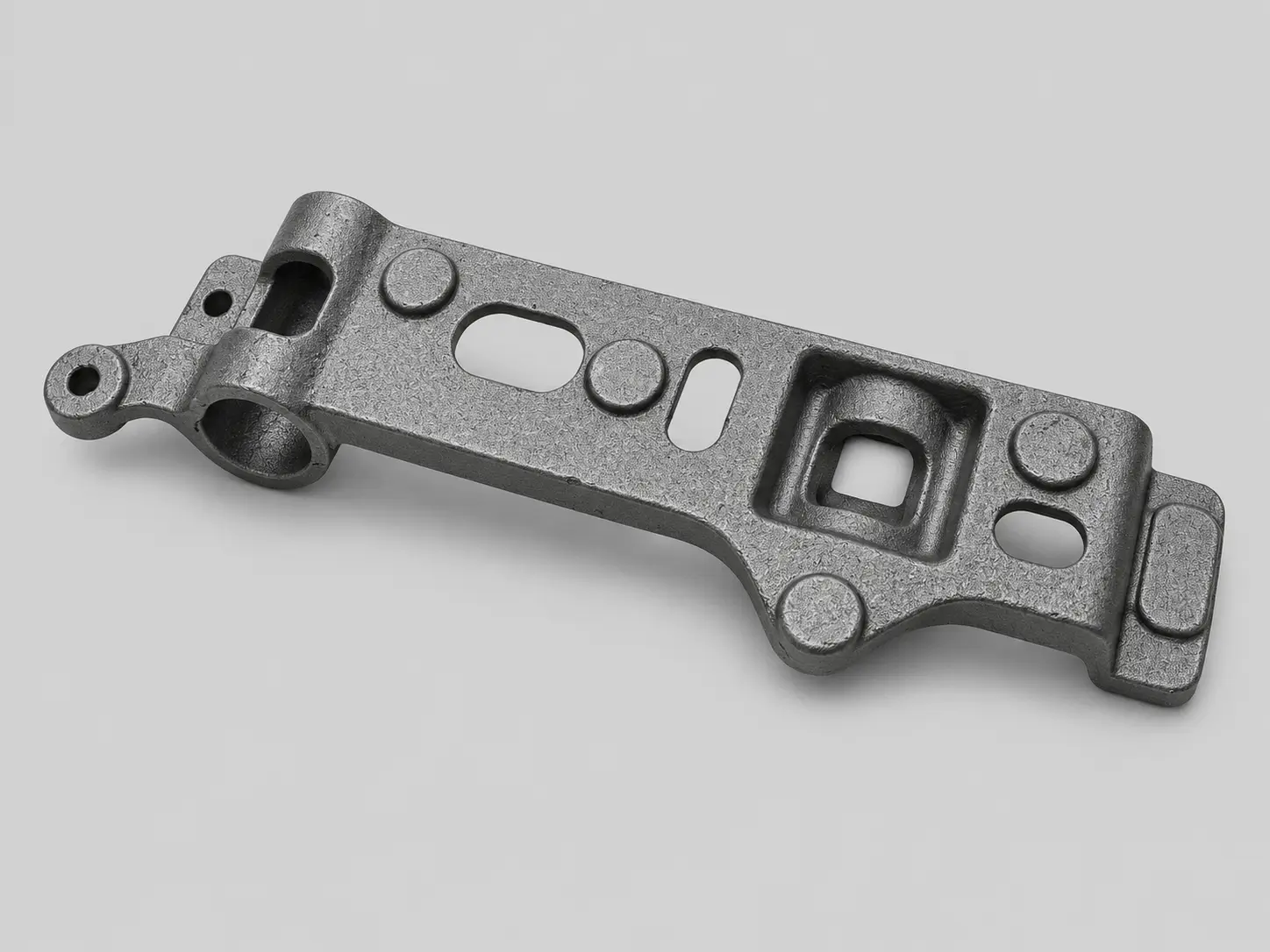
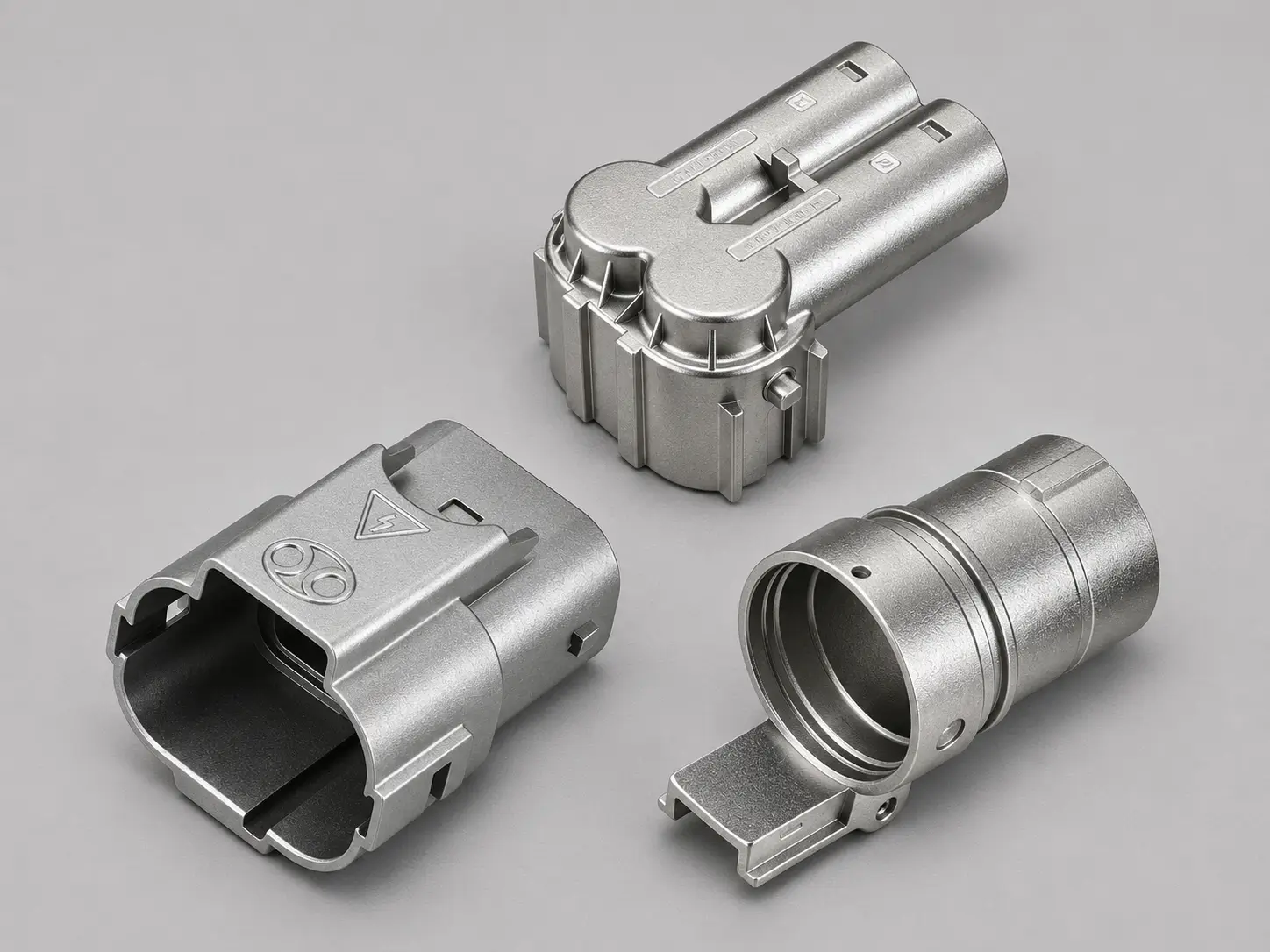
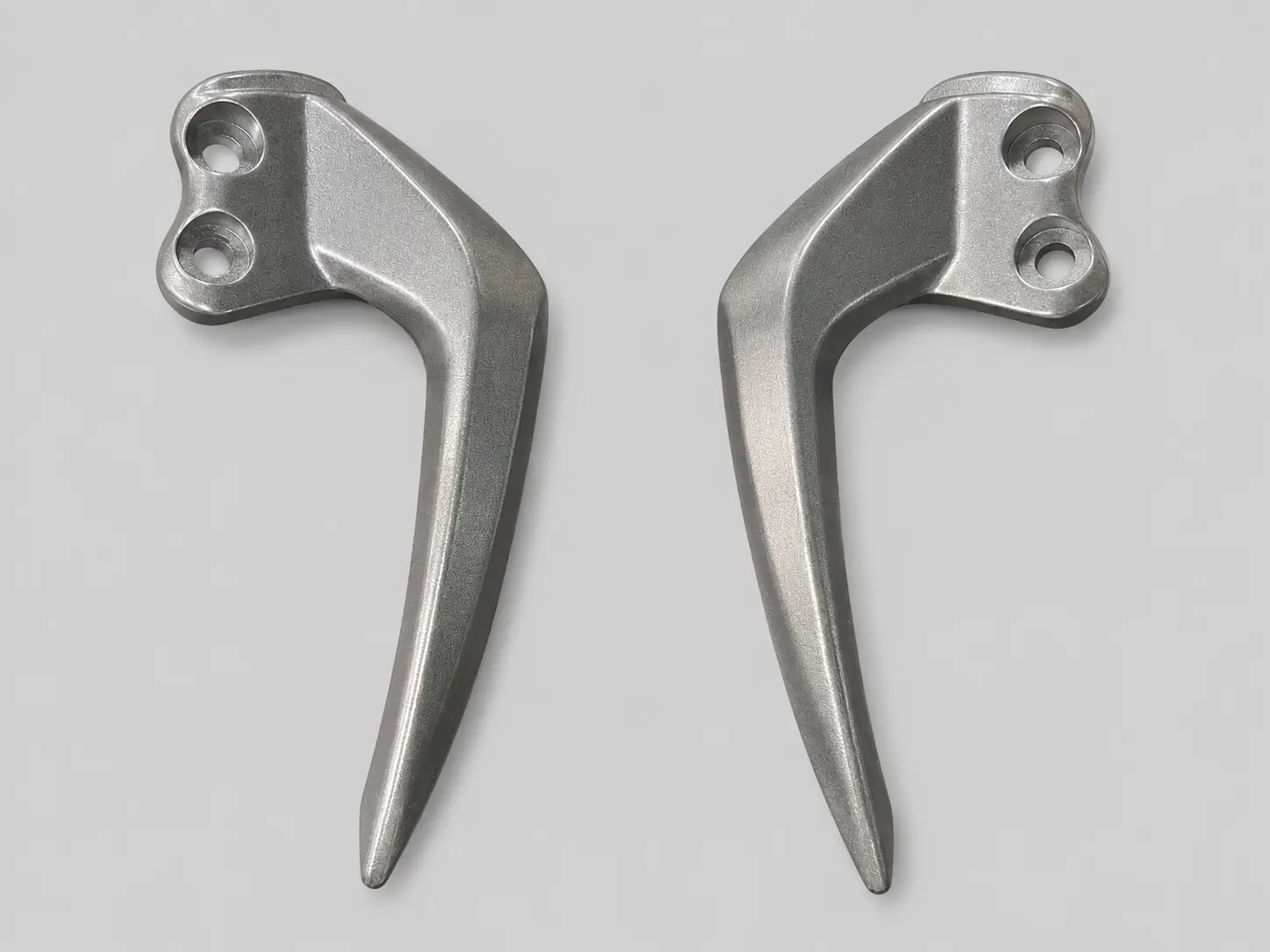
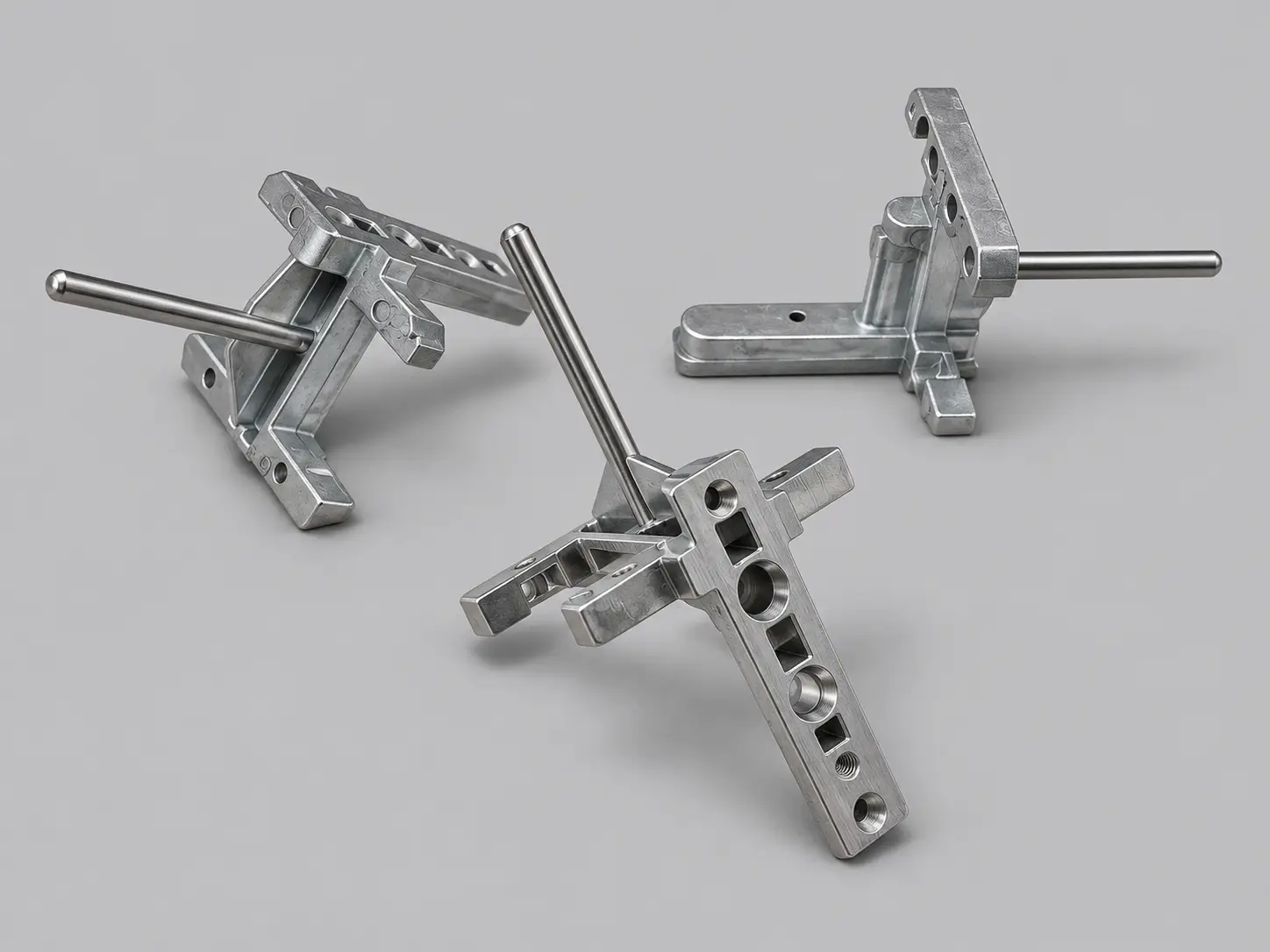
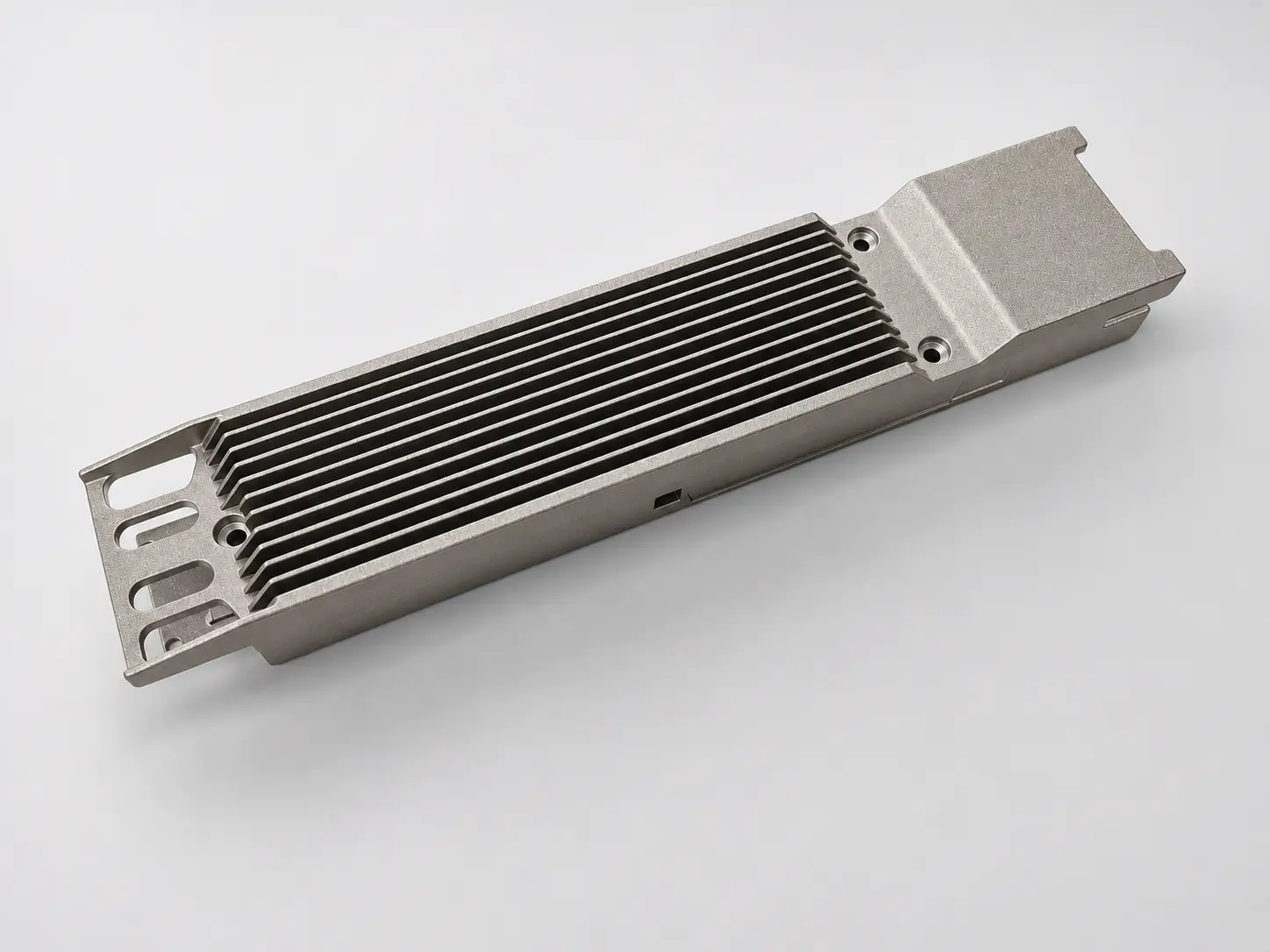
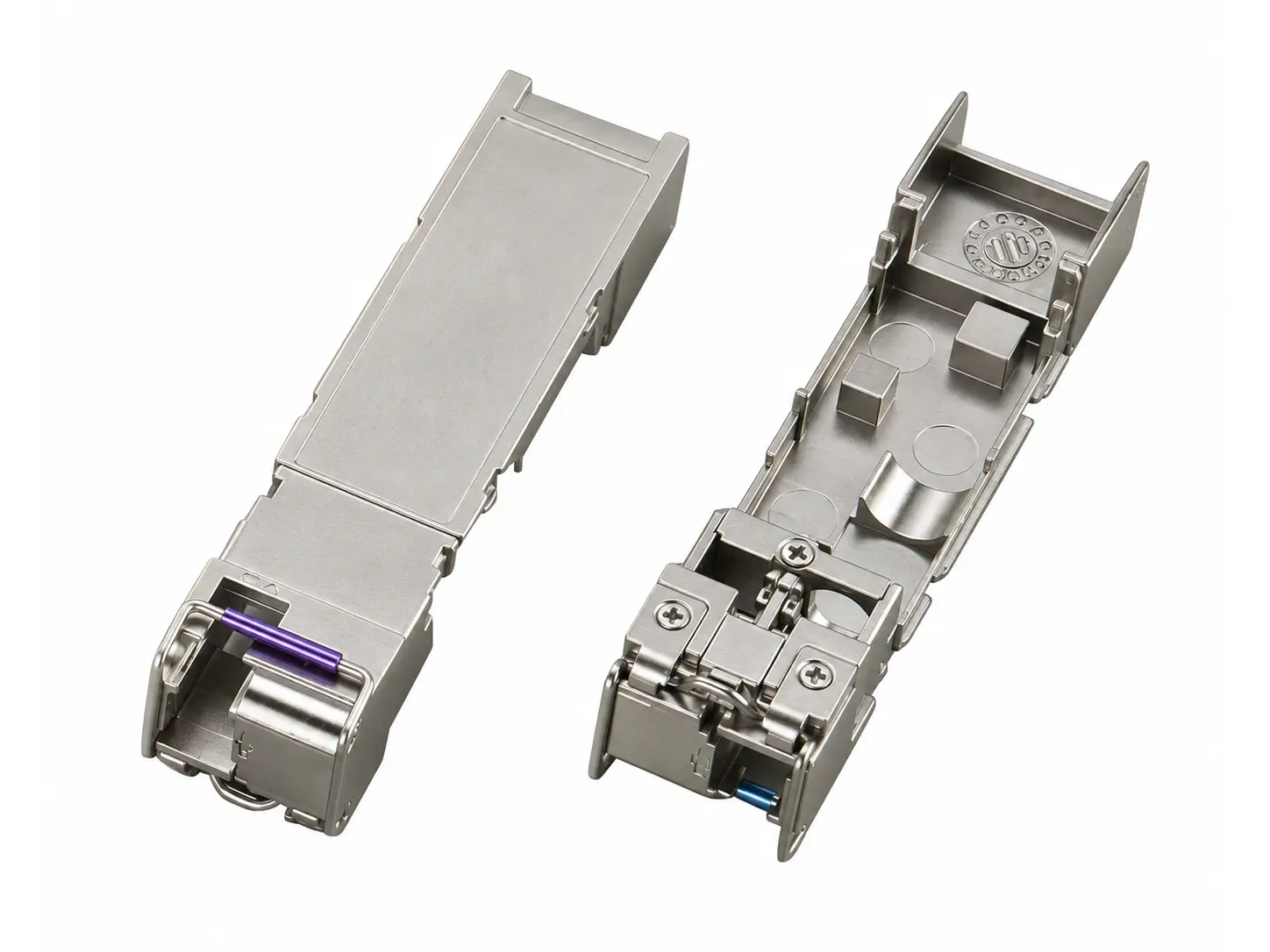
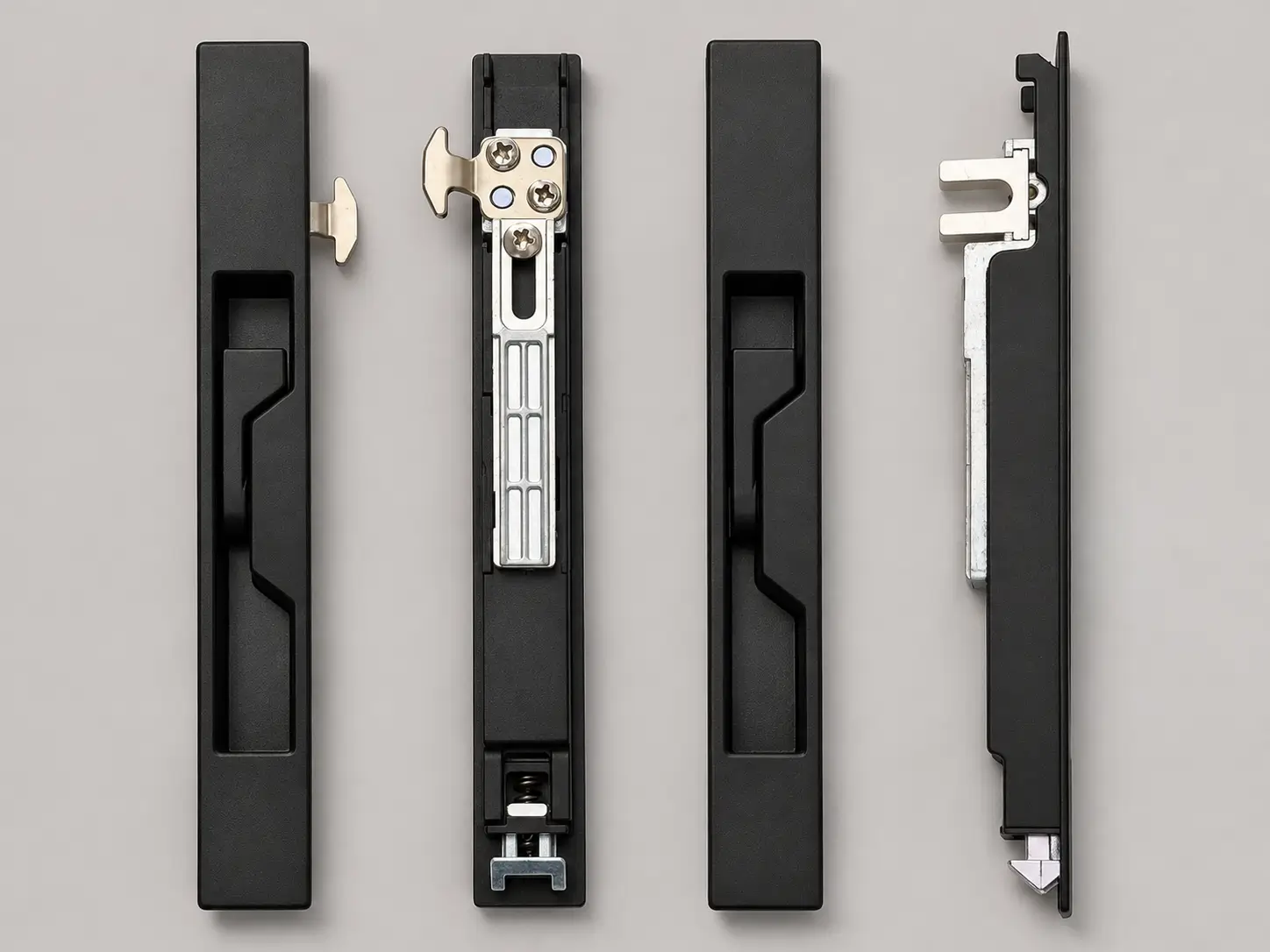
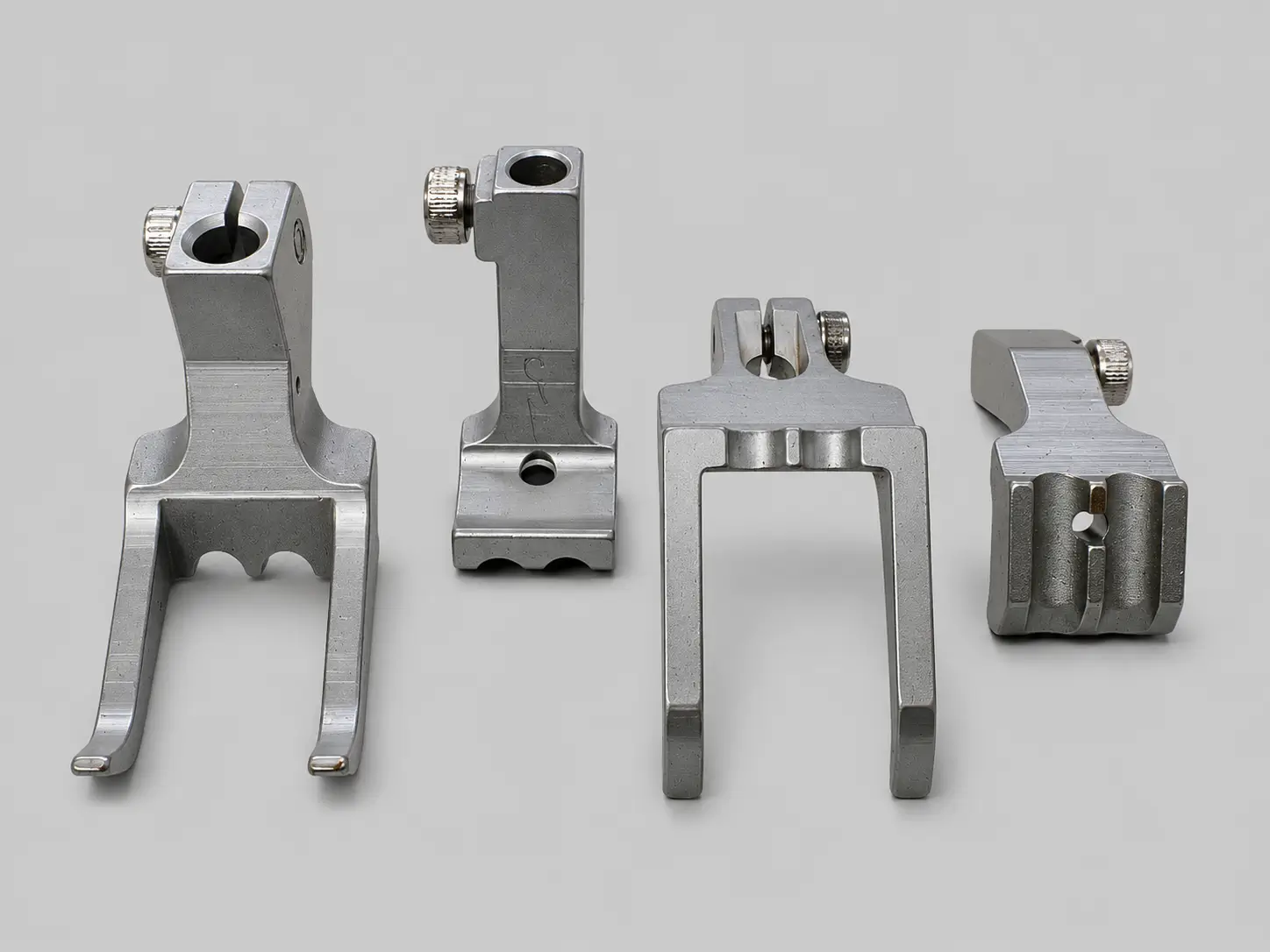
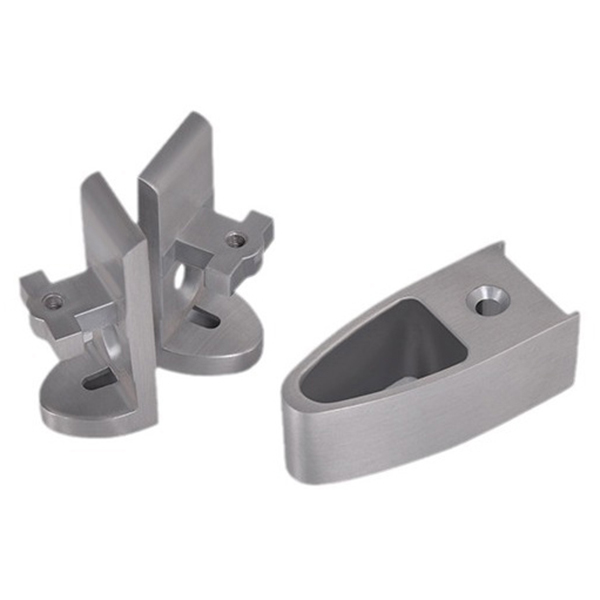
Custom zinc die casting parts are manufactured to customer drawings, 3D models, and application requirements. Our production covers zinc alloy housings, electronic enclosures, hardware fittings, connectors, brackets, and precision components for automotive, electronics, telecommunications, and industrial equipment applications.
Zinc Die Casting Tolerances
Zinc die casting tolerances are controlled according to ISO 8062-3 casting standards, with general dimensional tolerances following ISO 2768-m. For critical features requiring higher accuracy, secondary CNC machining can achieve tolerances down to ±0.01 mm depending on part requirements.
| Description | Specification |
|---|---|
| Casting Standard | ISO 8062-3 |
| General Tolerance | ISO 2768-m |
| Dimensional Tolerance | ±0.03 mm – ±0.10 mm |
| Machined Feature Tolerance | ±0.01 mm |
| Minimum Wall Thickness | 0.4 mm |
| Maximum Part Size | 500 mm × 350 mm × 100 mm |
| Prototype Lead Time | 3–5 working days |
| Mass Production Lead Time | 25–30 working days |
Start Your Zinc Die Casting Project
Share your drawings and specifications with our engineering team. We provide a transparent quote within 6 hours based on tooling requirements, production processes, and finishing options.
Zinc Die Casting Materials
Certified zinc alloys, including Zamak 3, Zamak 5, and Zamak 7, are available for custom die casting projects. Material composition and batch traceability are controlled before production to ensure consistent casting quality and reliable part performance.
Zamak 3 Zinc Alloy
Zamak 3 is a common choice for general-purpose zinc die cast components, offering dimensional stability and versatility in surface finishing.
Key Features: Good castability for complex features; suitable for polishing, electroplating, and painting.
Typical Applications: Electronic housings, connector shells, covers, handles, and decorative hardware.
Zamak 5 Zinc Alloy
Zamak 5 provides higher strength and hardness than Zamak 3, making it suitable for zinc die cast parts with greater mechanical demands.
Key Features: Higher strength and hardness; improved wear resistance with lower ductility than Zamak 3.
Typical Applications: Automotive hardware, locking components, handles, brackets, and mechanical fittings.
Zamak 7 Zinc Alloy
Zamak 7 offers good fluidity and ductility for zinc die cast parts with thin walls, intricate details, and demanding surface requirements.
Key Features: Improved mold filling; good ductility and suitability for decorative finishing.
Typical Applications: Thin-wall housings, decorative hardware, intricate fittings, and components requiring post-casting forming.
ZA-8 Zinc Alloy
ZA-8 offers higher strength, hardness, and creep resistance than common Zamak alloys, making it suitable for zinc die cast parts with greater mechanical demands.
Key Features: High strength and hardness; good wear resistance; suitable for hot-chamber die casting.
Typical Applications: Gears, levers, brackets, and load-bearing mechanical components.
Surface Finishes for Zinc Die Casting Parts
Die cast parts can be finished with anodizing, polishing, sand blasting, tumbling, electropolishing, Alodine, and electroplating based on alloy type and application needs. These finishes improve appearance, corrosion resistance, and surface performance.
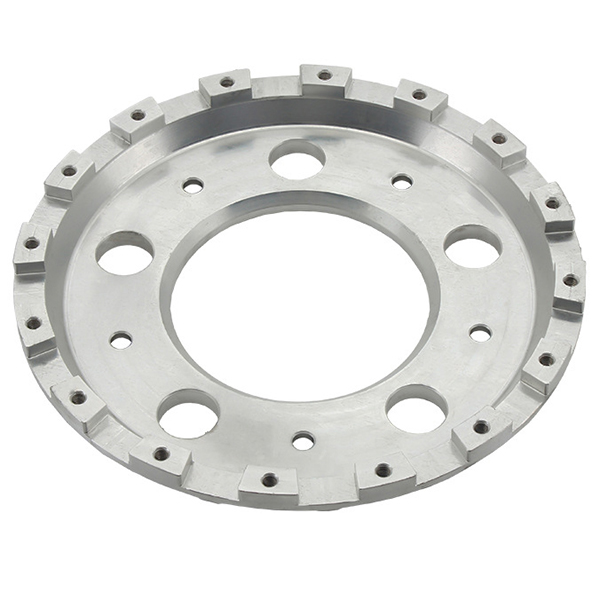
As Cast
Maintains the original die casting surface with natural texture and appearance.
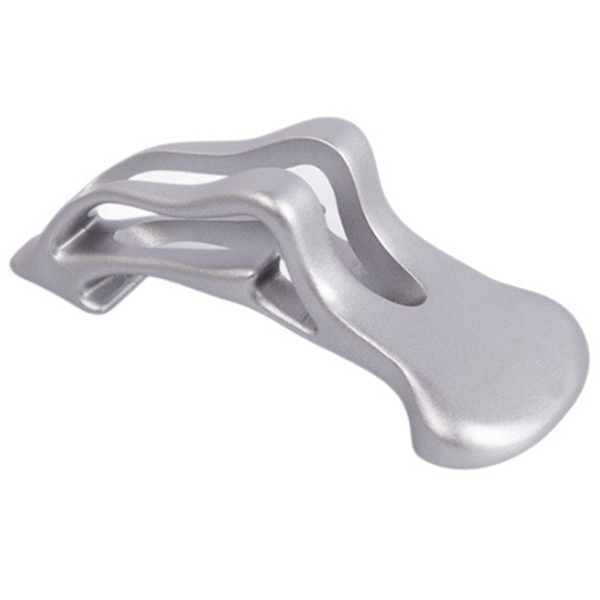
Tumbling
Removes burrs, smooths sharp edges, and improves overall surface consistency.
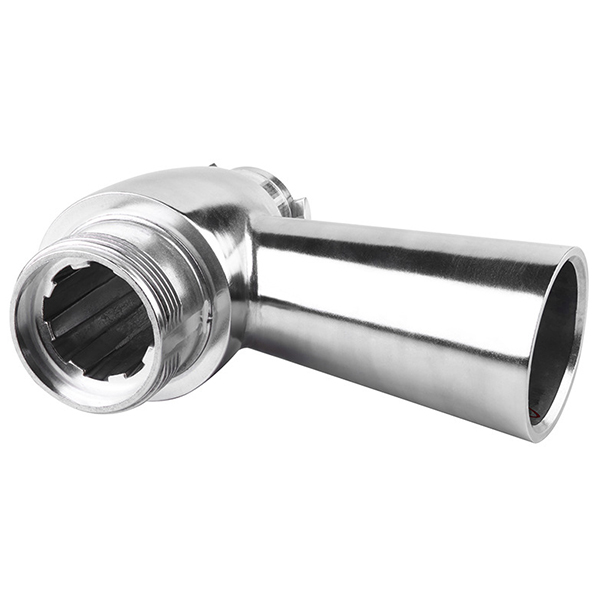
Polishing
Provides a smooth and bright finish for decorative and visible components.
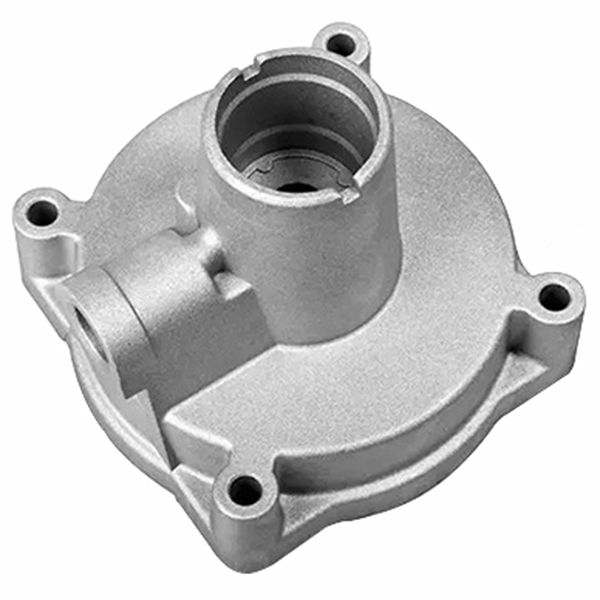
Bead Blasting
Uses fine glass beads or ceramic beads to create a uniform matte texture with minimal material removal.
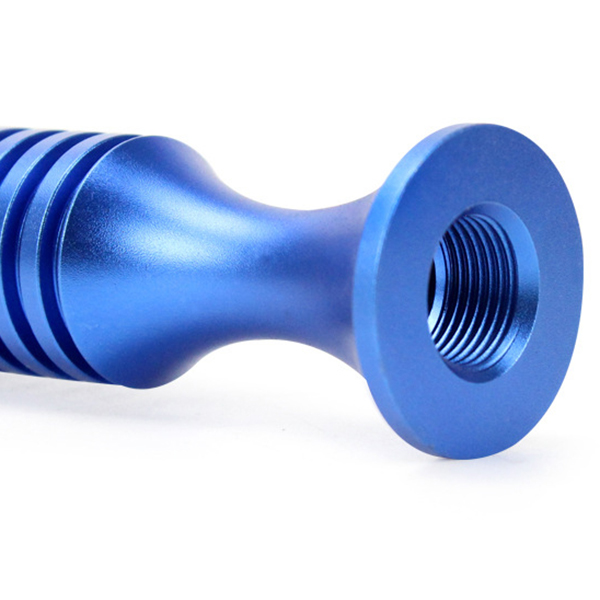
Electroplating
Applies metal coatings such as nickel or chrome to improve corrosion resistance and appearance.
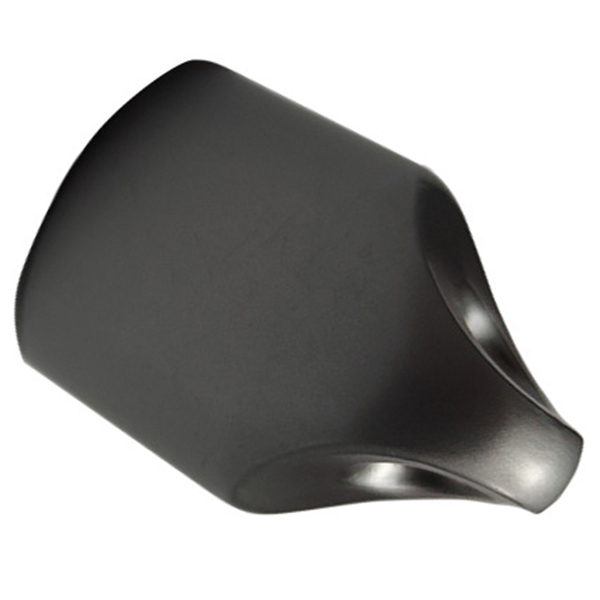
Powder Coating
Provides a durable protective coating with excellent corrosion resistance and color options.
Painting
Offers customized colors and additional surface protection for various applications.
Conversion Coating
Improves corrosion resistance and enhances coating adhesion for subsequent finishing processes.
Why Choose Zhonghui Precision for Zinc Die Casting?
Experienced engineers and machinists assess each project’s design requirements and production needs, then recommend a practical manufacturing approach. Customers receive direct technical support and a clear production plan focused on meeting specifications while managing lead time and cost.
Direct Manufacturer
Work directly with the team manufacturing your parts, without an intermediary between your requirements and production.
Customer Assistance
Receive clear quotations, progress updates, and responsive support for drawing revisions, delivery, and post-delivery questions.
Support for Repeat Orders
Your approved specifications and production history remain available for future orders, making revisions and repeat purchasing easier to manage.
Hot-Chamber Die Casting Process Control
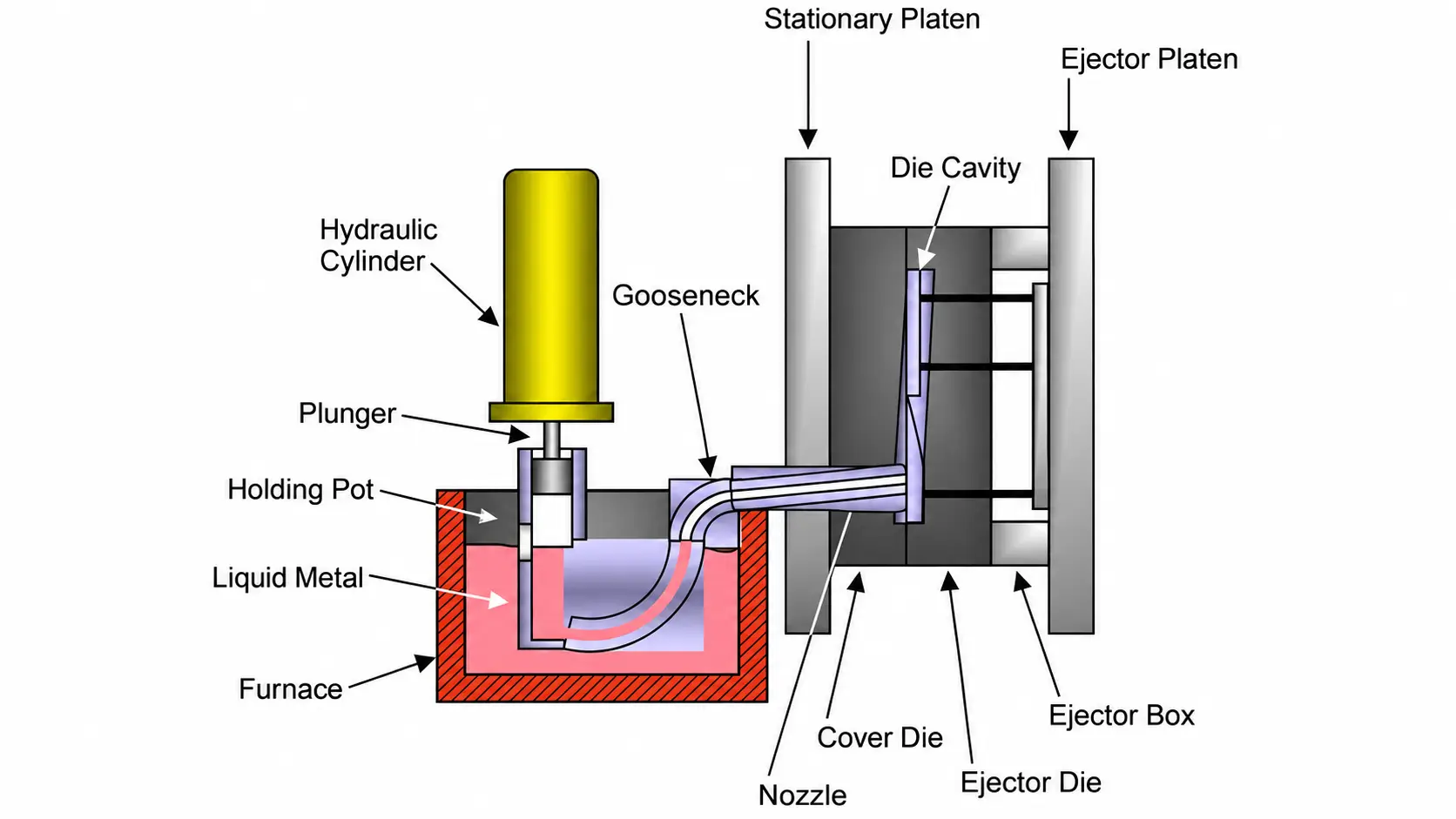
The integrated gooseneck injection system supplies molten Zamak alloy directly from the holding furnace into the mold cavity. This short metal delivery path supports rapid, repeatable injection cycles, making the process suitable for small and intricate zinc alloy parts with detailed features.
For different part designs, injection speed, pressure, and mold temperature are matched to wall thickness, metal flow paths, and cavity structure. Particular attention is given to filling thin sections, reproducing fine details, and controlling flash and porosity to achieve consistent casting results.
What is Zinc Die Casting
Zinc die casting is a manufacturing process that injects molten zinc alloy into a reusable steel mold under high pressure. After solidification, the mold opens and the part is ejected. It is well suited to high-volume production of detailed components with thin walls, ribs, bosses, and mounting features.
Common Zamak alloys are typically processed using hot-chamber die casting, with short production cycles and multi-cavity molds supporting efficient batch manufacturing. Parts can undergo machining, polishing, plating, or coating to meet final requirements. Typical applications include connector housings, lock components, handles, and electronic hardware.
Advantages of Zinc Die Casting
Fine Detail and Thin-Wall Capability: Zinc alloys offer excellent fluidity, allowing molten metal to fill intricate mold features and produce thin walls, small ribs, lettering, and complex geometries in a single casting.
Dimensional Consistency: Precision-engineered molds help maintain repeatable dimensions across production batches. Critical bores, threads, and mating surfaces can be further machined to meet tighter dimensional requirements.
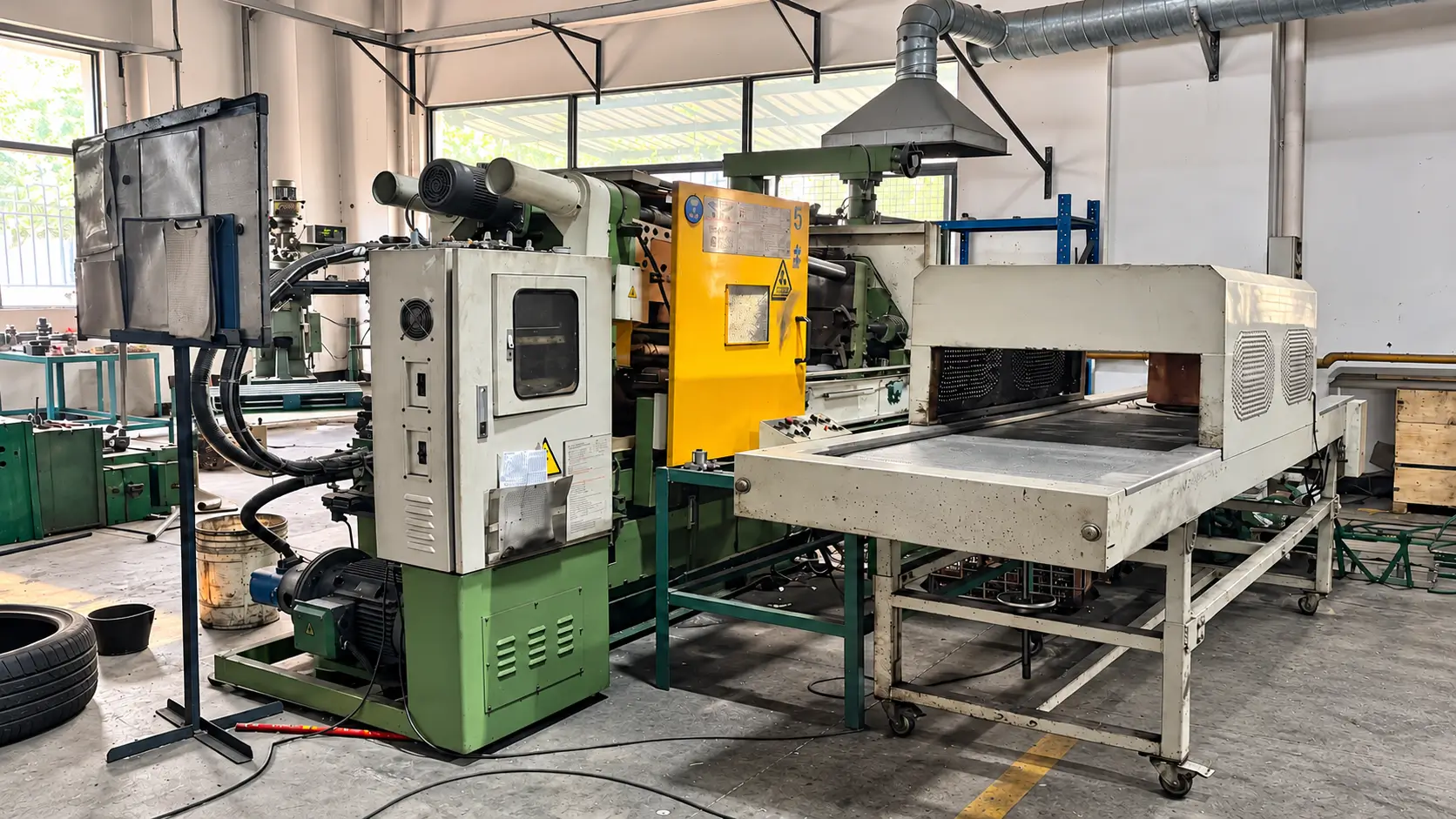
High Production Efficiency: Hot-chamber die casting enables rapid production cycles, while multi-cavity tooling allows multiple parts to be produced in a single shot, making it suitable for high-volume manufacturing.
Good Mechanical Properties: Zinc alloys provide a combination of strength, hardness, and wear resistance, making them suitable for functional parts such as connectors, hardware fittings, brackets, and mechanical components.
Extended Tooling Life: Compared with aluminum die casting, zinc alloys are processed at lower temperatures, generally reducing thermal loading on steel dies and helping extend mold service life under appropriate operating conditions.
Zinc Die Casting Applications
Automotive Parts: Lock housings, door handles, seat adjustment mechanisms, and interior fittings benefit from zinc alloy’s dimensional accuracy, strength, and ability to form complex features.
Electrical and Electronic Parts: Connector housings, shielding enclosures, and mounting frames use zinc die casting for thin-wall structures, integrated fastening features, and precise assembly interfaces.
Industrial Equipment Parts: Levers, knobs, valve fittings, and mechanism housings require durable metal construction, consistent dimensions, and accurately machined functional surfaces.
Consumer and Appliance Parts: Control knobs, appliance handles, switches, and decorative fittings take advantage of zinc’s fine-detail reproduction and suitability for polished or plated finishes.
Furniture and Architectural Hardware: Cabinet handles, hinges, door fittings, and decorative hardware combine intricate designs with dimensional consistency and durable construction.
Frequently Asked Questions
Zamak 3 is a widely used zinc alloy for hot-chamber die casting. It offers a good balance of castability, dimensional stability, strength, and surface finishing performance. It is commonly used for housings, connectors, hardware fittings, and other precision zinc die cast parts.
The cost of zinc die casting depends on part size, weight, alloy selection, mold complexity, cavity count, and production volume. Secondary operations such as CNC machining, surface finishing, and inspection also affect the final price. Higher production quantities can help distribute tooling costs across more parts.
Zinc alloys have good fluidity, allowing relatively thin sections to be produced with appropriate mold design and process conditions. The achievable wall thickness depends on part geometry, flow distance, alloy selection, gating design, and casting conditions. Thin-wall requirements should be evaluated during the DFM review rather than based on a universal minimum value.
Zinc die casting can achieve good dimensional accuracy, particularly for small and intricate parts. Actual tolerances depend on part dimensions, geometry, mold construction, and casting conditions. Critical bores, threads, and mating surfaces can undergo CNC machining when tighter tolerances are required.
Zinc die casting molds generally have a long service life because zinc alloys are processed at lower temperatures than aluminum alloys, reducing thermal loading on the die. Actual mold life depends on mold steel, design, casting conditions, maintenance, and production requirements.
Zinc die casting is particularly suitable for small, detailed parts requiring thin walls, dimensional accuracy, and good surface reproduction. Aluminum die casting is often preferred for larger, lightweight parts and applications where weight reduction is important. Material selection should consider part size, mechanical requirements, operating temperature, and production volume.
To evaluate a zinc die casting project, manufacturers typically need a 2D technical drawing, 3D model, required alloy, estimated order quantity, and surface finish specifications. Critical dimensions, machining requirements, and annual demand are also helpful for evaluating tooling design, production planning, and overall manufacturing costs.