Low Volume Manufacturing Services
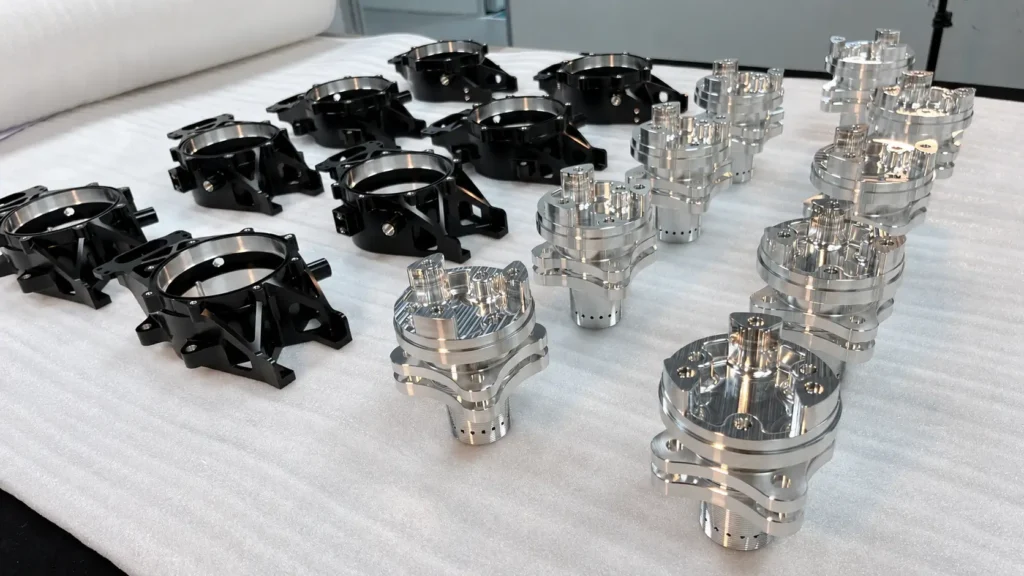
Custom parts manufacturing through CNC machining, sheet metal fabrication, die casting, and aluminum extrusion. Flexible batch quantities, material options, surface finishing, and inspection support pilot builds, small production runs, and repeat orders.
- Low Upfront Cost
- Flexible Production Volumes
- Consistent Repeat Production
Quality Certifications
ISO 9001:2015 | IATF 16949:2016

STP | STEP | SLDPRT | IPT | PRT | SAT
All uploaded files are secure and confidential.
Trusted by companies like


Small-Batch Production for Your Project
Low-volume production supports projects that need finished parts in manageable quantities, whether for product validation, temporary supply needs, or ongoing small-batch purchasing. Manufacturing plans are developed around your part design, material, quantity, and quality requirements.
Batch sizes and delivery schedules can be coordinated with your testing, assembly, and purchasing plans. For repeat orders, approved drawings, process records, and inspection criteria provide a consistent reference for subsequent production.

Low-Volume Manufacturing Capabilities
CNC machining, sheet metal fabrication, die casting, and aluminum extrusion offer different options for small-batch production. Process selection considers part geometry, material, tolerances, order quantity, and expected repeat demand to balance initial investment and unit cost.
CNC Machining
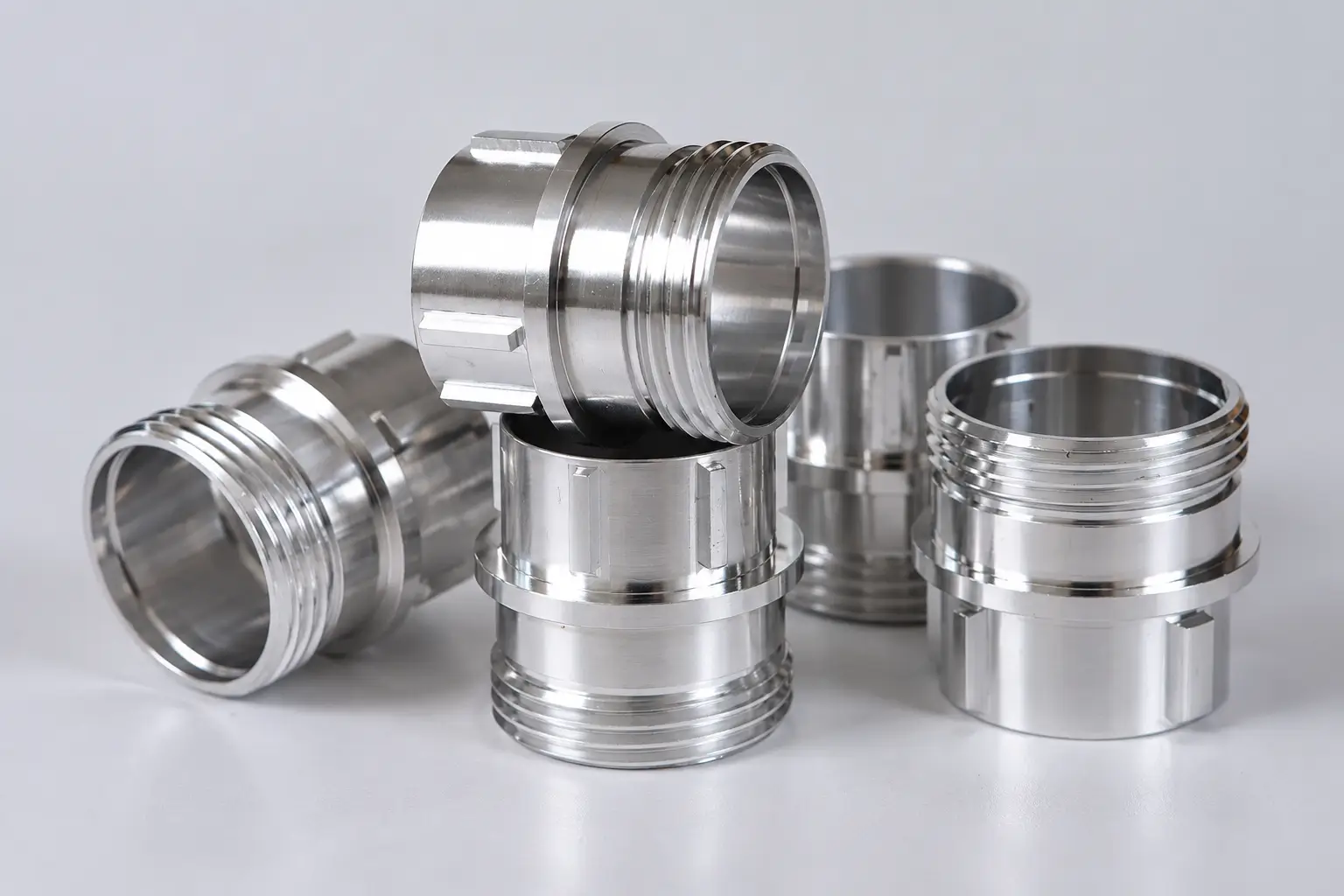
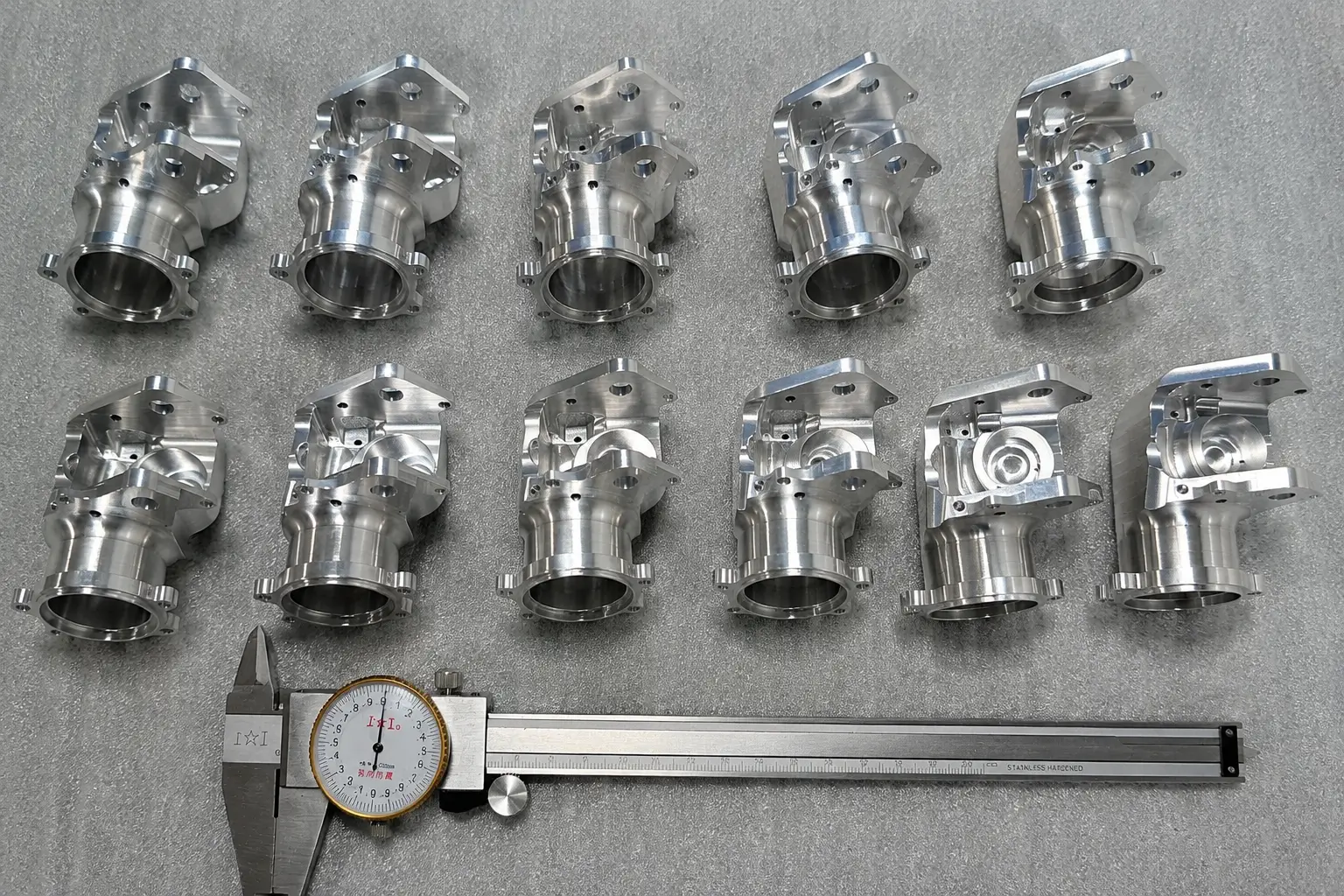
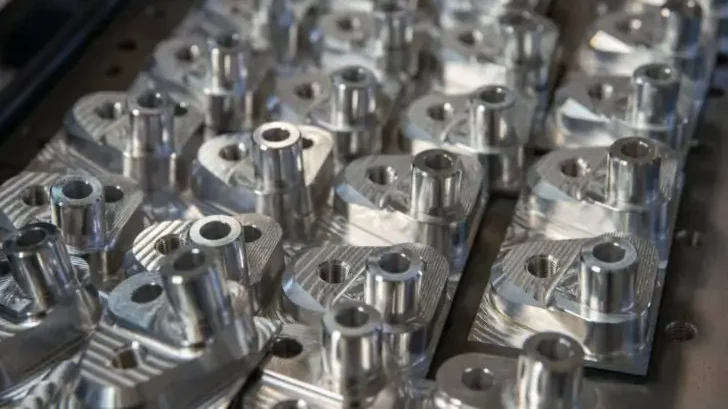
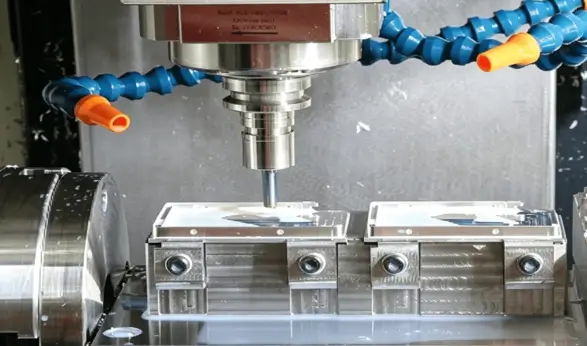
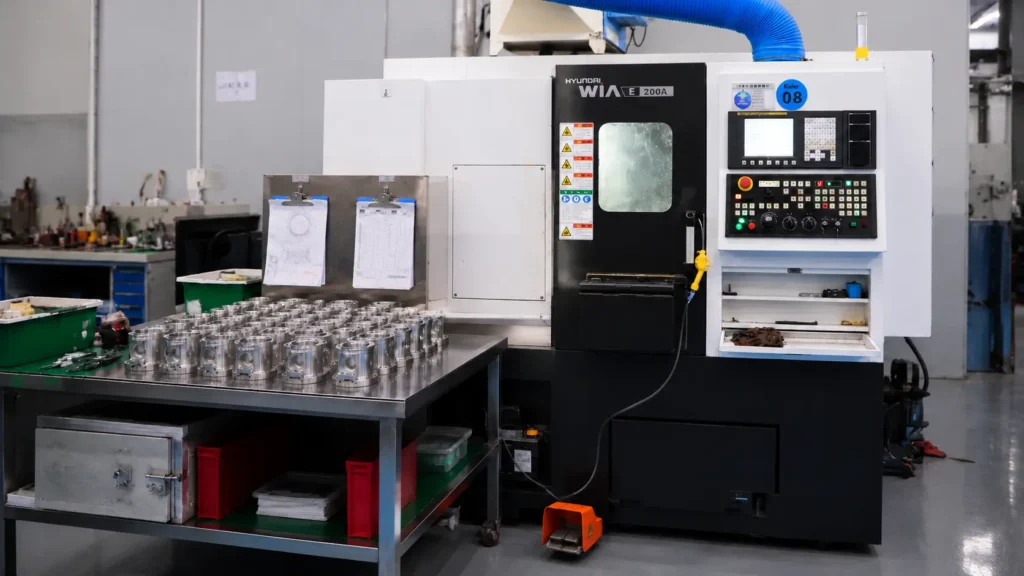
CNC milling, turning, and multi-axis machining produce housings, brackets, shafts, and complex components. Programs and workholding can be adapted for design revisions and retained for repeat batches.
Die Casting
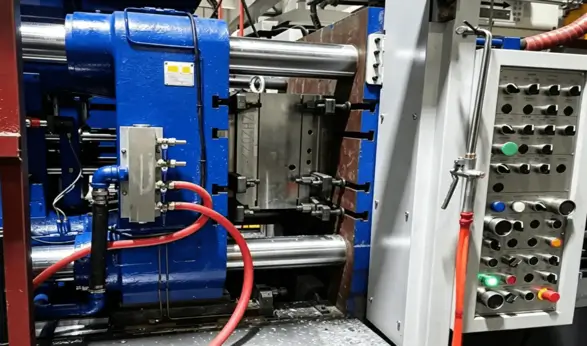
Aluminum, zinc, and magnesium die casting supports repeat batches where expected demand justifies mold investment. Secondary machining and finishing complete critical features and specified surfaces.
Sheet Metal Fabrication
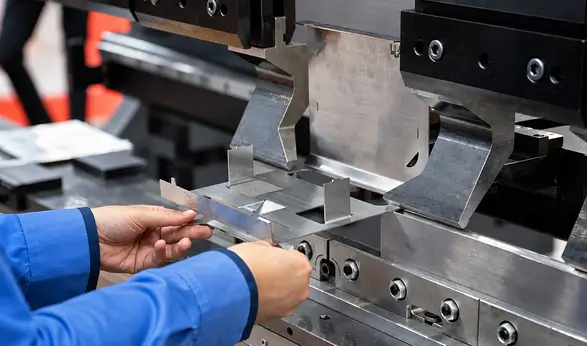
Cutting, bending, and welding produce panels, enclosures, frames, and brackets. Material thickness, bend geometry, joining methods, and finishing requirements guide the production plan.
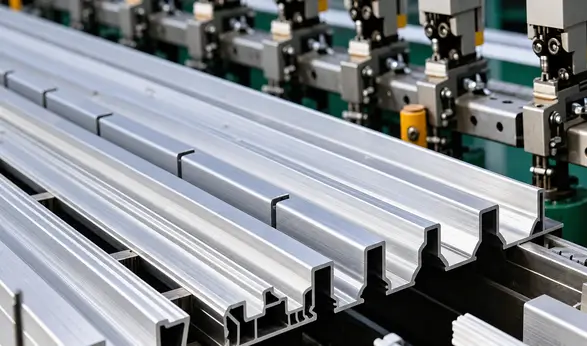
Aluminum Extrusion
Custom profiles support frames, rails, housings, and heat sinks with consistent cross-sections. Die costs, material minimums, cutting, machining, and finishing are evaluated against the required quantities.
Low-Volume Production Capabilities Comparison
Different manufacturing processes offer different production capacities and lead times. The table below highlights the available processes, typical production quantities, and delivery options for low-volume manufacturing projects.
| Manufacturing Process | Typical Batch Quantity | Tooling Requirements | Expedited Production | Standard Production |
|---|---|---|---|---|
| CNC Machining | 10–10,000 units | Fixtures as required | 3–5 working days | 5–15 working days |
| Sheet Metal Fabrication | 10–10,000 units | Process-dependent tooling | 5–7 working days | 10–20 working days |
| Die Casting | 1,000–50,000 units | Dedicated casting mold | 15–20 working days | 20–35 working days |
| Aluminum Extrusion | 100–10,000 units | Custom extrusion die | 10–15 working days | 15–30 working days |
Die casting and extrusion lead times apply to approved parts with existing tooling. New tooling development, sample approval, and shipping are scheduled separately.
Batch Planning & Cost Review
Our engineering team reviews part geometry, material utilization, workholding, and process sequencing alongside batch quantities to identify practical cost-saving options. This engineering support helps balance preparation costs, unit pricing, and repeat production needs while maintaining your specified quality requirements.
Quantity-Based Pricing
Compare prices at different order quantities to understand how setup costs, material utilization, and machining efficiency affect the unit price.
Scheduled Deliveries
Produce an agreed quantity in one run and arrange staged deliveries where suitable, coordinating shipment quantities with your purchasing schedule.
Repeat-Order Savings
Retain suitable programs, fixtures, and inspection routines for repeat orders, reducing preparation work while verifying setups and drawing revisions for each batch.

Get a Low-Volume Manufacturing Quote
Share your CAD files and production requirements. Our engineers will review your design, quantities, and machining needs to provide a practical manufacturing solution.
Low-Volume Production Process Control
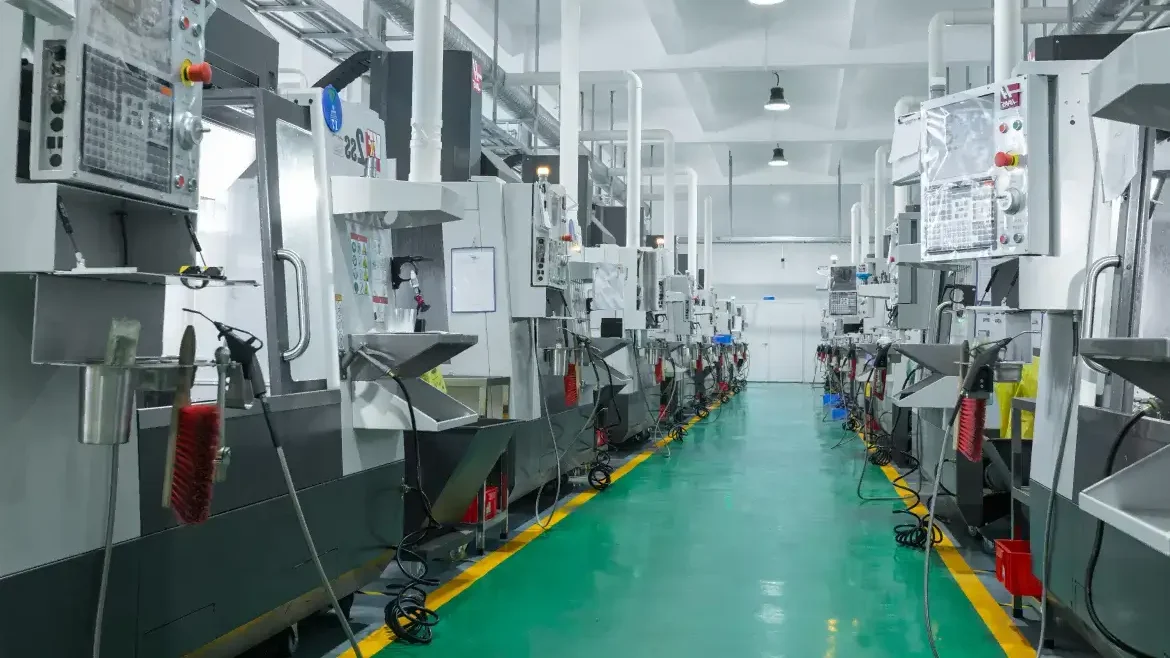
Controlled manufacturing processes are applied throughout low-volume production to maintain dimensional accuracy and consistent quality. Each project begins with design review to identify potential risks before machining, followed by defined machining strategies and inspection checkpoints at every stage.
Standard CNC Parts Production Control
For parts machined through standard milling or turning, the focus is dimensional repeatability and stable surface quality across each batch. With fewer setups and operations, consistency is maintained through stable fixturing, verified tool paths, and controlled cutting parameters from the first part to the last.
Process technology includes CNC milling, CNC turning, precision fixture setup, and CMM inspection of critical dimensions, supporting reliable, repeatable results where part geometry is straightforward.
Complex CNC Parts Production Control
For parts requiring multiple operations, multi-axis setups, or mill-turn processing, the focus shifts to feature alignment, tolerance accumulation, and consistency across operations. As setups increase, sequencing and in-process verification become critical to maintaining accuracy throughout the part.
Process technology includes 3-axis, 4-axis, and 5-axis milling, mill-turn machining, and dimensional verification at key checkpoints, with quality records maintained to support traceability across complex geometries.
Why Choose Zhonghui Precision for Low Volume Manufacturing
Zhonghui Precision combines CNC machining, die casting, sheet metal fabrication, and aluminum extrusion with practical engineering support and documented quality control. We coordinate process selection, batch quantities, and delivery schedules around your requirements, with direct communication throughout production and support for repeat orders.

Direct Manufacturing Support
Working directly with our factory allows efficient communication, transparent production control, and flexible solutions for different project requirements.

Engineering and DFM Support
Our engineering team reviews designs, tolerances, and manufacturing requirements to improve manufacturability and avoid potential production issues.
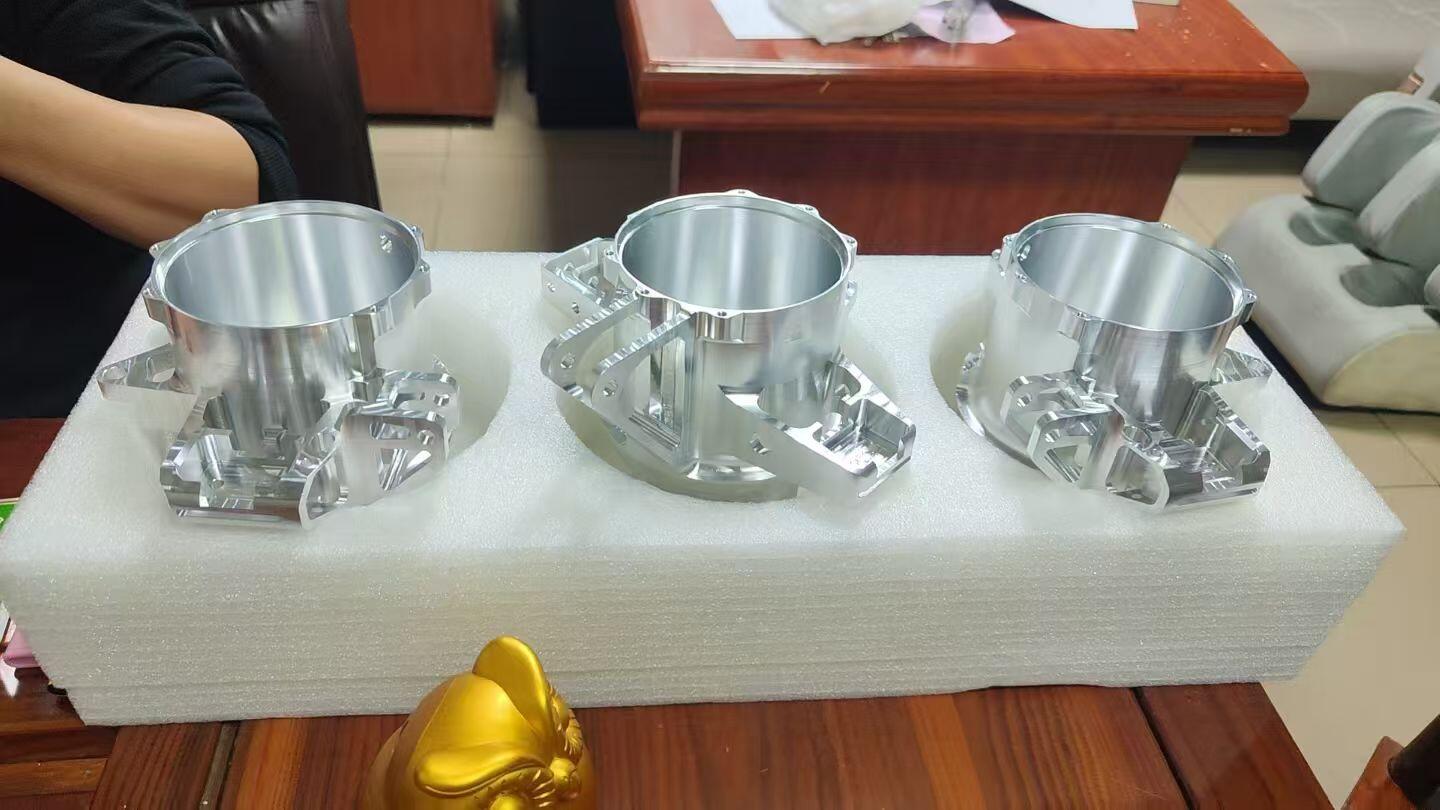
Flexible Production Capacity
No minimum order quantity is required. Order the parts you need for testing, pilot builds, or ongoing production, and adjust batch sizes as your project develops.
Advantages of Low-Volume Manufacturing
Low-volume manufacturing provides a flexible production approach for companies that need custom parts without the cost and commitment of full-scale production. It helps reduce development risks while maintaining production quality and manufacturing efficiency.
Faster Product Development
Use smaller production batches for design validation, assembly testing, and functional evaluation before committing to larger orders.
Lower Upfront Investment
Limit initial spending by matching batch quantities and manufacturing methods to current needs, with tooling costs assessed against expected demand.
Design Flexibility
Introduce approved design revisions between batches, with any changes to tooling, pricing, and lead time reviewed before production.
Reduced Inventory Risk
Order quantities that reflect actual demand to reduce excess stock, storage requirements, and the risk of holding outdated parts.
Consistent Part Quality
Defined production methods and inspection criteria support dimensional consistency and repeatable results across small batches.
Smooth Production Transition
Use sample approval results and production records to plan subsequent batches, reviewing capacity and process changes as order volumes grow.
Frequently Asked Questions
Low-volume CNC machining produces custom parts in smaller batches using milling, turning, and multi-axis processes. It supports testing, pilot builds, and repeat production, with fixtures or soft jaws prepared where needed.
Production lead times follow the ranges shown above and are confirmed during quotation review. Material availability, part complexity, finishing, and inspection requirements affect scheduling. New tooling development and shipping are scheduled separately.
Tolerances are reviewed against the manufacturing process, material, and part geometry. For CNC machining, general tolerances follow the agreed drawing standard, with critical dimensions and inspection requirements confirmed before production.
Pricing considers material, programming, setup, tooling or fixtures, production time, finishing, and inspection. Comparing several batch quantities helps identify a suitable balance between initial spending and unit cost.
Yes. Approved drawings, suitable programs, fixtures, and inspection records can support future batches. Drawing revisions, material requirements, and production settings are checked before each order.
Material certificates, dimensional reports, and CMM reports can be provided according to project requirements. The inspection scope and documentation are agreed during quotation review.