
Robotics Industry

From CNC Prototyping to On-Demand Production

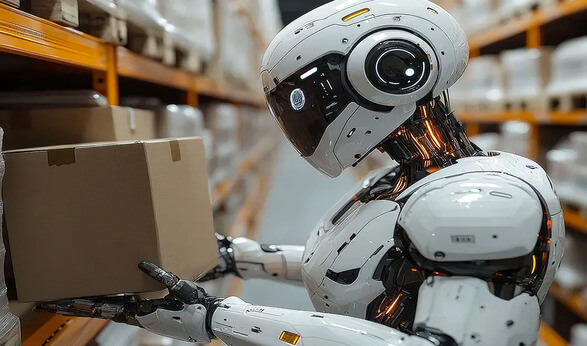
Custom parts for robotic systems, from joint housings and arm components to motor mounts, sensor brackets, and structural parts. Manufacturing support covers early prototypes, engineering validation, low-volume builds, and repeat production.

Quality Certifications
ISO 9001:2015 | IATF 16949:2016

Robotics-Industry
Robotics

Manufacturing Solutions for the Robotics Industry

Robotics product development often involves design revisions, repeated testing, and close coordination between mechanical components, motion systems, sensors, and assemblies. Fast turnaround from digital design to testable hardware helps keep development moving.

Support can cover drawing development, CAD refinement, DFM, prototypes, validation builds, low-volume and repeat production. CNC machining, sheet metal, die casting, or other processes are selected based on the part, material, quantity, and functional requirements.

Robotics Parts from Prototype to Production

Support for robotics parts from early prototypes and validation builds to low-volume and repeat production, with manufacturing adapted to changing project requirements.

Prototyping

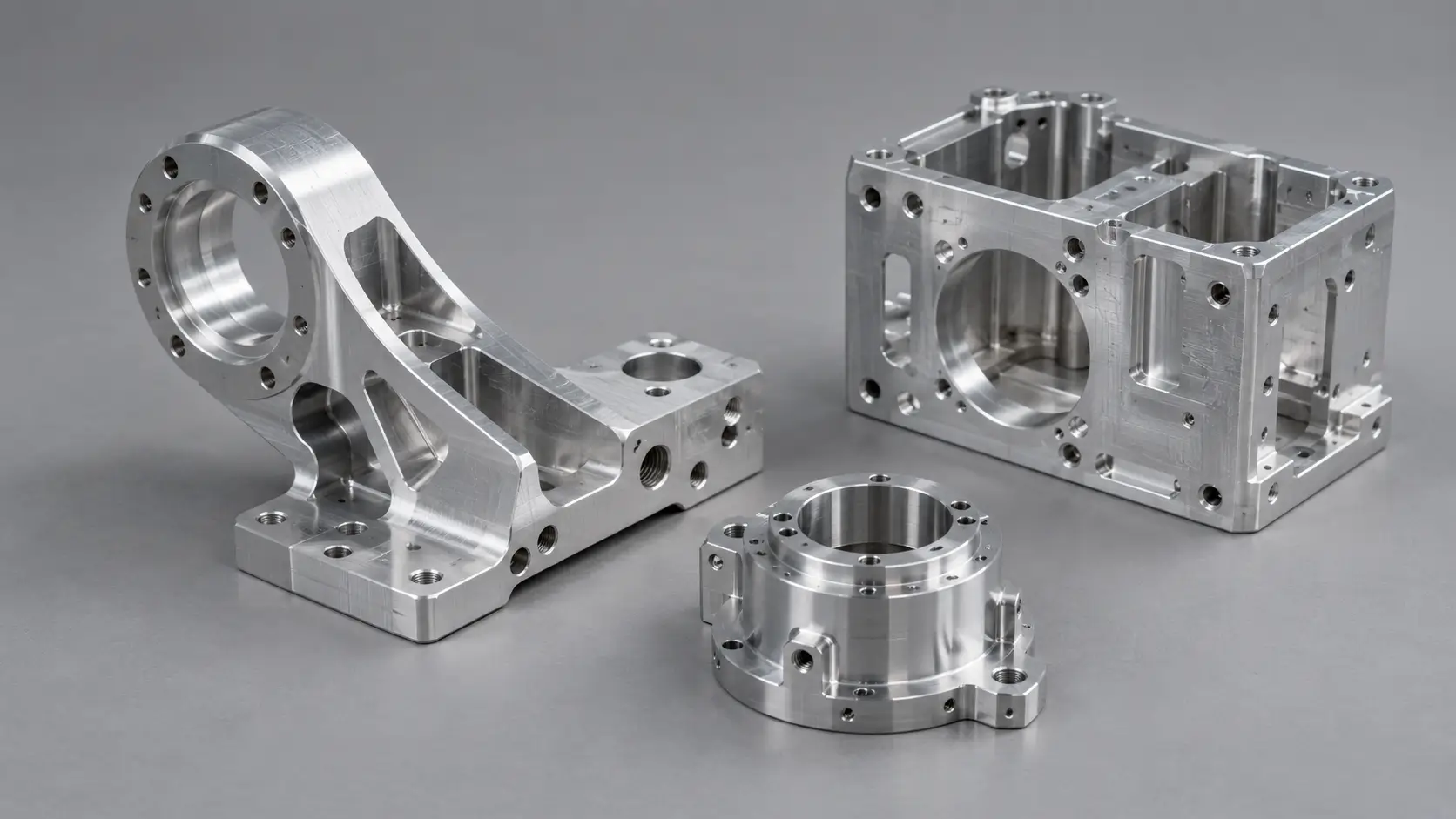
Build early robotic parts to evaluate fit, motion, assembly, weight, and mechanical interfaces. Prototype testing helps identify design issues before more time and cost are committed to later development stages.
Robotics Parts Prototyping

Engineering Validation

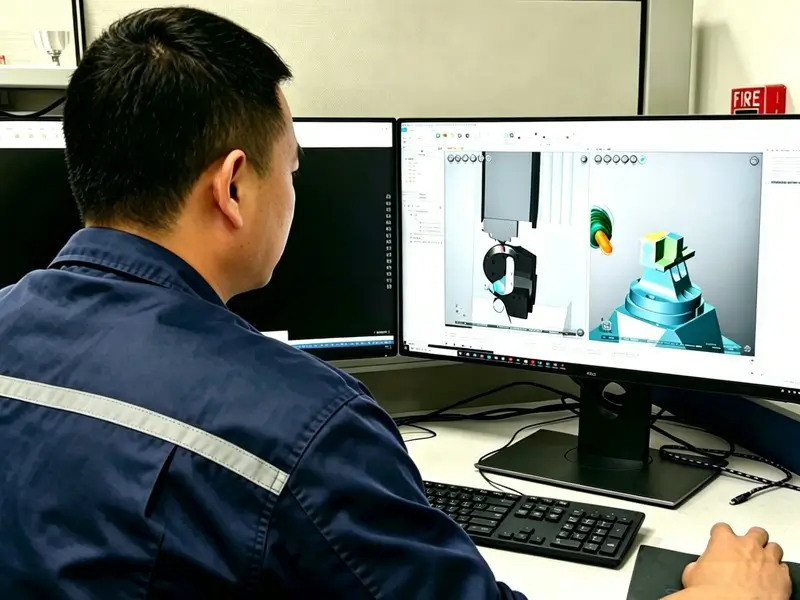
Test functional components under realistic loads, movement, and assembly conditions to evaluate stiffness, alignment, joint interfaces, motor mounting, and overall mechanical performance.
Robotics Engineering Validation

Design Validation

Verify final dimensions, clearances, mounting features, bearing locations, sensor positions, and mating interfaces using production-representative parts before the design is released.
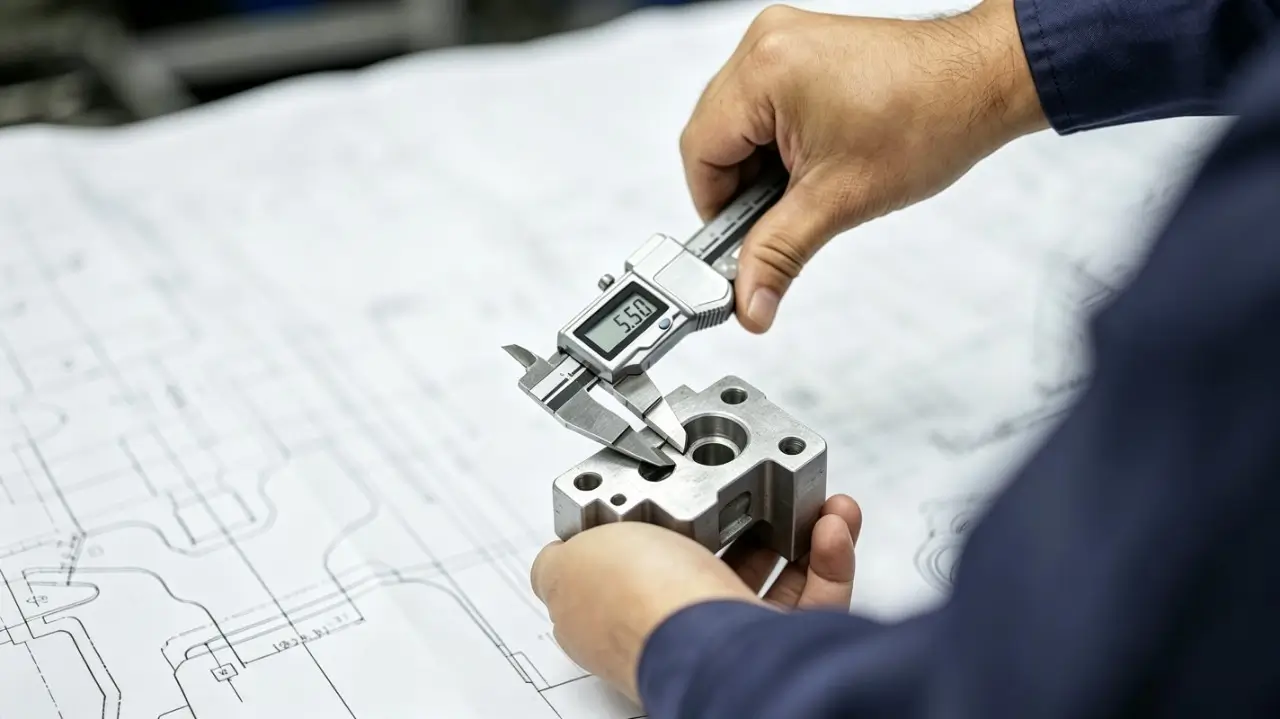
Robotics Parts Design Validation

Production Validation

Confirm manufacturing methods, fixtures, inspection requirements, surface finishes, and process repeatability before moving into regular production.
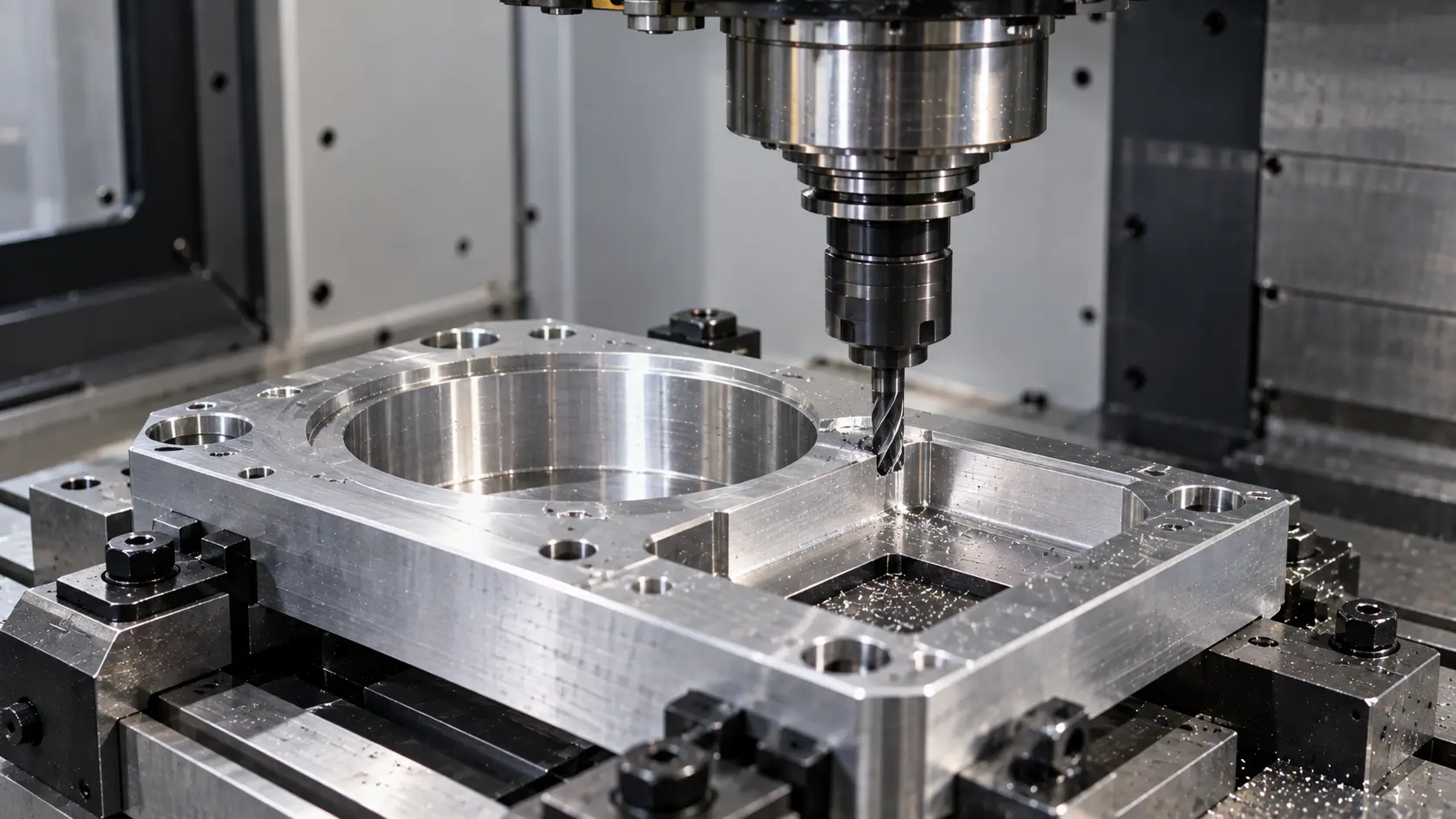
Robotics Production Validation

Production Manufacturing

Move approved robotic components into controlled low-volume and repeat production with defined manufacturing, inspection, finishing, and quality requirements.
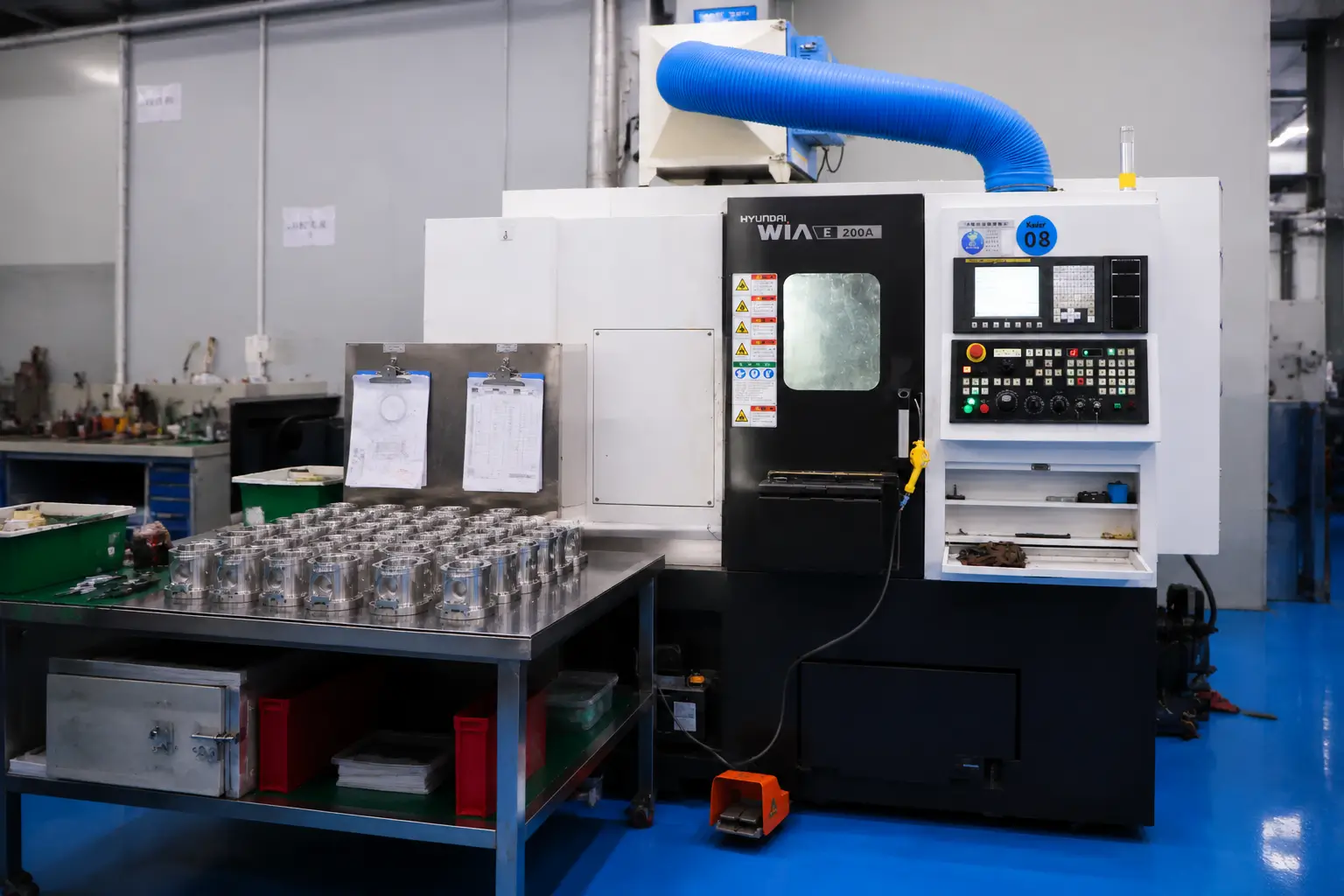
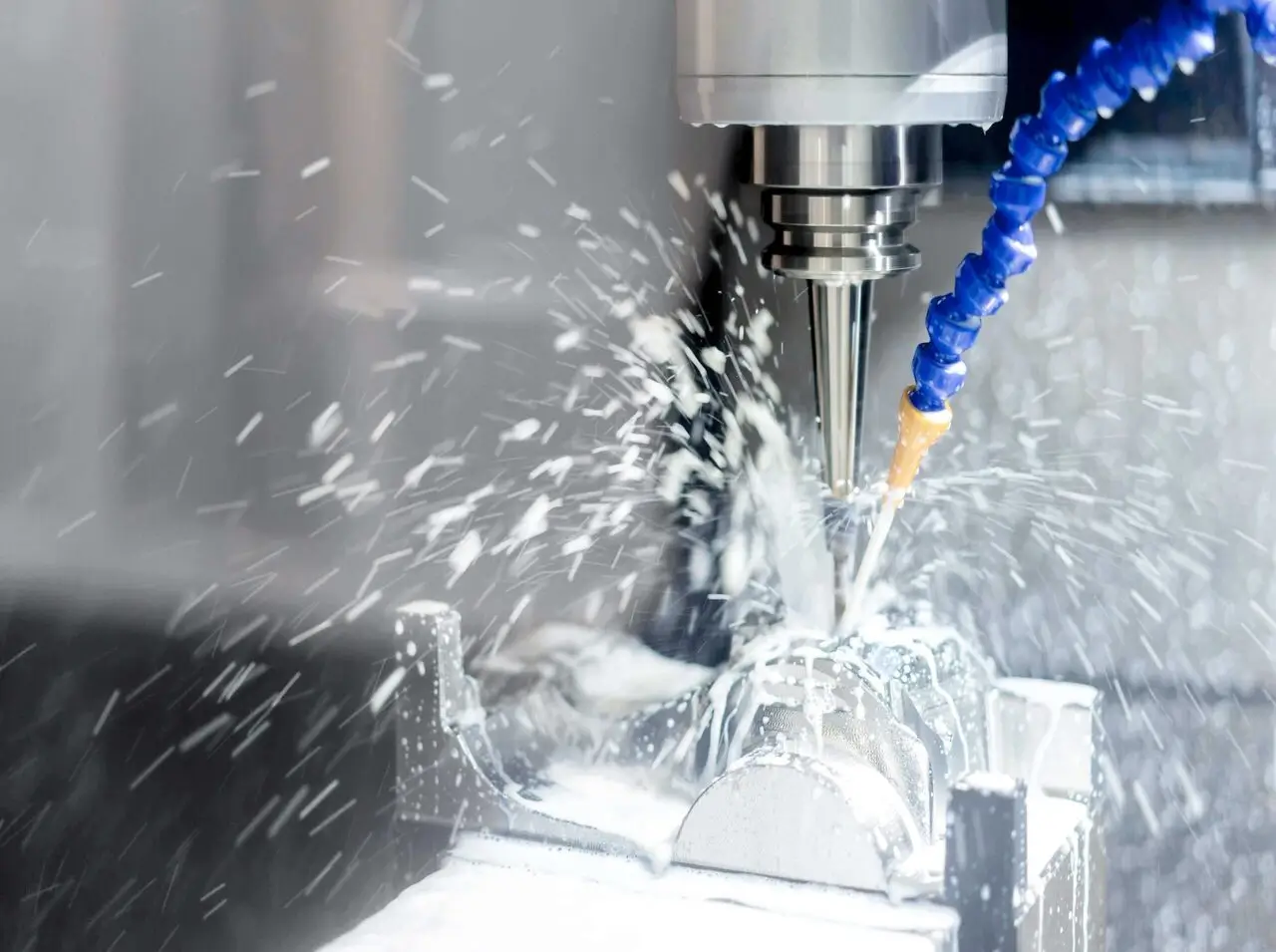
Robotics Parts Production Manufacturing

Start Your Robotics Project

Send your CAD files, drawings, or project requirements for manufacturing review, process recommendations, and a fast quote.

Manufacturing Capabilities for Robotics Parts

Robotics parts vary in structure, materials, and production volume, so the manufacturing method should match each component. CNC machining, die casting, sheet metal fabrication, and aluminum extrusion can support precision parts, housings, frames, and structural assemblies.

Custom CNC Machining Services

CNC Machining

For robot joints, housings, brackets, mounts, shafts, and structural parts requiring precise dimensions and complex features.
Custom-Die-Casting-Services-webp.webp

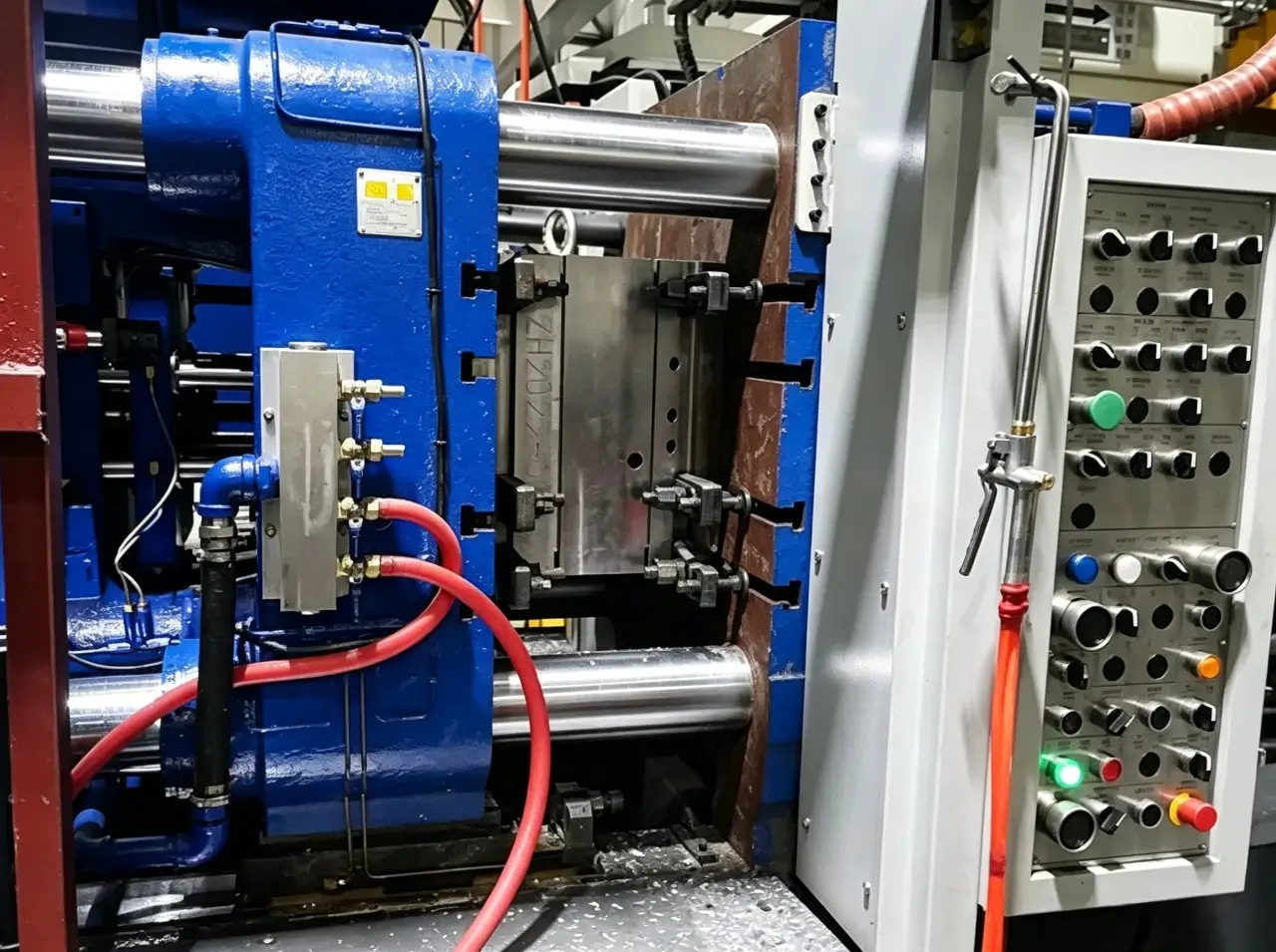
Die Casting

For housings, covers, and structural parts where stable designs and higher production volumes justify dedicated tooling.
Sheet-Metal-Fabrication-Services-webp.webp

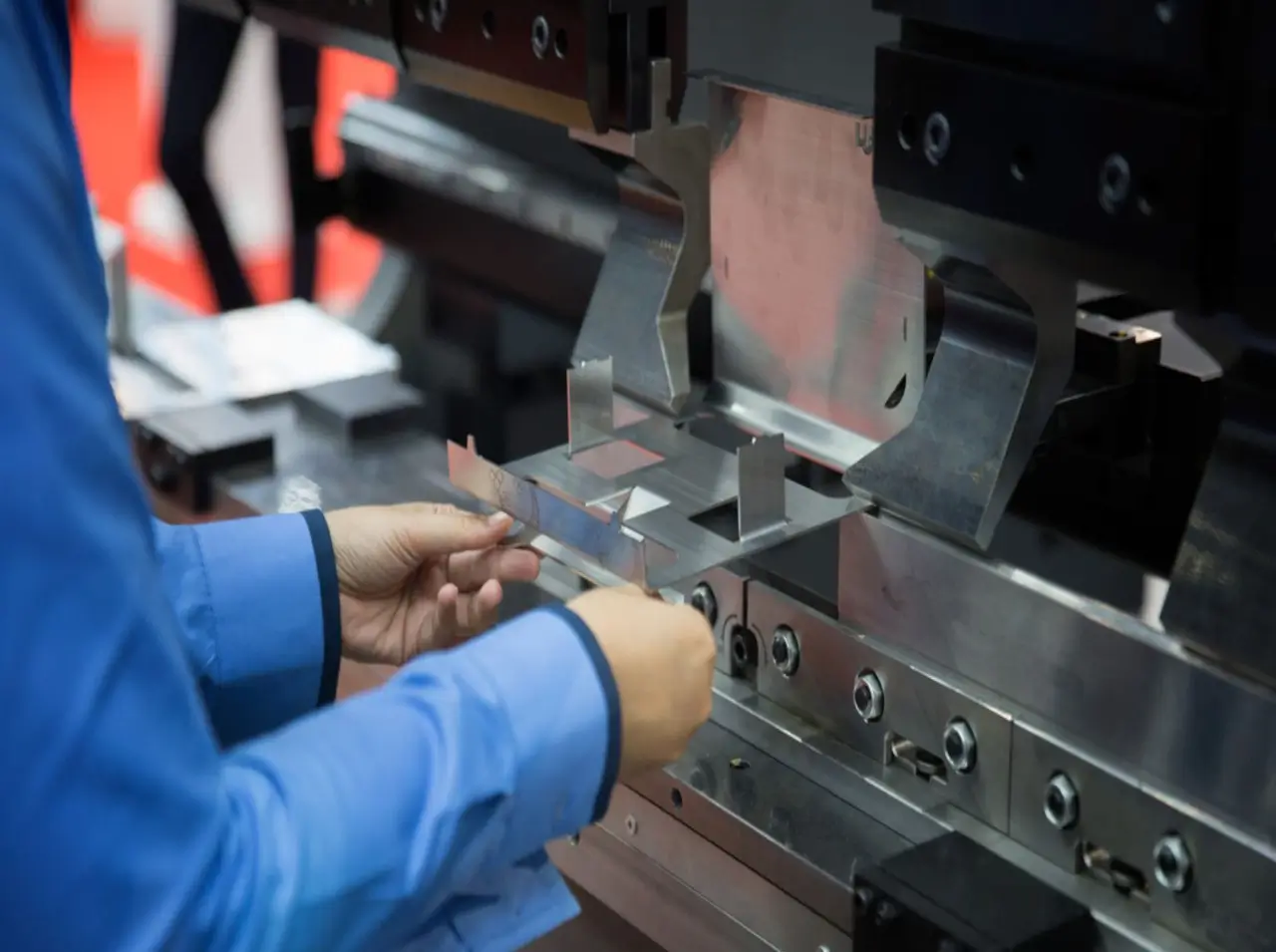
Sheet Metal Fabrication

For frames, brackets, covers, enclosures, and lightweight structural parts requiring efficient forming and assembly.
Custom-Aluminum-Extrusion-Services-webp.webp

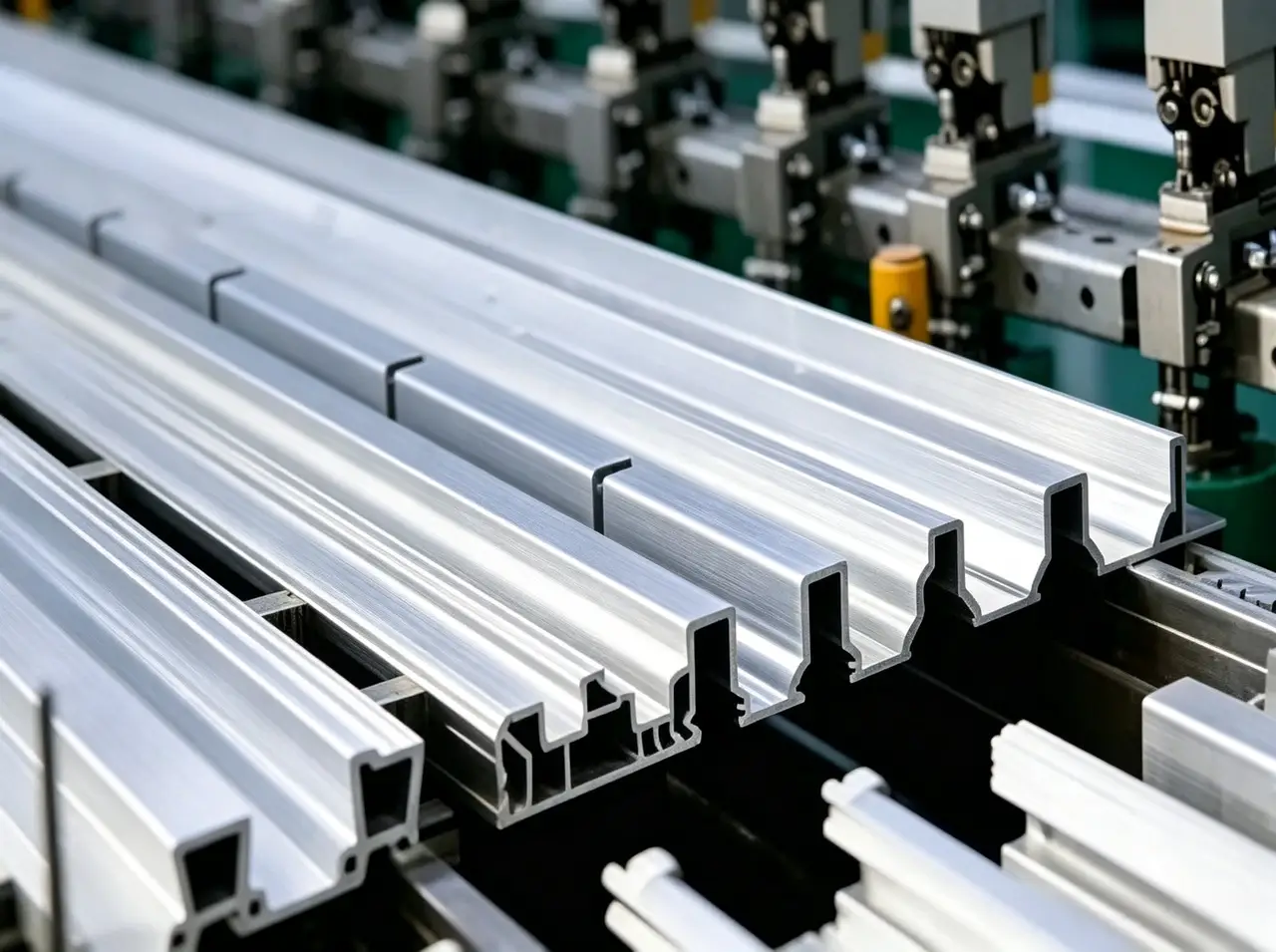
Aluminum Extrusion

For rails, frames, supports, and modular structures that benefit from consistent profiles and efficient production.
Robotics Materials & Surface Finishing

Material and surface finish choices for robotics parts depend on weight, strength, wear resistance, corrosion protection, appearance, and operating conditions.

Optional-metal-materials.webp

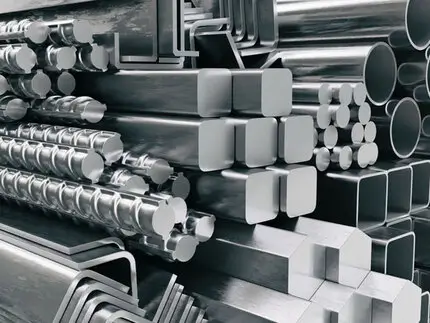
Materials

Aluminum, stainless steel, steel, titanium, copper, brass, and engineering plastics can be selected based on structural, mechanical, and environmental requirements.
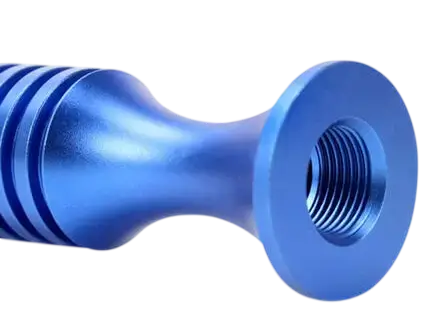
Optional-Surface-Finishes1.webp

Surface Finishes

Anodizing, hard anodizing, bead blasting, powder coating, plating, passivation, and polishing can improve wear resistance, corrosion protection, and appearance.
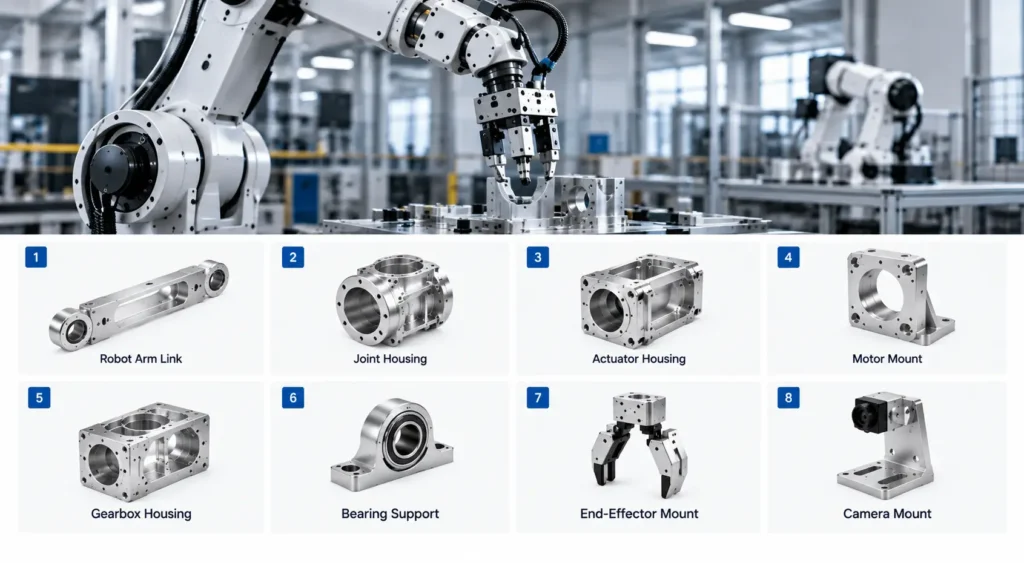
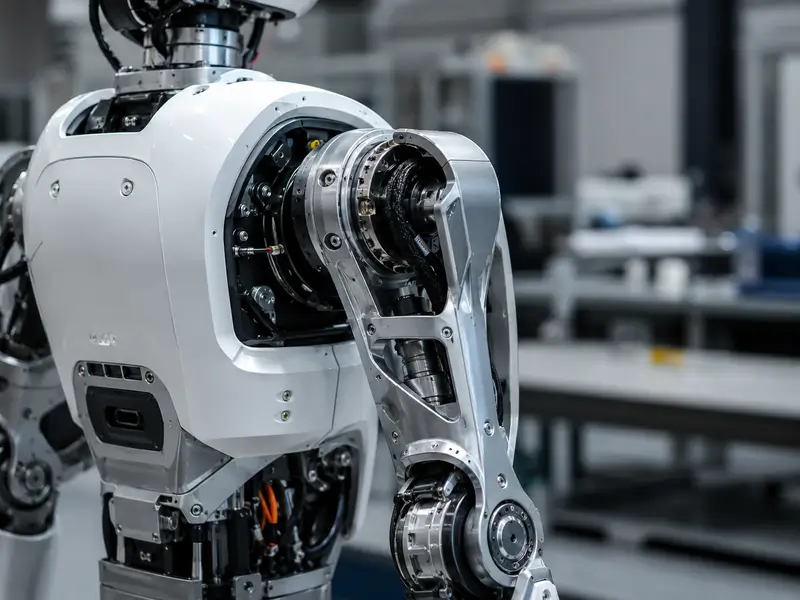
Which Robotics Components Can We Manufacture?

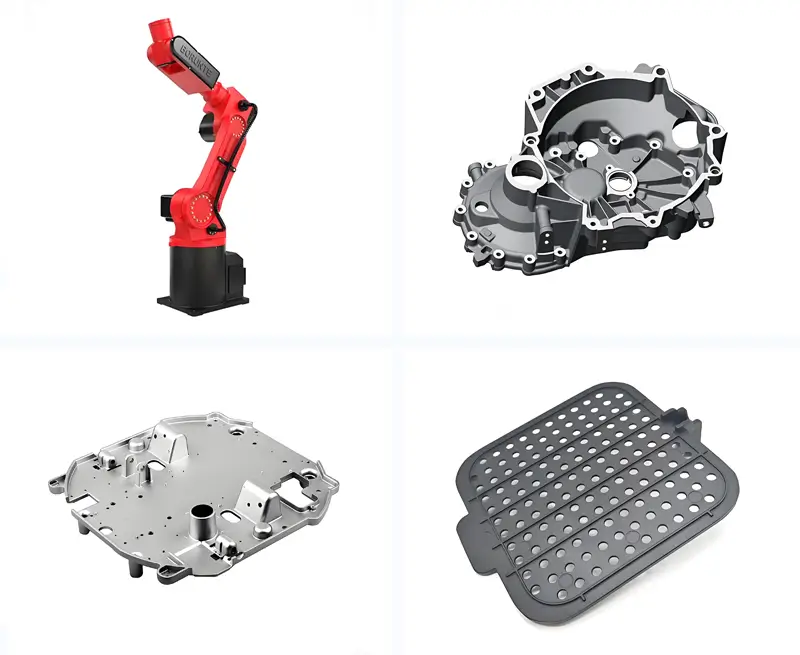
Robotic systems require a wide range of structural, motion, mounting, and protective components. Parts can be manufactured for prototypes, validation builds, low-volume projects, and repeat production.

Robotics Components

Why Global Robotics Engineers Choose ZH Precision

Robotics projects require more than part manufacturing. Experience with complex assemblies, design changes, critical interfaces, and changing production needs helps reduce risk as projects move from development into stable production.

Robotics Experience

Robotics Experience

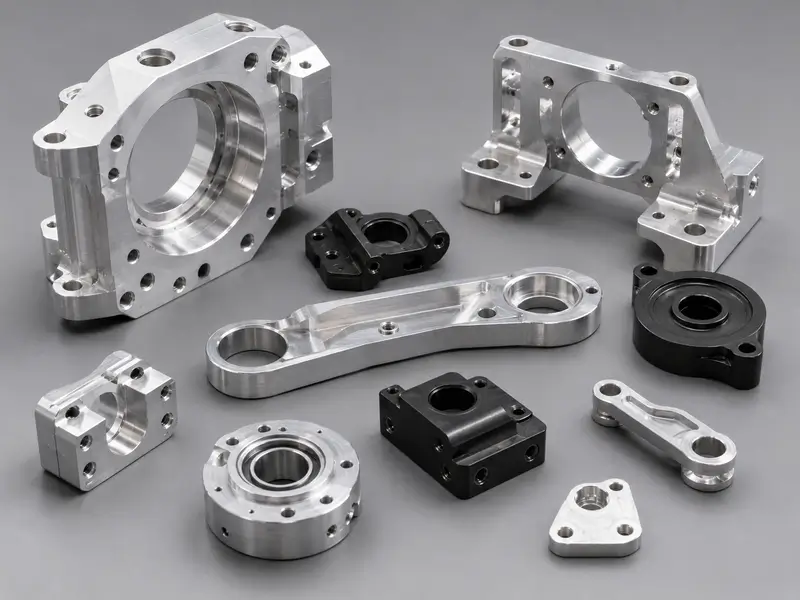
Experience supporting robot joints, arm structures, actuator components, mounts, housings, and other precision mechanical parts used in robotic assemblies.
Prototype to Production

Prototype to Production

Support for early prototypes, validation builds, low-volume projects, and repeat production as designs mature and requirements become more defined.
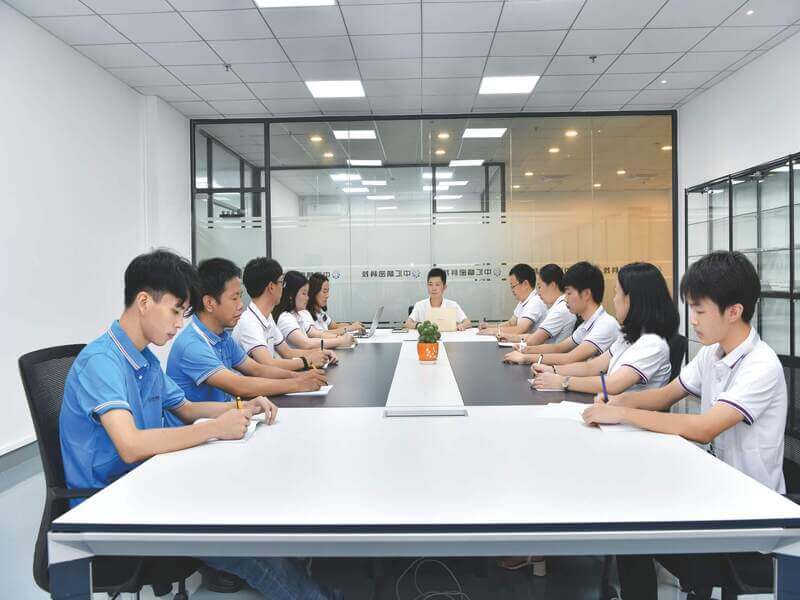
Engineering Capabilities

DFM Support

Review of geometry, tolerances, interfaces, materials, and manufacturability to identify potential issues before parts move into production.
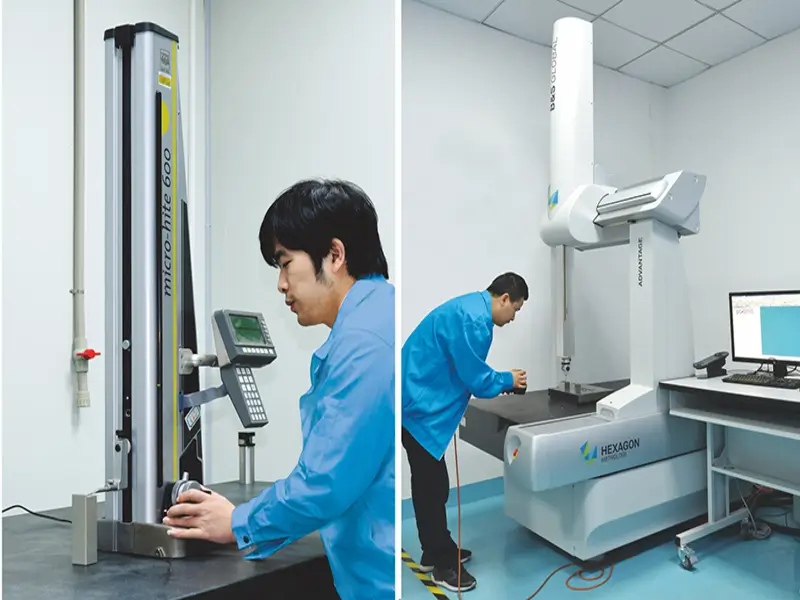
Quality-Control-2.webp

Quality Control

FAI, in-process inspection, CMM verification, final inspection, and quality documentation help maintain consistent part quality across production stages.

Frequently Asked Questions

Yes. Robotics parts can be produced from 3D CAD models, 2D drawings, or both, depending on the project requirements. DFM review can also be provided before manufacturing.

Yes. Support can cover early prototypes, validation builds, low-volume production, and repeat manufacturing as the design and production requirements become more stable.

Processes can include CNC machining, sheet metal fabrication, die casting, and aluminum extrusion. The suitable method depends on geometry, material, tolerance, quantity, and functional requirements.

General machining tolerances can typically be controlled to around ±0.05 mm, while selected critical features may be evaluated for tighter tolerances depending on geometry, material, setup, and inspection requirements.
Yes. Dimensional inspection, CMM inspection, first article inspection, material certificates, and other quality documentation can be provided according to drawing and project requirements.
Scroll to Top

Quick Quote Within 12 Hours

Upload your CAD files and project details. Our engineers will review your requirements and provide a professional quote within 12 hours.

*If you have any design files that need to be sent, please email them to [email protected]