
Die Casting Engineering Support
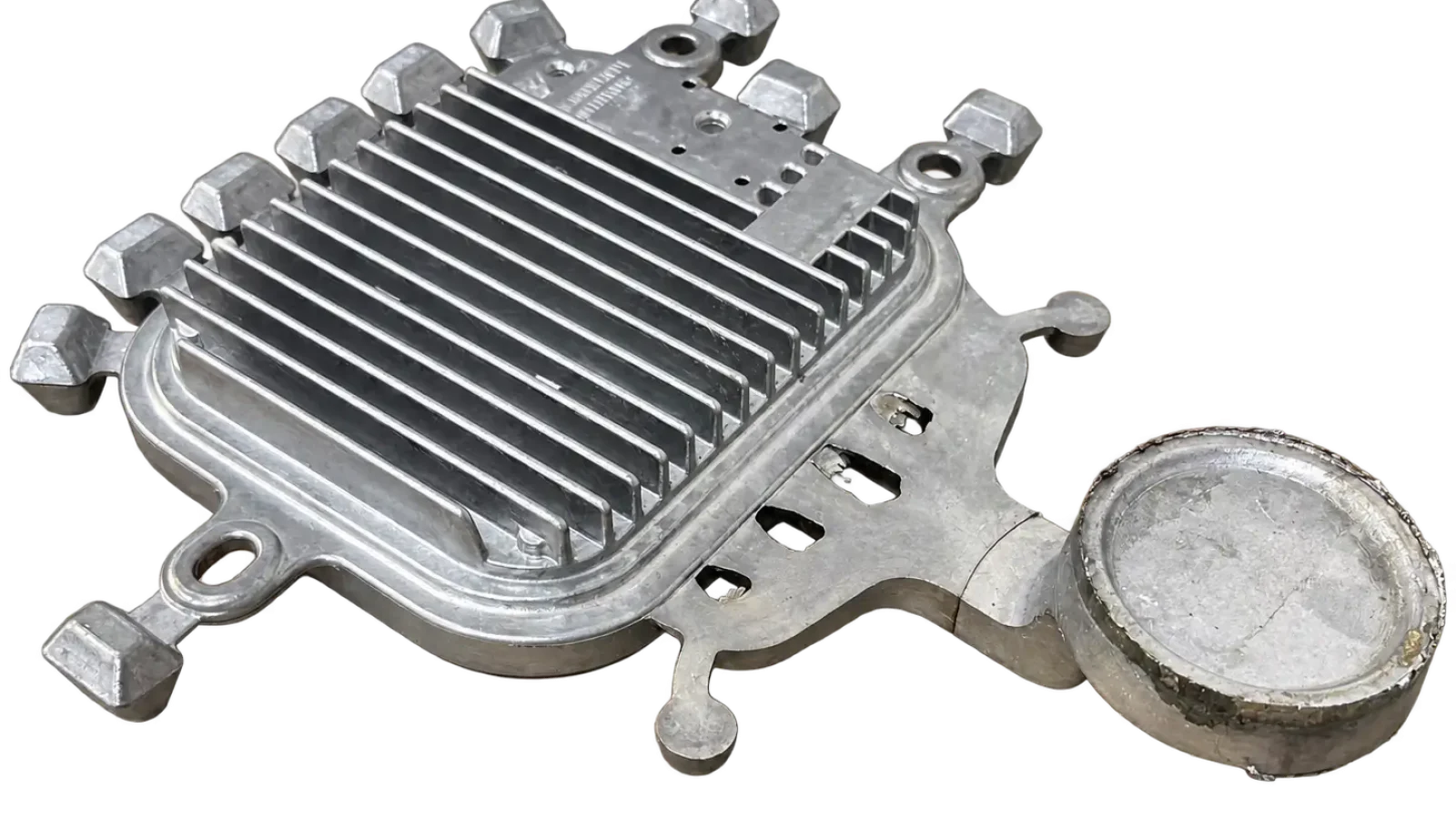
Engineering support for custom aluminum, zinc, and magnesium die cast parts, covering drawing review, material evaluation, DFM, mold flow analysis, and process planning. Our team translates your design and application requirements into practical tooling, casting, machining, and inspection plans.
Home » Die Casting Engineering Support
Our Die Casting Engineering Team
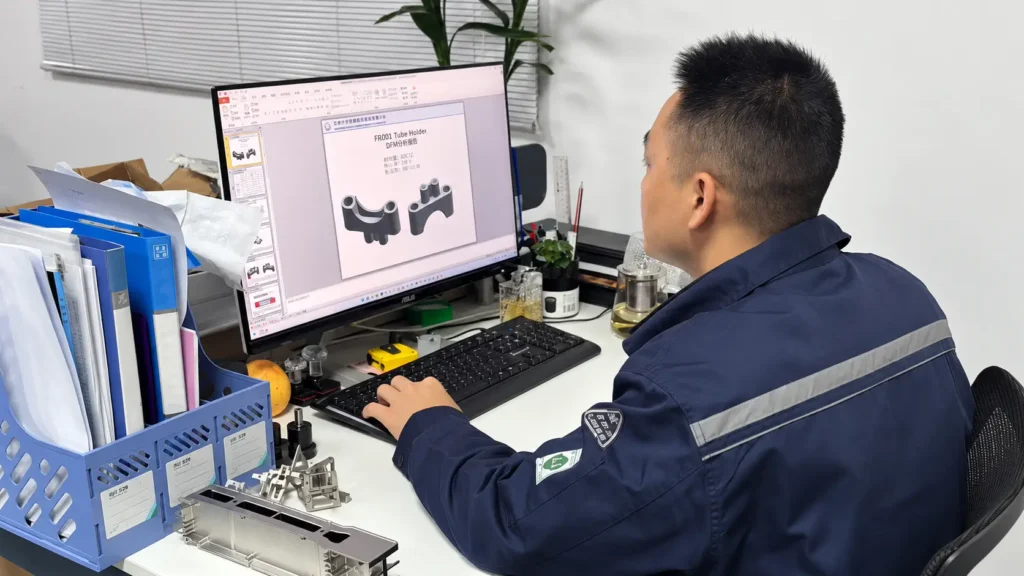
Mr. Deng leads our team of five engineers, bringing 15 years of die casting experience to projects involving aluminum, zinc, and magnesium parts. The team reviews drawings, evaluates alloy options, and provides DFM recommendations, considering tooling, casting, secondary machining, and inspection needs from the start.
Our engineers work closely with tooling, production, and quality teams during mold trials and sample validation to refine the manufacturing process. Once the process is approved, they prepare work instructions and SOPs to guide production and inspection.
Drawing & Model Review
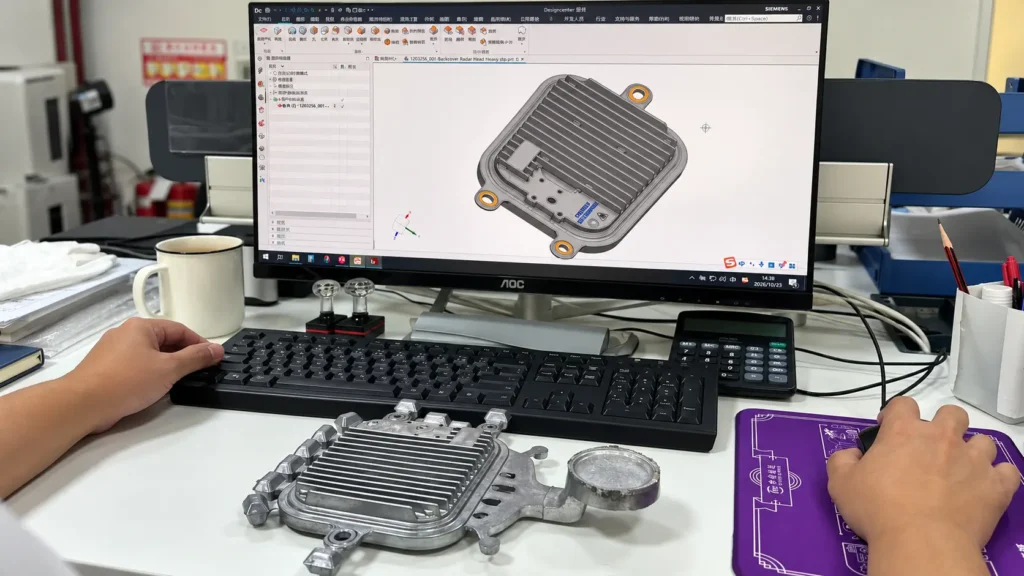
Our engineers review your 3D models and 2D drawings to confirm alloy specifications, critical dimensions, GD&T, and functional requirements. Particular attention is given to mating features, sealing surfaces, and areas requiring secondary machining. Missing information or differences between the model and drawing are raised for clarification before detailed DFM and tooling development.
For features that need clarification, our English-speaking engineers can walk through the model with your team in a video meeting, using screen sharing to discuss the design intent and available manufacturing options. A written summary records agreed requirements and any proposed changes for your confirmation.
Die Casting DFM Support
Part geometry is reviewed against die casting, tooling, machining, and inspection requirements. The assessment covers wall sections, draft, undercuts, parting lines, and critical dimensions, with practical design recommendations submitted for customer approval before tooling development.
Wall Thickness & Ribs
Evaluate wall thickness, section transitions, and rib intersections to address filling difficulties and localized material buildup while preserving functional requirements.
Draft Angles & Undercuts
Review draft angles and undercuts relative to the die opening direction, identifying features that require slides, cores, or design adjustments.
Parting Lines & Ejection
Assess parting line and ejector locations to support part release while considering flash, witness marks, visible surfaces, and mating features.
Tolerances & Datums
Review dimensional and GD&T requirements, establish suitable casting and machining datums, and identify features requiring machining allowances or specific inspection methods.
Alloy Selection Support
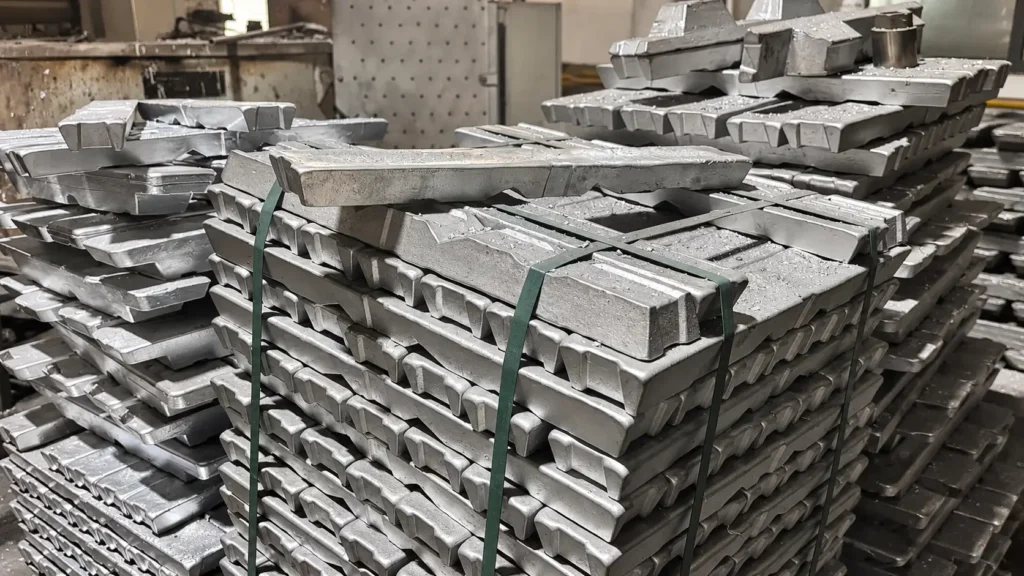
Alloy selection is reviewed against the part’s mechanical loads, operating temperature, corrosion exposure, and finishing requirements. Aluminum, zinc, and magnesium options are compared for casting feasibility, machining needs, weight, and production cost, with recommendations submitted for customer confirmation.
Aluminum Alloys
Evaluate strength, heat transfer, corrosion resistance, and mold-filling requirements for housings, covers, and structural components.
Aluminum Die CastingZinc Alloys
Compare strength, ductility, dimensional requirements, and finishing options for detailed components, hardware, and connector housings.
Zinc Die CastingMagnesium Alloys
Assess weight reduction, stiffness, impact requirements, and operating temperature, alongside protective finishing and contact with dissimilar metals.
Magnesium Die CastingMold Flow & Solidification Analysis
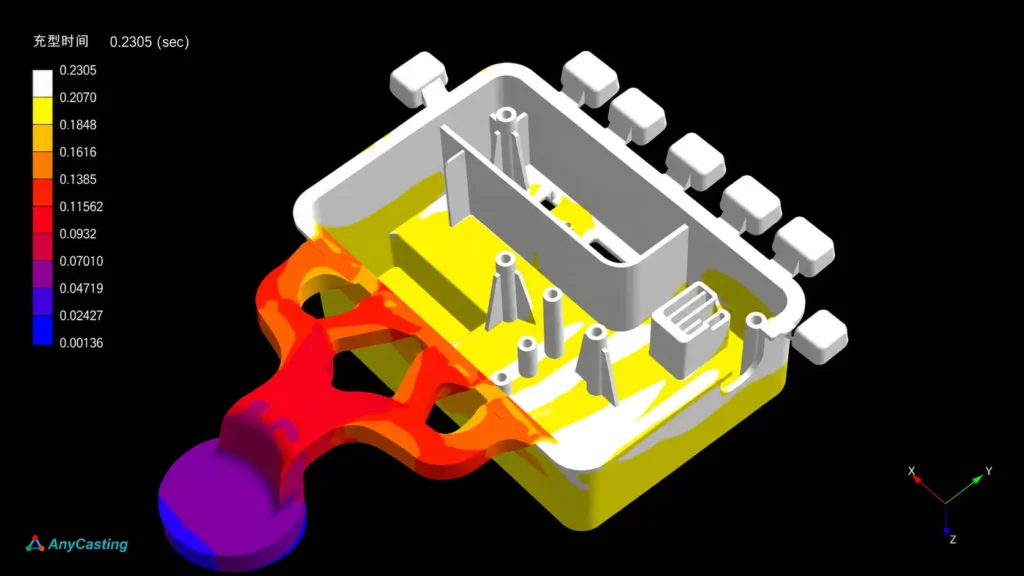
Simulation evaluates metal flow, filling sequence, air entrapment, and solidification patterns before tooling manufacture. The results help identify potential cold shuts, incomplete filling, and shrinkage-prone areas, guiding decisions on gates, vents, overflows, and cooling layouts.
Alternative designs and process conditions can be compared to support tooling development. Simulation findings are then reviewed alongside trial castings and inspection results to refine the production process.

Tooling & Process Planning
Tooling and process planning translates approved part requirements into a practical manufacturing approach. Mold layout, cavity count, slides, ejection, and machine selection are evaluated according to part geometry, alloy, production quantities, and quality requirements.
Casting, trimming, machining, and finishing operations are planned together, including reference datums, machining allowances, and inspection stages. The proposed plan establishes the tooling scope and production sequence for customer review before mold manufacturing.
Machining & Finishing Review
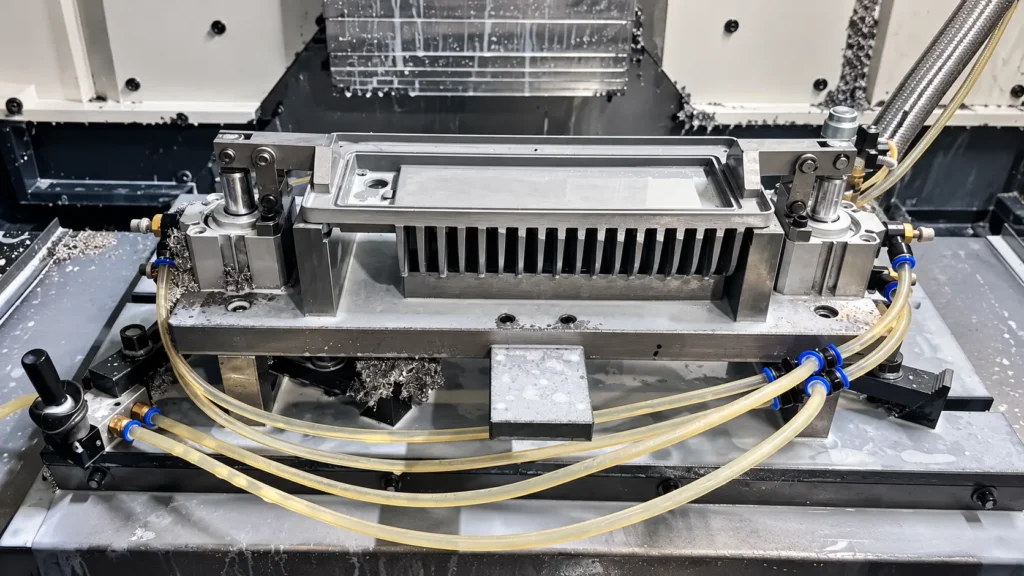
Secondary machining requirements are reviewed during tooling development, including precision bores, threads, sealing faces, and mating surfaces. Machining allowances, locating datums, clamping access, and tool clearance are planned around the casting geometry and drawing requirements.
Surface finishing is evaluated alongside dimensional and appearance specifications. Coating thickness, masking areas, visible surfaces, and preparation methods are considered when defining the manufacturing sequence and final inspection criteria.
Sample Validation & Inspection Planning
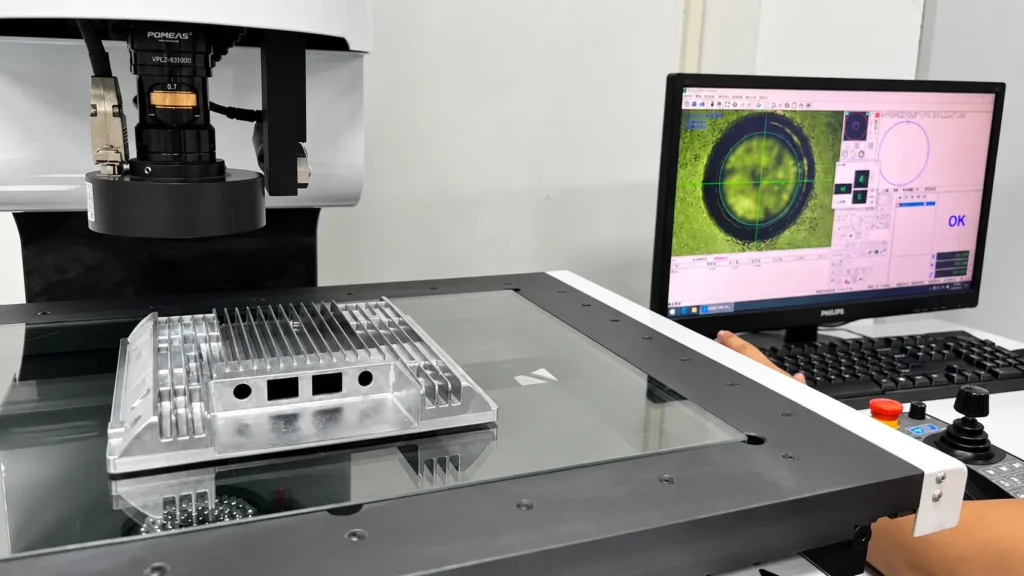
Trial samples are checked against approved drawings to evaluate critical dimensions, mating features, and surface requirements. Inspection methods and any required leak, fit, or functional tests are defined according to the part’s application.
Findings are documented for customer review, with any necessary tooling or process adjustments identified before production approval. Confirmed inspection criteria provide a reference for subsequent production checks.
Frequently Asked Questions
Provide a 3D CAD model, a dimensioned 2D drawing, material specifications, and expected quantities. Include critical tolerances, surface requirements, and any functional testing criteria.
Yes. Early review assesses casting feasibility, alloy options, machining needs, and features that may affect tooling complexity before you commit to mold manufacturing.
No. Proposed changes are submitted for your review. Tooling development proceeds using the agreed drawing and model revisions.
The need depends on geometry, filling complexity, and quality requirements. Its scope is evaluated during engineering review, particularly for thin walls, complex flow paths, or porosity-sensitive features.
Yes. Drawings, samples, and available inspection records can support an assessment of dimensional, surface, or manufacturing concerns. Recommendations depend on the information and tooling access available.
Yes. Contact our team to arrange an NDA before submitting confidential drawings, CAD models, or project specifications.
Yes. Our engineers review trial castings and inspection results to determine whether mold adjustments are needed. Proposed changes are discussed with you before implementation, followed by further trials and sample inspection to verify the results.