
Hot Chamber Die Casting Services
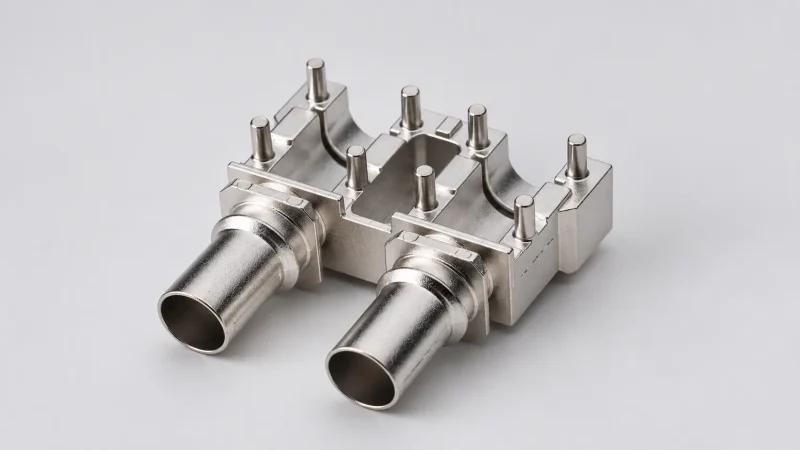
Produce detailed zinc alloy parts with thin walls, clean surfaces, and repeatable dimensions. Our 88T and 138T hot chamber machines support efficient batch production of small components with integrated ribs, bosses, and mounting features.
Home » Services » Die Casting » Hot Chamber Die Casting
Hot Chamber Die Casting Capabilities
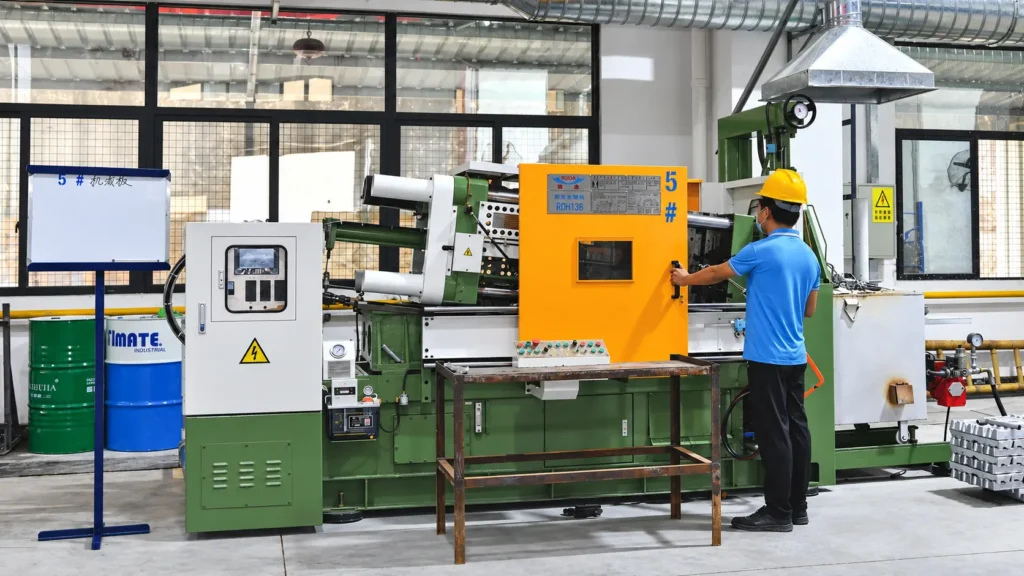
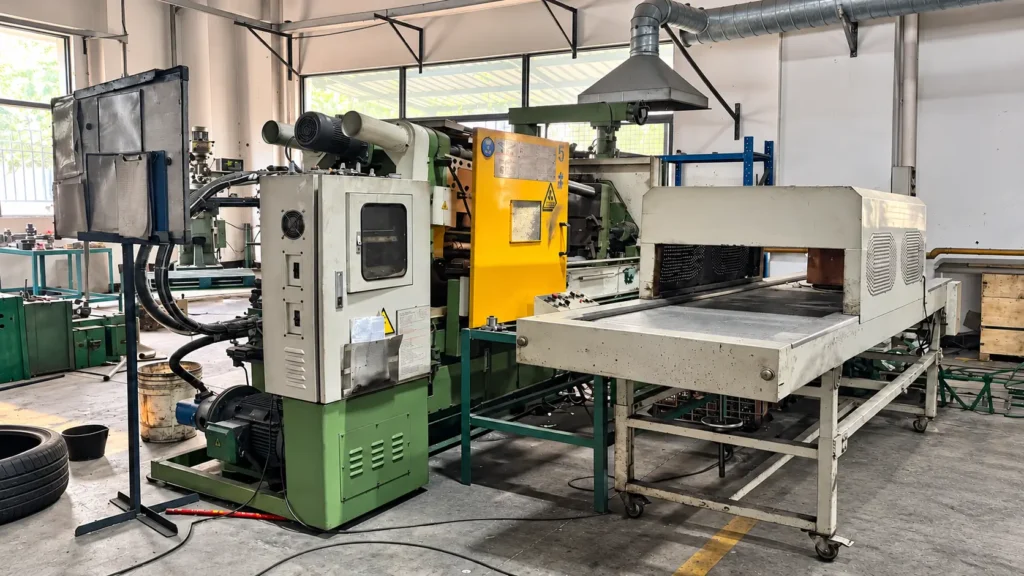
Our hot chamber workshop operates 88T L.K. and 138T RUIDA die casting machines for custom zinc alloy components. Machine selection considers projected area, casting weight, mold dimensions, and cavity count to match your part design and production quantity.
Single-cavity and multi-cavity molds support different batch requirements. Threaded holes, precision bores, and mating surfaces can be CNC machined after casting, with allowances and locating features defined during tooling development.
Custom Hot Chamber Die Cast Parts
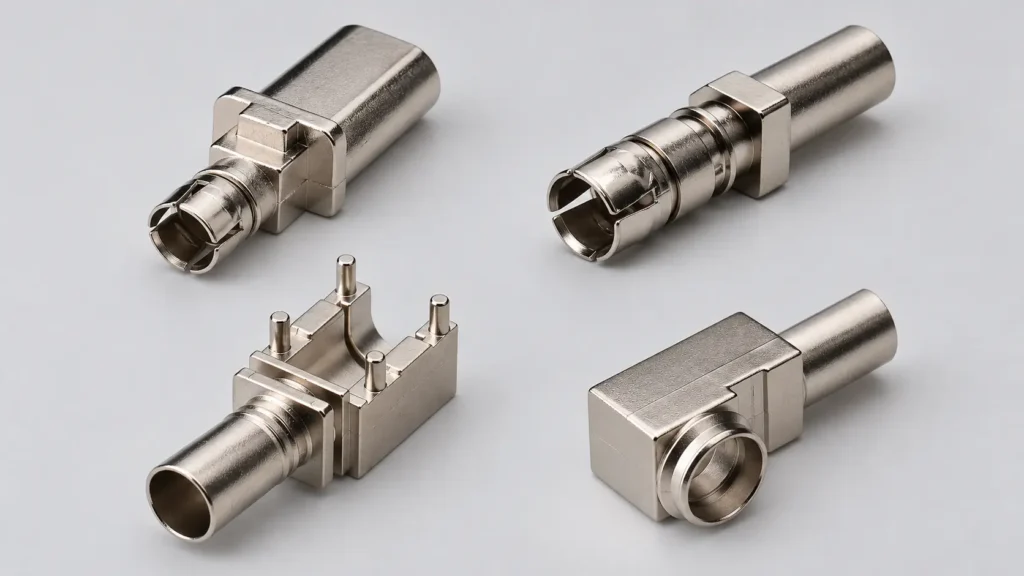
Custom zinc alloy housings, connectors, handles, brackets, and hardware are produced from your drawings and CAD models. Thin walls, ribs, bosses, recessed lettering, and mounting features can be formed directly in the mold, combining functional details within a single component.
Parts can be supplied trimmed and deburred or completed with CNC machining and surface finishing. Precision holes, threads, and mating surfaces are machined to drawing requirements, while plating, powder coating, and polishing provide options for protective and decorative finishes.
Material Selection & Surface Finishing
Alloy and finish selection considers part strength, weight, appearance, and service conditions. Compatibility between the casting material and finishing process is reviewed alongside dimensional requirements and surfaces requiring masking.
Casting Materials
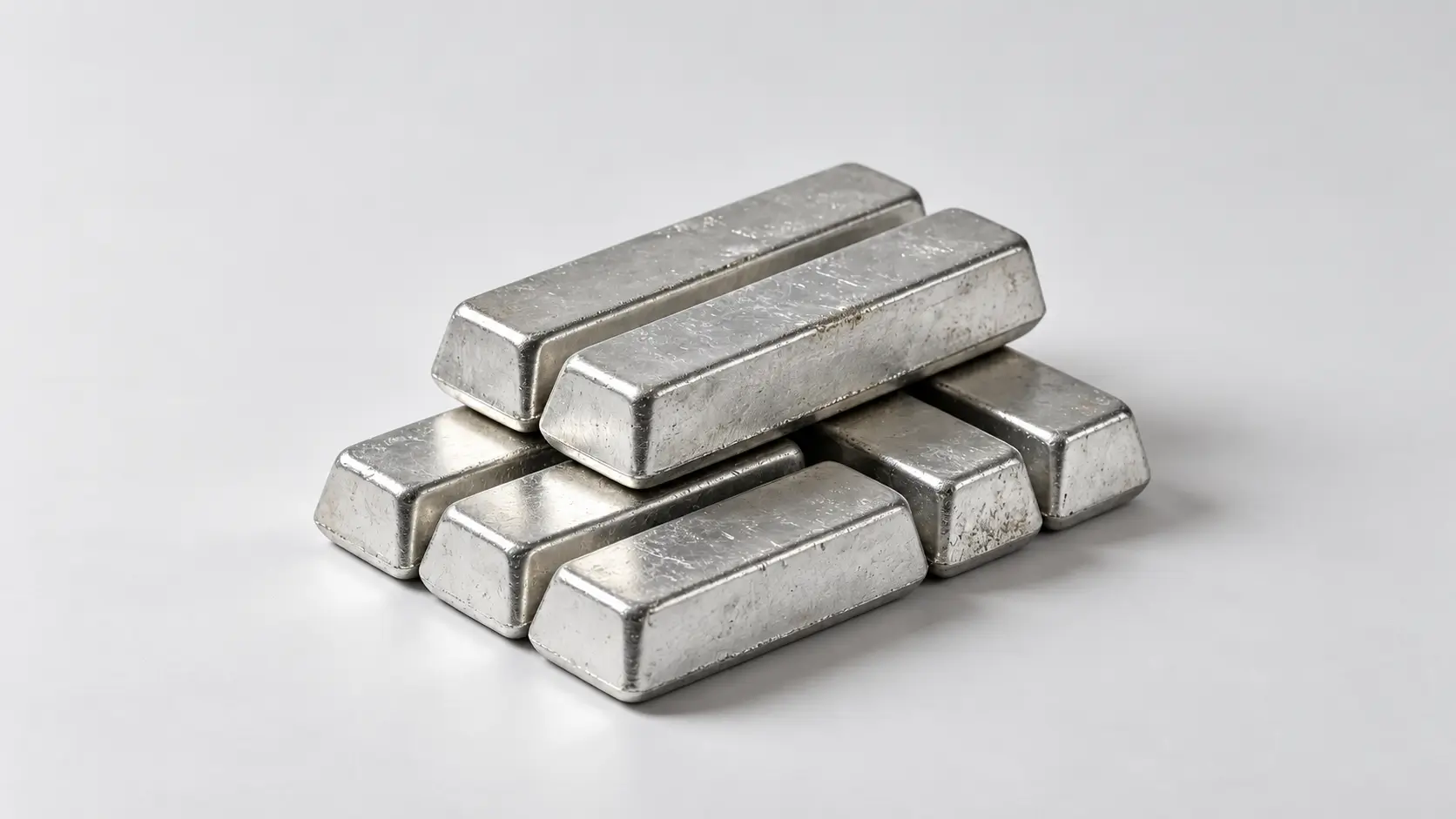
Zamak 3, Zamak 5, and Zamak 7 support different strength and casting requirements. Lightweight options are available through our magnesium die casting services, with hot chamber suitability reviewed for each project.
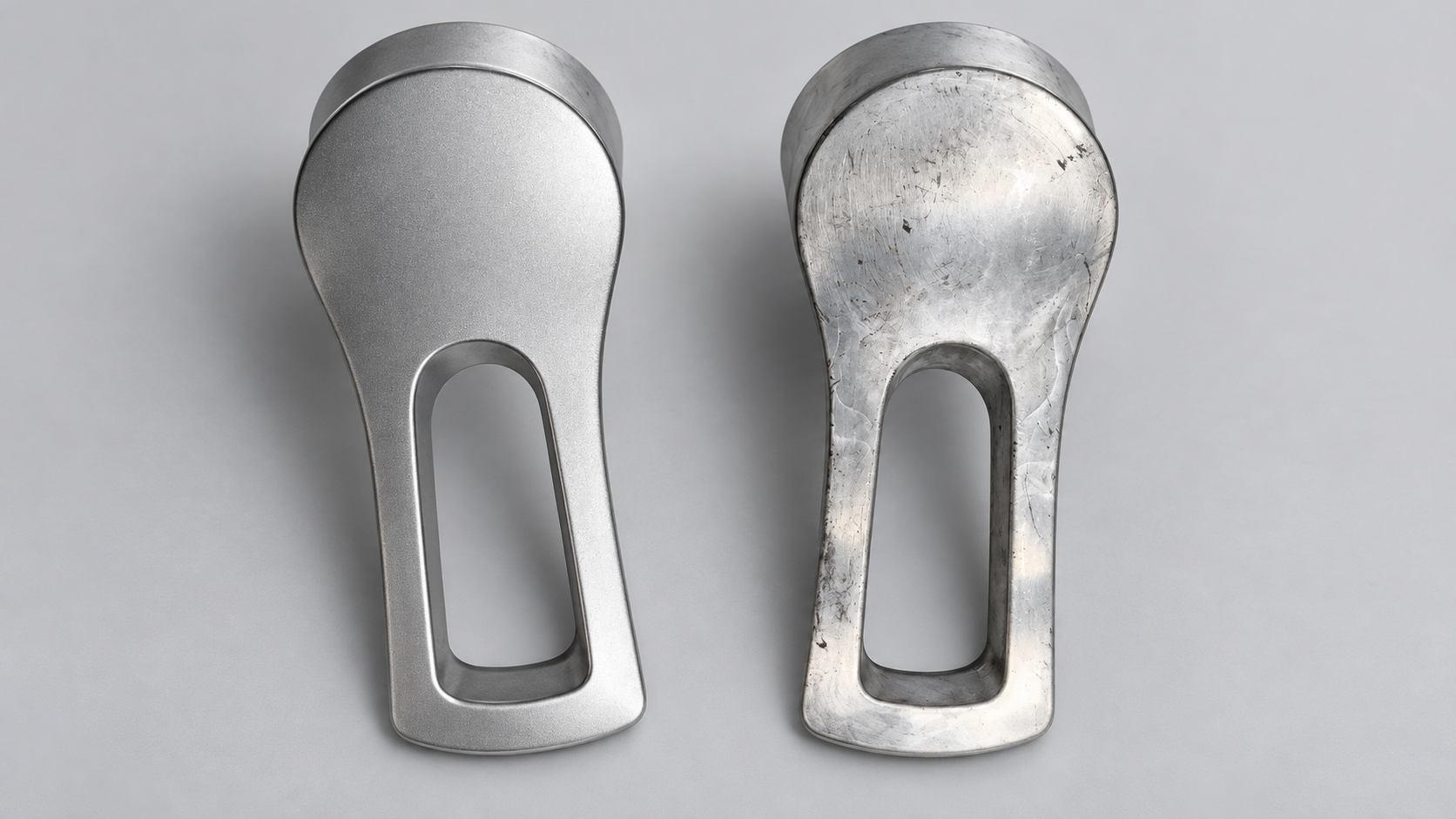
Surface Finishing
Plating, powder coating, painting, and polishing are selected according to the alloy and application. Our surface finishing services support specified color, gloss, corrosion protection, and coating thickness requirements.
Hot Chamber Production Control
Production checks focus on the immersed injection system, fine-feature filling, and casting consistency. Approved samples and recorded process settings provide references for checking part weight, surface condition, and dimensional variation throughout each batch.
Injection System
Check the plunger, gooseneck, and nozzle for wear, buildup, and leakage that could affect metal delivery and shot consistency.
Fine-Feature Filling
Check thin walls, small bosses, lettering, and recessed details for incomplete filling, cold shuts, and loss of definition.
Multi-Cavity Consistency
For multi-cavity molds, compare parts from each cavity to identify differences in filling, flash, and critical dimensions.
Trimming & Handling
Control gate removal and deburring to protect small features, with suitable handling and packaging for surfaces requiring decorative finishing.
What Is Hot Chamber Die Casting?
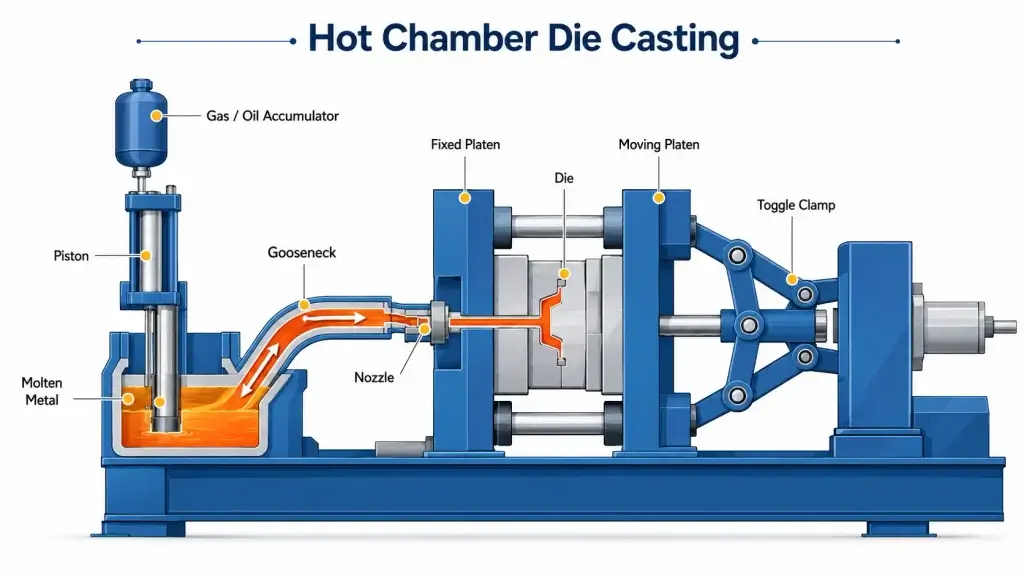
Hot chamber die casting produces metal parts by injecting molten alloy into a reusable steel mold through an injection system immersed in the metal bath. A plunger forces the metal through a gooseneck and nozzle into the mold, where it solidifies before ejection.
The process is commonly used for zinc alloys and, with suitable equipment, certain magnesium alloys. “Hot chamber” refers to the immersed injection arrangement, rather than the temperature of the mold.
How Hot Chamber Die Casting Works
Hot chamber die casting uses an injection system immersed in a molten-metal bath. As the plunger retracts, metal enters the injection chamber. The plunger then moves forward, forcing the metal through a gooseneck and nozzle into the steel mold under pressure.
After the casting solidifies, the mold opens and ejector pins release the part. The mold closes for the next cycle, while gates and excess material are removed from the casting. Unlike cold chamber casting, molten metal does not need to be ladled into a separate shot sleeve for each cycle.
Advantages of Hot Chamber Die Casting
Short Production Cycles: Direct metal feeding eliminates the separate ladling step, supporting efficient repeat production.
Detailed Part Geometry: Suitable alloys can fill thin walls, small bosses, recessed lettering, and other intricate features.
Dimensional Repeatability: Reusable steel molds maintain consistent geometry across batches, with machining applied to critical features where required.
Reduced Material Removal: Near-net-shape casting forms much of the finished component directly, reducing machining compared with production from solid stock.
Finishing Options: Zinc castings support plating, painting, powder coating, and polishing for decorative and protective requirements.
Applications of Hot Chamber Die Casting
Electrical & Electronic Components: Connector housings, sensor bodies, and small enclosures with detailed openings, mounting points, and assembly features.
Locks & Architectural Hardware: Lock bodies, handles, hinges, and fittings requiring dimensional consistency and decorative surface finishes.
Automotive Components: Small actuator housings, lock components, and interior fittings with defined mounting and mechanical requirements.
Industrial Equipment: Levers, knobs, brackets, and mechanism housings with integrated bosses, ribs, and precision mating features.
Consumer Products: Appliance fittings, furniture hardware, and decorative components requiring repeatable detail and consistent appearance.
Frequently Asked Questions
Conventional hot chamber machines are generally unsuitable for aluminum because molten aluminum attacks submerged steel injection components. Aluminum parts are normally produced using cold chamber die casting.