
Cold Chamber Die Casting Services
Custom aluminum and magnesium die cast parts produced with 280T–3000T cold-chamber machines. Mold development, casting, CNC machining, and finishing are coordinated around your drawings, critical features, and production requirements.
Home » Services » Die Casting » Cold Chamber Die Casting
Cold Chamber Die Casting Capabilities
Our nine cold-chamber machines, ranging from 280T to 3000T, support custom housings, covers, brackets, and structural components. Equipment includes L.K., Haitian, TOYO, UBE, and YIZUMI machines, selected according to casting weight, projected area, and mold dimensions.
Single-cavity and multi-cavity tooling accommodates different part geometries and production quantities. Casting features, machining allowances, and locating datums are planned together so precision bores, threads, sealing faces, and mating surfaces can be completed after casting.
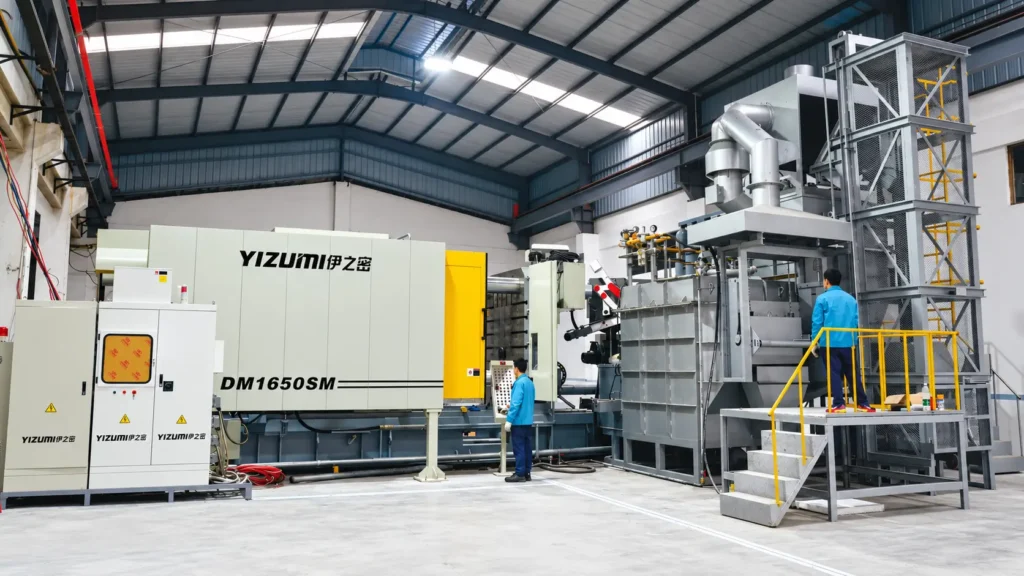
Custom Cold Chamber Die Cast Parts
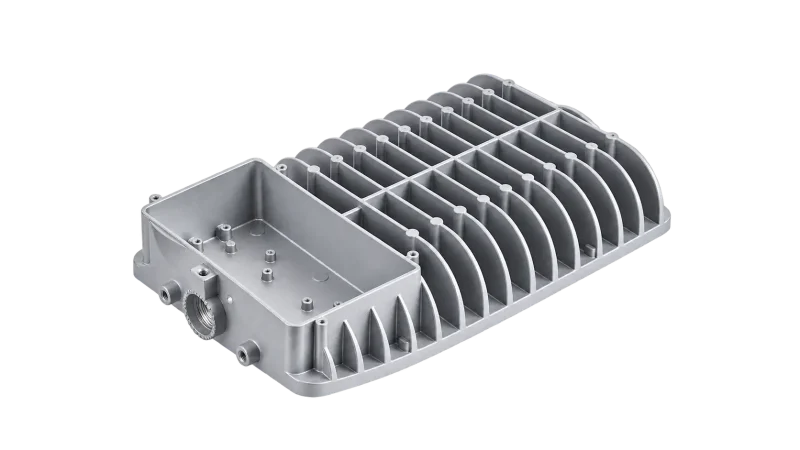
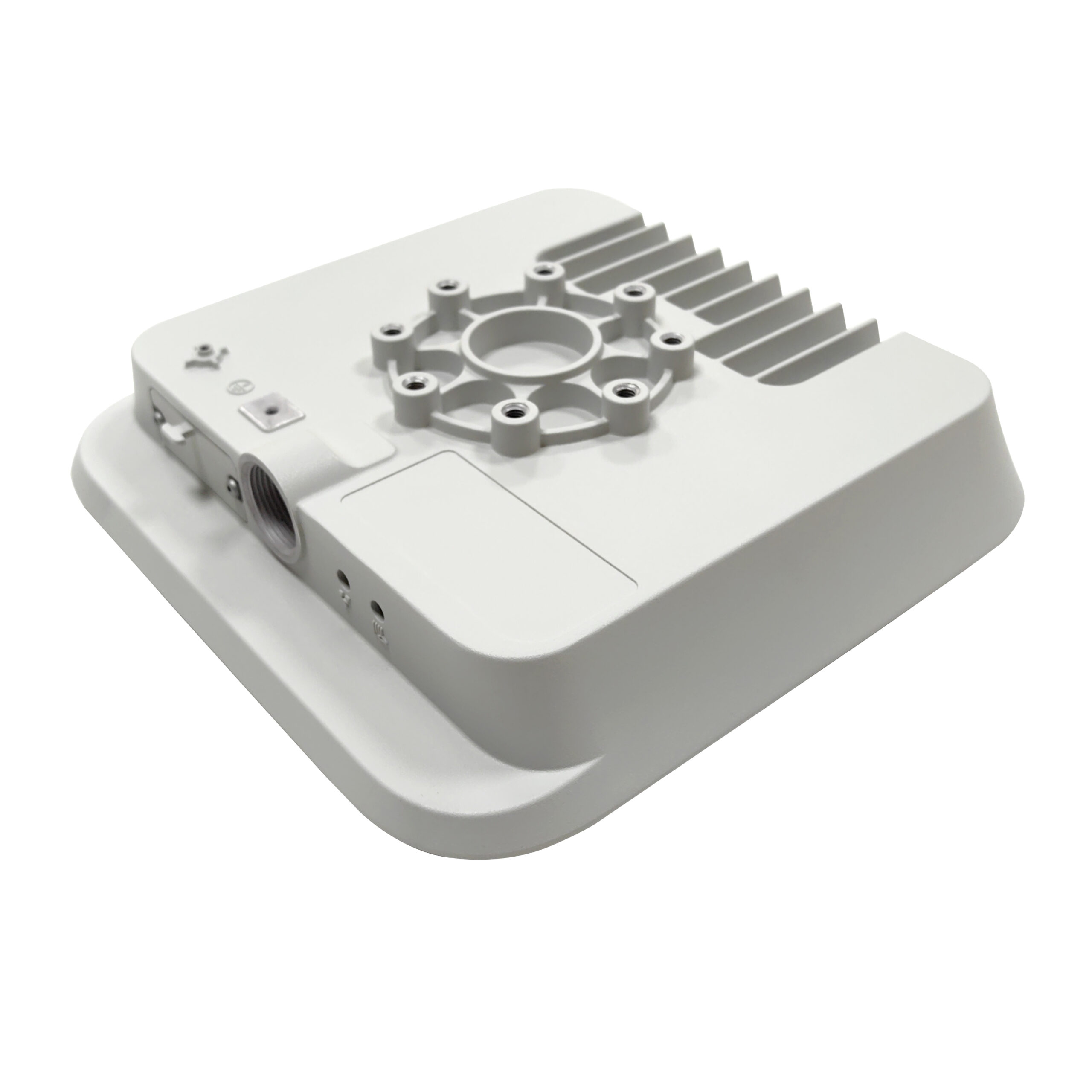
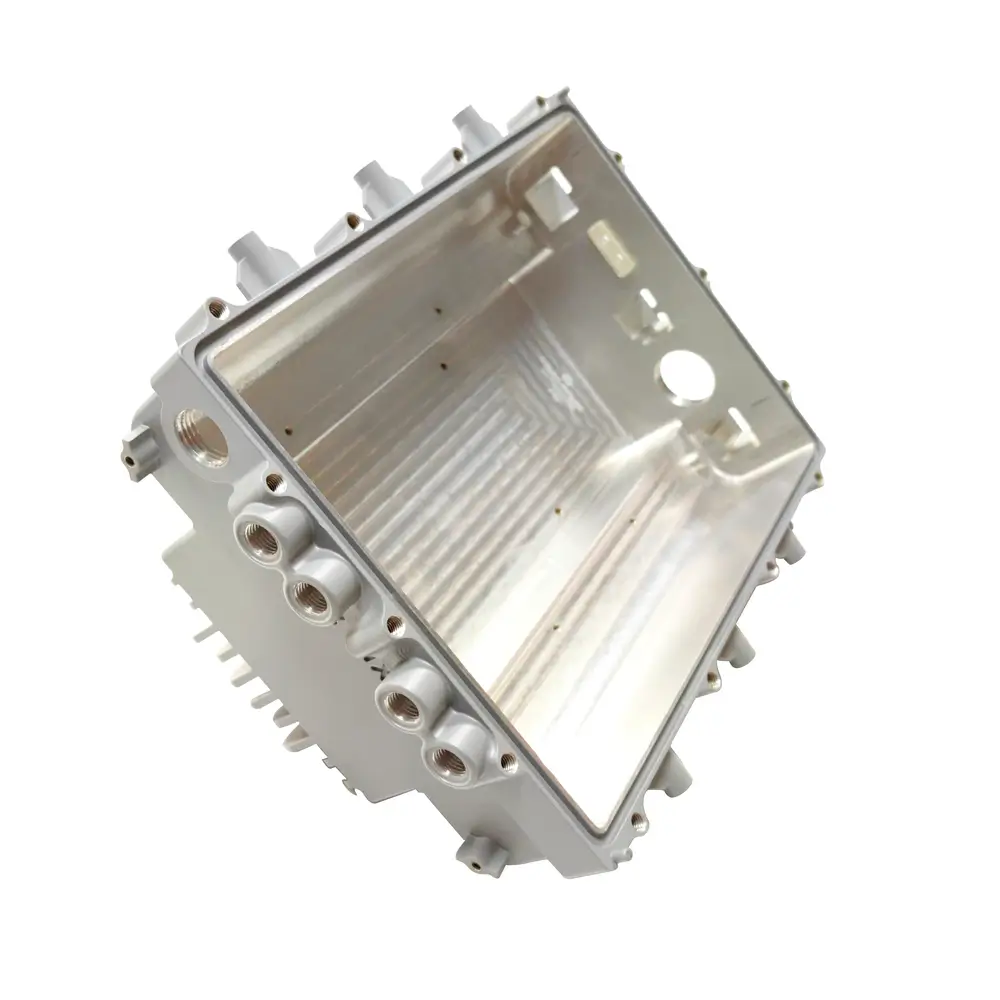
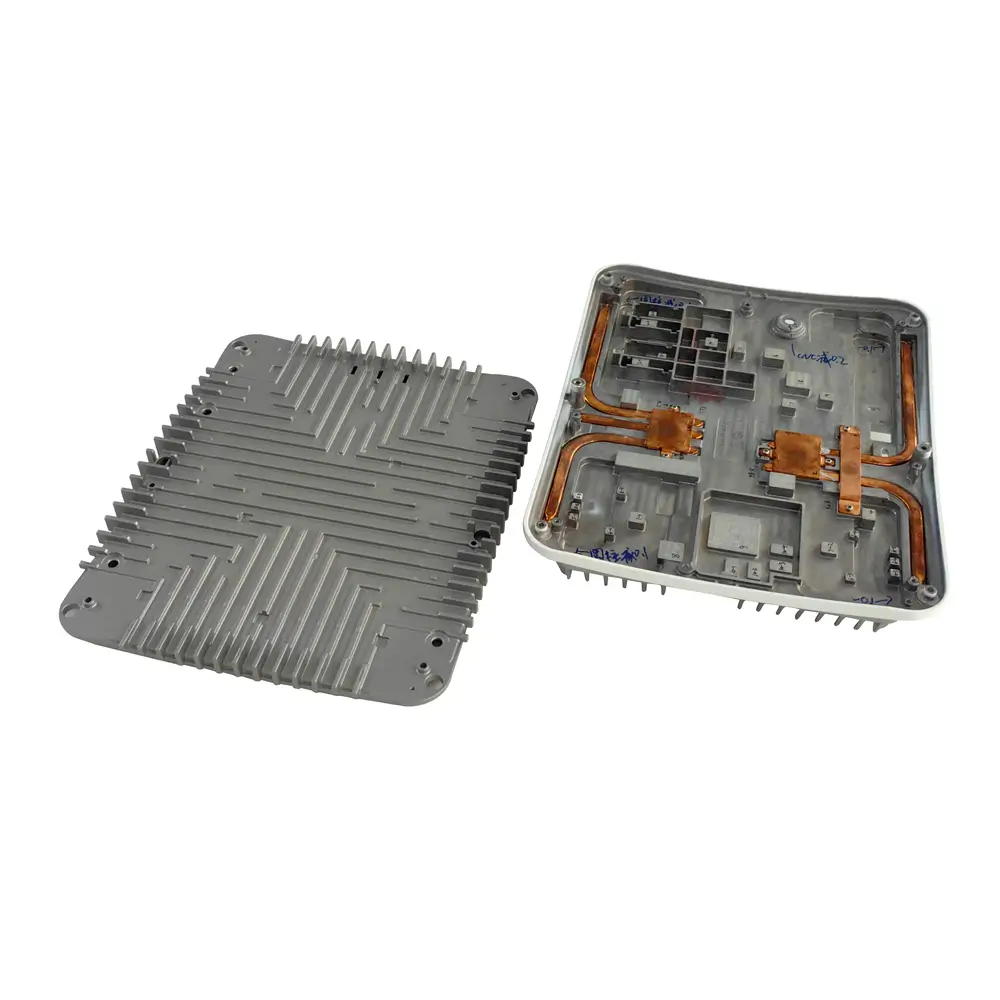
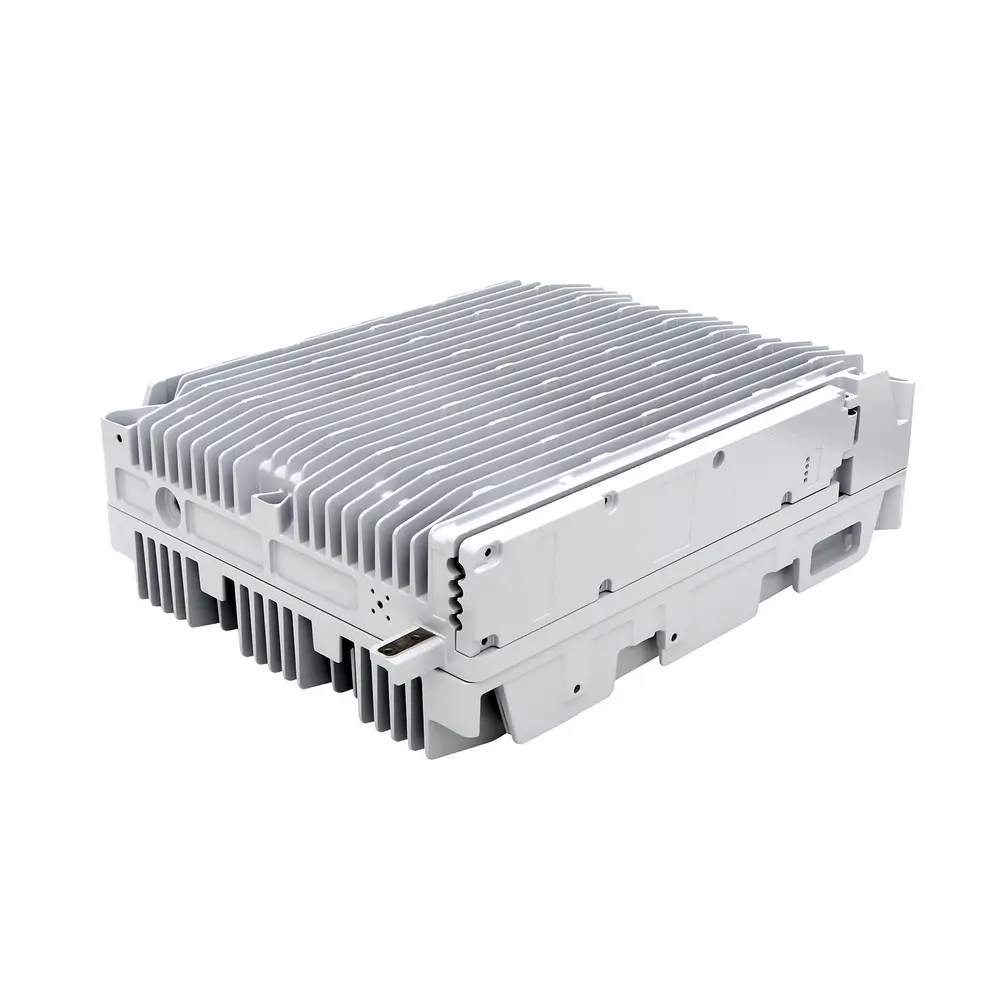
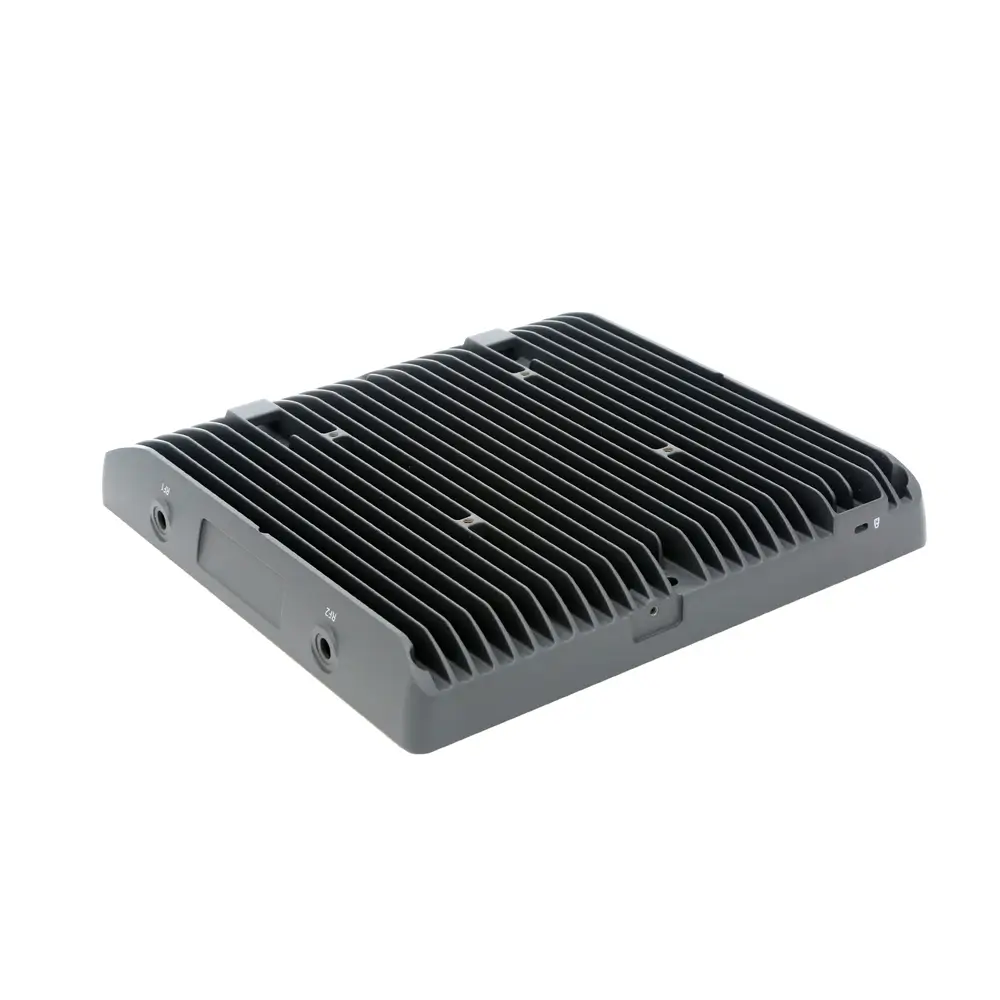
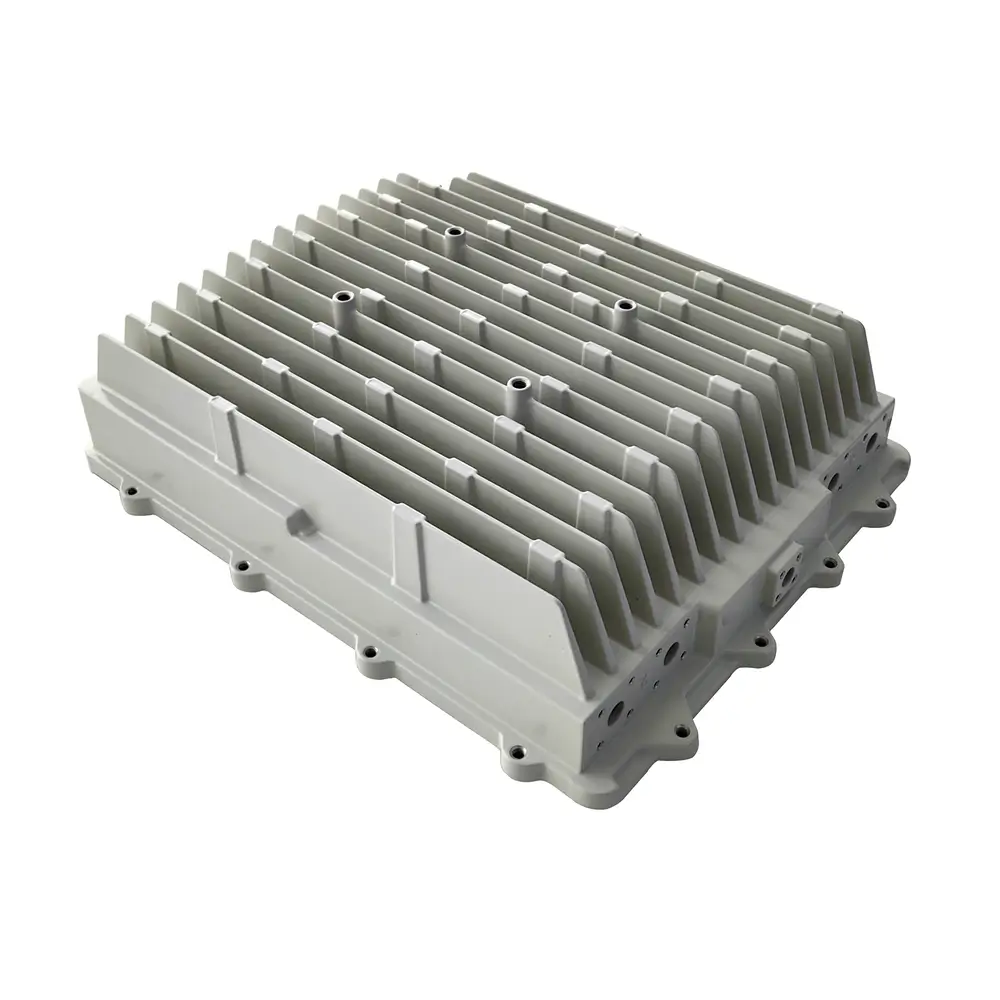
Custom housings, covers, brackets, heat sink bodies, and structural components are produced from your drawings and CAD models. Casting forms ribs, bosses, cavities, and mounting features, while secondary machining completes precision holes, threads, and mating surfaces to specification.
Materials for Cold Chamber Die Casting
Alloy selection considers part weight, mechanical requirements, operating conditions, and surface finishing. Mold filling, dimensional control, and secondary machining requirements are reviewed alongside material properties.
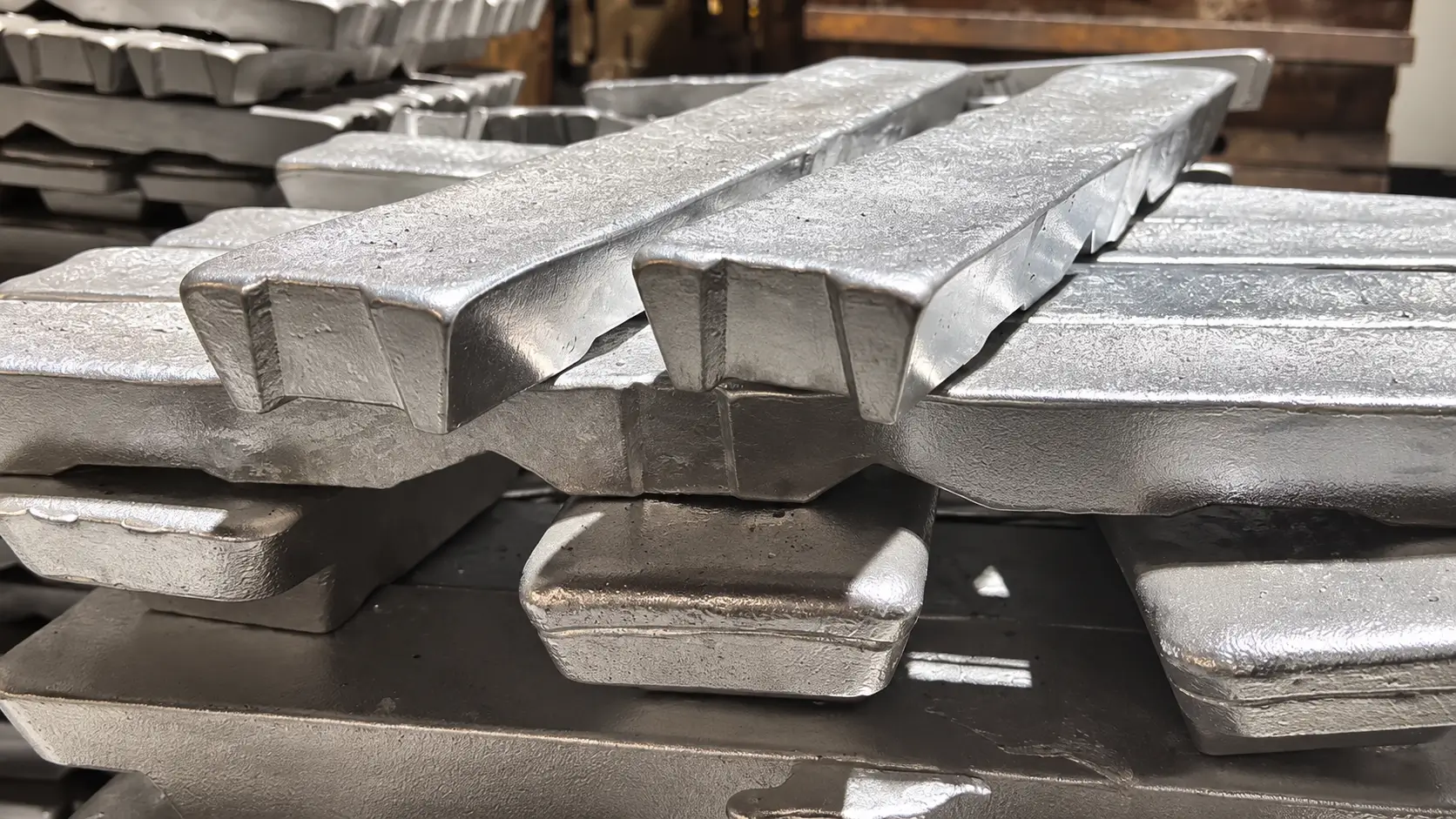
Aluminum Alloys
Lightweight alloys for housings, covers, heat sink bodies, and structural components, selected for strength, heat transfer, and finishing requirements.
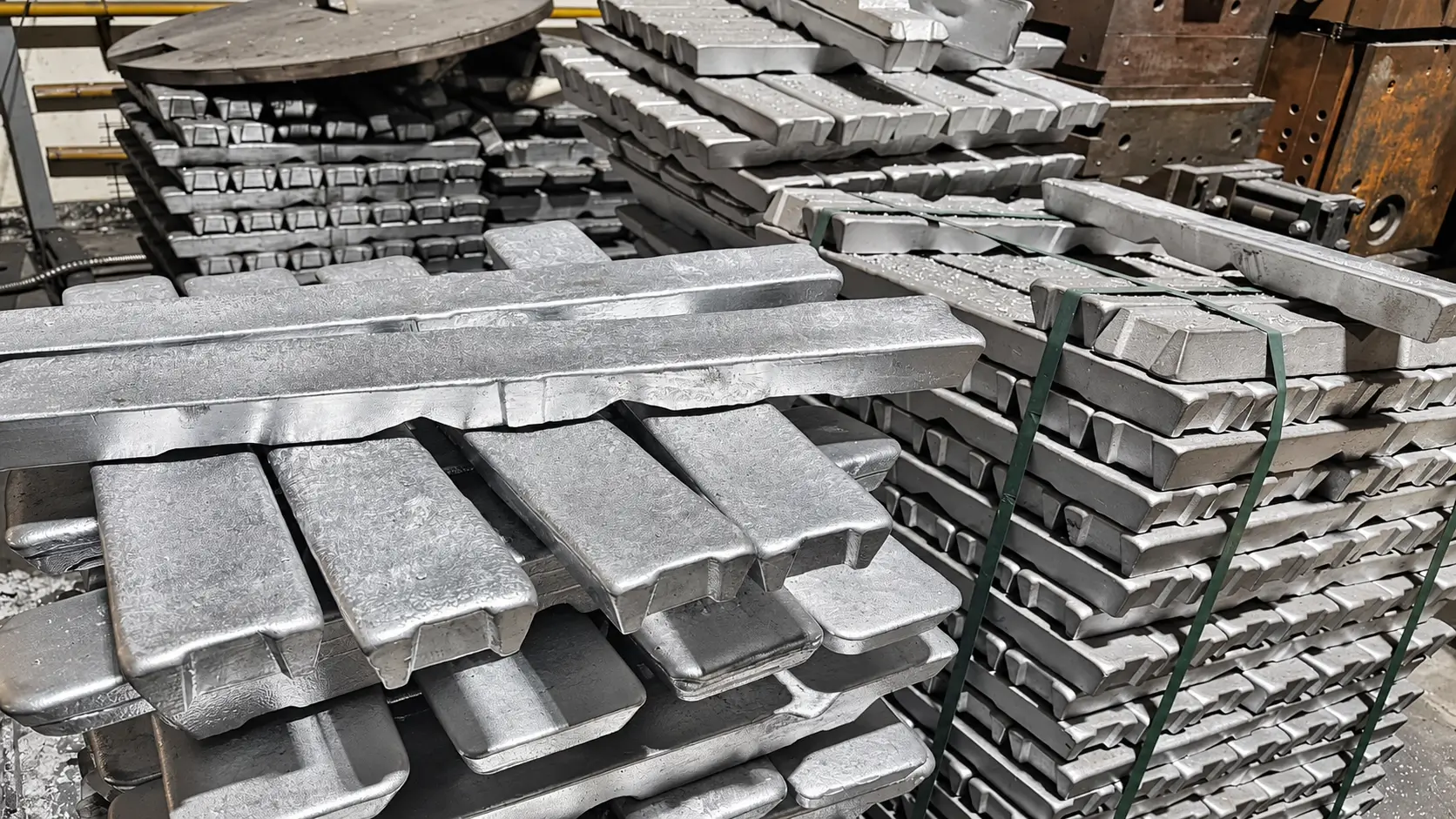
Magnesium Alloys
Low-density alloys for lightweight housings and structural components, selected for strength, ductility, operating temperature, and corrosion protection.
Request a Cold Chamber Die Casting Quote
Send your drawings, material specifications, and required quantity. Our team will review the manufacturing requirements and provide pricing, lead times, and technical feedback for your project.
Cold Chamber Casting Process Control
Casting parameters are established during trials and monitored throughout production. Metal temperature, shot settings, die temperature, and ejection timing are coordinated to maintain consistent casting conditions.
Melt Control
Verify alloy composition and control metal temperature and dosing for consistent delivery into the shot sleeve.
Injection Control
Set shot speeds, transition position, and intensification pressure according to the runner system and casting geometry.
Temperature Control
Manage mold preheating, cooling circuits, and die spraying to maintain suitable operating temperatures.
Ejection Control
Coordinate die opening, core withdrawal, and ejection timing to reduce distortion and surface damage.
Tooling & Engineering Support
Part drawings, alloy specifications, and production quantities are reviewed to define the mold configuration and machine requirements. DFM assessment covers wall sections, draft, slides, parting lines, and machining allowances, with proposed changes submitted for your approval.
Gating, venting, cooling, and ejection are developed together to support cavity filling and part release. Mold trials and sample inspection verify the proposed tooling and process before production approval.
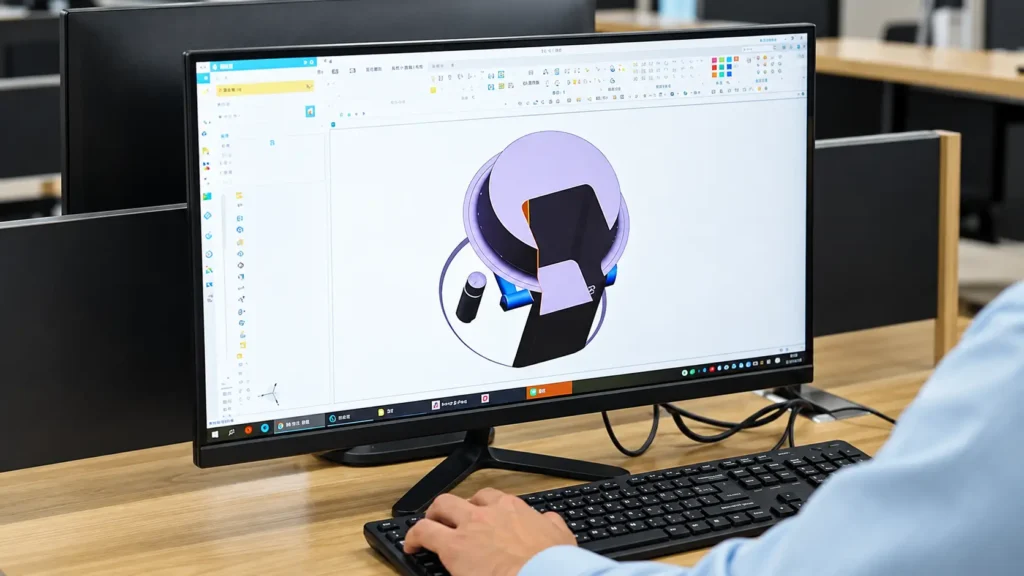
How Cold Chamber Die Casting Works
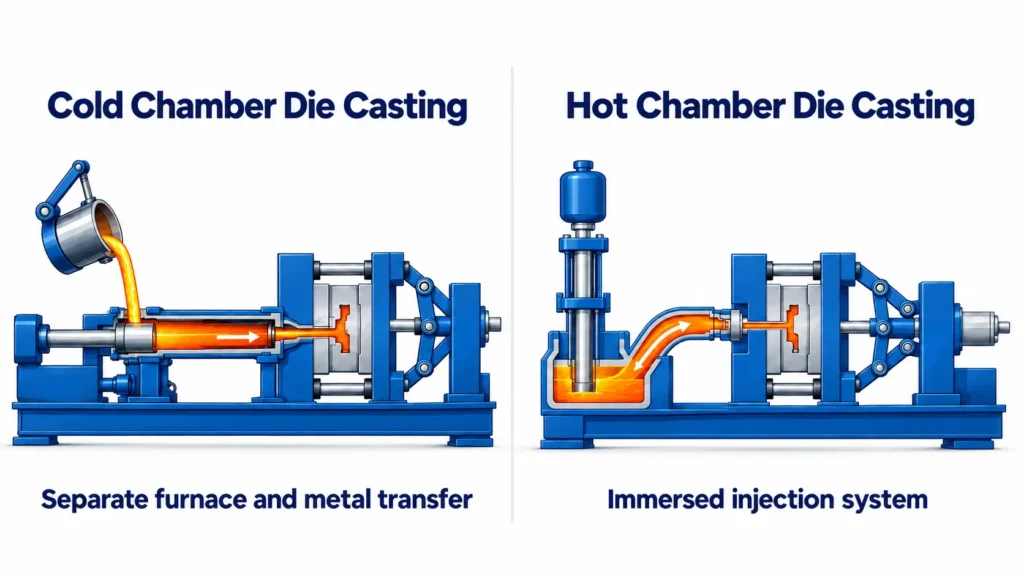
Cold chamber die casting uses a separate furnace to melt and hold the alloy. For each cycle, a measured quantity of molten metal is transferred into the shot sleeve. A plunger then forces it into a reusable steel mold under high pressure. After solidification, the mold opens and the casting is ejected.
The term “cold chamber” means the injection mechanism is not continuously immersed in the molten-metal bath; it does not mean the metal or mold is cold. This arrangement makes the process suitable for aluminum alloys that would attack submerged steel injection components.
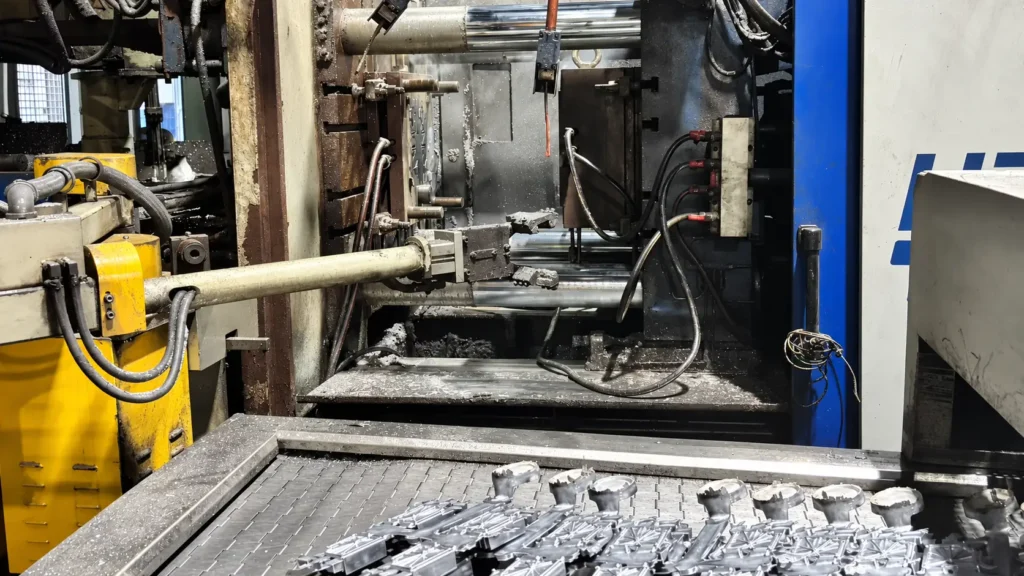
Cold Chamber vs. Hot Chamber Die Casting
Cold chamber die casting melts metal in a separate furnace and transfers a measured charge into the shot sleeve. A plunger then injects it into the mold under high pressure. Commonly used for aluminum, it avoids prolonged immersion of injection components in the melt and produces equipment housings, heat sink bodies, and automotive parts.
Hot chamber die casting keeps the injection mechanism immersed in molten metal, feeding the mold through a gooseneck passage. Eliminating separate ladling generally shortens cycles. It commonly produces zinc connectors, hardware, and small housings. Magnesium can use either process, depending on alloy compatibility, part geometry, and production requirements.
Advantages of Cold Chamber Die Casting
Alloy Compatibility: A separate furnace allows suitable alloys, including aluminum, to be processed without keeping the injection mechanism submerged in molten metal.
Complex Part Features: Ribs, bosses, cavities, and mounting points can be formed within one casting, reducing separate components and assembly operations.
Repeatable Production: Reusable steel molds reproduce part geometry across production batches, with machining applied where tighter dimensional control is required.
Near-Net-Shape Manufacturing: Casting forms much of the finished geometry directly, reducing material removal compared with machining the entire component from solid stock.
Range of Part Sizes: Different machine capacities accommodate a range of casting weights and mold sizes, subject to projected area, shot capacity, and tooling requirements.
Applications of Cold Chamber Die Casting
Industrial Equipment: Housings, covers, and mounting brackets with integrated ribs, bosses, and machined interfaces for machinery and production equipment.
Automotive Components: Transmission housings, motor covers, and support brackets requiring controlled dimensions and defined mounting relationships.
Lighting & Thermal Management: LED housings and heat sink bodies that combine cooling fins, electrical compartments, and mounting features in one casting.
Communications Equipment: Telecom enclosures and equipment housings with internal mounting points, heat-dissipation features, and finished sealing surfaces.
Power & Electrical Systems: Inverter housings, power supply enclosures, and junction boxes with cavities for electrical components and machined cable or connector interfaces.
Frequently Asked Questions
Cold chamber machines receive molten metal from a separate furnace for each shot. Hot chamber machines use an injection mechanism submerged in the molten metal. Selection depends primarily on alloy compatibility and production requirements.