
Custom Die Casting Mold Manufacturing
Custom molds for aluminum, zinc, and magnesium die casting, tailored to your part design and production requirements. Services cover mold design, machining, assembly, trials, and sample inspection, with modification and maintenance support.
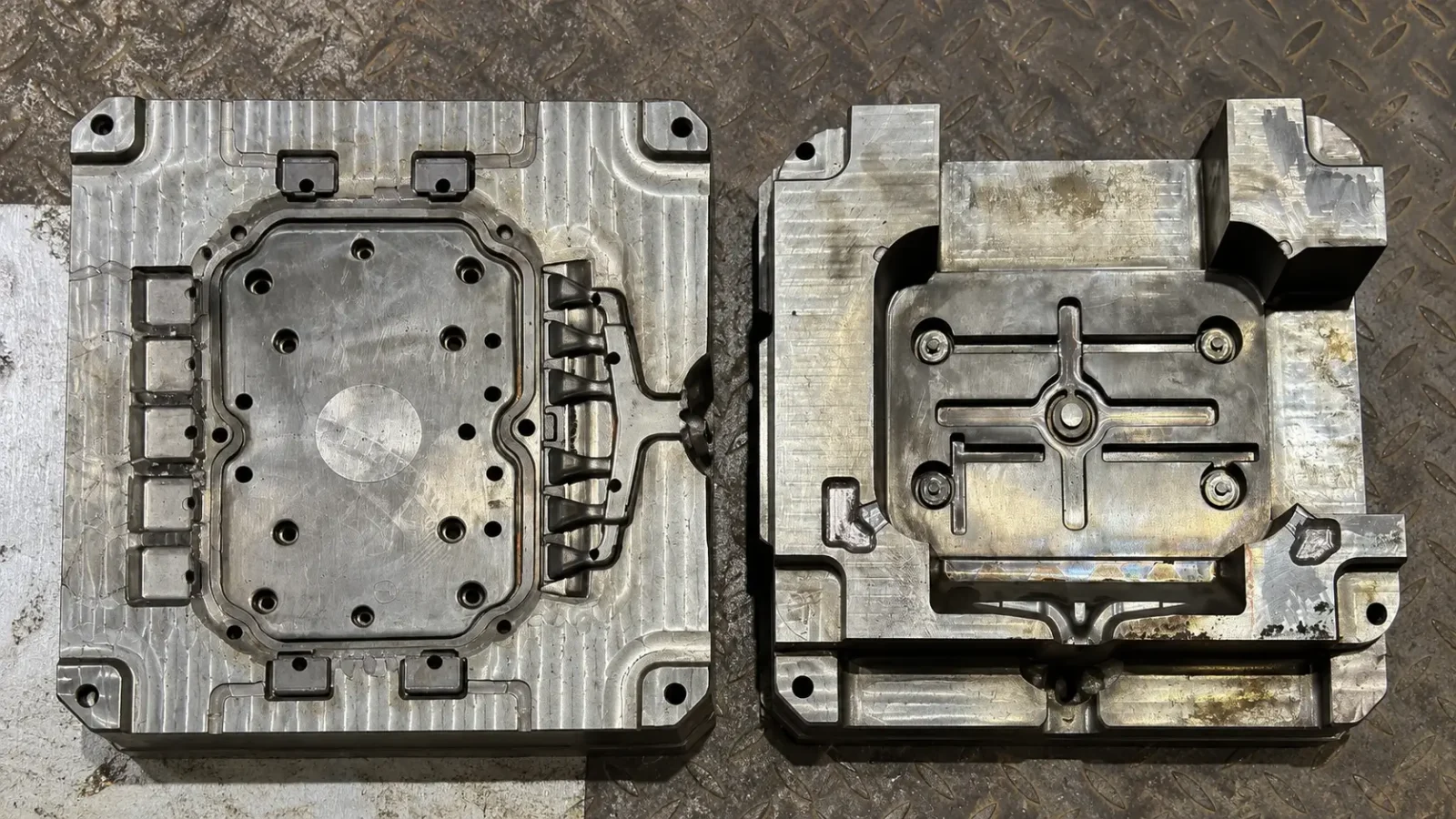
Custom Die Casting Tooling for Your Parts
Custom production tooling is available for housings, covers, brackets, and other die cast components. Each mold is configured around your part geometry, casting alloy, critical features, and expected production demand.
We support new molds, replacement tooling, and individual cores and inserts. Tooling scope, machine compatibility, and sample approval requirements are confirmed before manufacturing, whether the mold will be used at our facility or delivered to your specified factory.
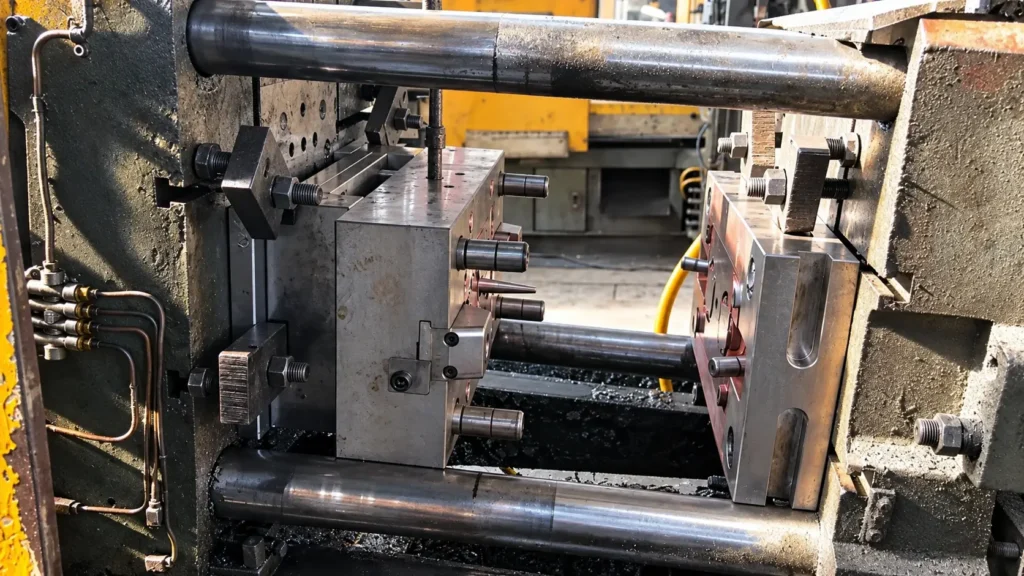
Die Casting Mold Options
Single-cavity and multi-cavity molds are configured around your part geometry, machine capacity, and production requirements. Cavity count and mold construction are evaluated to balance tooling investment with the required production output.
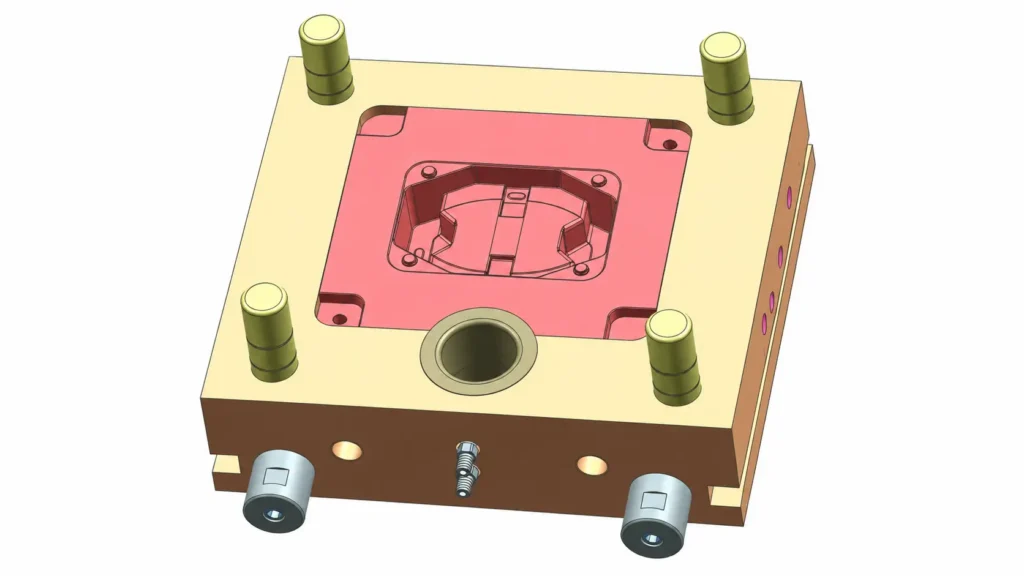
Single-cavity molds produce one casting per cycle, with the tooling designed around the component’s geometry, alloy, and quality requirements. They are often selected for larger parts, complex structures, or projects where additional cavities would not justify the tooling investment.
The cavity, gating, cooling, and ejection layout are developed together, with space allocated for slides and cores where needed. Machine compatibility and access for maintenance are reviewed before the design is approved.
- One component produced per casting cycle.
- Tooling layout tailored to the part’s forming requirements.
- Suitable for projects requiring dedicated cavity and core arrangements.
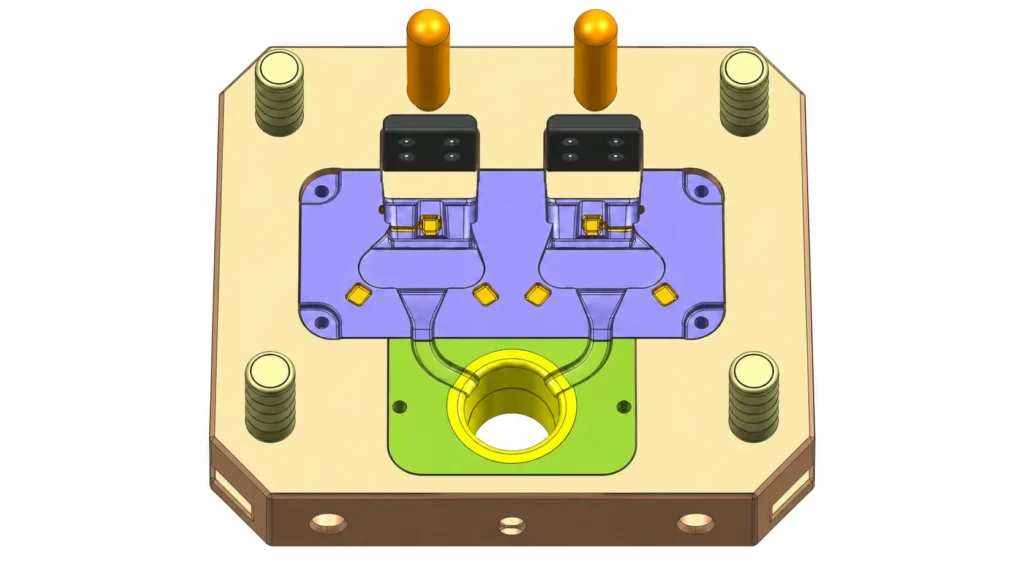
Multi-cavity molds produce multiple identical castings in one cycle. Two-, four-, six-cavity, and other configurations are evaluated according to part size, projected area, shot capacity, and required production output.
The tooling layout considers metal distribution, cavity spacing, cooling, and ejection across all cavities. The proposed cavity count balances tooling investment with production efficiency, while allowing sufficient space for moving components and maintenance.
- Multiple identical components produced per casting cycle.
- Coordinated runner and cooling layouts across cavities.
- Cavity count matched to machine capacity and production demand.
Custom tooling design translates your part drawings and production requirements into a mold configuration suited to the project. The review covers casting alloy, critical features, machine interfaces, and any secondary machining or finishing requirements.
Gating, overflows, venting, cooling, and core arrangements are developed around the component. Proposed design changes are submitted for your approval, with replaceable inserts and access for maintenance considered where practical.
- Mold configuration developed around your specific component.
- Forming and feed-system details coordinated with production needs.
- Design proposals reviewed with you before mold manufacturing.
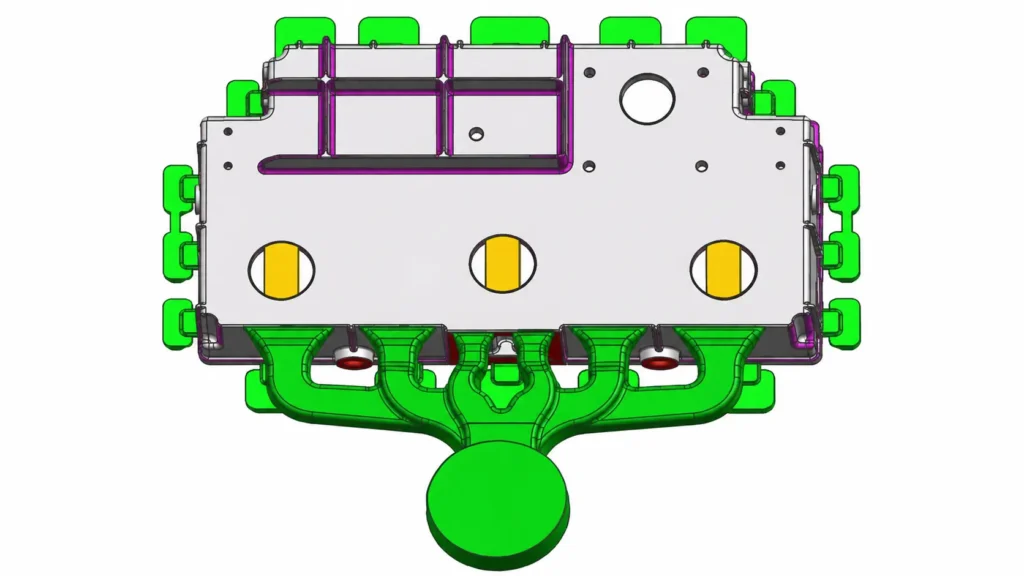
Die Casting Mold Life
Tool life is planned around the casting alloy, mold steel, part geometry, and production requirements. The figures below are reference targets, with specific terms confirmed during quotation.
| Casting Alloy | Indicative Tool Life (Shots) | Key Factors Affecting Tool Life | Related Services |
|---|---|---|---|
| Aluminum | 60,000–100,000 | Thermal fatigue, erosion, soldering, and surface requirements. | View Services |
| Magnesium | 60,000–100,000 | Thermal cycling, mold condition, and process control. | View Services |
| Zinc | 100,000–200,000 | Wear, erosion, part geometry, and maintenance. | View Services |
Get a Die Casting Mold Quote
Share your part drawings, casting alloy, and production quantity. Our team will review your requirements and provide a tooling quotation with the proposed scope and lead time.
Materials for Die Casting Molds
Mold materials are selected according to the casting alloy, component geometry, thermal loading, and expected production volume. Cavities, cores, inserts, and mold bases require different properties to support forming accuracy, wear resistance, and structural stability.
| Image | Mold Material | Key Characteristics | Typical Components |
|---|---|---|---|
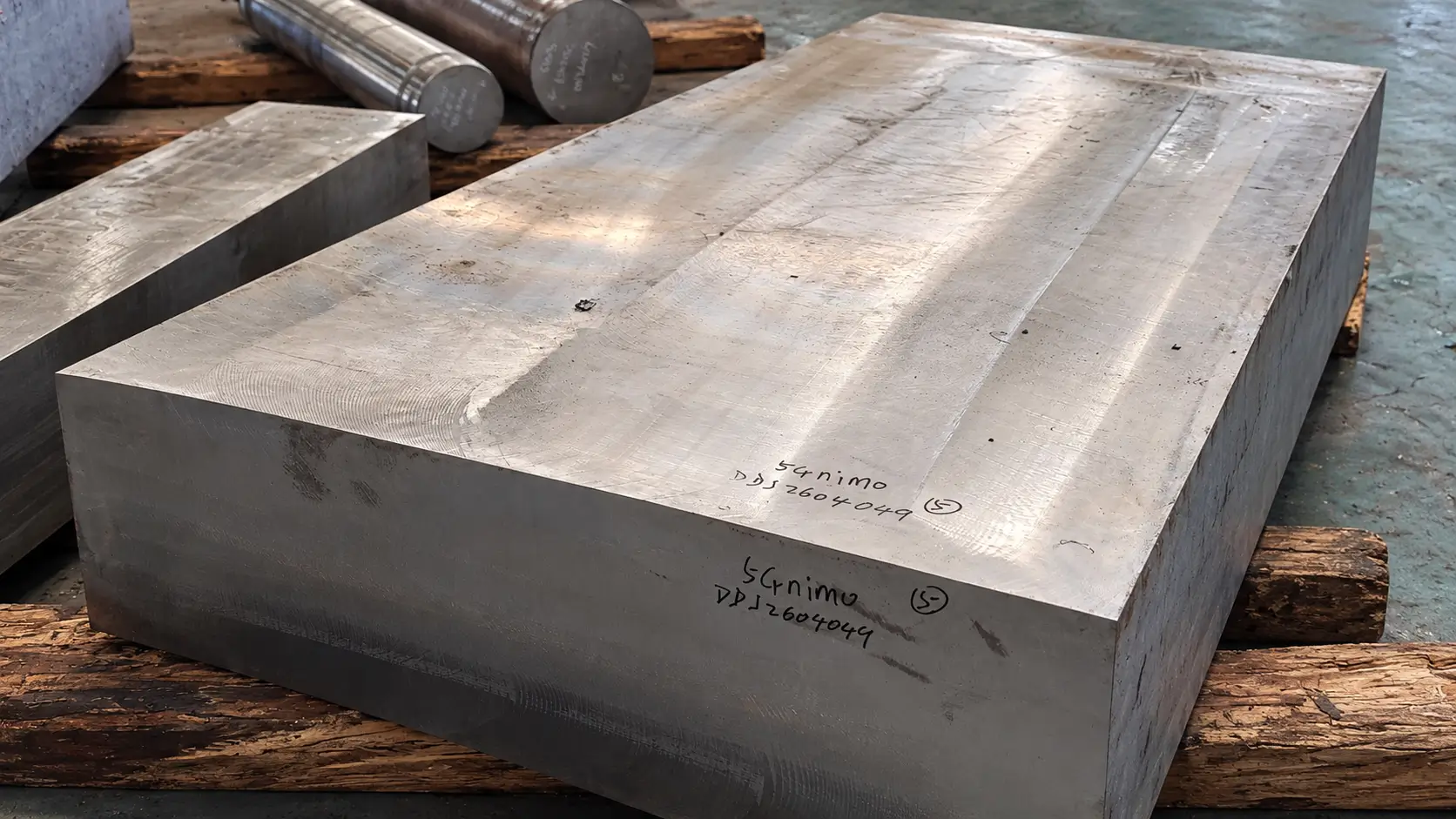 | H13 Hot-Work Tool Steel | Provides high-temperature strength, toughness, and resistance to thermal fatigue under repeated heating and cooling. Heat treatment is selected according to the tooling requirements. | Die cavities, cores, and forming inserts. |
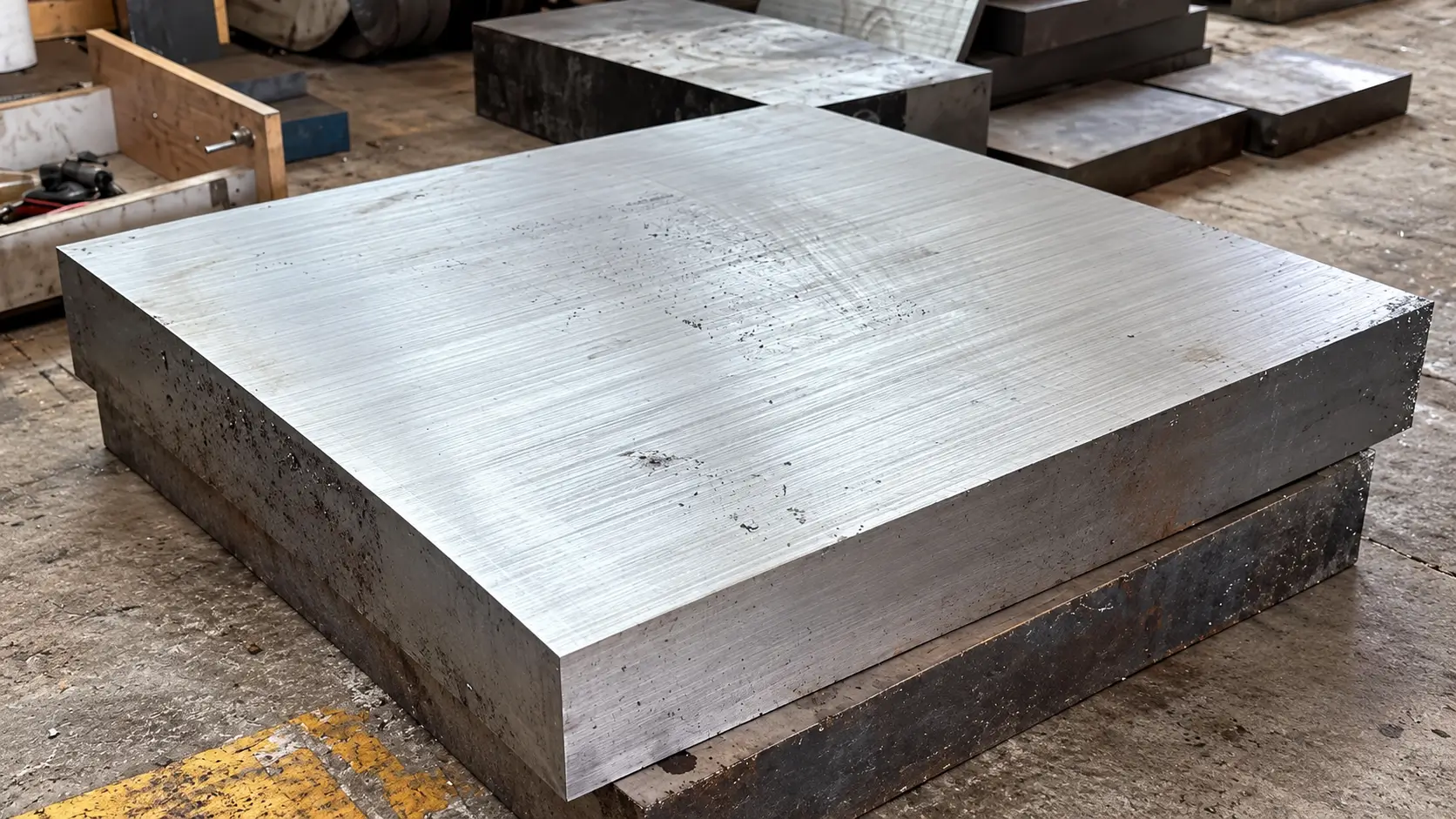 | H11 Hot-Work Tool Steel | Offers a combination of toughness and resistance to thermal cycling. Its suitability depends on the die design, operating conditions, and required service life. | Die inserts, cores, and other specified tooling sections. |
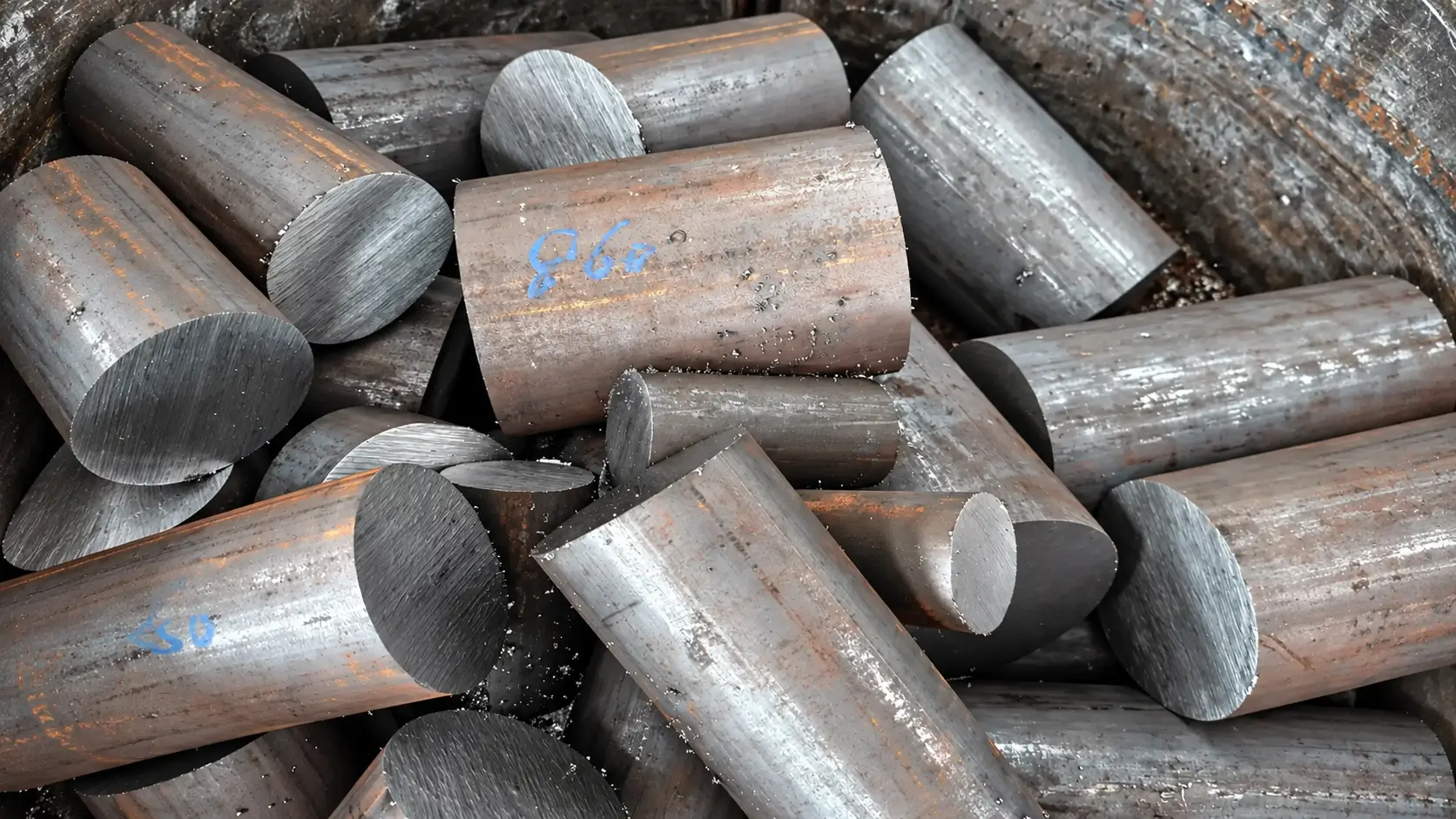 | P20 Pre-Hardened Tool Steel | Provides good machinability in the supplied pre-hardened condition. Suitability for die casting tooling depends on the casting alloy, operating temperature, component design, and required tool life. | Selected tooling components where the material's properties meet the application requirements. |
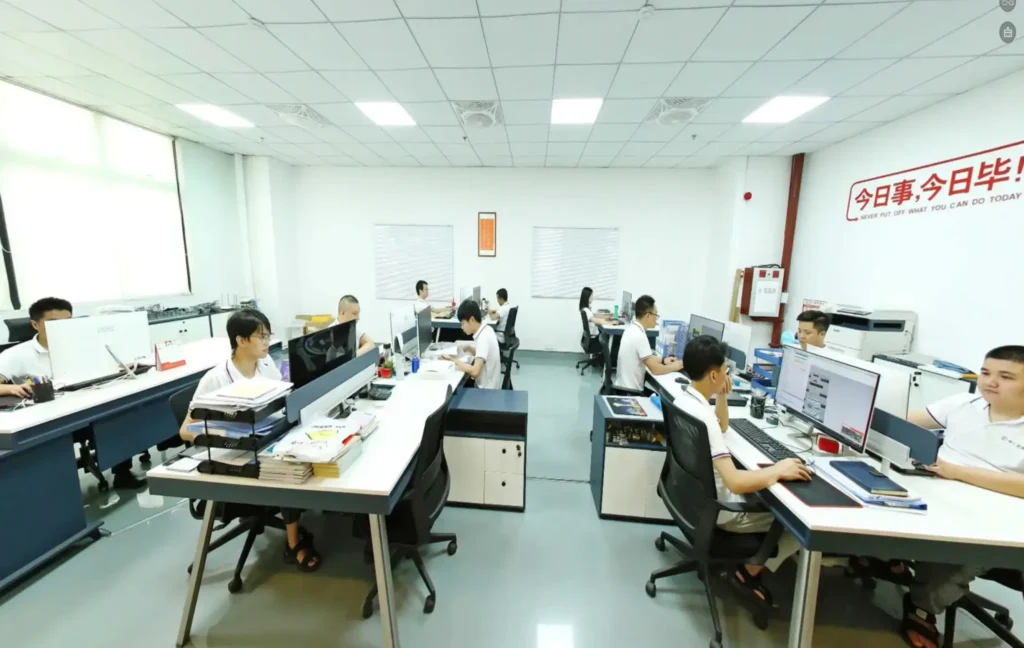
Engineering Support for Your Mold Project
Our team reviews your part drawings, casting alloy, annual demand, and die casting machine requirements to develop a suitable tooling proposal. Cavity layout, parting lines, slides, gating, cooling, and ejection are considered together with critical dimensions and secondary machining needs.
Proposed design changes and tooling details are submitted for your confirmation before manufacturing. For a closer look at our DFM review and mold flow assessment, explore our die casting engineering support.
Why Choose ZH Precision for Die Casting Mold Manufacturing?
Manufacturing resources, casting experience, and direct customer communication support your tooling project, with clear requirements and coordinated execution from mold development through sample approval.
Integrated Manufacturing
Our CNC machining and die casting capabilities connect mold manufacturing with casting trials, secondary machining, and inspection, helping evaluate tooling against finished-part requirements.
Competitive Tooling Costs
Mold construction, cavity count, and replaceable components are evaluated around your production needs. Clear quotations define the tooling scope, trial requirements, and included services.
Direct Customer Support
Receive one-to-one support, regular progress updates, and clear communication on drawing revisions, sample results, mold adjustments, and delivery schedules.
Die Casting Mold Manufacturing Process
Custom molds are manufactured through a coordinated sequence of machining, heat treatment, assembly, and trials based on approved tooling requirements.
1. Design Approval: Confirm mold drawings, steel specifications, cavity layout, and machine compatibility.
2. Steel Preparation & Machining: Prepare the steel and rough-machine cavities, cores, and other mold components.
3. Heat Treatment & Finishing: Heat-treat specified components, then complete finish machining, EDM, grinding, and polishing as required.
4. Assembly & Inspection: Fit components and check dimensions, slide movement, ejection, and cooling circuits.
5. Trials & Approval: Produce trial castings, inspect samples, and complete agreed adjustments before customer approval.
When Is New Die Casting Tooling Needed?
New tooling may be required when developing a component, replacing an existing mold, or expanding production. The decision considers design requirements, mold condition, and production demand.
New Components: A new part requires dedicated cavities, cores, and a tooling layout suited to its geometry.
Major Design Changes: Revisions exceed what the existing mold can accommodate through practical modifications.
Tooling Replacement: Wear or damage makes it difficult to maintain acceptable part quality, and repair is no longer economical.
Increased Production: Additional tooling or a different cavity configuration is needed to meet higher output requirements.
Production Transfer: Existing tooling cannot be adapted economically to the receiving factory’s machine interfaces and production requirements.
Frequently Asked Questions
Please provide your 3D model, 2D drawings, casting alloy, and expected production quantity. Include critical tolerances, surface requirements, and machine specifications if the mold will run at your facility.
Lead time depends on mold size, complexity, cavity count, and trial requirements. The quotation includes an estimated schedule covering design approval, manufacturing, and sample preparation.
Yes, subject to technical review. Trial results help determine whether process adjustments or mold changes are needed. Any changes affecting the agreed scope, cost, or schedule are confirmed before work proceeds.
Sample quantities and inspection documentation are agreed during quotation. Samples are submitted for review, with additional machining or testing included where specified.
Replacement inserts, cores, and other components can be assessed using existing drawings and mold condition checks. Replacement work includes checking compatibility and fit with the remaining tooling.
Mold ownership, storage, maintenance responsibilities, and transfer arrangements are defined in the project agreement and confirmed before the order is placed.
Yes. An NDA can be signed before you share confidential drawings, CAD files, or project specifications.