
Precision Machining Services
Custom CNC machined parts made to your drawings, with general tolerances of ±0.05 mm and selected critical features evaluated down to ±0.01 mm. Dimensional inspection verifies the specified requirements before delivery.
- Critical Features Down to ±0.01 mm
- 3-, 4- & 5-Axis CNC Machining
- CMM Inspection & Reports
Quality Certifications
ISO 9001:2015 | IATF 16949:2016
STP | STEP | SLDPRT | IPT | PRT | SAT
All uploaded content is secure and confidential.
Trusted by companies like


Precision Machining Capabilities
Precision machining capabilities include CNC milling, CNC turning, precision grinding, and wire EDM for parts requiring controlled dimensions, tight feature relationships, and demanding geometric requirements.
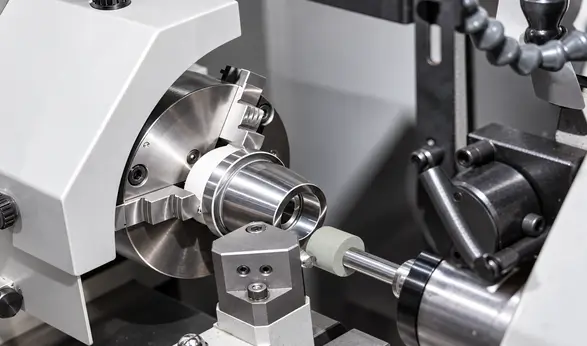
Precision Grinding
Precision grinding brings external diameters and flat surfaces to their specified size and finish. It is useful when a part requires close dimensional control or when heat treatment has changed the dimensions or geometry of a previously machined feature.
The grinding operation is planned around the surfaces used to locate the part. Finished features are measured against the drawing for size, form, and surface requirements.
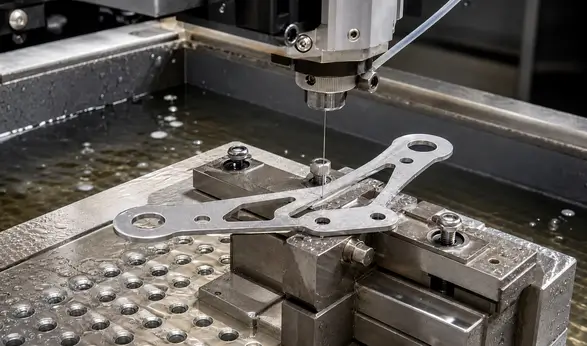
Wire EDM
Wire EDM cuts narrow slots, detailed profiles, and tight internal corners in electrically conductive materials. Because the process removes material without conventional cutting forces, it is also useful for delicate features that are difficult to machine with a conventional tool.
The cut profile and its position relative to other features are defined by the drawing. Wire access, start holes, and the required surface condition are reviewed before machining.
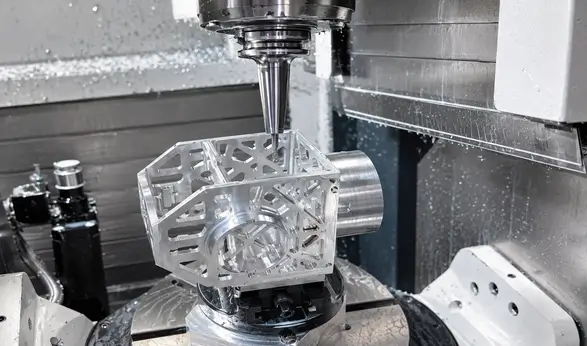
Precision CNC Milling
Precision CNC milling supports prismatic and complex parts with critical bores, pockets, mounting surfaces, datum-controlled features, and multi-sided geometry.
It is suitable for components where feature position, flatness, perpendicularity, and dimensional consistency must be maintained across multiple machined surfaces.
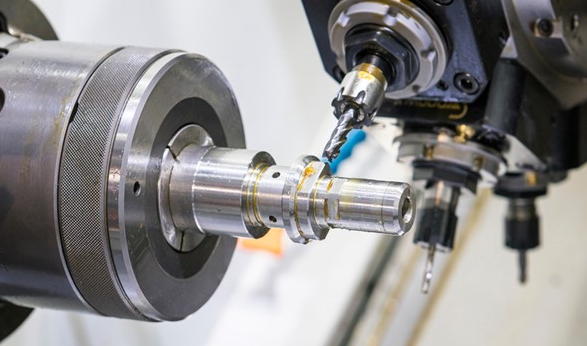
Precision CNC Turning
Precision CNC turning is used for shafts, bushings, sleeves, pins, and other rotational parts with controlled diameters, bores, shoulders, grooves, and threads.
It is particularly suited to parts requiring close control of runout, concentricity, diameter relationships, and mating fits.
Precision Machining for Prototyping & Low-Volume Production
Precision machining supports both prototype validation and low-volume production for parts with tight dimensional, geometric, and inspection requirements. The same controlled machining and inspection approach can be carried from early validation builds into repeat production.
Precision Prototyping
Produce functional precision prototypes for dimensional verification, fit, assembly, and performance testing before the design moves into production.
Explore CNC PrototypingLow-Volume Precision Production
Support small-batch and repeat production with controlled machining, consistent inspection, and stable dimensional quality across production runs.
Explore Low-Volume ProductionPrecision Machining Tolerances and Accuracy
Precision machining supports general tolerances of ±0.05 mm, with critical features controlled down to ±0.01 mm and ISO 2768-m applied where required. Bores, fits, runout, concentricity, flatness, and positional relationships are controlled through stable machining and dimensional inspection.
| Specification | Capability |
|---|---|
| General Dimensions | ±0.05 mm |
| Critical Dimensions | Down to ±0.01 mm |
| Precision Holes | ±0.02 mm |
| General Tolerance Standard | ISO 2768-m |
| Surface Finish | Ra 3.2 μm or better |
| Lead Time | As fast as 3–5 business days |
Need Custom Precision CNC Machined Parts?
Send your drawings for a DFM review, fast lead time, and transparent quotation for prototypes and production parts.
Materials for Precision CNC Machining
Aluminum
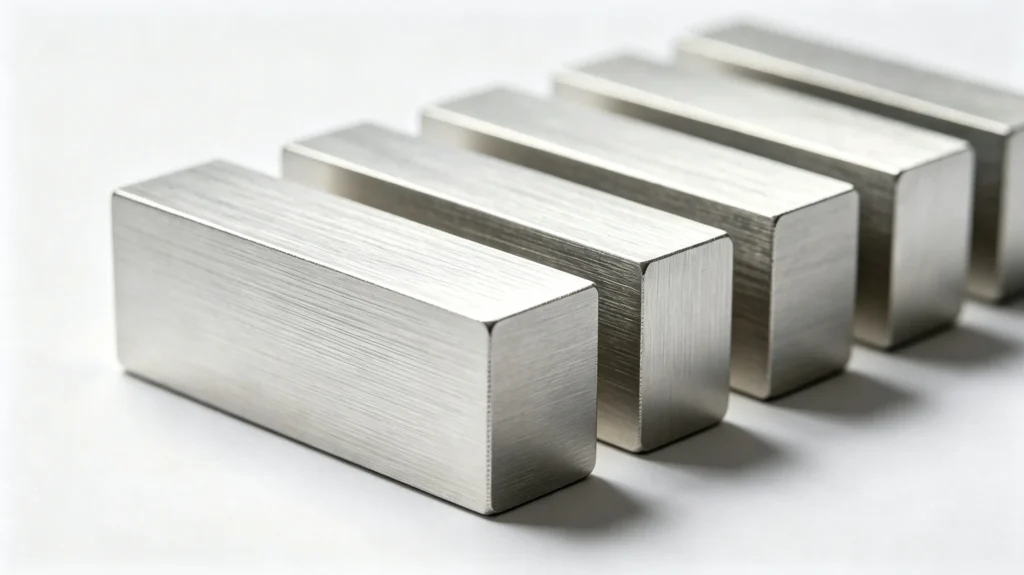
Aluminum is widely used for precision CNC parts because it combines good machinability, low weight, and stable dimensional performance. It is suitable for housings, brackets, plates, mounts, and other components that require accurate features and clean machined surfaces.
Stainless Steel
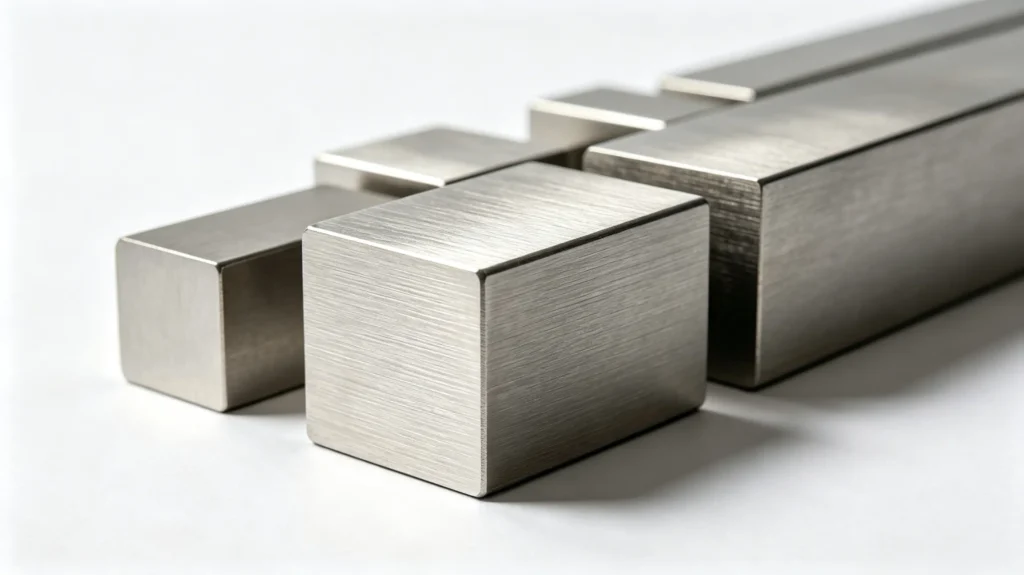
Stainless steel is suitable for precision parts that require corrosion resistance, strength, and reliable dimensional control. It is commonly used for shafts, housings, fittings, brackets, and other components exposed to demanding operating environments.
Steel Alloys
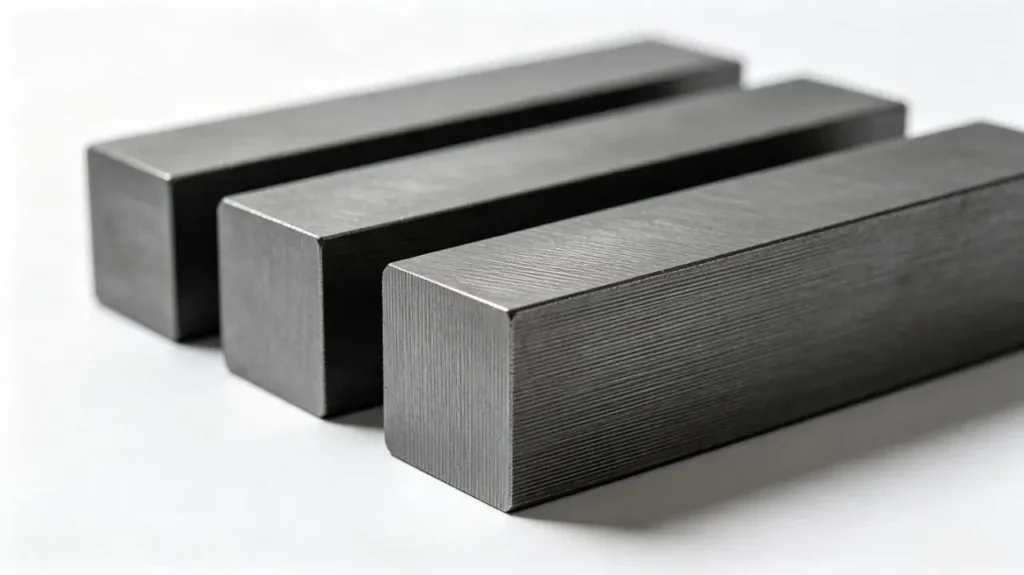
Steel alloys are used for precision components that require higher strength, wear resistance, hardness, or heat-treatment capability. They are well suited to shafts, fixtures, tooling components, structural parts, and other mechanically loaded applications.
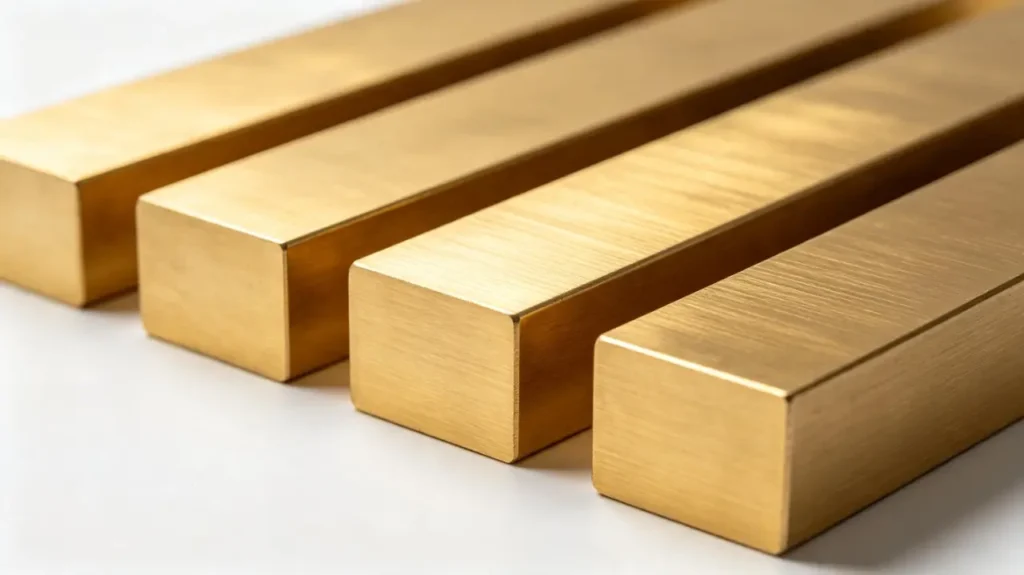
Brass
Brass offers good machinability, corrosion resistance, and stable cutting performance for precision components. It is commonly selected for fittings, connectors, bushings, valve parts, and other parts with threaded, sealing, or fine dimensional features.
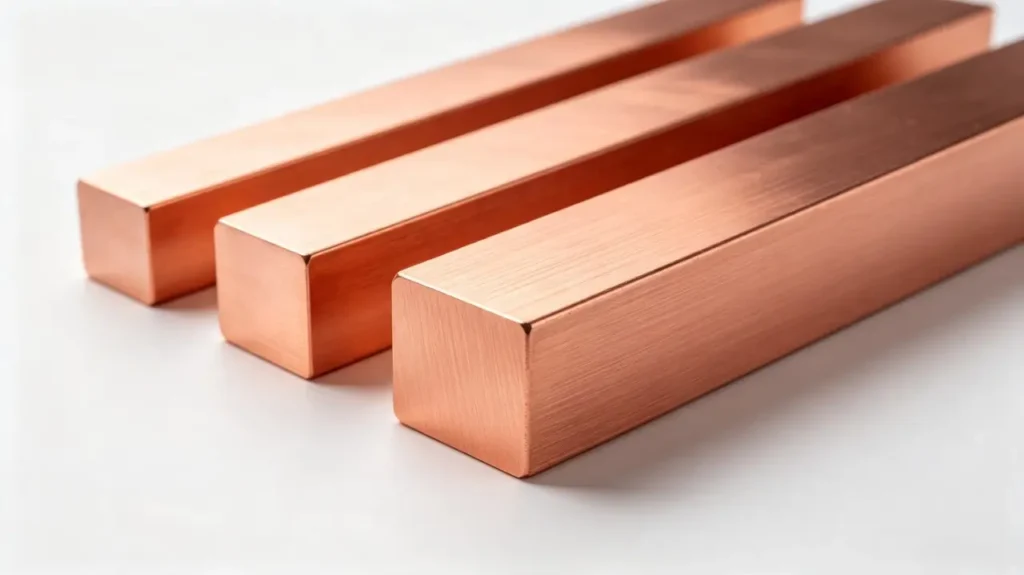
Copper
Copper is used for precision parts where electrical conductivity, thermal conductivity, and dimensional accuracy are important. Typical applications include electrical contacts, connectors, thermal components, conductive parts, and precision machined features.
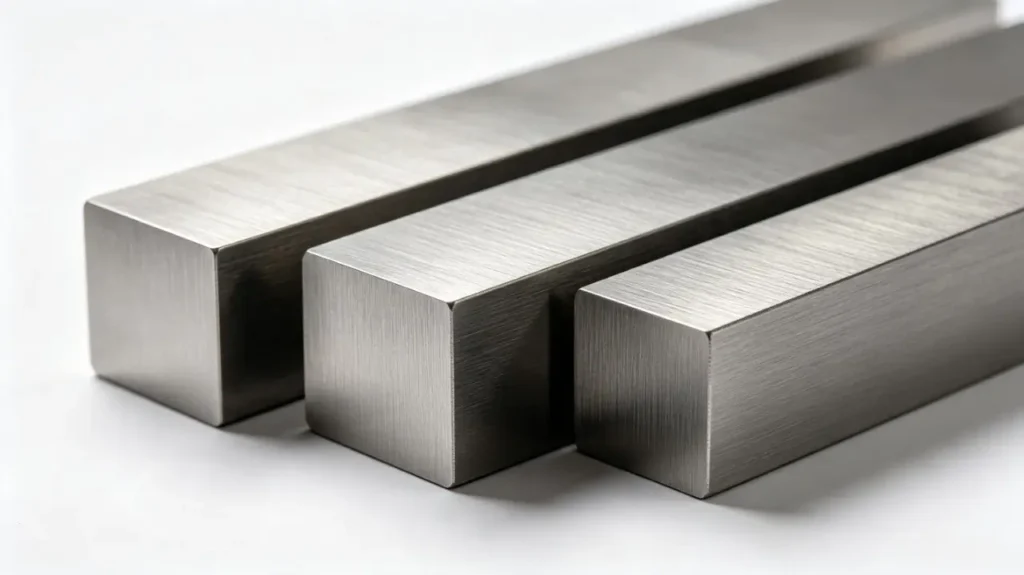
Titanium
Titanium combines high strength, low weight, and excellent corrosion resistance for demanding precision components. It is suitable for high-performance parts where dimensional control, mechanical strength, and reduced mass are important.
Surface Finishes for Precision Machined Parts
Choose from a range of surface finishing options to meet appearance, corrosion resistance, wear, and functional requirements while maintaining the critical dimensions of precision machined parts.
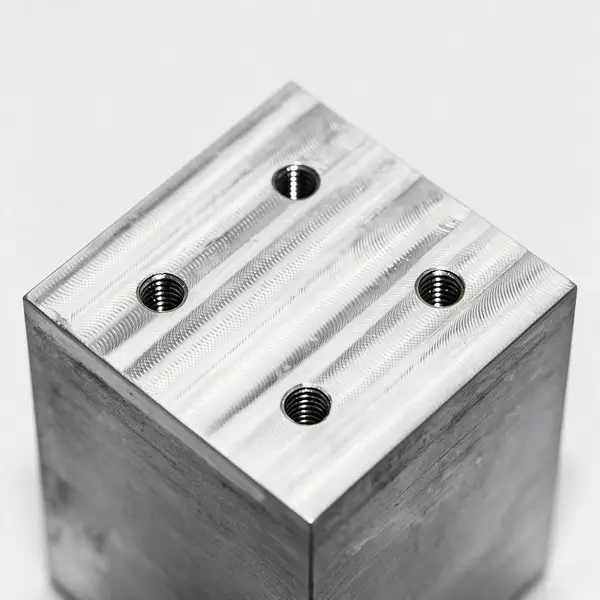
As-Machined
Parts are supplied directly after machining with visible tool marks and no additional treatment. Suitable where function and dimensional accuracy are the main priorities.
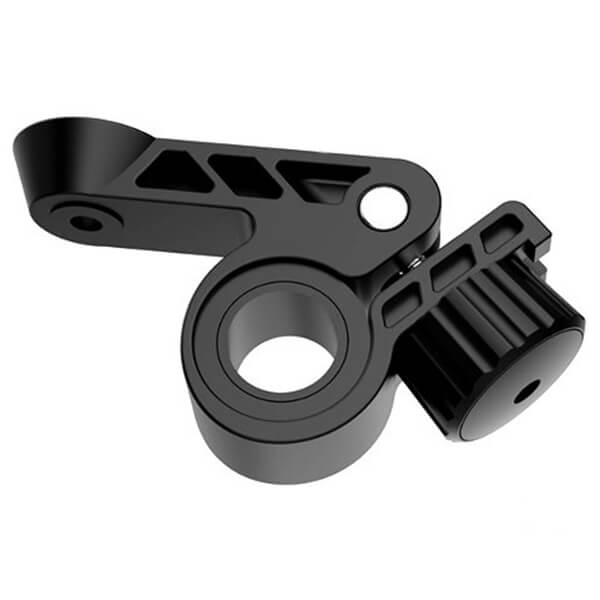
Anodizing
Anodizing improves corrosion resistance, durability, and appearance on aluminum parts. Different types and colors can be selected as required.
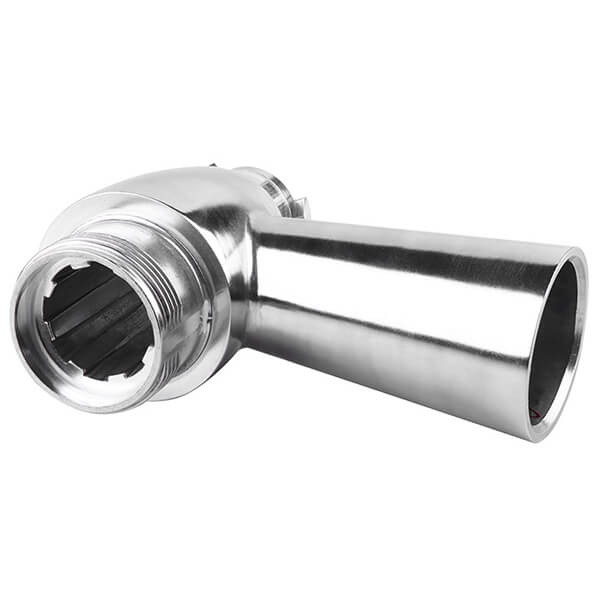
Polishing
Polishing reduces surface roughness and improves the appearance of machined surfaces. It is used where a smoother, cleaner finish is needed.
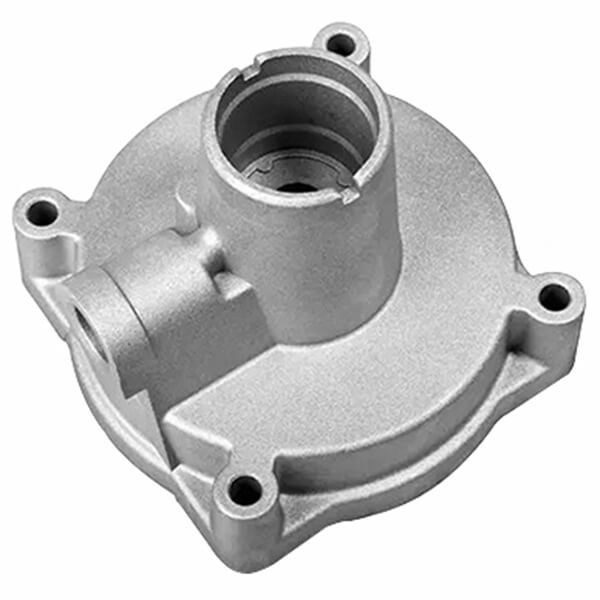
Bead Blasting
Bead blasting creates a uniform matte or satin finish while reducing visible machining marks and improving surface consistency.
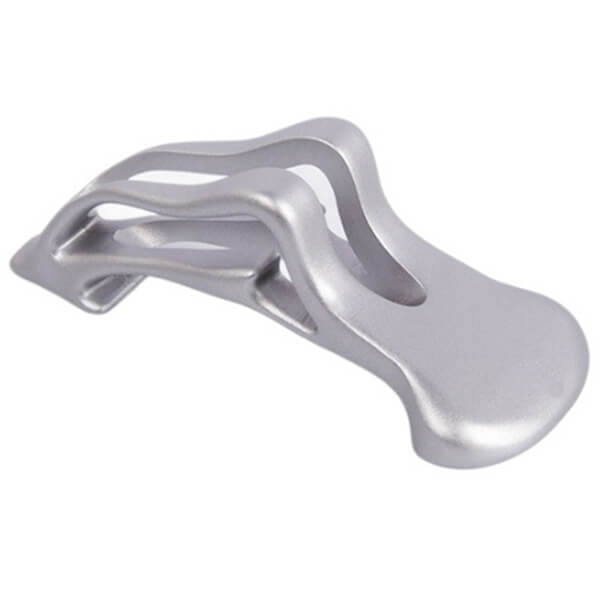
Tumbling
Tumbling removes light burrs, softens sharp edges, and improves the overall surface consistency of machined parts.
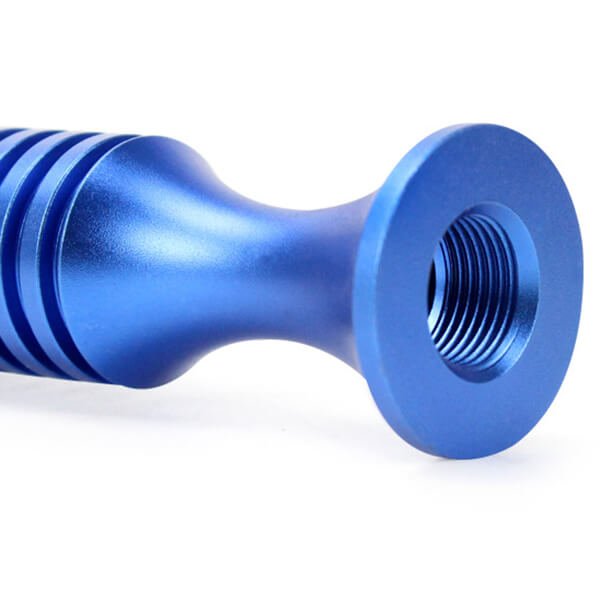
Electropolishing
Electropolishing smooths and brightens metal surfaces while improving cleanliness, surface condition, and corrosion resistance.
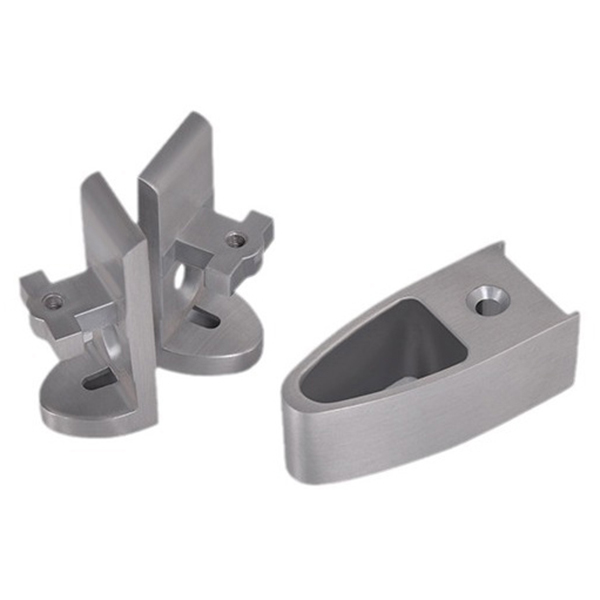
Alodine
Alodine provides corrosion protection and electrical conductivity on aluminum parts with minimal effect on dimensions.
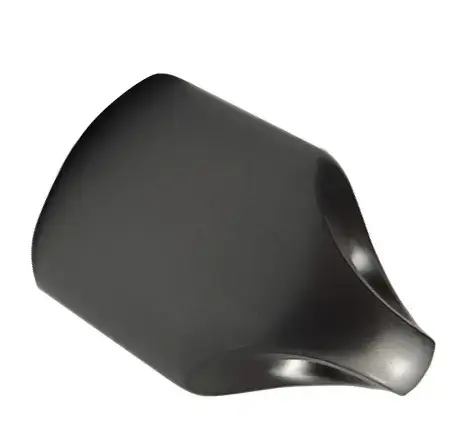
Electroplating
Electroplating applies a metallic coating to improve corrosion resistance, wear performance, conductivity, or appearance.
Quality Control for Precision Machined Parts
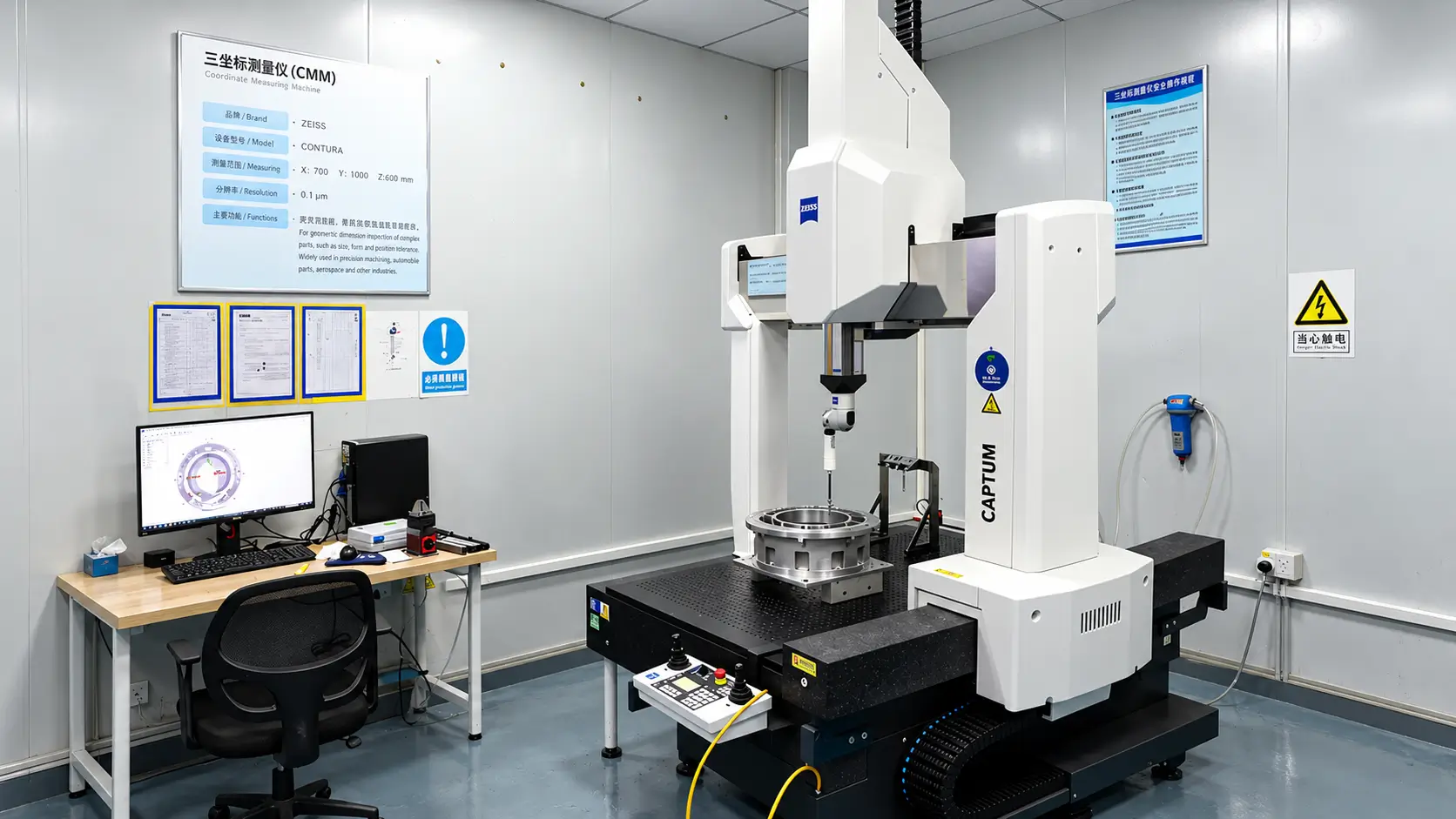
Precision machined parts are checked against drawing requirements through first-article, in-process, and final inspection. Critical dimensions, geometric tolerances, and functional features are verified throughout production to maintain dimensional consistency.
CMMs, height gauges, plug gauges, pin gauges, and other precision measuring equipment are used according to the feature and tolerance being inspected. Inspection results and material documentation can be provided when required.
Precision Machining for Complex and Critical Parts
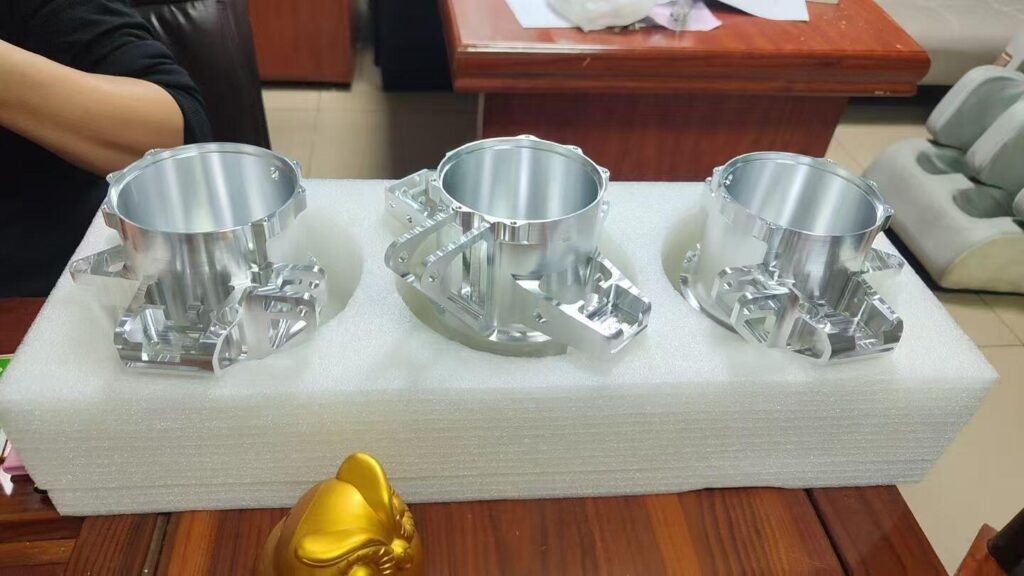
Precision machining is used for components with tight fits, precision bores, datum-controlled features, sealing surfaces, thin walls, and critical feature-to-feature relationships. These requirements are common where assembly, motion, alignment, or sealing depends directly on dimensional accuracy.
Machining and inspection are focused on the features that control part function, helping maintain positional relationships, geometric accuracy, and consistent results across complex or tolerance-critical components.
Frequently Asked Questions
Precision machining uses controlled machining processes and inspection to produce parts with tight dimensional and geometric requirements. It commonly includes CNC milling, CNC turning, precision grinding, and Wire EDM for features where accuracy, fit, and feature relationships are critical.
General precision machining tolerances of ±0.05 mm can be supported, with critical features controlled down to ±0.01 mm. ISO 2768-m can also be applied to unspecified dimensions where required by the drawing.
Precision parts can be machined from aluminum, stainless steel, steel alloys, brass, copper, and titanium. Material selection depends on the drawing, mechanical requirements, and intended application of the part.
Precision machining is suitable for parts with tight fits, precision bores, critical datum relationships, sealing surfaces, controlled runout, concentricity, flatness, or positional requirements. Typical applications include housings, shafts, bushings, fixtures, mounts, and other tolerance-critical components.
Precision machining cost is mainly influenced by part geometry, material, tolerance requirements, machining time, number of setups, inspection requirements, surface finishing, and order quantity. Tighter tolerances and more extensive inspection generally require additional machining and measurement time.