
Stainless Steel CNC Machining Services
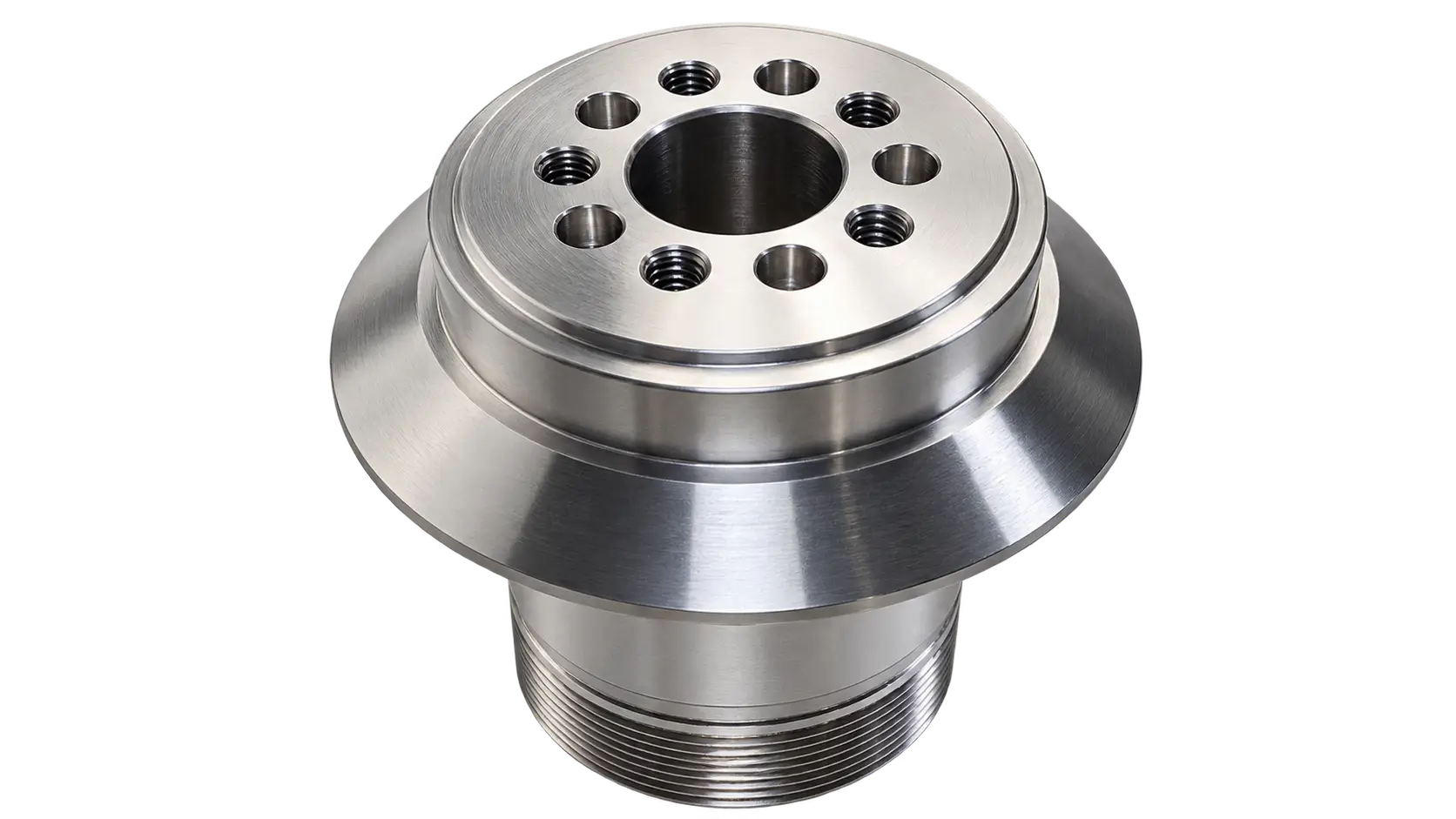
Custom stainless steel components for fluid handling, equipment assemblies, and corrosive environments. CNC milling and turning produce valve bodies, shafts, fittings, and housings in grades including 303, 304, 316L, and 17-4 PH.
- Tolerances up to ±0.01 mm
- 3-axis, 4-axis, and 5-axis CNC machining
- Parts delivered in as fast as 3 days
Verify Certifications On Demand:
ISO 9001:2015 | IATF 16949:2016
STP I SLDPRT I IPT I PRT I SAT FLES
All uploaded content is secure and confidential.
Custom Stainless Steel Parts Manufacturing
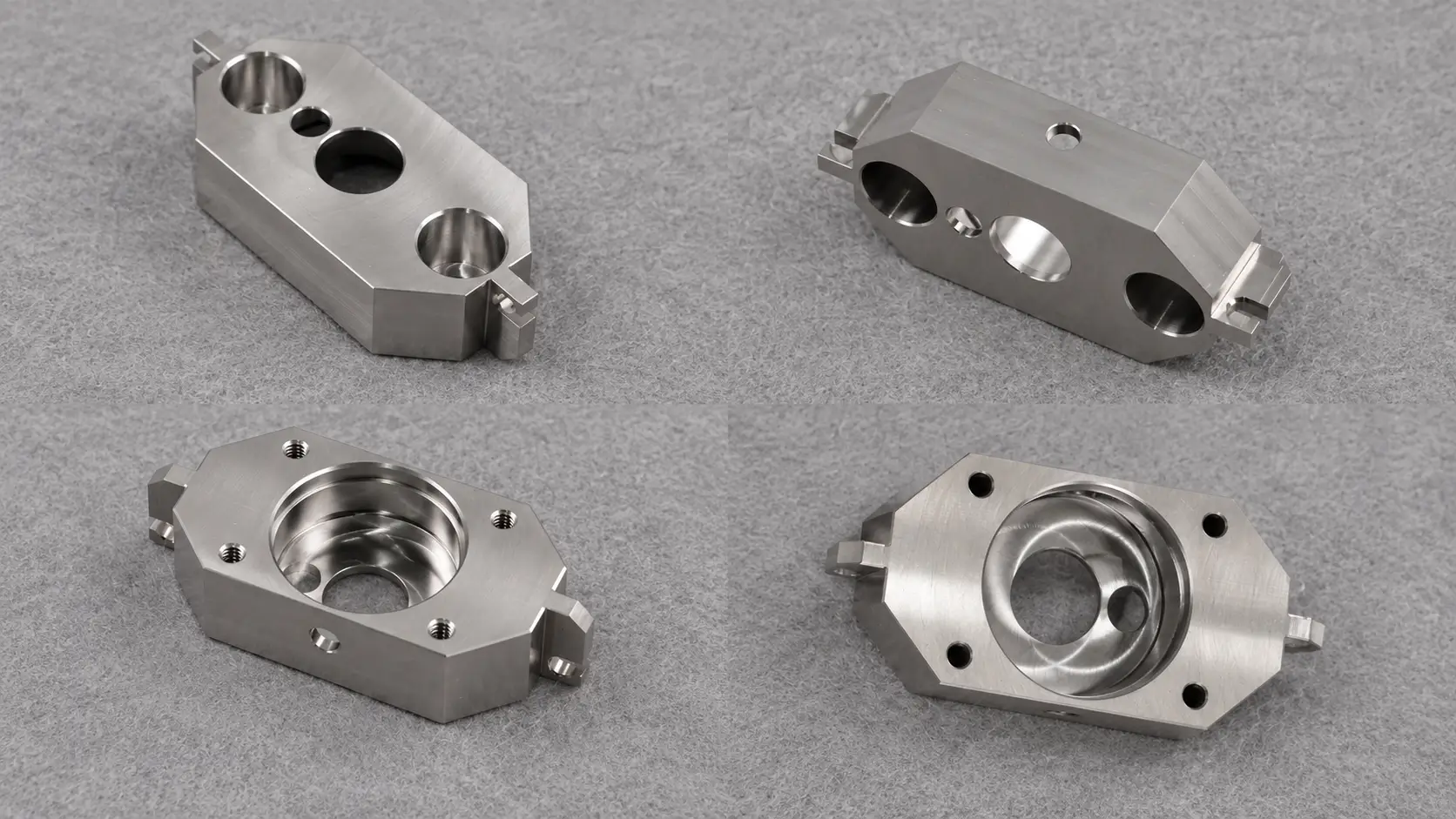
Stainless steel valve bodies, shafts, fittings, and housings are CNC machined from bar and plate stock. Machining covers stepped bores, sealing grooves, internal passages, threads, and mounting features, with related surfaces finished from common datums to maintain alignment and assembly fit.
Each production plan defines the stainless steel grade, material condition, and machining sequence. Specified heat treatment is coordinated with finish machining and dimensional inspection, while passivation and polishing meet the part’s surface and appearance requirements.
Stainless Steel CNC Machining Capabilities
CNC milling, turning, and mill-turn machining produce stainless steel components with precision bores, threads, sealing grooves, and features on multiple faces. Related operations share locating datums to maintain alignment between mounting features and mating surfaces.
Stainless Steel CNC Milling
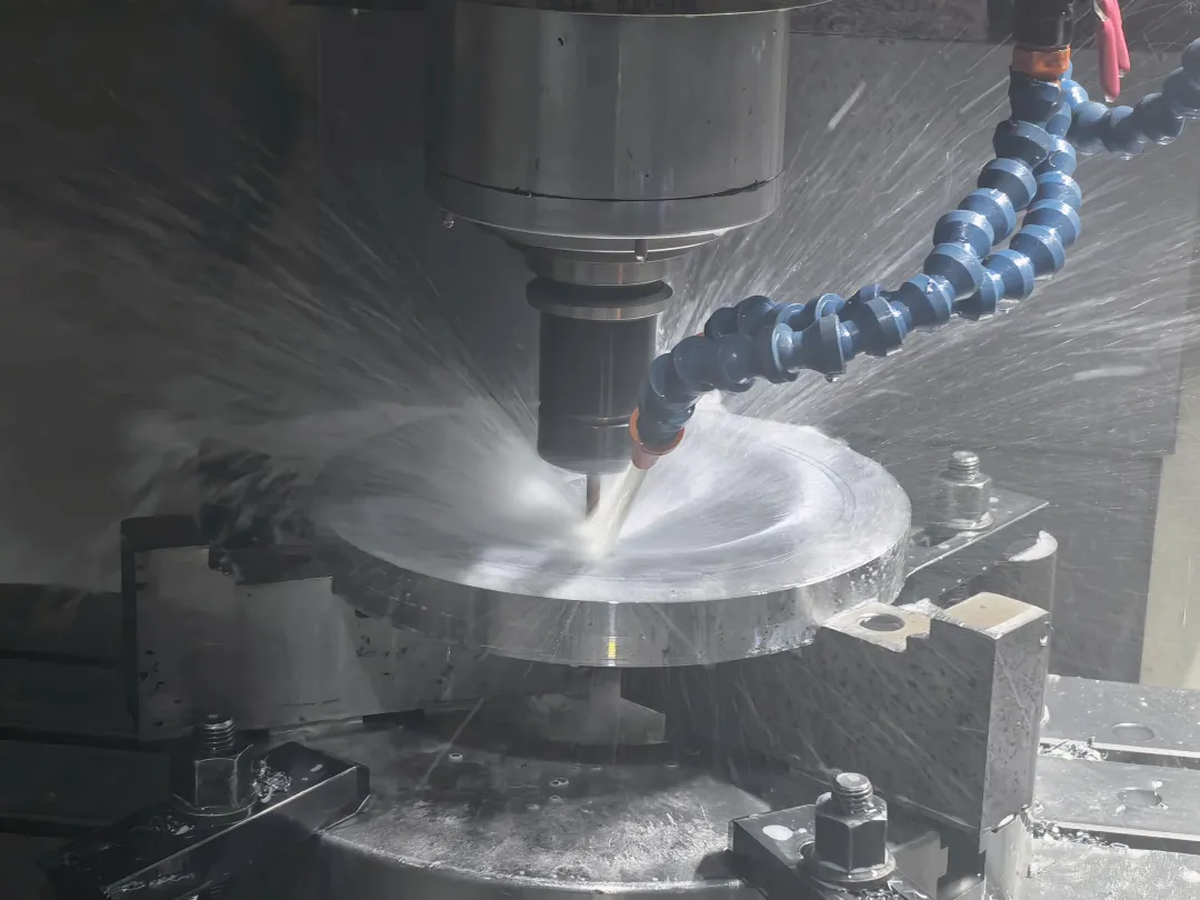
3-, 4-, and 5-axis CNC milling produces valve blocks, housings, and mounting components with internal pockets, intersecting passages, slots, and bolt patterns.
Stainless Steel CNC Turning
CNC turning produces shafts, sleeves, fittings, and flanges with stepped diameters, bearing seats, sealing grooves, and internal or external threads.
Stainless Steel Mill-Turn Machining
Mill-turn machining adds keyways, wrench flats, radial holes, and off-center features to turned components in one setup, maintaining their position relative to the shaft or bore axis.
Stainless Steel CNC Machining Specifications
Machining specifications cover part size, dimensional tolerances, surface roughness, and prototype lead time. Drawing requirements define the critical bores, shaft diameters, threads, and mating surfaces that require tighter control.
| Parameter | Specification |
|---|---|
| Maximum Milling Part Size | 1000 × 600 × 500 mm |
| Maximum Turning Part Size | Ø300 × 500 mm |
| Maximum Mill-Turn Part Size | Ø250 × 500 mm |
| Typical Milling Tolerance | ±0.05 mm |
| Typical Turning Tolerance | ±0.03 mm |
| Precision Feature Tolerance | ±0.02 mm on reviewed features |
| Typical Surface Roughness | Ra 1.6 μm |
| Prototype Lead Time | 3–7 Business Days |
Stainless Steel Grades for CNC Machining
Common stainless steel grades cover free-machining components, corrosion-resistant equipment parts, and hardened shafts and wear parts. Grade selection follows the drawing’s requirements for corrosion resistance, strength, hardness, and welding.
Stainless Steel 303
A free-machining grade for fittings, bushings, nuts, and instrument components. Improved chip breaking supports efficient turning of threads and detailed features.
Learn MoreStainless Steel 304
A general-purpose grade for housings, flanges, brackets, and equipment components. It combines corrosion resistance, toughness, and weldability.
Learn MoreStainless Steel 304L
A low-carbon alternative to 304 for welded housings, manifolds, and fittings. Its lower carbon content reduces susceptibility to intergranular corrosion after welding.
Learn MoreStainless Steel 316
A molybdenum-bearing grade for valve bodies, fluid fittings, and equipment exposed to corrosive media. It provides better resistance to chloride pitting than 304.
Learn MoreStainless Steel 316L
A low-carbon alternative to 316 for welded fluid-handling components. It offers better chloride pitting resistance than 304 and reduced susceptibility to intergranular corrosion after welding.
Learn MoreStainless Steel 17-4 PH
A precipitation-hardening grade for shafts, valve components, and load-bearing parts. Machining and aging follow the specified material condition and final dimensional requirements.
Learn MoreStainless Steel 416
A free-machining, heat-treatable grade for shafts, studs, bushings, and threaded components. It offers efficient machinability with lower corrosion resistance than 304 or 316.
Learn MoreStainless Steel 420
A hardenable grade for valve components, tooling, and wear-resistant parts. Heat treatment establishes the required hardness, with critical surfaces finished to the specified dimensions.
Learn MoreInstant & Accurate Quotes
Every aluminum CNC design gets a free DFM review. Get accurate, no-hidden-cost quotations from our machining engineers within 6 hours.
Stainless Steel Machining Process Control
304 and 316 require control of work hardening and chip formation, while 17-4 PH and 420 require machining sequences matched to their heat-treatment condition. Process planning connects these material differences to tool selection, finishing allowances, and inspection of critical features.
Manufacturing Challenge 01 — Surface Hardening
Work Hardening Control
304 and 316 work harden during cutting. Dull edges, tool dwell, and repeated light passes increase rubbing, leaving a hardened surface that accelerates tool wear in subsequent operations.
Finishing allowances and chip loads are matched to the tool geometry to maintain effective cutting. Toolpaths avoid dwell against the workpiece, and worn edges are replaced before continuing critical boring, threading, or finishing passes.
Manufacturing Challenge 02 — Stringy Chips and Chip Packing
Chip Breaking and Evacuation
Austenitic stainless steel can produce long chips that wrap around turned features or pack inside holes. Trapped chips interrupt cutting, damage tool edges, and score finished bores.
Turning chipbreakers are selected for the actual feed and cutting depth. Drill type, coolant delivery, and evacuation cycles follow hole depth and tool recommendations, keeping chips clear of the cutting zone and finished surfaces.
Manufacturing Challenge 03 — Hardness and Dimensional Change
Heat Treatment Sequencing
17-4 PH requires a specified aging condition, while 420 obtains its required hardness through hardening and tempering. These treatments can change dimensions and affect the final fit of bores, bearing seats, and sealing features.
The incoming material condition and required final hardness determine the machining sequence. Where heat treatment follows roughing, finishing stock is retained on critical features. Hardness and final dimensions are checked at the specified stages.
Manufacturing Challenge 04 — Free-Iron Contamination
Iron Contamination Control
Abrasives, brushes, or handling surfaces carrying carbon steel particles can transfer free iron onto stainless steel parts. This contamination can produce rust staining despite correct material selection.
Abrasives and brushes reserved for stainless steel prevent transfer from carbon steel operations. Fixtures and handling surfaces are cleaned before use. Parts are degreased before specified passivation, then rinsed, dried, and protected for packing.
Surface Finishing for CNC Machined Stainless Steel Parts
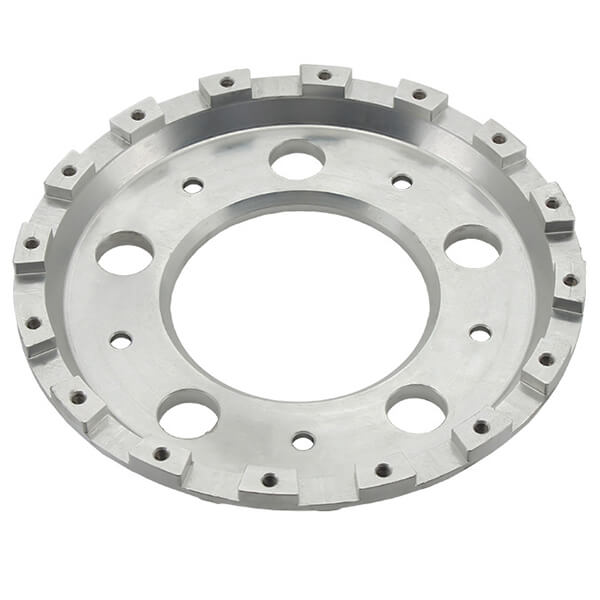
Finishing options include passivation, electropolishing, bead blasting, brushing, and mechanical polishing. The specified process controls surface appearance, roughness, and cleanliness, with threads, bearing seats, and sealing faces protected or finished to the drawing requirements.
As Machined
Original CNC cutting texture is fully retained without any extra post-processing for parts with loose surface appearance standards.
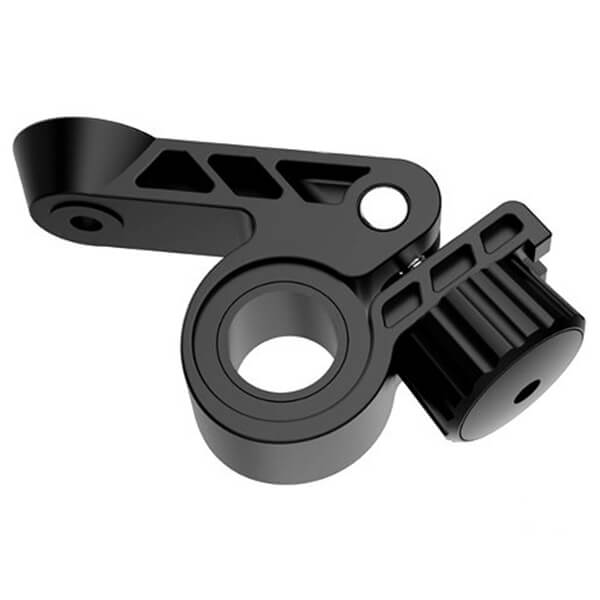
Anodizing
Compact protective oxide layer is generated on substrate to effectively upgrade surface wear resistance and anti-corrosion capability.
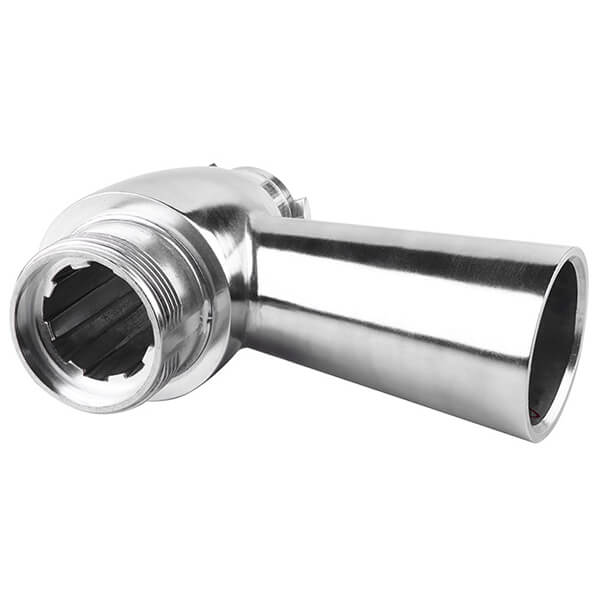
Polishing
Surface tool traces and tiny flaws are eliminated to acquire low-Ra smooth finish for appearance and sanitary critical components.
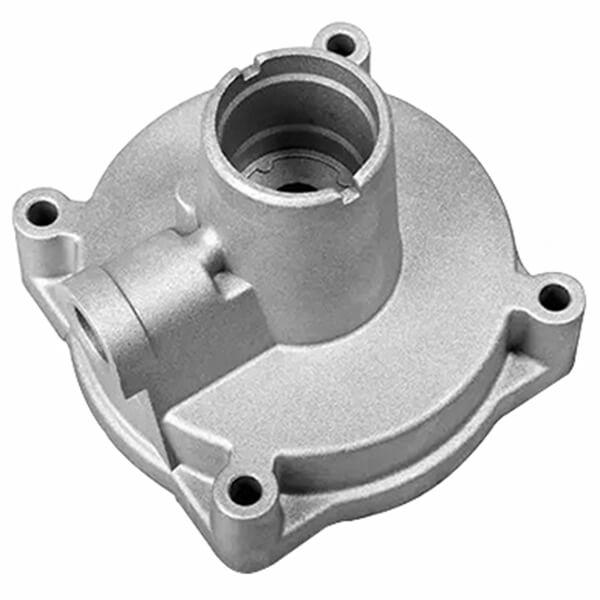
Sand Blasting
Consistent matte surface is produced to eliminate machining lines and enhance bonding strength for follow-up coating operations.
What Is Stainless Steel CNC Machining?
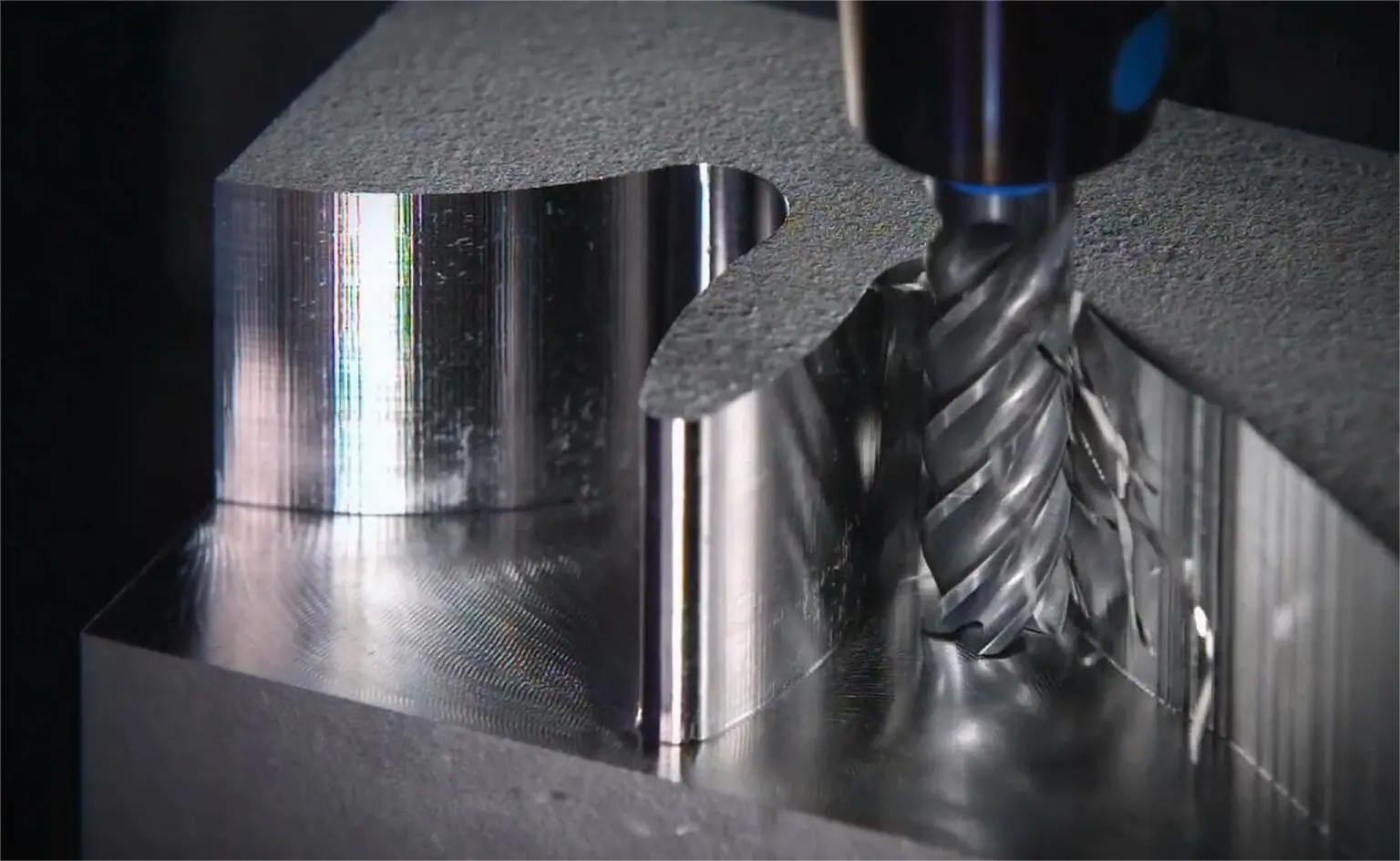
Stainless steel CNC machining is a precision subtractive manufacturing process that adopts numerically controlled milling, turning and 5-axis machining equipment to remove surplus material from solid stainless steel blanks. Fabrication is executed fully based on CAD drawings with tight tolerance management to guarantee accurate size and geometric precision of custom machined components.
The finished parts keep stainless steel’s intrinsic corrosion resistance, high tensile strength and oxidation resistance intact after machining. Benefited from these stable material properties, this processing technology is extensively applied to produce critical precision components for medical equipment, automotive fittings, food machinery and automated industrial systems.
Advantages of Stainless Steel CNC Machining
1.Dimensional Accuracy: CNC milling and turning control bore sizes, shaft diameters, threads, and feature positions to meet drawing tolerances and assembly requirements.
2.Strength and Durability: Stainless steel grades provide strength and toughness for load-bearing components, with heat-treatable options available for higher hardness and wear resistance.
3.Corrosion Resistance: Grades such as 304 and 316 support parts exposed to moisture and corrosive media, with material selection matched to the operating environment.
4.Custom Part Production: CNC machining produces prototypes and repeat orders directly from customer drawings, including complex pockets, internal passages, and threaded features.
5.Surface Finishing Options: Machined parts accommodate passivation, electropolishing, brushing, and mechanical polishing to meet specified surface and appearance requirements.
Applications of Stainless Steel CNC Machining
1.Medical Equipment: Instrument housings, equipment fittings, and mounting components with specified surface finish, cleanliness, and corrosion resistance.
2.Automotive: Sensor housings, valve components, shafts, and fittings for vehicle fuel, exhaust, and thermal management systems.
3.Industrial Equipment: Valve bodies, pump shafts, manifolds, and fluid fittings, with stainless steel grades selected for the operating media, pressure, and temperature.
4.Industrial Automation: Precision shafts, locating pins, gripper components, and fixtures for automated assembly and handling equipment.
5.Precision Instruments: Threaded adapters, sleeves, housings, and mounting components with controlled fits and feature alignment.
6.Aerospace: High-strength shafts, bushings, fittings, and brackets manufactured to specified material conditions and drawing requirements.
Frequently Asked Questions
Main applicable grades include 303, 304 and 316 stainless steel. 303 features superior machinability; 304 balances cost and corrosion resistance; 316 delivers excellent anti-corrosion performance for harsh chemical and humid environments.
Standard dimensional tolerance reaches ±0.02mm, and critical features can be controlled within ±0.005mm based on drawing requirements via 5-axis precision CNC equipment.
Stainless steel has high toughness and work-hardening characteristics, which easily leads to cutter abrasion. Optimized cutting parameters and dedicated carbide cutters are adopted to reduce tool loss.
Not required by default. Parts can keep as-machined raw surface; polishing, sandblasting or passivation are optional per drawing specifications to improve corrosion resistance and surface roughness.
Yes. CNC machining fits flexible production ranging from single prototype, small trial batches to mass volume production with quick program adjustment for design revisions.
Primary difficulties derive from stainless steel’s high ductility and cold work hardening tendency, prone to built-up edge on cutting tools and poor chip breaking. Its low thermal conductivity concentrates cutting heat at tool tip, accelerating tool abrasion and affecting dimensional stability, which demands specialized cutting tools and optimized cutting speeds.