
Powder Coating Services
Powder coating adds a protective, decorative finish to custom metal parts, with options for color, gloss, and texture. Surface preparation, coating thickness, and masking are specified to suit exposed surfaces, threads, and assembly requirements.
- Custom Colors
- Multiple Textures
- Protective Finish
- Selective Masking
Verify Certifications On Demand:
ISO 9001:2015 | IATF 16949:2016
STP | STEP | SLDPRT | IPT | PRT | SAT
All uploaded content is secure and confidential.
Home » Surface Finishing » Powder Coating Services
Powder Coating Finish Features
Powder coating forms a cured protective layer on metal parts. Color, gloss, texture, and powder chemistry are selected to suit the required appearance and service environment.
Color Options
Standard colors and custom color matching support housings, panels, and brackets. A physical sample can define the required shade before production.
Gloss and Texture
Matte, satin, gloss, and textured finishes provide different visual effects. The selected finish determines how light reflects from the surface.
Surface Protection
The cured coating helps protect metal from corrosion and everyday handling wear. Performance depends on surface preparation, powder selection, and coating coverage.
Controlled Coverage
Masking protects specified threads, precision bores, and contact surfaces. Coating buildup is considered where parts must fit or assemble together.
Powder Coating Specifications
Specify the coating color, gloss, texture, and service environment before production. Film thickness and masking requirements are reviewed around the part’s fit and assembly needs.
| Parameter | Specification |
|---|---|
| Applicable Materials | Aluminum, steel, stainless steel, and other suitable metals, subject to review. |
| Powder Selection | Selected for indoor or outdoor exposure and required performance. |
| Coating Thickness | Defined by the selected powder system and project requirements. |
| Color Options | RAL references or an approved physical sample, subject to powder availability. |
| Gloss and Texture | Matte, satin, gloss, smooth, or textured finishes. |
| Surface Preparation | Cleaning and pretreatment matched to the substrate and coating system. |
| Masking | Specified threads, precision bores, mating faces, and electrical contact areas. |
| Appearance Acceptance | Agreed color, texture, cosmetic surfaces, and allowable rack contact locations. |
Powder Coating Color Options
Choose from black, white, gray, blue, red, green, yellow, and custom colors. Specify a RAL reference or provide a physical sample for matching. Colors shown are for reference; the final shade, gloss, and texture are confirmed against an approved coated sample.
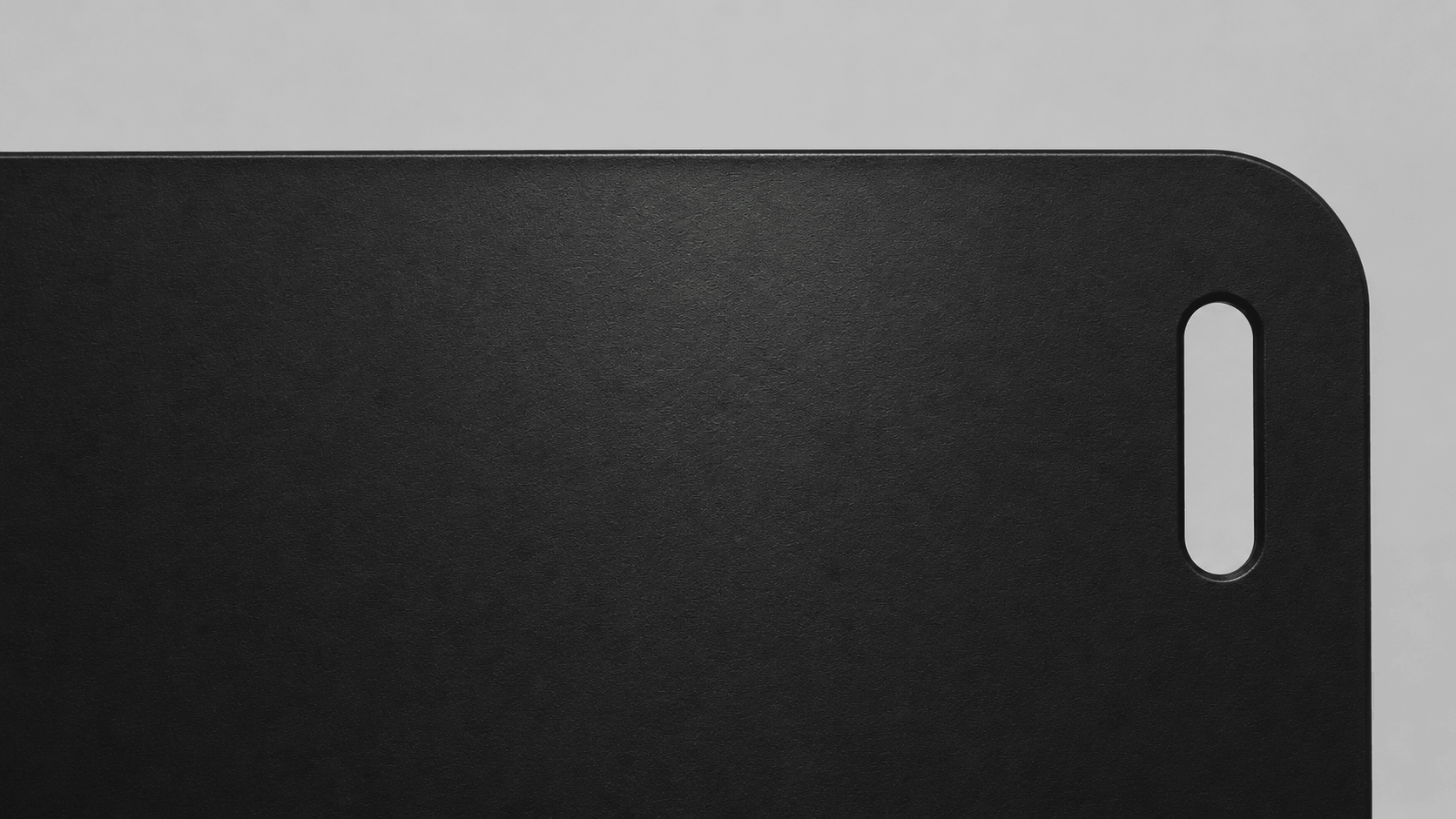
Black
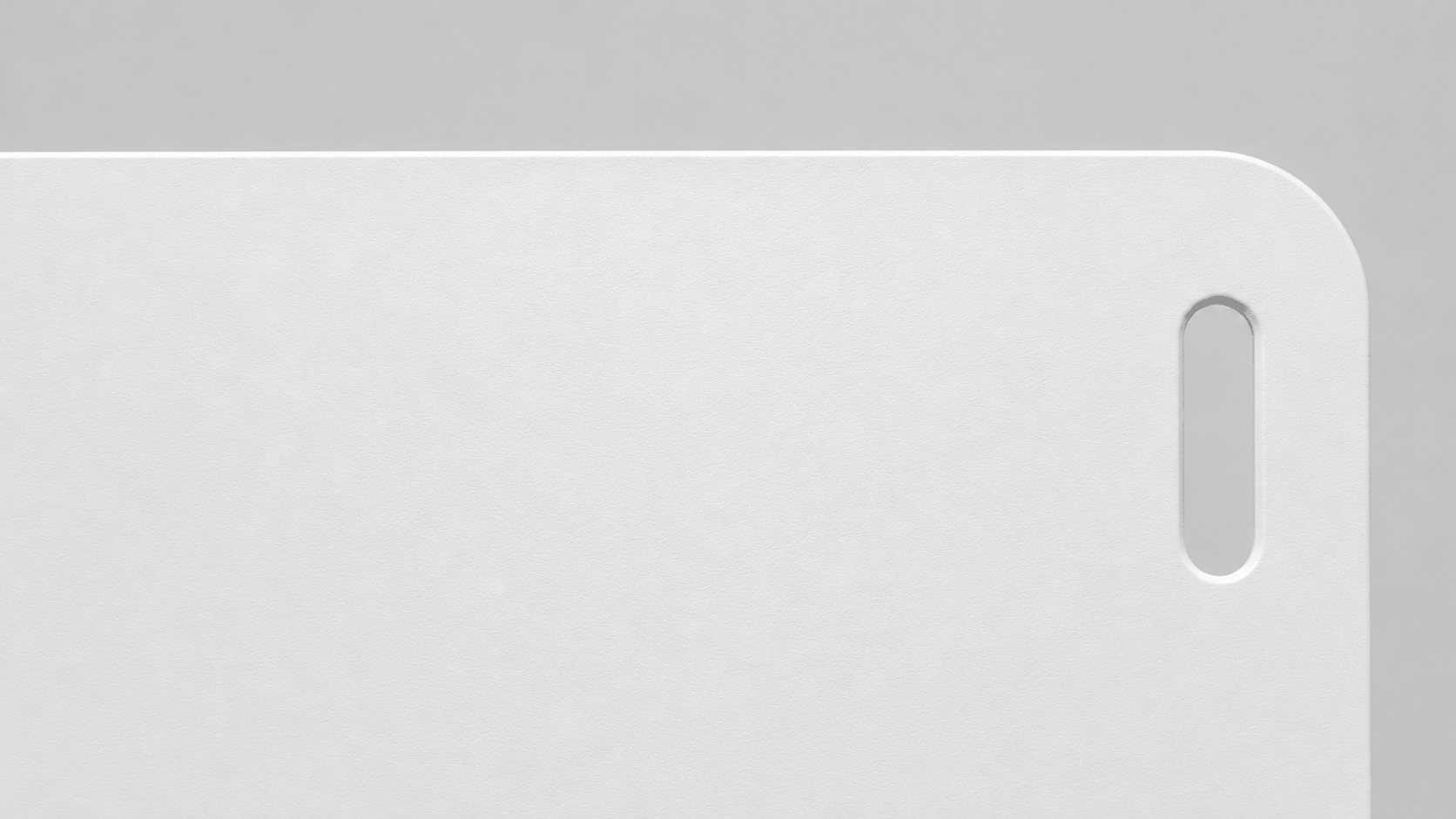
White
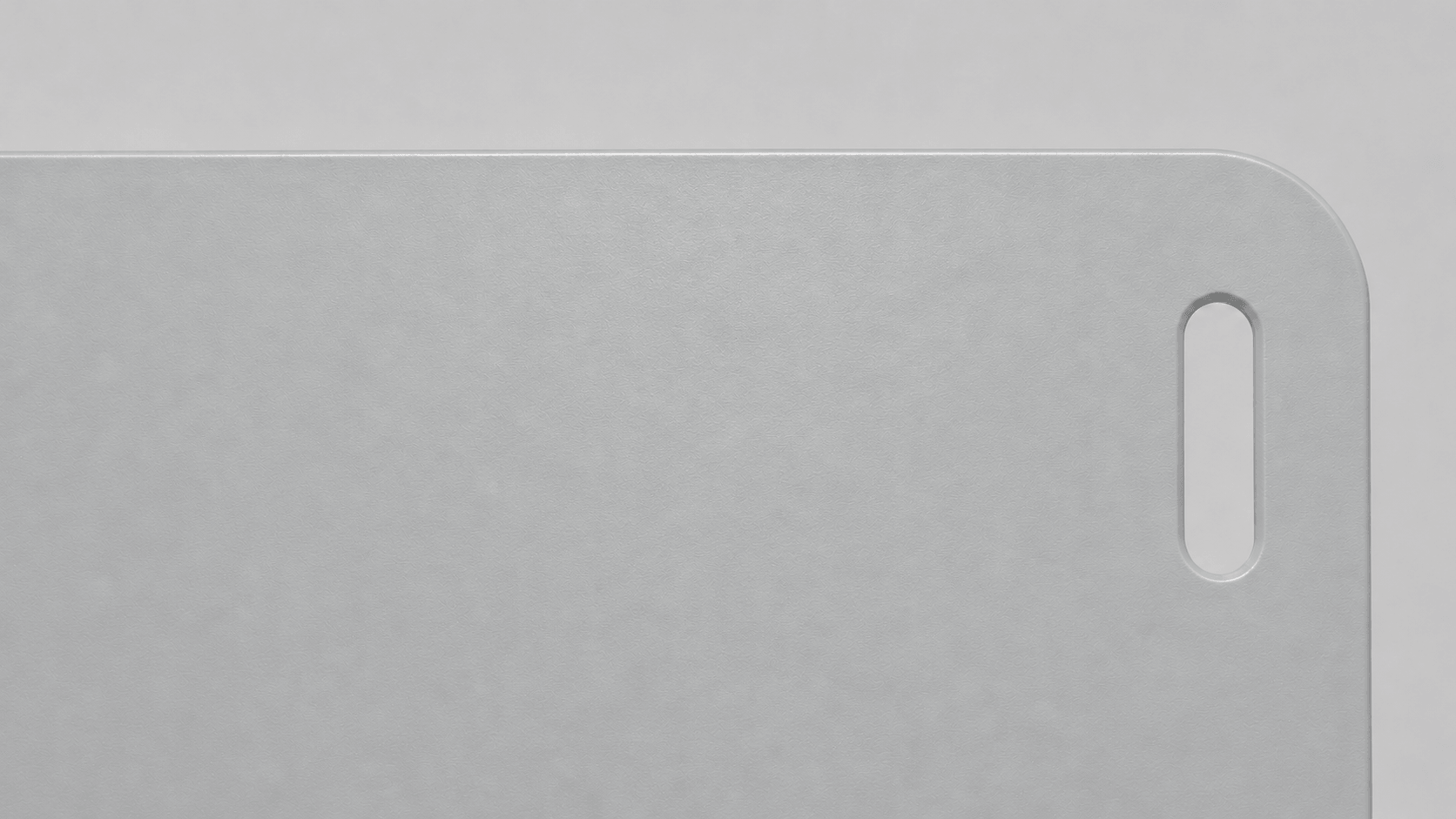
Light Gray
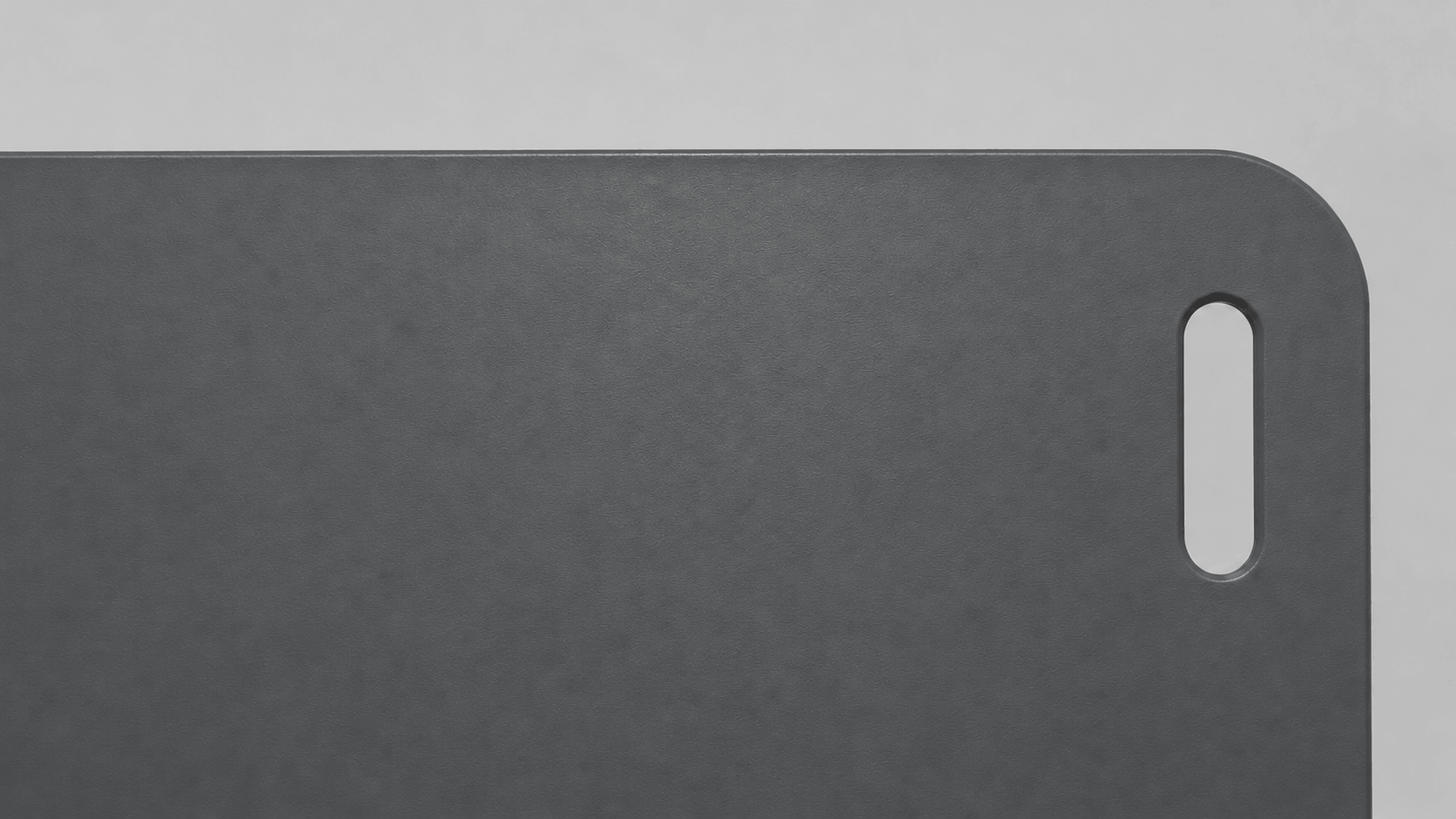
Dark Gray
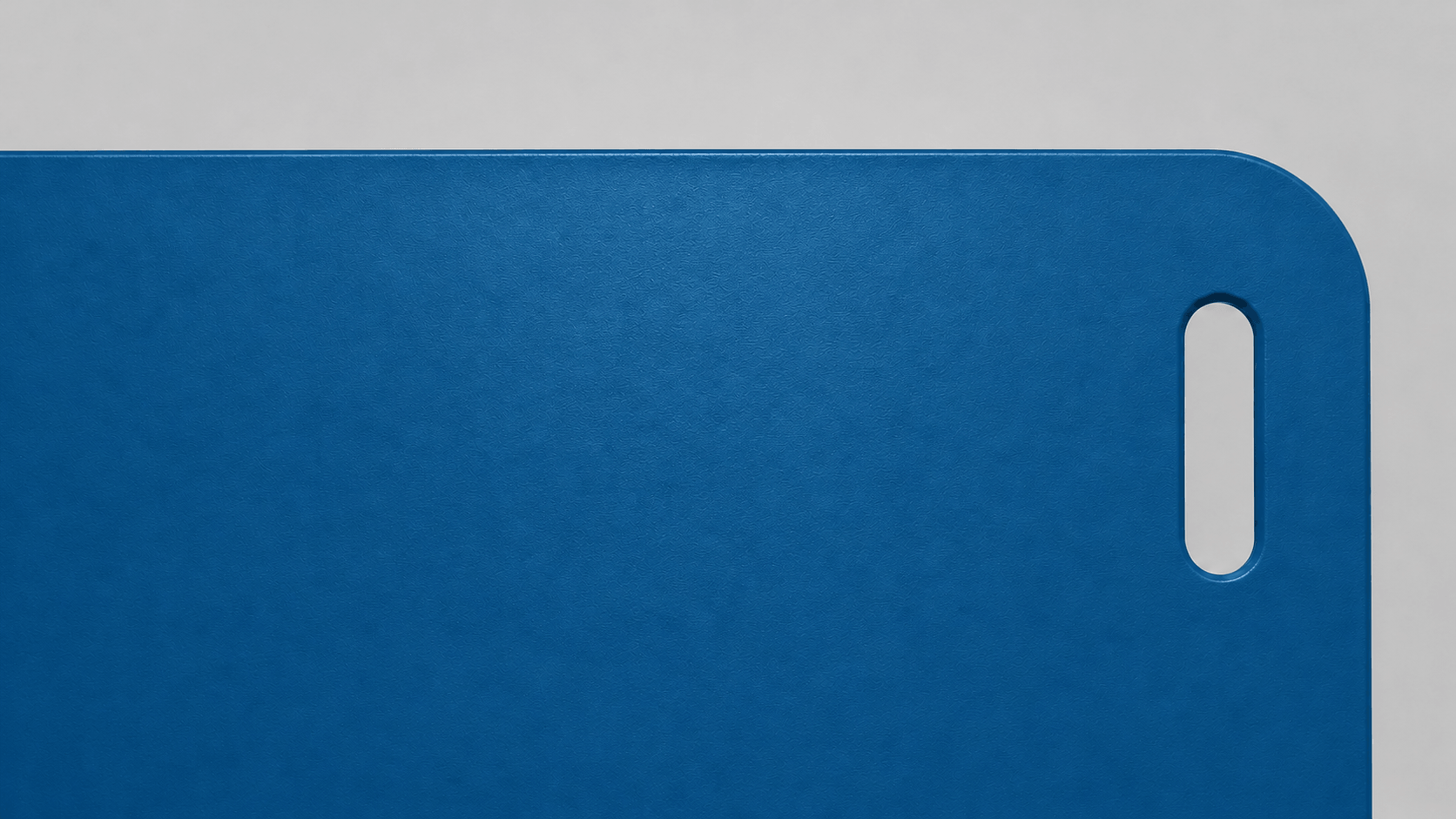
Blue
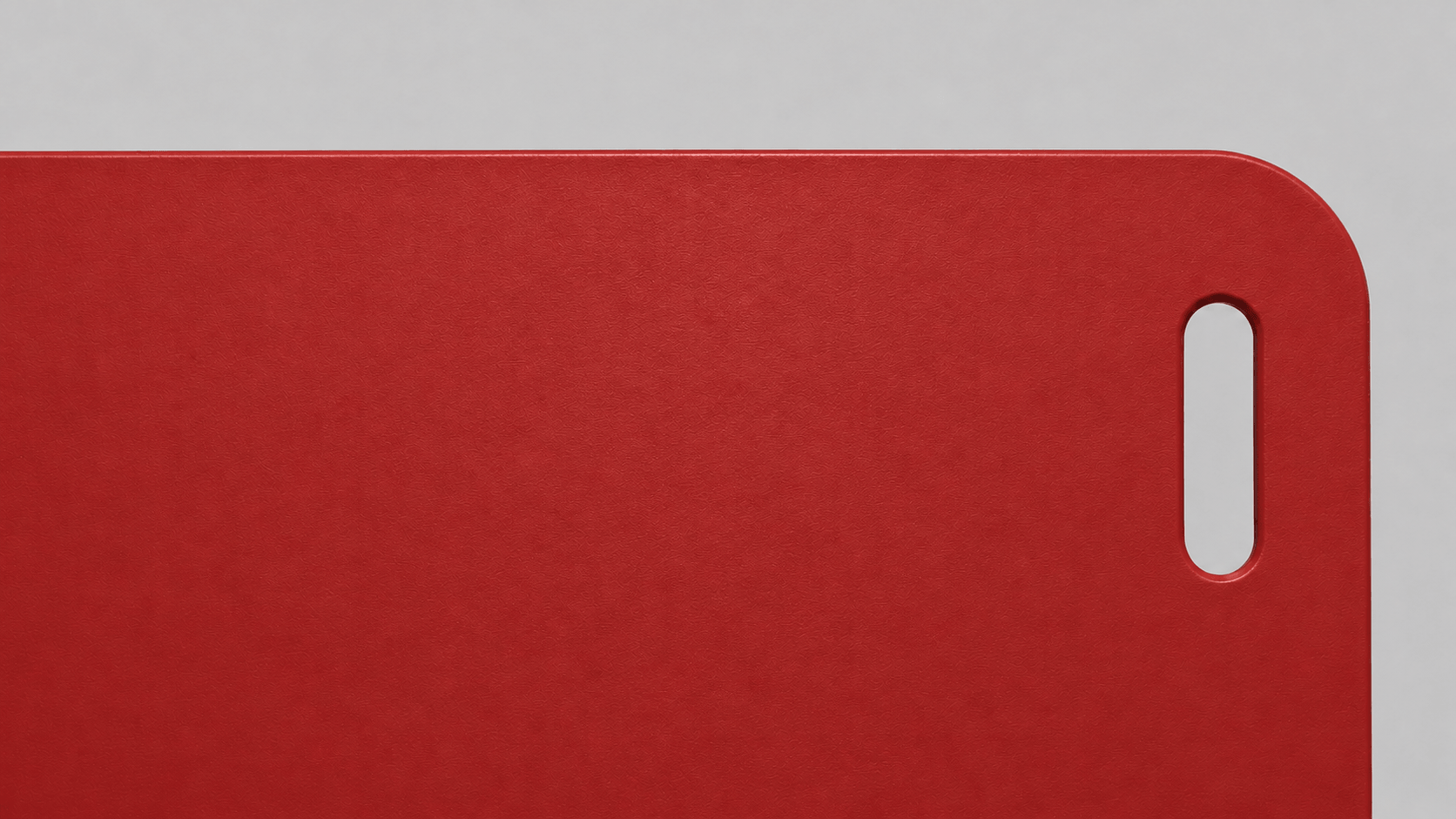
Red
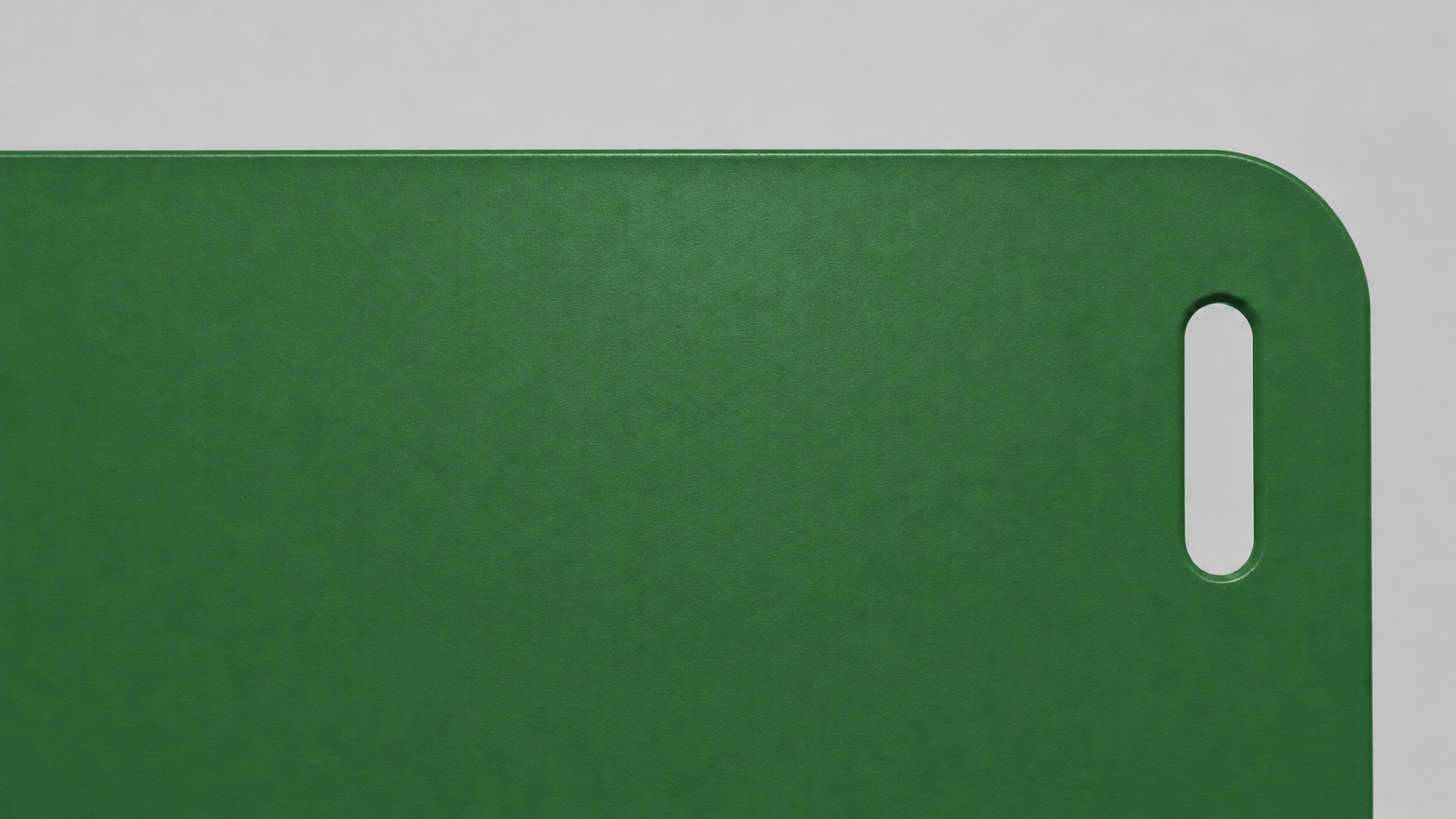
Green
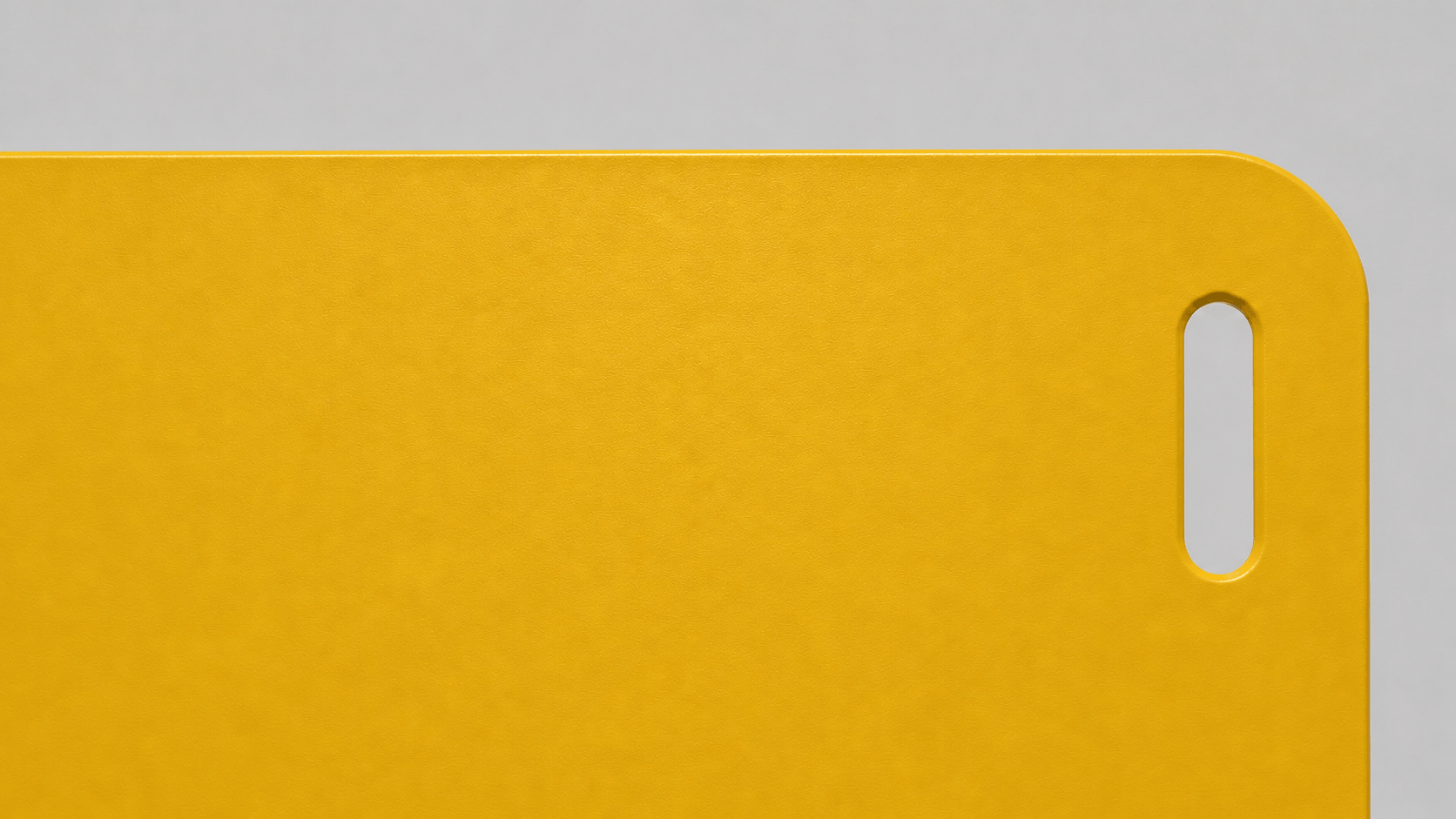
Yellow
Powder Coating Gloss Levels
Choose from matte, satin, semi-gloss, and high-gloss finishes to achieve the desired surface appearance. Gloss levels range from soft, diffuse reflection to a bright, reflective finish, with the final appearance confirmed against an approved coated sample.
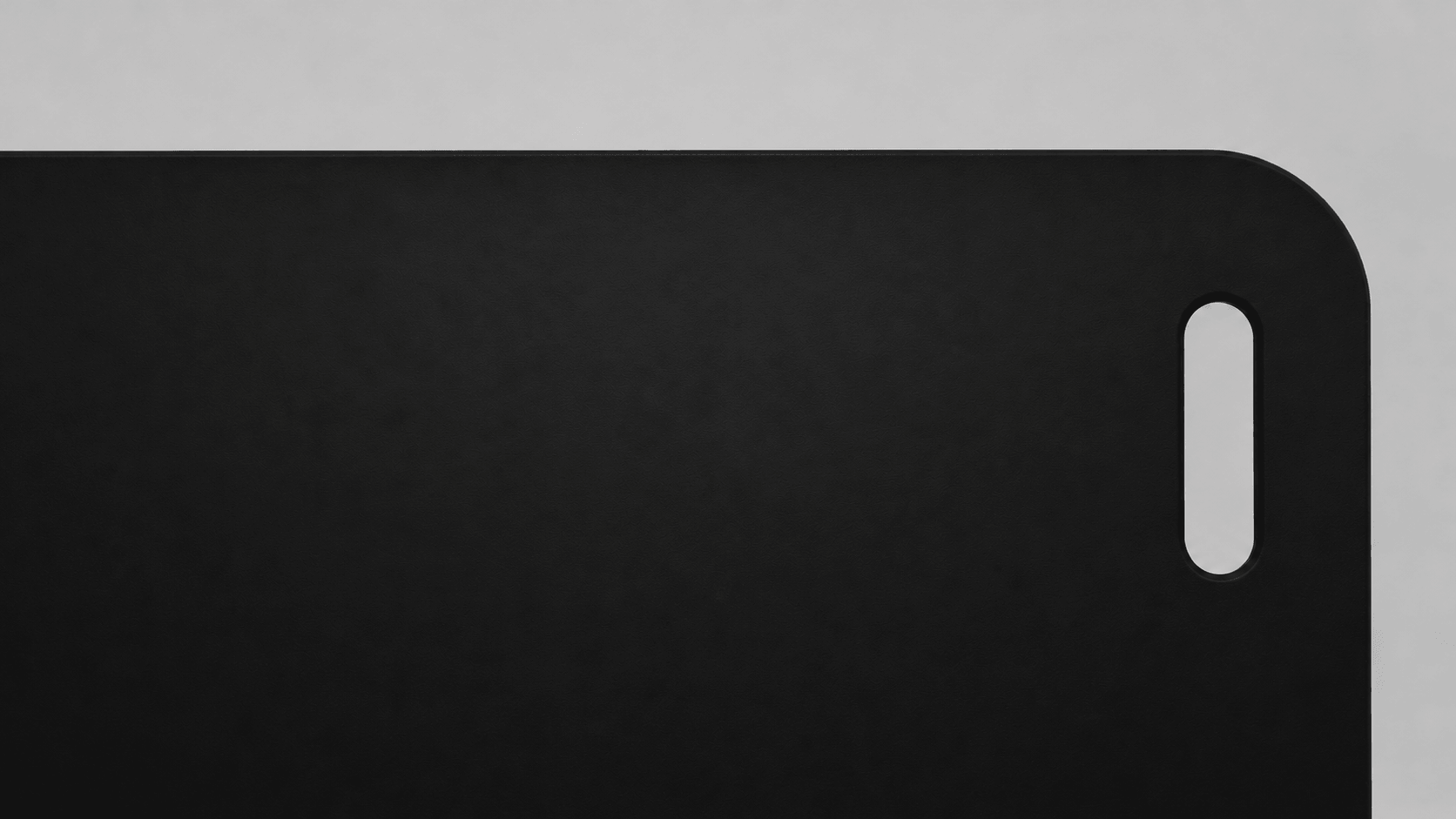
Matte
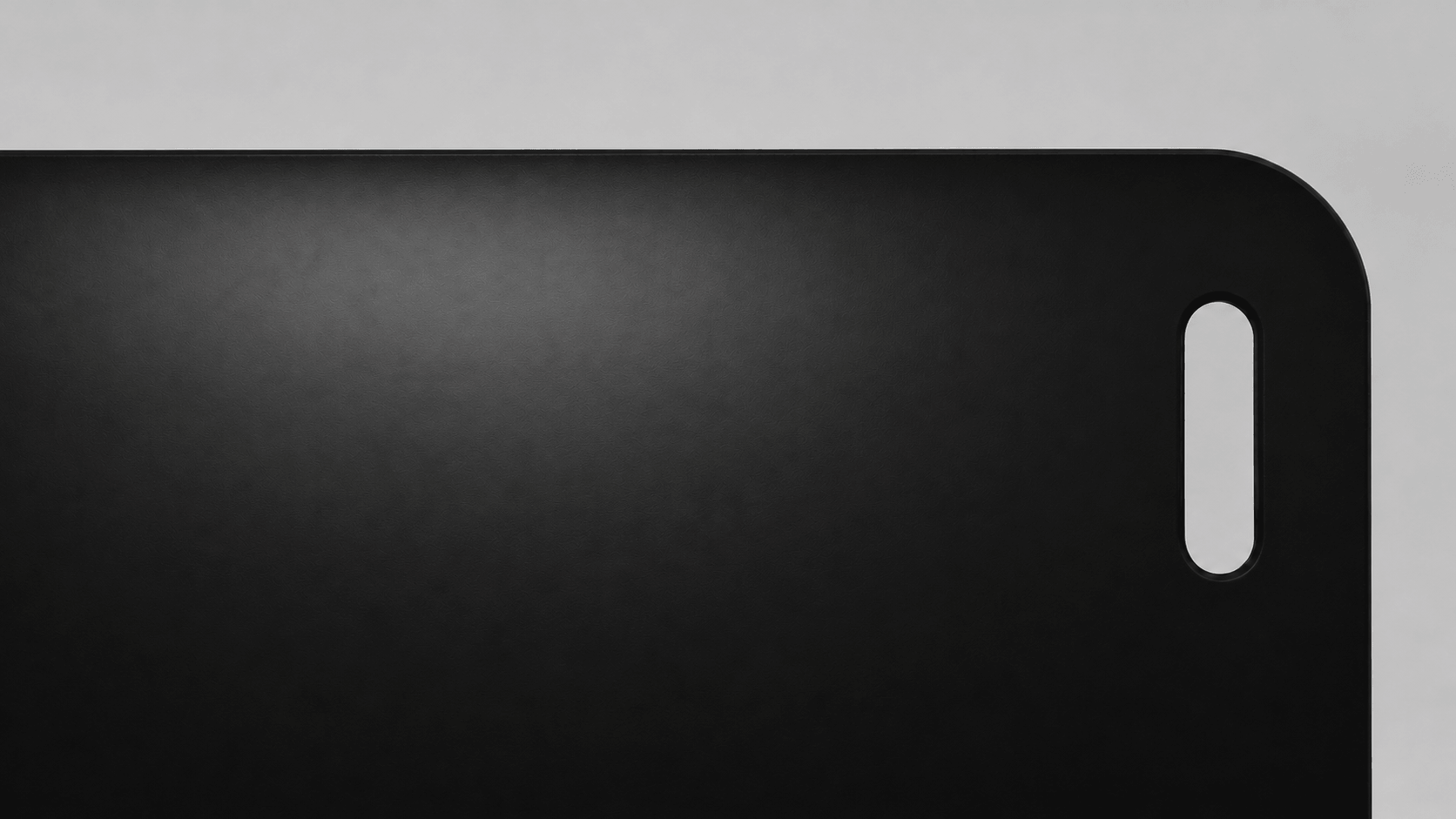
Satin
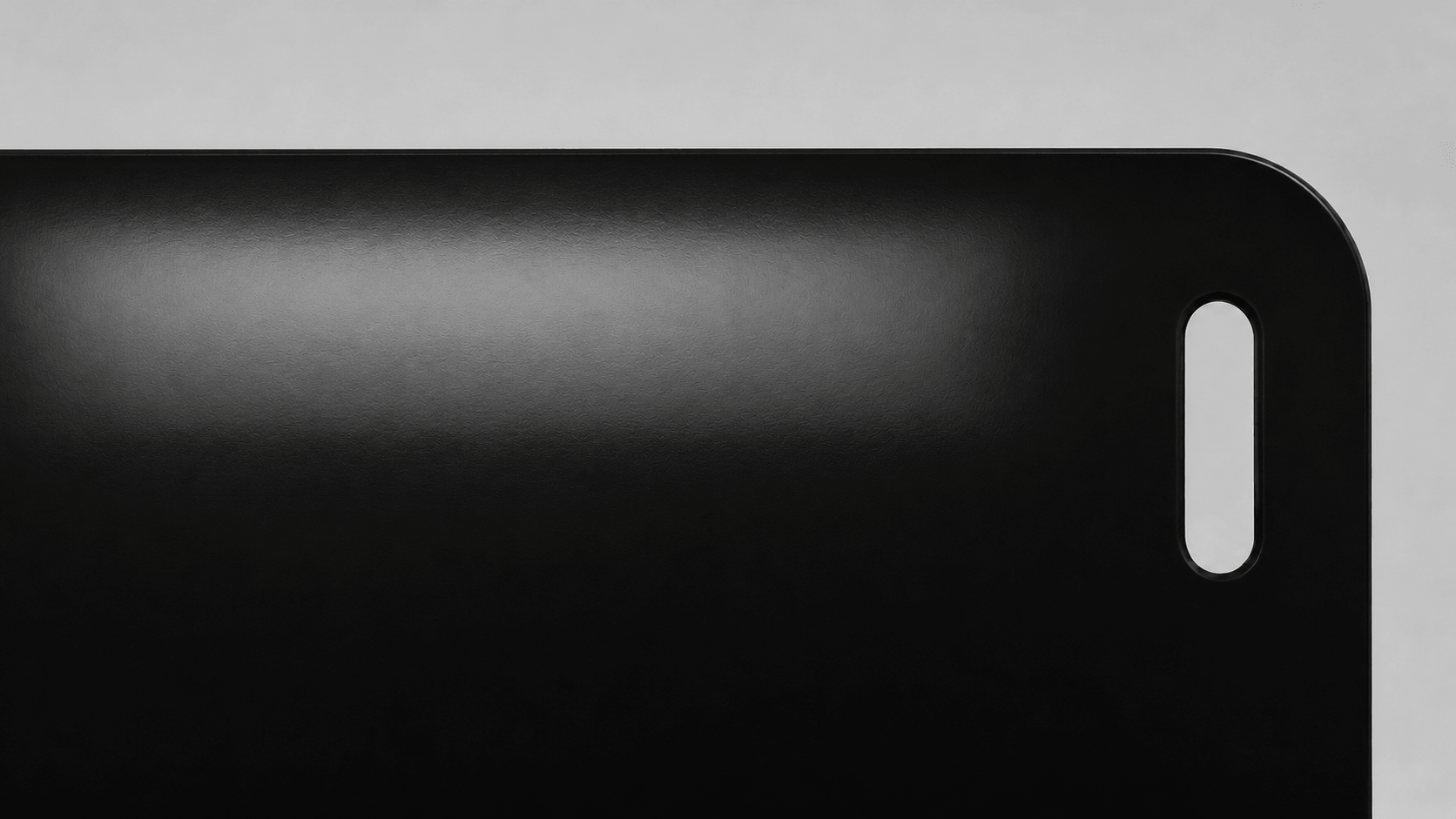
Semi-Gloss
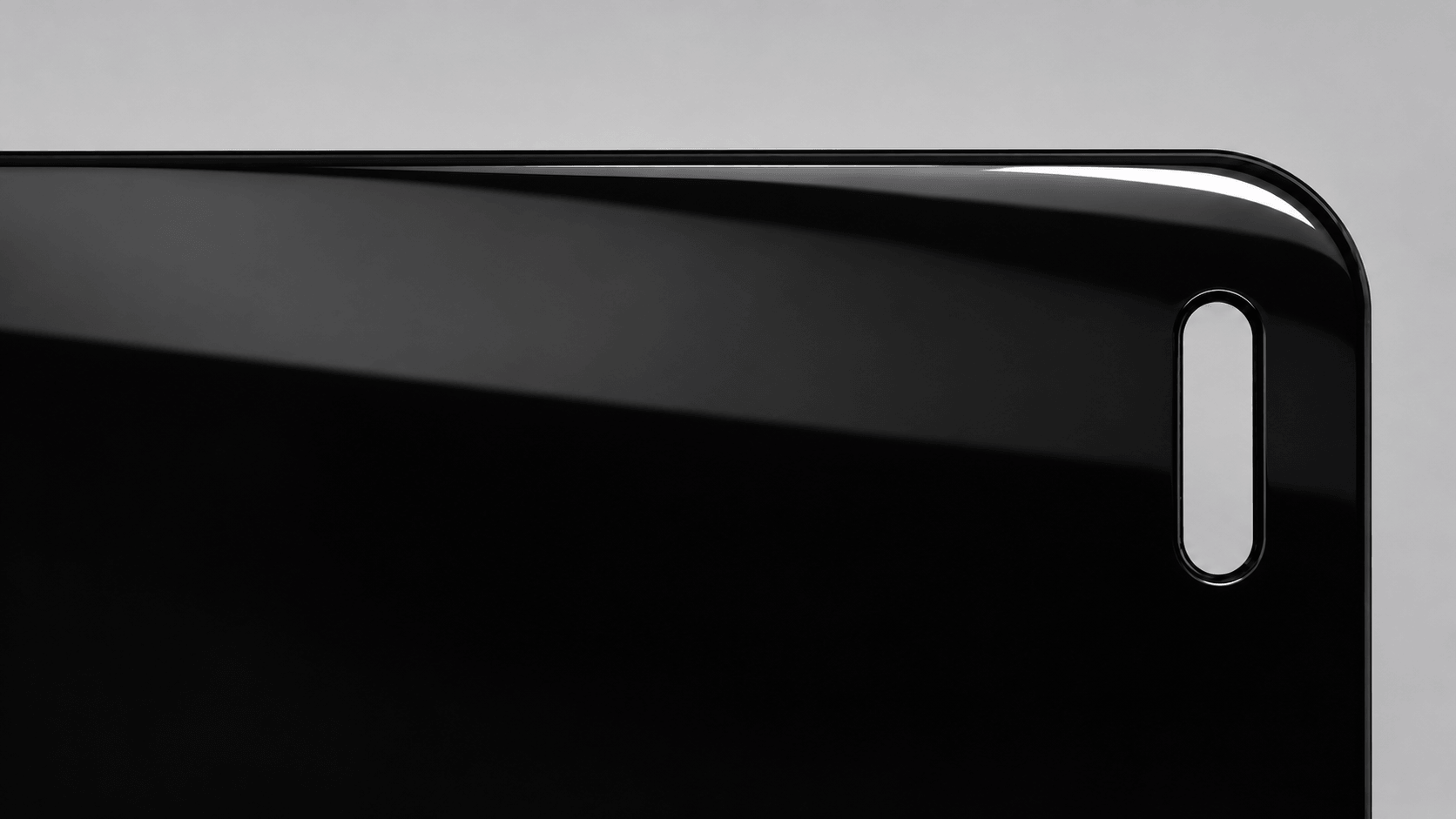
High Gloss
Powder Coating Surface Textures
Choose from smooth, fine-textured, and coarse-textured finishes to achieve the desired look and feel. Texture options range from an even surface to a pronounced grain, with the final finish confirmed against an approved coated sample.
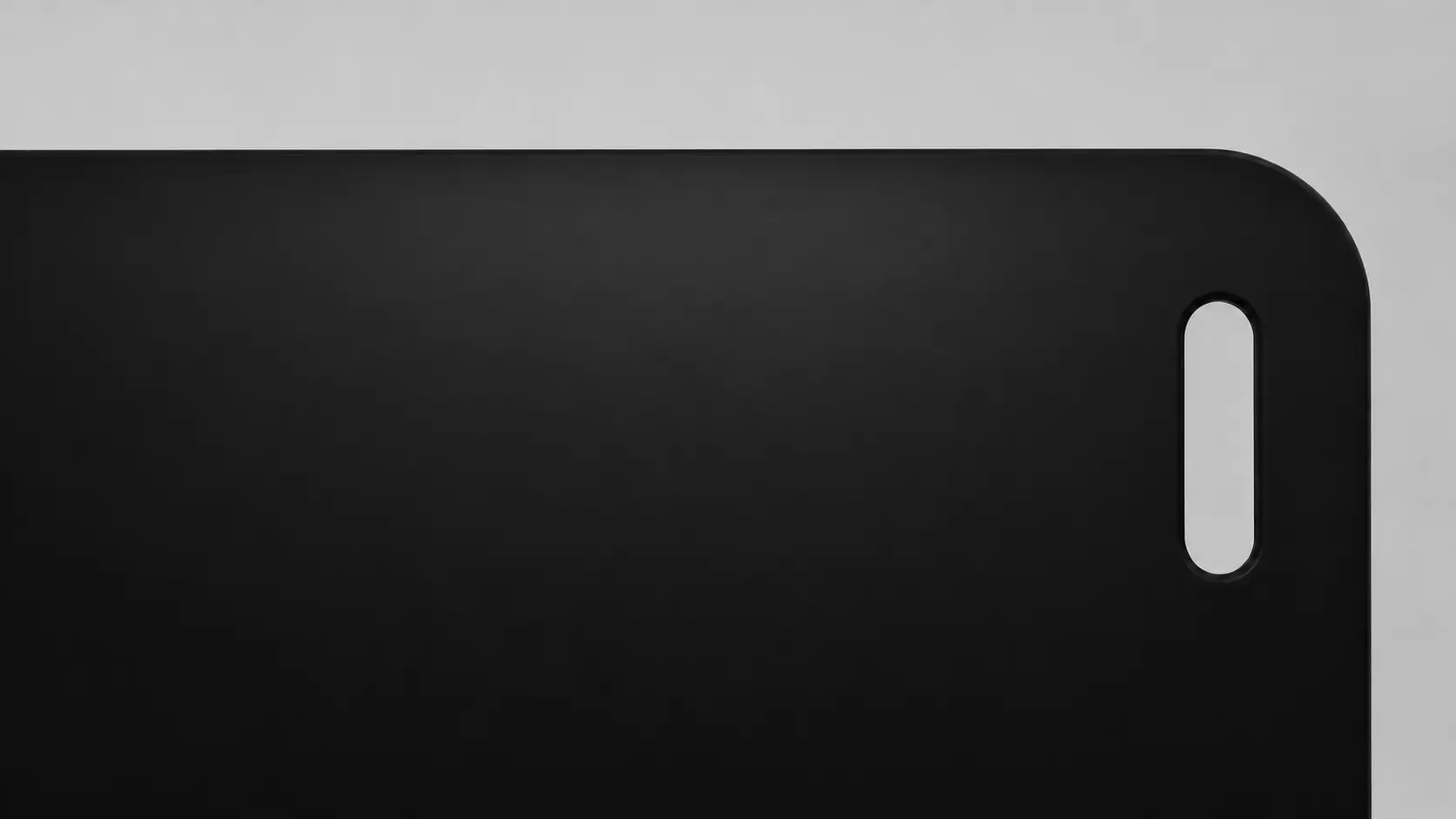
Smooth
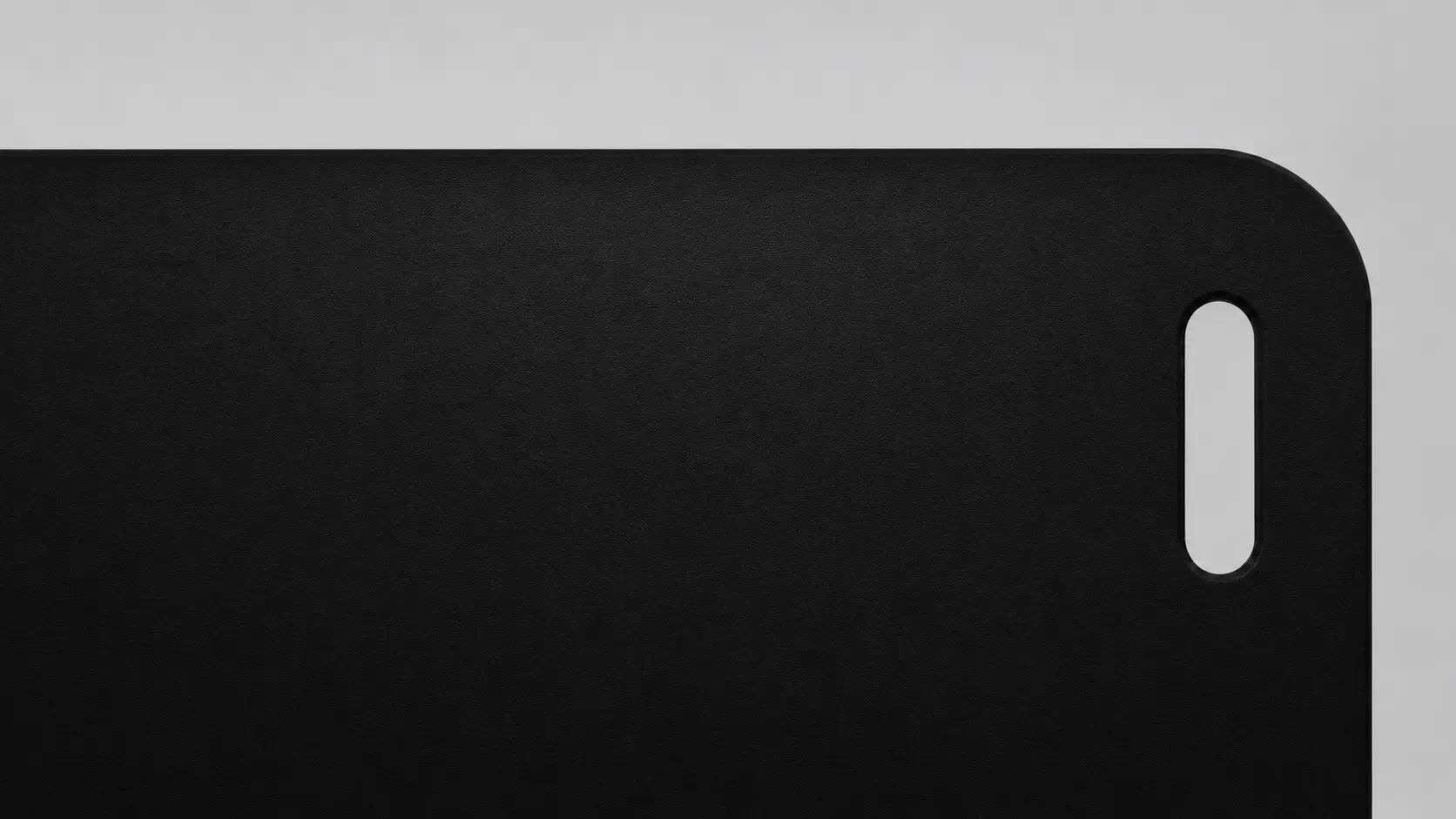
Fine Texture
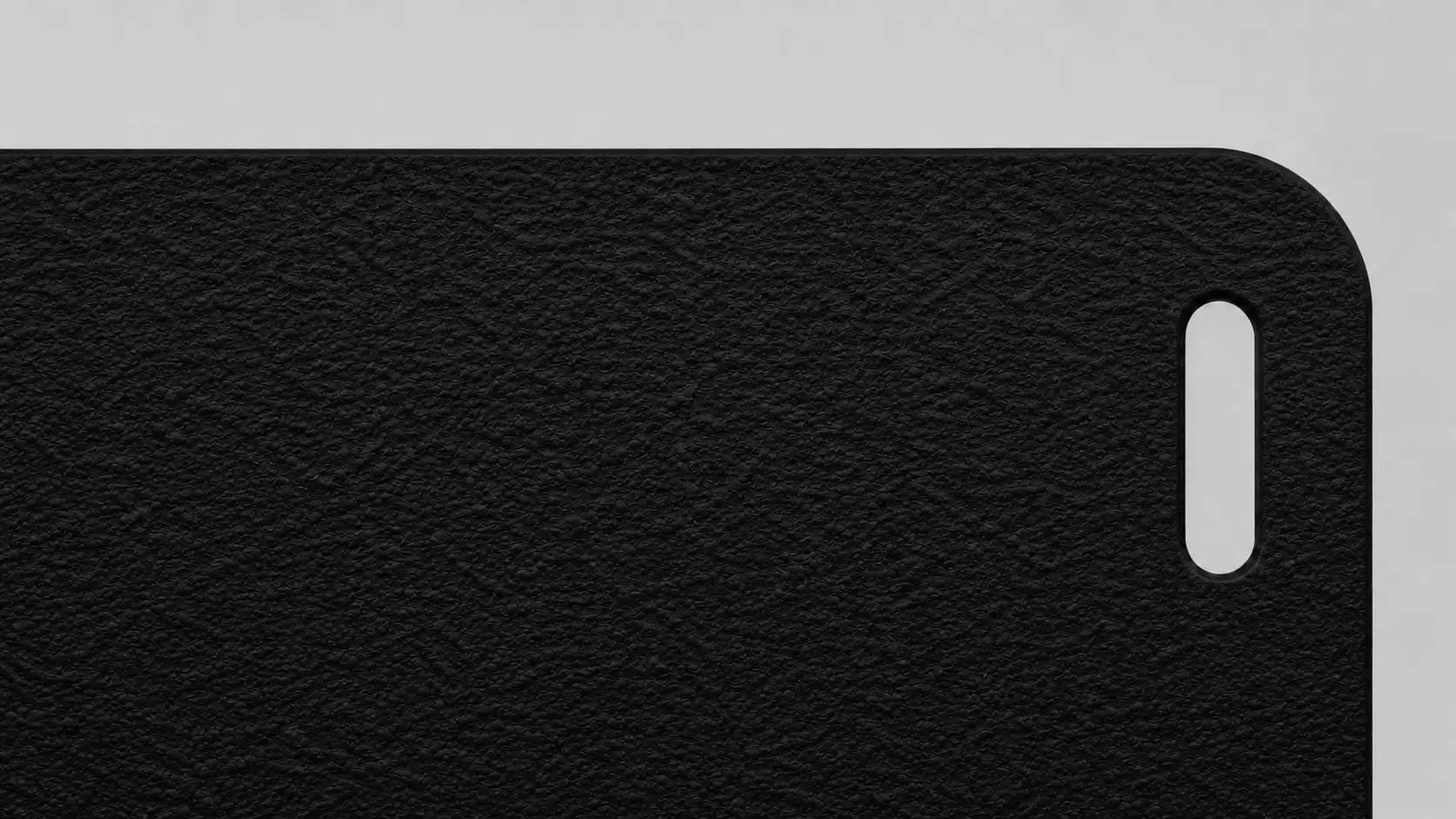
Coarse Texture
Materials Suitable for Powder Coating
Powder coating is available for aluminum, steel, and stainless steel parts. Surface preparation and powder selection are matched to the substrate and intended service environment.
Aluminum
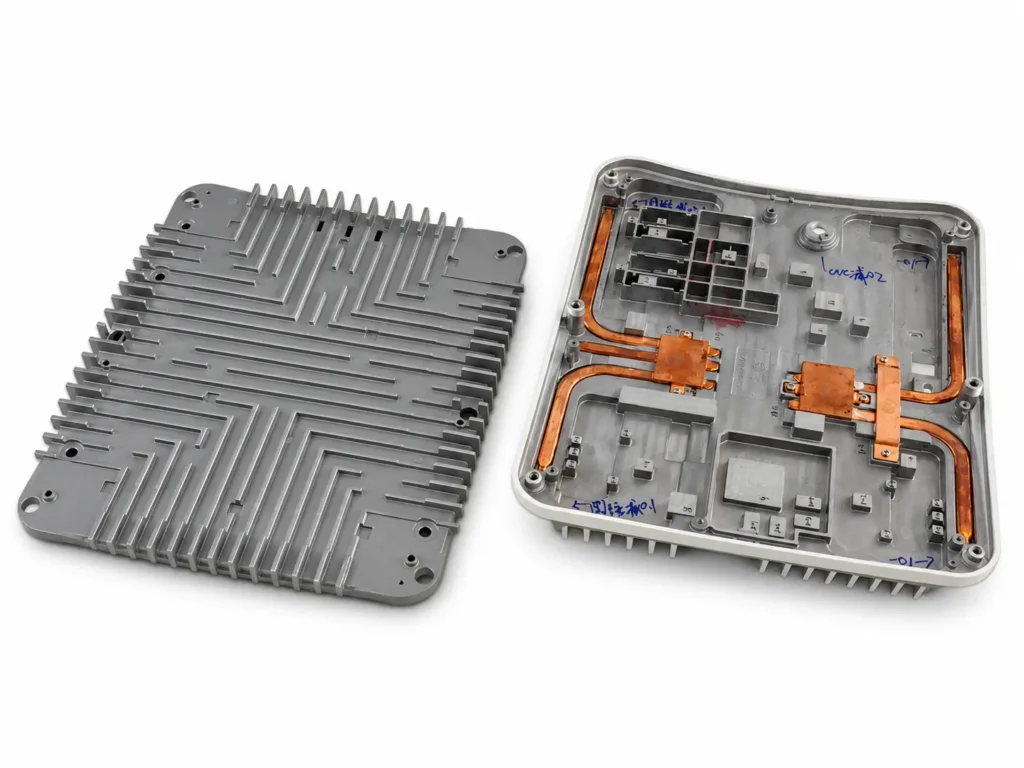
Suitable for CNC machined parts, die cast housings, and extruded profiles. Cleaning and pretreatment prepare the surface for coating adhesion, while cast parts may require additional outgassing control.
Steel
Commonly used for brackets, panels, frames, and equipment housings. Rust, scale, and machining residue are removed before pretreatment and coating to support adhesion and corrosion protection.
Stainless Steel
Suitable for parts requiring a colored or textured exterior. Thorough cleaning and suitable surface preparation help the coating adhere to the stainless steel substrate.
What Is Powder Coating?
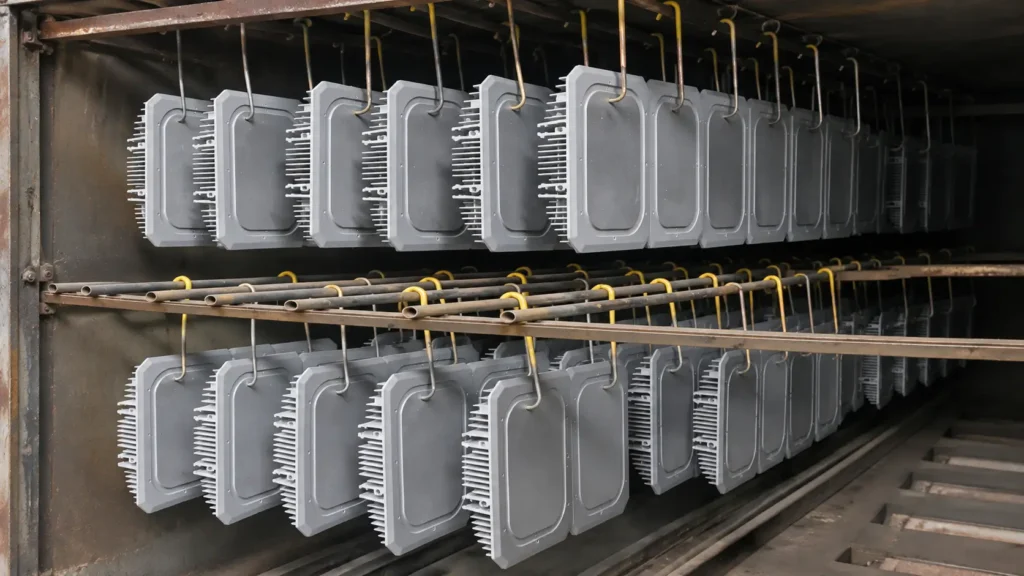
Powder coating is a surface finishing process that creates a protective, decorative layer on metal parts. After cleaning and pretreatment, dry powder is applied using an electrostatic spray gun. The parts are then heated in an oven, where the powder melts, flows, and cures into a solid coating.
It is commonly used on metal housings, brackets, panels, and frames to provide color, a consistent surface appearance, and protection against corrosion and everyday wear. Different powder formulations, gloss levels, and textures are selected for indoor or outdoor applications.
Advantages of Powder Coating
1.Surface Protection: The cured coating helps protect metal parts against corrosion, abrasion, and everyday handling wear when properly selected and applied.
2.Color and Finish Options: A wide choice of colors, gloss levels, and textures supports different product appearances and branding requirements.
3.Consistent Appearance: Powder coating provides a uniform decorative finish across visible surfaces, making it suitable for housings, panels, brackets, and frames.
4.Indoor and Outdoor Use: Suitable powder formulations can be selected for indoor equipment or outdoor parts exposed to sunlight and weather.
5.Low Solvent Use: Powder coatings generally contain no added liquid solvent, reducing solvent emissions during application compared with conventional solvent-based paints.
Powder Coating Design Considerations
1.Allow for Coating Thickness: Account for coating buildup on mating features, slots, and holes. Specify whether critical dimensions apply before or after coating.
2.Define Masking Areas: Identify threads, precision bores, sealing faces, and electrical grounding points that must remain uncoated. Clearly mark the required masking boundaries.
3.Review Edges and Recesses: Remove burrs and consider rounding sharp edges to support coverage. Deep pockets, narrow gaps, and internal corners may restrict powder deposition.
4.Plan Hanging Points: Provide suitable locations for hanging and electrical contact during coating. Keep these points away from cosmetic faces because small contact marks may remain.
5.Check Heat Compatibility: Review castings for potential outgassing during curing. Heat-sensitive inserts, adhesives, and seals may need to be installed after coating.
Frequently Asked Questions
Powder coating is a practical choice when metal parts need a protective, decorative finish with a specified color, gloss, or texture. It is commonly selected for visible housings, panels, and brackets where coating thickness can be accommodated.
Common applications include equipment housings, electrical enclosures, mounting brackets, machine panels, and metal frames. Powder formulations are selected according to whether the parts will be used indoors or outdoors.
Properly applied powder coating provides resistance to everyday wear and helps protect the underlying metal from corrosion. Durability depends on surface preparation, powder chemistry, curing, and service conditions. Damage that exposes the substrate can reduce protection.
Cost depends on part size, quantity, surface preparation, powder selection, and masking requirements. Custom colors, complex geometry, and additional testing can increase the price, while batching parts with the same finish can improve processing efficiency.
Alternatives include liquid painting, anodizing for aluminum, and plating. The appropriate finish depends on the material, required appearance, dimensional tolerances, and exposure conditions. Anodizing may suit aluminum parts requiring a thinner finish, while liquid painting offers different coating systems and application options.