
Stainless Steel CNC Machining Services
We deliver custom stainless steel CNC machining with flexible OEM & ODM, assorted steel grades and full surface finishes. Prototypes in 3 days, small batches in 7 days; 100% inspection, free defect replacement plus full RoHS and dimensional certification.
- Tolerances up to ±0.01 mm
- 3-axis, 4-axis, and 5-axis CNC machining
- Parts delivered in as fast as 3 days
Verify Certifications On Demand:
ISO 9001:2015 | IATF 16949:2016
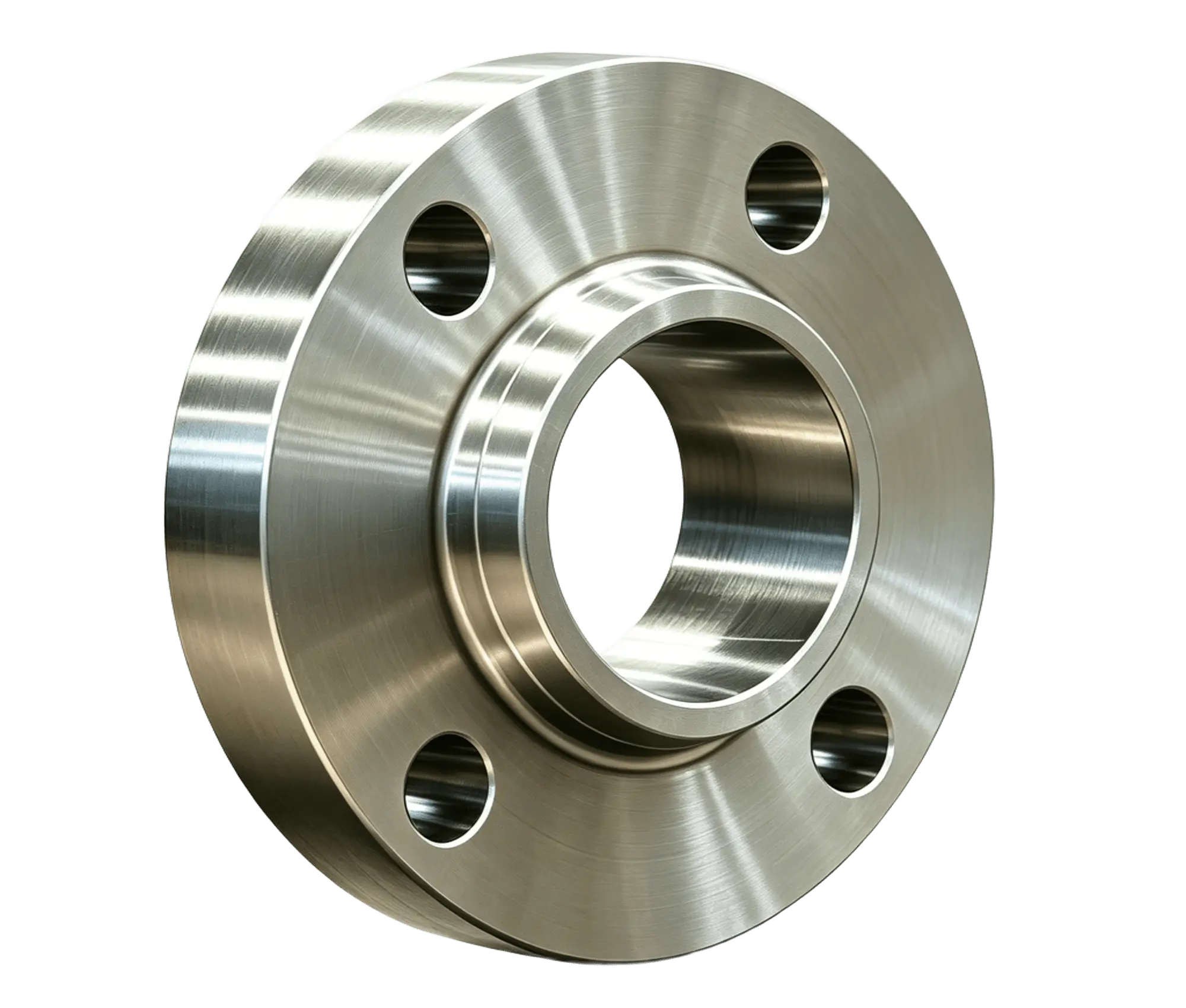
STP I SLDPRT I IPT I PRT I SAT FLES
All uploaded content is secure and confidential.
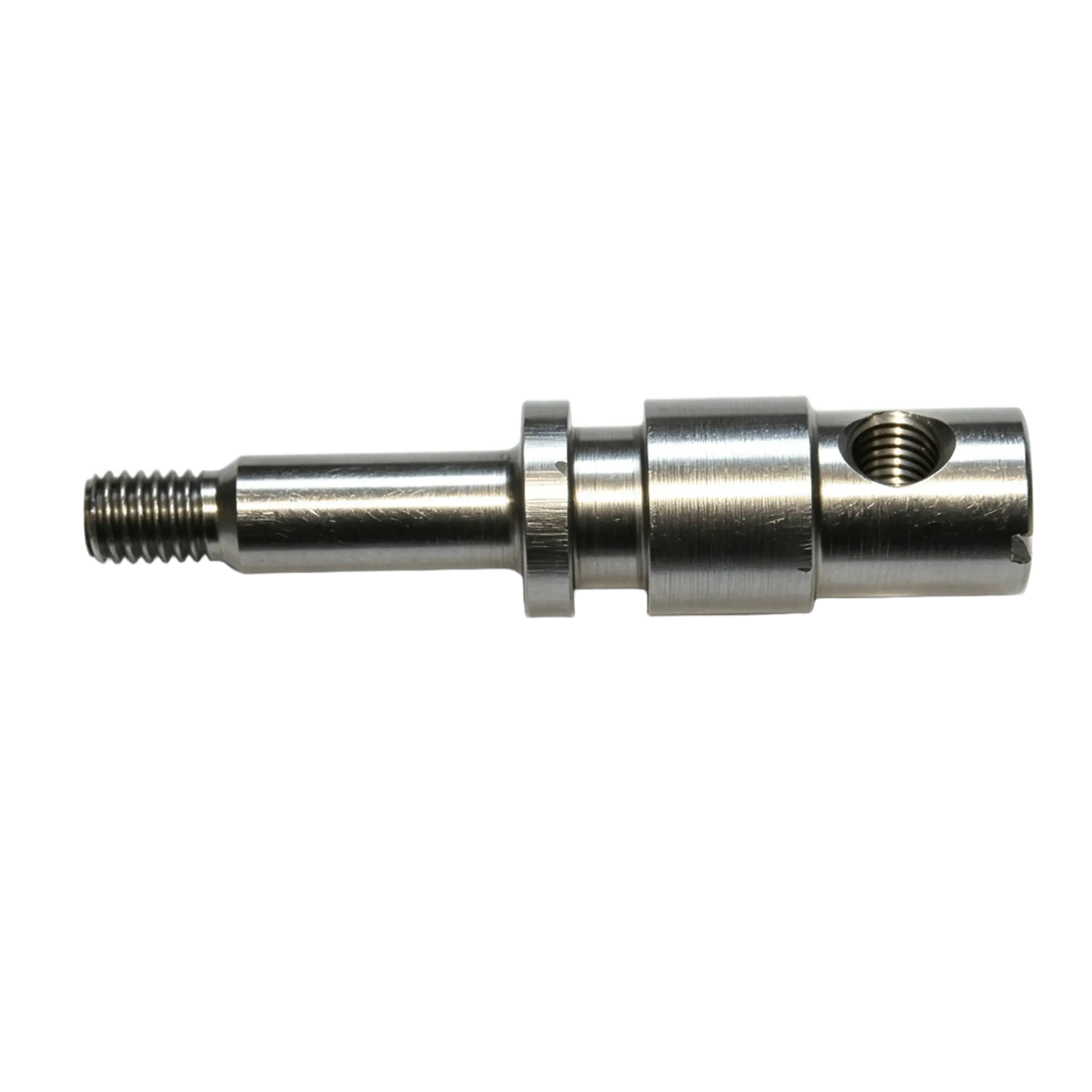
Stainless Steel in CNC Machining
Stainless steel CNC machining produces high-precision, corrosion-resistant components widely used across multiple industries, such as aerospace engine parts, automotive exhaust fittings, medical surgical instruments, food machinery parts, architectural accessories and electronic enclosures.
ZH Precision offers stainless steel CNC machining, milling and turning for intricate structural components. With full-spectrum CNC equipment, we fabricate custom parts efficiently and supply complete inspection documents including FAI, full dimensional, material and surface finish test reports.
Available surface treatments cover polishing, sandblasting, plating, passivation and coloring. These processes upgrade part appearance, anti-corrosion property and practical performance to satisfy strict industry specifications.
CNC Machining Capability in Stainless Steel
| Feature | Detail |
|---|---|
| General Tolerances | ±0.01 mm |
| Max Size - Milling | 4000 mm×1500 mm×600 mm |
| Max Size - Turning | 200 mm×500 mm |
| Hole Diameters (Not Reamed) | ±0.02 mm |
| Minimum Wall Thickness | 0.75 mm |
| Standard Lead Time | 3 business days |
| Small Batch Lead Time | 7-10 business days |
| Mass Production Lead Time | 25 business days |
201 stainless steel is an austenitic chromium-nickel-manganese alloy with good formability, moderate corrosion resistance, and high work-hardening capability. It is commonly CNC machined for equipment components, housings, brackets, hardware, and general-purpose parts used in mild service environments.
| Ultimate Tensile Strength (MPa) | Yield Strength (MPa) | Elongation at Break (%) | Rockwell Hardness (HRB) | Density (g/cm³) |
|---|---|---|---|---|
| ≥655 | ≥310 | ≥40 | ≤100 | 7.86 |
Typical specification values for annealed 201 stainless steel. Mechanical properties may vary with product form, cold work, section size, and applicable material specification.
303 stainless steel is a free-machining austenitic grade designed for improved cutting performance compared with standard 300-series stainless steels. It is commonly CNC machined for shafts, fasteners, fittings, valve components, bushings, and precision turned parts where machinability is more important than maximum corrosion resistance.
| Ultimate Tensile Strength (MPa) | Yield Strength (MPa) | Elongation at Break (%) | Brinell Hardness (HB) | Density (g/cm³) |
|---|---|---|---|---|
| 650 | 300 | 45 | ≤262 | 7.90 |
Typical values for 303 stainless steel bar. Mechanical properties may vary with product form, cold work, section size, and applicable material specification.
304 stainless steel is a widely used austenitic grade with good corrosion resistance, ductility, and overall mechanical performance. It is commonly CNC machined for housings, fittings, brackets, pump components, food-processing equipment parts, and general industrial components.
| Ultimate Tensile Strength (MPa) | Yield Strength (MPa) | Elongation at Break (%) | Brinell Hardness (HB) | Density (g/cm³) |
|---|---|---|---|---|
| ≥515 | ≥205 | ≥40 | ≤201 | 7.90 |
Typical specification values for annealed 304 stainless steel. Mechanical properties may vary with product form, cold work, section size, and applicable material specification.
316 stainless steel is a molybdenum-bearing austenitic grade with better resistance to chlorides and corrosive environments than 304. It is commonly CNC machined for marine components, chemical equipment, fittings, valve parts, medical hardware, and other components exposed to corrosive service conditions.
| Ultimate Tensile Strength (MPa) | Yield Strength (MPa) | Elongation at Break (%) | Brinell Hardness (HB) | Density (g/cm³) |
|---|---|---|---|---|
| ≥515 | ≥205 | ≥40 | ≤217 | 7.98 |
Typical specification values for annealed 316 stainless steel. Mechanical properties may vary with product form, cold work, section size, and applicable material specification.
316L stainless steel is a low-carbon molybdenum-bearing austenitic grade with excellent corrosion resistance in chloride and chemically aggressive environments. Its reduced carbon content improves resistance to sensitization after welding, making it suitable for CNC machined marine components, chemical equipment, valve parts, food-processing components, and medical equipment hardware.
| Ultimate Tensile Strength (MPa) | Yield Strength (MPa) | Elongation at Break (%) | Brinell Hardness (HB) | Density (g/cm³) |
|---|---|---|---|---|
| ≥485 | ≥170 | ≥40 | ≤217 | 8.00 |
Typical specification values for annealed 316L stainless steel. Mechanical properties may vary with product form, cold work, section size, and applicable material specification.
420 stainless steel is a martensitic grade that can be heat treated to achieve high hardness, strength, and wear resistance while maintaining moderate corrosion resistance. It is commonly CNC machined for valve components, shafts, tooling parts, wear components, instrument parts, and other applications requiring a hardenable stainless steel.
| Ultimate Tensile Strength (MPa) | Yield Strength (MPa) | Elongation at Break (%) | Brinell Hardness (HB) | Density (g/cm³) |
|---|---|---|---|---|
| 655 | 345 | 25 | ≤255 | 7.70 |
Typical values for 420 stainless steel in annealed Condition A. Strength and hardness can increase substantially after hardening and tempering, and final properties depend on heat treatment, product form, section size, and applicable material specification.
430 stainless steel is a ferritic grade with good atmospheric corrosion resistance, formability, and surface finish at a relatively economical cost. It is commonly CNC machined for appliance components, brackets, decorative hardware, housings, and general mechanical parts used in mild service environments.
| Ultimate Tensile Strength (MPa) | Yield Strength (MPa) | Elongation at Break (%) | Brinell Hardness (HB) | Density (g/cm³) |
|---|---|---|---|---|
| ≥450 | ≥205 | ≥22 | ≤183 | 7.70 |
Typical specification values for annealed 430 stainless steel. Mechanical properties may vary with product form, cold work, section size, and applicable material specification.
431 stainless steel is a nickel-containing martensitic grade that combines high strength, toughness, corrosion resistance, and heat-treatability. It is commonly CNC machined for shafts, pump components, valve stems, fasteners, and other highly loaded mechanical parts requiring greater strength than standard austenitic stainless steels.
| Ultimate Tensile Strength (MPa) | Yield Strength (MPa) | Elongation at Break (%) | Brinell Hardness (HB) | Density (g/cm³) |
|---|---|---|---|---|
| 850–1000 | ≥635 | ≥11 | 248–302 | 7.70 |
Typical specification values for 431 stainless steel in Condition T. Mechanical properties vary significantly with heat treatment, tempering temperature, product form, and applicable material specification.
440C stainless steel is a high-carbon martensitic grade that can achieve very high hardness and wear resistance after heat treatment. It is commonly CNC machined in the annealed condition for bearing components, shafts, valve parts, tooling components, wear parts, and precision mechanical components that are subsequently hardened.
| Ultimate Tensile Strength (MPa) | Yield Strength (MPa) | Elongation at Break (%) | Brinell Hardness (HB) | Density (g/cm³) |
|---|---|---|---|---|
| 758 | 448 | 14 | ≤269 | 7.65 |
Typical values for 440C stainless steel in the annealed condition. Mechanical properties change significantly after hardening and tempering; properly heat-treated 440C can reach approximately 56–59 HRC depending on the tempering condition.
17-4 PH stainless steel, also known as Type 630 or SUS630, is a precipitation-hardening grade that combines high strength, good corrosion resistance, and heat-treatability. It is commonly CNC machined for aerospace components, valve parts, shafts, fittings, tooling components, and other highly loaded precision parts.
| Ultimate Tensile Strength (MPa) | Yield Strength (MPa) | Elongation at Break (%) | Brinell Hardness (HB) | Density (g/cm³) |
|---|---|---|---|---|
| 1365 | 1262 | 15 | 420 | 7.80 |
Typical values for 17-4 PH stainless steel in H900 condition. Mechanical properties vary significantly with aging condition, product form, section size, and applicable material specification.
Instant & Accurate Quotes
Every aluminum CNC design gets a free DFM review. Get accurate, no-hidden-cost quotations from our machining engineers within 6 hours.
Surface Finishing Options for Stainless Steel
A full range of industrial surface modification processes including as-machined, anodizing, mechanical polishing and sand blasting can be supplied to adjust stainless steel surface roughness, topography and corrosion performance in strict accordance with finish specifications marked on engineering drawings. View surface finishing options →
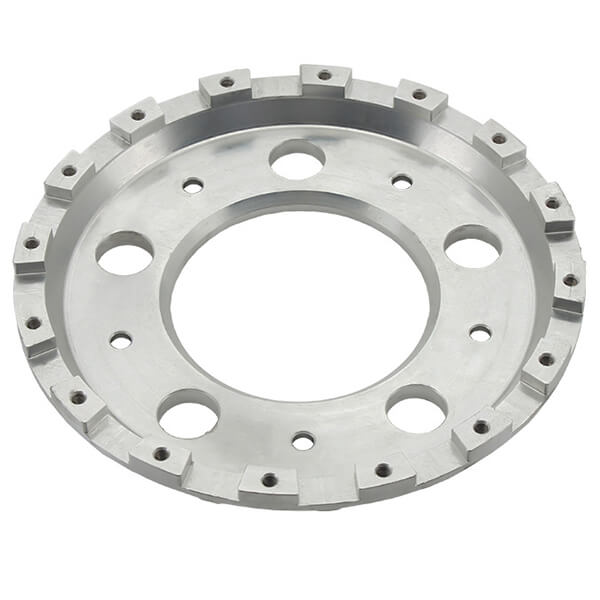
As Machined
Original CNC cutting texture is fully retained without any extra post-processing for parts with loose surface appearance standards.
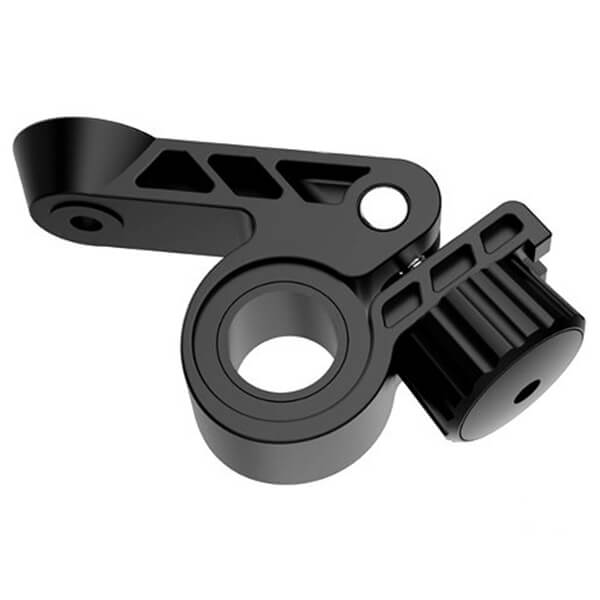
Anodizing
Compact protective oxide layer is generated on substrate to effectively upgrade surface wear resistance and anti-corrosion capability.
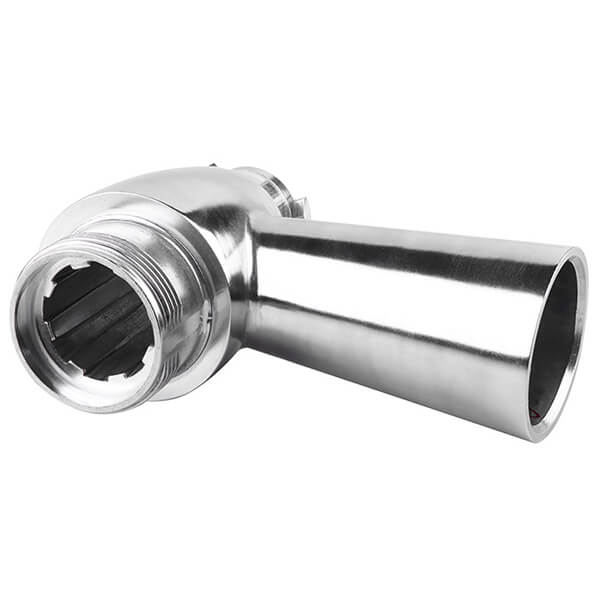
Polishing
Surface tool traces and tiny flaws are eliminated to acquire low-Ra smooth finish for appearance and sanitary critical components.
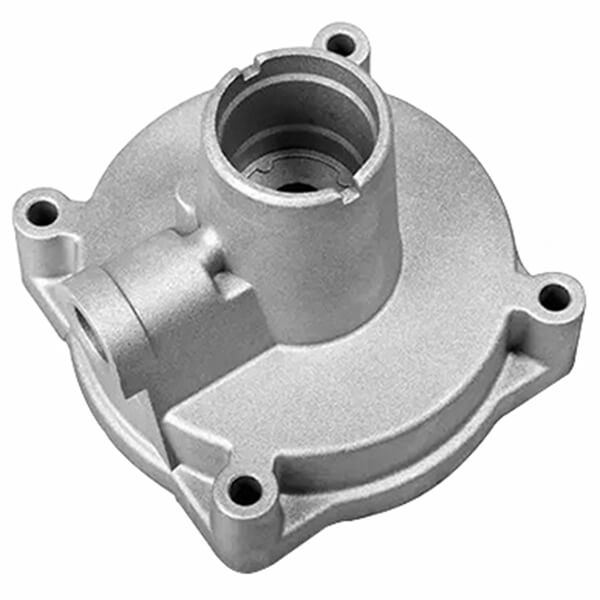
Sand Blasting
Consistent matte surface is produced to eliminate machining lines and enhance bonding strength for follow-up coating operations.
What Is Stainless Steel CNC Machining?
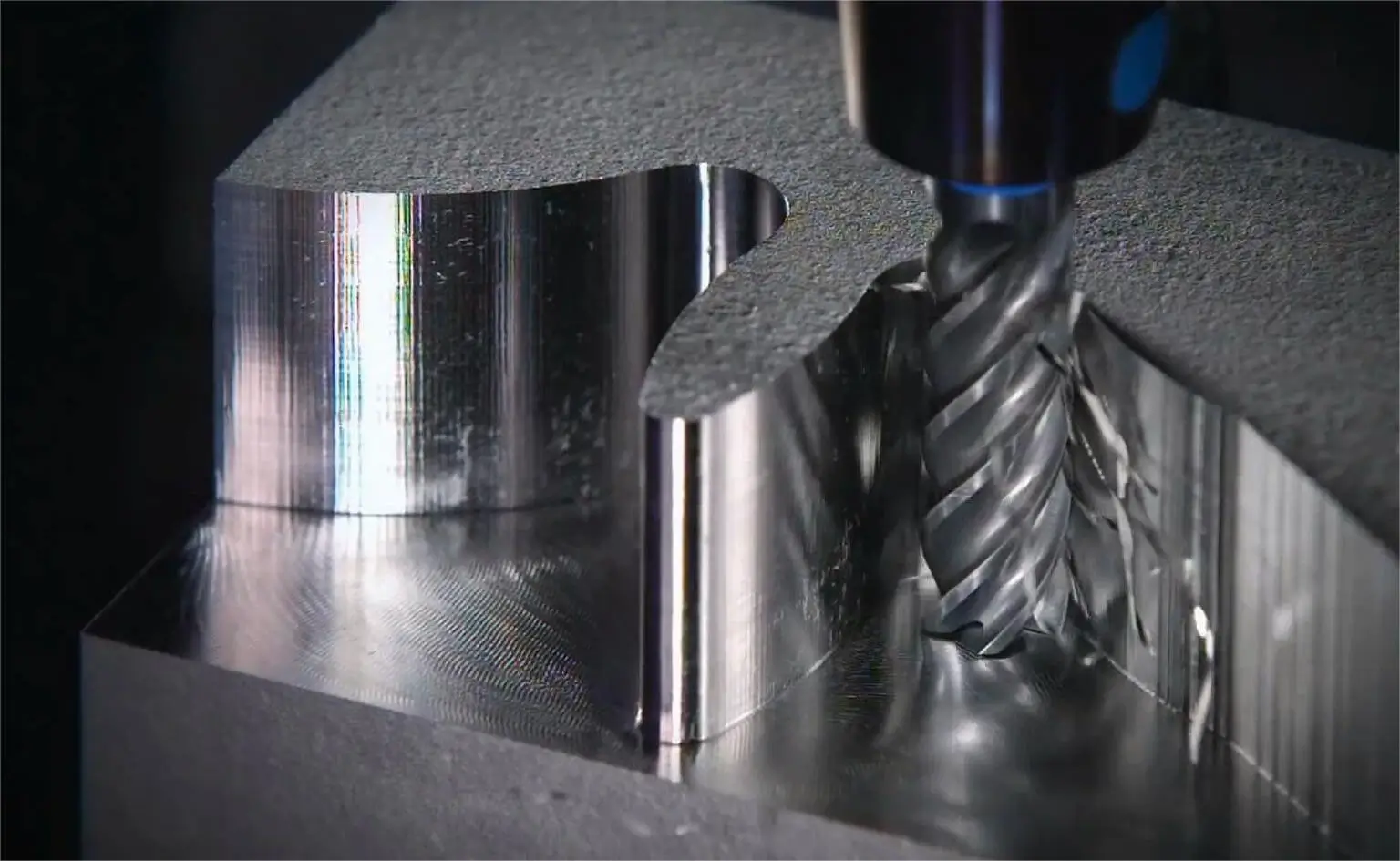
Stainless steel CNC machining is a precision subtractive manufacturing process that adopts numerically controlled milling, turning and 5-axis machining equipment to remove surplus material from solid stainless steel blanks. Fabrication is executed fully based on CAD drawings with tight tolerance management to guarantee accurate size and geometric precision of custom machined components.
The finished parts keep stainless steel’s intrinsic corrosion resistance, high tensile strength and oxidation resistance intact after machining. Benefited from these stable material properties, this processing technology is extensively applied to produce critical precision components for medical equipment, automotive fittings, food machinery and automated industrial systems.
Advantages of Stainless Steel CNC Machining
1.Superior dimensional accuracy: Multi-axis CNC equipment enables tight tolerance control and precise forming of intricate contours per CAD specifications.
2.Preserved material performance: Original corrosion resistance, tensile strength and oxidation resistance of stainless steel remain unchanged after cutting.
3.Strong environmental adaptability: Finished parts withstand moisture, acid and salt erosion, suited for harsh working conditions.
4.Flexible customization: Supports small-batch and prototype production with adjustable dimensions to match diverse industry drawing requirements.
5.Compatibility with post-treatment: Easy to implement polishing, sandblasting and other surface finishes to upgrade appearance and service performance.
Applications of Stainless Steel CNC Machining
1.Medical equipment: Process surgical accessories, instrument shells and sanitary structural parts meeting medical anti-corrosion and hygiene criteria.
2.Automotive industry: Manufacture engine accessories, sensor shells and precision brake components for vehicle assembly.
3.Industrial equipment: Produce valve bodies, pump fittings and transmission parts resistant to industrial fluid and chemical medium corrosion.
4.Industrial automation: Customize precision shafts, clamps and fluid control components for automated production equipment.
5.Precision instrumentation & aerospace: Supply high-stability small parts with rigorous tolerance and anti-oxidation requirements.
Frequently Asked Questions
Main applicable grades include 303, 304 and 316 stainless steel. 303 features superior machinability; 304 balances cost and corrosion resistance; 316 delivers excellent anti-corrosion performance for harsh chemical and humid environments.
Standard dimensional tolerance reaches ±0.02mm, and critical features can be controlled within ±0.005mm based on drawing requirements via 5-axis precision CNC equipment.
Stainless steel has high toughness and work-hardening characteristics, which easily leads to cutter abrasion. Optimized cutting parameters and dedicated carbide cutters are adopted to reduce tool loss.
Not required by default. Parts can keep as-machined raw surface; polishing, sandblasting or passivation are optional per drawing specifications to improve corrosion resistance and surface roughness.
Yes. CNC machining fits flexible production ranging from single prototype, small trial batches to mass volume production with quick program adjustment for design revisions.
Primary difficulties derive from stainless steel’s high ductility and cold work hardening tendency, prone to built-up edge on cutting tools and poor chip breaking. Its low thermal conductivity concentrates cutting heat at tool tip, accelerating tool abrasion and affecting dimensional stability, which demands specialized cutting tools and optimized cutting speeds.