
Titanium CNC Machining Services
Custom titanium CNC milling, turning, and mill-turn machining for prototypes and production parts. Services include drawing review, material sourcing, surface finishing, and dimensional inspection to meet your specifications.
Verify Certifications On Demand:
ISO 9001:2015 | IATF 16949:2016
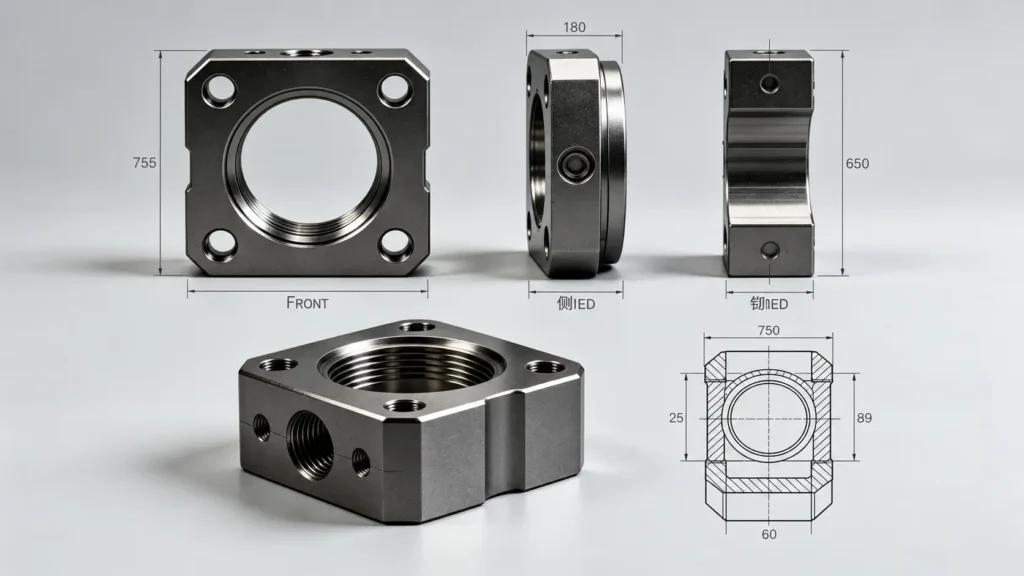
STP | STEP | SLDPRT | IPT | PRT | SAT
All uploaded content is secure and confidential.
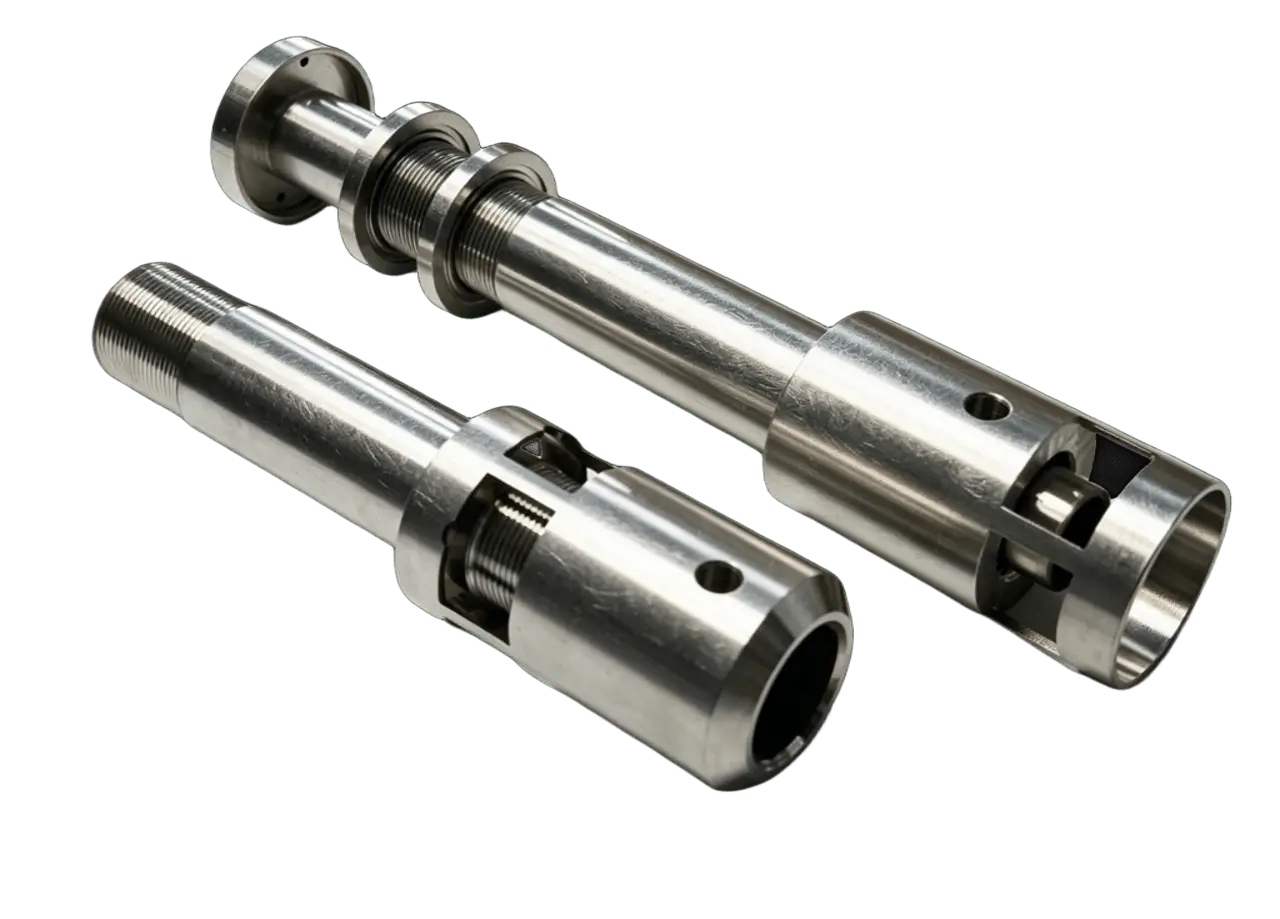
Custom Titanium Parts Manufacturing
Titanium parts are machined from the specified grade and stock condition, with operations planned around thin sections, deep features, and critical assembly fits. Reference faces and bores establish the datums for machining mounting holes, threads, and sealing surfaces across multiple setups.
Rigid workholding, controlled tool engagement, and coolant directed to the cutting zone manage cutting forces and heat. Roughing leaves consistent finishing stock on critical features, while thin walls receive support during cutting and dimensional checks after unclamping. Final inspection verifies drawing-specified dimensions, geometric tolerances, and surface roughness.
Titanium CNC Machining Capabilities
Titanium milling, turning, and mill-turn machining cover components with precision fits, internal cavities, and features on multiple faces. Process planning defines tool access, workholding, and machining datums to control wall thickness and the alignment of mating features.
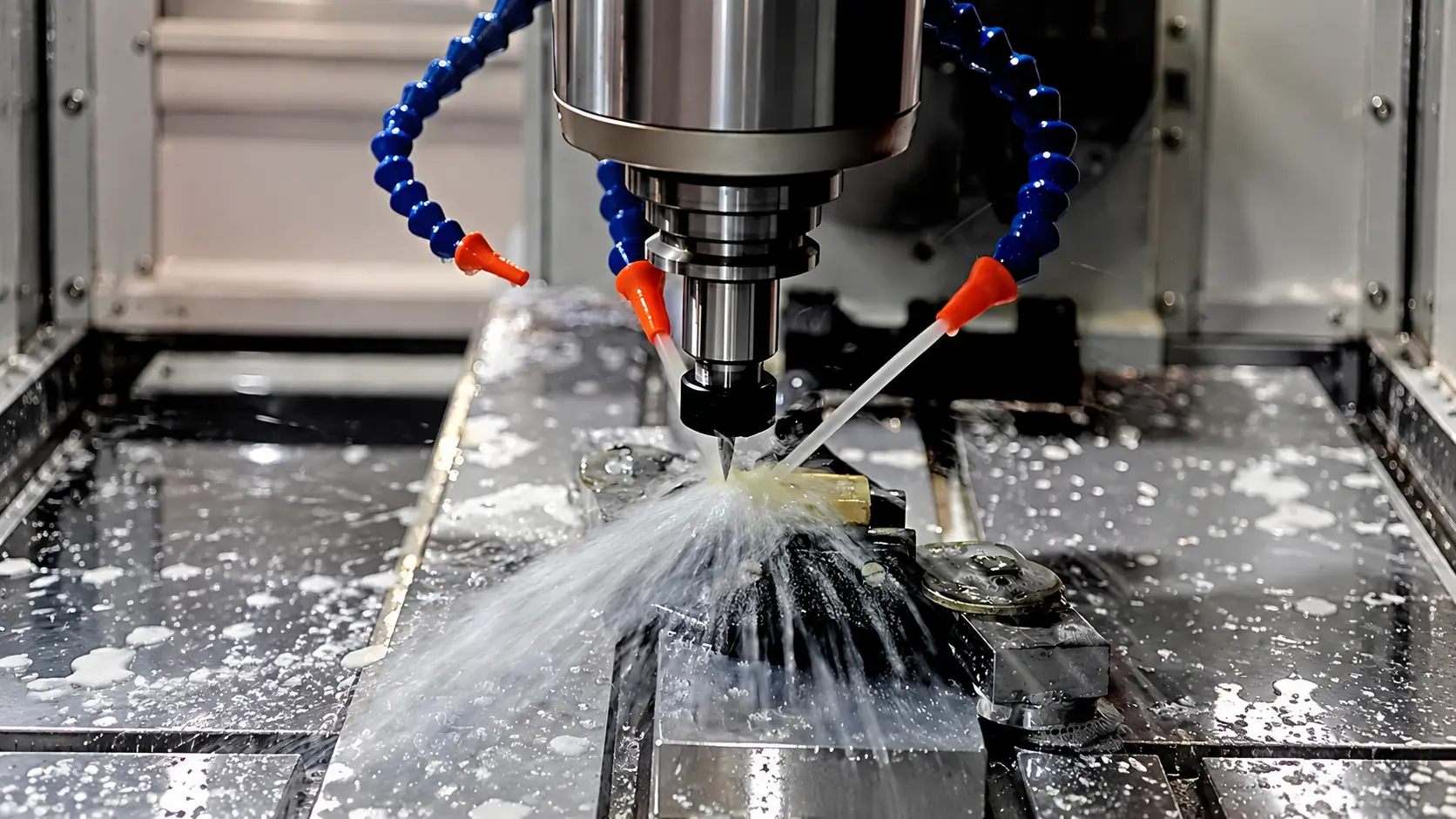
Titanium CNC Milling
3-, 4-, and 5-axis milling produces housings, brackets, and mounting components with pockets, thin walls, angled faces, and hole patterns. Controlled tool engagement and short tool overhangs limit deflection when finishing cavity walls and deep features.
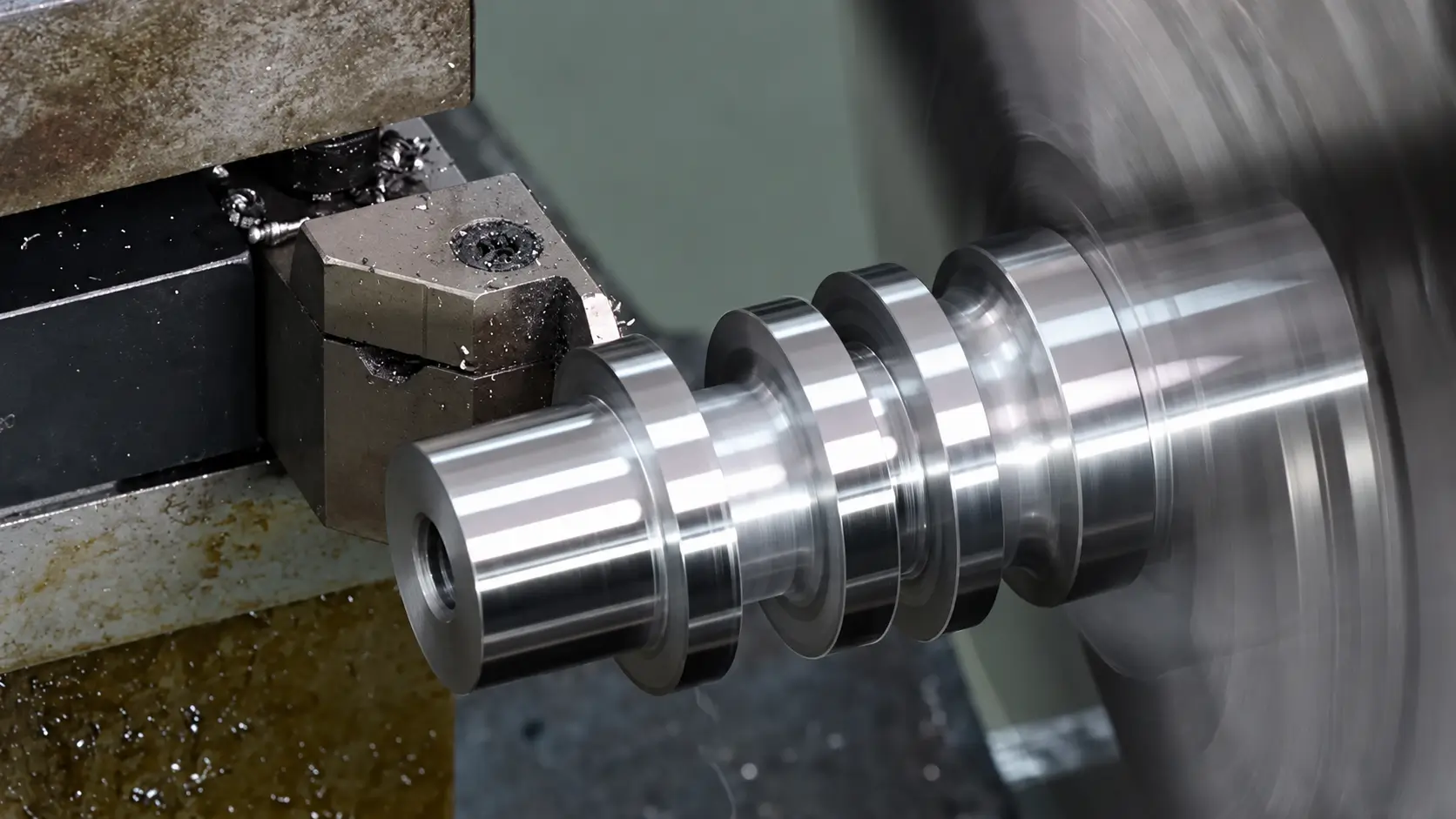
Titanium CNC Turning
CNC turning produces shafts, sleeves, fittings, and flanges with stepped diameters, precision bores, sealing grooves, and threads. Tooling and coolant delivery control chip formation, while supported setups maintain dimensional accuracy on slender or thin-walled parts.
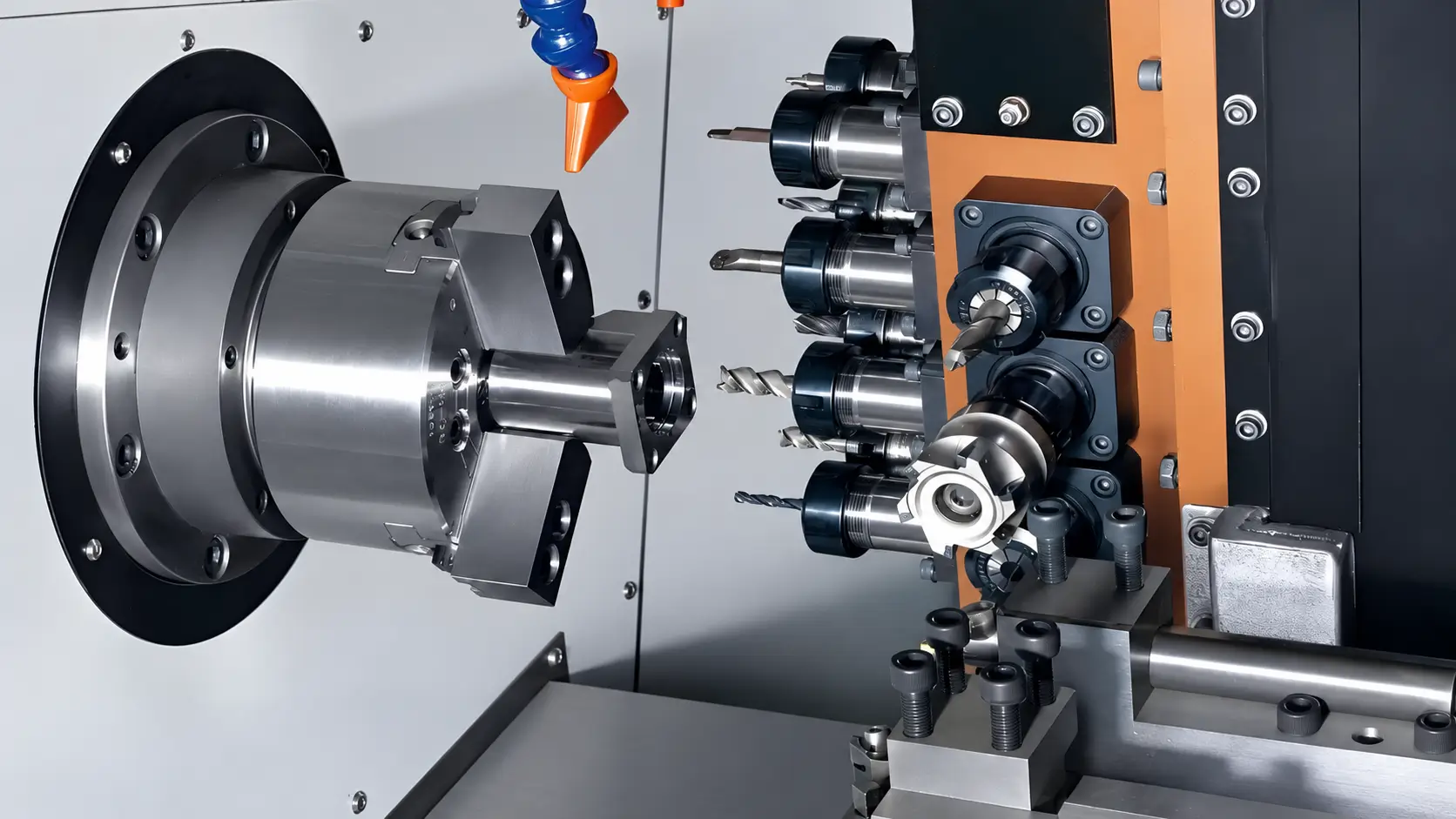
Titanium CNC Mill-Turn Machining
CNC mill-turn machining combines turning and milling to produce titanium components with complex features. Single-setup machining reduces repositioning and maintains dimensional accuracy for titanium alloys such as Ti-6Al-4V.
Titanium CNC Machining Specifications
Titanium machining specifications cover dimensional tolerances, surface roughness, and inspection requirements. Critical bores, threads, thin walls, and mating surfaces are reviewed individually to define achievable tolerances and the inspection method.
| Parameter | Specification |
|---|---|
| Machining Processes | CNC Milling, CNC Turning, CNC Mill-Turn Machining |
| Typical Milling Tolerance | ±0.05 mm |
| Typical Turning Tolerance | ±0.03 mm |
| Precision Feature Tolerance | Down to ±0.02 mm, subject to drawing review |
| Typical Surface Roughness | Ra 1.6 μm, depending on geometry and tool access |
| Material Condition | Grade and supply condition specified on the drawing or purchase order |
| Thread Inspection | Thread gauges for specified thread sizes and tolerance classes |
| Inspection Documents | Dimensional inspection reports and material certificates available |
Titanium Grades for CNC Machining
Titanium grade selection balances strength, corrosion resistance, and forming requirements. Commercially pure grades suit corrosion-resistant components, while titanium alloys provide higher strength for loaded parts. Material specifications also define the product form, supply condition, and certification requirements.
Grade 1 Titanium
The softest commercially pure titanium grade, with high ductility and corrosion resistance. Used for chemical equipment components, fittings, and parts requiring forming or welding alongside machining.
Learn MoreGrade 2 Titanium
A common commercially pure grade for machined flanges, valve components, housings, and fittings. Offers a practical balance of strength, ductility, and corrosion resistance.
Learn MoreGrade 5 Titanium
Ti-6Al-4V is widely used for high-strength brackets, shafts, fasteners, and structural components. Machining requires controlled cutting engagement and effective coolant delivery to manage tool wear and heat at the cutting edge.
Learn MoreGrade 7 Titanium
A palladium-bearing grade selected for improved resistance to crevice corrosion and certain reducing environments. Common applications include chemical-processing fittings, valve parts, and fluid-handling components.
Learn MoreGrade 9 Titanium
Ti-3Al-2.5V provides higher strength than commercially pure titanium while retaining useful formability. Used for lightweight tubing-related components, fittings, and mechanical assemblies.
Learn MoreGrade 23 Titanium
Ti-6Al-4V ELI has lower interstitial limits than Grade 5 and is selected where toughness and ductility are important. Medical applications require the specified material standard, traceability, and application-specific manufacturing controls.
Learn MoreInstant & Accurate Quotes
Need high-strength alloy steel CNC components? Get a free 24hr quote with professional DFM feedback by sending your drawings.
Titanium Machining Process Control
Titanium machining concentrates heat at the cutting edge and allows thin sections to deflect under cutting forces. Process control focuses on tool engagement, cutting-edge condition, workpiece support, and thread quality to maintain the dimensions and surface integrity specified on the drawing.
Cutting Heat
Heat concentrated at the tool–chip interface accelerates edge wear. Sudden increases in cutter engagement, particularly in pocket corners, can overload the cutting edge.
Toolpaths limit abrupt changes in radial engagement, with feeds adjusted for corners and entry moves. Coolant reaches the cutting zone continuously, while chip evacuation prevents chips from being cut again.
Tool Wear and Adhesion
Titanium can adhere to cutting tools, causing edge buildup and chipping. A deteriorating edge increases cutting forces and can leave smeared surfaces or dimensions outside tolerance.
Tool grades and edge geometries match the titanium grade and operation. Cutting edges are checked at defined intervals, with replacement limits based on wear, surface condition, and dimensional trends.
Thin-Wall Deflection
Thin walls and slender features can move away from the tool during cutting, leaving taper or uneven wall thickness. Excessive clamping force can also distort the part before machining begins.
Fixtures support the part close to the cutting zone. Roughing retains support stock where needed, and finishing sequences reduce cutting loads as sections become thinner. Critical dimensions are checked after unclamping.
Thread Integrity
Material adhesion and restricted chip evacuation can damage titanium threads or break taps, especially in blind holes. Burrs at the entrance can also interfere with assembly.
Thread milling is selected where tool access and thread geometry permit. Tapped holes use suitable tooling, lubrication, and chip-clearance strategies. Inspection checks the specified thread fit and usable depth after deburring and cleaning.
Surface Finishing Options for Titanium Machined Parts
We offer a full range of surface finishes for titanium CNC machined parts, including sandblasting, passivation, anodizing and precision polishing. These treatments eliminate burrs and tool marks, regulate surface roughness and boost titanium’s corrosion resistance, fully meeting aerospace and medical industry standards.
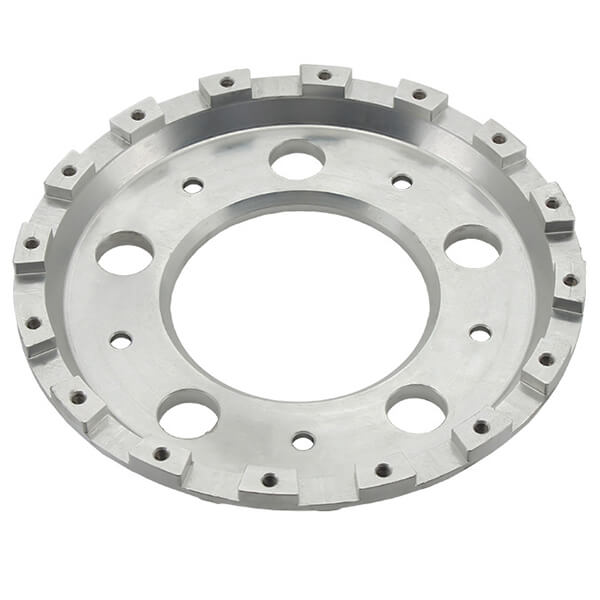
As Machined
Raw CNC machined surface with visible tool marks, cost-effective for non-exposed internal alloy steel components.
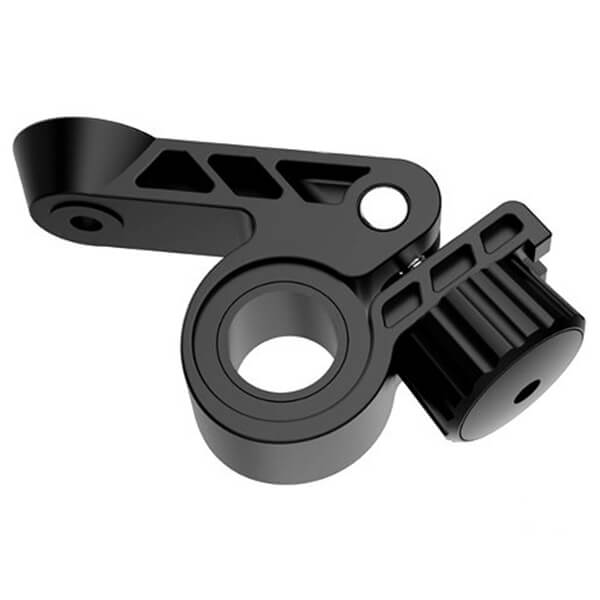
Black Oxide
Forms a thin black protective film to prevent mild rust, retains part dimensional accuracy without altering size.
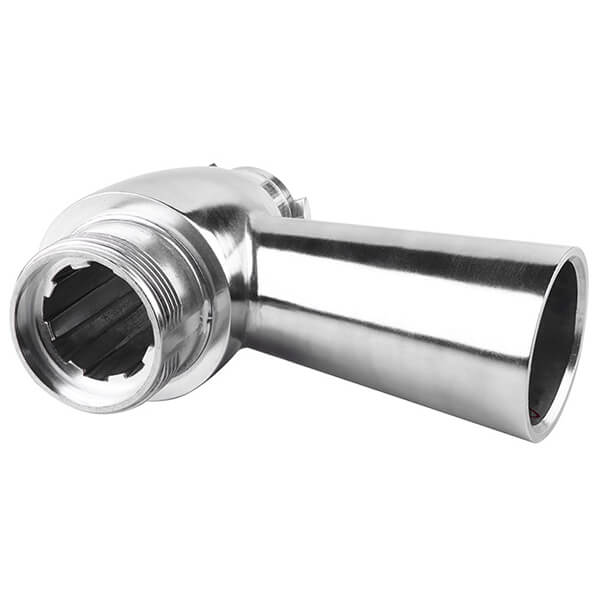
Polishing
Delivers smooth, low Ra surface finish for alloy steel parts requiring high precision and clean appearance.
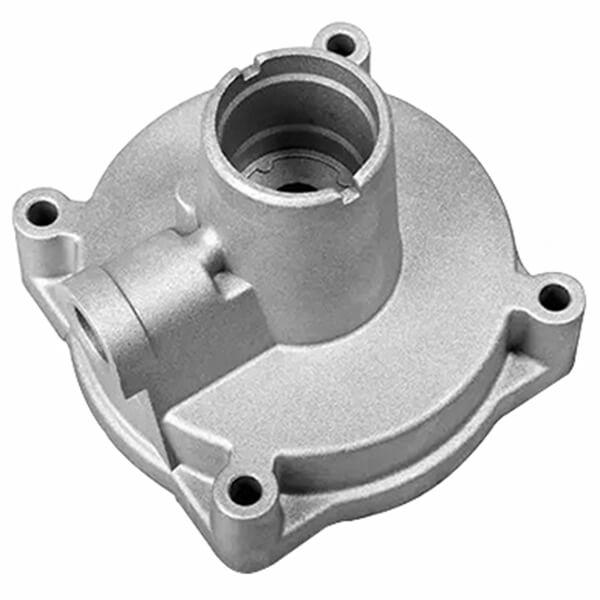
Sand Blasting
Uniform matte textured surface, improves adhesion for subsequent coating or plating treatments.
What Is Titanium CNC Machining?
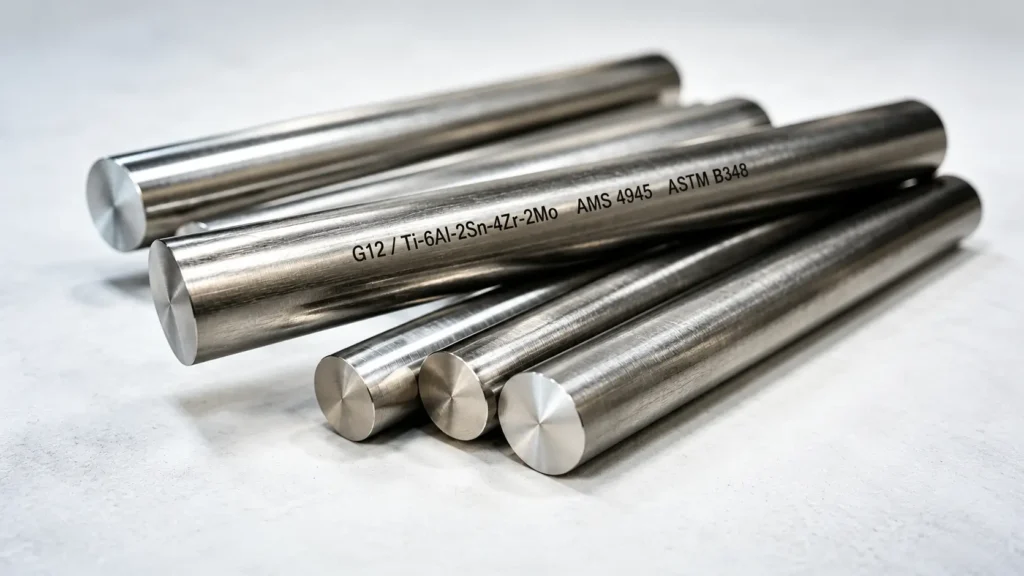
Titanium CNC machining uses computer-controlled milling and turning to cut titanium bar, plate, or forged blanks into drawing-specified components. Turning establishes diameters, bores, and shoulders; milling produces pockets, mounting faces, and features positioned relative to those reference surfaces.
Titanium’s low thermal conductivity concentrates heat near the cutting edge, while its relatively low elastic modulus makes thin sections prone to deflection. Machining therefore requires controlled tool engagement, effective coolant delivery, and workholding that supports the part without distorting it. Final inspection verifies dimensions, geometric tolerances, and specified surface roughness.
Advantages of Titanium CNC Machining
1.Precision Beyond Stock Dimensions: CNC machining brings titanium bar, plate, and forged blanks to the required dimensions, including close-fitting bores, sealing grooves, and accurately positioned holes.
2.Complex Geometry in Solid Titanium: Milling and turning produce internal pockets, thin sections, contours, and threads directly from solid stock, reducing the need to fabricate complex parts from separate pieces.
3.Fewer Welded Joints: Features machined into one titanium component can replace a welded assembly, eliminating joint alignment and weld distortion from those interfaces.
4.Practical for Prototypes and Small Batches: CNC machining produces custom titanium parts without dedicated casting dies or forming tools, supporting design validation and low-volume orders.
5.Finishing of Forged or Printed Parts: CNC machining adds accurate mating faces, bores, and threads to titanium forgings and additive-manufactured blanks where their initial dimensions or surface finish do not meet assembly requirements.
Applications of Titanium CNC Machining
1.Aerospace Components: Machining brackets, fittings, and housings with weight-reduction pockets, precision bores, and mounting features positioned to drawing datums.
2.Medical Device Components: Producing instrument components, device housings, and implant components with controlled contours and surface finishes, subject to application-specific material and manufacturing requirements.
3.Chemical Processing Equipment: Machining valve bodies, flanges, and connectors with sealing faces, internal passages, and threads in titanium grades selected for the process medium.
4.Marine Equipment: Producing shafts, sleeves, fittings, and mounting components with controlled mating dimensions for seawater-exposed assemblies.
5.Automotive and Motorsport: Machining lightweight fasteners, spacers, suspension fittings, and drivetrain components with precision threads, shoulders, and assembly interfaces.
Frequently Asked Questions
Titanium combines relatively high material cost with slower cutting speeds and demanding tool-wear control. Deep pockets, thin walls, and extensive material removal increase machining time. Cost can be reduced by using stock closer to the finished shape and applying tight tolerances only to functional features.
Grade 2 is commercially pure titanium, commonly selected for corrosion resistance, ductility, and weldability. Grade 5 offers substantially higher strength and suits loaded mechanical components. Selection depends on operating loads, exposure conditions, and the required material specification.
Yes. Hole depth, diameter, and tool access determine the machining method. Deep holes require effective coolant delivery and chip evacuation. Blind threaded holes need sufficient clearance below the usable thread for the selected drilling and threading tools.
Use generous internal corner radii, accessible features, and standard hole and thread sizes. Avoid unnecessarily deep pockets and thin unsupported walls. Specify close tolerances and fine surface finishes on the features that need them for fit or function.
Titanium naturally forms a protective oxide film and often requires no additional corrosion-protection coating. Suitability still depends on the grade, chemical exposure, and temperature. Anodizing or other treatments may be specified for identification, appearance, or particular surface functions.
Substitution requires engineering approval. Both belong to the Ti-6Al-4V family, but Grade 23 has lower interstitial limits and different specified properties. The material standard, supply condition, and application requirements must be checked before approving a replacement.