
Polishing Services
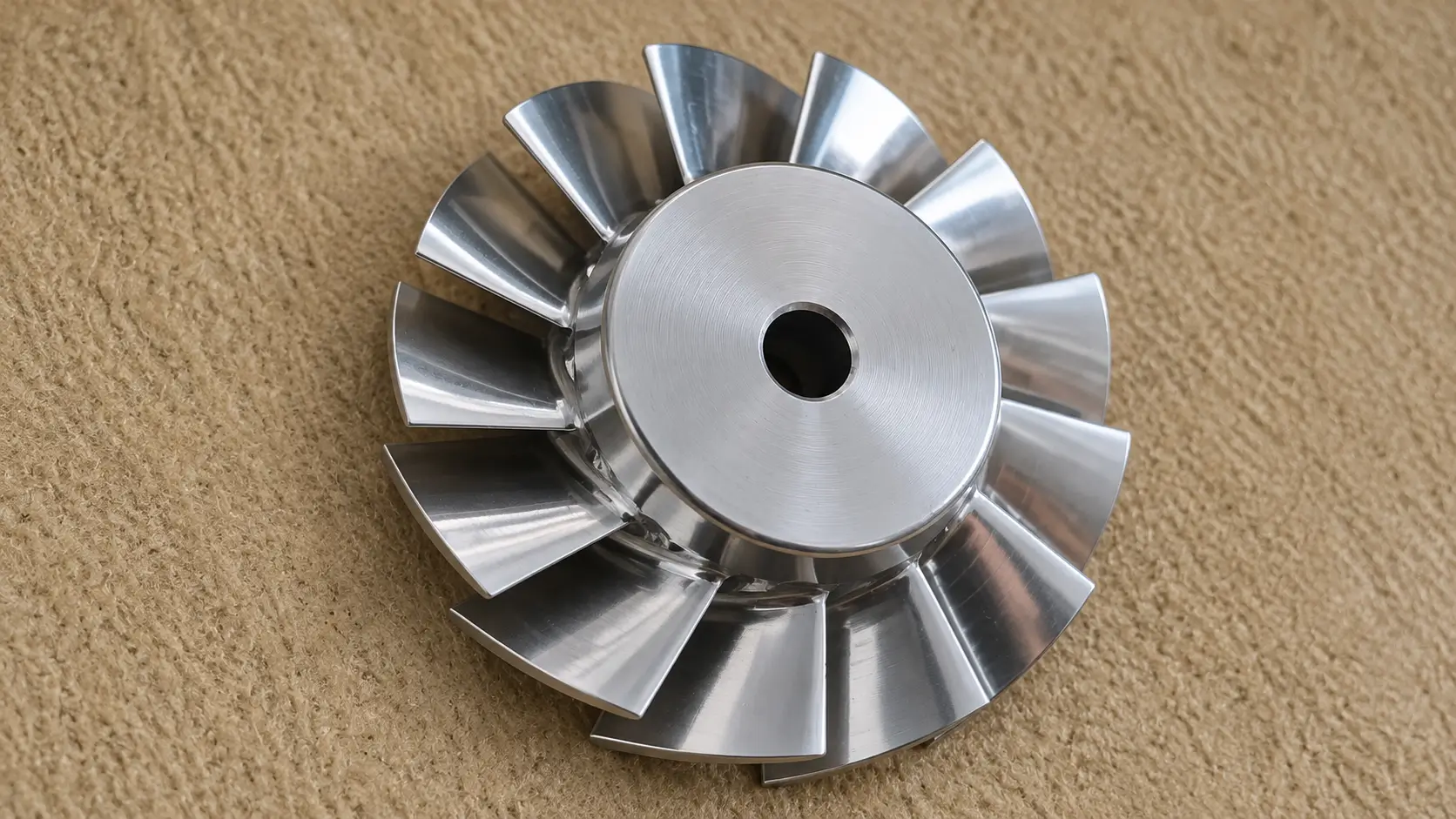
Metal polishing reduces machining marks and improves surface smoothness on custom parts. Satin, bright, and mirror finishes are available, with polishing areas and surface requirements defined to suit appearance and assembly needs.
- Reduced Machining Marks
- Improved Surface Smoothness
- Satin to Mirror Finishes
- Selective Area Polishing
Verify Certifications On Demand:
ISO 9001:2015 | IATF 16949:2016
STP | STEP | SLDPRT | IPT | PRT | SAT
All uploaded content is secure and confidential.
Home » Surface Finishing » Polishing Services
Metal Polishing Finish Features
Polishing refines metal surfaces by reducing machining marks and controlling the final appearance. The finish is defined by the required smoothness, level of reflection, and areas to be polished.
Reduced Surface Marks
Progressive abrasive finishing reduces machining lines and minor scratches, creating a more even surface.
Controlled Surface Smoothness
Polishing improves surface smoothness, with specified roughness requirements checked on designated areas.
Satin to Mirror Finishes
Satin, bright, and mirror finishes provide different levels of reflection. Reference samples help define the required appearance.
Selective Area Polishing
Polishing can be limited to designated surfaces, with critical fits, threads, and edges protected from unnecessary material removal.
Polishing Specifications
Polishing requirements cover surface appearance, roughness, and the areas to be finished. Material, part geometry, and the initial surface condition are reviewed to define a suitable process while maintaining critical dimensions.
| Parameter | Specification |
|---|---|
| Materials | Aluminum, stainless steel, steel, brass, and copper |
| Finish Options | Satin, bright, and mirror finishes, subject to material and geometry |
| Surface Roughness | Specified Ra requirements reviewed for the designated surfaces |
| Polishing Areas | Full accessible surfaces or selected areas identified for polishing |
| Dimensional Control | Material removal considered for critical dimensions, edges, and mating features |
| Appearance Acceptance | Agreed reference sample used to confirm reflection, texture, and allowable surface marks |
Polishing Finish Options
Satin, bright, and mirror finishes provide different surface textures and levels of reflection. The required appearance is confirmed using a reference sample, while any surface roughness requirements are specified separately.
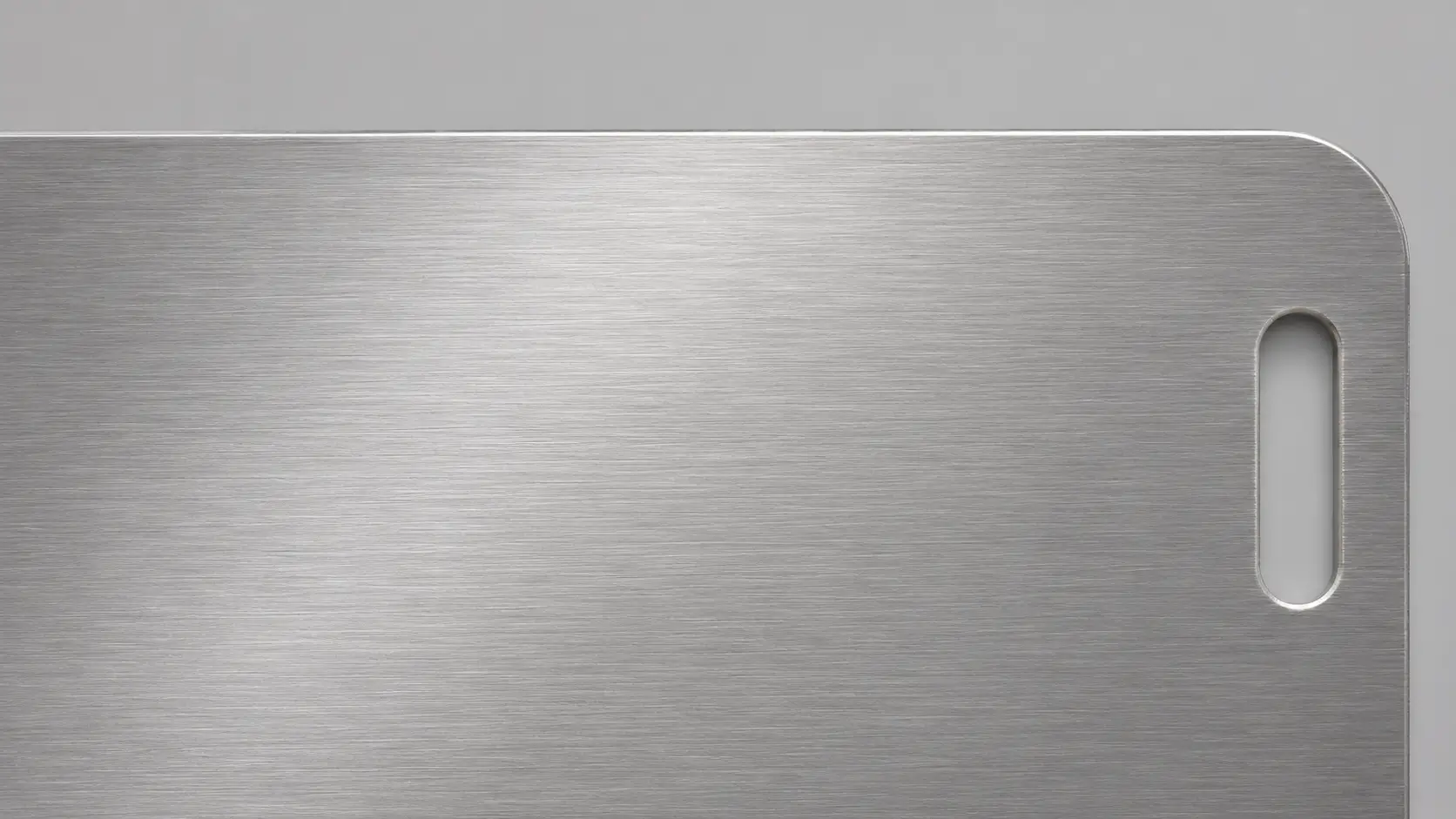
Satin Polishing
Produces a soft luster with a uniform fine texture. Reflections are diffused, making it suitable for visible surfaces where a subdued appearance is preferred. Grain direction can be defined for adjoining faces.
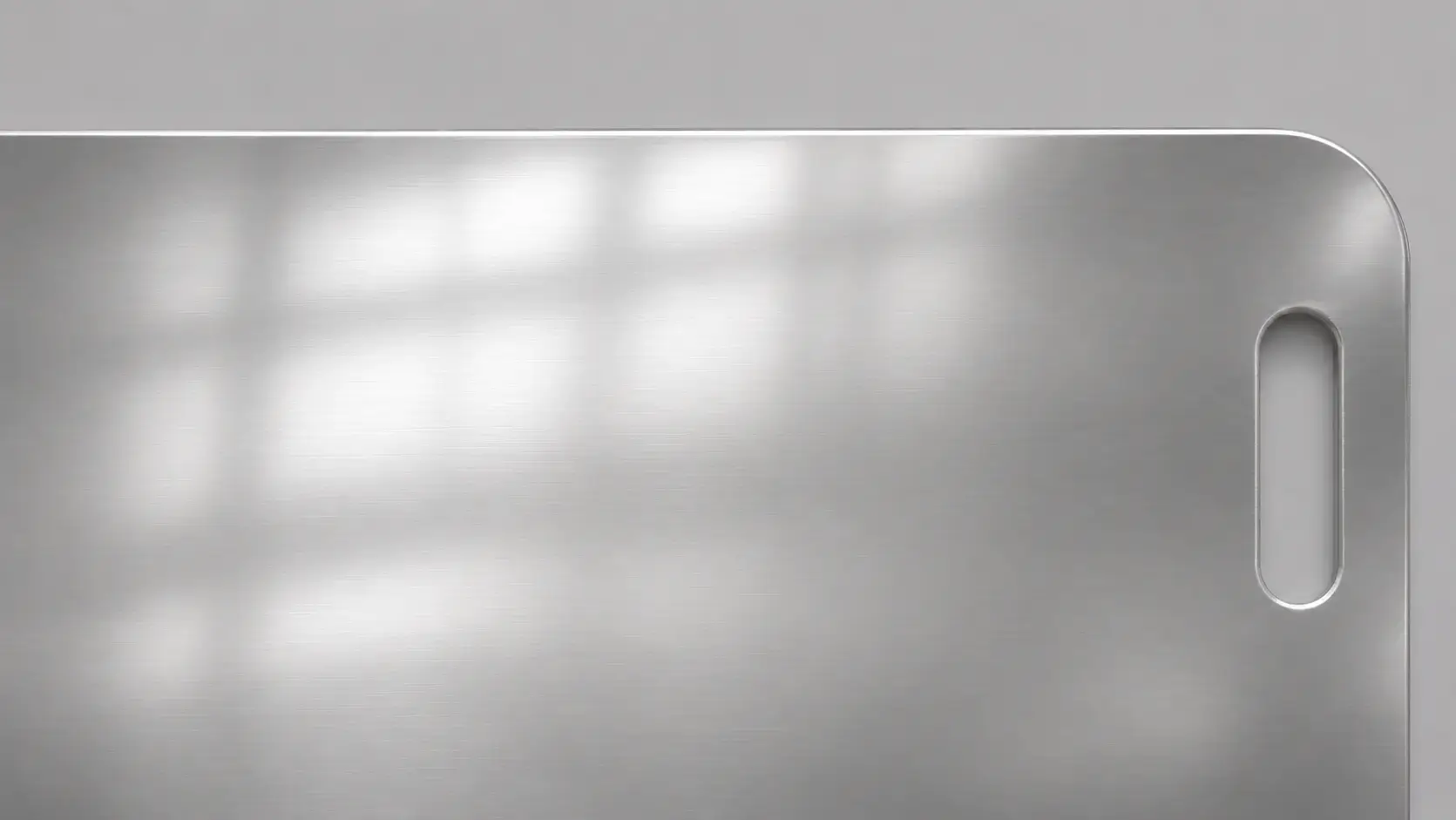
Bright Polishing
Creates a smooth, lustrous surface with stronger reflections than a satin finish. Fine polishing lines may remain visible under direct light, with brightness and allowable marks confirmed against the approved sample.
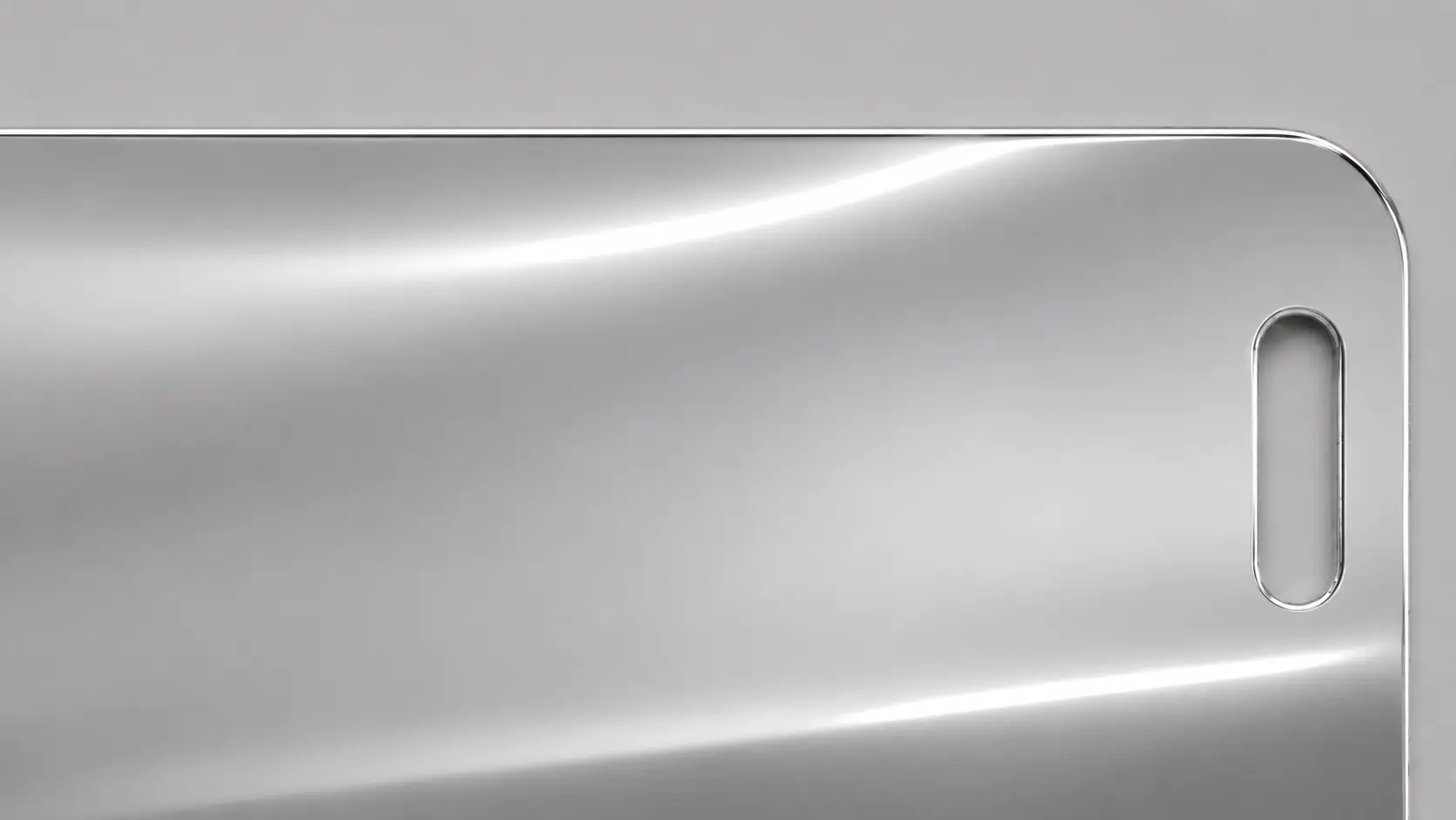
Mirror Polishing
Produces a highly reflective surface through progressive polishing and buffing. Reflection clarity depends on the material, initial surface condition, and part geometry. Cosmetic faces and acceptable surface imperfections are defined before processing.
Materials Suitable for Polishing
Aluminum, stainless steel, steel, brass, and copper can be mechanically polished to improve surface smoothness and appearance. Alloy composition, initial surface condition, and part geometry affect the achievable finish.
Aluminum
Polishing produces a brighter, smoother aluminum surface. Abrasive selection and pressure are controlled to limit smearing and edge rounding. Casting pores may remain visible after finishing.
Stainless Steel
Stainless steel can receive satin, bright, or mirror polishing for housings, covers, and fittings. Clean tooling and consistent abrasive progression help maintain an even finish.
Mild Steel
Polishing reduces machining marks and refines mild steel surfaces for visible parts or subsequent finishing. Bare polished steel requires suitable protection against rust during storage and use.
Alloy Steel
Selected alloy steel surfaces can be polished to reduce tool marks and improve smoothness. Material hardness and heat treatment guide abrasive selection, with critical dimensions controlled during finishing.
Brass
Brass polishing brings out a warm golden luster on fittings, trim, and decorative components. Controlled finishing preserves fine details, while tarnish protection can be specified for the application.
Copper
Copper polishing reveals a bright reddish metallic finish. Its soft surface requires careful pressure control to limit smearing and scratches. Cleaning and handling help preserve the finished appearance.
What Is Metal Polishing?
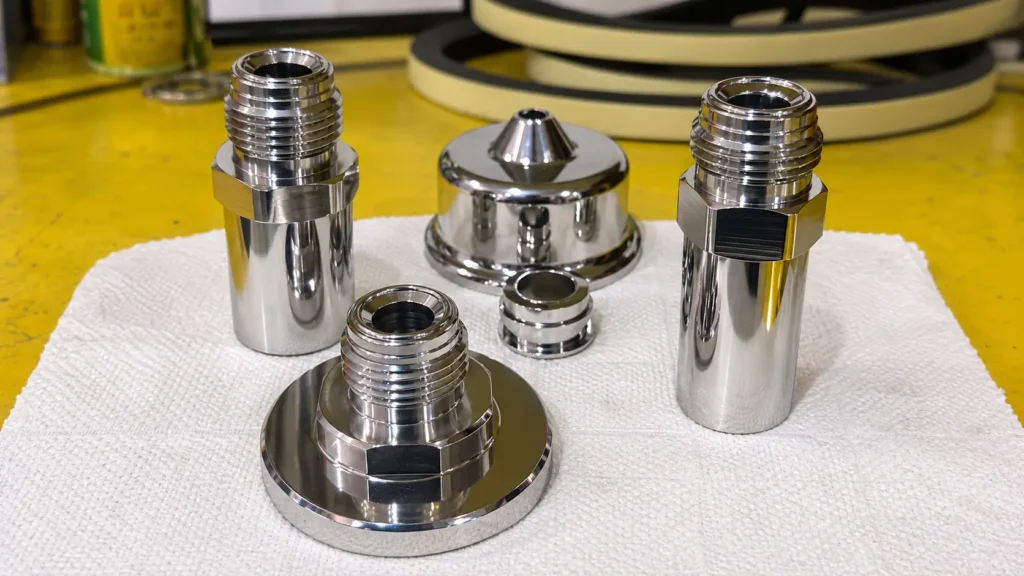
Metal polishing is a surface finishing process that uses abrasives and, where required, buffing compounds to reduce surface irregularities and refine the appearance of metal parts. Processing typically progresses from coarser abrasives to finer ones, followed by buffing when a brighter or mirror finish is required. It removes a small amount of material rather than adding a coating.
Polishing is used on housings, covers, fittings, and other components to reduce visible machining marks, improve surface smoothness, or create a decorative finish. The process is selected according to the material, part geometry, and required appearance, with critical dimensions and edges controlled during finishing.
Advantages of Metal Polishing
1.Improved Appearance: Reduces visible machining marks and minor scratches, creating a cleaner and more consistent metal surface.
2.Smoother Surfaces: Reduces surface irregularities to meet specified roughness requirements on designated areas.
3.Finish Options: Provides satin, bright, and mirror finishes to suit different product appearance requirements.
4.Easier Cleaning: Smoother surfaces can reduce dirt and residue retention, making routine cleaning easier.
5.Selective Polishing: Allows finishing to focus on visible or functional surfaces without processing the entire part.
Polishing Design Considerations
1.Polishing Areas: Identify cosmetic faces, finishing boundaries, and surfaces that must remain unpolished.
2.Dimensional Allowance: Account for material removal and protect critical fits, sealing faces, threads, and precision bores.
3.Tool Access: Deep pockets, narrow slots, and internal corners can restrict tool access and limit finish uniformity.
4.Edges and Thin Features: Define edge requirements and control polishing pressure to limit rounding and deformation.
5.Finish Requirements: Use an approved sample to define appearance and specify Ra separately where measurable roughness is required.
6.Initial Surface Condition: Deep machining grooves, dents, and casting pores may remain visible or require preparation within the available material allowance.
Frequently Asked Questions
Polishing can reduce machining marks and minor scratches. Deep grooves, dents, and casting pores may require additional preparation or remain visible, particularly where dimensional tolerances limit material removal.
Yes. Polishing removes material and can round edges. Critical fits, threads, sealing faces, and precision bores should be identified so they can be protected or finished under controlled conditions.
No. Ra measures surface roughness, while a mirror finish describes reflection and image clarity. Specify roughness separately and use an approved sample to define the required appearance.
Polishing does not add a protective coating. Corrosion performance depends on the material and service environment. Carbon steel may need additional protection, while brass and copper may require measures to limit tarnishing.
Provide the material, part drawings or photos, quantity, and surfaces to be polished. Include the desired finish, any Ra requirements, critical dimensions, and a reference sample or image where available.