
Aluminum CNC Machining Services
Custom aluminum parts manufactured through CNC milling, turning, and 5-axis machining, with alloy and finishing options for prototypes and production.
- Tolerances up to ±0.01 mm
- 3-axis, 4-axis, and 5-axis CNC machining
- Parts delivered in as fast as 3 days
Quality Certifications
ISO 9001:2015 | IATF 16949:2016
STP | STEP | SLDPRT | IPT | PRT | SAT
All uploaded content is secure and confidential.
Custom Aluminum Parts Manufacturing
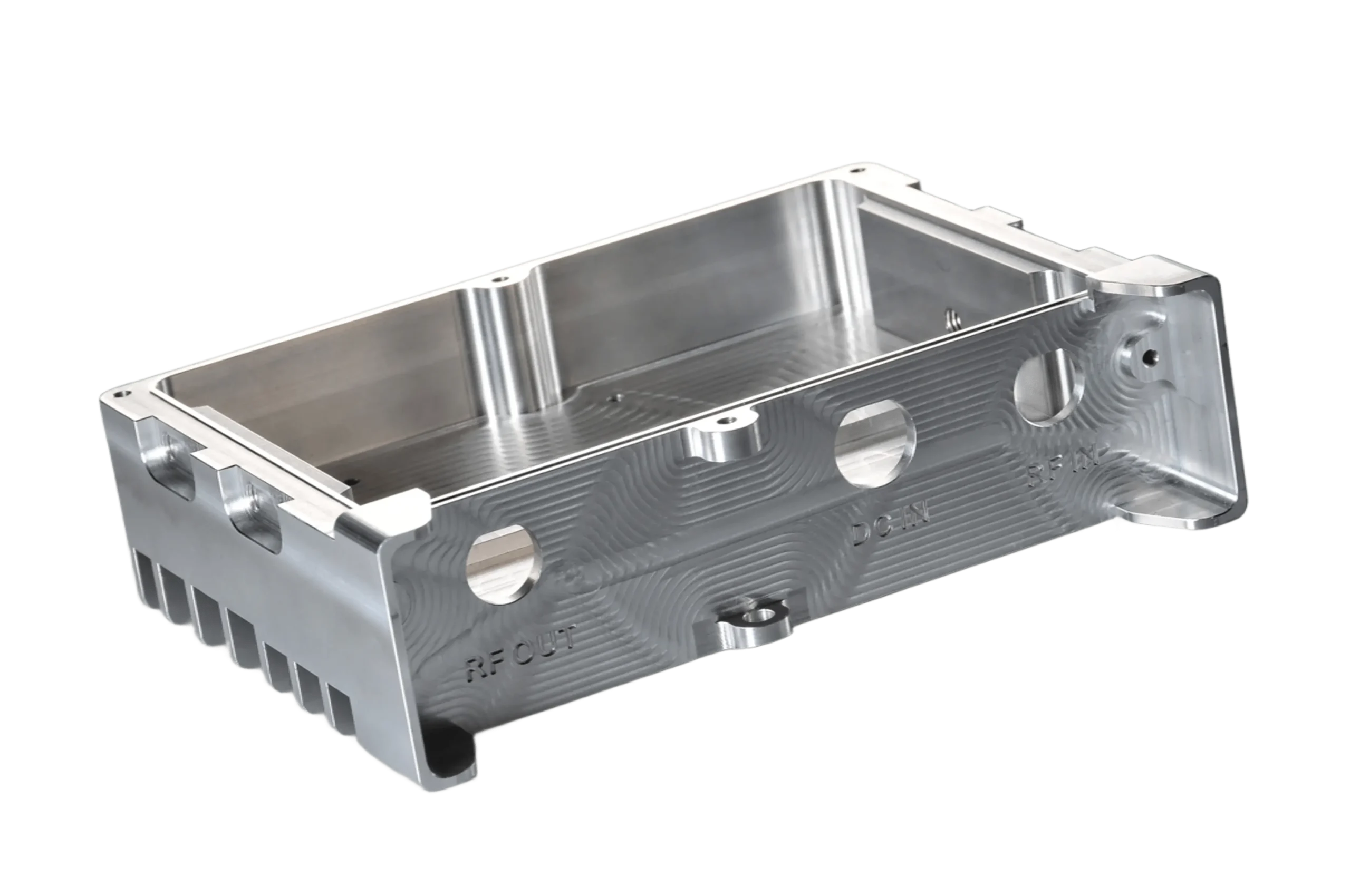
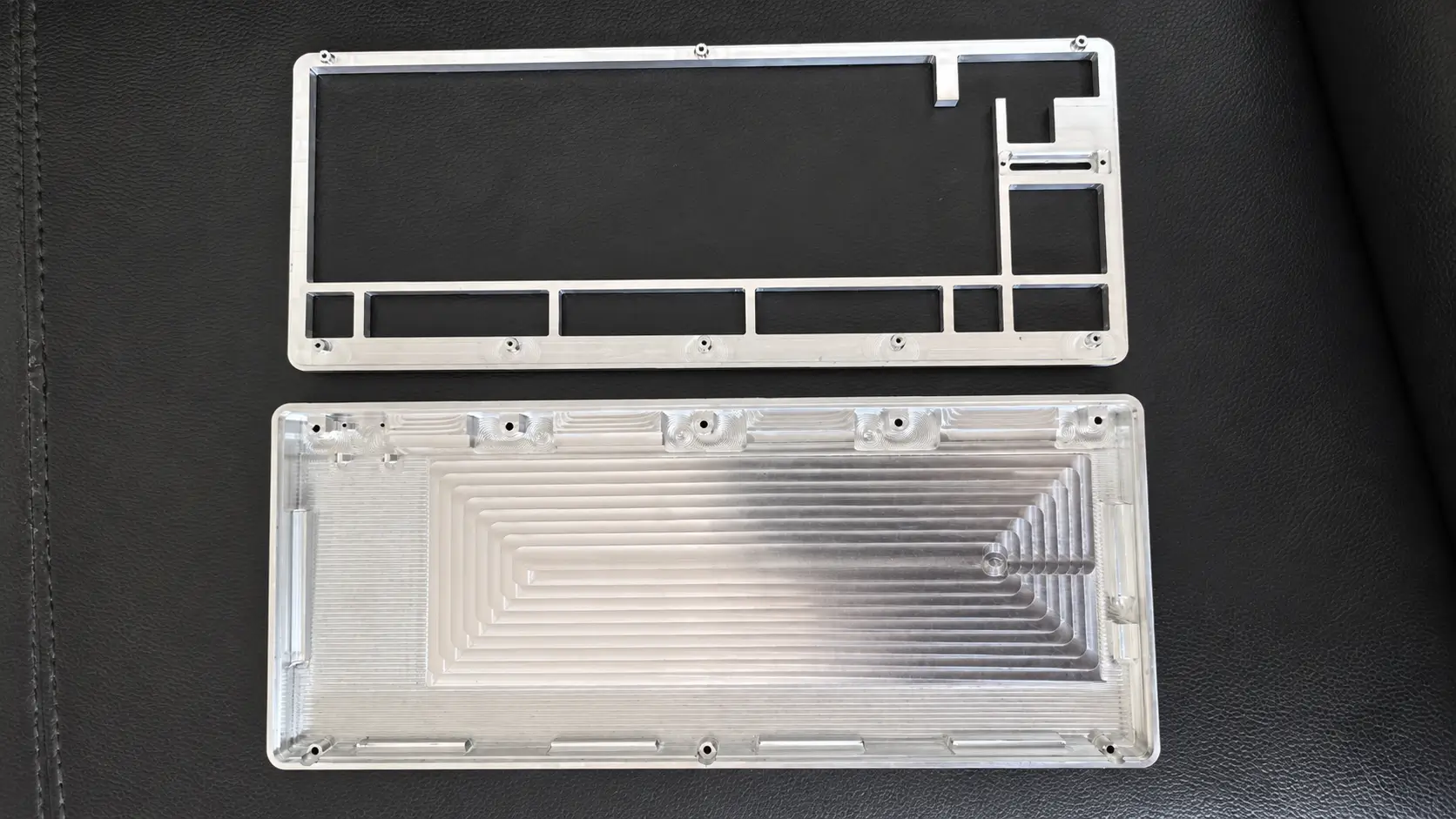
We manufacture aluminum housings, mounting plates, brackets, and heat sinks with thin walls, deep cavities, and multiple assembly features. Engineering support turns concepts, 3D models, and physical samples into manufacturable designs for individual components and matched part sets.
Each manufacturing plan defines the alloy, machining sequence, and finishing requirements. Bearing seats, threaded holes, and mating surfaces are machined to specified tolerances, with appearance standards and anodizing requirements confirmed before production.
Aluminum CNC Machining Capabilities
CNC milling, turning, and 5-axis machining produce aluminum parts with flat, cylindrical, and multi-angle features. Capabilities cover compact precision components and larger structural parts, with machining operations coordinated for complete part delivery.
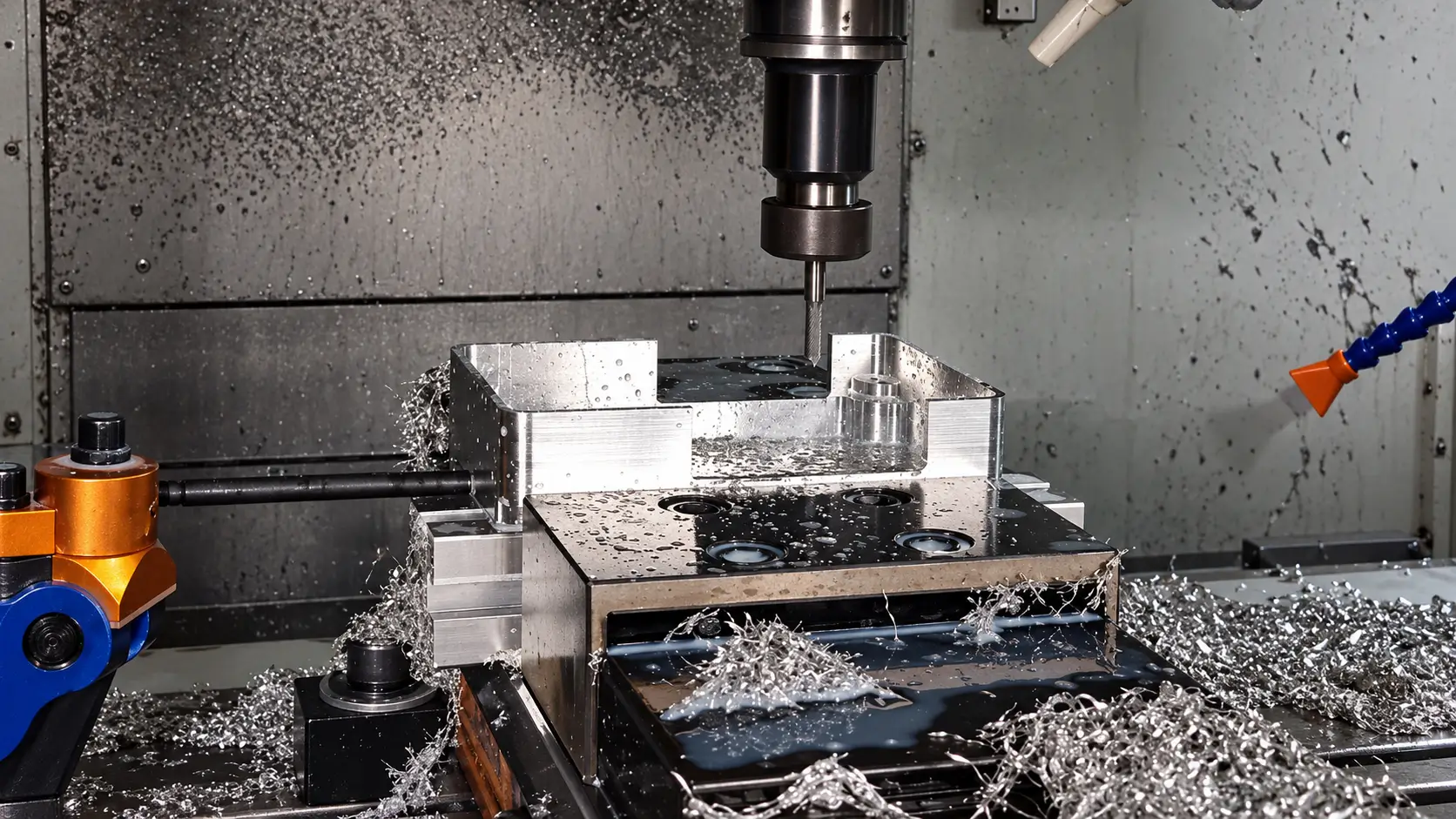
Aluminum CNC Milling
Machining for housings, brackets, plates, and heat sinks, including deep pockets, thin walls, mounting holes, and precision mating surfaces.
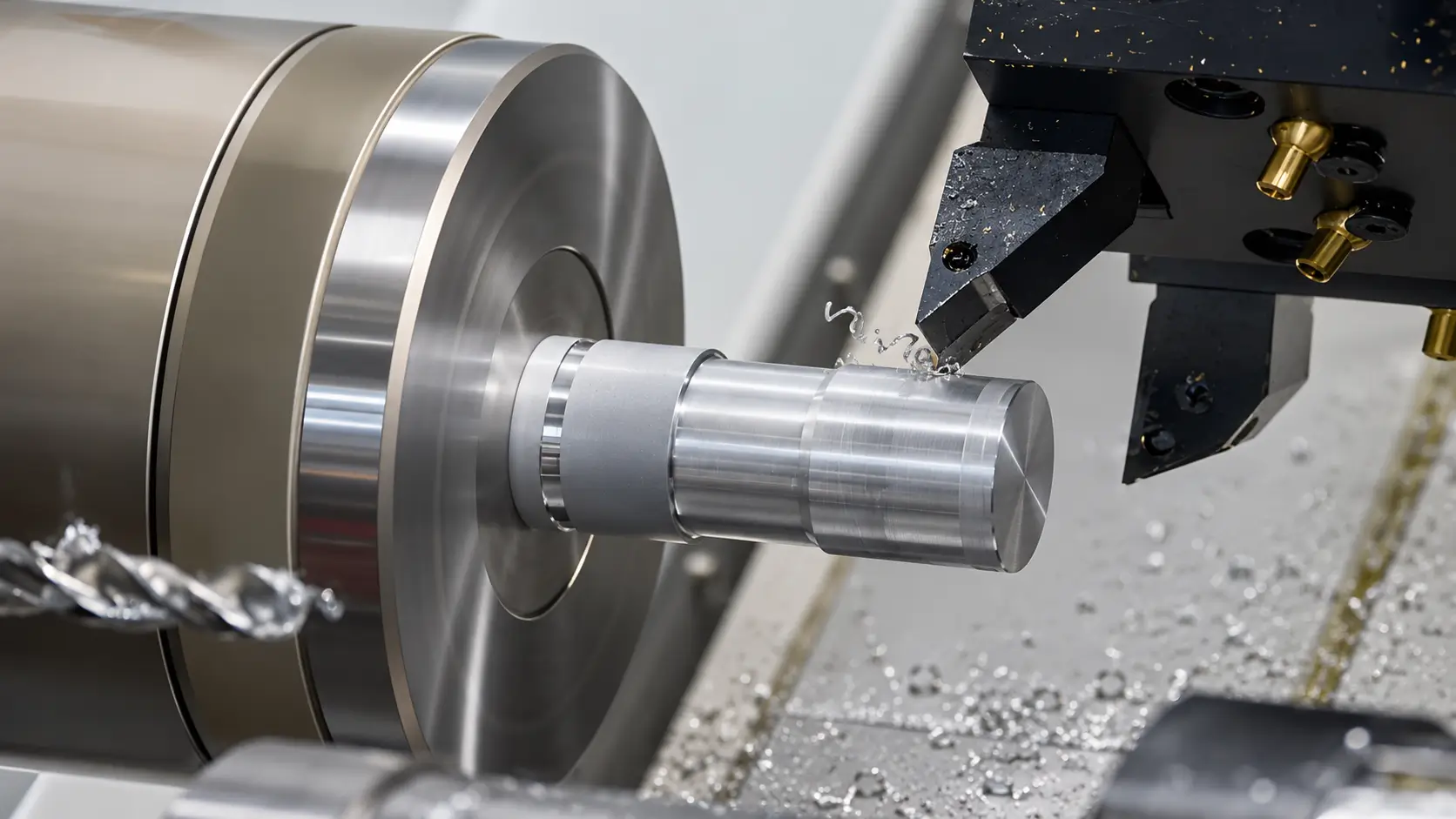
Aluminum CNC Turning
Production of shafts, sleeves, bushings, and fittings with stepped diameters, internal bores, grooves, and internal or external threads.
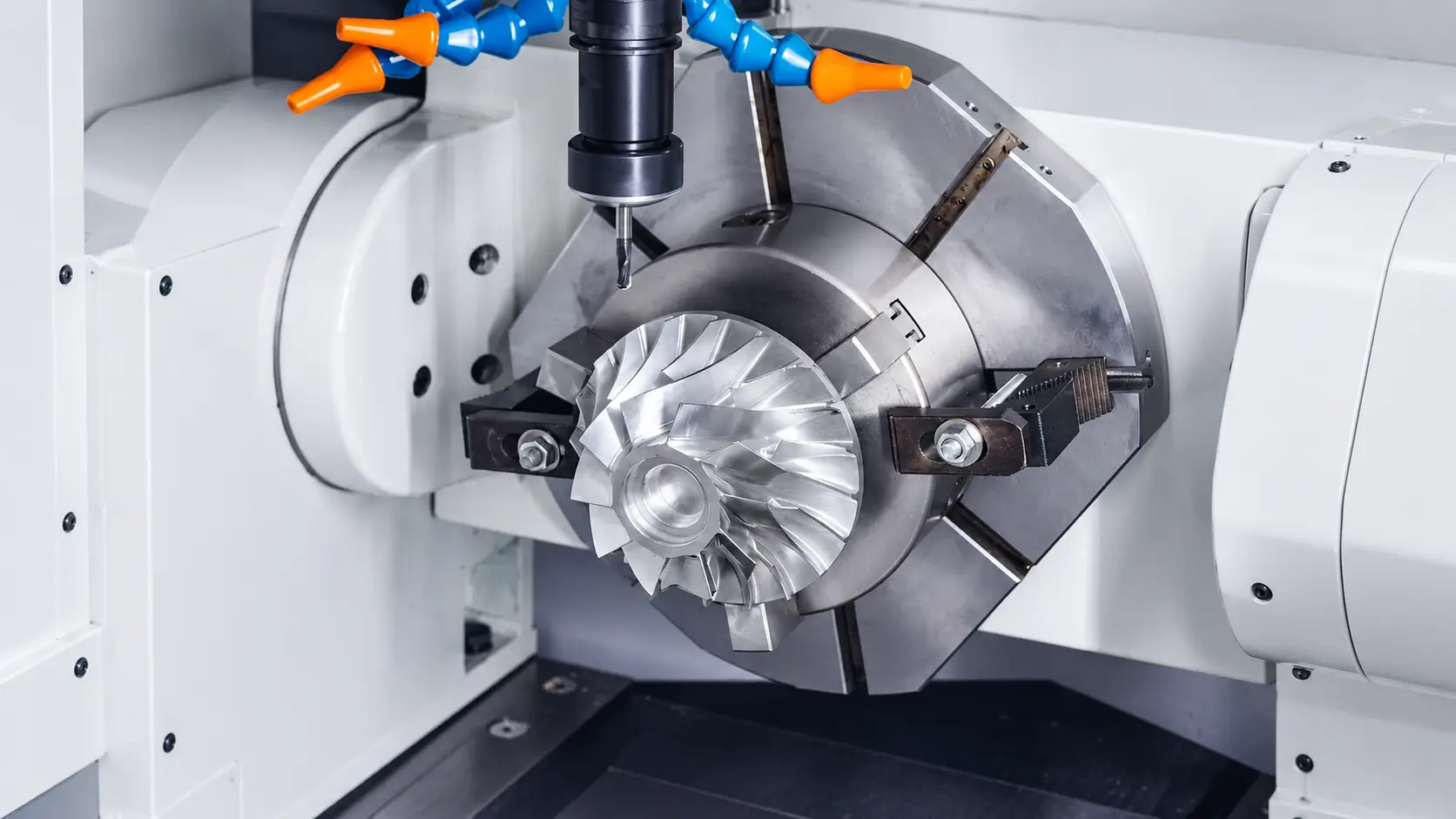
5-Axis Aluminum Machining
Machining for complex housings, angled brackets, and contoured components, combining access to multiple faces with fewer setups.
Aluminum CNC Machining Specifications
Machining capacity covers aluminum parts up to 4000 × 1500 × 600 mm, with precision features to ±0.02 mm and typical surface roughness of Ra 1.6 μm. Milling and turning support both prototype and production orders.
| Parameter | Specification |
|---|---|
| Maximum Milling Size | 4000 × 1500 × 600 mm |
| Typical Milling Tolerance | ±0.05 mm |
| Typical Turning Tolerance | ±0.03 mm |
| Precision Feature Tolerance | Down to ±0.02 mm |
| Typical Surface Roughness | Ra 1.6 μm |
| Prototype Lead Time | 3–7 business days |
| CNC Milling | 3-axis, 4-axis & 5-axis |
| CNC Turning | Turning & Mill-Turn Machining |
Aluminum Alloys for CNC Machining
Aluminum grades are selected according to strength, corrosion resistance, appearance, and operating requirements. Material specifications and temper conditions are confirmed before machining to match the intended application.
Aluminum 6061-T6
A versatile choice for housings, brackets, mounting plates, and general mechanical parts. Offers a practical balance of strength, machinability, and corrosion resistance.
- Lightweight
- General Purpose
Aluminum 7075-T6
A high-strength choice for loaded brackets, precision fixtures, and structural parts. Suited to components where strength and low weight are priorities.
- High Strength
- Lightweight
Aluminum 6082-T6
Used for structural plates, equipment frames, and mechanical parts. Combines strength and corrosion resistance for a range of machined components.
- Structural Parts
- Lightweight
Aluminum 2024
Selected for structural components subject to repeated loading. Protective finishing is important where corrosion exposure affects the application.
- Structural Parts
- Repeated Loading
Aluminum 5052
Used for corrosion-resistant covers, panels, and housings, particularly where formed sheet components also require machined holes and mounting features.
- Covers & Panels
- Formed Parts
Instant & Accurate Quotes
Every aluminum CNC design gets a free DFM review. Get accurate, no-hidden-cost quotations from our machining engineers within 6 hours.
Aluminum Part Manufacturing Control
Fixtures support thin walls during clamping, while tool reach and chip removal are planned for deep cavities. Deburring removes material from edges and intersecting holes, and machining allowances or masking preserve critical fits after surface treatment.
Thin-Wall Workholding
Thin aluminum walls can deflect under clamping and cutting forces. A part may meet dimensions while held in the fixture, then change shape after release, affecting flatness and assembly fit.
Support fixtures and controlled clamping forces stabilize thin sections. Roughing and finishing are sequenced to limit distortion, with critical dimensions checked after the part is released.
Deep-Cavity Machining
Deep cavities restrict tool access and chip evacuation. Long cutters are more prone to deflection and vibration, while trapped chips can damage cavity walls and affect dimensional accuracy.
Tool reach, cutting depth, and chip evacuation are planned around cavity geometry. Separate roughing and finishing passes control cutting loads and maintain wall dimensions and internal features.
Deburring
Burrs can remain around drilled holes, pocket edges, and intersecting passages. Loose material interferes with assembly, while excessive edge rounding can alter sealing surfaces and precision features.
Accessible edges and internal intersections receive targeted deburring. Defined edge breaks and visual checks remove loose material while preserving threads, sealing faces, and mating edges.
Dimensions Before Finishing
Anodizing and other coatings change finished dimensions. Bearing seats, threaded holes, and close-fitting interfaces require allowances or masking to maintain the specified fit after treatment.
Machining allowances follow the specified finish and coating thickness. Masking requirements are defined before treatment, with critical finished dimensions verified after processing.
Surface Finishes for Aluminum CNC Parts
Surface treatments improve corrosion protection, wear resistance, and the appearance of aluminum CNC parts. Anodizing, bead blasting, powder coating, and polishing provide different colors and textures, with coating thickness and masking controlled for critical features.
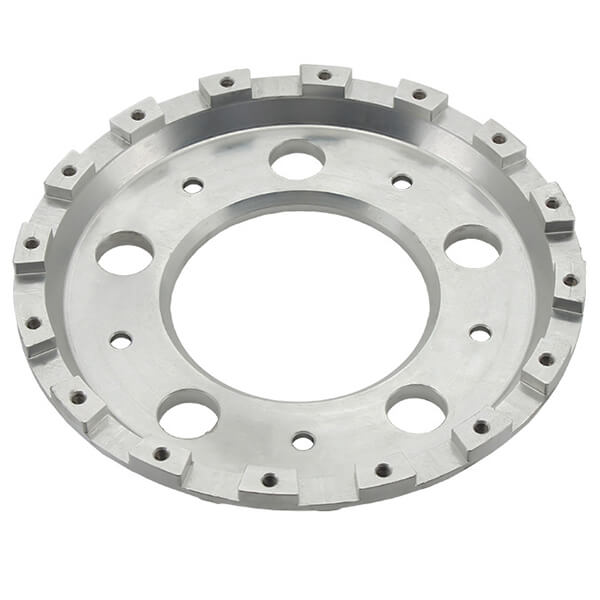
As Machined
Retain original CNC texture without extra treatment, an economical pick for general industrial components.
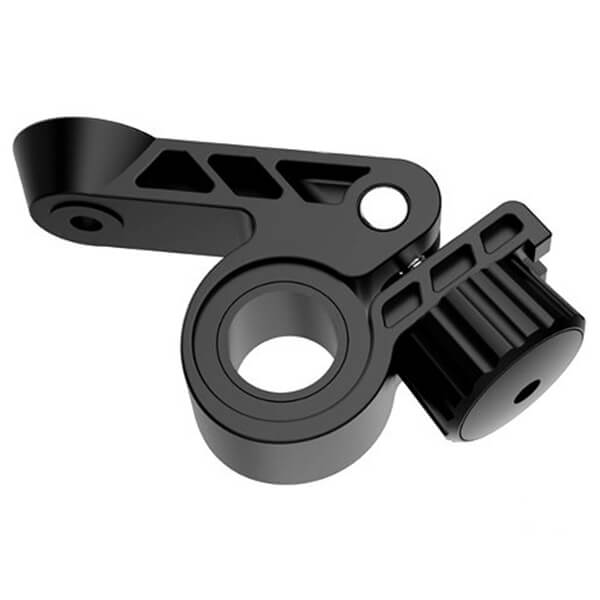
Anodizing
Build a dense protective oxide layer to strengthen corrosion resistance, with various color options for decoration.
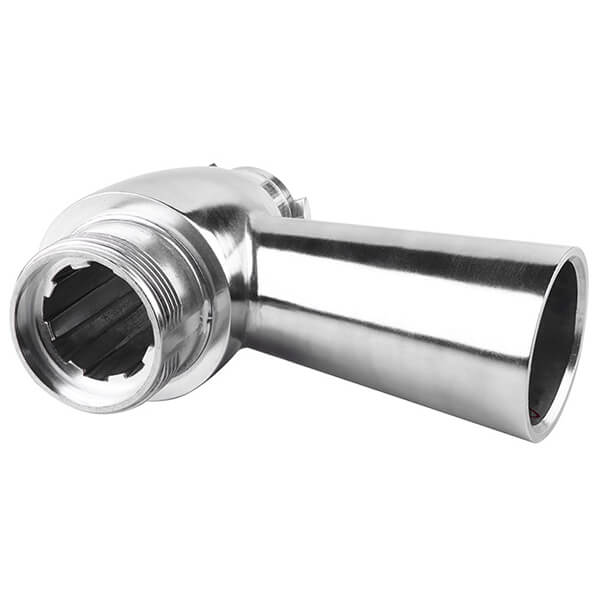
Polishing
Eliminate surface blemishes to create glossy luster, ideal for parts demanding premium visual performance.
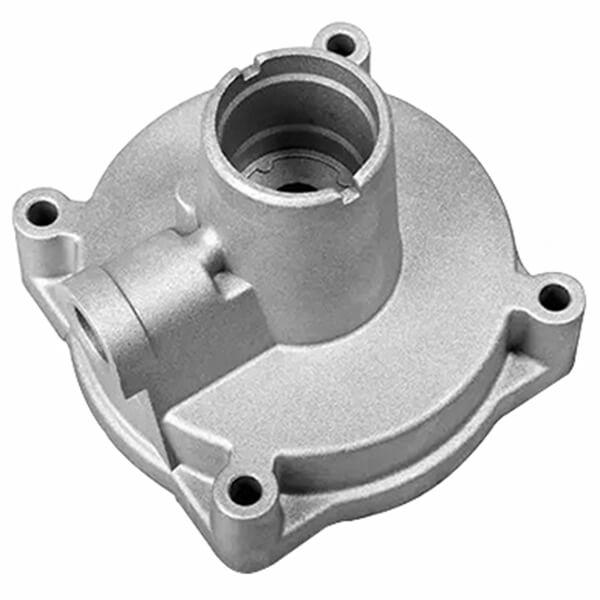
Sand Blasting
Form an even matte finish to erase tool marks, presenting a uniform and refined metallic texture.
What is CNC Aluminum Machining?
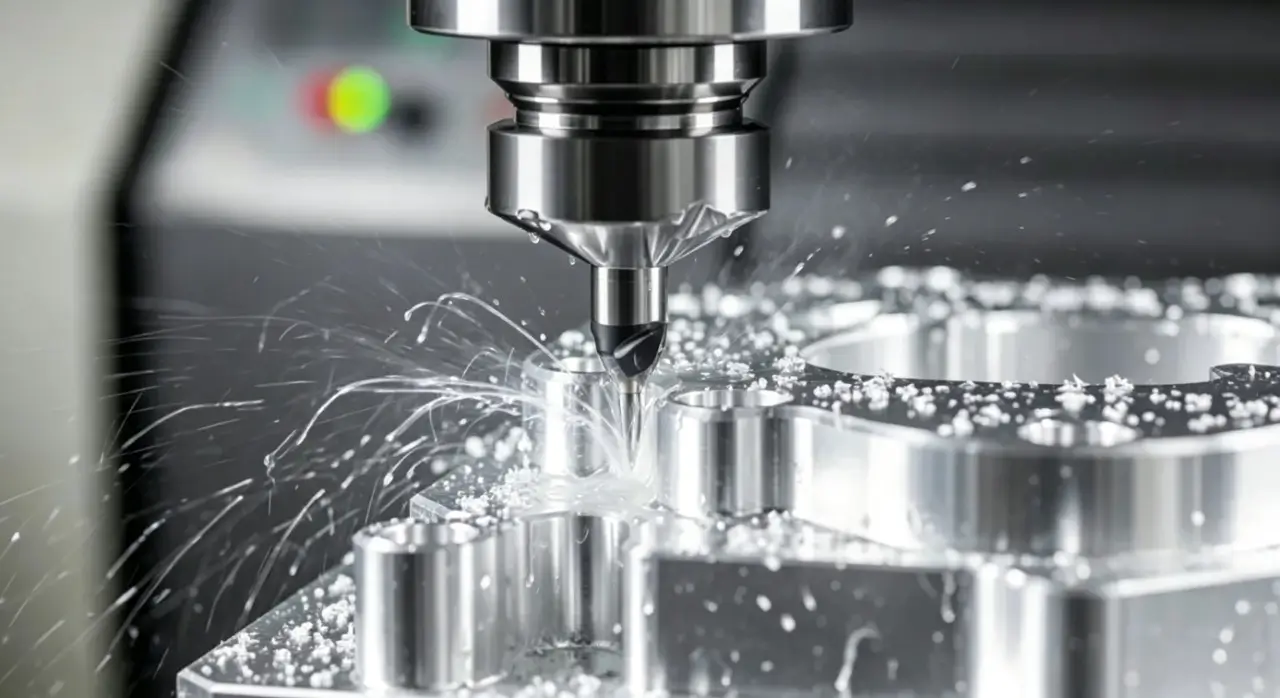
CNC aluminum machining is a subtractive manufacturing process that uses computer-controlled cutting tools to remove material from aluminum blocks, bars, and other stock. It produces custom parts with defined dimensions, complex features, and precise tolerances.
CAD models are converted into toolpaths through CAM programming, which guides the machine’s cutting movements. CNC milling uses rotating cutters to create pockets, holes, and contours, while CNC turning shapes rotating workpieces into shafts, sleeves, and other cylindrical components.
Advantages of CNC Aluminum Machining
1.Lightweight: Aluminum has a density of approximately 2.7 g/cm³, making it suitable for components where reducing weight matters.
2.Corrosion Resistance: A naturally forming oxide layer protects the surface. Anodizing and other coatings provide additional corrosion protection.
3.Thermal and Electrical Conductivity: Aluminum transfers heat and conducts electricity effectively, supporting heat sinks, electronic housings, and electrical components.
4.Good Machinability: Many aluminum alloys machine efficiently, allowing pockets, holes, threads, and complex profiles to be produced with controlled dimensions.
5.Strength-to-Weight Ratio: Aluminum alloys provide useful strength at a low weight, making them practical for brackets, frames, and structural components.
CNC Aluminum Parts Applications
1.Automotive Industry: Structural components, mounting brackets, sensor housings, and heat sinks for vehicle systems and assemblies.
2.Aerospace: Lightweight brackets, instrument housings, mounting plates, and structural components for aircraft and aviation equipment.
3.Consumer Products: Precision housings, frames, control knobs, and heat dissipation components for electronics and appliances.
4.Industrial Automation: Precision fixtures, robot components, motor mounts, and support structures for automated equipment.
5.Medical Equipment: Lightweight housings, instrument mounts, support plates, and frames for diagnostic and medical equipment.
6.Communications Equipment: Antenna components, RF housings, filter cavities, and internal mounting structures for network and telecommunications systems.
Frequently Asked Questions
Pricing depends on the alloy, part size, geometry, tolerances, order quantity, and surface treatment. Deep pockets, thin walls, and multiple setups increase machining time. A quotation confirms the cost against your specific requirements.
Typical prototype lead time is 3–7 business days. Production quantities, complex features, and surface treatments require additional time. The delivery schedule is confirmed during quotation.