
Copper CNC Machining Service
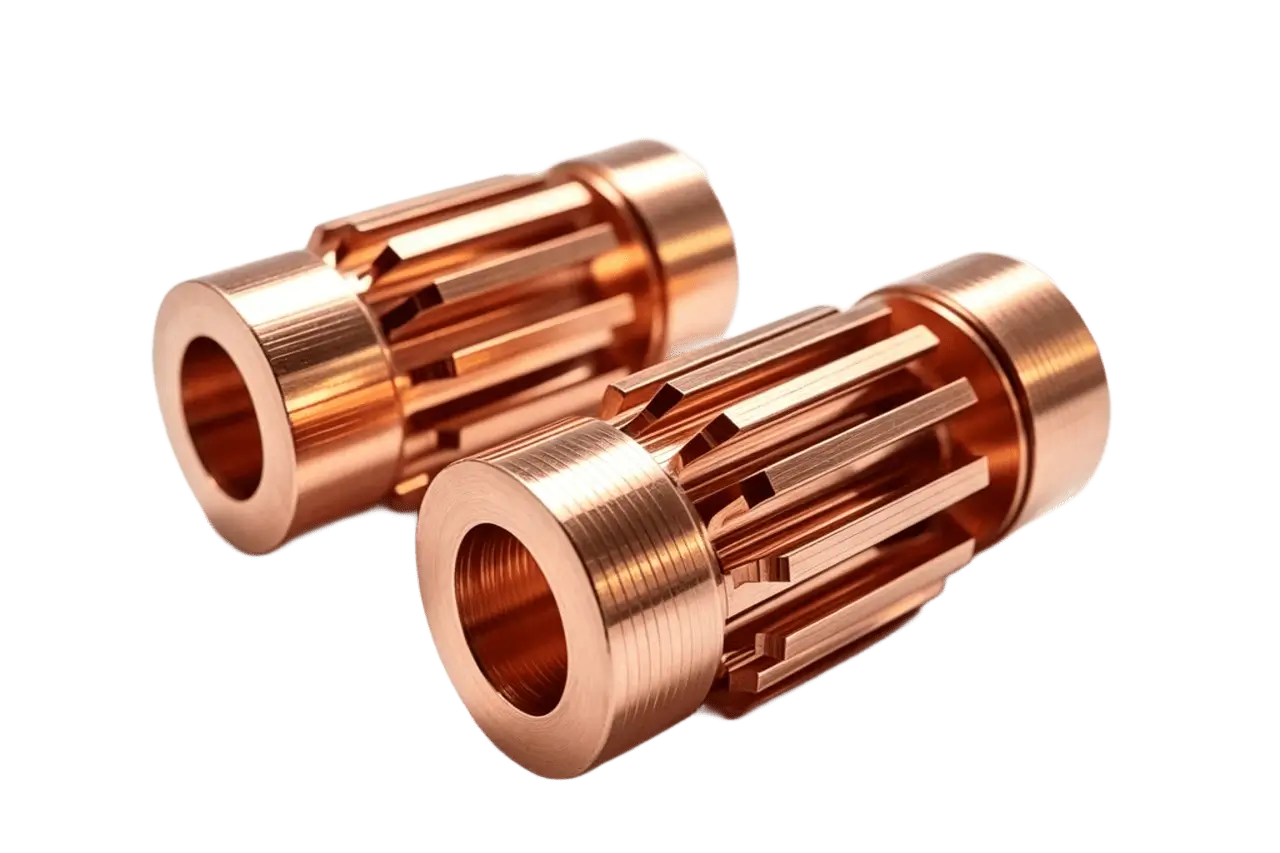
Precision copper components for electrical connections and heat transfer, from conductive terminals to cooling plates. CNC milling and turning create internal channels, mounting features, and mating surfaces to your specifications.
- Tolerances up to ±0.01 mm
- 3-axis, 4-axis, and 5-axis CNC machining
- Parts delivered in as fast as 3 days
Verify Certifications On Demand:
ISO 9001:2015 | IATF 16949:2016
STP | STEP | SLDPRT | IPT | PRT | SAT
All uploaded content is secure and confidential.
Custom Copper Parts Manufacturing
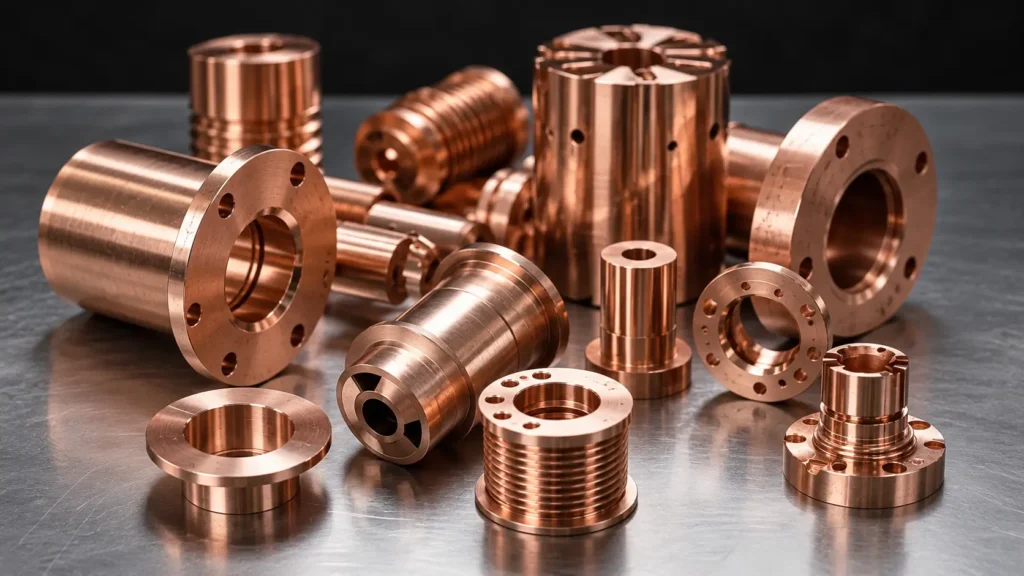
Custom copper terminals, contact blocks, electrodes, and cooling plates are manufactured from copper bar and plate. CNC milling and turning produce cooling channels, mounting holes, threads, and contact surfaces to specified dimensions.
Each job follows a defined machining sequence. Dedicated fixtures secure the workpiece, sharp tools cut ductile copper, and inspection verifies critical dimensions. Parts are deburred and cleaned to remove chips and machining residue before finishing or shipment.
Copper CNC Machining Capabilities
CNC milling, turning, and mill-turn machining produce copper components with channels, precision bores, threads, and mounting features. Machining sequences maintain the dimensional relationships between electrical contact areas, thermal interfaces, and assembly locations.
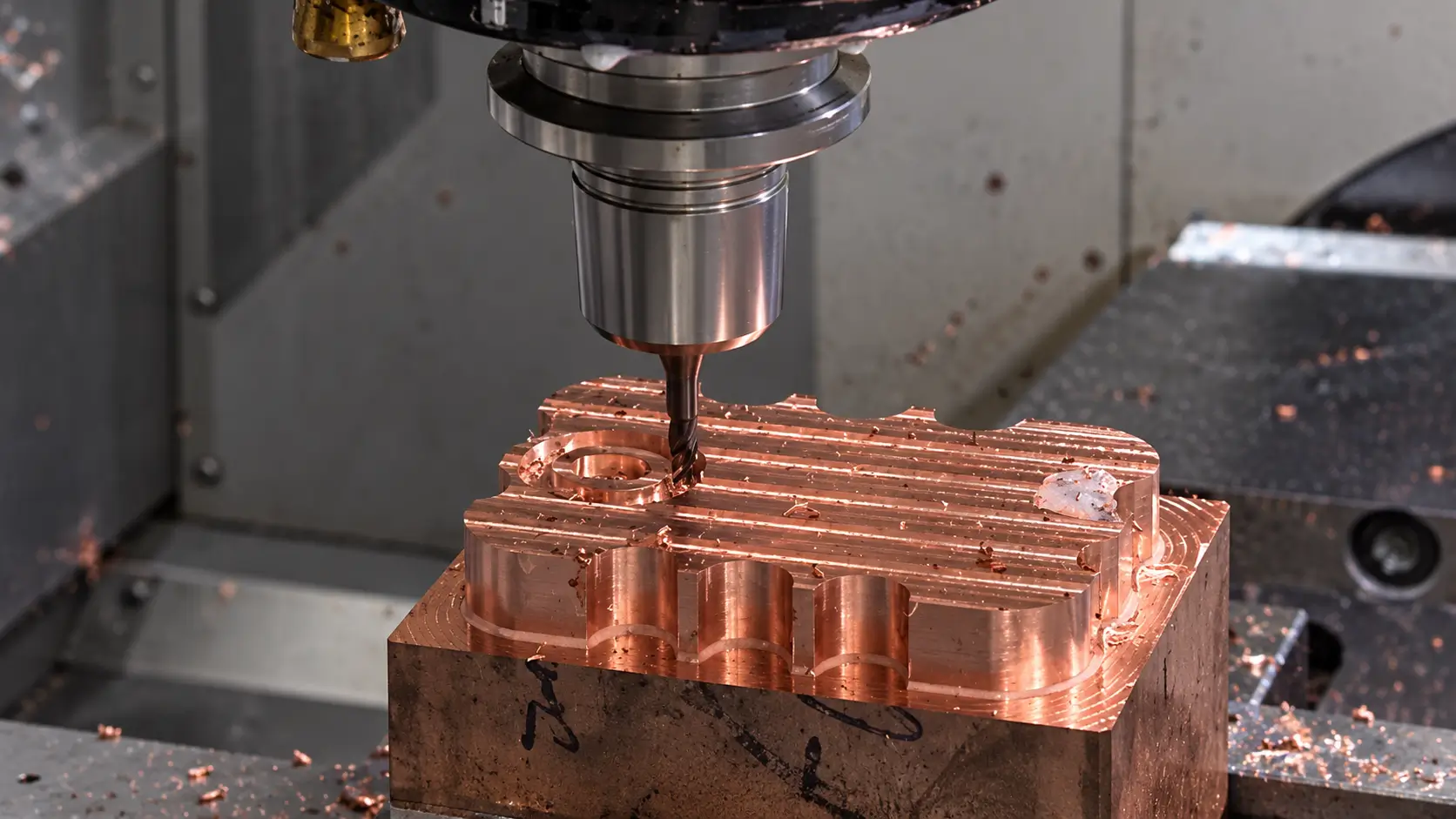
Copper CNC Milling
Machine cooling plates, electrode blocks, and terminals with channels, pockets, bolt patterns, and flat contact surfaces.
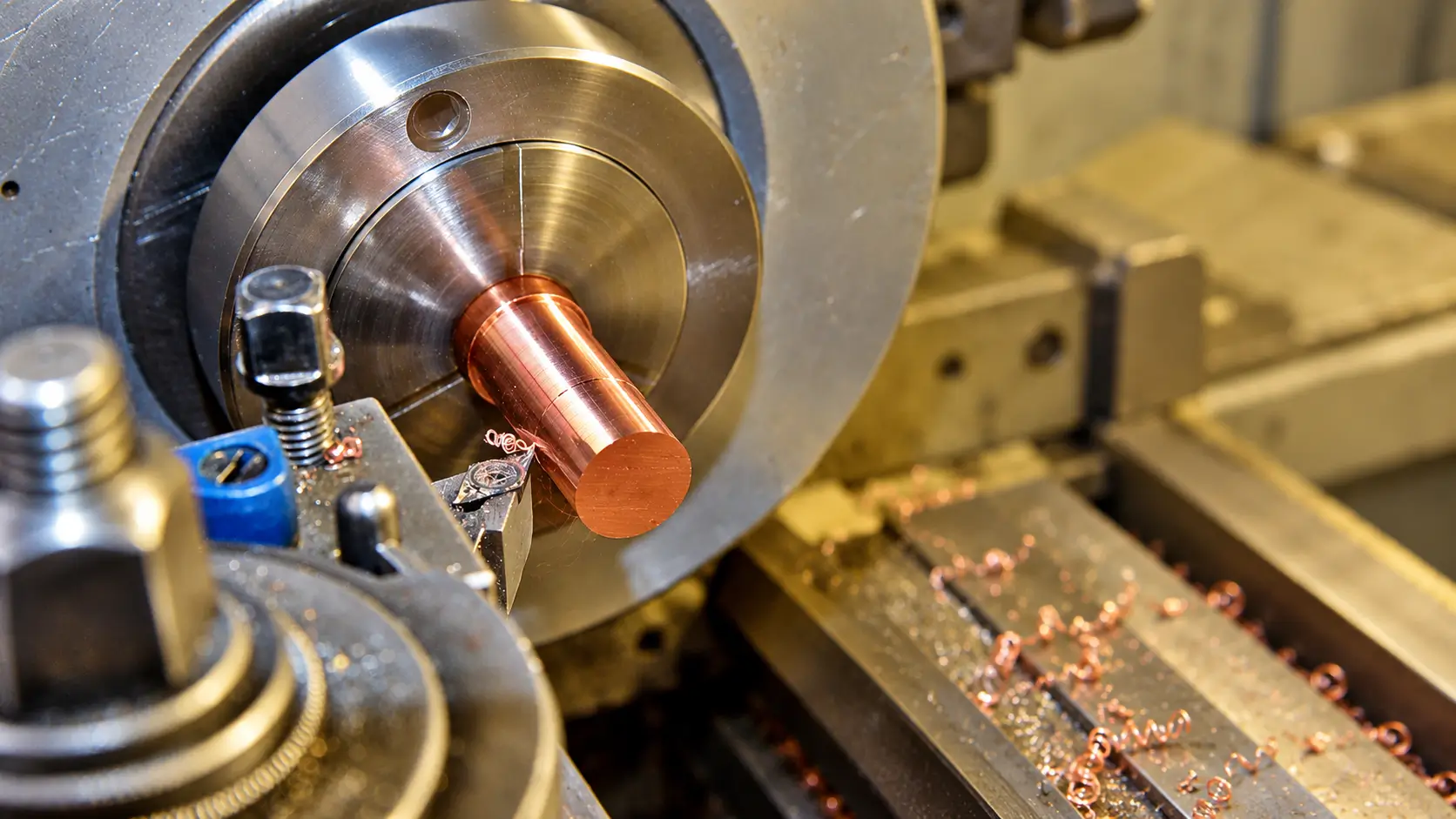
Copper CNC Turning
Produce contact pins, sleeves, electrodes, and fittings with stepped diameters, precision bores, grooves, and internal or external threads.
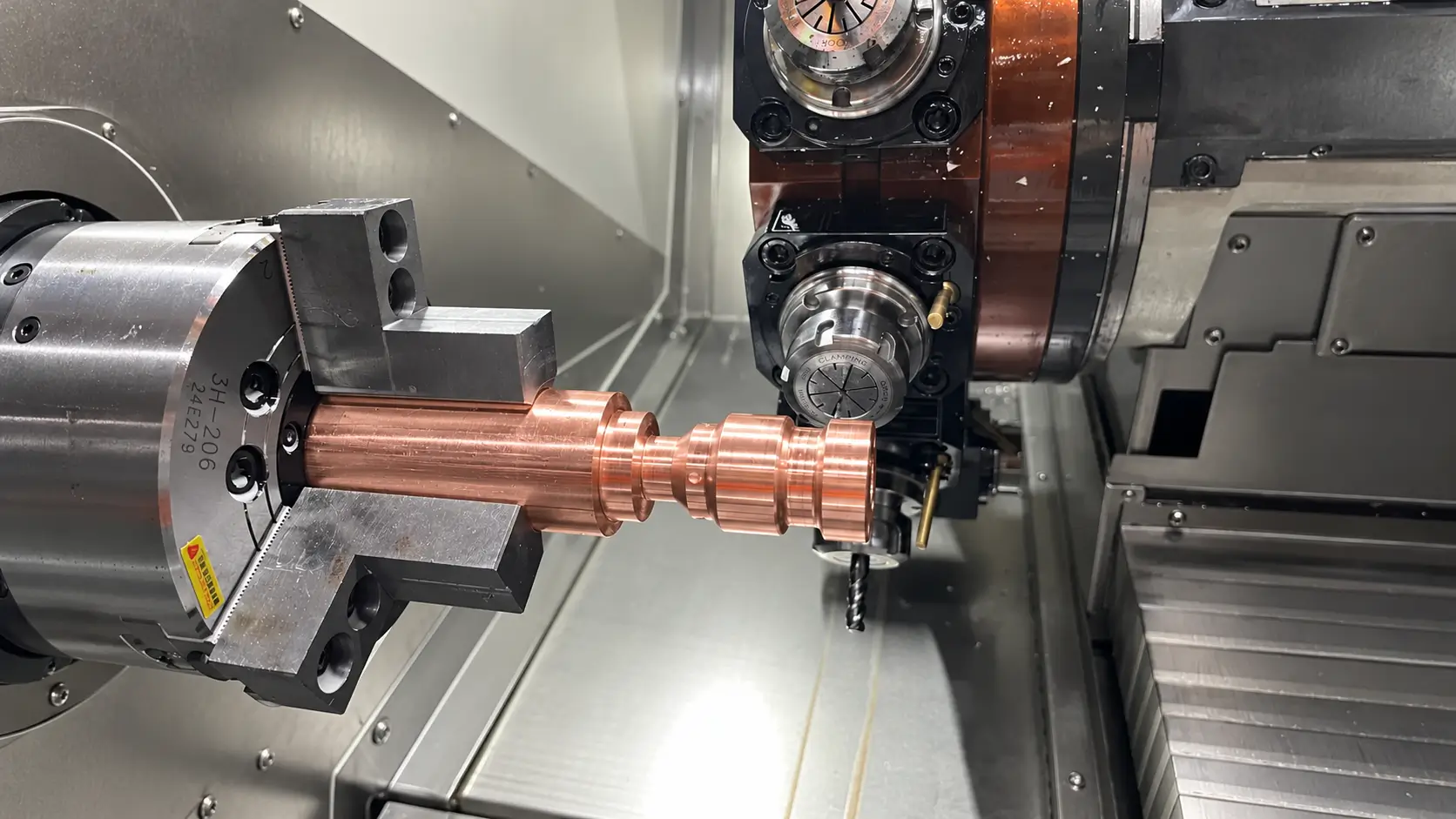
Copper CNC Mill-Turn Machining
Combine cylindrical features with wrench flats, radial holes, and milled slots, reducing re-clamping and maintaining alignment between features.
Copper CNC Machining Specifications
Copper machining specifications cover dimensional tolerances, surface roughness, and production lead times. Requirements are defined for each feature, including flat contact faces, precision bores, mounting holes, and threaded connections.
| Parameter | Specification |
|---|---|
| Maximum Milling Part Size | 1000 × 600 × 500 mm (Length × Width × Height) |
| Maximum Turned Part Size | Ø300 mm Diameter × 500 mm Length |
| Maximum Mill-Turn Part Size | Ø250 mm Diameter × 500 mm Length |
| Standard Milling Tolerance | ±0.05 mm |
| Standard Turning Tolerance | ±0.03 mm |
| Tight Tolerance | ±0.02 mm on specified features |
| Machined Surface Roughness | Ra 1.6 μm |
| Prototype Lead Time | 3–7 Business Days |
Copper Grades for CNC Machining
C10100, C11000, and C14500 cover different requirements for conductivity, purity, and machinability. Grade selection starts with the component’s electrical or thermal function, then accounts for machining complexity and any subsequent joining operations.
Copper C10100
Oxygen-Free Electronic Copper
High-purity copper for electrical contacts, vacuum components, and thermal parts requiring high electrical and thermal conductivity.
Learn MoreCopper C11000
Electrolytic Tough-Pitch Copper
Conductive copper for busbars, terminals, contact blocks, and cooling plates requiring high electrical and thermal conductivity.
Learn MoreCopper C14500
Tellurium Copper
Tellurium copper for connector pins, threaded contacts, and detailed turned parts. Improved machinability supports complex features while retaining high conductivity.
Learn MoreGet Your Copper Parts Quoted
Send your drawings, copper grade, and quantity for pricing and lead times on custom contacts, electrodes, and cooling components.
Copper Part Manufacturing Control
Copper machining controls address material buildup on tools, deformation of thin features, and the accuracy of electrical and thermal contact faces. Cleaning, handling, and packaging protect finished surfaces from residue, oxidation, and contact damage.
Built-Up Edge Control
Ductile copper can adhere to the cutting edge, causing surface smearing, burrs, and dimensional variation. A worn or loaded edge can damage contact faces even when the programmed toolpath remains unchanged.
Select sharp cutting edges, suitable rake geometry, and polished tool surfaces for the copper grade. Maintain lubrication at the cutting zone and inspect tools for adhered material before finishing critical features.
Thin-Wall Machining
Thin walls, cooling fins, and narrow ribs deflect under cutting forces. Clamping pressure can also distort the part, leaving features outside tolerance after release.
Retain supporting stock during roughing and machine thin features near the end of the sequence. Position supports close to the cutting area, control clamping pressure, and verify critical dimensions after unclamping.
Contact Face Accuracy
Electrical and thermal contact faces require specified flatness and roughness. Tool marks, raised burrs, and distortion can prevent the surfaces from seating correctly during assembly.
Finish contact faces from defined datums with a consistent finishing allowance. Inspect flatness and roughness against drawing requirements, and deburr surrounding edges without rounding or reducing the specified contact area.
Contact Surface Protection
Freshly machined copper is susceptible to discoloration, fingerprints, and handling damage. Cleaning residue or an unsuitable protective coating can also affect subsequent plating or electrical contact.
Clean and dry parts before packing, handle finished surfaces with clean gloves, and separate components to prevent scratches. Apply only specified protective treatments and keep designated contact areas free of unapproved coatings.
Surface Finishing for CNC Machined Copper Parts
Surface finishing for machined copper includes polishing, anti-tarnish treatments, and tin, nickel, silver, or gold plating. Each finish is specified for corrosion protection, appearance, solderability, or electrical contact requirements, with coating thickness and masking defined for critical surfaces.
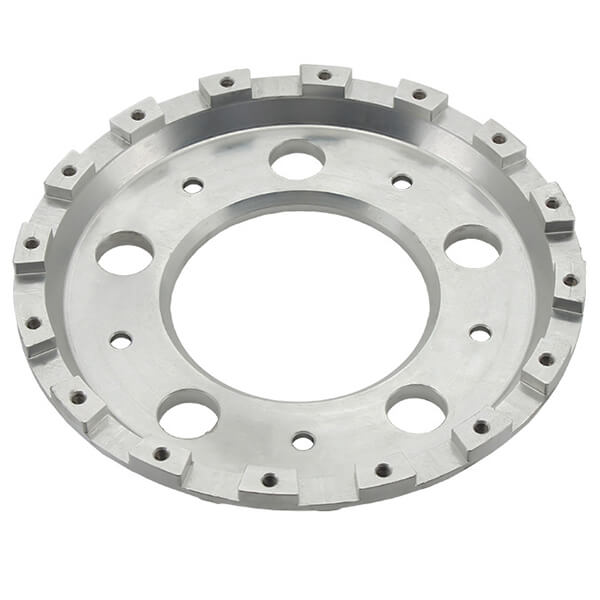
As Machined
Unprocessed copper straight from CNC machining, retaining original tool marks and surface roughness.
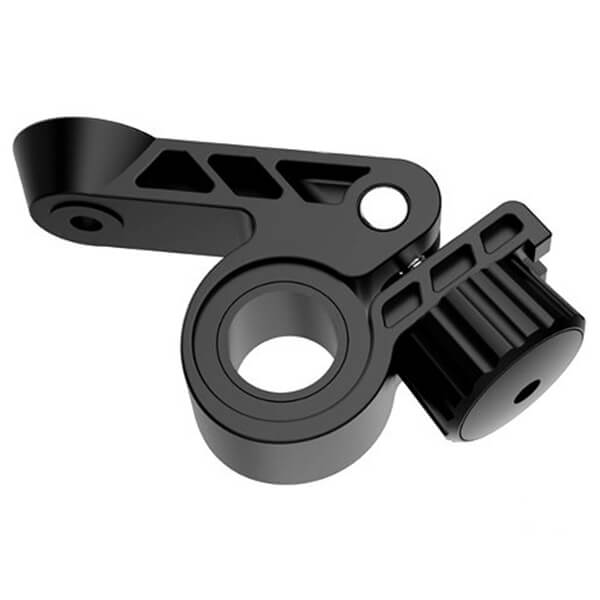
Nickel Plating
Even nickel coating blocks copper oxidation, boosting surface hardness and durable wear resistance.
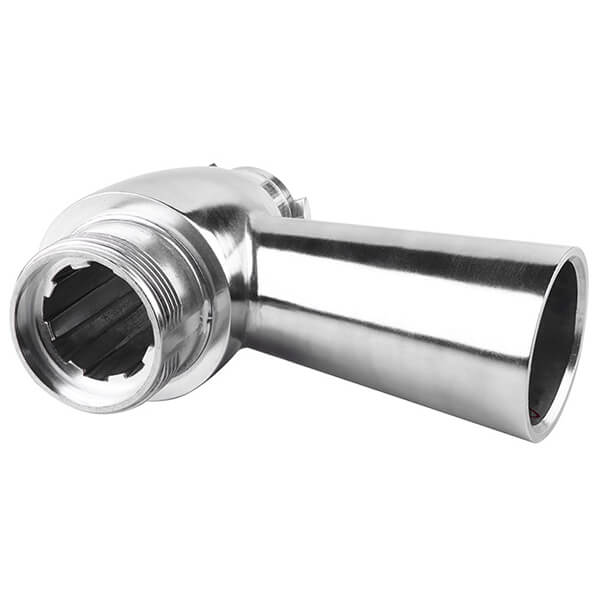
Polishing
Layered fine polishing removes all flaws to deliver a sleek, bright smooth high-gloss copper surface.
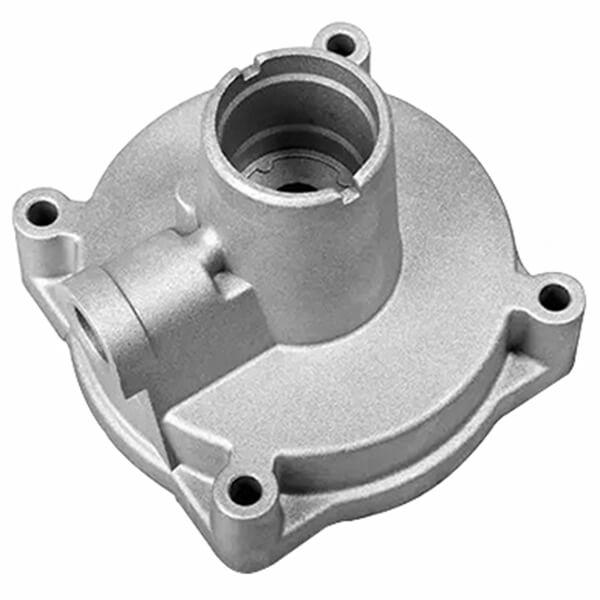
Sand Blasting
Controlled fine abrasives strip marks and oxidation to create a clean uniform matte copper texture.
What is Copper CNC Machining?
Copper CNC machining is a precision manufacturing process that uses automated milling, turning, and drilling operations to produce custom copper components from pure copper stock. Known for exceptional electrical conductivity and thermal transfer performance, machined copper parts are widely adopted in electronics, RF communication, thermal management, and industrial precision equipment.
Due to copper’s soft, ductile material properties, it is prone to burrs, tool adhesion and dimensional deformation during processing. Advanced machining strategies and optimized cutting parameters are applied to maintain tight tolerances, clean surface quality and stable batch consistency for custom copper CNC parts.
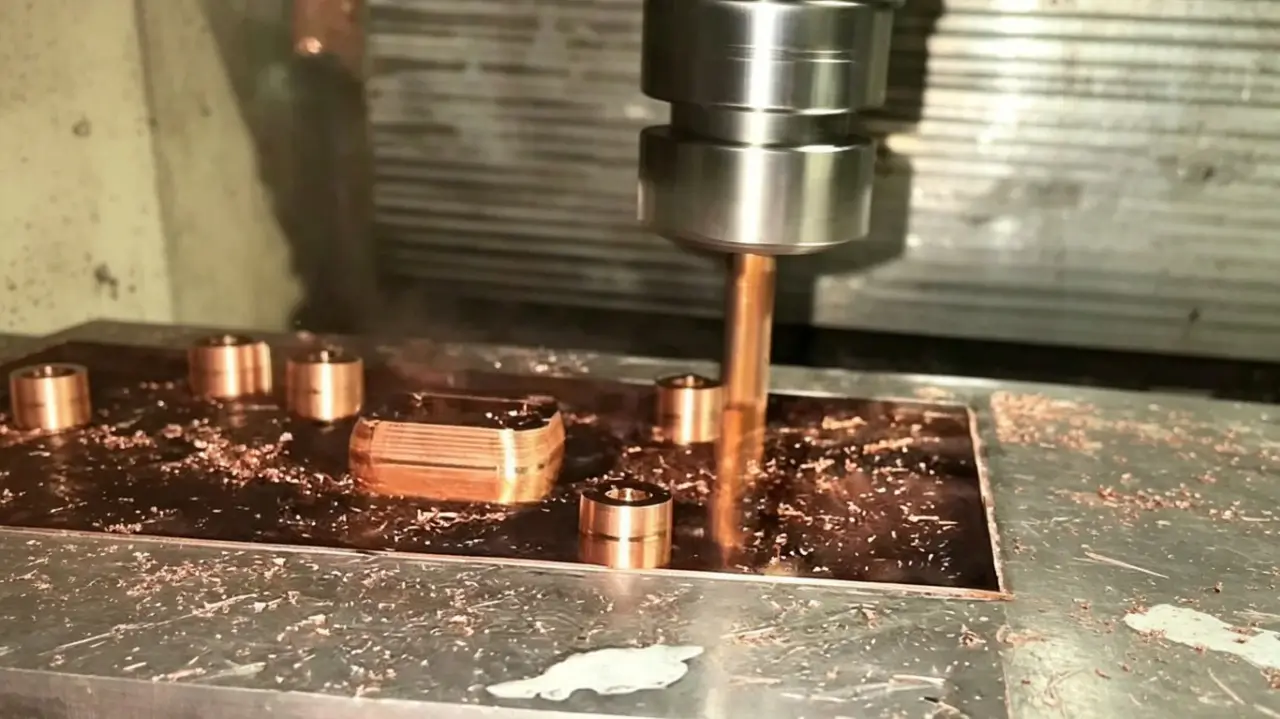
Advantages of Copper CNC Machining
1.High Electrical Conductivity: Supports current transfer in terminals, busbars, contacts, and other conductive components.
2.High Thermal Conductivity: Transfers heat effectively in cooling plates, heat spreaders, and thermal management components.
3.Corrosion Resistance: Performs well in many atmospheric and freshwater environments, with material selection matched to service conditions.
4.Formability: Supports components that combine bending or forming with machined holes, slots, and contact features.
5.Joining Options: Supports soldering and brazing for electrical and thermal assemblies, with the copper grade selected for the joining process.
Applications of Copper CNC Machined Parts
1.Electrical Components: Terminals, busbars, contact blocks, and conductive links for electrical connections and power distribution.
2.Thermal Management: Cooling plates, heat spreaders, and heat sink bases for electronics and industrial cooling systems.
3.RF & Communications: Waveguide components, RF cavities, and conductive connectors for communication and microwave equipment.
4.Industrial Equipment: EDM electrodes, welding electrode holders, and conductive components for manufacturing machinery.
5.Vacuum Equipment: Oxygen-free copper components for vacuum assemblies and scientific instruments with specified purity and cleanliness requirements.
6.Automotive Electronics: Battery connectors, charging contacts, power terminals, and cooling components for vehicle electrical systems.
Frequently Asked Questions
Yes. Copper channels and thin fins are machined with tool access, cutting depth, and feature support planned before production. Channel width, depth, internal radii, and fin spacing are reviewed together to establish a workable machining sequence.
Oxygen-free copper is specified for applications with particular purity, vacuum, or high-temperature joining requirements. It is not necessary for every conductive component. Confirm the material grade against the operating environment and any subsequent welding or brazing process.
Identify the contact areas and specify their flatness, roughness, dimensions, and plating requirements. Include restrictions on scratches, burrs, cleaning residue, and protective coatings. Material conductivity and assembled contact resistance are separate requirements and should be defined separately when applicable.
Yes. Specify the joining process before machining so that material selection, joint geometry, and surface preparation match the assembly requirements. Joining areas can be supplied without plating or protective coatings where required.
Parts are cleaned, dried, and individually separated to prevent rubbing and impact damage. Finished contact faces receive additional protection where required. Any anti-tarnish treatment is agreed before packing to ensure compatibility with plating, joining, or electrical assembly.