
Magnesium CNC Machining Services
Magnesium CNC machining services for custom parts made to your drawings, from one-off prototypes to repeat production. Send your CAD files for machining review and a quote covering the specified material, tolerances, and surface treatment.
- Tolerances up to ±0.01 mm
- 3-axis, 4-axis, and 5-axis CNC machining
- Parts delivered in as fast as 3 days
Verify Certifications On Demand:
ISO 9001:2015 | IATF 16949:2016
STP | STEP | SLDPRT | IPT | PRT | SAT
All uploaded content is secure and confidential.
Custom Magnesium Parts Manufacturing
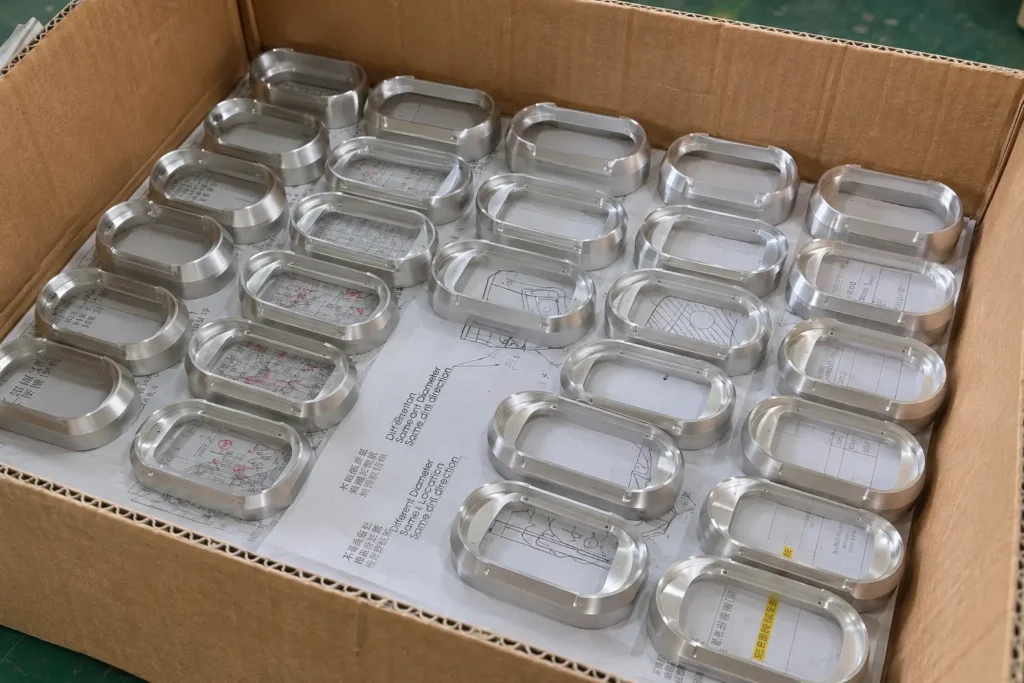
Magnesium enclosure machining includes internal pockets, thin ribs, screw bosses, and cover interfaces. Roughing removes the bulk material before thin walls and mounting faces receive their final cuts. Locating bores and sealing faces are finished from shared datums where practical to maintain assembly alignment.
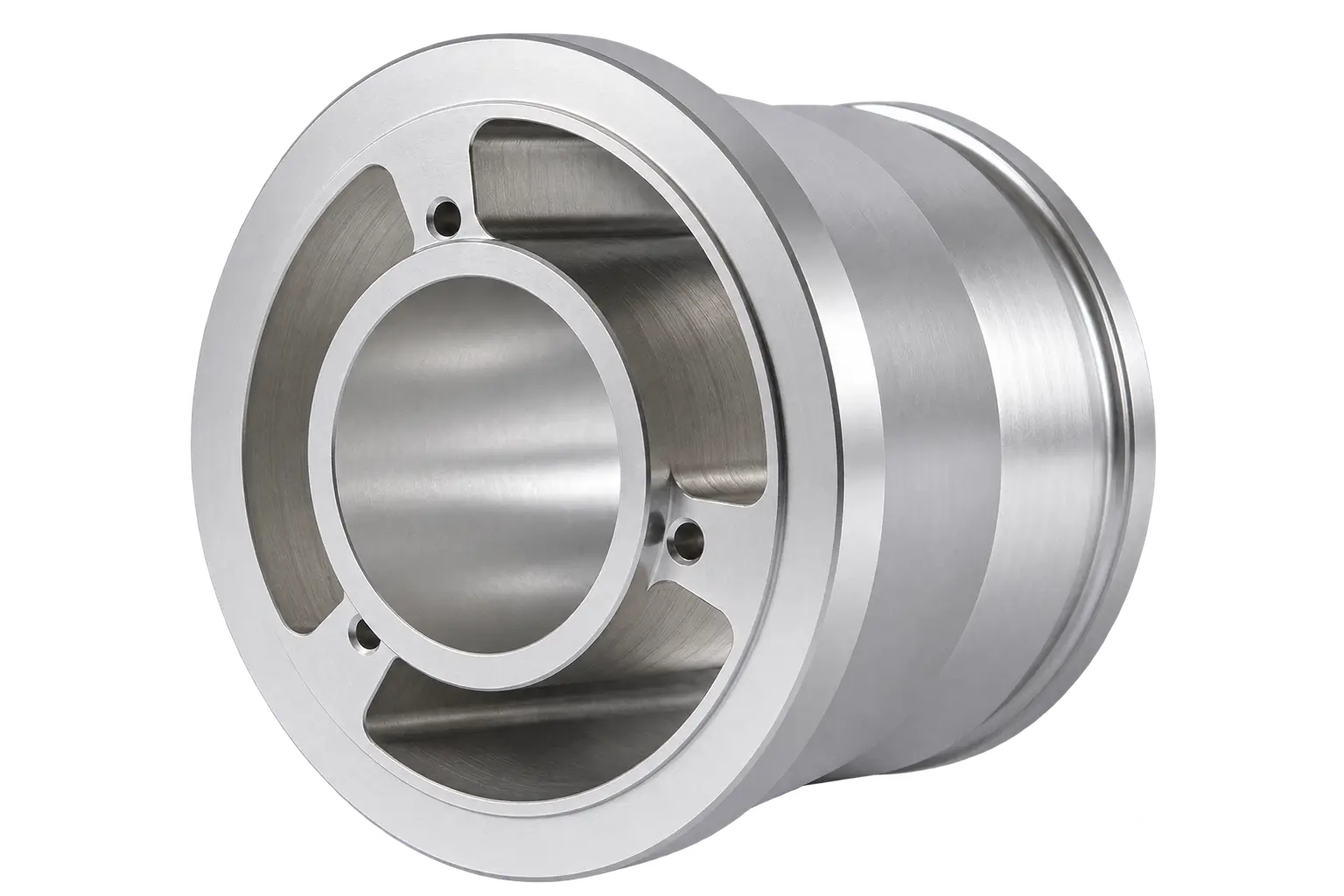
For rings and cylindrical housings, clamping supports the part without distorting the bore. Threads, cross holes, and pocket corners are deburred, while coating allowances and masked areas are defined for bearing seats, grounding contacts, and other specified mating surfaces.
Magnesium CNC Machining Capabilities
Milling, turning, and mill-turn machining cover magnesium components with pockets, precision bores, and features on multiple faces. Process selection follows the part geometry and drawing requirements, with fixtures supporting thin sections throughout machining.
Magnesium CNC Milling
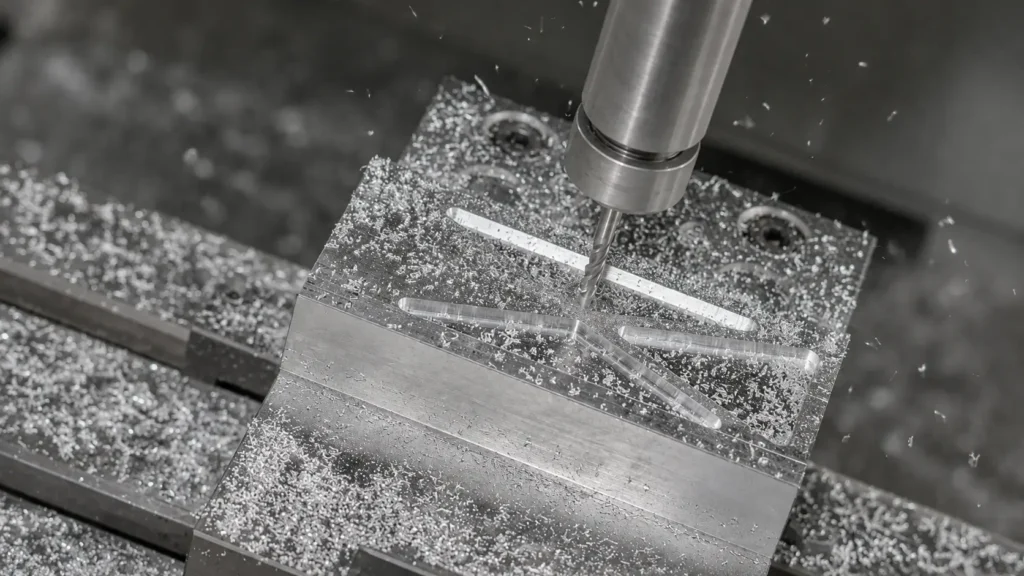
CNC milling produces enclosure cavities, thin ribs, mounting bosses, and cover recesses. Machining sequences retain support around slender walls until the surrounding features are complete.
Magnesium CNC Turning
CNC turning produces magnesium rings, sleeves, and cylindrical housings. Bores, locating diameters, and shoulders are finished together where practical to control runout and wall thickness.
Magnesium Mill-Turn Machining
Mill-turn machining combines cylindrical fits with side holes, flats, and milled slots. Completing these features in one setup reduces re-clamping and maintains their position relative to the turned axis.
Magnesium CNC Machining Specifications
Tolerances and inspection requirements are reviewed against the magnesium grade, part geometry, and surface treatment. Thin walls and precision fits are checked in the unclamped condition, with finished dimensions defined before production.
| Feature | Detail |
|---|---|
| Typical Milling Tolerance | ±0.05 mm |
| Typical Turning Tolerance | ±0.03 mm |
| Precision Features | Down to ±0.02 mm, subject to drawing review |
| Surface Roughness | Typically Ra 1.6 μm; specific surfaces follow drawing requirements |
| Thin Walls and Ribs | Minimum thickness reviewed according to wall height, support, and machining access |
| Bores and Bearing Seats | Diameter, roundness, and position inspected as specified |
| Threads | Machined threads or threaded inserts according to the drawing |
| Surface Treatment Allowance | Coating thickness and masking considered for fits, threads, and contact surfaces |
| Inspection Documents | Dimensional reports, first article inspection, and material certificates available on request |
Magnesium Alloys for CNC Machining
Magnesium alloy selection follows the drawing, required mechanical properties, and available stock form. Wrought grades suit machining from plate or bar, while cast grades can receive secondary machining on bores, threads, and mounting faces.
AZ31B Magnesium
Wrought alloy for machined covers, frames, and brackets. Stock thickness and supply condition are reviewed before machining pockets, ribs, and mounting features.
Learn MoreAZ61A Magnesium
Wrought alloy for brackets, supports, and housings machined from bar or extruded profiles. Stock form and specified mechanical properties are confirmed before production.
Learn MoreAZ80A Magnesium
Higher-strength wrought alloy for loaded brackets, hubs, and structural components. Stock condition and heat treatment are confirmed before machining critical fits and thin sections.
Learn MoreAZ91D Magnesium
Die casting alloy for secondary machining of bearing bores, sealing faces, threads, and locating features requiring tighter dimensional control.
Learn MoreInstant & Accurate Quotes
Need high-strength alloy steel CNC components? Get a free 24hr quote with professional DFM feedback by sending your drawings.
Magnesium CNC Machining Process Control
Magnesium machining requires attention to thin-section movement, chip evacuation, and surface protection. Process planning coordinates cutting, workholding, and finishing around the component’s critical features.
Thin-Wall Distortion
Deep pockets and narrow ribs can move as material is removed, affecting wall thickness and cover alignment.
Roughing leaves support around thin sections. Finishing uses supported clamping positions, followed by dimensional checks after release.
Chip Evacuation in Pockets
Chips trapped in cavities can be recut, marking pocket floors and affecting cutter engagement.
Toolpaths provide clearance for chip removal, with pocket depth and tool reach considered when selecting cutting passes.
Thread and Insert Features
Screw bosses require sufficient material around tapped holes or insert seats to support assembly loads.
Hole depth, thread engagement, and insert dimensions follow the drawing. Thread gauges and insert installation checks verify the finished features.
Protection of Finished Interfaces
Protective treatments can change fit dimensions or cover surfaces intended for electrical contact.
Coating allowances and masking boundaries are defined before finishing. Critical fits and contact areas are checked after treatment.
Surface Finishes for CNC Machined Magnesium
Magnesium surface finishing is selected around corrosion exposure, appearance, and assembly requirements. Coating thickness and masking are specified for threads, bearing seats, and electrical contact areas.
As Machined
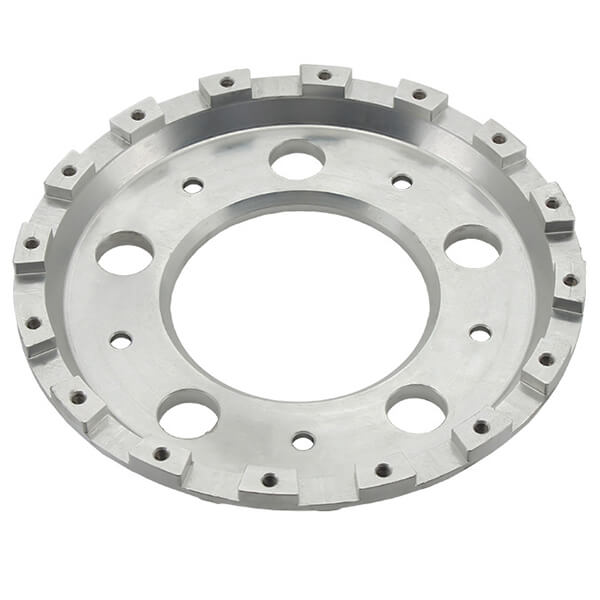
Retains fine tool marks and drawing-specified surface roughness. Suitable for parts awaiting protective treatment or applications where bare magnesium is specified.
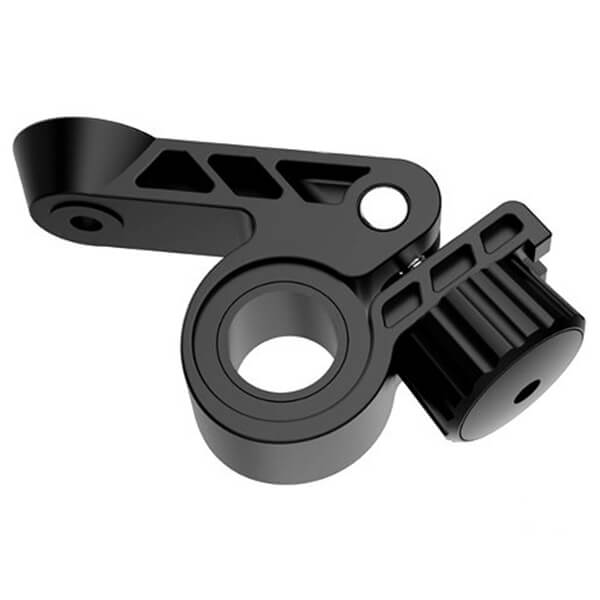
Black Oxide
Forms a thin black protective film to prevent mild rust, retains part dimensional accuracy without altering size.
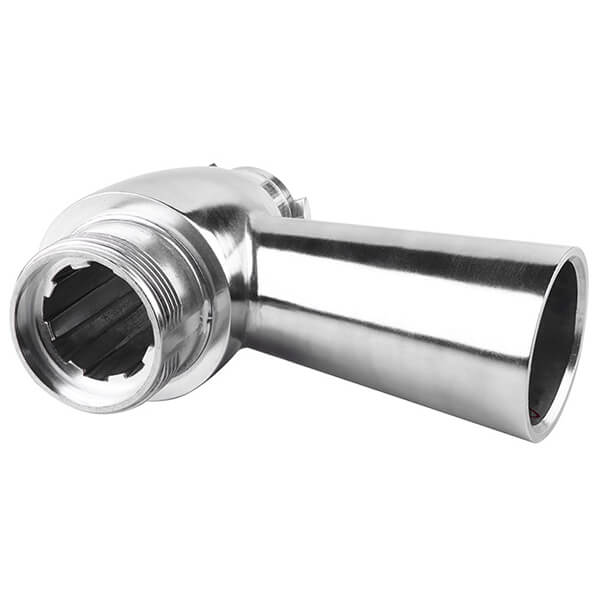
Polishing
Delivers smooth, low Ra surface finish for alloy steel parts requiring high precision and clean appearance.
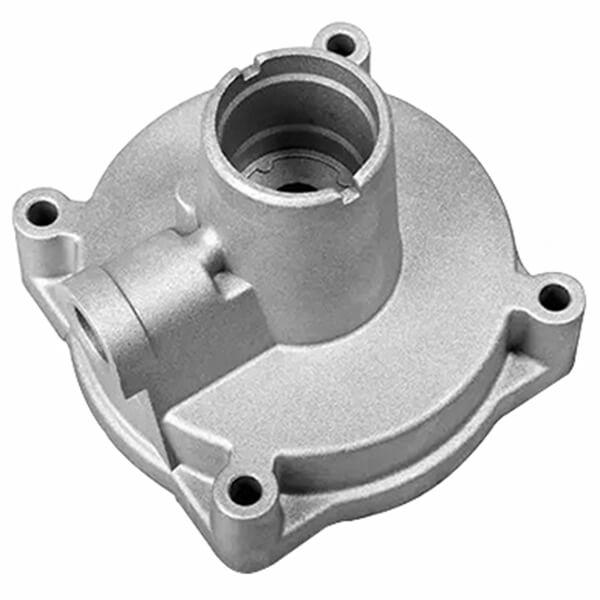
Sand Blasting
Uniform matte textured surface, improves adhesion for subsequent coating or plating treatments.
Unsure which surface finish fits your parts? Our engineers offer free DFM guidance. View all surface treatments.
What Is Magnesium CNC Machining?
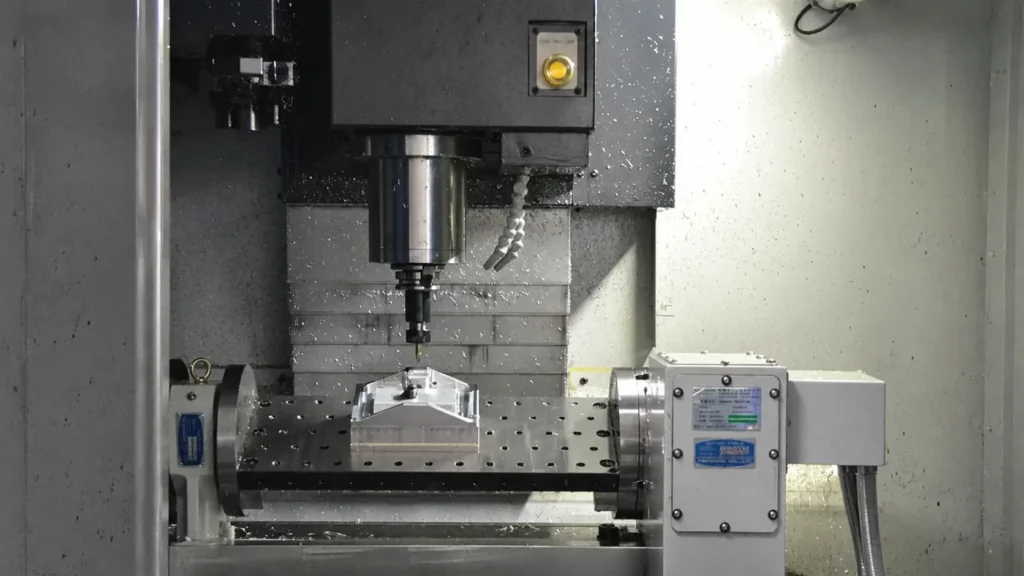
Magnesium CNC machining removes material from magnesium alloy stock or castings using computer-controlled milling cutters and turning tools. It produces features such as enclosure pockets, thin ribs, precision bores, threads, and mating faces directly from CAD models and engineering drawings.
Parts can be machined entirely from plate or bar without dedicated casting tooling. For magnesium castings, CNC machining finishes selected surfaces and holes to achieve the dimensions, fits, and surface roughness required for assembly.
Advantages of Magnesium CNC Machining
1.Lightweight: Magnesium alloys reduce component weight in portable equipment, moving assemblies, and structural applications.
2.High Machinability: Relatively low cutting forces support efficient material removal and help limit tool wear under suitable machining conditions.
3.Complex Geometries: Multi-axis CNC machining produces detailed pockets, thin ribs, and angled features to drawing specifications.
4.Vibration Damping: Magnesium alloys help damp mechanical vibration in housings, frames, and equipment supports.
5.Recyclability: Machining chips and offcuts can be recovered for recycling when properly collected and separated.
Applications of Magnesium CNC Machining
1.Consumer Electronics: Thin-wall enclosures, display frames, and internal supports for laptops, cameras, and handheld devices.
2.Automotive: Prototype housings, mounting brackets, and machined interfaces on magnesium castings.
3.Aerospace: Instrument housings, equipment brackets, and lightweight covers made to specified alloy and inspection requirements.
4.Optical Equipment: Lens housings, camera bodies, and positioning frames with precise bores and mounting faces.
5.Robotics: Gripper bodies, sensor mounts, and moving brackets where component weight affects motion and payload.
Frequently Asked Questions
Magnesium can allow efficient cutting, but this does not always mean a lower finished-part cost. Alloy availability, stock size, workholding, chip handling, and protective finishing all affect the quote. Comparing the same drawing in both materials gives a more useful cost comparison.
Yes. CNC machining can produce prototypes without a casting mold. However, wrought stock and die-cast material can have different properties, so the prototype alloy and condition should match the purpose of the test.
A direct material substitution requires engineering review. Wall stiffness, screw engagement, corrosion exposure, and contact with other metals may require changes to the geometry, fasteners, or protective treatment.
Yes. Inserts can support repeated assembly or specified fastening loads. Insert type, installation dimensions, and protection against galvanic corrosion should be defined for the intended operating environment.
Bare magnesium can gradually lose its freshly machined appearance. If consistent color or corrosion resistance is required, specify a suitable protective finish and identify any surfaces that must remain uncoated.
Provide the CAD model, dimensioned drawing, alloy and condition, quantity, and finishing requirements. Identify critical fits, insert details, masked areas, and any inspection or material documentation needed.