
Mild Steel CNC Machining Services
Custom mild steel brackets, mounting plates, shafts, and machine components made to your drawings. CNC milling and turning control hole locations, mating dimensions, and threads, with zinc plating, black oxide, or powder coating specified for the operating environment.
- Tolerances up to ±0.01 mm
- 3-axis, 4-axis, and 5-axis CNC machining
- Parts delivered in as fast as 3 days
Verify Certifications On Demand:
ISO 9001:2015 | IATF 16949:2016
STP I SLDPRT I IPT I PRT I SAT FLES
All uploaded content is secure and confidential.
Custom Mild Steel Parts Manufacturing
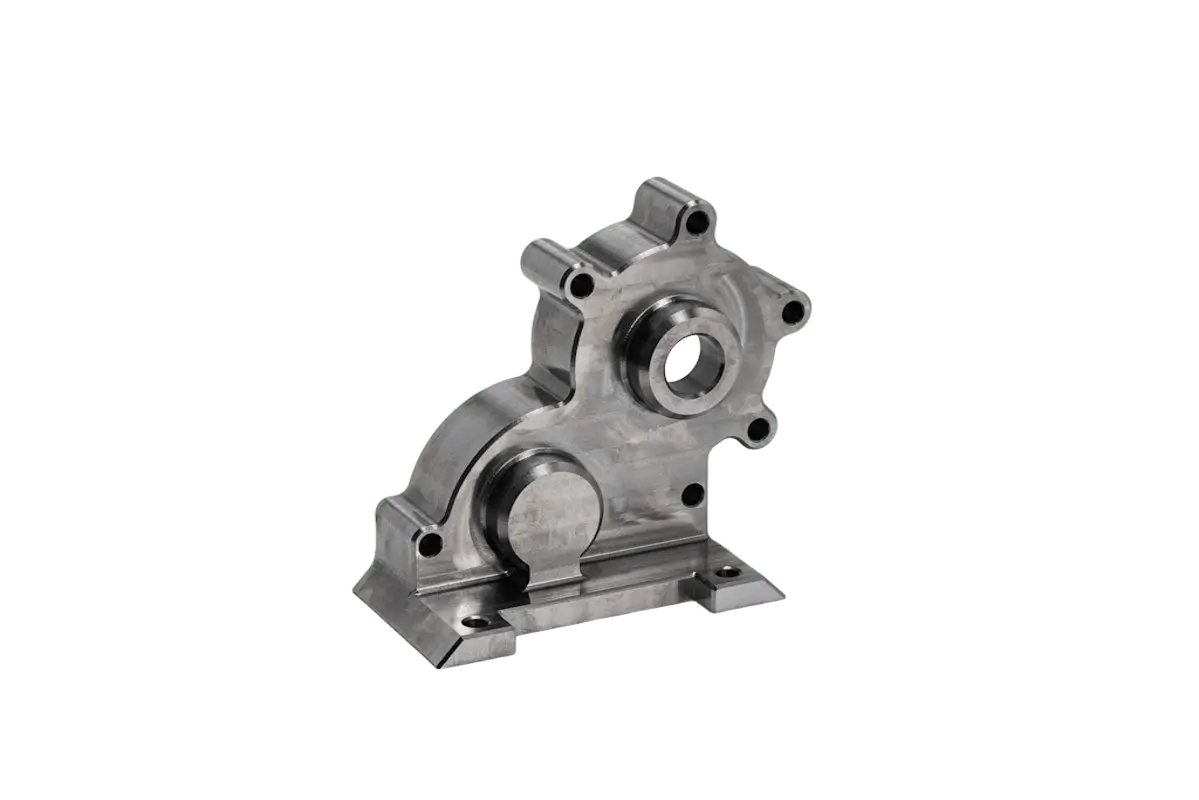
Mild steel parts require control of locating holes, mounting faces, and mating dimensions. Machining establishes reference faces before finishing bores, slots, and hole patterns, keeping related features aligned across multiple setups.
Rolled stock and welded blanks require different machining sequences. Uneven stock removal can release residual stress and distort plates or long components. Roughing and finishing are separated where needed, with flatness checked after unclamping. Plating allowances and masking requirements are defined before finishing to preserve threads and assembly fits.
Mild Steel CNC Machining Capabilities
CNC milling, turning, and mill-turn machining produce mild steel components with locating bores, mounting faces, threads, and drive features. Machining sequences establish common datums for related features, while workholding supports thin plates and hollow sections without forcing them out of shape.
Mild Steel CNC Milling
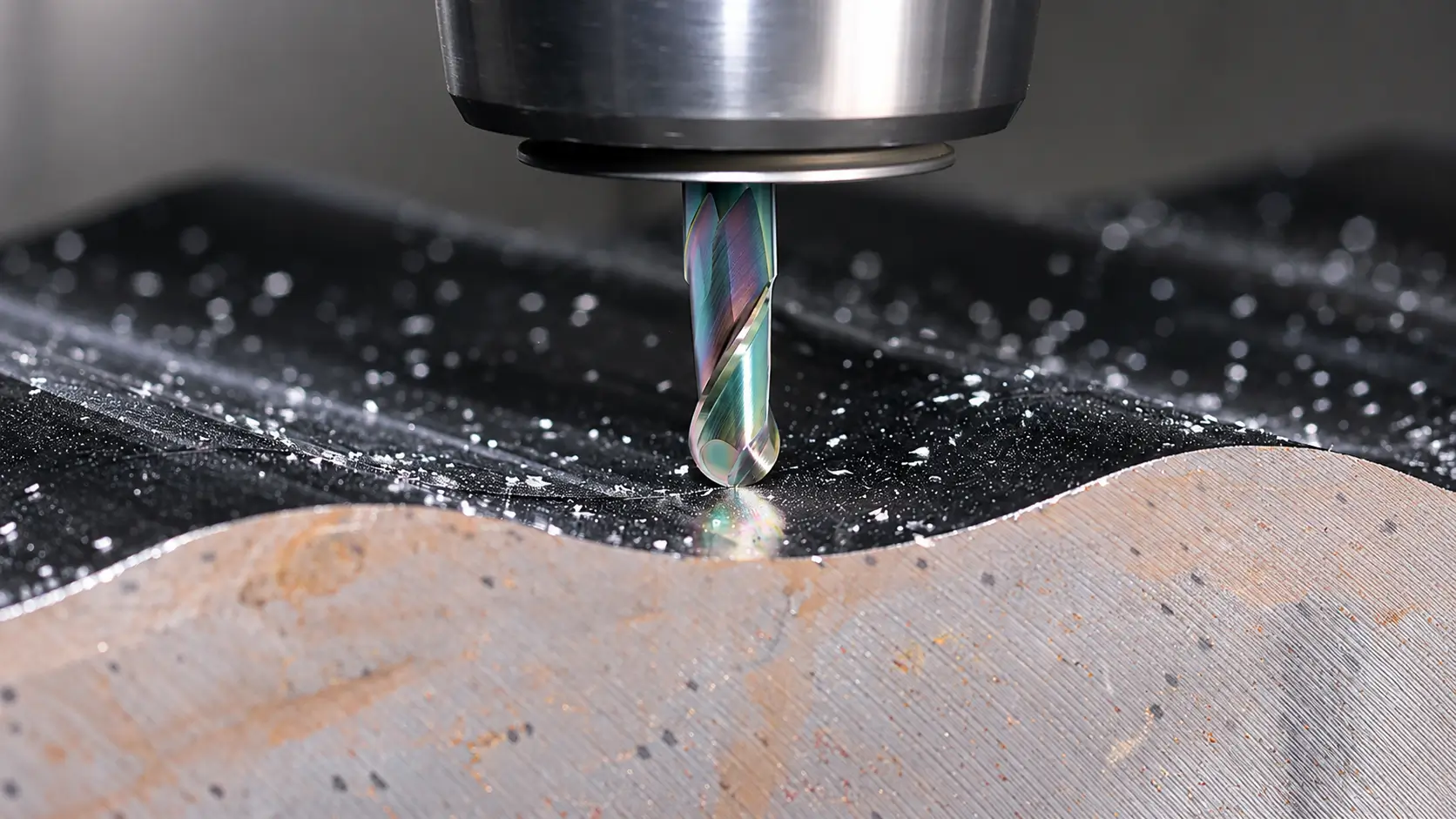
3-, 4-, and 5-axis milling produces mounting plates, fixture bodies, and machine brackets with pockets, slots, stepped faces, and hole patterns. Reference faces establish the location and orientation of bores and mounting features across multiple setups.
Mild Steel CNC Turning
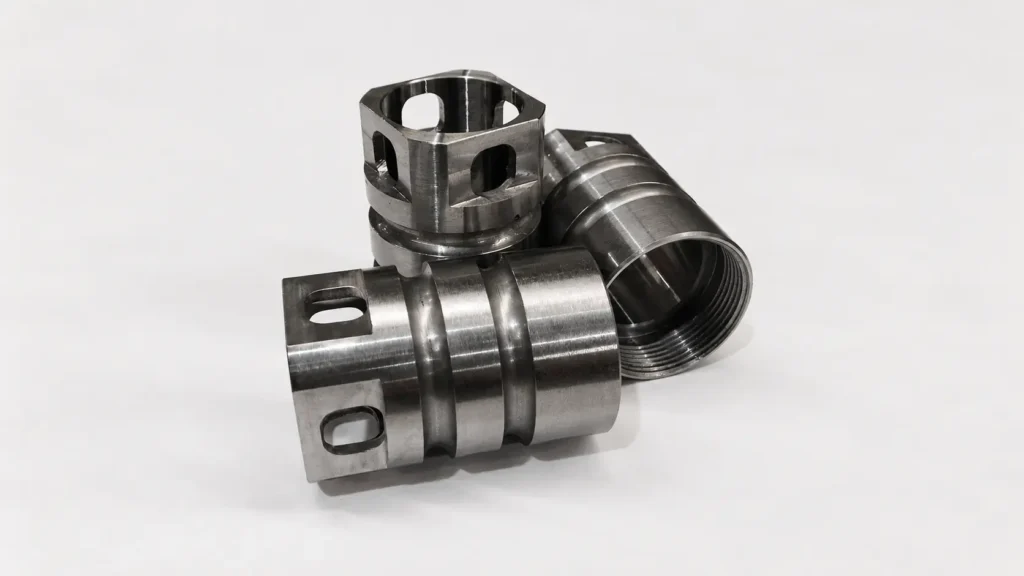
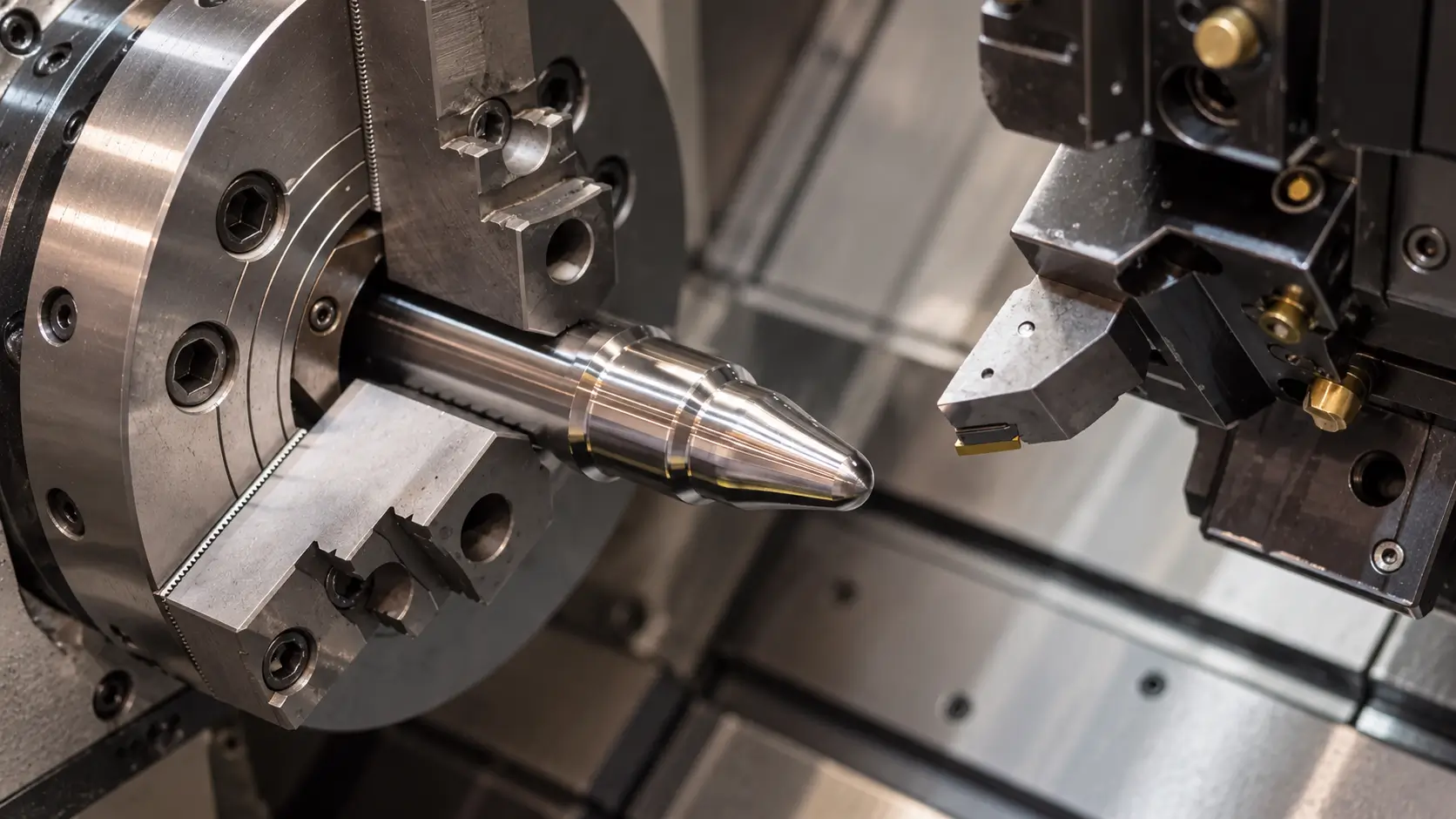
CNC turning produces shafts, sleeves, spacers, and flanges with stepped diameters, shoulders, grooves, and internal or external threads. Hollow components receive controlled clamping pressure to maintain bore roundness and wall thickness.
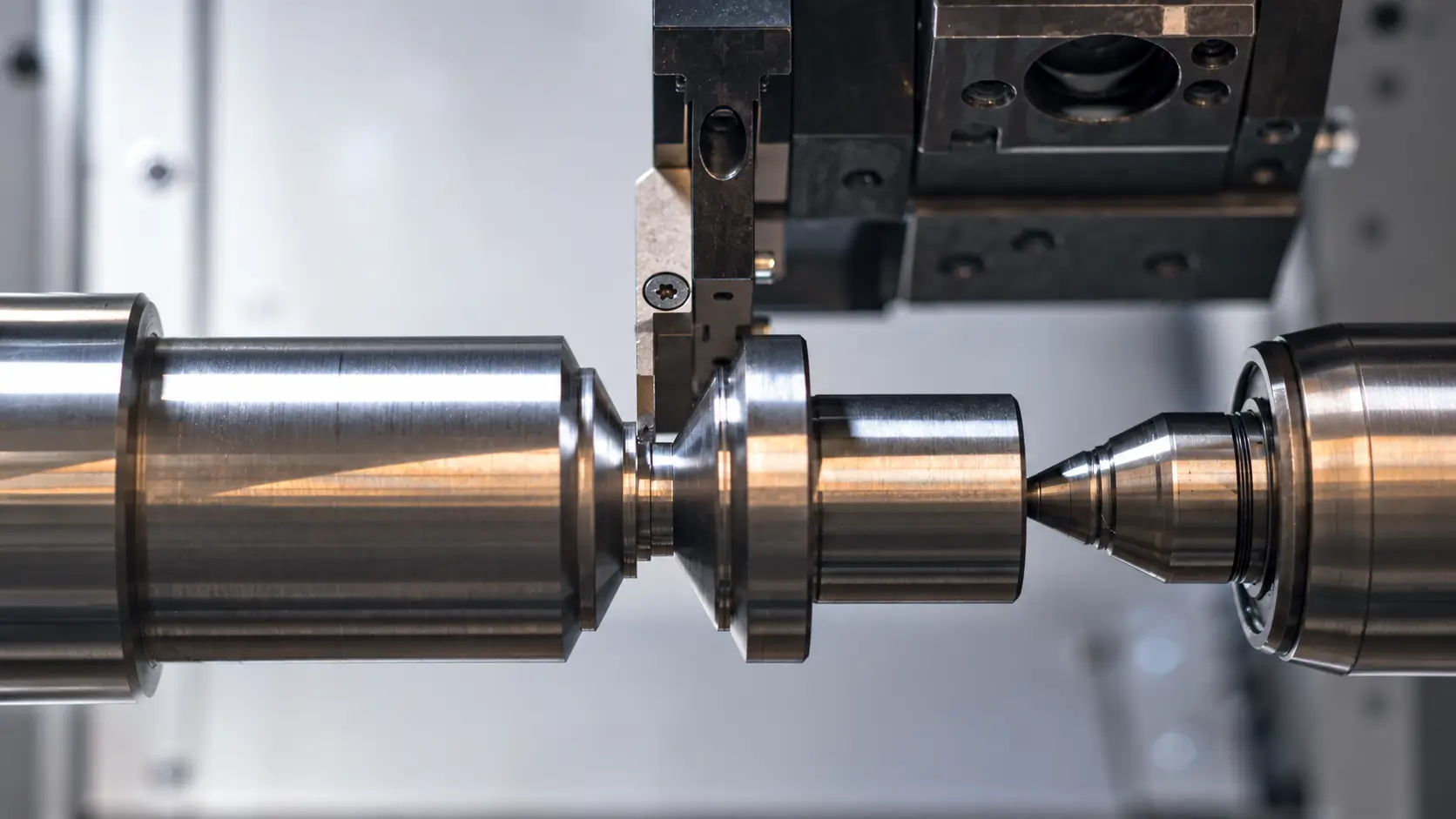
Mild Steel Mill-Turn Machining
Mill-turn machining combines turned diameters with wrench flats, keyways, slots, and radial holes in one setup. This controls the position of milled features relative to the rotational axis and reduces alignment errors from transferring parts between machines.
Mild Steel CNC Machining Specifications
Machining specifications define dimensional accuracy, surface roughness, and inspection requirements for mild steel parts. Tolerances apply to individual features as shown on the drawing, with plating thickness and masking accounted for on threads, locating bores, and mating surfaces.
| Parameter | Specification |
|---|---|
| Machining Processes | CNC Milling, CNC Turning, CNC Mill-Turn Machining |
| Typical Milling Tolerance | ±0.05 mm |
| Typical Turning Tolerance | ±0.03 mm |
| Precision Feature Tolerance | Down to ±0.02 mm, subject to drawing review |
| Typical Surface Roughness | Ra 1.6 μm |
| Material Condition | Hot-rolled, cold-drawn, or other specified supply condition |
| Surface Finishing | Zinc Plating, Black Oxide, Phosphating, Painting, Powder Coating |
| Inspection Documents | Dimensional inspection reports and material certificates available |
Mild Steel Grades for CNC Machining
Mild steel grade selection depends on the part’s strength requirements, stock form, and any welding or surface treatment specified. Bar stock is commonly used for shafts and sleeves, while plate and structural stock suit mounting components and welded assemblies requiring finish machining.
1018 Mild Steel
A common choice for shafts, pins, spacers, and bushings. Cold-drawn stock provides closer starting dimensions, while parts requiring substantial material removal need machining sequences that account for residual stress.
Learn More1020 Mild Steel
Used for sleeves, flanges, fittings, and general machine components. Its low carbon content supports welding and specified carburizing treatments for parts requiring a hardened surface.
Learn MoreA36 Steel
Structural steel commonly used for base plates, mounting blocks, and welded machine components. Machining establishes flat mounting faces, locating bores, and hole patterns after stock preparation or welding.
Learn MoreS235JR Steel
Used for brackets, support plates, and welded structures with machined interfaces. Material selection follows the specified product standard, thickness, and mechanical requirements.
Learn MoreSS400 Steel
A structural steel used for equipment bases, mounting plates, and general fabricated components. CNC machining finishes reference surfaces, slots, and assembly holes to drawing dimensions.
Learn MoreQ235B Steel
Commonly used for machine bases, supports, and mounting components. For welded assemblies, critical faces and locating features are finish-machined after welding and any specified stress-relief treatment.
Learn MoreInstant & Accurate Quotes
Submit your CAD files and get an instant, engineering-accurate quote. Plan your projects efficiently with reliable cost and production estimates for OEM or batch orders.
Mild Steel Machining Process Control
Mild steel machining requires control of built-up edge, residual stress, burr formation, and corrosion on freshly cut surfaces. Tool selection, stock removal, deburring, and part protection are planned around the specified grade and supply condition.
Built-Up Edge
Low-carbon steel can adhere to the cutting edge, causing torn surfaces and inconsistent dimensions, particularly during light finishing cuts.
Sharp cutting geometries, suitable cutting speeds, and directed coolant limit material adhesion. Finishing passes use defined stock allowances, with cutting edges checked when surface quality or dimensions begin to drift.
Stress-Related Distortion
Cold-drawn stock and welded blanks can move as machining releases residual stress. Plates may bow, while long components can lose straightness after unclamping.
Roughing distributes material removal across opposing surfaces where geometry permits. Critical faces and diameters retain finishing stock, with flatness or straightness checked after unclamping. Specified stress relief takes place before final machining.
Burrs at Intersections
Mild steel’s ductility can leave attached burrs at hole exits, thread entrances, and intersecting passages. These burrs interfere with assembly and can remain hidden inside the component.
Toolpaths and drilling sequences account for breakout locations. Accessible edges receive controlled chamfers, while internal intersections receive targeted deburring and inspection without rounding locating edges or damaging threads.
Corrosion Before Finishing
Freshly machined mild steel can rust when residual coolant, moisture, or handling marks remain on the surface.
Parts are cleaned and dried after machining, then protected with a compatible temporary rust preventive or transferred promptly to the specified finishing process. Packaging keeps surfaces dry and prevents contact damage during shipment.
Surface Finishing Options for Mild Steel
We provide a full lineup of customizable surface finishing services for mild steel CNC machined parts. Every finish optimizes visual appearance, surface texture, rust prevention and coating adhesion, catering to varied technical requirements from European and North American OEM, automation and general machinery manufacturers.
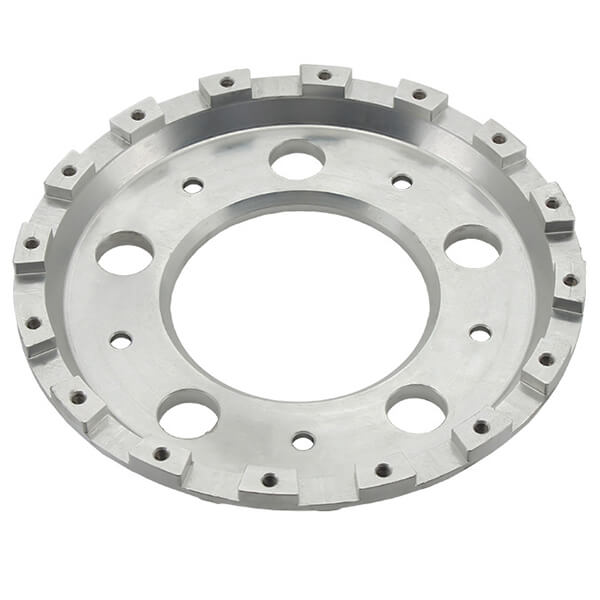
As Machined
Original untreated surface with machining tool marks, economical choice for invisible internal structural components.
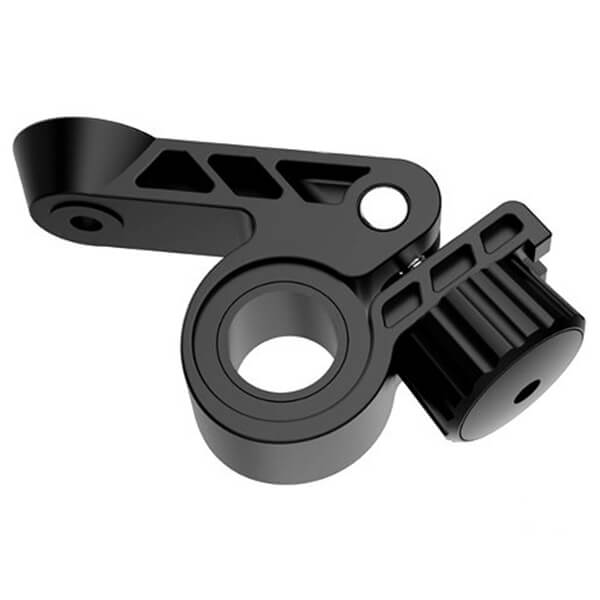
Black Oxide
Forms thin black rust-proof coating without altering part sizes, widely applied on precision functional steel parts.
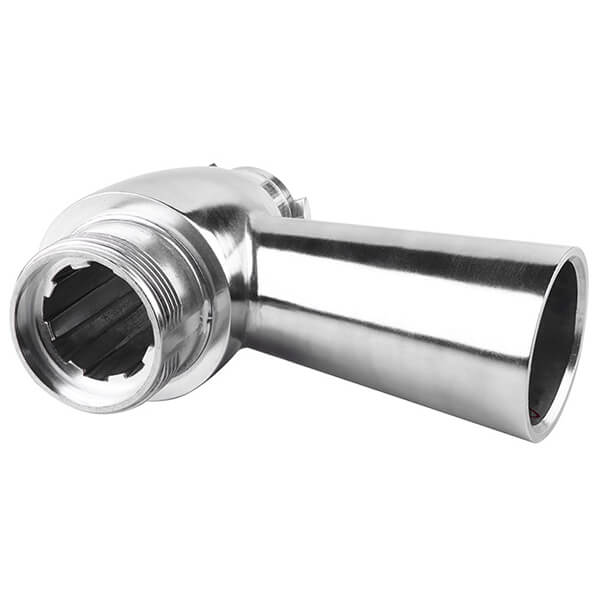
Polishing
Removes machining traces to achieve smooth glossy finish, great for exterior decorative mild steel workpieces.
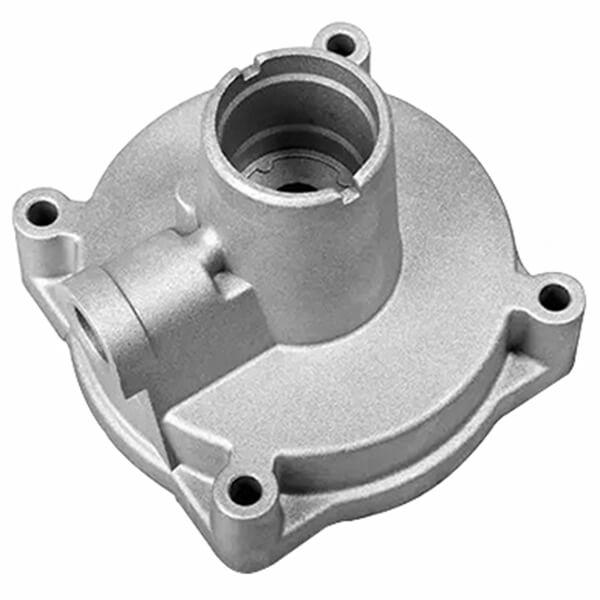
Sand Blasting
Creates consistent matte texture, clears surface imperfections and greatly improves adhesion for follow-up coatings.
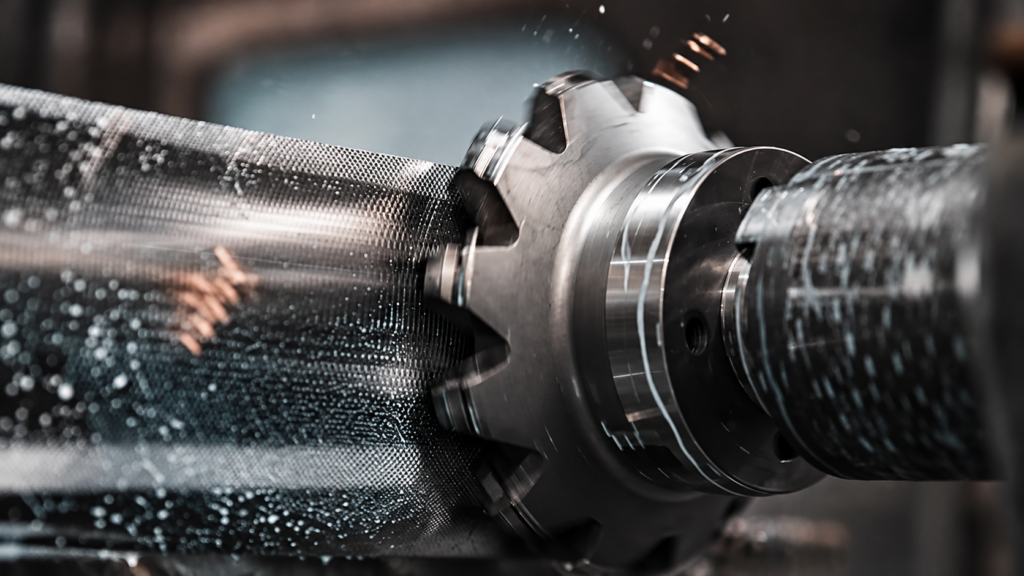
What Is Mild Steel CNC Machining?
Mild steel CNC machining uses computer-controlled milling and turning to remove material from low-carbon steel stock. It produces parts with drawing-specified bores, threads, slots, shoulders, and mounting faces, controlling their dimensions and positions from defined reference datums.
Stock condition affects the machining sequence. Hot-rolled material requires allowance for mill scale and stock variation, while cold-drawn material can distort as cutting releases residual stress. Roughing establishes the basic geometry before critical features are finished, deburred, and prepared for the specified corrosion-protection treatment.
Advantages of CNC Machined Mild Steel
1.Economical Material Choice: Widely available bar and plate stock provides a cost-effective option for brackets, spacers, mounting plates, and general machine components.
2.Good Weldability: Common low-carbon grades suit welded assemblies, with critical mounting faces and locating holes machined after welding.
3.Ductility and Toughness: Mild steel supports components that require deformation capacity rather than high hardness, including supports, clamps, and general structural parts.
4.Accurate Assembly Features: CNC machining produces controlled bore sizes, hole positions, threads, and mating faces for repeatable component assembly.
5.Multiple Protective Finishes: Zinc plating, painting, and powder coating provide corrosion protection selected for the operating environment, with precision interfaces masked or given coating allowances.
Applications of CNC Machined Mild Steel
1.Machine Bases and Mounting Plates: Base plates, support blocks, and motor mounts with machined reference faces, locating bores, and bolt patterns for equipment assembly.
2.Shafts and Spacers: Shafts, sleeves, collars, and spacers with controlled diameters, shoulder locations, and threads for general mechanical assemblies.
3.Jigs and Fixtures: Fixture plates, locating blocks, and clamping components with accurately positioned holes, slots, and mounting surfaces.
4.Automation Equipment: Sensor brackets, actuator mounts, and conveyor components with machined interfaces for alignment and adjustment.
5.Welded Assemblies: Frames, supports, and fabricated housings with mounting faces and locating features finish-machined after welding.
Frequently Asked Questions
Mild steel is a category of low-carbon steel. Carbon steel also includes medium- and high-carbon grades with different strength, hardness, and machining characteristics. Drawings should identify the required grade rather than specify “carbon steel” alone.
1018 bar stock is commonly selected for shafts, pins, sleeves, and other machined components. A36 is commonly used for structural plates, bases, and welded assemblies. Selection depends on stock form, mechanical requirements, and whether the part needs welding.
Hot-rolled stock generally requires more allowance for scale, surface variation, and dimensional variation. Cold-drawn stock offers closer starting dimensions and a cleaner surface, but residual stress can cause movement during substantial material removal. The appropriate choice depends on part geometry and machining allowance.
Yes. Welding before final machining allows locating bores and mounting faces to be finished after weld distortion occurs. The process plan should define welding requirements, machining allowances, and any required stress relief before critical features are finished.
Selected low-carbon grades can be carburized or carbonitrided to produce a hard surface with a softer core. Conventional through-hardening provides limited hardness because of the low carbon content. The drawing should specify the treatment, surface hardness, case depth, and areas requiring protection.
Yes. Zinc deposits increase external dimensions and reduce internal clearances. Plated threads and close-fitting bores require coating allowances or masking, with acceptance dimensions defined for the finished condition. Thread gauges should verify the specified fit after plating.