
Steel CNC Machining Services
Custom steel CNC milling, turning, and mill-turn machining for prototypes and production parts. Services cover material sourcing, machining, specified heat treatment, surface finishing, and dimensional inspection, delivering components made to your drawings and assembly requirements.
- Tolerances up to ±0.01 mm
- 3-axis, 4-axis, and 5-axis CNC machining
- Parts delivered in as fast as 3 days
Verify Certifications On Demand:
ISO 9001:2015 | IATF 16949:2016
STP | STEP | SLDPRT | IPT | PRT | SAT
All uploaded content is secure and confidential.
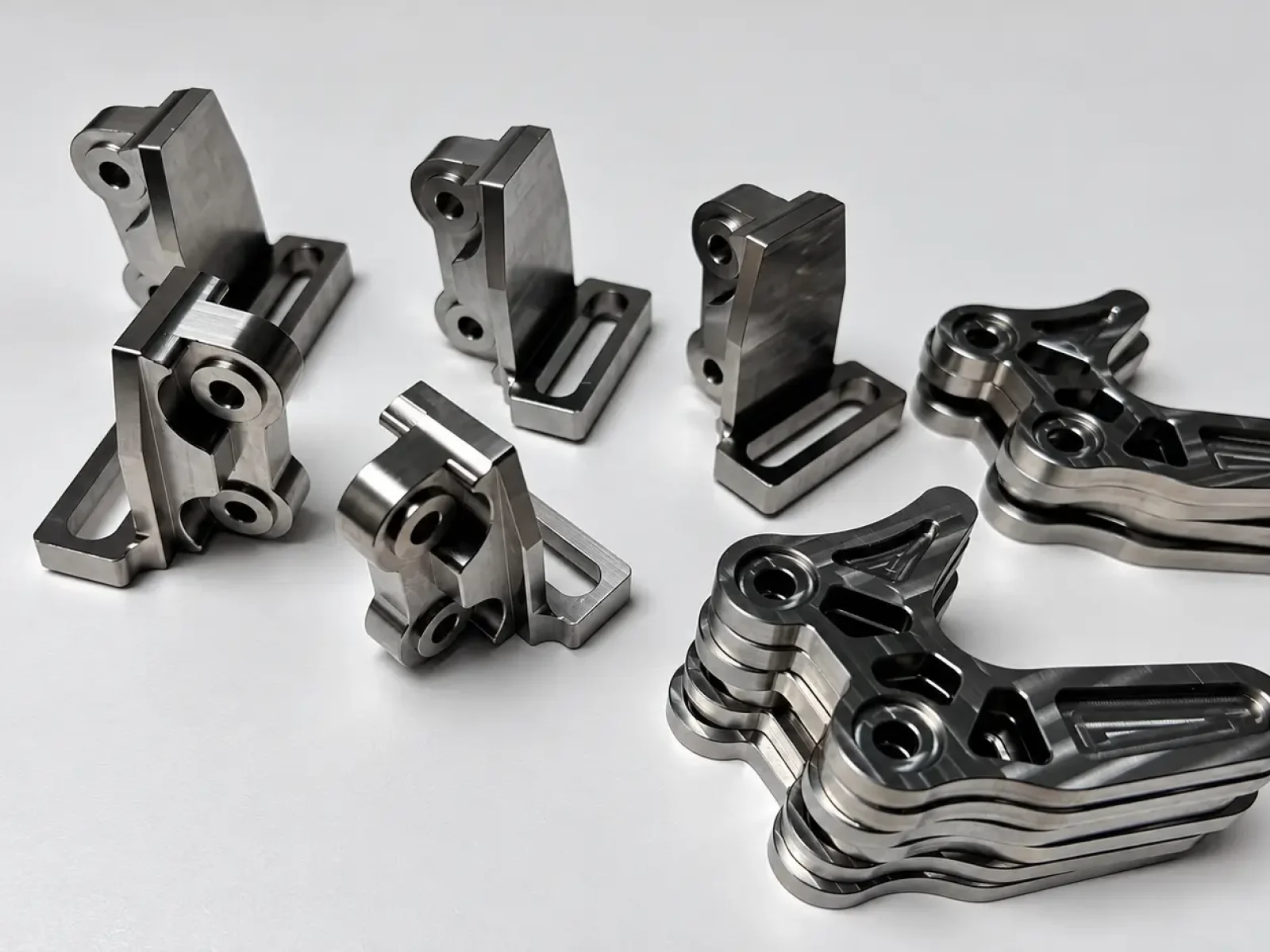
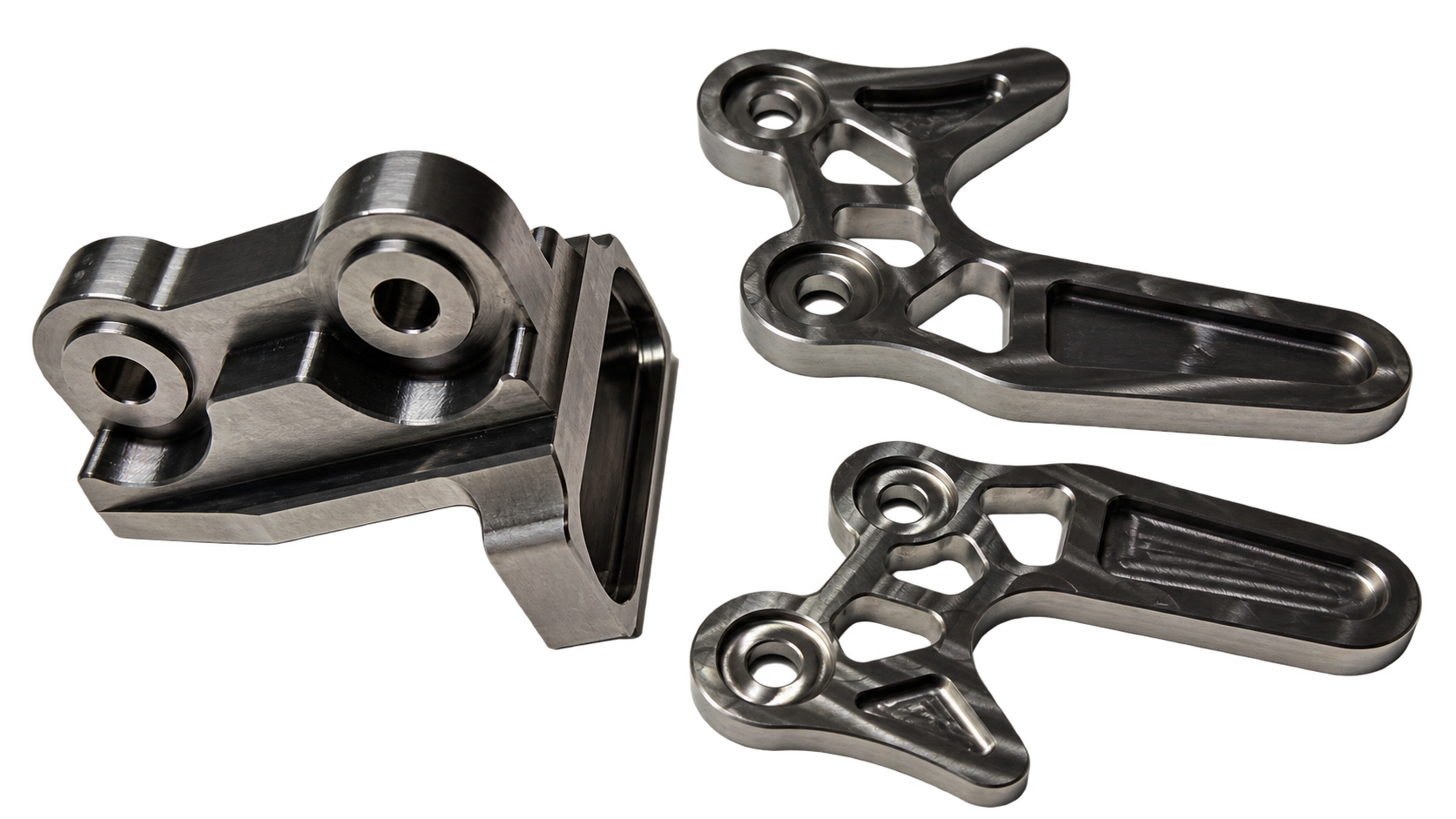
Custom Steel Parts Manufacturing
Steel shafts, bearing housings, coupling hubs, and fixture components require accurate relationships between locating diameters, bores, and mounting faces. Manufacturing follows the drawing-specified grade and material condition, with machining datums established to maintain alignment through turning, milling, and dimensional inspection.
Parts requiring hardening are rough-machined with finishing allowances on critical fits, then finish-machined or ground after heat treatment. For plated components, coating allowances or selective masking keep threads, bearing seats, and mating bores within their specified finished dimensions.
Steel CNC Machining Capabilities
CNC milling, turning, and mill-turn machining produce steel components with precision fits, internal passages, threads, and features on multiple faces. Operations are planned around the material condition, workholding requirements, and drawing datums to maintain alignment between mating features.
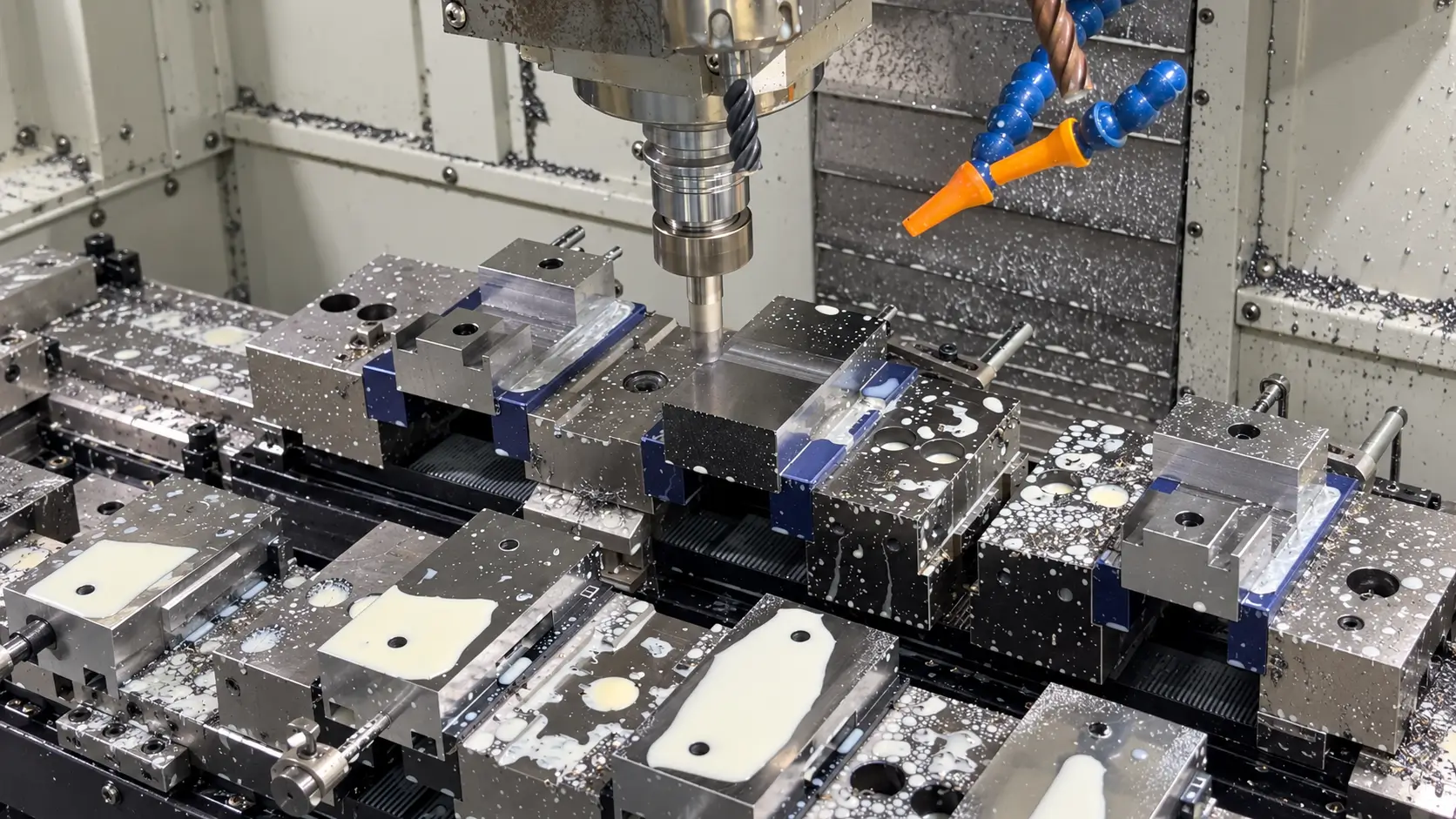
Steel CNC Milling
Milling produces bearing housings, fixture bodies, and mounting plates with locating pockets and accurately positioned holes. Roughing precedes finishing, with stable datums used to control relationships between critical faces and bores.
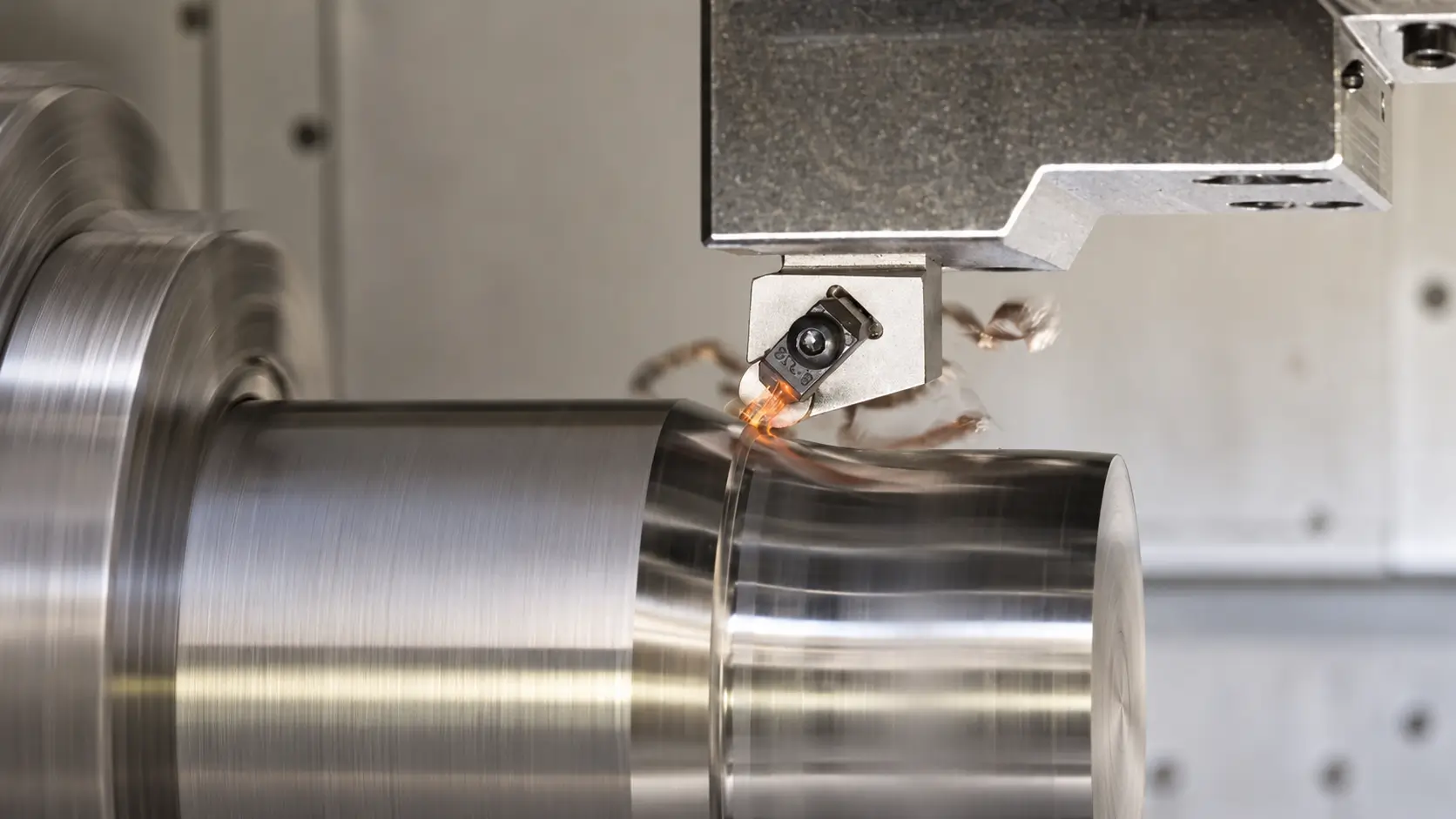
Steel CNC Turning
Turning produces shafts and coupling hubs with bearing journals, shoulders, grooves, and threaded ends. Related diameters are finished in one setup where practical to control runout, while slender sections receive support to limit deflection.
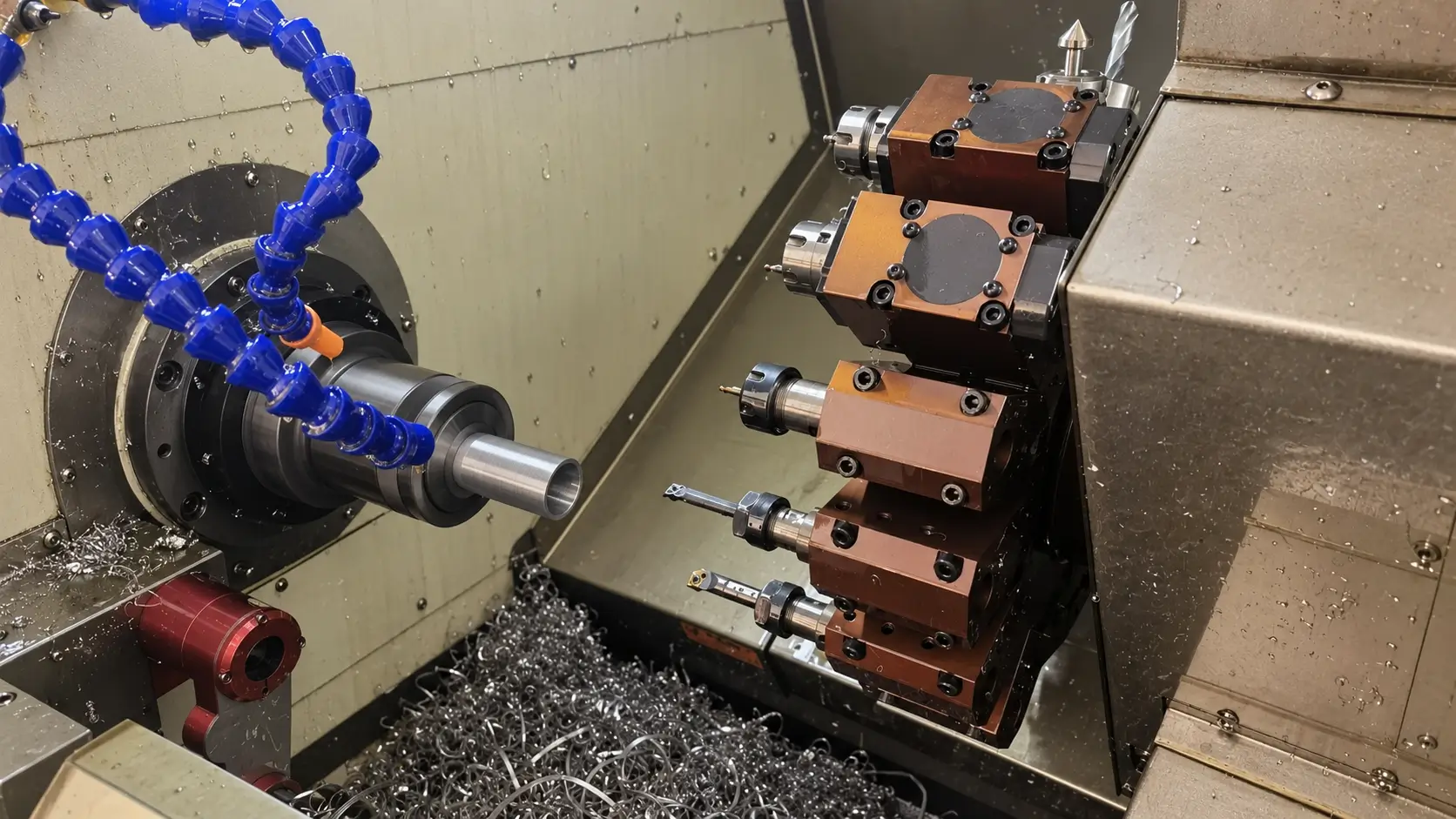
Steel Mill-Turn Machining
Turning establishes the main axis before driven tools machine cross-holes, flats, and slots. This suits coupling components and shaft-end fittings requiring accurate positioning between milled features and a bore or journal.
Steel CNC Machining Specifications
Machining tolerances and surface finish are defined around each part’s material condition, geometry, and assembly requirements. Critical fits are reviewed together with heat treatment and coating specifications so inspection reflects the finished condition of the component.
| Parameter | Specification |
|---|---|
| CNC Milling Tolerances | Typically ±0.05 mm |
| CNC Turning Tolerances | Typically ±0.03 mm |
| Precision Features | Down to ±0.02 mm, subject to drawing review |
| Surface Roughness | Ra 1.6 μm achievable, depending on geometry and machining access |
| Material Condition | Drawing-specified grade and supply condition, including annealed, normalized, or pre-hardened stock |
| Heat Treatment | Hardening, tempering, or case hardening as specified for the selected grade |
| Threads and Fits | Produced to drawing requirements, with thread gauges and dimensional checks as applicable |
| Inspection Documents | Material certificates, dimensional reports, and first article inspection reports available on request |
Steel Materials for CNC Machining
Steel selection depends on the required strength, wear resistance, heat treatment, and machining cost. Material sourcing follows the grade and supply condition on your drawing, with finishing operations planned around the specified hardness and critical fits.
Low-Carbon Steel
Grades such as 1018 and 1020 suit mounting plates, spacers, sleeves, and general mechanical components. They offer practical machining and welding options, with protective finishes specified where corrosion resistance is needed.
Learn MoreMedium-Carbon Steel
1045 is commonly selected for shafts, pins, rollers, and coupling components requiring greater strength than low-carbon steel. Specified heat treatment can improve hardness and wear resistance at working surfaces.
Learn MoreAlloy Steel
4140 and 4340 suit loaded shafts, drive components, and other parts requiring strength and toughness. Machining plans account for the supplied hardness and any subsequent hardening and tempering.
Learn MoreCase-Hardening Steel
8620 suits bushings, gear blanks, and transmission components requiring a hard wear surface with a tough core. Critical surfaces retain allowances for finishing after carburizing and hardening.
Learn MoreTool Steel
A2, D2, and O1 are options for tooling inserts, punches, dies, and wear components. Grade selection reflects wear resistance and toughness requirements, with final grinding planned for close-tolerance hardened features.
Learn MoreFree-Machining Steel
1215 and 12L14 suit threaded fittings, spacers, and turned components produced in quantity. Their machining characteristics support efficient production, while welding and heat-treatment requirements need consideration.
Learn MoreInstant & Accurate Quotes
Need high-strength alloy steel CNC components? Get a free 24hr quote with professional DFM feedback by sending your drawings.
Steel CNC Machining Process Control
Steel components often combine close-fitting surfaces with hardened sections, thin walls, or intersecting holes. Process planning addresses these features through stock selection, controlled material removal, and inspection at the stages that determine final accuracy.
Material Condition and Hardness
Annealed, normalized, and pre-hardened stock can require different cutting conditions, even within the same steel grade. Hardness variation affects tool life and surface finish.
Check material certificates against the drawing and verify hardness where required. Select tooling and cutting parameters for the supplied condition, with tool wear monitored on critical finishing operations.
Distortion During Stock Removal
Removing stock from deep pockets or uneven sections can release residual stress. Clamping forces may also distort thin walls and long components.
Use balanced roughing and supported clamping, leaving consistent finishing stock. Check dimensions after releasing the fixture, and include stress relief when specified or agreed during drawing review.
Accuracy After Heat Treatment
Hardening can alter bore size, straightness, and runout. Close-fitting features may need further machining to achieve their final dimensions.
Plan finishing allowances around the heat-treatment route and any case-depth requirements. Recheck hardness and datums before final machining or grinding, then inspect critical fits in the finished condition.
Burrs at Intersecting Features
Cross-holes, thread exits, and internal passages can retain burrs that interfere with assembly or fluid flow. Aggressive removal can damage functional edges.
Plan deburring access and define edge breaks from the drawing. Use suitable tools for internal intersections, check with a borescope where needed, and clean passages before final inspection.
Surface Finishes for CNC Machined Steel
Steel machining services include as-machined, black oxide, polishing, and sand blasting options. Surface requirements are reviewed alongside dimensional tolerances to preserve bearing fits, thread engagement, and mating accuracy after finishing.
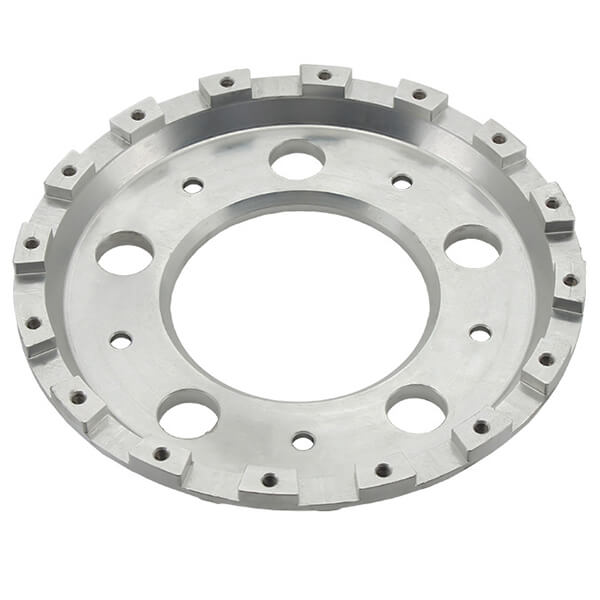
As Machined
Retains visible turning or milling marks. Suitable for functional steel parts where the machined surface meets specified roughness requirements.
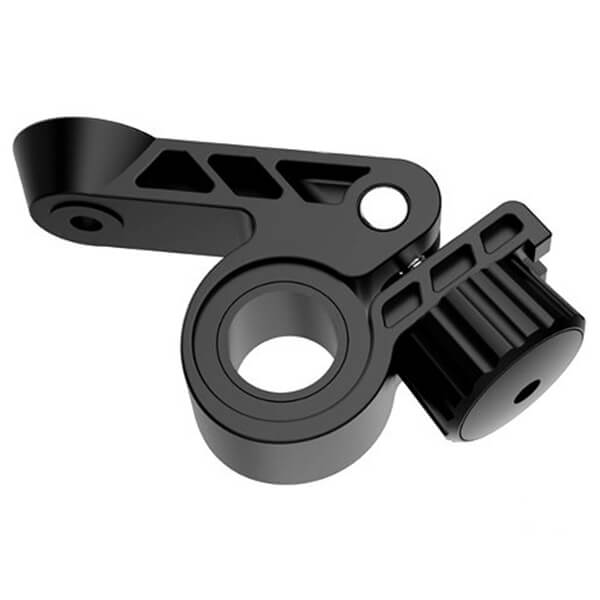
Black Oxide
Adds a thin black finish with minimal dimensional change. Oil or wax provides limited corrosion protection for indoor mechanical components.
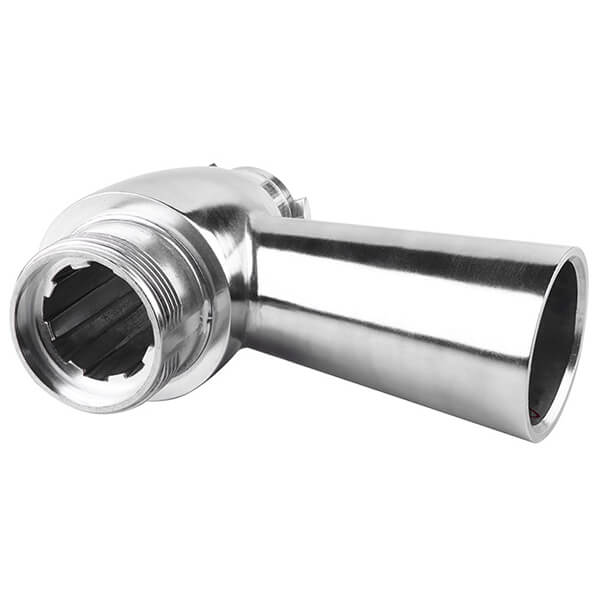
Polishing
Reduces machining marks and refines accessible surfaces for appearance or function, while preserving critical edges and fits.
Sand Blasting
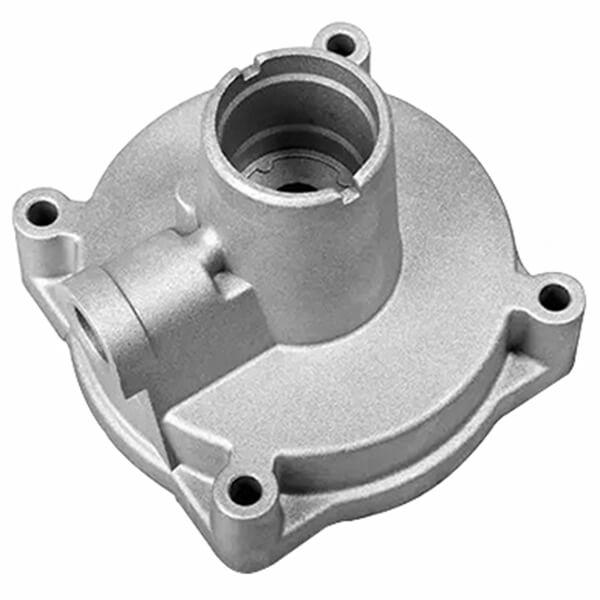
Creates a uniform matte texture and removes light scale. Precision bores, threads, and mating surfaces are masked where necessary.
Unsure which surface finish fits your parts? Our engineers offer free DFM guidance. View all surface treatments.
What Is Steel CNC Machining?
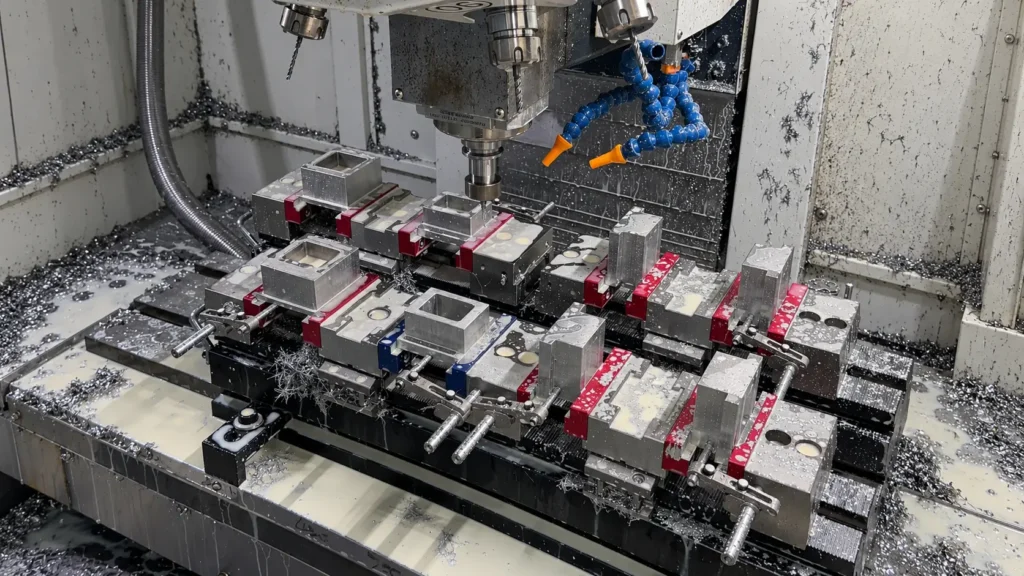
Steel CNC machining removes material from bar, plate, or forged stock using programmed turning, milling, drilling, and threading operations. It produces drawing-defined features such as bearing journals, locating bores, mounting faces, and internal passages, with dimensions referenced to specified datums.
The machining route depends on the steel grade and hardness condition. Parts may be machined directly from supplied stock or rough-machined before heat treatment, then finished to achieve the required fits, surface roughness, and geometric tolerances.
Advantages of Steel CNC Machining
1.Accurate functional fits: Machining controls bearing seats, locating bores, and mating faces to the dimensions and geometric tolerances required for assembly.
2.Multiple features in one component: Turning and milling combine journals, pockets, threads, and cross-holes in a single steel part, reducing the need for separate assembled pieces.
3.Flexible production quantities: Standard bar and plate stock support prototypes and small batches without dedicated casting dies, while established programs and fixtures support repeat orders.
4.Integration with heat treatment: Machining can be sequenced before and after hardening, allowing critical surfaces to reach their final dimensions in the specified hardness condition.
5.Finishing of near-net blanks: Forged and cast steel blanks can be CNC machined at critical interfaces, retaining the blank’s overall form while adding precise fits and mounting features.
Applications of Steel CNC Machining
1.Industrial Machinery: Shafts, bearing housings, coupling hubs, and rollers with controlled fits and alignment for drive and support assemblies.
2.Automotive Systems: Bushings, spacers, transmission components, and mounting brackets manufactured to specified dimensions, hardness, and surface requirements.
3.Industrial Automation: Locating pins, gripper bodies, actuator shafts, and fixture plates with accurately positioned mounting and locating features.
4.Hydraulic Equipment: Manifolds, fittings, piston rods, and end caps with machined passages, connection threads, and sealing surfaces.
5.Tooling and Production Fixtures: Drill bushings, locating blocks, tooling inserts, and wear plates, with heat treatment and finish grinding where specified.
Frequently Asked Questions
Customer-supplied blanks can be reviewed for machining. Provide the material certificate, stock dimensions, hardness condition, and quantity so machining allowances and workholding can be checked before delivery.
An alternative grade requires approval before production. Similar designations do not always have identical composition, mechanical properties, or heat-treatment response. Any proposed substitution should be checked against the drawing and purchasing requirements.
Yes, subject to reviewing the assembly size, weld locations, and machining access. The drawing should define the final datums and dimensions after welding, along with any required stress relief before machining.
Depending on the specified finish, protection can include rust-preventive oil, VCI packaging, and moisture barriers. Parts requiring clean or oil-free delivery need an agreed packaging method that meets both cleanliness and corrosion-protection requirements.
Repeat orders can follow the approved drawing revision, material condition, and inspection requirements. Reference the previous order and identify any changes so machining programs, fixtures, and quality records can be reviewed before production.