
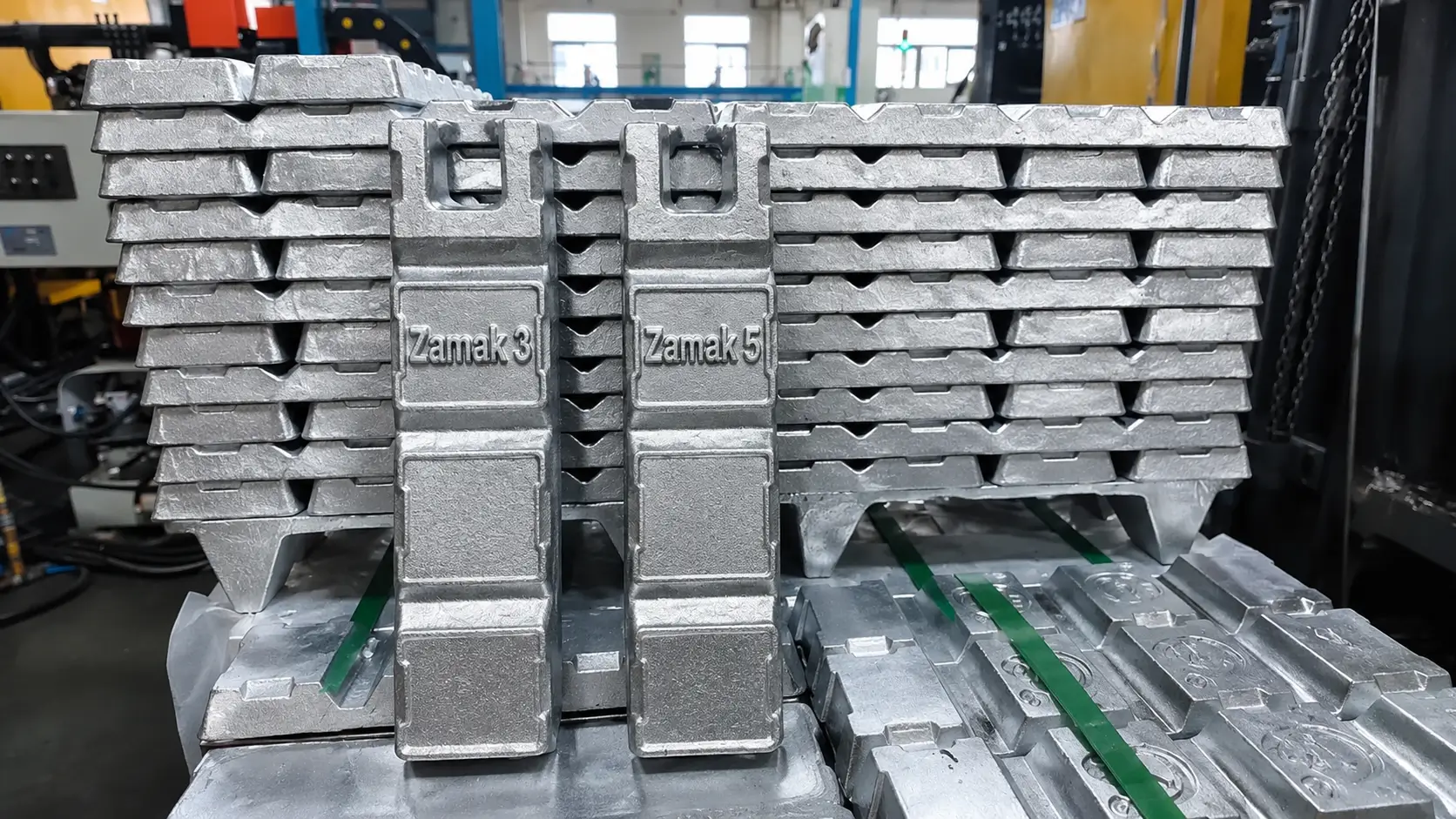
Choosing between these alloys requires more than comparing tensile strength or chemical composition. Part geometry, operating loads, dimensional requirements, surface finishing, and manufacturing costs can all affect the final decision. An alloy with higher strength is not necessarily the better choice for every component.
This guide compares Zamak 3 and Zamak 5 in terms of material properties, die casting performance, CNC machining, surface finishing, and cost to help engineers and buyers select the appropriate alloy for their applications.
What Are Zamak 3 and Zamak 5?
Zamak 3 and Zamak 5 are zinc-aluminum alloys widely used in die casting to produce components with complex shapes, thin walls, and detailed features. Both contain approximately 4% aluminum, small amounts of magnesium, and zinc as the primary element. Their main compositional difference is copper content, which influences mechanical properties and long-term performance.
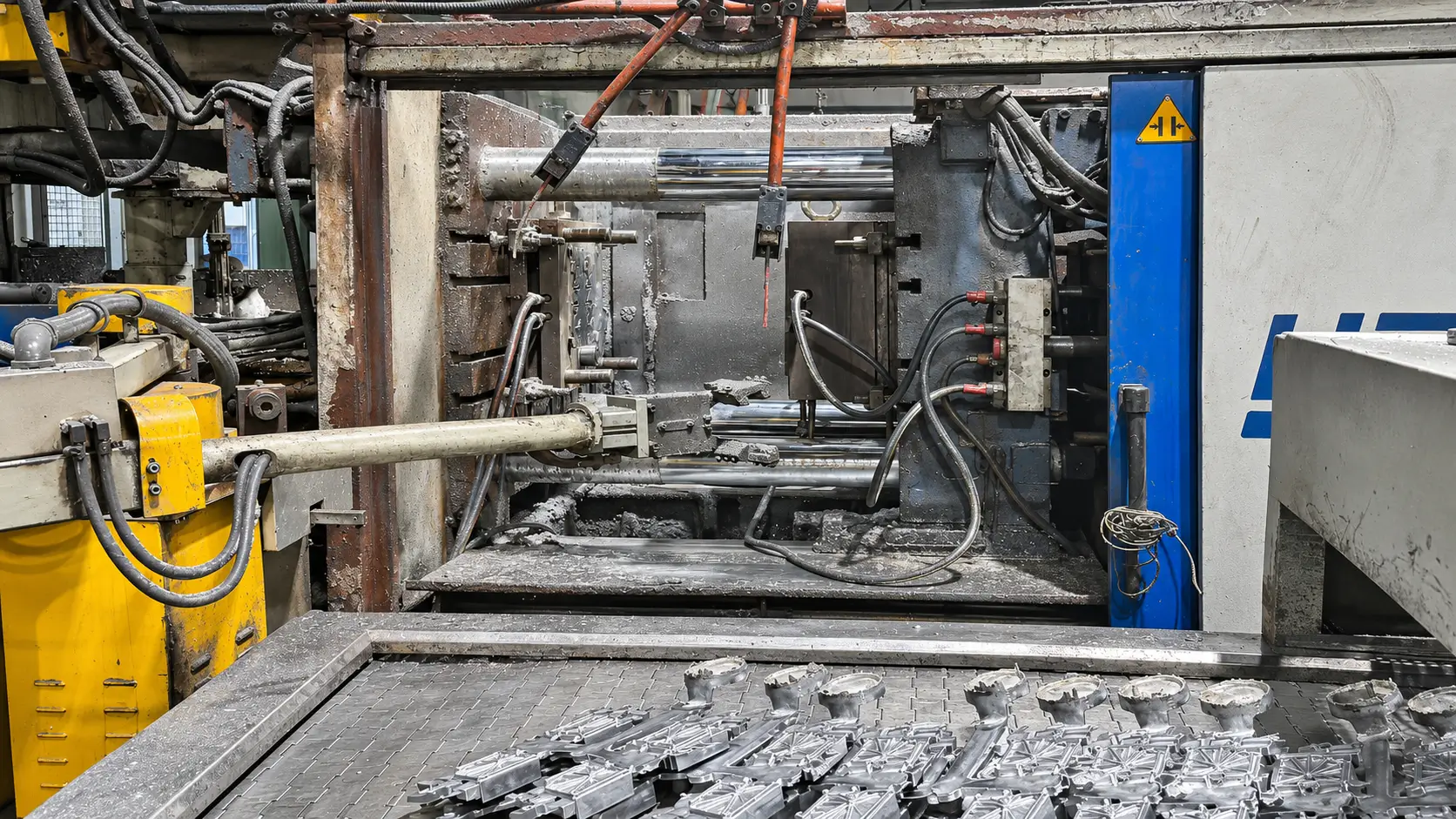
Both alloys are commonly processed using hot-chamber high-pressure die casting. In this process, molten zinc is injected into a steel die through an injection system connected to the holding furnace. The relatively low melting temperatures of these alloys make them suitable for hot-chamber equipment, supporting efficient production of complex components.
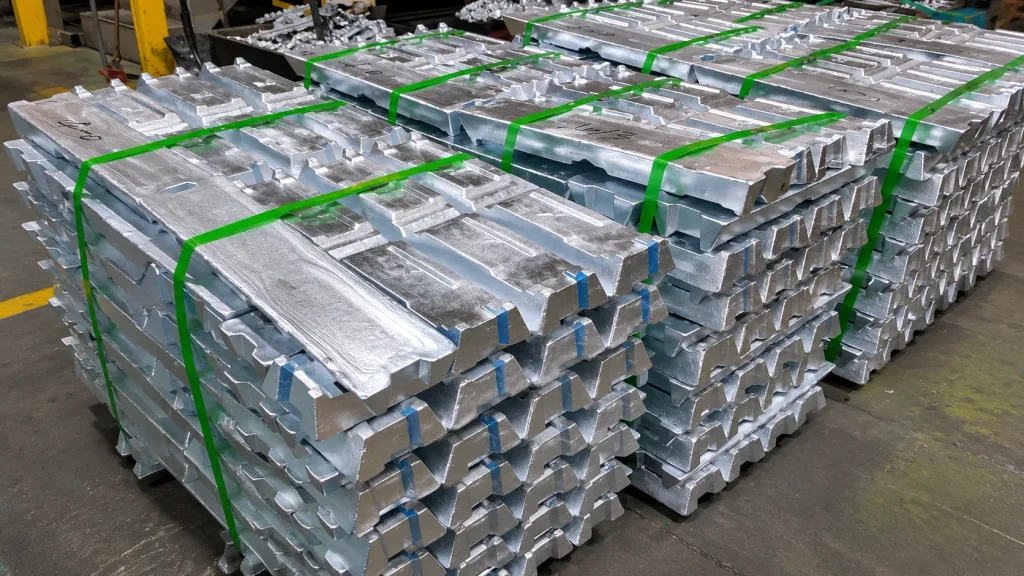
Zamak 3
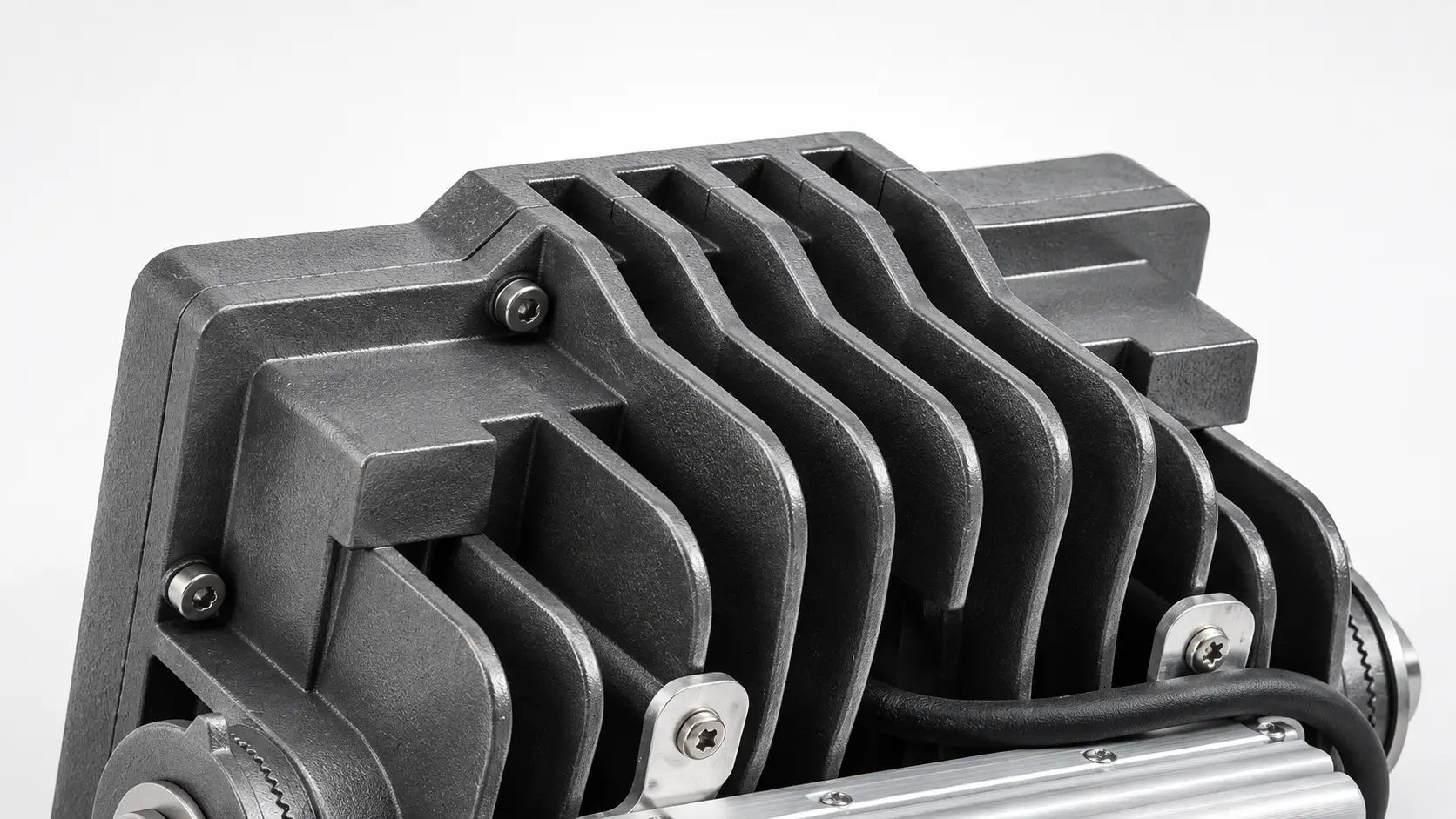
Zamak 3 is a general-purpose zinc die casting alloy known for its castability, dimensional stability, and surface finishing characteristics. Its low copper content provides a balanced combination of strength and ductility, making it suitable for housings, handles, locks, decorative hardware, and precision fittings.
It is widely used for components requiring detailed geometry and consistent dimensions, particularly when secondary operations or decorative finishes such as nickel and chrome plating are involved.
Zamak 5
Zamak 5 contains approximately 0.7%–1.2% copper, compared with a maximum of 0.1% in Zamak 3 under ASTM B86-23. The higher copper content increases strength and hardness but reduces ductility.
This makes Zamak 5 worth considering for mechanical fittings, fastening components, and other parts with higher strength requirements. However, lower ductility can be a disadvantage when castings undergo secondary forming operations such as riveting, crimping, or bending.
Both alloys support CNC machining and surface finishing. The appropriate choice depends on the component’s mechanical requirements, geometry, and intended manufacturing processes.
Zamak 3 vs Zamak 5 at a Glance
Zamak 3 and Zamak 5 share similar casting characteristics, but their differences in strength, ductility, and long-term dimensional stability can influence material selection. Zamak 3 provides a balanced combination of properties for general-purpose die castings, while Zamak 5 is often preferred when higher mechanical strength and hardness are required.
| Comparison | Zamak 3 | Zamak 5 |
|---|---|---|
| Copper Content | Very low | Approximately 1% |
| Tensile Strength | Lower | Higher |
| Hardness | Lower | Higher |
| Ductility | Higher | Lower |
| Creep Resistance | Good | Generally better |
| Dimensional Stability | Excellent | Good |
| Hot-Chamber Die Casting | Suitable | Suitable |
| Surface Finishing | Good plating and coating characteristics | Good plating and coating characteristics |
| Typical Selection | General-purpose and dimensionally sensitive components | Components requiring greater strength and hardness |
Both alloys can be used for complex die cast components and support secondary CNC machining and surface finishing. The final choice should be based on mechanical loads, dimensional requirements, and any forming operations performed after casting rather than strength alone.
Chemical Composition and Material Properties
Zamak 3 and Zamak 5 have similar zinc-aluminum compositions, but their different copper contents produce measurable differences in mechanical performance. Both alloys contain approximately 4% aluminum and a small amount of magnesium, while zinc makes up the remaining composition.
Chemical Composition of Zamak 3 and Zamak 5
The following table compares the chemical composition limits for Zamak 3 and Zamak 5 under ASTM B86-23.
| Element | Zamak 3 (%) | Zamak 5 (%) |
|---|---|---|
| Aluminum (Al) | 3.7–4.3 | 3.7–4.3 |
| Magnesium (Mg) | 0.02–0.06 | 0.02–0.06 |
| Copper (Cu) | 0.10 max. | 0.7–1.2 |
| Iron (Fe) | 0.05 max. | 0.05 max. |
| Lead (Pb) | 0.005 max. | 0.005 max. |
| Cadmium (Cd) | 0.004 max. | 0.004 max. |
| Tin (Sn) | 0.002 max. | 0.002 max. |
| Zinc (Zn) | Balance | Balance |
Aluminum contributes to the strength and casting characteristics of both alloys, while magnesium helps control their metallurgical behavior. Copper is the principal compositional difference between the two grades. Its higher concentration in Zamak 5 increases strength and hardness but also changes the alloy’s ductility and long-term behavior.
Impurity limits are equally important. Elements such as lead, cadmium, and tin must be controlled because excessive concentrations can adversely affect the long-term integrity of zinc alloy castings.
Mechanical and Physical Properties
The following values represent published typical properties of pressure die cast alloys. They provide a reference for material comparison rather than guaranteed properties for every production component.
| Property | Zamak 3 | Zamak 5 |
|---|---|---|
| Ultimate Tensile Strength | 315 MPa | 331 MPa |
| Yield Strength (0.2% Offset) | 276 MPa | 295 MPa |
| Elongation at Rupture | 7% | 3% |
| Brinell Hardness | 97 HB | 114 HB |
| Shear Strength | 214 MPa | 262 MPa |
| Elastic Modulus | 84 GPa | 84 GPa |
Zamak 5 provides higher tensile strength, yield strength, and hardness, making it worth considering for components subjected to greater mechanical loads. Zamak 3 offers greater elongation before fracture, which can be beneficial when a casting must tolerate localized deformation during assembly.
The elastic modulus of the two alloys is nearly identical. Therefore, selecting Zamak 5 does not automatically produce a significantly stiffer component under the same geometry and elastic loading conditions.
Actual mechanical performance also depends on casting section thickness, internal soundness, temperature, and service conditions. Published material properties should be used as a starting point for engineering evaluation rather than as guaranteed values for finished die cast parts.
Key Differences Between Zamak 3 and Zamak 5
The differences between Zamak 3 and Zamak 5 extend beyond their published mechanical properties. Copper content affects how each alloy responds to mechanical loads, localized deformation, and long-term service conditions. These characteristics become important when selecting materials for structural features, fastening points, and dimensionally sensitive components.
Strength and Hardness
Zamak 5 offers higher tensile strength, yield strength, and hardness than Zamak 3. This can provide an advantage for components subjected to higher mechanical loads or localized contact stresses, such as mechanical fittings, brackets, and fastening components.
However, greater material strength does not automatically improve the performance of every casting. Wall thickness, rib placement, load distribution, and internal casting quality also determine whether a component can withstand its intended service conditions.
For parts with modest mechanical loads, Zamak 3 may provide sufficient strength without requiring a higher-copper alloy.
Ductility and Secondary Forming
Zamak 3 generally offers greater ductility, allowing more plastic deformation before fracture. This can be beneficial for cast features that undergo staking, crimping, riveting, or other forming operations during assembly.
Zamak 5 has lower elongation, making it less tolerant of certain deformation-based assembly processes. Features that must bend or expand locally may therefore require additional design evaluation when Zamak 5 is specified.
The choice should account for both the finished component’s operating loads and the deformation introduced during assembly.
Creep Resistance
Creep is the gradual deformation of a material under sustained stress, particularly when operating temperatures are elevated. It can affect components that must maintain their shape or clamping force over extended periods.
Zamak 5 generally offers better creep resistance than Zamak 3 under comparable conditions. This may be relevant for continuously loaded fittings, fastening features, or components exposed to sustained mechanical stress.
However, neither alloy should be selected for elevated-temperature service based on room-temperature tensile strength alone. Operating temperature, stress level, and expected service life must be considered together.
Long-Term Dimensional Stability
Zamak 3 is widely recognized for its dimensional stability and is often considered for precision castings requiring consistent geometry over time.
The higher copper content of Zamak 5 can influence its long-term dimensional behavior through changes in alloy microstructure. For dimensionally sensitive components, this difference may become relevant when evaluating aging effects, temperature exposure, and tight assembly clearances.
Neither alloy eliminates the need to account for casting shrinkage, thermal expansion, or dimensional changes associated with service conditions. Critical dimensions should be evaluated according to the finished component’s requirements.
The material choice ultimately depends on which properties matter most to the application. Zamak 5 may provide an advantage in strength and hardness, while Zamak 3 is often preferable where ductility and dimensional stability are priorities.
Die Casting Performance and Design Considerations
Zamak 3 and Zamak 5 are both suitable for hot-chamber die casting, allowing complex metal components to be produced with thin sections, detailed features, and repeatable geometry. Their similar aluminum content gives them broadly comparable casting characteristics, although differences in alloy composition can influence solidification behavior and dimensional performance.
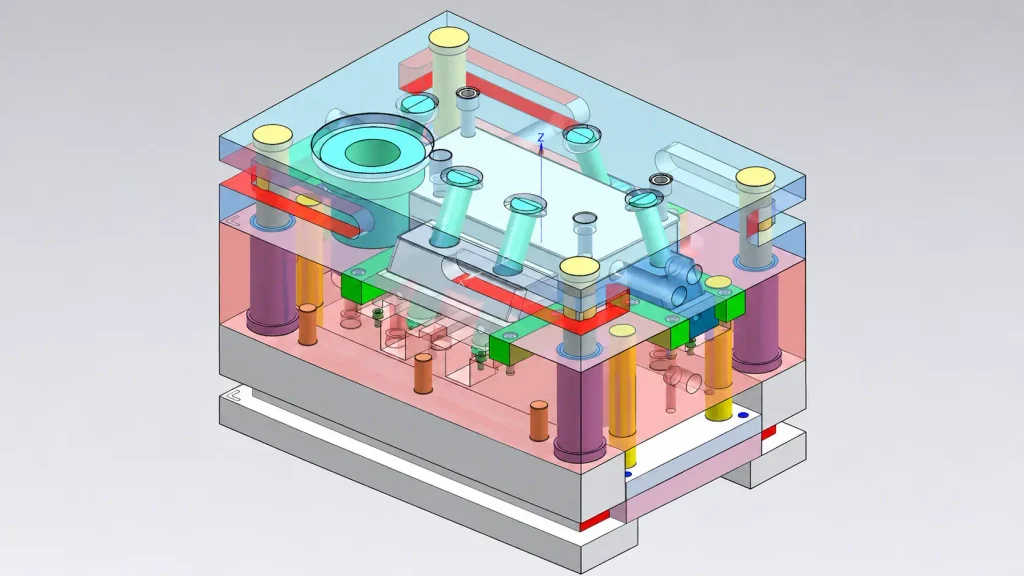
Successful die casting depends on more than alloy selection. Die casting mold design plays an important role in controlling metal flow, cooling, and part formation. Wall thickness, gate locations, venting, and tooling structure must be considered together to achieve consistent component quality.
Mold Filling and Thin-Wall Features
Both alloys offer good fluidity under appropriate casting conditions, making them suitable for components with thin walls, ribs, bosses, and detailed profiles.
Zamak 3 is widely used for general-purpose precision castings, while Zamak 5 can also produce complex shapes with comparable manufacturing methods. Neither alloy automatically eliminates defects associated with thin sections or restricted metal flow.
Wall thickness transitions, gate locations, and venting arrangements influence how molten metal fills the cavity. Thin sections located far from the gates may be more difficult to fill, particularly when the flow path includes narrow passages or abrupt changes in geometry.
Mold Design and Part Geometry
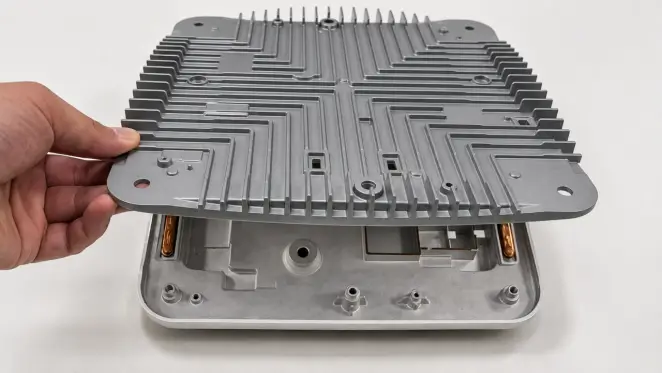
Draft angles, parting lines, undercuts, and ejection features affect the manufacturability of both Zamak alloys. Components with deep cavities or side openings may require moving cores or additional mold mechanisms.
For parts with localized loading, ribs and bosses should be designed to provide sufficient support without creating unnecessarily thick sections. Excessive material concentration can contribute to shrinkage-related defects, while abrupt wall transitions may affect filling and cooling behavior.
Because Zamak 3 and Zamak 5 have similar casting characteristics, the same general die casting design principles apply to both. However, changing the specified alloy should still be evaluated against the component’s functional and dimensional requirements.
Casting Shrinkage and Dimensional Control
Die casting dimensions are influenced by alloy solidification, mold temperature, part geometry, and process conditions. Consistent thermal control and stable production parameters help reduce dimensional variation between casting cycles.
Although Zamak 3 is generally favored for long-term dimensional stability, this does not mean that every Zamak 5 casting will have greater initial dimensional variation. As-cast dimensional accuracy and dimensional changes during service are separate considerations.
Features with tight tolerances may require machining allowances or secondary CNC operations, particularly for precision bores, threaded holes, and critical mating surfaces.
Production Consistency
Both Zamak alloys are suitable for repeat production using hot-chamber die casting equipment. Stable filling, temperature control, and ejection conditions are important for maintaining casting quality across production batches.
Potential defects such as porosity, incomplete filling, and surface imperfections depend on part design and process conditions rather than alloy designation alone.
When selecting between Zamak 3 and Zamak 5, the manufacturing review should consider the required mechanical properties alongside mold design, dimensional requirements, and any planned secondary operations.
CNC Machining and Surface Finishing
Zamak 3 and Zamak 5 both support secondary machining and surface finishing after die casting. Although high-pressure die casting can produce complex shapes with good dimensional repeatability, certain features may require additional operations to meet assembly, functional, or appearance requirements.
The main considerations are machining accessibility, casting quality, and the preparation needed to achieve the specified surface condition.
CNC Machining of Zamak 3 and Zamak 5
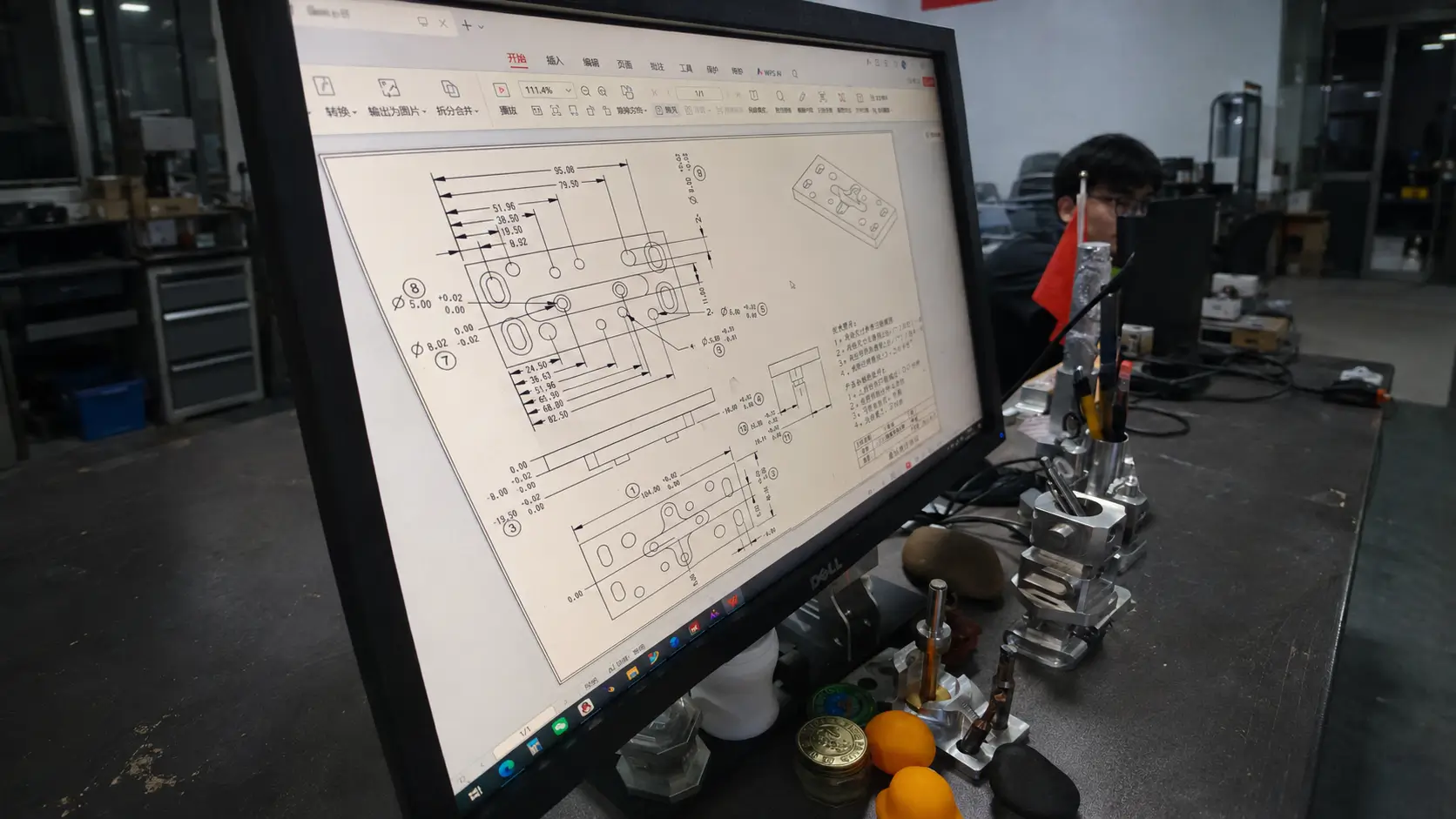
Both alloys are readily machinable using suitable cutting tools and machining parameters. Secondary CNC machining is commonly applied to precision bores, threaded holes, mounting surfaces, and features requiring tighter tolerances than the casting process can consistently achieve.
Zamak 3 and Zamak 5 have similar machining requirements, although their differences in hardness and ductility can influence chip formation and cutting behavior. Tool selection, workholding, and cutting conditions should be adjusted according to the component geometry and required surface quality.
For thin-walled zinc castings, machining allowances and clamping forces require particular attention. Excessive material removal or unsuitable fixturing can affect the dimensions of delicate features.
Electroplating and Decorative Finishes
Zamak 3 and Zamak 5 can both receive decorative and protective electroplated finishes, including nickel and chrome plating. These finishes are commonly used for handles, locks, fittings, and other components requiring a consistent metallic appearance.
Successful plating depends heavily on the condition of the casting surface. Porosity, cold shuts, and other surface defects can become visible during finishing or compromise coating integrity.
Surface preparation, cleaning, and appropriate plating procedures are therefore important for both alloys. Zamak 3 is widely used for decorative applications, but Zamak 5 can also achieve suitable plated finishes when the casting and finishing processes are properly controlled.
Surface Preparation and Dimensional Requirements
Operations such as polishing, mechanical finishing, and coating preparation may be required before the final surface treatment. The appropriate process depends on the part’s appearance requirements, surface condition, and specified finish.
For dimensionally critical features, plating thickness and material removal during preparation must be considered during manufacturing planning. Threaded holes, tight-fitting bores, and mating surfaces may require additional controls or selective finishing to preserve their functional dimensions.
The choice between Zamak 3 and Zamak 5 should therefore account for the complete manufacturing sequence, including die casting, CNC machining, surface preparation, and final finishing.
Corrosion Resistance and Long-Term Performance
Zamak 3 and Zamak 5 both provide useful corrosion resistance in suitable indoor environments, but neither alloy is immune to corrosion. Their long-term performance depends on exposure to moisture, chemicals, temperature changes, and the condition of the finished surface.
The higher copper content of Zamak 5 can influence its corrosion behavior, although alloy composition alone does not determine service life. Surface protection, casting quality, and environmental conditions are important when evaluating either alloy.
Corrosion Resistance of Zamak 3 and Zamak 5
Zinc alloys naturally develop surface corrosion products when exposed to air and moisture. Under certain atmospheric conditions, these products can provide some protection against further corrosion.
However, prolonged moisture exposure, condensation, and chloride-containing environments can accelerate deterioration. Zinc corrosion may appear as white or gray surface deposits, followed by more extensive material damage under severe conditions.
Zamak 3 is commonly selected for general-purpose components where corrosion resistance and dimensional stability are important. Zamak 5 can also perform well in suitable environments, but its higher copper content should be considered when evaluating long-term exposure.
Neither alloy should be assumed suitable for marine or chemically aggressive conditions without appropriate protection and application-specific testing.
Environmental Exposure and Surface Protection
Indoor hardware, mechanical fittings, and decorative components may operate in relatively controlled environments. Outdoor equipment and parts exposed to frequent condensation require closer evaluation of corrosion protection.
Nickel plating, chrome plating, and suitable coating systems can provide additional surface protection when properly applied. However, coating performance depends on surface preparation, coating integrity, and the intended service environment.
Porosity, surface defects, and coating discontinuities may allow corrosive substances to reach the underlying casting. The required finish should therefore be selected according to actual exposure conditions rather than appearance alone.
Temperature and Service Conditions
Temperature affects the mechanical behavior and dimensional performance of zinc die casting alloys. As operating temperature increases, their resistance to sustained loading may decrease, making long-term deformation an important design consideration.
Thermal cycling can also affect assemblies that combine zinc castings with steel fasteners or other materials having different thermal expansion characteristics.
For components operating under sustained loads or elevated temperatures, material selection should consider the expected temperature range, loading duration, and functional tolerances.
The final choice between Zamak 3 and Zamak 5 should be supported by the component’s service requirements. When corrosion exposure or long-term mechanical performance is critical, appropriate surface protection and application-specific validation are more reliable than choosing an alloy based on a single published property.
Zamak 3 vs Zamak 5: Cost Considerations
The cost difference between Zamak 3 and Zamak 5 depends on more than the price of the alloy. Although Zamak 5 generally has a higher material cost because of its increased copper content, the final price of a die cast component is also influenced by tooling, part geometry, production volume, secondary machining, and surface finishing.
For many components, manufacturing complexity has a greater effect on total cost than the difference between the two alloy grades.
Raw Material Cost
Zamak 3 is widely used as a general-purpose zinc die casting alloy and typically offers a lower raw material cost than Zamak 5. The higher copper content of Zamak 5 can increase alloy pricing, although the actual difference depends on metal market conditions and supplier quotations.
Material cost also depends on part weight, runner and overflow material, and the amount of metal required per casting cycle. For small components, the alloy price difference may represent only a limited portion of the finished-part cost.
Tooling and Die Casting Costs
Both alloys can be processed using hot-chamber die casting equipment and share similar fundamental tooling requirements. Mold costs are primarily influenced by component size, cavity count, undercuts, surface requirements, and the complexity of the ejection and gating systems.
Selecting Zamak 5 instead of Zamak 3 does not automatically require a more expensive mold. However, any material change should be reviewed for its effects on casting conditions, dimensional requirements, and component performance.
Production volume also affects unit cost. Higher quantities distribute the initial tooling investment across more parts, while smaller production runs carry a greater tooling cost per component.
CNC Machining and Surface Finishing Costs
Secondary machining costs depend on the number of features requiring additional processing, their tolerances, and the machining setups involved.
Both Zamak 3 and Zamak 5 support CNC machining, including drilling, tapping, and finishing of precision surfaces. Their different mechanical properties may influence cutting behavior, but part geometry and machining requirements generally remain important cost factors.
Surface finishing costs are affected by the required appearance, surface preparation, coating process, and inspection criteria. Decorative nickel or chrome plating may add significant processing costs when the component requires a high-quality cosmetic finish.
These expenses should be considered when comparing quotations for finished parts rather than untreated castings.
Total Manufacturing Cost
Material selection should be based on the cost of producing a component that meets its functional requirements. A lower alloy price does not necessarily produce the lowest overall cost if the selected material requires changes to part geometry, assembly operations, or quality requirements.
For example, if both alloys satisfy the mechanical and dimensional specifications, Zamak 3 may offer a practical cost advantage. Where Zamak 5 provides a necessary improvement in strength or hardness, its higher material cost may be justified without requiring substantial changes to the manufacturing process.
Comparing the complete production requirements provides a more reliable basis for choosing between Zamak 3 and Zamak 5 than alloy price alone.
Typical Applications of Zamak 3 and Zamak 5
Zamak 3 and Zamak 5 are used in hardware, automotive components, electrical equipment, and industrial products. Both alloys can produce a wide range of zinc die casting components, and their applications often overlap. The appropriate grade depends on the component’s mechanical function, assembly method, dimensional requirements, and operating environment.
Common Applications of Zamak 3
Zamak 3 is widely used for general-purpose zinc die castings where dimensional consistency, detailed geometry, and surface appearance are important.
Typical components include:
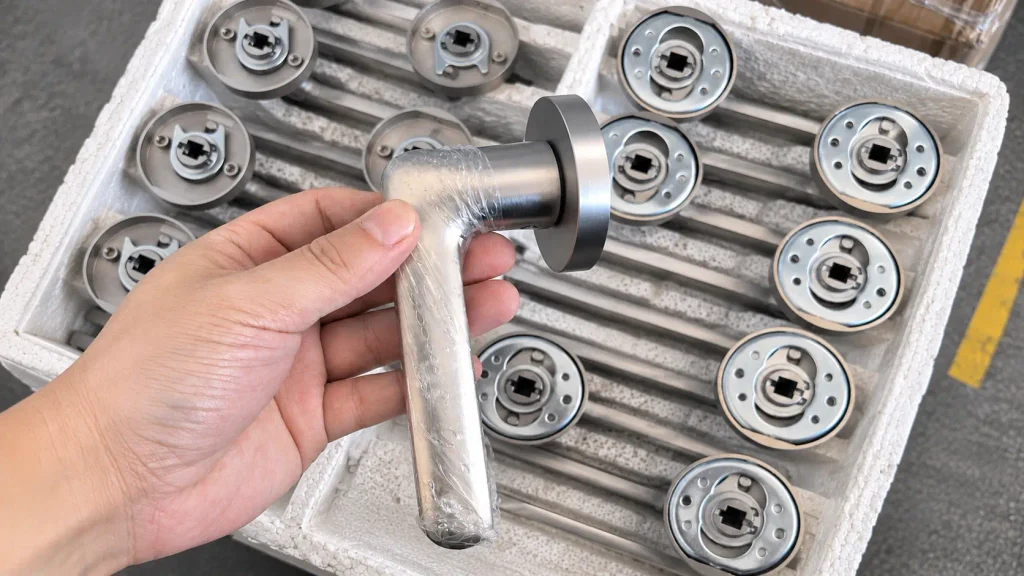
Door handles and decorative hardware: Components requiring complex shapes and consistent plated finishes.
Electronic housings and covers: Enclosures with integrated mounting features, bosses, and detailed external profiles.
Lock housings and mechanisms: Parts requiring dimensional consistency for assembly with internal components.
Furniture fittings: Connectors, brackets, and decorative elements used in furniture assemblies.
Precision hardware: Small fittings, adapters, and mounting components with moderate mechanical requirements.
Zamak 3 is often a practical starting point when the design does not require the additional strength or hardness offered by Zamak 5.
Common Applications of Zamak 5
Zamak 5 is frequently considered for components where higher strength and hardness provide a functional advantage.
Typical applications include:
Mechanical brackets and fittings: Components that support localized loads or require greater resistance to deformation.
Lock and fastening components: Selected structural elements subjected to mechanical loading or repeated contact.
Industrial hardware: Levers, mounting parts, and mechanical connectors with defined strength requirements.
Automotive hardware: Selected brackets, fittings, and mechanism components operating within suitable temperature and load limits.
Load-bearing connectors: Components where the higher strength of Zamak 5 may support the intended structural design.
These examples do not mean that every component in these categories requires Zamak 5. Zamak 3 may also be suitable when its mechanical properties satisfy the design requirements.
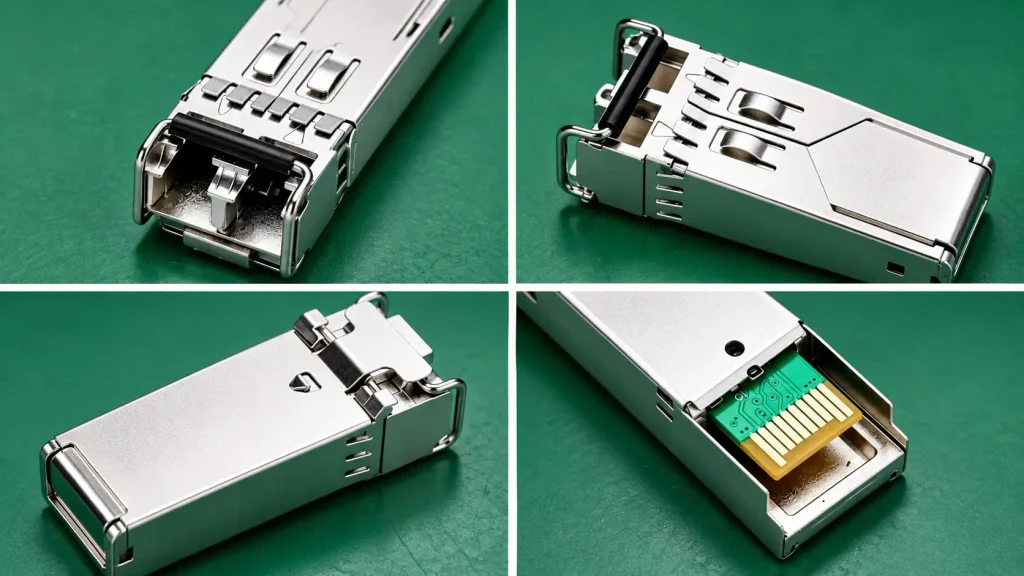
Applications Where Either Alloy May Be Suitable
Many zinc die cast components can be produced using either Zamak 3 or Zamak 5. For example, a decorative handle with limited structural loading may not benefit significantly from the higher strength of Zamak 5. A similar handle incorporating a heavily loaded mounting feature may require a different material evaluation.
The same principle applies to housings, brackets, and mechanical fittings. Component geometry, wall thickness, fastening arrangements, and operating conditions can be more important than the general application category.
Material selection should therefore begin with the functional requirements of the individual part rather than assuming that a particular product type always requires one Zamak grade.
How to Choose Between Zamak 3 and Zamak 5
Choosing between Zamak 3 and Zamak 5 begins with the component’s functional requirements rather than its application category alone. Both alloys support hot-chamber die casting and secondary machining, but differences in strength, ductility, and dimensional stability can influence their suitability for specific designs.
The following comparison provides a practical starting point for material selection.
| Design Requirement | Recommended Alloy | Selection Consideration |
|---|---|---|
| General-purpose die cast parts | Zamak 3 | Balanced mechanical and casting properties |
| Higher mechanical strength | Zamak 5 | Greater tensile and yield strength |
| Higher hardness | Zamak 5 | Increased resistance to localized indentation |
| Riveting, crimping, or staking | Zamak 3 | Greater ductility during local deformation |
| Long-term dimensional stability | Zamak 3 | Generally preferred for dimensionally sensitive applications |
| Decorative plating | Either alloy | Surface quality and plating process are critical |
| Complex thin-wall castings | Either alloy | Geometry and filling conditions determine feasibility |
| Cost-sensitive components | Zamak 3, when suitable | Compare complete manufacturing costs |
Start With Mechanical Requirements
For components subjected to higher mechanical loads, Zamak 5 may offer an advantage through its increased strength and hardness. However, the required load capacity must be evaluated against wall thickness, supporting features, and stress concentrations.
If Zamak 3 already satisfies the strength requirements, selecting Zamak 5 may provide little practical benefit.
Consider Assembly and Dimensional Requirements
Components requiring riveting, crimping, staking, or similar deformation-based assembly operations may benefit from the greater ductility of Zamak 3.
For parts with tight assembly clearances or long-term dimensional requirements, Zamak 3 is often the preferred starting point. However, actual performance still depends on operating temperature, loading conditions, and part geometry.
A change from Zamak 3 to Zamak 5 should be reviewed when assembly features rely on local plastic deformation.
Evaluate the Complete Manufacturing Process
The final material choice should also account for tooling, CNC machining, surface finishing, and production quantity.
Both alloys can produce complex hot-chamber die cast components and support secondary machining and decorative finishes. When either grade satisfies the functional specifications, manufacturing cost and production requirements can help determine the more practical option.
For projects with demanding mechanical or environmental conditions, prototype evaluation or application-specific testing may be necessary before finalizing the alloy.
The most suitable Zamak grade is the one that meets the component’s design and service requirements without introducing unnecessary manufacturing complexity or cost.
Zamak Die Casting at Zhonghui Precision
Zhonghui Precision manufactures custom Zamak 3 and Zamak 5 components using hot-chamber high-pressure die casting. Manufacturing capabilities cover complex housings, mechanical fittings, brackets, and other precision zinc alloy parts for prototypes and production orders.
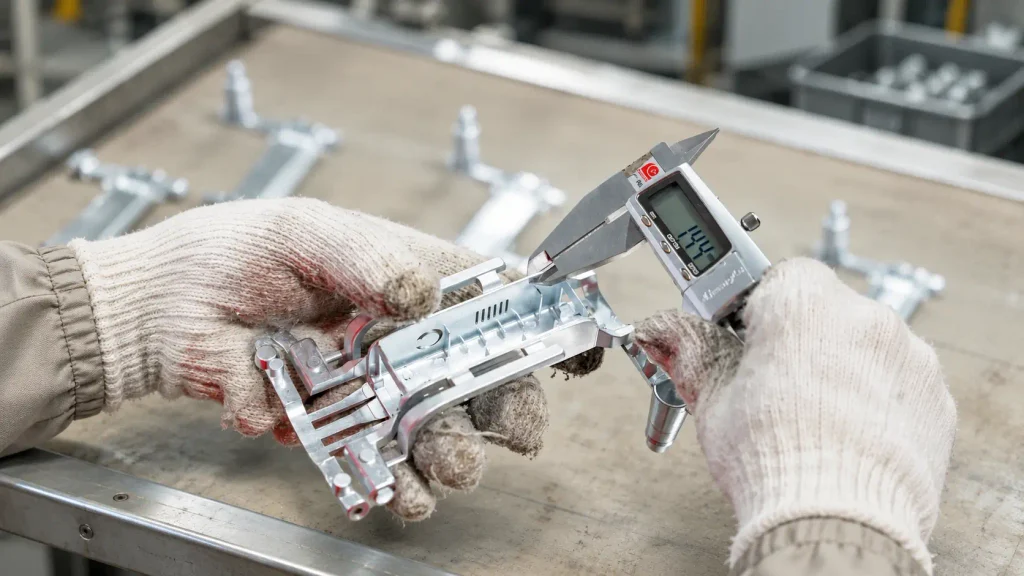
Engineering support includes reviewing component geometry, wall thickness, assembly features, and material requirements to determine suitable die casting and tooling arrangements. Where tighter tolerances or specific functional features are required, secondary CNC machining can be used to produce precision holes, threads, and mating surfaces.
Surface finishing options support both functional and cosmetic requirements, including decorative plating and protective coatings according to project specifications. Quality control covers incoming materials, in-process inspections, and final dimensional verification.
For projects requiring Zamak 3 or Zamak 5, Zhonghui Precision provides coordinated die casting, CNC machining, and surface finishing services based on the component’s design and manufacturing requirements.
FAQ
Yes. Zamak 5 generally has higher tensile strength, yield strength, and hardness because of its increased copper content. However, Zamak 3 offers greater ductility, so the stronger alloy is not necessarily the better choice for every component.
They can be suitable for some of the same applications, but they should not be substituted without reviewing the design requirements. Differences in strength, ductility, and long-term dimensional behavior may affect assembly methods and component performance.
Both Zamak 3 and Zamak 5 are suitable for hot-chamber high-pressure die casting. They offer similar general casting capabilities, including complex geometries and thin-wall features. The choice should be based primarily on the component’s functional requirements rather than the casting process alone.
Both alloys can receive nickel, chrome, and other suitable electroplated finishes. Zamak 3 is widely used for decorative hardware, but Zamak 5 can also achieve high-quality plated surfaces. Casting quality, surface preparation, and plating conditions are generally more important than the alloy designation alone.
Zamak 5 may have a higher raw material cost because it contains more copper. However, the difference in finished-part cost depends on component weight, tooling, production volume, CNC machining, and surface finishing. A quotation should consider the complete manufacturing process.
Zamak 3 is often preferred for applications where long-term dimensional stability and ductility are priorities. Zamak 5 may be appropriate when higher strength or hardness is more important. Both alloys can produce precision die cast components, with secondary CNC machining available for features requiring tighter tolerances.