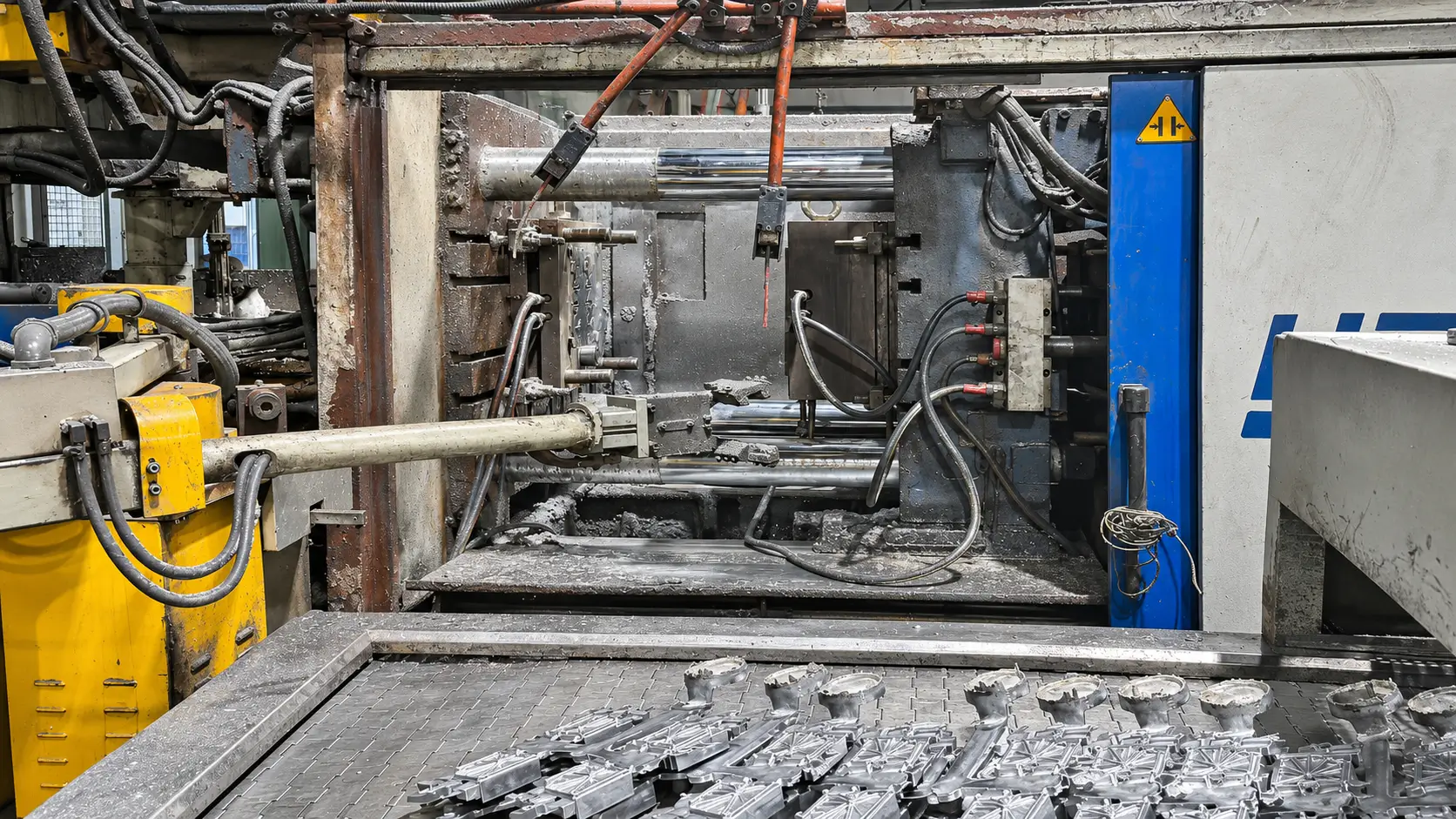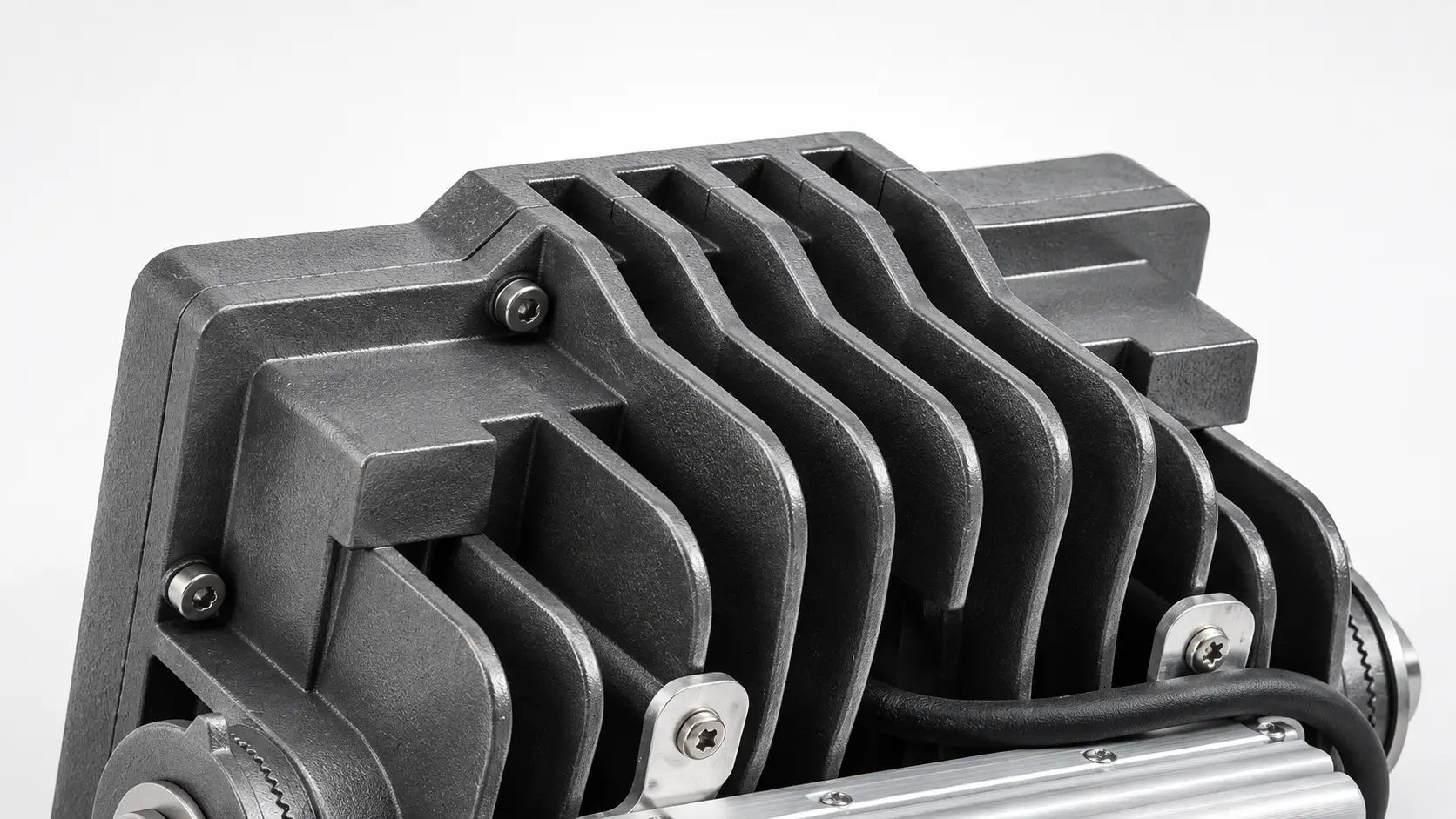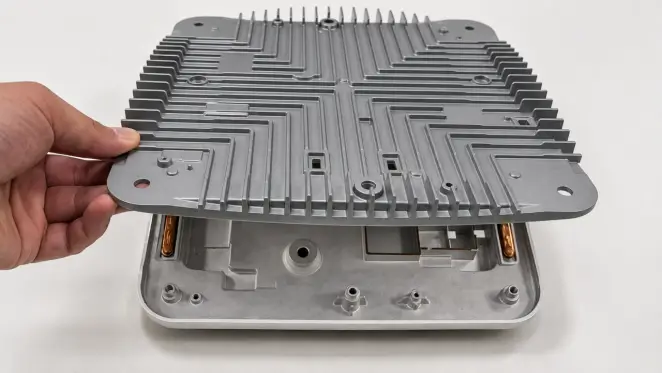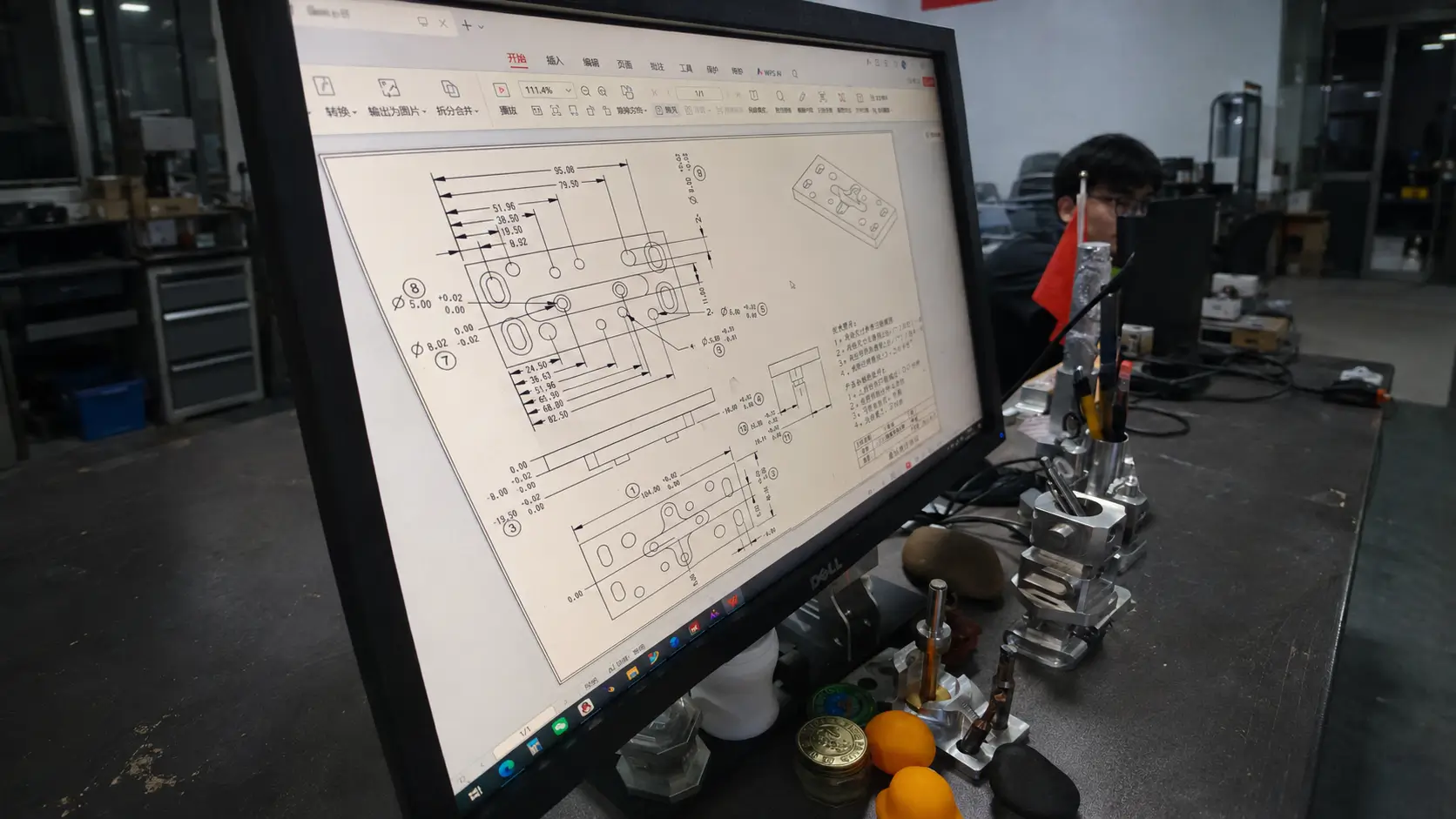

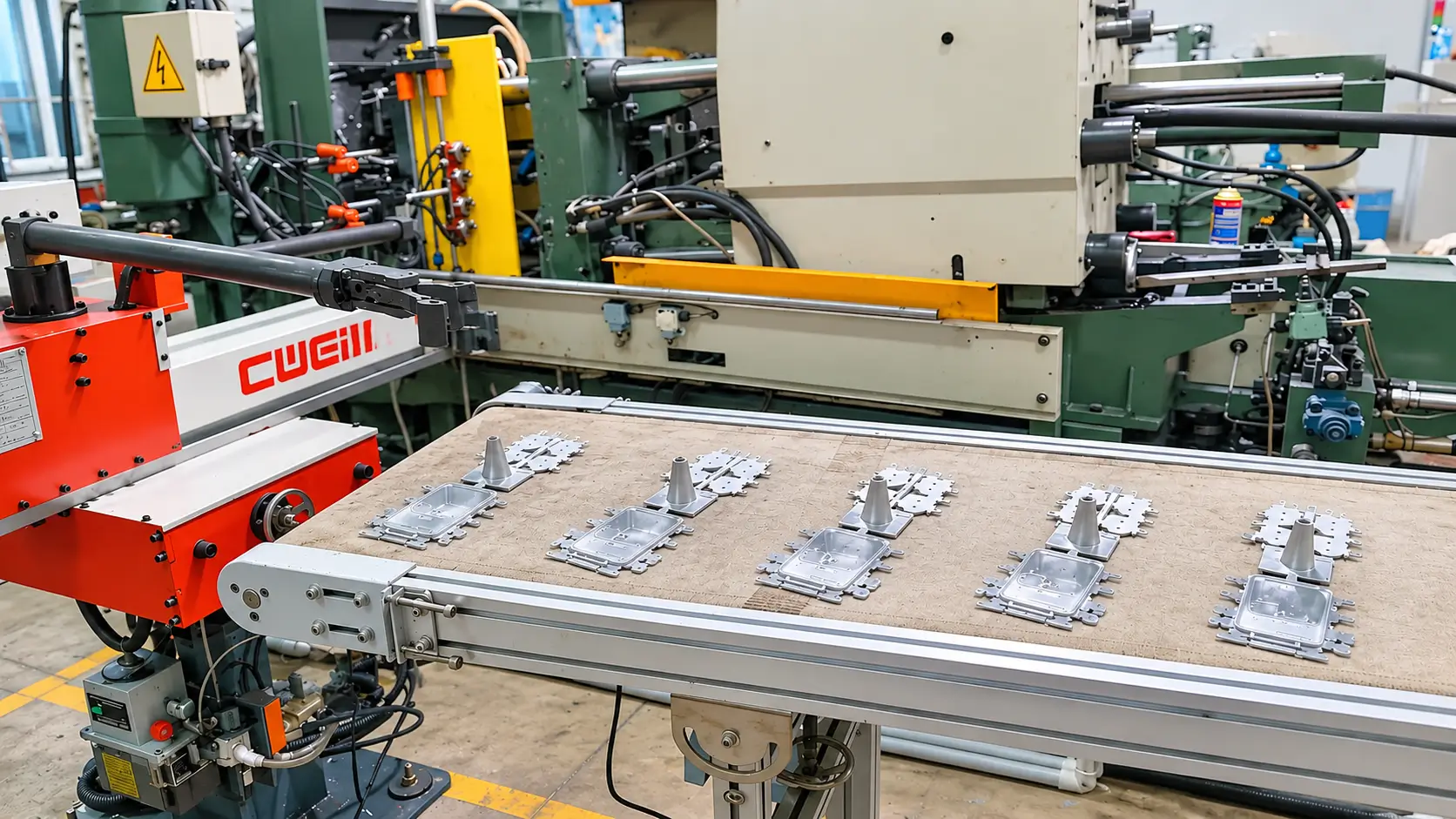
Casting is only one stage of production. Parts may also require gate removal, deburring, CNC machining, polishing, electroplating, or powder coating before inspection and packaging. These operations add recurring costs, while the mold and production fixtures represent an initial investment spread across the project’s output.
This guide examines material, tooling, production, and finishing costs, then explains how order quantity changes the overall economics. It helps engineers and procurement teams assess budgets, compare supplier quotations, and identify design changes that reduce cost while maintaining the required fit, function, and appearance.
How Much Does Zinc Die Casting Cost?
The cost of a custom zinc die casting part depends on its geometry, production volume, material requirements, and the level of finishing required. Without these details, a general average price offers little value for estimating a specific project.
A straightforward bracket may require only casting, gate removal, and deburring. A decorative housing, on the other hand, may need a more complex mold with multiple slides, followed by CNC machining, grinding, polishing, electroplating, and appearance inspection. Similar dimensions and part weights do not necessarily translate into similar manufacturing costs.
A realistic quotation requires the following information:
- Zinc alloy grade
- 2D engineering drawings and a 3D CAD model
- Initial order quantity, batch quantities, and expected annual demand
- Critical tolerances and machining requirements
- Surface finish and cosmetic requirements
- Inspection, packaging, and delivery requirements
Buyers should distinguish four cost figures when reviewing a zinc die casting quotation.
Tooling investment covers the casting mold and any separately charged trimming tools, machining fixtures, or inspection fixtures.
Quoted unit price is the supplier’s price per part at the specified production quantity and agreed supply scope. Confirm which manufacturing operations are included and whether tooling is charged separately or recovered through the unit price.
Initial project budget combines separately charged tooling costs with the first production batch and any other agreed initial expenses.
Total landed cost includes the purchase price and applicable transportation, insurance, duties, taxes, and import-related expenses not already included in the quotation.
How Is Zinc Die Casting Cost Calculated?
A practical way to understand a quotation is to break it into the work required to manufacture and deliver the part:
Zinc Die Casting Quote = Tooling and Production Preparation + Alloy Material + Casting + Secondary Processing + Surface Finishing + Inspection and Packaging
To estimate these costs, the supplier reviews the CAD model and drawing, determines the mold structure and cavity count, selects suitable equipment, and plans the machining and finishing operations.
Some expenses occur before production begins. Mold development and machining fixtures are initial investments, while machine setup and first-piece approval are associated with individual production batches. Material, casting, machining, and finishing costs recur as parts are produced.
| Cost Component | Cost Type | Main Pricing Factors |
|---|---|---|
| Mold and tooling | One-time investment | Part geometry, mold size, cavity count, sliders, core mechanisms, and mold steel |
| Production setup | Per batch | Mold installation, machine setup, process adjustment, and first-piece approval |
| Zinc alloy | Recurring production cost | Alloy grade, net part weight, runner and gate weight, material recovery, and metal loss |
| Die casting | Recurring production cost | Machine capacity, hot or cold chamber process, cycle time, cavity output, and production yield |
| Secondary machining | Per part or operation | Tapped holes, precision bores, milled surfaces, drilling, and dimensional requirements |
| Surface finishing | Per part or batch | Plating, powder coating, painting, polishing, surface area, and appearance requirements |
| Inspection and packaging | Mixed | Critical dimensions, inspection frequency, testing requirements, reports, and packaging specifications |
The relationship between these costs is important when comparing quotations. For example, a multi-cavity mold may require a higher initial investment but produce more parts per casting cycle, reducing the tooling cost allocated to each part. Similarly, a casting process with a shorter cycle time can lower machine cost per unit.
The lowest casting price does not necessarily result in the lowest finished-part cost. Additional machining, surface preparation, finishing, or inspection can significantly change the final quotation. A meaningful comparison should therefore consider the complete manufacturing cost based on the same drawings, material grade, production quantity, and quality requirements.
What Are the Main Zinc Die Casting Cost Drivers?
Zinc die casting costs are influenced by several factors, including mold complexity, alloy consumption, casting cycle time, machining requirements, and surface finishing. Their impact varies with part geometry and production requirements. Reviewing these factors separately helps identify where design changes can reduce manufacturing costs.
Alloy Grade, Part Weight, and Material Recovery
For a given alloy price, part weight determines the amount of metal retained in each component. Unnecessary solid sections increase material consumption. Replacing them with suitable thinner walls and ribs can reduce weight, provided the design maintains the required strength and allows reliable mold filling.
Alloy selection should follow the application requirements. Zamak 3 and Zamak 5 differ in mechanical properties and material cost, so choosing the lower-priced alloy does not necessarily reduce overall costs if it fails to meet the required performance.
Material estimates must also distinguish net part weight from shot weight. In zinc die casting, the shot includes the castings, runners, gates, and overflows produced during each casting cycle. These additional sections increase the total amount of molten alloy required for each shot. Recoverable zinc alloy can be returned to the melting furnace and reused, although oxidation, dross formation, and handling still result in material losses.
The actual material cost depends on the alloy consumed, the weight of the supplied parts, recoverable runner and gate material, melting losses, and the supplier’s recycling process. Calculating material costs from finished-part weight alone can therefore underestimate the actual production cost.
Mold Design, Materials, and Manufacturing
Mold cost depends on the part geometry, mold structure, and manufacturing work required to produce and release each casting. Parts that can be released directly along the die opening direction generally require simpler tooling than those with side holes, undercuts, or other features that prevent straightforward ejection. Slides and moving cores add machining, fitting, actuation, and assembly work.
These mechanisms can still reduce overall production costs. For example, a side-action core can form a side hole during casting, potentially eliminating a drilling operation on every part. The decision should consider the additional mold investment against the recurring cost of secondary machining.
Cavity count creates a similar tradeoff. Multi-cavity molds require additional forming features and a suitable runner, cooling, and ejection layout. Although they increase the initial tooling investment, they can produce more parts per casting cycle and reduce the allocated machine cost per part. The appropriate cavity count depends on part size, machine capacity, and expected production demand.
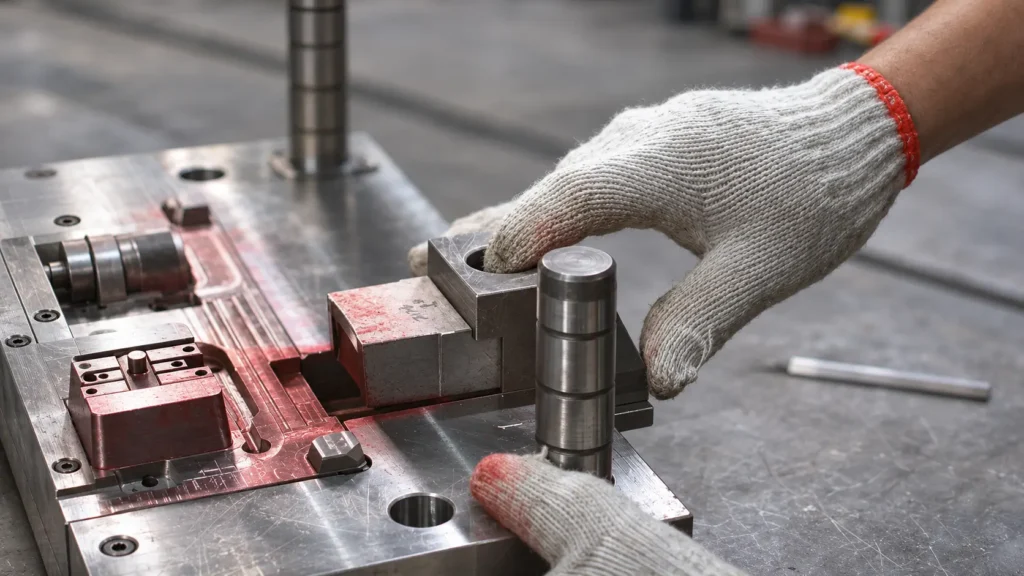
The tooling price also includes mold steel, heat treatment where required, CNC machining, EDM, fitting, assembly, and mold trials. Steel price alone is therefore a poor measure of mold cost. A narrow, deep feature or complex internal geometry can require more machining and fitting work than a larger, accessible cavity.
When evaluating a mold quotation, check the cavity count, slide and moving-core arrangement, mold steel specification, and included trial and acceptance work. Our die casting mold cost guide examines these tooling expenses in more detail.
Machine Capacity, Cycle Time, and Production Yield
Die casting production cost depends on how many conforming parts a machine produces per hour. Machine capacity, cycle time, and cavity count determine the potential output, while rejects and production interruptions reduce the number of parts available for delivery.
Machine selection considers clamping force, shot capacity, and mold dimensions. The projected area of all cavities and the runner system affects the clamping force required to keep the mold closed during metal injection. Part weight alone therefore does not determine the required machine size.
Cycle time includes metal injection, solidification, mold opening, ejection, and preparation for the next shot. Thicker sections generally require longer solidification times, while complex part geometry and difficult ejection can increase handling time. Reducing unnecessary thick sections can therefore lower both alloy consumption and cycle time, provided the revised design maintains adequate strength and casting quality.
For example, a two-cavity mold running at a 20-second cycle produces a theoretical 360 parts per hour. This is an illustrative calculation before accounting for downtime, rejects, and other production losses, not a guaranteed production rate.
Casting cost per accepted part = Hourly production cost ÷ Accepted parts per hour
Adding cavities only reduces unit cost when the additional output outweighs changes in machine cost, cycle time, and production losses. The useful comparison is accepted output, not cavity count or machine rate alone.
Trimming, Deburring, and CNC Machining
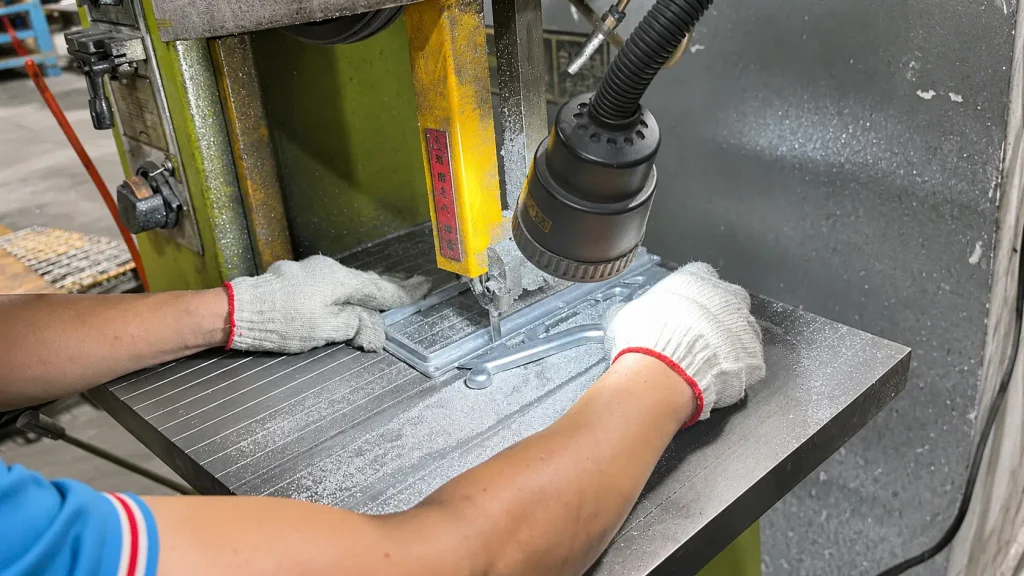
After casting, gates, runners, and overflows must be removed, while remaining flash and sharp edges must meet the drawing requirements. The location of these features affects the amount of secondary work involved. A gate mark on a concealed surface may require only trimming, while the same mark on a visible face may need flush grinding and surface blending to meet cosmetic requirements.
CNC machining adds cost when the casting process alone cannot achieve the specified dimensions, tolerances, or geometry. Common operations include tapping threaded holes, finishing precision bores, and milling mating or sealing surfaces.
The number of machining setups can matter as much as the number of features. Several holes accessible from one direction may be machined in a single setup, while features on different faces require additional positioning, dedicated fixtures, or multi-axis machining. Each additional setup increases handling and positioning time and can introduce further alignment requirements.
To control these costs, identify which features genuinely require machining and define their datums and tolerances clearly. Keep non-critical surfaces in the as-cast condition where they meet functional requirements, and position gates and trimming areas away from precision or cosmetic surfaces wherever the mold design allows.
Surface Finishing and Appearance Requirements
Surface finishing costs depend on the preparation, treatment process, and appearance standards required for the finished part. A decorative plated housing needs a different finishing route from a concealed bracket that requires only basic corrosion protection.
Surface preparation before electroplating adds labor, particularly around recesses, curved surfaces, parting lines, and other difficult-to-reach areas. Gate marks, ejector marks, and visible casting imperfections may also require additional grinding or polishing. Defects that are acceptable on an internal component may need to be removed from visible surfaces, increasing preparation time.
For electroplating, painting, and powder coating, costs also depend on surface area, coating specifications, masking requirements, and handling. Threads, precision bores, and electrical contact areas may need protection from coating buildup. Individual racking or hanging can add labor compared with suitable bulk-processing methods.
Specify cosmetic surfaces, color, texture, coating requirements, and allowable surface marks in the drawing or technical specification. An approved appearance sample helps establish the expected finish and acceptance criteria. Applying the same decorative standard to every concealed surface adds finishing and inspection costs without improving the visible product.
Tolerances, Inspection, and Packaging
Tight tolerances increase manufacturing costs when they require additional CNC machining, dedicated inspection gauges, or longer measurement cycles. A close-tolerance locating bore, for example, may require post-casting machining and more frequent dimensional verification, while a clearance hole may be acceptable in the as-cast condition. Apply precision requirements to features that determine fit and function rather than assigning unnecessarily tight tolerances to every dimension.
Inspection scope also affects production costs. First Article Inspection (FAI), routine production sampling, and 100% inspection involve different levels of measurement work and documentation. Identify which critical characteristics require individual verification, the inspection frequency, and which reports must accompany delivery.
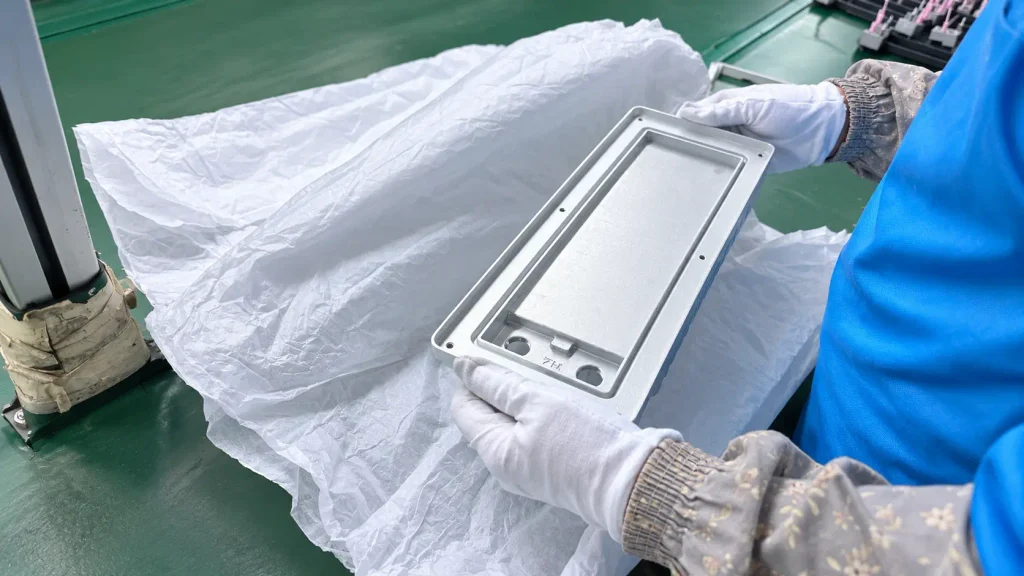
Packaging protects the finished parts during storage and transportation. Polished and electroplated components may require individual bags, separators, or fitted trays to prevent scratches, contact marks, and surface damage. Heavier structural parts need packaging that supports their weight and prevents movement during transit. Packaging specifications should reflect the required surface condition, part geometry, and shipping conditions.
How Does Order Quantity Affect Zinc Die Casting Cost?
Order quantity affects both the tooling cost allocated to each part and the recurring production cost per unit. These are separate effects: spreading a mold investment across more parts reduces the average tooling cost per part, while production quantity discounts depend on savings in setup, machine utilization, and processing efficiency.
Tooling Cost per Part
Allocated tooling cost per part = Tooling investment ÷ Actual production quantity
Once the mold has been purchased, producing additional parts spreads that investment across a larger output. Use realistic cumulative production demand for this calculation rather than an optimistic forecast. If actual orders fall short of expectations, the tooling cost allocated to each part will be higher than originally estimated.
Batch Size and Unit Price
Larger production batches spread mold installation, machine adjustment, and first-piece verification costs across more parts. Longer, uninterrupted production runs can also reduce repeated setup work and improve machine utilization.
However, alloy consumption, machining, and surface treatment remain recurring expenses. A component requiring extensive CNC machining and polishing may show a smaller quantity discount than a part supplied after basic trimming. Some finishing processes may also involve minimum batch charges, limiting the savings from larger orders.
Annual Demand and Delivery Quantities
Annual demand helps determine the appropriate tooling configuration and production capacity, while release quantities affect production scheduling and setup frequency. An annual requirement of 50,000 parts delivered in ten batches is different from one order produced and delivered together.
Provide both figures when requesting a quotation. Larger production releases can reduce repeated preparation costs, but they also increase inventory requirements and the amount of cash tied up in stock. The lowest unit price is only beneficial when the additional quantity matches actual demand.
Zinc Die Casting Cost Reference Example
The following quotation example shows tooling and finished-part pricing for a ZAMAK 3 component measuring 33.5 × 22.5 × 21.8 mm, produced with a two-cavity mold.
The quoted process includes die casting, gate removal, abrasive-belt finishing, grinding, CNC machining, electroplating, inspection, and packaging.
Tooling Investment
| Item | Approximate Cost |
|---|---|
| Die casting mold | US$5,398 |
| CNC machining fixture | US$1,200 |
| Total tooling | US$6,598 |
Finished-Part Pricing
| Quantity | Approximate Unit Price |
|---|---|
| 5,000 pieces | US$1.066 |
| 10,000 pieces | US$1.059 |
| 20,000 pieces | US$1.054 |
The modest quantity discount reflects a component that still requires machining and finishing at every production volume. Tooling is shown separately, allowing buyers to distinguish the initial investment from recurring part purchases.
Figures exclude tax and are converted from the original quotation at US$1 = RMB 6.669. They illustrate the specified component and processing scope, rather than a standard price for zinc die cast parts.
How to Reduce Zinc Die Casting Cost
Effective cost reduction starts with eliminating unnecessary material, tooling complexity, machining, and finishing. The best opportunities usually appear before tooling begins, when part geometry and manufacturing requirements can still be adjusted.
Remove Unnecessary Material
Replace heavy solid sections with a suitable wall-and-rib structure. This reduces alloy consumption and can shorten cooling time. Keep enough material around loaded features, threaded holes, and areas that will be machined.
Simplify Features That Require Moving Cores
Review side holes and undercuts to determine whether they can be reoriented, combined, or removed without affecting assembly. Fewer independent core movements reduce tooling work.
However, eliminating a slide is not automatically a saving. If the change adds drilling to every part, compare that recurring expense with the original tooling investment.
Reduce Machining Setups
Group machined features around accessible faces and common locating datums. Features that can be completed in one setup require less handling and fixturing than features requiring repeated repositioning.
Leave surfaces as cast where they already meet the functional requirements.
Apply Tight Tolerances Selectively
Identify dimensions that control fit, alignment, sealing, or movement. Apply tighter tolerances to those features rather than to every dimension. Unnecessary precision adds machining and inspection without improving the part’s function.
Define Surface Requirements Clearly
Separate visible faces from concealed surfaces and specify acceptable gate, ejector-pin, and parting-line marks. This helps avoid polishing or blending areas that do not need a decorative finish.
Coating thickness and masking requirements should also be defined around threads, precision fits, and contact surfaces.
Match Tooling to Realistic Demand
Compare cavity options against expected batch sizes and cumulative demand. Additional cavities must save enough production cost to justify their tooling expense. Base the decision on credible orders and forecasts rather than the lowest theoretical unit price.
How to Compare Zinc Die Casting Quotes
A lower quotation does not always mean a lower total cost. Suppliers may calculate prices based on different tooling configurations, machining requirements, finishing processes, and inspection standards. Compare each quotation against the same manufacturing scope.
| Item to Compare | What to Check |
|---|---|
| Material | Alloy grade, material specification, and any required compliance documents |
| Tooling | Cavity count, moving cores, mold life, trial costs, included fixtures, and ownership |
| Machining | Machined features, dimensional tolerances, threads, and included operations |
| Surface Finishing | Surface preparation, coating specifications, cosmetic requirements, and masking |
| Inspection | Inspection points, sampling frequency, testing methods, and required reports |
| Quantity | Order quantity, batch size, and production release assumptions |
| Delivery | Packaging, freight, applicable taxes, and agreed Incoterms |
Pay particular attention to operations excluded from the quoted piece price. A casting-only quotation may appear cheaper than one covering CNC machining, surface finishing, and inspection, even though its final delivered cost is higher.
Before placing an order, clarify all exclusions and additional charges. Record the approved drawing revision, material specification, inspection requirements, and agreed supply scope in the purchase agreement.
What Information Is Needed for an Accurate Zinc Die Casting Quote?
Provide the current 2D engineering drawing and 3D CAD model, together with the requirements below. These details establish the tooling, processing, and inspection work included in the quotation.
Material: Zinc alloy grade and any required material or compliance documents.
Quantity: Initial order quantity, production batch sizes, and expected annual demand.
Dimensions and machining: Critical tolerances, threads, mating surfaces, and specified machining requirements.
Surface requirements: Plating or coating specifications, surface roughness where required, cosmetic faces, and appearance standards or approved samples.
Application and testing: Product use, operating environment, and specified performance or reliability tests, including acceptance criteria.
Inspection and delivery: Inspection reports, packaging, delivery destination, and required schedule.
If the material or finish has not been selected, describe the application and operating conditions so suitable options can be reviewed. Send your files and quantities to Zhonghui Precision for a zinc die casting quotation.
Tooling is often quoted separately from production parts. Some suppliers offer an arrangement that recovers the tooling investment through the piece price. Check the payment structure and recovery quantity so the same expense is not counted twice.
Suppliers can propose different cavity counts, machining routes, and finishing methods. Their offers may also include different inspection, tooling, and delivery charges. Compare the complete supply scope before judging the price difference.
Larger batches spread setup work across more parts, but material, machining, and finishing remain recurring expenses. Parts requiring substantial manual polishing or secondary machining generally have less room for quantity savings than simpler castings.
The tooling investment is the main obstacle for a new, small-volume project. Existing tooling or credible repeat demand can improve the economics. For a short run with no expected repeat orders, compare the total cost with a suitable alternative such as CNC machining.
An unchanged design allows the existing tooling to be reused, but repeat-order prices still depend on batch quantity, alloy prices, finishing requirements, and tooling condition. Agree on the price-adjustment basis when establishing a repeat-production arrangement.