
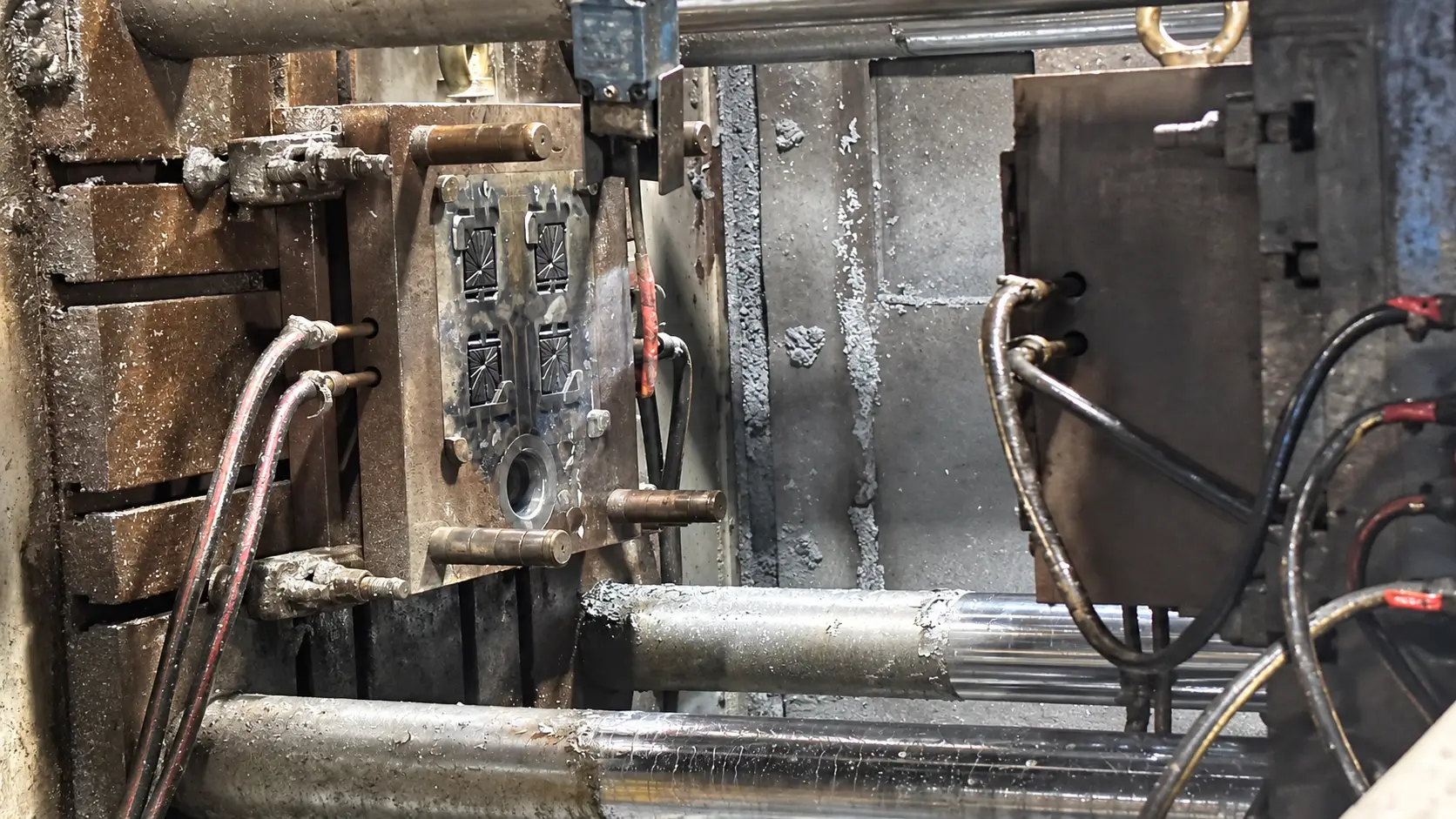
The initial quotation is only part of the expense. Repairs, replacement inserts, and production interruptions can add costs after the mold enters service. Understanding both stages helps buyers budget for tooling without choosing a lower purchase price that creates more expense during production.
How Much Does a Die Casting Mold Cost?
Die casting molds can cost from several thousand dollars for small, simple tools to more than $100,000 for large or complex production molds. This is a broad budgeting range rather than a standard price: a single-cavity tool for a straightforward component requires substantially different work from a large housing mold with multiple moving cores.
Part dimensions alone do not determine the price. A relatively small component with deep recesses, side holes, and undercuts can require considerable tooling work. Multiple cavities increase the number of forming features and introduce additional filling, cooling, and ejection requirements.
The quotation also needs a clear scope. Check whether it includes mold design, steel, heat treatment, assembly, trials, and sample inspection. Trimming tools, spare inserts, and machining fixtures may be separate charges.
Production Quantity and Tooling Cost per Part
Production quantity changes how the mold investment contributes to each finished part. As a simple example, a $20,000 mold allocated across 5,000 acceptable parts contributes $4 per part; across 20,000 parts, it contributes $1.
That calculation excludes casting, material, finishing, and other production expenses. It also assumes the original mold can supply the stated quantity without additional tooling investment. Use realistic order quantities when budgeting, and account separately for expected repairs or replacement components.
Factors That Influence Die Casting Mold Cost
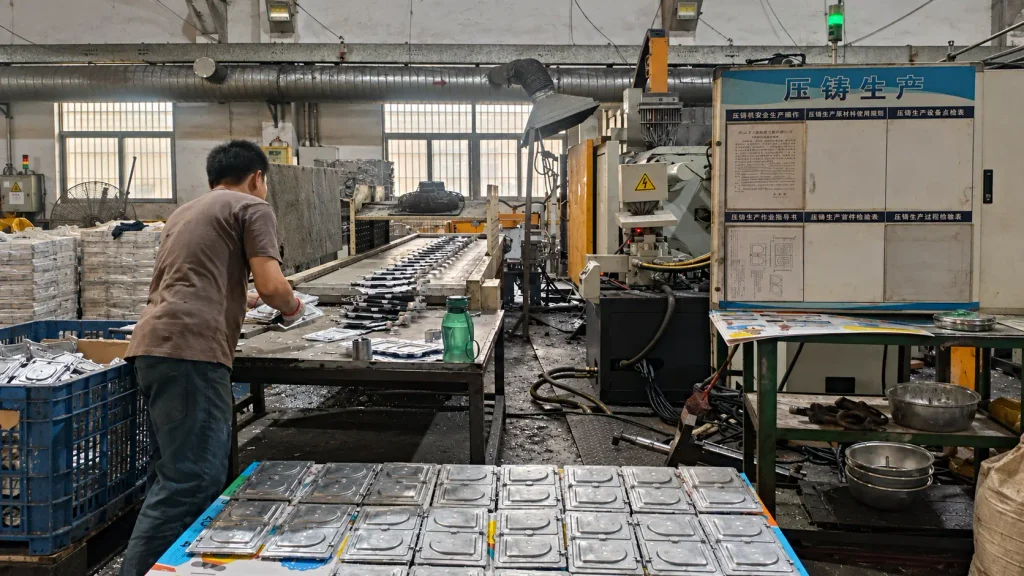
A mold must form the required geometry while allowing metal to fill the cavity, heat to leave the casting, and the finished part to release. The following design and material choices determine how much work the toolmaker needs to perform.
Mold Design and Complexity
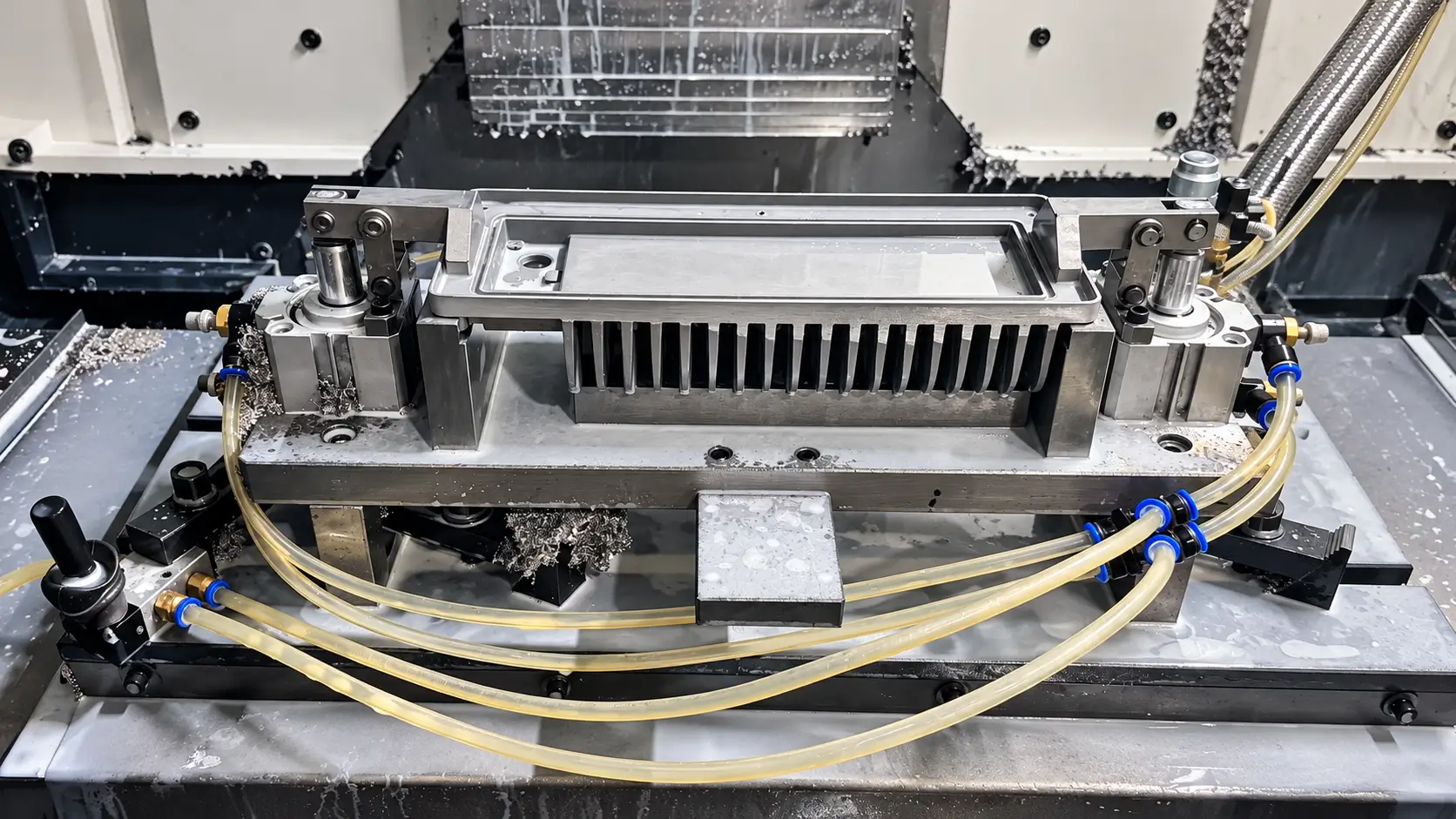
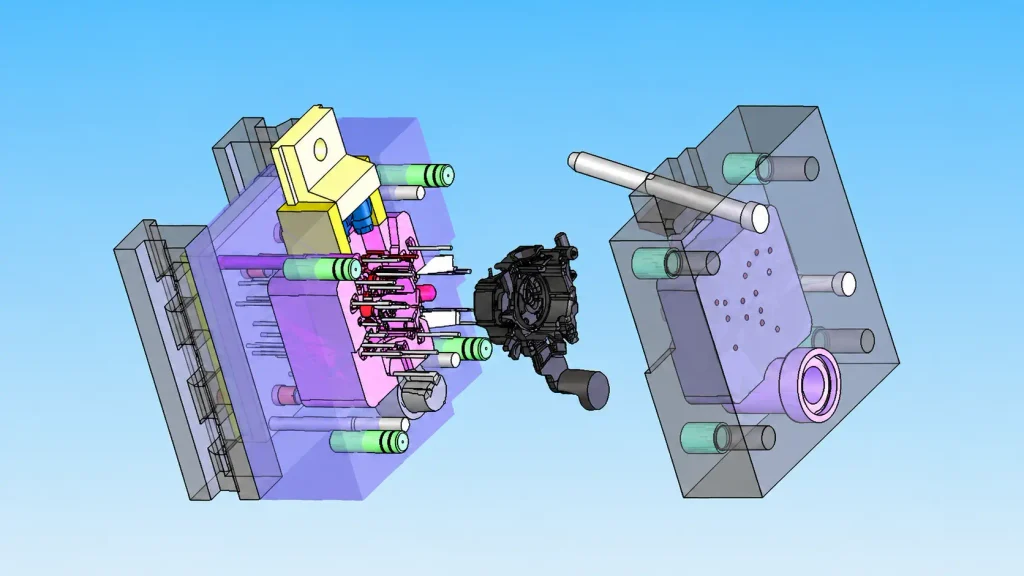
A part that releases along the mold-opening direction generally needs fewer mechanisms than one with side holes or undercuts. Slides add components that must be machined, fitted, and operated in the correct sequence. Several features may share one slide, while features facing different directions can require separate mechanisms.
Cavity count also affects the design. Adding cavities means more than duplicating the part shape: the mold needs to feed and cool those cavities appropriately and eject their castings reliably.
ZH Precision reviews your part drawings to identify features that add tooling complexity, including side holes, undercuts, and cavity arrangements. We recommend practical design adjustments that preserve fit and function while reducing unnecessary mold components. Send us your CAD files and expected production quantity to discuss tooling options for your project.
Runner, Gate, and Vent Design
Runners and gates carry molten metal into the cavity, while vents and overflows help manage air and the filling sequence. Their dimensions and positions require design work, and filling simulation may be included to examine potential problems before steel is cut.
This expense can prevent more extensive work later. If trials reveal incomplete filling or trapped air, corrections may involve modifying gates, changing overflows, or reworking inserts before another trial. The cost comparison should therefore include the proposed design work and the agreed correction scope.
Cooling Circuits
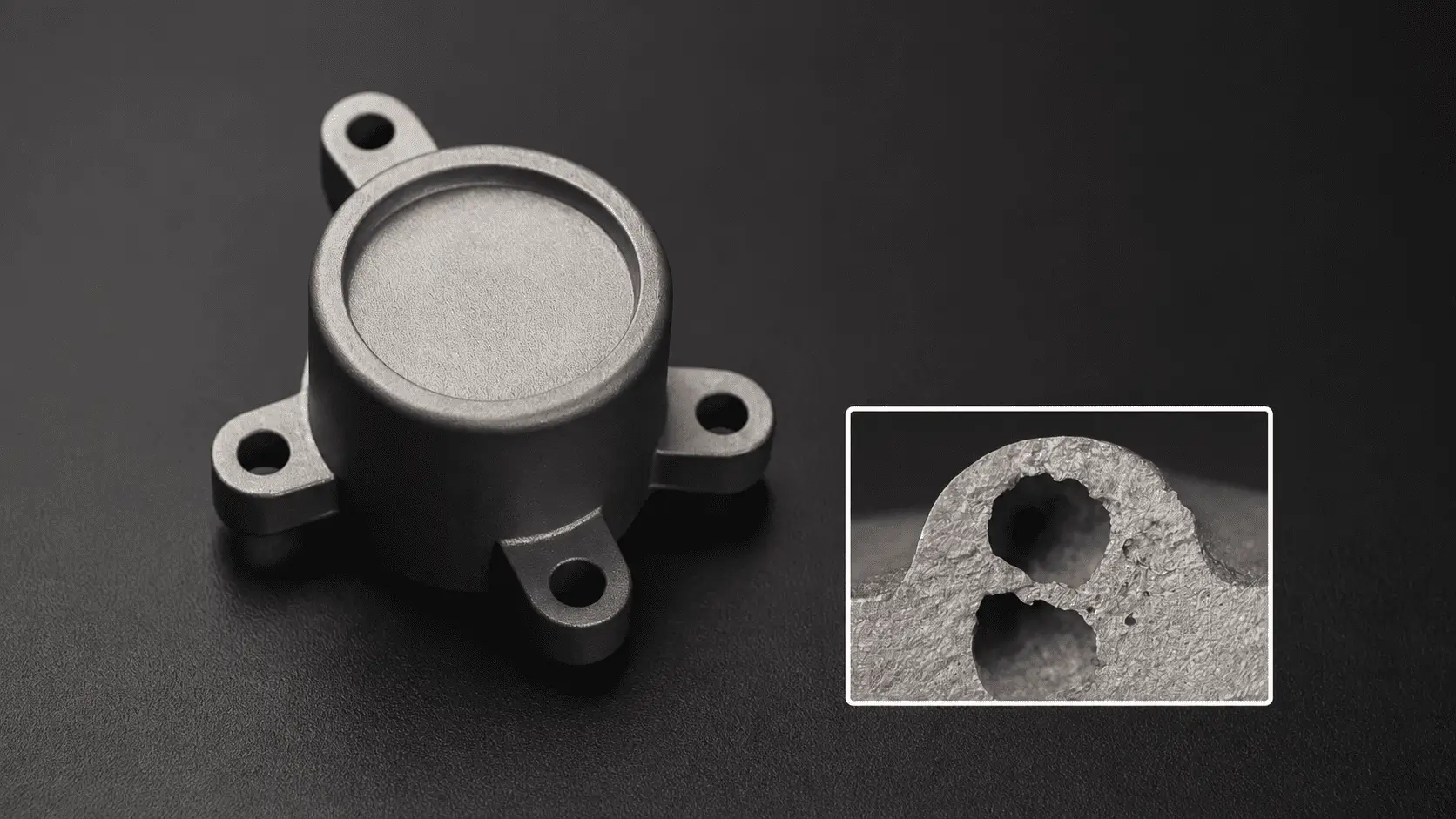
Cooling passages require drilling, connections, and sometimes separate circuits for areas with different heat loads. Deep cores or closely packed inserts can restrict where those passages fit, making their construction more demanding. A simpler cooling layout may cost less to manufacture, but insufficient heat removal can lengthen the cycle, and uneven temperatures can contribute to distortion and thermal stress.
Replaceable Inserts
A narrow core or heavily loaded forming feature may wear or become damaged before the surrounding cavity block. Making that area as a separate insert allows the toolmaker to replace a smaller component.
The benefit comes with an initial cost. Inserts need machining, accurate alignment, and fitting; their interfaces must also suit the cooling arrangement and the casting surface requirements.
They are most useful around identifiable wear areas or anticipated design changes. Adding inserts everywhere would increase assembly work without necessarily reducing future repair costs.
Tool Steel and Heat Treatment
The mold base supports the assembly, while cavity and core inserts repeatedly contact molten metal. Their material requirements differ, so a quotation should specify the forming steel separately from the base material.
H13 is a common hot-work tool steel for aluminum die casting inserts. Steel quality and heat treatment affect resistance to thermal fatigue, cracking, and softening during service. Buyers should compare the stated material and treatment specifications rather than treating all steel molds as equivalent.
Die Casting Mold Cost Breakdown
The manufacturing expenses can be grouped into five main categories. Their share of the total varies with the mold, so a fixed percentage breakdown can be misleading.
| Cost Category | Main Items Included |
|---|---|
| Design | Part review, mold layout, gating, cooling, and simulation where specified |
| Materials and purchased components | Tool steel, mold base, guide components, ejector pins, and actuators |
| Manufacturing | CNC machining, EDM, grinding, heat treatment, and surface finishing |
| Fitting and assembly | Matching mating surfaces, fitting slides and inserts, and assembling the tool |
| Trials and verification | Trial casting, sample inspection, and agreed tooling adjustments |
Trials are particularly important when checking quotation coverage. One supplier may include an initial trial and specified corrections, while another lists additional trials separately. Establish what happens if samples do not meet the approved drawing and distinguish those corrections from customer-requested design changes.
A trimming die or post-machining fixture serves a separate production operation. Confirm whether these items appear in the tooling total or elsewhere in the quotation before calculating the project’s setup cost.
Mold Maintenance and Replacement Costs
During production, mold condition can affect both part quality and machine availability. Worn shut-off surfaces may create increasing flash, damaged forming features can mark the casting, and sticking components can interrupt the ejection sequence.
Maintenance costs include the labor and parts needed to address these problems. Cleaning, checking moving components, inspecting cooling connections, and repairing localized damage are different activities from replacing a cracked cavity insert. Their frequency and cost will vary with the tool and operating conditions.
Repair or Replacement?
Localized damage may allow an insert or moving core to be repaired or replaced while the rest of the mold remains in service. More extensive deterioration can require a larger rebuild.
The decision should consider whether the repair will restore the required dimensions and surface condition, how long it will take, and whether other worn areas will soon need attention. Repeated repairs to a failing section can eventually cost more than replacing it.
Maintenance Responsibilities
Agree who performs routine maintenance, who pays for replacement components, and how repair approval works. If the supplier states an expected tool life, clarify whether that figure refers to shots or acceptable parts and which components it covers.
These details matter when comparing tooling offers. An initial price without maintenance terms gives little information about the expense of keeping that mold in production.
Extending Mold Life to Control Total Cost
Repeated contact with molten metal, followed by cooling, subjects forming inserts to thermal cycling. Tool steel selection and heat treatment help the mold withstand those conditions, but production control also affects how quickly damage develops.
Control Mold Temperature
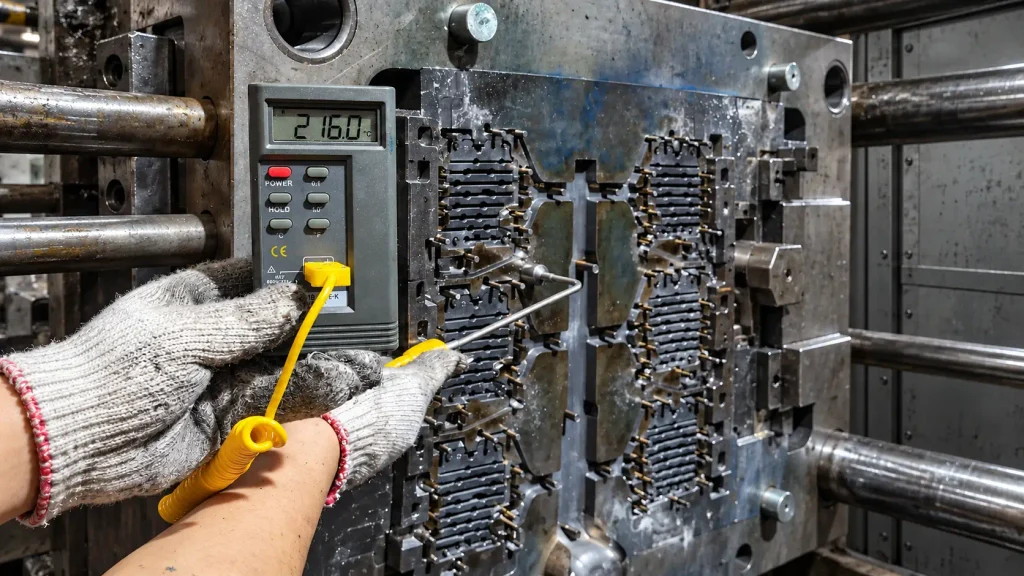
Preheating and controlled production temperatures help manage thermal cycling. Cooling and spraying need to suit the tool’s heat load: excessive localized cooling can create sharp temperature differences, while insufficient cooling leaves hot areas exposed to greater thermal loading.
The objective is a stable operating condition throughout the production run, rather than simply making the mold as cool as possible.
Address Wear Before It Disrupts Production
Inspection can identify damaged pins, worn slide surfaces, and developing insert problems before they cause a prolonged stoppage. Where a component is known to wear faster, preparing a spare can reduce the time needed to return the tool to service.
After a production run, clean and protect the mold for storage. Record repairs and insert replacements so future maintenance decisions reflect the tool’s actual condition.
A more expensive mold is not automatically a better investment. The additional price needs to correspond to a useful specification—such as better forming steel, an appropriate cooling arrangement, or replaceable wear components. Compare those provisions with the expected production demand to judge whether they justify the upfront expense.
Conclusion
Die casting mold cost reflects the design, materials, manufacturing, and trials required to prepare the tool for production. Cooling circuits, replaceable inserts, and steel specifications also affect the expense of maintaining it over time.
When comparing quotations, check what the price includes and how the proposed mold suits your production quantity. A higher initial investment can be worthwhile when it avoids repeated repairs or replacement, but the additional cost should correspond to clear tooling specifications and your project’s needs.