
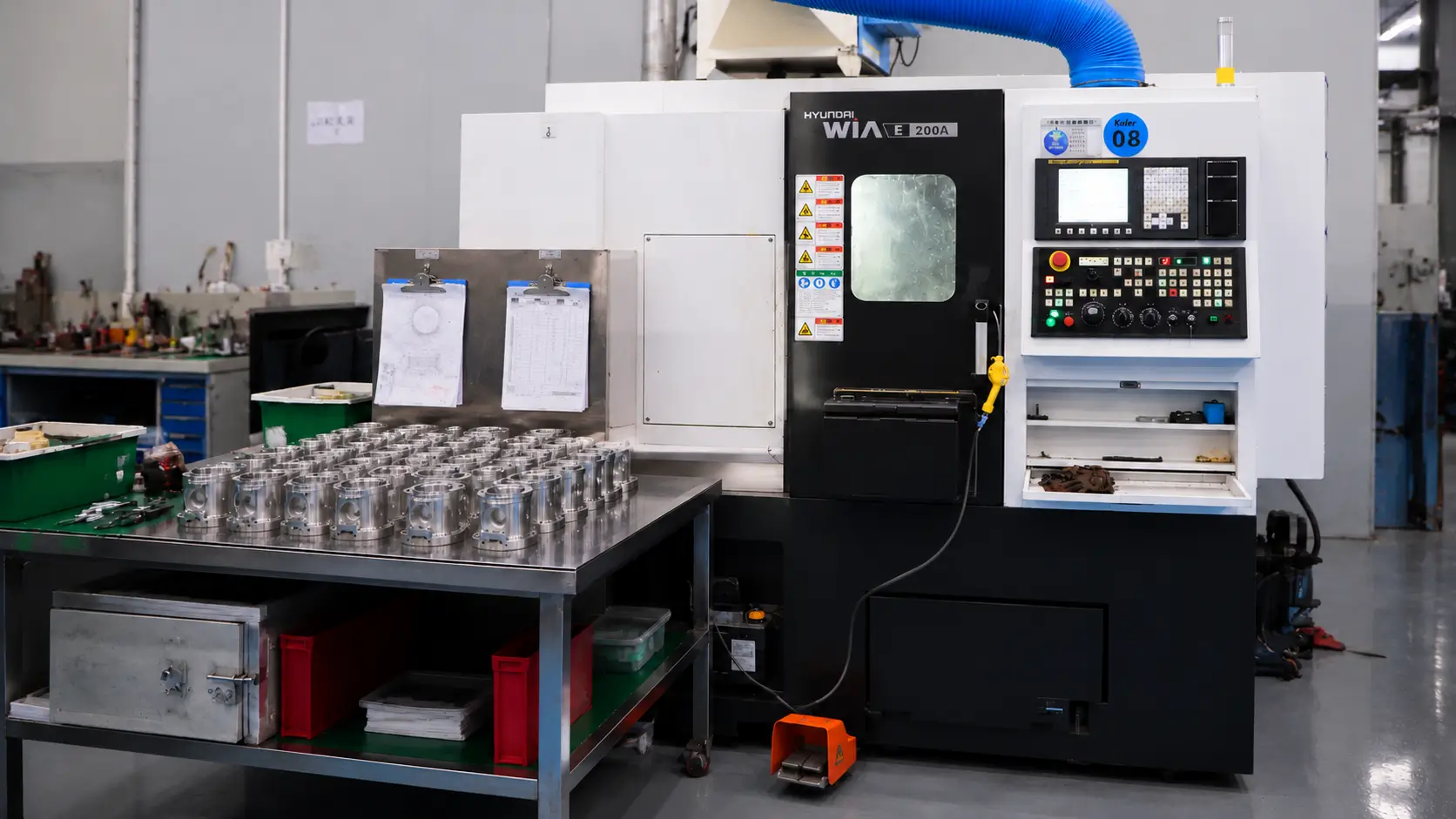
For engineers and buyers, the challenge is balancing part requirements, order quantity, and total cost. This guide explains when small-batch CNC machining makes sense, how manufacturing requirements and quantity affect pricing, and what to review before requesting a quote.
What Is Low-Volume CNC Machining?
Low-volume CNC machining produces small batches of custom parts using CNC milling, turning, or multi-axis machining. It can support the transition from prototype testing to production, but it also serves products that need limited quantities throughout their working life. The manufacturing approach depends on the part’s geometry, material, dimensional requirements, and expected demand.
What Quantities Are Considered Low Volume?
There is no universal quantity that defines low-volume CNC machining. Orders may involve 10, 50, 200, or several hundred parts, but quantity alone does not describe the manufacturing workload.
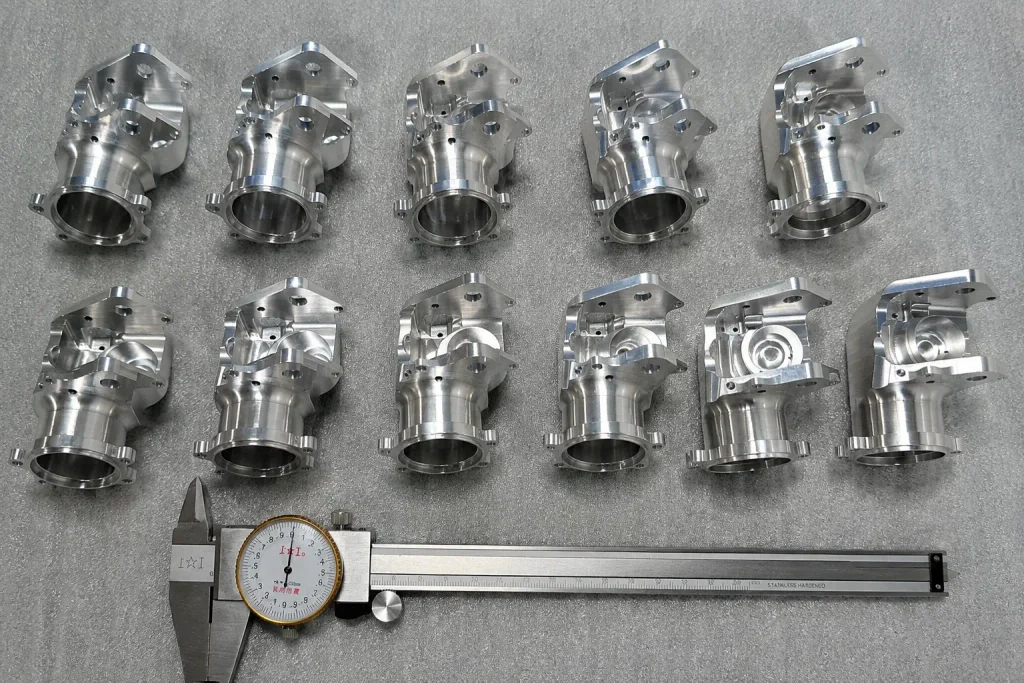
For example, 50 aluminum housings with deep pockets, multiple machining directions, and precision bores may require more preparation and machine time than 200 simple turned spacers. Buyers should therefore provide both the immediate order quantity and expected repeat demand when discussing a production plan.
How Does It Differ from CNC Prototyping?
CNC prototyping primarily helps verify a design. A prototype may be used to check fit, test material performance, or identify dimensions that need adjustment.
Low-volume production places greater emphasis on repeatability across multiple parts. A housing that fits correctly once is a useful prototype; a batch of housings must meet the specified mating dimensions so each can fit its corresponding components. Drawing revisions, acceptance criteria, and inspection requirements become important controls when moving from a sample to a production batch.
How Does It Differ from High-Volume CNC Production?
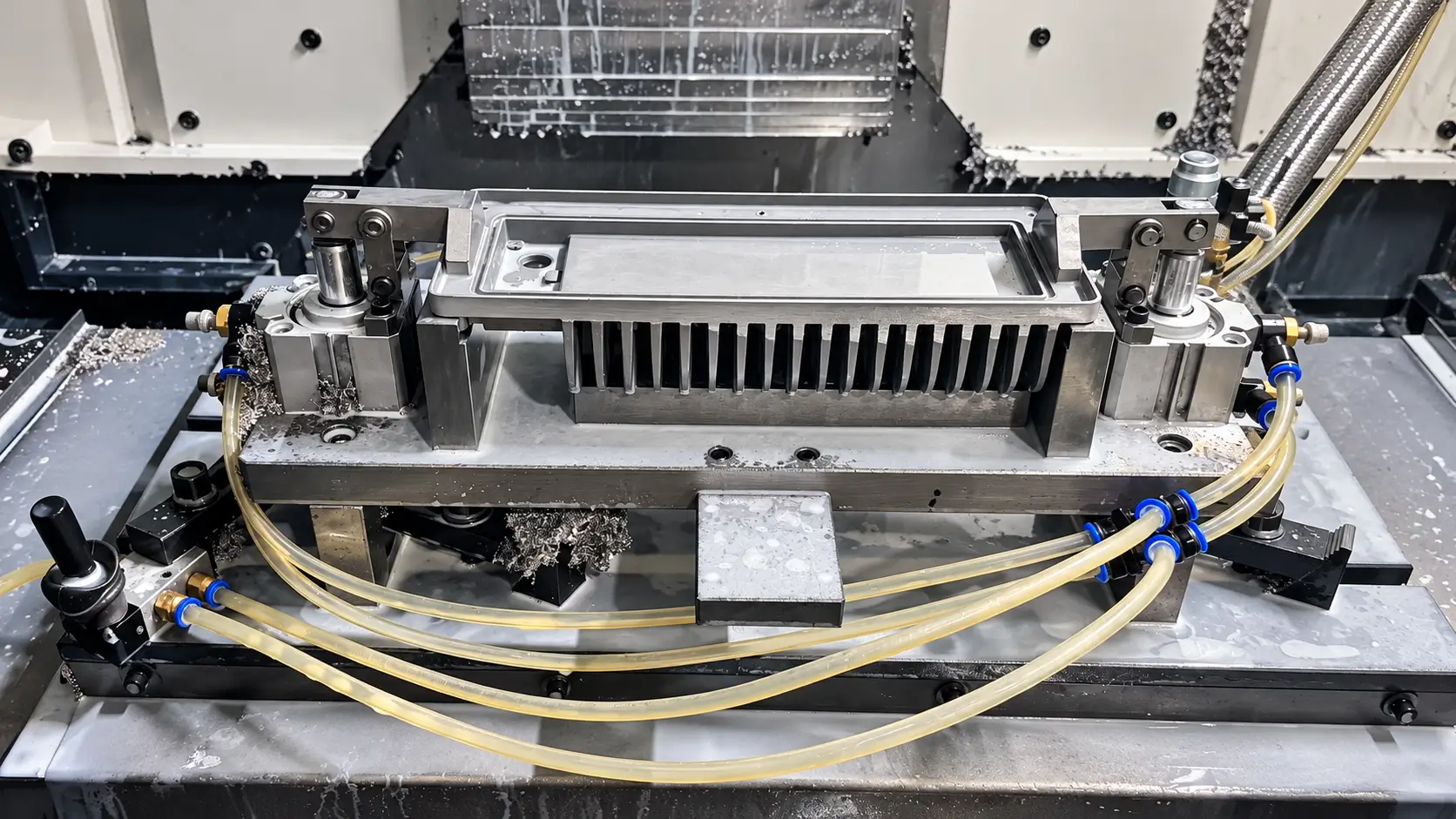
Low-volume and high-volume production may use the same CNC machines, but they often justify different levels of preparation. Small batches typically favor flexible workholding and a practical setup that keeps initial spending manageable.
Stable, recurring demand may justify dedicated fixtures, multiple-part setups, automated loading, or additional cycle-time optimization. These investments take time and money to develop, so their value depends on how many parts the supplier expects to produce. A solution that lowers unit cost over thousands of parts may add unnecessary expense to a one-time order of 20.
When Is Low-Volume CNC Machining the Right Choice?
Low-volume CNC machining makes sense when a project needs functional parts in limited quantities and the manufacturing plan must accommodate its material, dimensional, and delivery requirements. The following situations illustrate where small-batch machining can be practical.
Pilot Builds and Early Production
A successful prototype does not confirm how multiple parts will perform during assembly or use. Pilot builds provide a batch for checking component fit, testing assembly procedures, and evaluating performance before releasing larger orders.
For example, a batch of aluminum housings can help a team evaluate bearing fits, mounting-hole alignment, and access for fasteners across several assemblies. If testing reveals a necessary change, the next machining batch can follow the revised drawing. The supplier still needs to review any affected programs, fixtures, and inspection requirements.
Custom Equipment and Low-Demand Products
Some products need small quantities throughout their service life. Automation equipment, laboratory instruments, and specialized machinery may require only a few dozen brackets, shafts, or mounting blocks per order.
For these projects, low-volume CNC machining can remain the regular production method. The priority is a repeatable process that meets drawing requirements and supports future orders without excessive initial investment. Providing expected annual demand helps the supplier decide whether reusable soft jaws or dedicated fixtures are worthwhile.
Bridge Production Before Tooling Is Ready
When production tooling is still being built or qualified, low-volume CNC machining can supply parts for early assembly or limited delivery. For example, an initial batch of aluminum housings can support assembly testing while the die-casting mold is being prepared.
For parts that will later be die cast, the CNC-machined batch can help verify fit, mounting positions, and assembly access. However, differences in material properties and geometry mean it may not fully represent the final cast parts. Tests that depend on casting quality or material performance should use parts made through the final production process.
Replacement Parts and Discontinued Components
Small-batch machining can also support equipment that needs occasional replacement parts after the original supply has ended. Examples include bushings, shafts, mounting plates, and specialized connectors.
Reliable drawings and material specifications provide the best starting point. When only an existing sample is available, worn surfaces require particular attention: copying a worn shaft diameter or enlarged bore could reproduce the fault rather than restore the intended fit. The required dimensions and mating relationships should be confirmed before machining.
Choosing a Practical Process for Small Batches
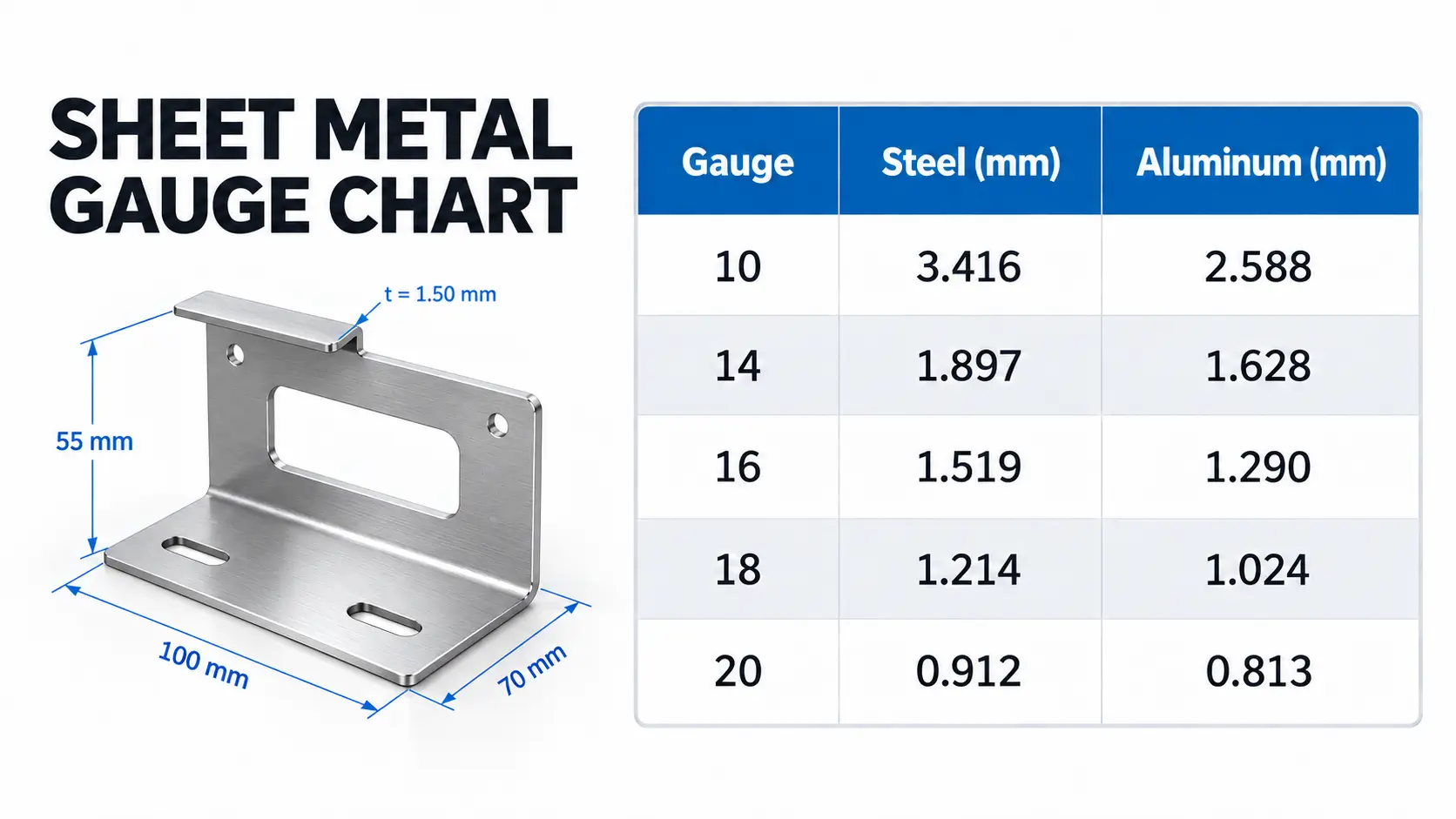
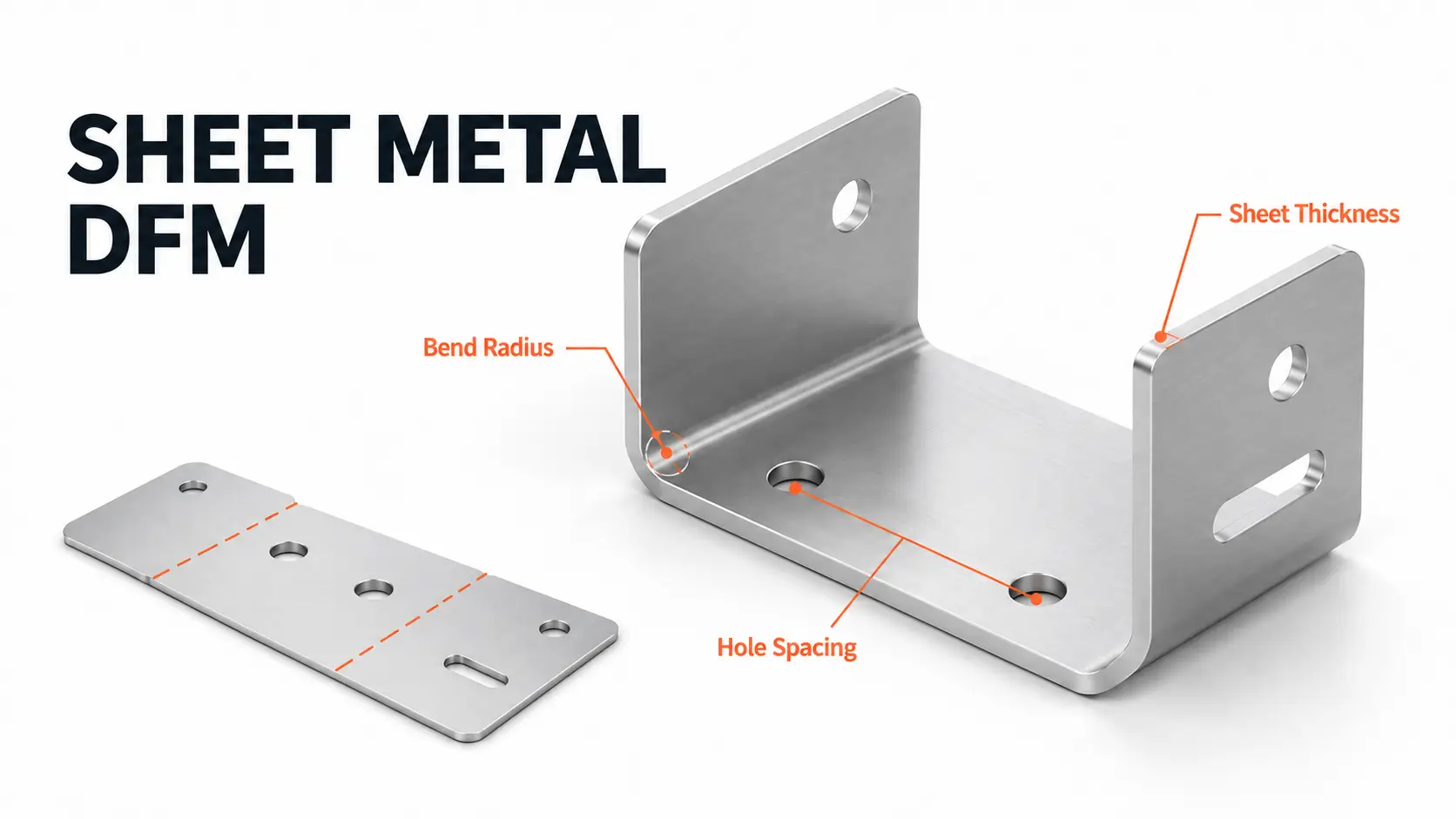
CNC machining is one option for low-volume metal parts, but the part’s shape and functional requirements may make another process more practical. Sheet metal fabrication suits bent brackets, panels, and enclosures, while aluminum extrusion combined with CNC machining can work well for housings, rails, and frames with a consistent cross-section. For extrusion, using an available profile avoids the initial investment required for a custom die.
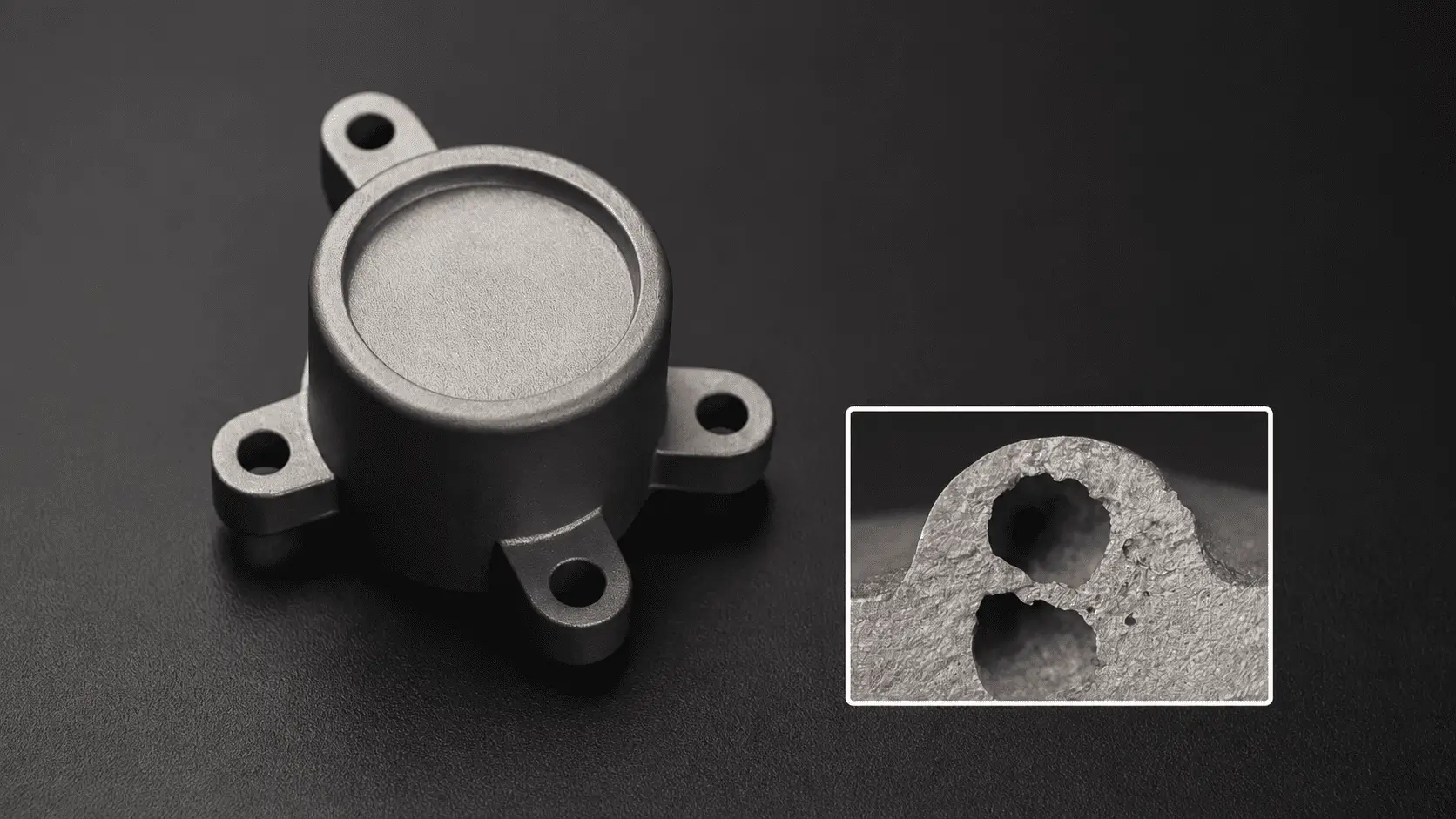
Die casting requires a different cost assessment. Small production batches may be practical when a suitable mold already exists. If a new mold is needed, its design, manufacture, and trials add upfront costs that must be evaluated against expected repeat demand.
At ZH Precision, we review drawings, quantities, and critical features to recommend CNC machining, sheet metal fabrication, aluminum extrusion, or die casting for suitable projects. Where necessary, we combine forming processes with CNC machining to achieve the required holes, mating surfaces, and dimensions.
What Drives Low-Volume CNC Machining Cost?
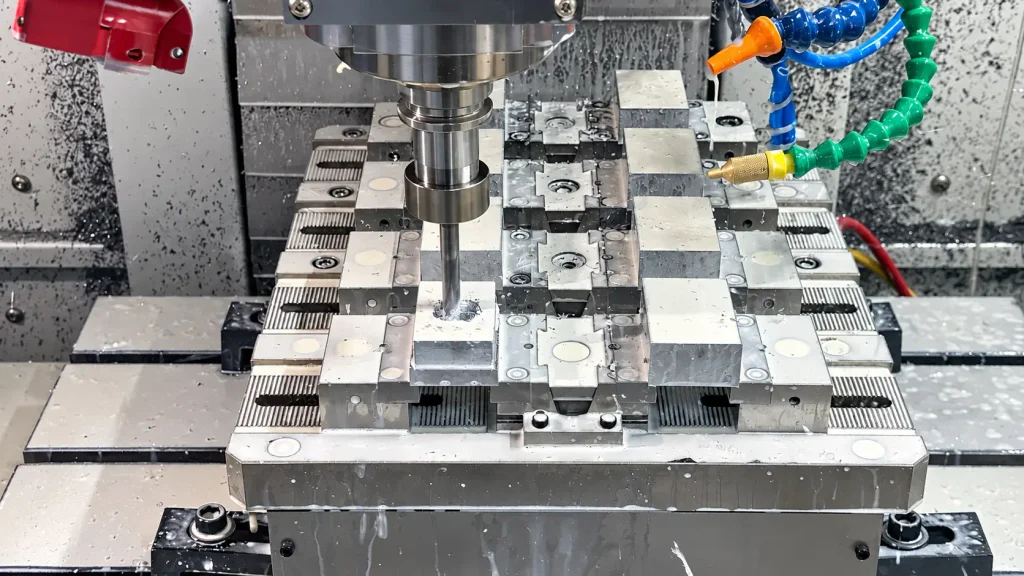
Low-volume CNC machining costs depend on the manufacturing requirements and the quantity ordered. To understand a quotation, it helps to distinguish the work needed to prepare a batch from the costs incurred each time a part is produced.
Batch-Level and Per-Part Costs
Batch-level costs may include drawing and CAD review, CAM programming, setup planning, workholding preparation, tool preparation, and first-part verification. These activities are necessary even when the order contains only a few parts.
Per-part costs include raw material, machining time, tool wear, deburring, and individual handling. Inspection may involve both batch-level preparation and measurements performed on individual components.
Surface finishing can also include both types of cost. A finishing supplier may apply a minimum batch charge alongside charges based on quantity, part size, masking, or handling requirements.
A simplified cost model is:
Unit cost = Batch-level costs ÷ Quantity + Per-part costs
This model illustrates cost behavior rather than serving as a universal CNC quotation formula.
Manufacturing Requirements
Manufacturing requirements determine how much preparation and processing each order needs. A simple spacer held in standard workholding has a different cost structure from a thin-walled housing requiring custom soft jaws, multiple setups, and precision bore inspection.
The main factors include:
Programming and workholding: Multiple machining directions, irregular clamping surfaces, and custom fixtures increase preparation work. Standard workholding can reduce this expense when the geometry allows.
Geometry and machining time: Deep pockets, small internal radii, thin walls, and restricted tool access may require smaller cutters, conservative cutting parameters, or additional operations.
Material and stock size: The quotation accounts for the purchased blank, its machinability, and the amount of material removed. A lightweight finished part can still require a substantial starting billet.
Tolerances and inspection: Precision fits, hole-position requirements, and specified surface roughness may require additional machining and measurement. Inspection reports and full inspection of selected features also affect cost.
Deburring and secondary operations: Edge finishing, anodizing, passivation, and heat treatment add processing steps. Masking and cosmetic requirements may increase handling and inspection work.
For an aluminum housing, the combination matters. A deep cavity increases material removal, bearing bores require controlled dimensions, and anodizing introduces finishing requirements. The supplier must evaluate the complete manufacturing route to price the part.
Part Quantity
Order quantity determines how batch-level costs spread across the finished parts. Consider a simplified example with $600 in batch preparation costs and $30 in per-part costs:
| Order Quantity | Batch-Level Cost per Part | Estimated Unit Cost | Estimated Batch Cost |
|---|---|---|---|
| 10 parts | $60 | $90 | $900 |
| 50 parts | $12 | $42 | $2,100 |
| 100 parts | $6 | $36 | $3,600 |
These hypothetical figures illustrate cost allocation, not market pricing. They assume the same manufacturing method and exclude shipping, taxes, and additional batch charges.
Increasing quantity reduces the preparation cost allocated to each part. Larger orders may also justify multiple-part fixtures or further cycle-time optimization, although those changes require their own investment.
The price reduction gradually becomes smaller because material, cutting, handling, and inspection costs remain. Repeat orders may reuse programs and fixtures, but machine setup and first-part verification can still be necessary.
Buyers should request quotations at realistic quantity levels and compare both unit prices and total order values. A lower unit price may not justify buying extra parts if demand is uncertain or the design is likely to change.
Design Considerations for Small-Batch CNC Parts
Before requesting a quote, review the features that may make the part difficult to machine. The aim is to preserve functional requirements while giving the supplier clear information about where design adjustments are possible.
Check Internal Corners and Pocket Depth
Milling cutters leave a radius at internal corners. Small corner radii require smaller cutters, which can increase machining time, especially in deep pockets.
Check whether a larger radius would still provide clearance for the mating component. Also review pocket depth: a deep, narrow cavity may require a long cutter with limited rigidity. Where the function allows, widening or reducing the depth of the pocket can improve machining access.
Review Clamping Surfaces and Feature Directions
The supplier needs to hold the part securely without damaging it or obstructing the features being machined. Flat, accessible clamping surfaces can simplify workholding, while thin walls and irregular shapes may require custom fixtures.
Holes and features on several faces can also require additional setups. Where their positions are flexible, discuss whether they can share a machining direction. Features that control fit or alignment should retain their required locations.
Specify Tolerances Where They Matter
Bearing bores, locating diameters, sealing faces, and mounting-hole positions may need tighter control than non-mating exterior surfaces. Specify requirements according to each feature’s function rather than applying the same tight tolerance throughout the drawing.
Make sure the drawing clearly identifies:
The datums used to locate critical features.
The dimensions and geometric tolerances needed for fit and alignment.
Surface roughness requirements for functional surfaces.
Whether specified dimensions apply before or after surface finishing.
Any proposed tolerance change should be checked against the mating components and operating requirements before approval.
Standardize Holes and Threads Where Practical
Common drill sizes and thread specifications help the supplier use readily available tooling. Using consistent sizes for repeated features may also reduce tool changes.
Specify thread depth according to the required engagement. Unnecessarily deep blind threads can complicate machining, particularly when there is little clearance between the thread and the bottom of the hole. Confirm suitable engagement and bottom clearance rather than assuming the full hole depth can be threaded.
How to Maintain Quality Across the Batch
For a small batch, checking the first part alone is not enough. Tool wear and repeated clamping can affect dimensions as production continues. Inspection should focus on the features that determine whether the parts fit and function correctly, such as bearing bores, shaft diameters, mounting-hole positions, and threads. Where surface finishing affects a mating dimension, that feature needs checking in its final condition.
At ZH Precision, we review the drawing and identify critical dimensions before machining. We check the first part, make any necessary adjustments, and continue with measurements during the batch. Depending on the feature, we use CMMs, height gauges, profile projectors, or plug and pin gauges. After machining and any specified finishing, we complete final inspection against the agreed requirements. If a customer needs a dimensional report, we confirm its scope when reviewing the order.
What Should Be Included in a Low-Volume CNC RFQ?
A 3D model may be enough for a preliminary quote on a simple part. When the project includes critical tolerances, GD&T, threads, or specific inspection requirements, a dimensioned drawing helps the supplier understand details that nominal CAD geometry cannot reliably communicate.
For an initial machining review, provide:
CAD files and drawings: Use matching revisions and identify fits, tolerances, GD&T, threads, and surface roughness requirements.
Material and surface finish: Specify the material grade, required finish, masking areas, and any cosmetic requirements.
Order quantity: Include the initial batch size and expected repeat demand, if known.
Inspection and delivery requirements: Identify the reports or certificates needed, along with the required delivery date and destination.
You do not need to finalize every tolerance before starting a manufacturability discussion. Identify which holes, faces, fits, and interfaces are function-critical, and which features still allow design changes. This gives the supplier a basis for discussing practical tolerances and machining options. Before production, the drawing and acceptance requirements should be agreed.
If quantity is flexible, request prices for realistic order sizes, such as 10, 25, 50, and 100 pieces. Compare the total purchase amount alongside the unit price to see whether a larger batch offers enough benefit.
Check that competing quotations cover the same scope. Deburring, finishing, inspection reports, fixture charges, and freight may be included or listed separately. For repeat orders, confirm which drawing revision and approved manufacturing requirements will apply.
At ZH Precision, we review CAD files, drawings, material requirements, quantity, and surface finish needs before quoting. Highlighting critical features helps us identify machining questions and discuss possible adjustments before production.
Conclusion
Low-volume CNC machining is a practical option for pilot builds, custom equipment, replacement parts, and recurring small orders. Choosing it involves more than checking the quantity: the part’s geometry, material, tolerances, and finishing requirements determine the manufacturing work, while batch size affects how preparation costs spread across each piece.
Before placing an order, identify critical features, review possible design adjustments, and compare quotations with the same manufacturing and inspection scope. ZH Precision supports this review for small-batch CNC milling, turning, and multi-axis machining. Send your drawings and expected quantities to discuss a suitable machining plan, pricing, and lead time.