

Machine selection, setups, material utilization, tolerance control, and inspection all affect the cost. Some quotes also exclude finishing or delivery charges. This guide explains these differences and what to check before comparing offers.
Why Can the Same CNC Part Receive Very Different Quotes?
The same CAD model and engineering drawing establish the part’s requirements, but suppliers must still decide how to meet them. Their quotations reflect choices about material stock, workholding, machining operations, and inspection, along with the production resources available.
Before judging the price difference, establish whether each supplier has quoted the complete requirement. One may have a more efficient manufacturing approach; another may have excluded finishing, documentation, or a difficult feature pending clarification. These differences need to be understood before the prices can be compared fairly.
Different Machining Strategies Change the Cost
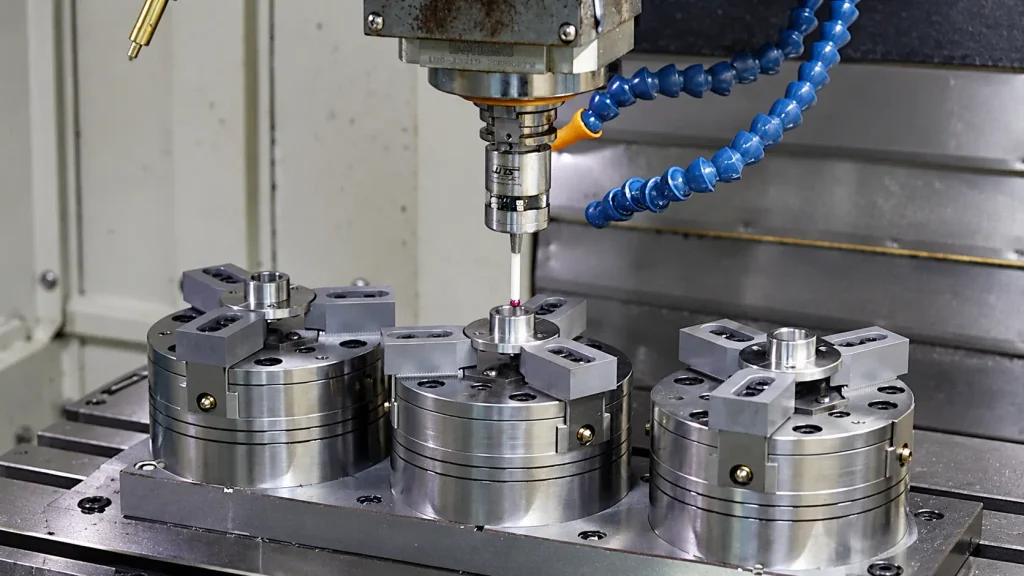
A drawing defines the finished part, but suppliers decide how to manufacture it. One shop may use three setups on a 3-axis mill, while another completes the same features in two setups or uses a 5-axis machine to reduce repositioning. Each approach creates different programming, workholding, and machining costs.
For example, a housing with features on several faces may require separate fixtures and repeated alignment checks. Rotary positioning may reduce that handling, although the machine’s hourly rate can be higher. The more economical option depends on part geometry, order quantity, and fixture requirements.
Repositioning also affects how critical features are located. If a bore and a mounting face must maintain a tight positional relationship, the supplier needs a datum strategy that controls that relationship across operations. The quotation may therefore include precision locating fixtures or additional setup verification.
Equipment and Machining Efficiency Affect Pricing
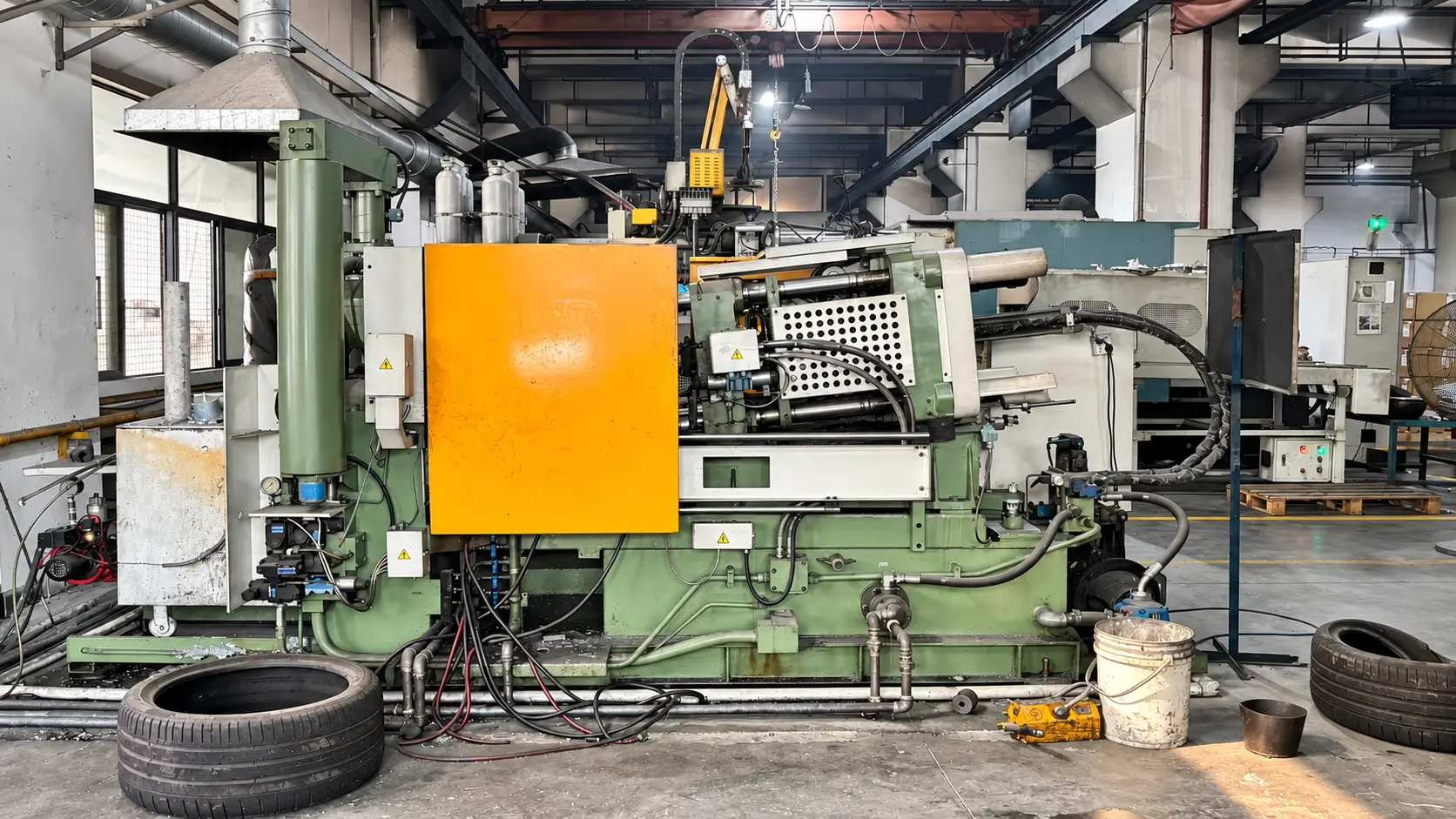
Two suppliers can follow a similar process yet take different amounts of time to complete the part. Machine rigidity, spindle performance, cutting tools, and toolpath programming influence how quickly material can be removed while maintaining the required dimensions and surface finish.
The difference becomes more noticeable with deep pockets, small features, or difficult-to-machine materials. Stable cutting conditions and effective chip removal can reduce machining time and tool changes. A lower hourly rate may therefore produce a higher part price if the operation takes longer.
Fast roughing does not necessarily mean a short overall cycle. A part with several deep, narrow features may spend more time in small-tool finishing than in bulk material removal. An estimate that overlooks this finishing work can substantially understate the time needed to complete the part.
Tolerance and Inspection Requirements Affect the Quote
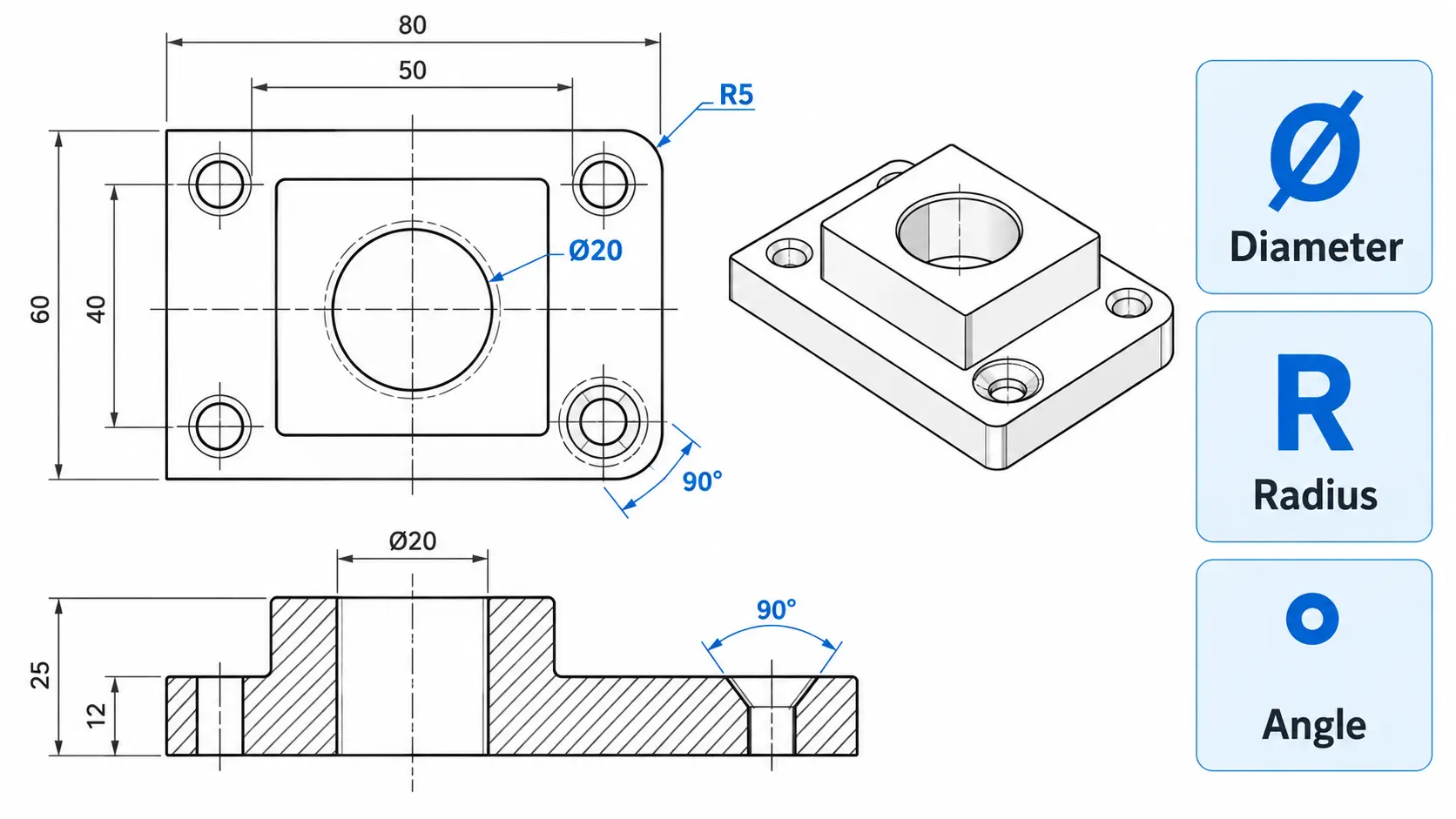
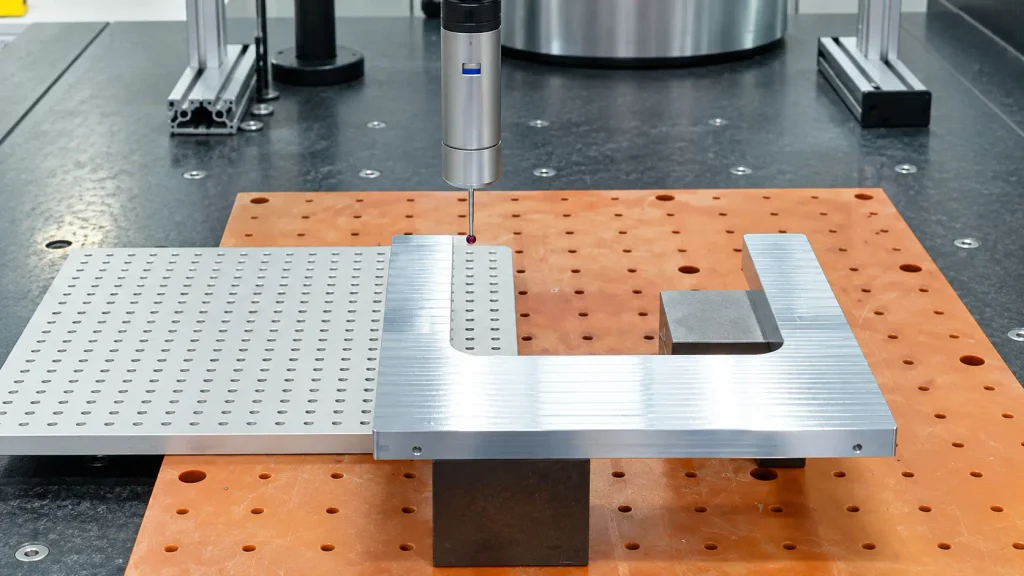
The same drawing sets the same requirements, but suppliers may assess the work differently. A ±0.01 mm tolerance on a short bore presents different challenges from the same tolerance across a large, thin-walled component. Material, geometry, and feature location determine the machining and measurement methods needed.
A hole diameter and the position of that hole are separate requirements. Producing an accurate bore does not automatically establish its position relative to the specified datums. Suppliers must account for both the machining method and the measurement needed to verify the complete requirement.
One supplier may include additional finish-machining passes, tool compensation, and in-process checks, while another may underestimate the work or leave inspection costs unspecified. Confirm which features will be measured, how often, and whether dimensional reports are included. Tight tolerances alone do not automatically require 100% inspection.
Secondary Operations May Be Missing from the Quote
A machining quote does not always cover every operation needed for the finished part. Anodizing, bead blasting, heat treatment, grinding, and marking may be included in one supplier’s price and charged separately by another. Coating thickness, masking, color, and appearance requirements can also change the cost.
The sequence matters too. A part requiring heat treatment followed by grinding needs allowances and locating surfaces planned for both stages. If a critical surface must be machined after coating, the quote must cover another setup and protection of the finished areas. The exposed surface must also be acceptable under the agreed specification.
Check the quoted delivery condition before comparing unit prices. Ask whether deburring, cleaning, finishing, final inspection, and packaging are included, and clarify exclusions in writing. A lower machining price may become a higher total once the remaining work is added.
Material Utilization and Scrap Risk Affect the Cost
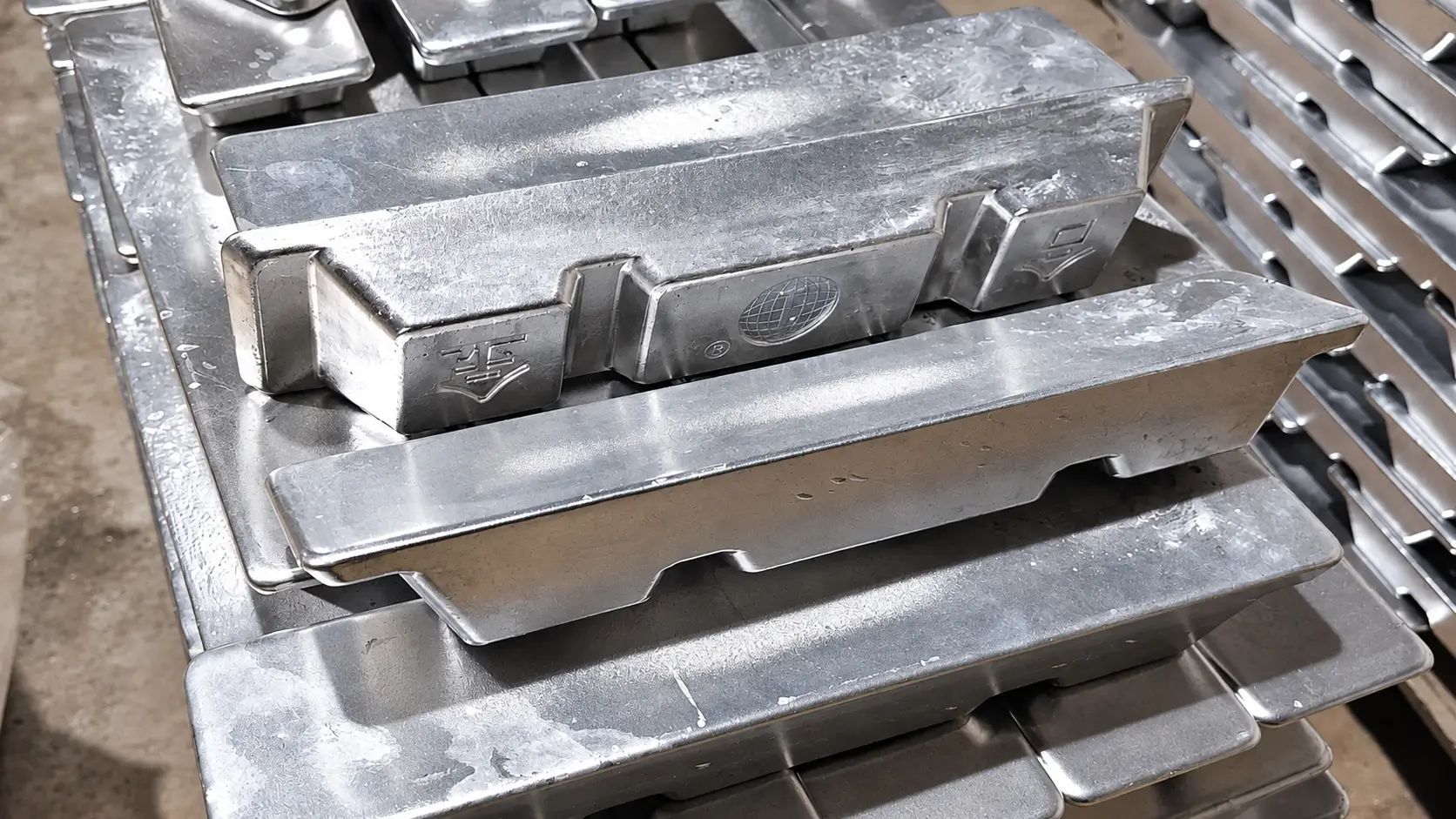
Material cost depends on the stock purchased, not just the weight of the finished part. Suppliers may choose different blank sizes or need extra material for clamping. Available stock dimensions, minimum purchase quantities, and the amount removed during machining can change the quote, even when the specified alloy is identical.
Two suppliers may purchase that alloy under different conditions. One may have suitable stock available, while another must buy a larger plate or meet a minimum order quantity. Whether the remaining stock can be used for other work also affects how material cost is allocated to the order.
Thin walls, deep cavities, and complex features introduce risks such as distortion, chatter, or damage late in the machining cycle. Suppliers may allow for additional blanks, slower cutting, or extra support fixtures. Ask how these risks will be managed; a higher allowance alone does not demonstrate a better manufacturing plan.
Order Quantity and Lead Time Change the Unit Price
Programming, fixture preparation, machine setup, and first-piece inspection create costs that are spread across the batch. A quotation for 100 parts made in one production run may therefore differ from a quotation for the same quantity produced in several separate batches.
Not every preparation cost disappears on repeat orders. Programming may be reusable, but installing fixtures, setting tools, verifying offsets, and approving the first piece can still be required for each new batch. Ask suppliers to distinguish initial development charges from recurring batch setup costs.
Urgent orders may require overtime, schedule changes, or expedited outside processing. Compare quotations using the same batch quantities and delivery requirements. Confirm when the quoted lead time begins and whether it includes material procurement, finishing, inspection, and transport.
How to Compare CNC Machining Quotes Fairly
Before asking a supplier to match a lower price, confirm that both offers cover the same material, drawing revision, quantity, and acceptance requirements. Suppliers can use different manufacturing methods and still deliver conforming parts. The comparison should focus on the complete scope and total cost.
| Item to Confirm | What to Check |
|---|---|
| Drawings & Quantity | Same CAD model, drawing revision, batch quantity, and production schedule. |
| Material | Same alloy, temper or heat treatment condition, and certificate requirements. |
| Tolerances & Finish | All specified dimensions, GD&T, surface roughness, and finishing requirements included. |
| Setup & Tooling | Programming, soft jaws, fixtures, and special tooling included or priced separately. |
| Inspection | Agreed measurement scope, sampling frequency, and required reports. |
| Delivery | Same packaging requirements, destination, shipping terms, and required arrival date. Confirm whether freight and applicable duties are included. |
Ask each supplier to identify assumptions and exclusions in writing. Where a substantial price gap remains, request an explanation of the main cost drivers so you can assess whether it comes from manufacturing efficiency, a different scope, or a misunderstood requirement.
What Should You Do When CNC Quotes Are Far Apart?
A substantial price difference is a reason to investigate the quotation basis before negotiating. Suppliers may not disclose detailed internal costing, but they should clarify their assumptions and the work included.
Resolve Technical Differences Before Negotiating
Check whether either supplier has proposed a material substitution, excluded a tolerance, or assumed a different finishing condition. If the drawing and CAD model conflict, issue a clarification to every supplier so they revise their offers against the same information.
For a precision bore in an anodized housing, for example, confirm whether the bore is masked and whether its specified size applies after finishing. Negotiating before resolving that detail could leave you comparing different finished parts.
Request a Revised Quote with a Clear Scope
Ask suppliers to separate one-time charges from recurring part costs and identify optional services. This makes it easier to understand the first order, repeat orders, and the cost of additional documentation.
Where a supplier offers an alternative process, request confirmation that it meets the original acceptance requirements. Record agreed changes in the revised quotation or purchase order, and update the drawing where necessary.
How Can You Reduce CNC Machining Costs Without Compromising Requirements?
Once the quotations cover the same scope, discuss which manufacturing decisions can be improved. Useful savings often come from workholding, purchasing, batch planning, or removing unnecessary work.
Request DFM Feedback on Expensive Features
Ask which features contribute most to the cost and whether a practical adjustment would help. A larger internal corner radius may permit a more rigid cutter, while a revised locating feature may simplify workholding.
Any proposed change should be reviewed against part function. Preserve critical fits, sealing surfaces, and assembly relationships, and approve drawing revisions before manufacturing.
Compare Quantity and Delivery Options
Request prices for realistic batch sizes and distinguish production quantity from shipment quantity. Producing 100 parts together and shipping them in stages may cost less than machining four separate batches of 25, provided storage, payment, and delivery arrangements are agreed.
If the deadline is flexible, ask for both standard and expedited pricing. This shows whether schedule pressure is adding avoidable cost.
Confirm Which Preparation Costs Can Be Reused
Ask whether programs, soft jaws, fixtures, and inspection routines can be retained for repeat production. Clarify ownership, storage, maintenance, and future setup charges.
This gives you a better basis for evaluating long-term purchasing costs than negotiating the first-order unit price alone.
How ZH Precision Reviews Your CNC Machining RFQ
At ZH Precision, quotation review starts with your CAD files, drawings, material specifications, and order quantity. Our team evaluates setups, workholding, tool access, and critical features, then considers secondary operations and inspection requirements when preparing the price. Missing or conflicting details are raised for confirmation so the quotation reflects the agreed scope.
Share your drawings, required quantity, and delivery needs to request a CNC machining quote. If you are comparing offers, include the specifications and exclusions you need clarified so the quotation covers the work your project requires.
FAQ
Not necessarily. A higher price may reflect additional inspection, a different machining plan, or higher operating costs. Ask how the supplier will meet your requirements and what evidence of conformity is included.
Possibly. A longer lead time, a larger production batch, or a more efficient workholding strategy may reduce costs. Ask the supplier to identify options without changing the specified material, dimensions, or acceptance criteria.
Repeat orders may benefit from existing programs, fixtures, and approved processes. However, material prices, batch quantities, and tooling condition can change. Confirm which initial charges will not apply again and which batch setup costs remain.
Check whether all drawing requirements and secondary operations are included. Ask the supplier to confirm material specifications, critical tolerances, inspection scope, and exclusions. A complete low quote may offer good value; an incomplete one needs clarification before you place the order.