
Common casting grades belong to the Zamak and ZA families, with different compositions suited to different manufacturing and performance requirements. This guide explains their properties, applications, and limitations to help you evaluate zinc alloy for your parts.
What Is Zinc Alloy?
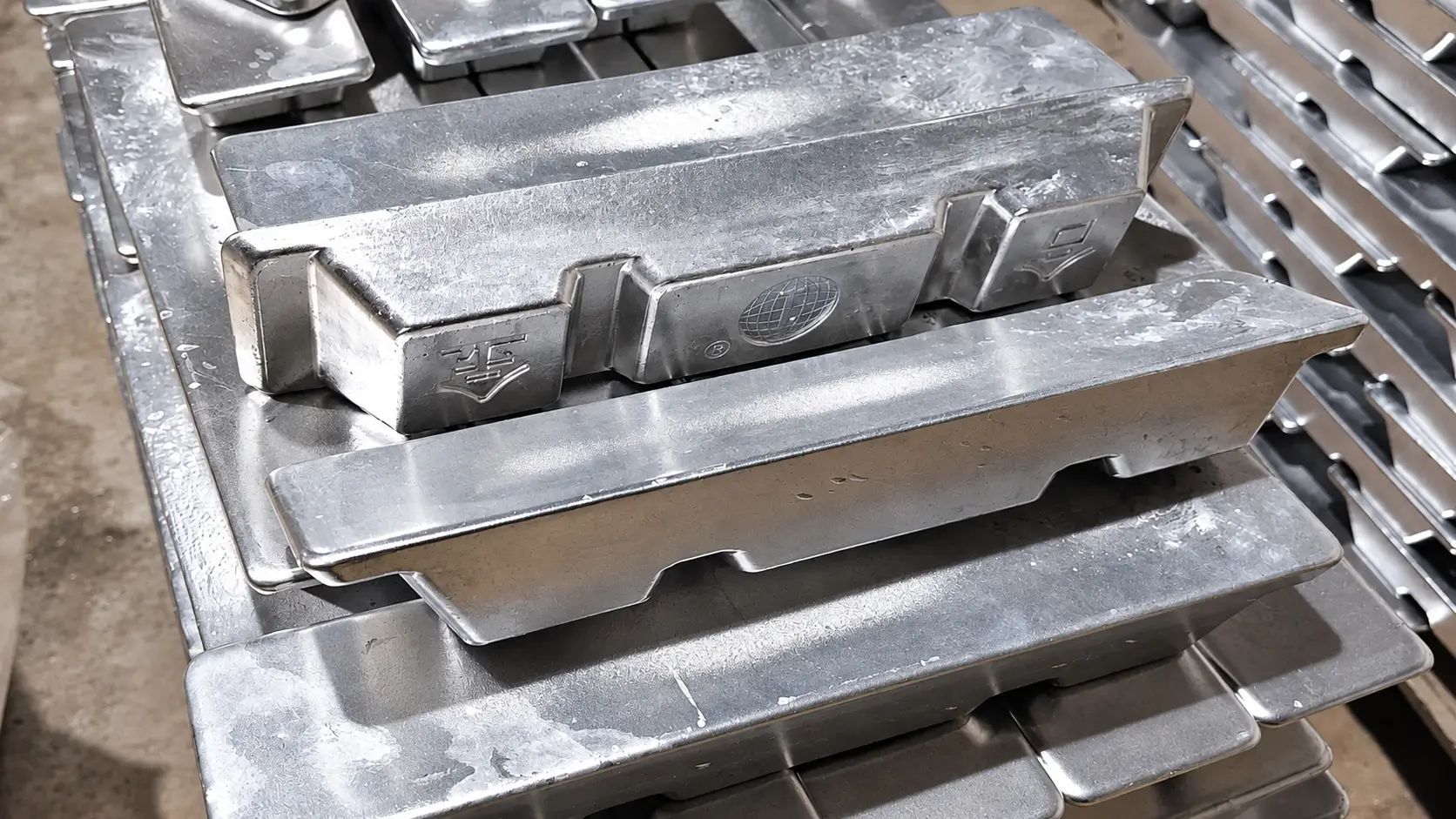
Zinc alloy is a family of metallic materials in which zinc is the main constituent. Its properties depend on the type and amount of alloying elements, so different grades offer different combinations of strength, hardness, ductility, and casting performance.
Two common casting alloy families are Zamak and ZA. Zamak grades generally contain about 4% aluminum, while ZA grades have higher aluminum contents. The grade also influences the suitable casting process, making it important to specify the material rather than simply requesting “zinc alloy.”
Unlike galvanized steel, which has a protective zinc coating over a steel base, a zinc alloy component is made from the alloy throughout. Plating, painting, or powder coating may then be applied to meet appearance and corrosion protection requirements.
Zinc Alloy Composition
Zinc casting alloys contain controlled amounts of aluminum, copper, and magnesium. These elements influence how the metal fills the mold, the properties of the finished casting, and its dimensional stability.
| Element | Role in the Alloy |
|---|---|
| Zinc | The base metal, providing the foundation for the alloy’s casting and finishing characteristics. |
| Aluminum | Improves strength and casting performance. Its content is a key distinction between Zamak and ZA alloys. |
| Copper | Increases strength and hardness, while also influencing ductility and dimensional changes during aging. |
| Magnesium | Used in small, controlled amounts to help protect against intergranular corrosion associated with certain impurities. |
Composition control also matters. Excessive lead, cadmium, or tin can promote intergranular corrosion, potentially causing swelling, cracking, and reduced mechanical performance. These defects should be distinguished from the gradual dimensional changes associated with normal alloy aging.
For purchasing and production, specify the alloy grade and applicable material standard, with composition verified through material certificates and testing where required. The NADCA zinc alloy guide provides an overview of common grades and the effects of their alloying elements.
Common Zinc Alloy Grades
Zamak 3 and Zamak 5 are common choices for die cast components, but the most suitable grade depends on loading, geometry, finishing, and assembly requirements. Higher strength does not automatically make an alloy a better choice, particularly when the part requires bending, crimping, or dimensional stability over time.
| Grade | Key Characteristics | Typical Applications |
|---|---|---|
| Zamak 2 | High strength and hardness within the Zamak family; aging-related dimensional changes require consideration. | Hardware, gears, and wear-resistant components. |
| Zamak 3 | A balanced combination of castability, ductility, dimensional stability, and finishing suitability. | Connector housings, covers, and general-purpose hardware. |
| Zamak 5 | Greater strength and hardness than Zamak 3, with lower ductility. | Handles, brackets, and automotive hardware. |
| Zamak 7 | High fluidity and ductility for detailed castings and certain secondary forming operations. | Thin-walled housings and intricate components. |
| ZA-8 | Higher aluminum content, with strength and bearing properties suited to selected load-bearing applications. | Bushings, bearings, and mechanical hardware. |
For example, a housing with tabs that will be crimped after casting requires attention to ductility, while a loaded handle may place greater emphasis on strength. The final choice should account for the complete manufacturing and assembly sequence, including machining and coating requirements.
Physical and Mechanical Properties of Zinc Alloys
Zinc alloy properties vary by grade and casting condition. Density affects component weight, while strength, hardness, and elongation help determine how a part responds to loading, wear, and secondary forming. The following values compare typical properties published by Eastern Alloys for Zamak 3 and Zamak 5.
| Property | Zamak 3 | Zamak 5 |
|---|---|---|
| Density | 6.6 g/cm³ | 6.6 g/cm³ |
| Melting Range | 381–387°C | 380–386°C |
| Tensile Strength | 283 MPa | 328 MPa |
| Yield Strength | 221 MPa | 269 MPa |
| Elongation | 10% | 7% |
| Brinell Hardness | 82 HB | 91 HB |
Zamak 5 provides higher strength and hardness than Zamak 3, but with lower ductility. This tradeoff matters for parts that undergo bending, riveting, or crimping after casting. Actual component performance also depends on wall thickness, porosity, temperature, and aging, so material selection should consider operating conditions rather than tensile strength alone.
Advantages of Zinc Alloys
Zinc casting alloys combine mechanical performance with the ability to form detailed components efficiently. Their advantages are particularly useful when a part requires complex geometry, repeatable dimensions, or a decorative finish.
Complex Feature Casting: Good fluidity allows thin walls, ribs, bosses, and fine details to be formed within one casting. Suitable designs can combine features that would otherwise require separate components or additional machining.
Dimensional Repeatability: Dedicated tooling supports consistent geometry across production batches. Critical bores, threads, and mating surfaces can be machined where the drawing requires tighter control.
Strength and Hardness: Zinc alloys offer useful strength, rigidity, and hardness for housings, hardware, and mechanical components. The appropriate grade depends on loading, impact, wear, and operating conditions.
Surface Finishing Options: Zinc castings can be polished, electroplated, painted, or powder coated for appearance and protection. Casting quality and surface preparation remain important to the finished result.
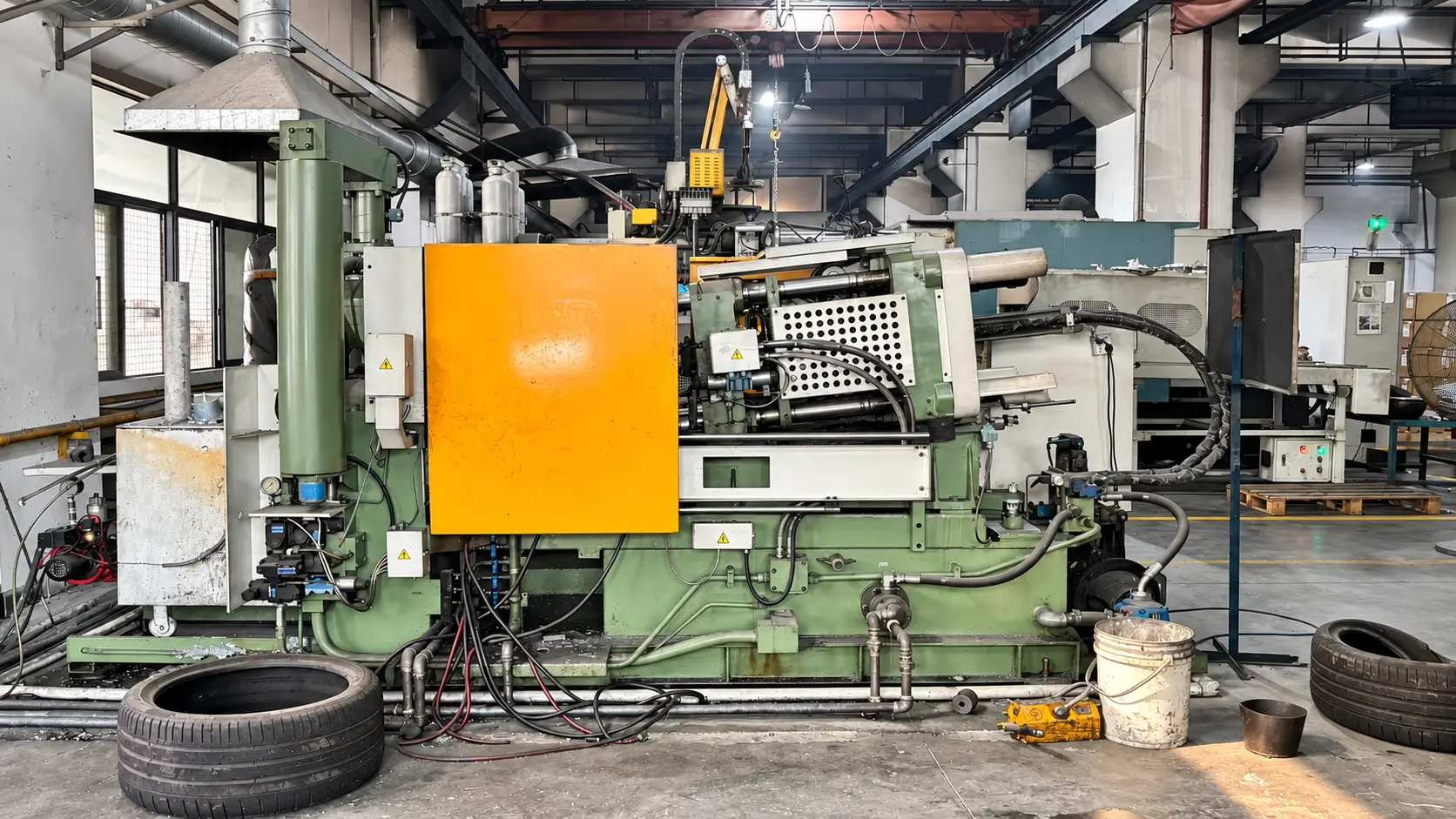
Efficient Production: Common Zamak alloys suit hot-chamber die casting, supporting short production cycles and long tooling life. These characteristics help distribute tooling costs across repeat orders and larger production quantities.
Limitations of Zinc Alloys
Zinc alloys are useful for detailed cast components, but their weight, temperature response, and aging behavior can limit certain applications. Material selection should account for service conditions and dimensional requirements as well as initial strength.
Weight Considerations
Zinc alloys are denser than aluminum and magnesium alloys. Thin-wall designs may reduce material usage, but zinc can still be less suitable for large components or moving assemblies where weight reduction is a primary requirement.
Temperature and Sustained Loads
Strength and deformation behavior change with temperature. Under sustained loads, zinc alloy components can experience creep, particularly at elevated temperatures. Parts such as loaded brackets, threaded connections, and retaining features should be assessed against the expected load, temperature, and service life.
Aging and Dimensional Stability
Zinc alloy castings undergo gradual microstructural changes after production, which can affect dimensions, strength, hardness, and ductility. The extent varies by alloy and thermal history. Precision fits and other sensitive features may require an agreed stabilization period before final machining or dimensional acceptance.
Does Zinc Alloy Rust or Corrode?
Zinc alloys do not rust in the same way as iron or steel, but they can corrode. Exposure to moisture and air may produce surface films, while persistent dampness or condensation can lead to white corrosion deposits. The extent depends on the alloy, environment, surface finish, and whether the part can drain and dry.
For outdoor or humid applications, protection should be selected around the actual exposure conditions. Plating, painting, or powder coating can improve appearance and corrosion resistance when properly specified and applied. Coating thickness, surface preparation, coverage, and contact with dissimilar metals all affect performance.
Intergranular corrosion is a separate issue associated with excessive impurities such as lead, cadmium, and tin. It can cause swelling, cracking, and loss of mechanical properties. Using correctly specified alloys and controlling raw materials and remelting practices helps reduce this risk; it should not be confused with normal aging.
What Is Zinc Alloy Used For?
Zinc alloys are used for components that combine detailed geometry, mechanical strength, and surface finishing requirements. Common applications range from small connector shells to handles, locks, and industrial hardware, with the alloy grade selected around the part’s function and operating conditions.
Connectors and Electronic Housings: Connector shells, cable fittings, and compact enclosures use zinc casting to form mounting features, locating details, and protective walls. Secondary machining can finish critical interfaces where required.
Locks and Architectural Hardware: Lock bodies, handles, knobs, and hinges benefit from zinc alloys’ castability, hardness, and finishing compatibility. Polishing, plating, or coating provides the specified appearance and protection.
Automotive Components: Zinc alloys are used for door hardware, handles, brackets, and selected mechanisms. Load, temperature, vibration, and corrosion requirements determine whether a particular grade is appropriate.
Consumer Product Hardware: Appliance knobs, razor housings, decorative fittings, and accessory components use zinc alloys for detailed shapes and a substantial metallic feel. Visible parts often require controlled polishing and decorative finishes.
Industrial Components: Selected gears, levers, bushings, and instrument parts use zinc alloys for their strength, machinability, or bearing properties. Wear conditions, lubrication, sustained loading, and operating temperature must be considered during selection.
How to Choose a Zinc Alloy for Your Part
Start with the part’s operating conditions: load, temperature, impact, wear, and corrosion exposure. Then assess weight, dimensional stability, and any secondary forming requirements. A higher-strength alloy is not automatically the better choice if it introduces unwanted weight, lower ductility, or greater dimensional change over time.
Geometry and finishing also influence selection. Thin walls and fine details require suitable casting fluidity, while plated surfaces, precision fits, and machined features need coordinated tooling and processing allowances. When comparing zinc die casting manufacturers in China, review their experience with the required alloy, similar components, and finishing specifications.
At ZH Precision, our zinc die casting services include material and drawing review before tooling development. Share your CAD files, required quantity, finishing specifications, and service conditions so our engineers can assess suitable alloy and manufacturing options.
FAQ
Zamak is a family of zinc alloys, not a name for every zinc alloy. Common grades include Zamak 2, 3, 5, and 7. Other zinc casting alloys include ZA-8, ZA-12, and ZA-27.
Common Zamak and ZA casting alloys are generally nonmagnetic. However, steel inserts, fasteners, or certain plated layers may affect how a finished component responds to a magnet. A magnet test alone cannot confirm the alloy grade.
Yes, when the alloy, finish, and part design suit the environment. Consider salt exposure, trapped moisture, coating damage, and contact with dissimilar metals. Specify any corrosion testing around the intended service conditions.
Yes. CNC machining can produce precision bores, threads, and mating surfaces after casting. Machining allowances, workholding, and coating thickness should be considered during design review.
No. Common zinc casting alloys are considerably denser than aluminum alloys. A thinner zinc design may reduce the weight difference, but the finished components must be compared using their actual geometry.